
Chevrolet built the Corvette after World War II as an American answer to the European sports cars that returning troops were buying. Over eight generations it went from a fiberglass roadster with a six-cylinder engine to a mid-engine car that takes on Ferrari and McLaren. Here is how each generation moved America’s sports car forward.
Read next on Morning Overview: Neanderthals in Spain carved a wooden object that matches nothing archaeologists have ever found
1. Corvette C1 (1953-1962): A Show Car Goes on Sale
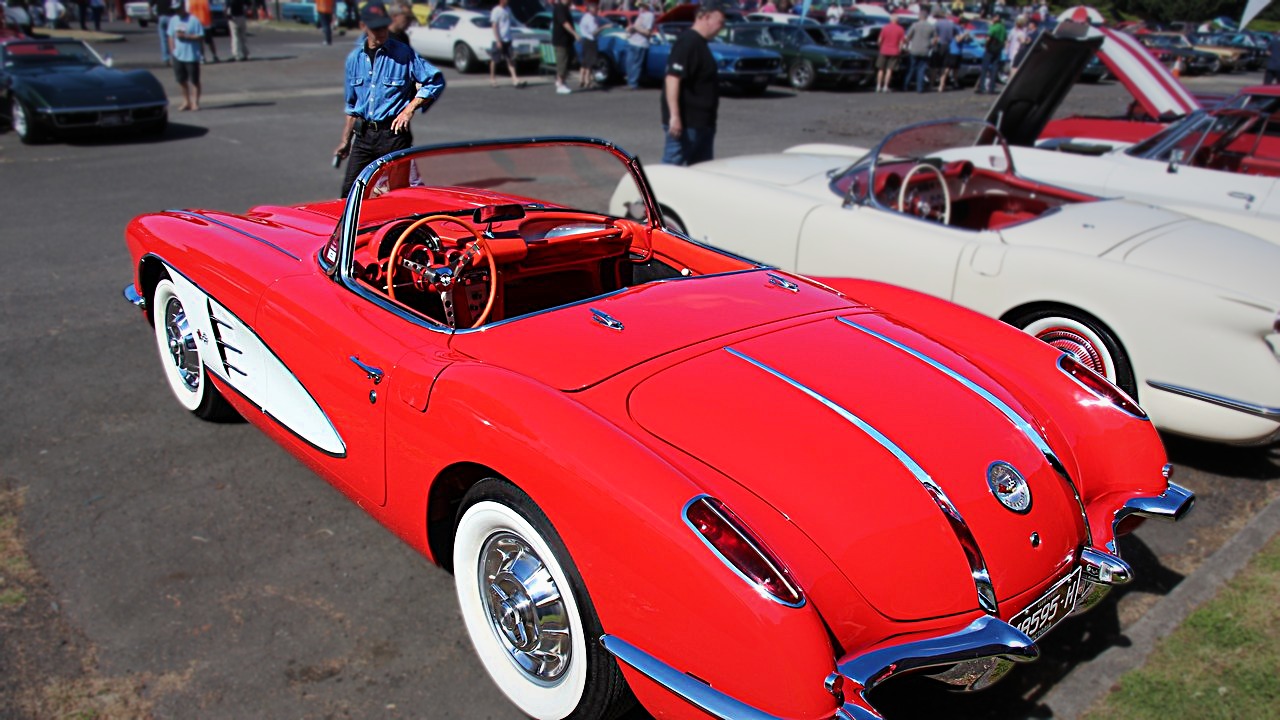
After the war, GM design chief Harley Earl noticed troops coming home and buying European sports cars. The first Corvette appeared at GM’s Motorama show in 1953 with a fiberglass body, a straight-six and a two-speed automatic.
Six months later it entered production in Flint, Michigan, but it was not an instant success, and a significant fraction of early cars went unsold. Bigger V8 engines arrived in 1955, a 1956 facelift made it look like an American 300SL, a 1958 refresh brought four headlamps, and 1961 introduced quad taillights, a Corvette signature that persists today, Motor1 notes.
2. Corvette C2 Sting Ray (1963-1967): The Sting Ray Arrives
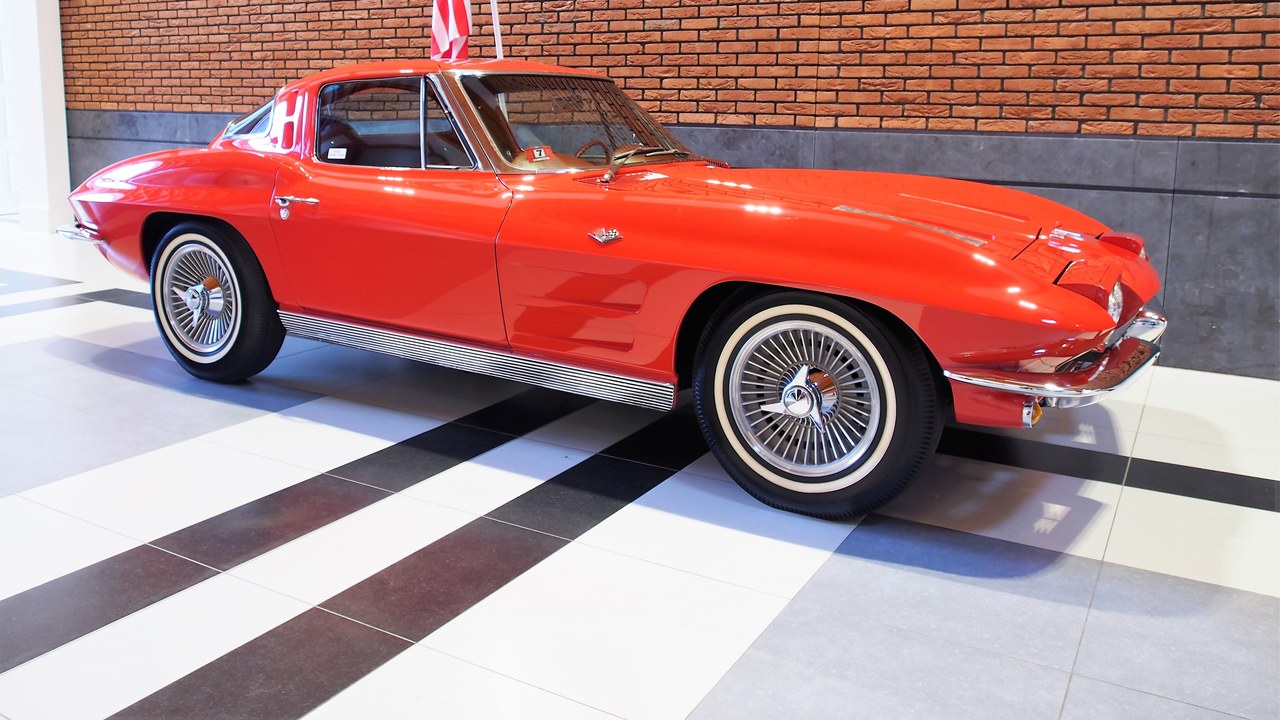
With the 1963 Sting Ray, buyers could have the Corvette as a relaxed convertible or a focused closed coupe, a formula that would largely persist for the next 60 years.
The second generation was the shortest-lived Corvette, yet it arguably did more than any other to enshrine the car in the American consciousness. Its move to independent rear suspension showed Chevrolet was serious about the European competition. The Z06 and ultra-rare Grand Sport built its racing reputation, big-block engines made it a drag racing champion, and its hidden headlamps started a trend.
3. Corvette C3 (1968-1982): The Longest-Running Corvette
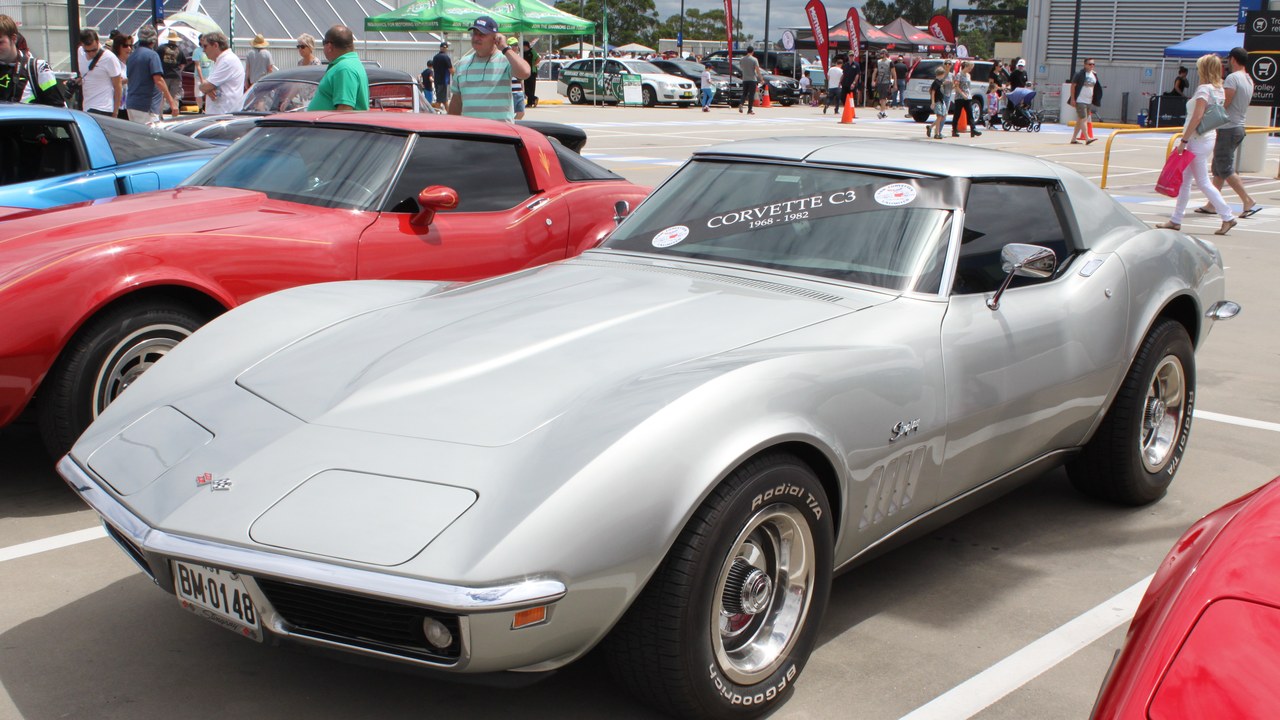
The third generation took its shape from the Shark II concept car of 1965 and kept the Stingray name, now one word. It added removable roof panels for the coupe, something the Corvette still offers.
The 1970s oil crisis and emissions rules cut engines down, and by 1975 the base V8 made a listed 165 horsepower. Plastic body-colored bumpers replaced chrome from 1973. Even so, the C3 held on for 14 years, the longest-running Corvette generation, before production moved from St. Louis to Bowling Green, Kentucky. By then Chevy badly needed a new car; in one 1981 comparison it finished last behind a Datsun and a DeLorean.
4. Corvette C4 (1984-1996): Back to the Racetrack
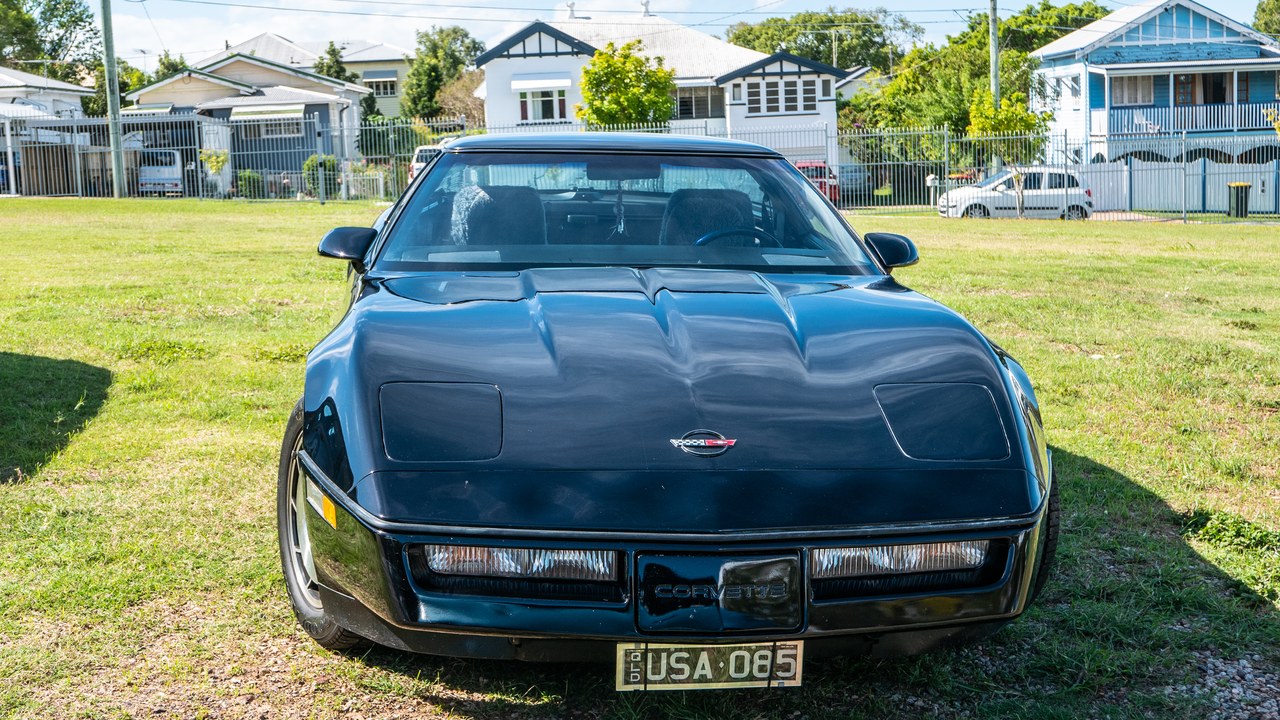
Frustrated with the C3’s reputation as a two-seat Cadillac, Chevrolet turned the dial to club racer for the C4’s delayed debut in 1984. Early cars were almost race cars for the street, with massive door sills and a punishing Z51 suspension.
Improvements kept coming, including better fuel injection in 1985, a six-speed in 1989 and the LT1 small-block. A collaboration with Lotus and Mercury Marine produced the ZR-1, which challenged the Ferrari Testarossa and Lamborghini Countach. It might not have matched a 911 Turbo in a straight line, but it was a match for anything on a skidpad. The return of the convertible after a decade-long absence kept sales strong.
5. Corvette C5 (1997-2004): The Best Corvette Yet
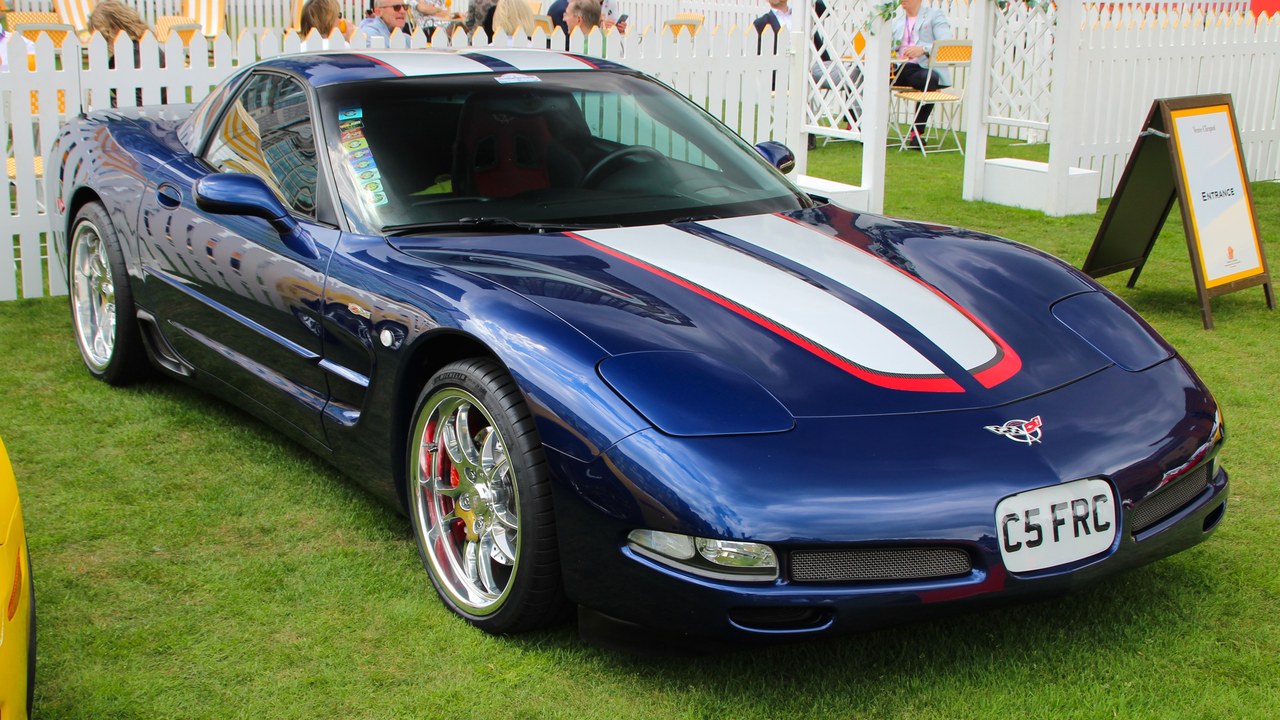
Consumer Reports tested a 1998 Corvette convertible priced at $47,914 with a 345-horsepower V8 and a 5.6-second 0-to-60 time, and called it the best Corvette yet.
Testers praised its ferocious acceleration as well as its impressive handling and braking. With its computer-controlled active-handling system, the car behaved predictably and gripped the road tenaciously at the track, and it threaded the avoidance maneuver safely, though its width limited its performance. The magazine had one complaint about size: the fiberglass two-seater was as wide as the big Oldsmobile Eighty-Eight sedan and only 175 pounds lighter.
6. Corvette C6 (2005-2013): Aiming Squarely at Europe
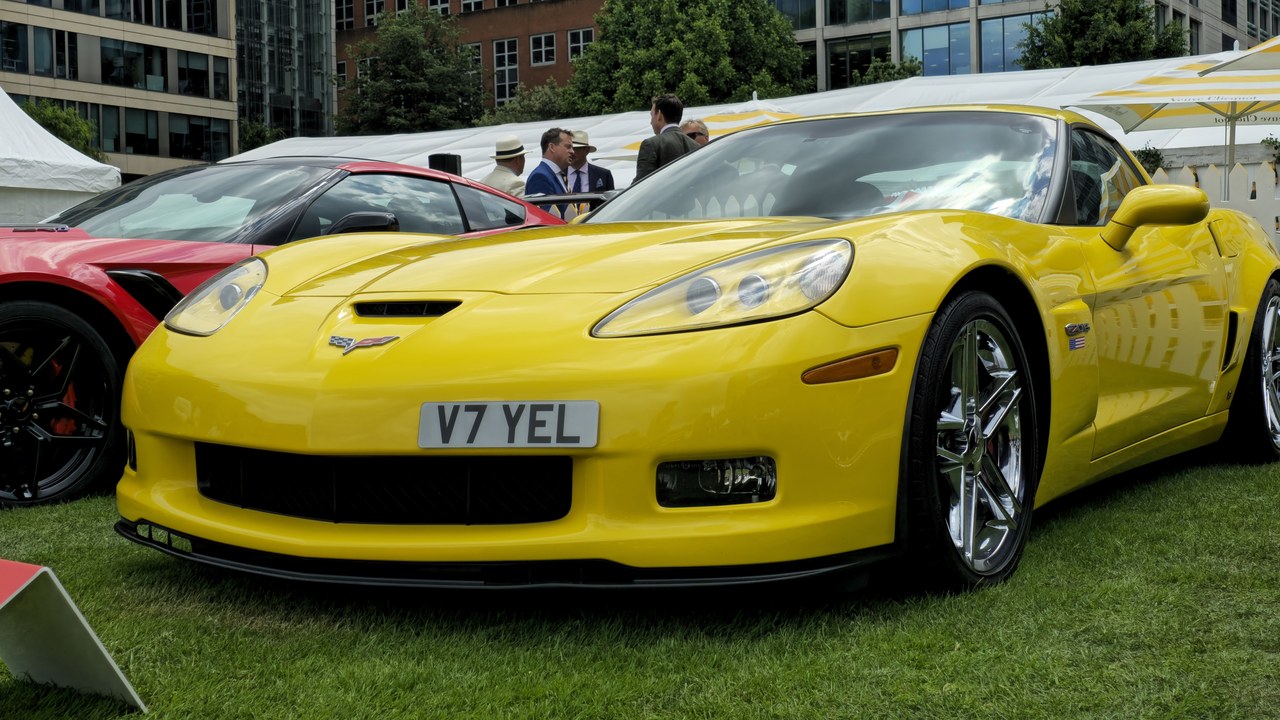
The C6 was developed alongside a Cadillac twin, the XLR, and was physically smaller than the car it replaced, two signs GM was aiming at Europe. The base car made 400 horsepower and the Z06 505.
The peak was the supercharged ZR1, with carbon fiber, carbon ceramic brakes and a see-through hood. It made 638 horsepower, hit 60 mph in 3.3 seconds and lapped the Nurburgring in 7:26.4, beating a Nissan GT-R. Motor1 calls it the generation that truly started delivering exotic, world-beating performance, and on the track the C6.R scored four Le Mans class wins.
7. Corvette C7 (2014-2019): A Bargain Among Supercars
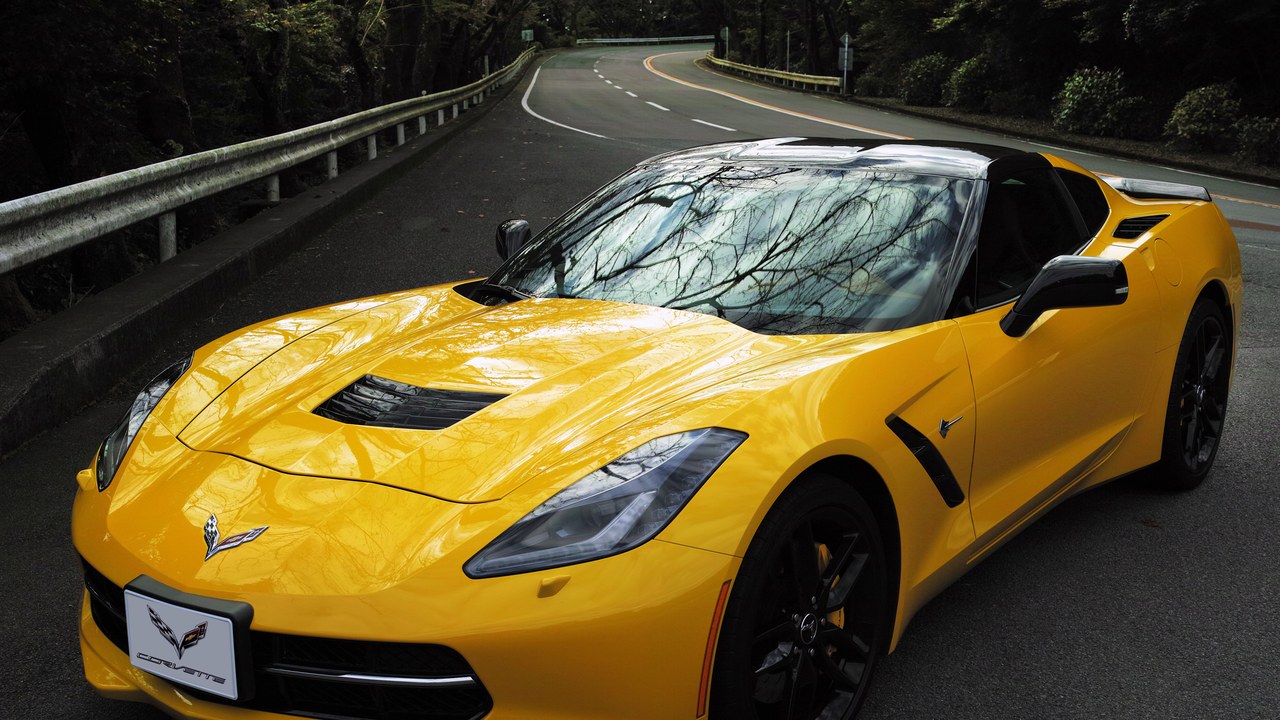
Consumer Reports tested a 2014 Corvette Stingray priced at $73,260, with a 460-horsepower V8 and a 4.3-second 0-to-60 time, and called it a bargain among high-performance cars.
It delivered ferocious acceleration, precise handling and excellent braking for thousands of dollars less than the Porsche 911 and Jaguar F-Type, testers said, and from a start it shot forward with seemingly boundless torque and a throaty bark. They found the seven-speed manual’s shifter somewhat vague and the clutch heavy. Even so, they concluded it was clearly the best Corvette ever, with a satisfying drive and an improved cabin.
8. Corvette C8 (2020-present): The Engine Moves Behind the Seats
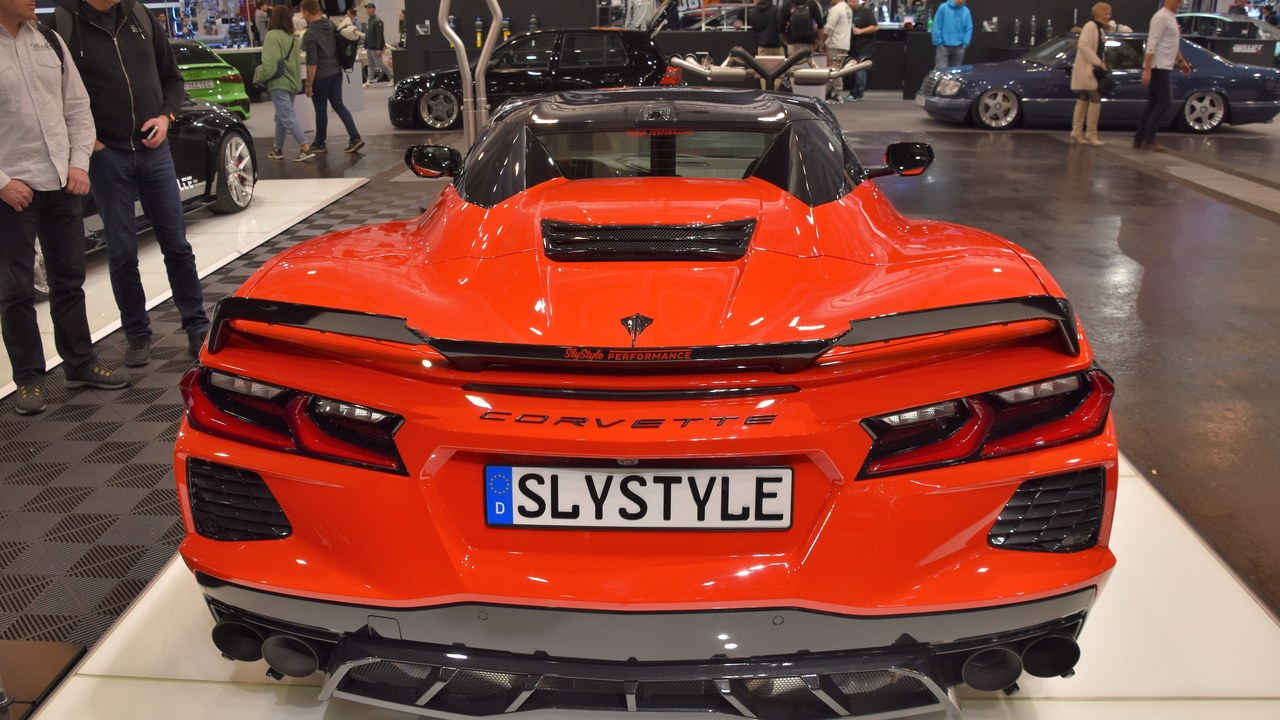
The C8 debuted in 2020 with an entirely new mid-engine design. The idea was not new: Zora Arkus-Duntov showed the mid-engine XP-882 concept, with a four-rotor Wankel engine, in April 1970.
In the end, stoplight drag racing made the case. As small-block power climbed, traction did not keep up, and moving the V8 behind the seats put more weight on the rear wheels. Four model years after its debut, American Collectors noted, the C8 was still very hard to get, helped by a folding-hardtop convertible, while a 650-horsepower Z06 was set to take the fight to Ferrari and McLaren.
More from Morning Overview
- Winter weather advisories cover I-80, I-70 and the Bighorns with up to 15 inches of snow
- Arizona’s governor declared a statewide emergency after Flagstaff logged its wettest Nov. 1 on record
- Zero Motorcycles unveiled an electric motorcycle targeted at under $8K and a street-legal dirt bike at EICMA
- New FCC rules on how people can stop robocalls and texts take effect Nov. 25
