
The air war of the 1940s was fought by crews who flew heavy, slow machines deep into enemy skies. Some bombers were built by the thousands, others were rushed from airliner drawings into combat. Here are 16 bombers that pounded targets from Europe to the Pacific, from American Liberators to Soviet dive bombers.
Read next on Morning Overview: The FAA wants $2.39 million from a flight school it says flew a Cessna about 280 times with an unapproved part
1. B-24 Liberator: The Most-Built American Bomber
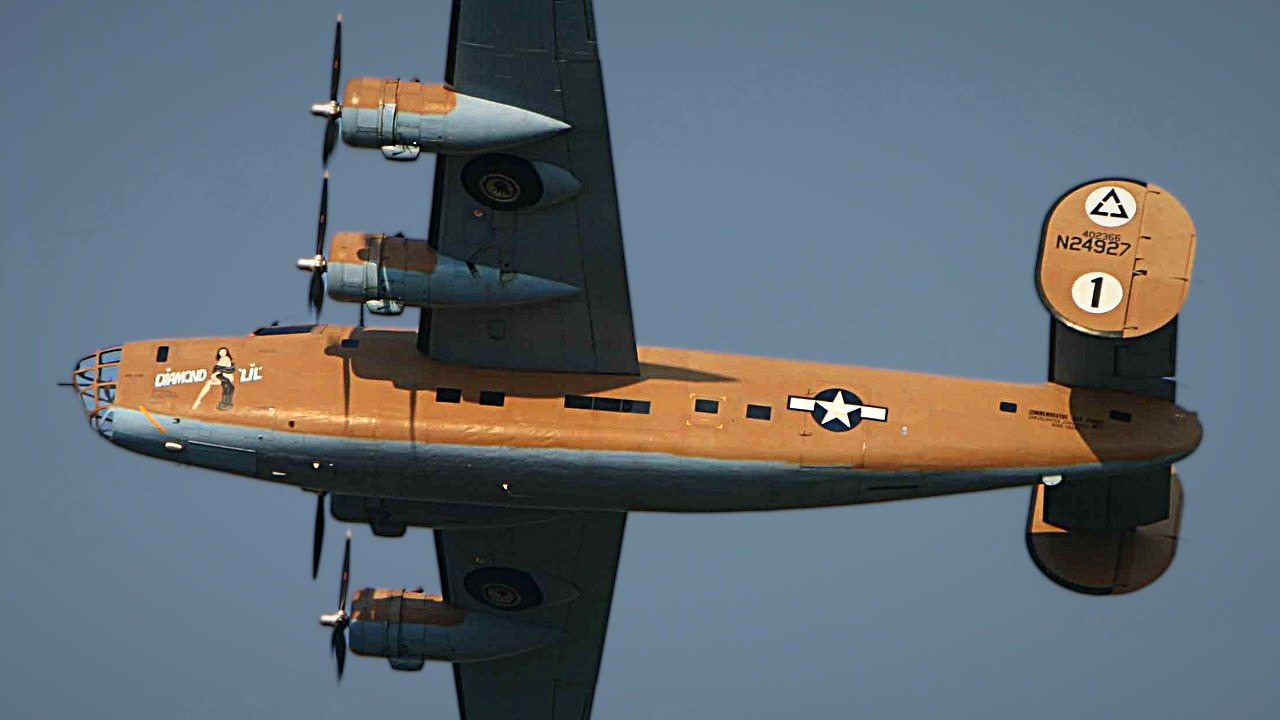
Consolidated built 18,188 B-24 Liberators between 1940 and 1945, according to its Wikipedia entry. Its slender, high-mounted Davis wing gave it a high cruising speed, long range and the ability to haul a heavy bomb load.
That range made the Liberator useful far beyond bombing raids. It also hunted submarines and flew maritime patrols for the United States, Britain and Australia, covering stretches of ocean that shorter-legged aircraft simply could not reach.
2. B-25 Mitchell: The Bomber Named for Billy Mitchell
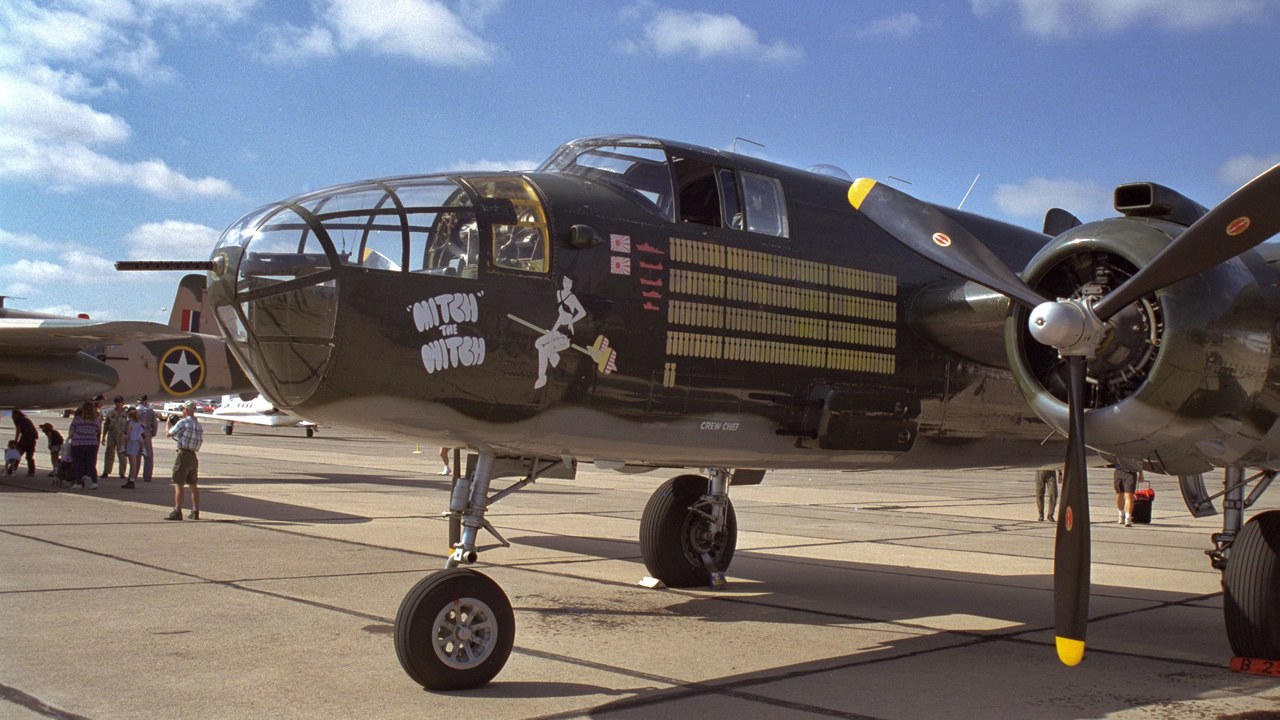
North American Aviation’s twin-engined B-25 first flew on Aug. 19, 1940, and 9,816 were built. It was named for Brig. Gen. William “Billy” Mitchell, an early champion of American military air power.
The Mitchell served the United States, Britain and the Soviet Union during the war, and it kept flying long after. Indonesia operated the type until 1974, more than three decades after the first one rolled out of the factory.
3. B-26 Marauder: The Marauder That Crews Learned to Trust
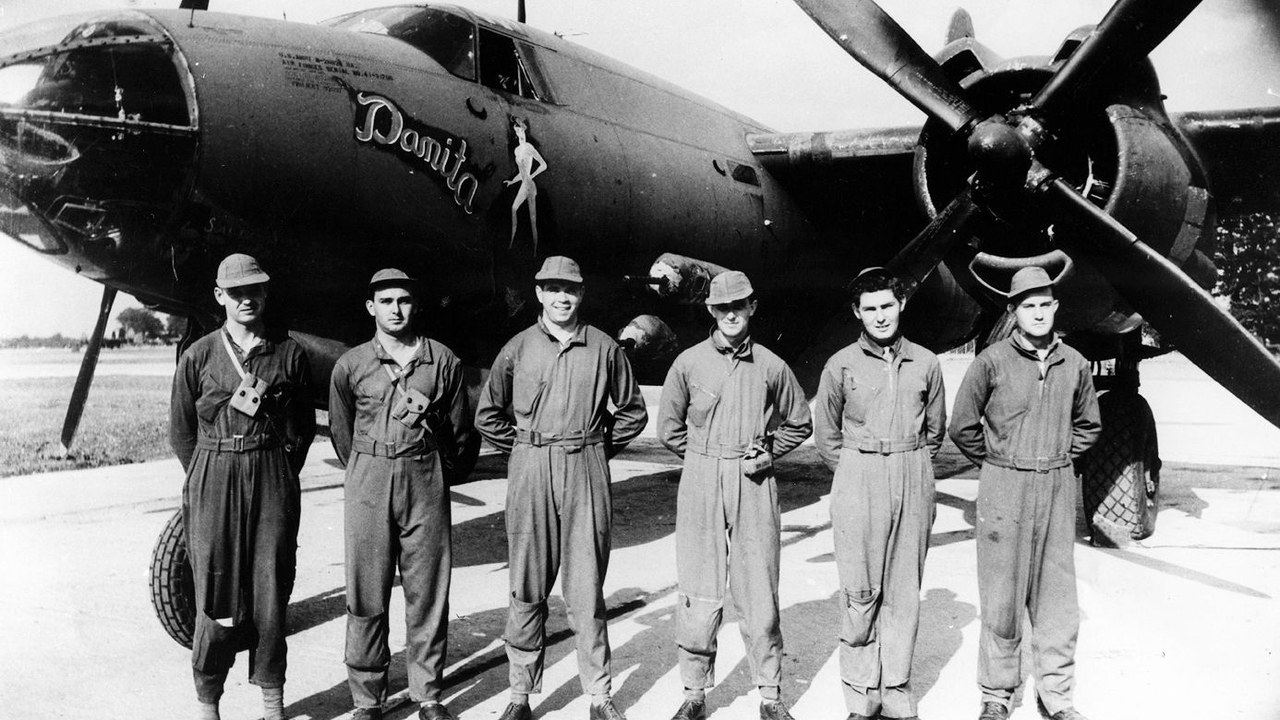
The Glenn L. Martin Company built 5,288 B-26 Marauders from 1941 to 1945. The twin-engined medium bomber first flew on Nov. 25, 1940, after development began in 1939 for the U.S. Army Air Corps.
American crews flew it alongside Free French, British and South African airmen. The Marauder is often confused with the later Douglas Invader, which also carried the B-26 designation after the war, but the two aircraft are entirely different designs.
4. A-26 Invader: The Fast Invader That Fought Three Wars
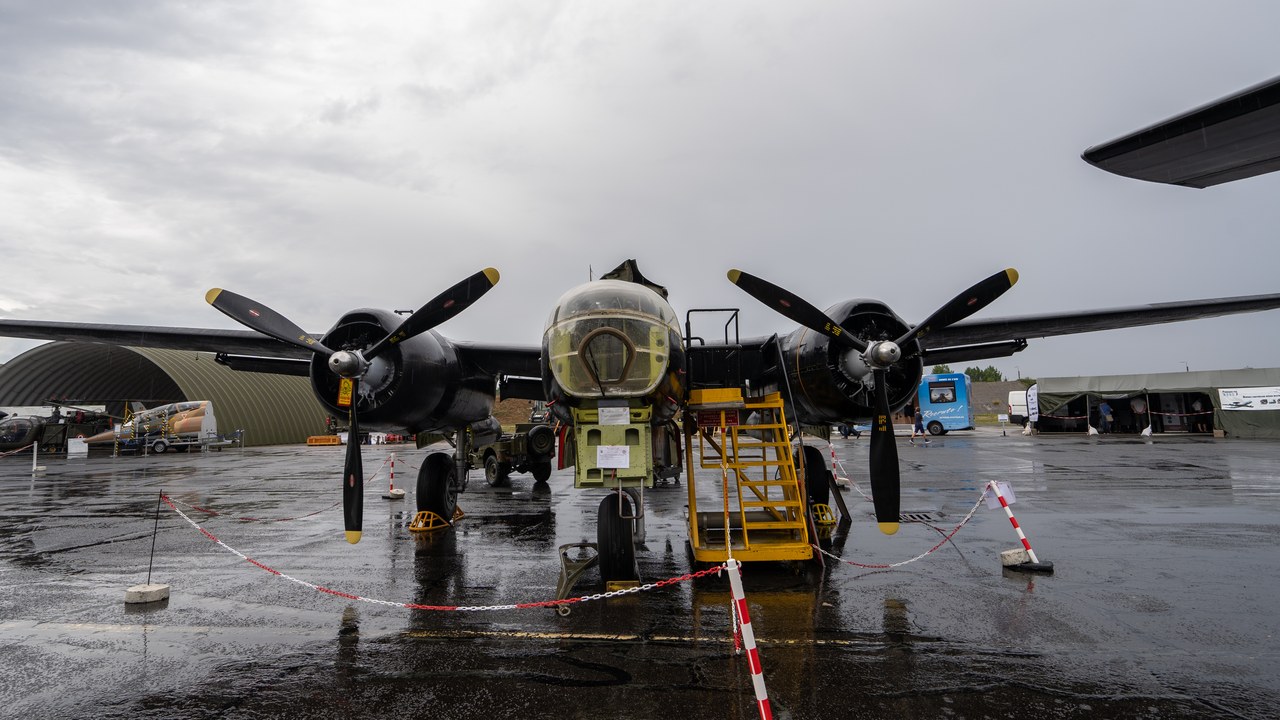
Douglas built 2,503 A-26 Invaders, a twin-engined light bomber and ground-attack aircraft that first flew on July 10, 1942. It was fast, carried a large bomb load and could be fitted with a wide range of guns.
The Invader outlasted World War II by decades. It flew again in Korea and Vietnam, with heavily modified U.S. Air Force examples serving in Southeast Asia until 1969, and Colombia kept the type in service until 1980.
5. Handley Page Halifax: Britain’s Four-Engined Workhorse
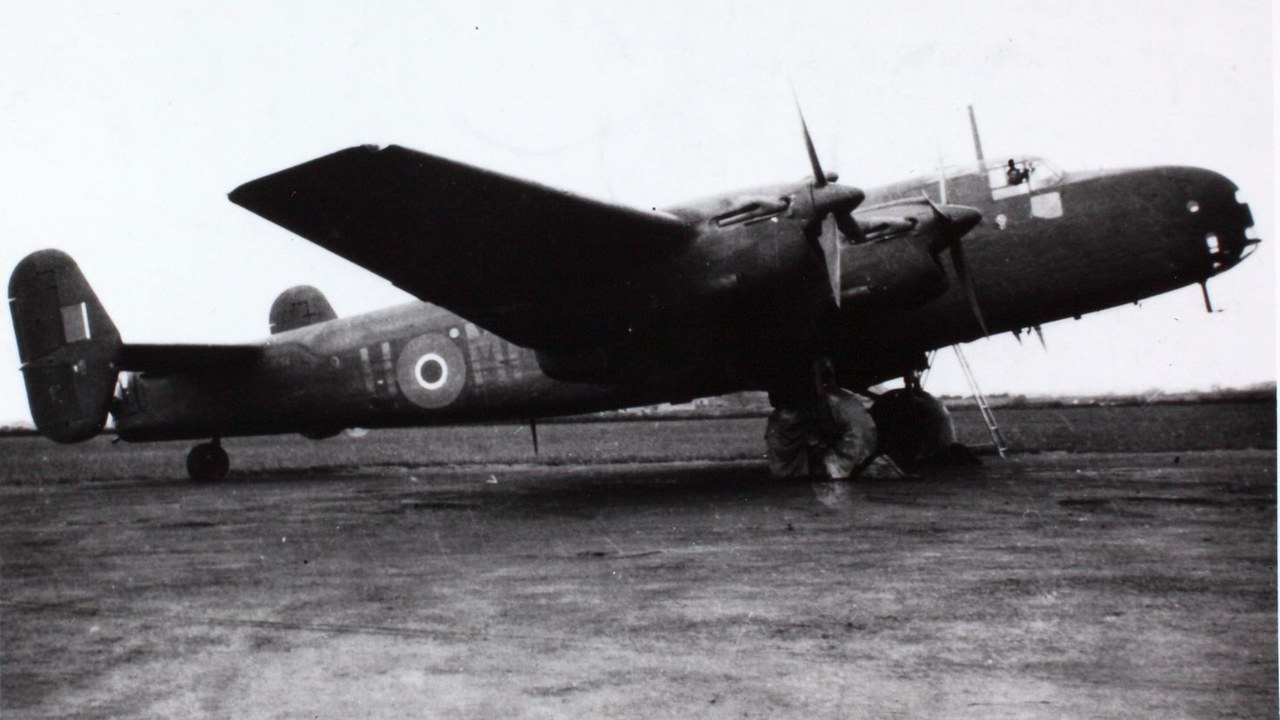
The Handley Page Halifax first flew on Oct. 25, 1939, and entered Royal Air Force service in November 1940, as its Wikipedia history records. It was built 6,178 times.
The design began as a twin-engined proposal meant to use the troubled Rolls-Royce Vulture engine. Handley Page switched instead to four Rolls-Royce Merlins, a change that turned the Halifax into one of Bomber Command’s main heavy bombers through the war.
6. Short Stirling: The First of the Four-Engined Heavies
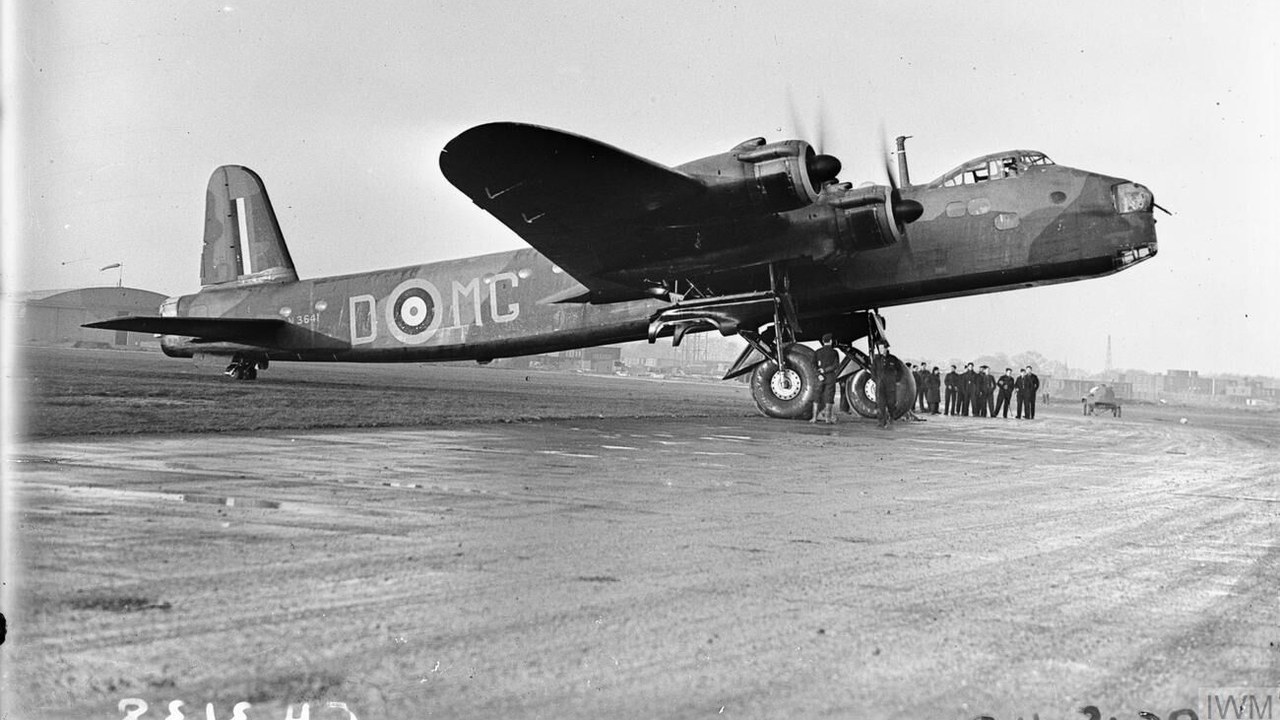
The Short Stirling first flew on May 14, 1939, and was the first four-engined bomber to enter Royal Air Force service in the war, according to its Wikipedia entry. A total of 2,371 were built.
As newer heavy bombers took over raids on Germany, the Stirling found a second career. It towed gliders and carried paratroopers and supplies, and it remained in service with Britain until 1946 and with Egypt until 1951.
7. Vickers Wellington: The Wimpy and Its Lattice Frame
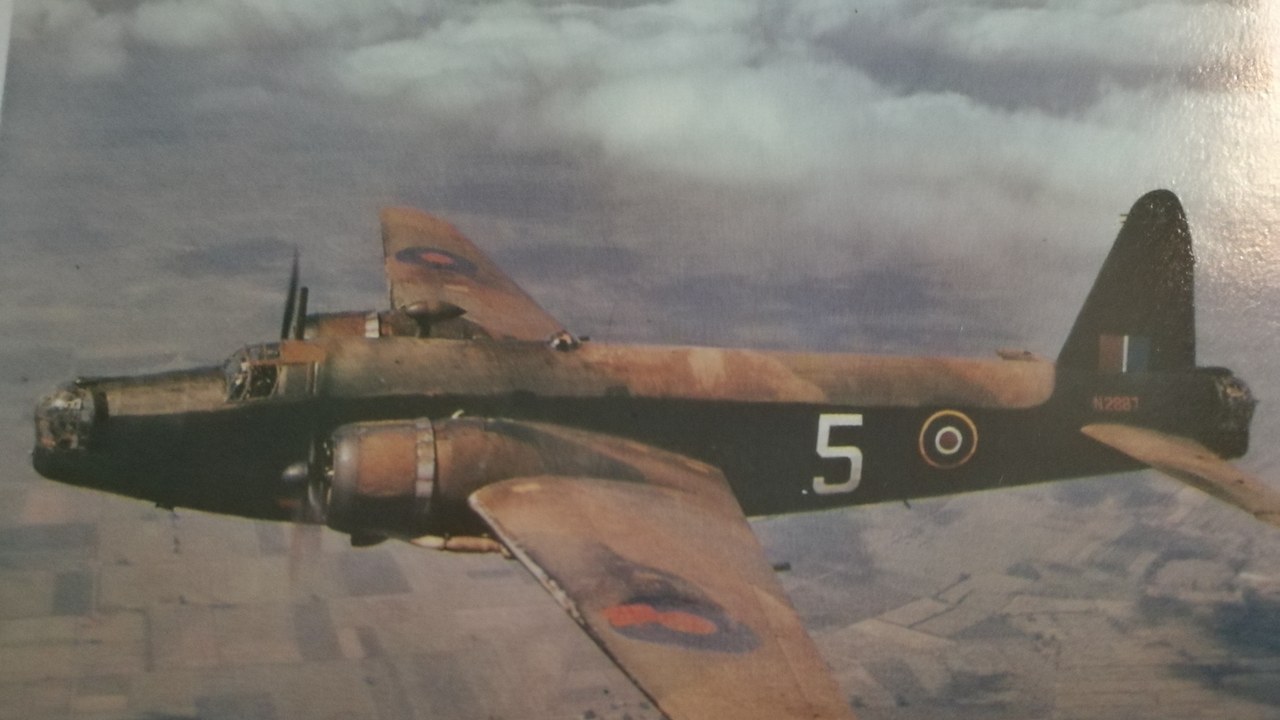
Nicknamed the Wimpy, the twin-engined Vickers Wellington was built with geodetic lattice construction, and 11,461 were produced from 1936 to 1945. That basket-weave frame could absorb heavy battle damage and still bring a crew home.
The Wellington first flew on June 15, 1936, and entered service in October 1938. It carried Bomber Command’s early night raids and later hunted submarines, serving with Royal Air Force, Australian and Canadian squadrons until 1953.
8. de Havilland Mosquito: The Wooden Wonder
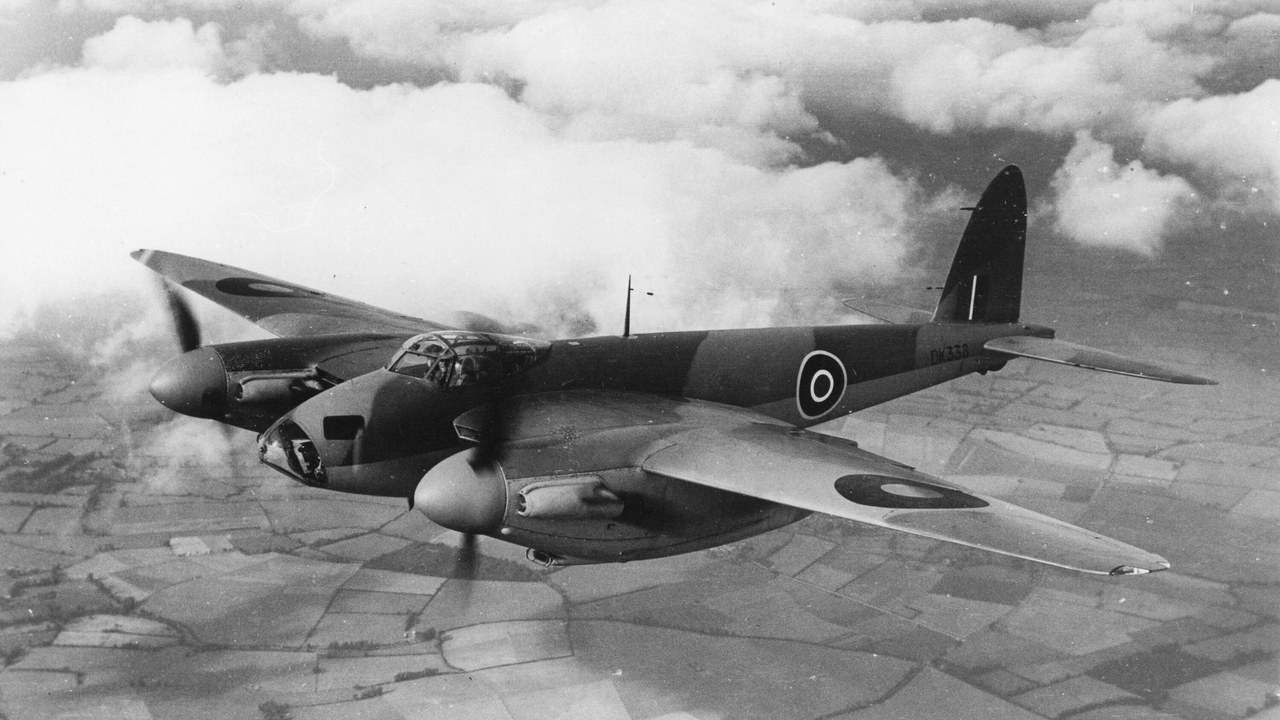
The de Havilland Mosquito served as a light bomber, night fighter, maritime strike aircraft and photo-reconnaissance plane, according to its Wikipedia entry. Between 1940 and 1950, 7,781 were built.
The twin-engined Mosquito first flew on Nov. 25, 1940, and entered service in 1941. Its speed let it slip past enemy fighters on low-level raids, and it flew with British, Canadian, Australian and American units before retiring in 1963.
9. Bristol Blenheim: The Airliner That Became a Bomber
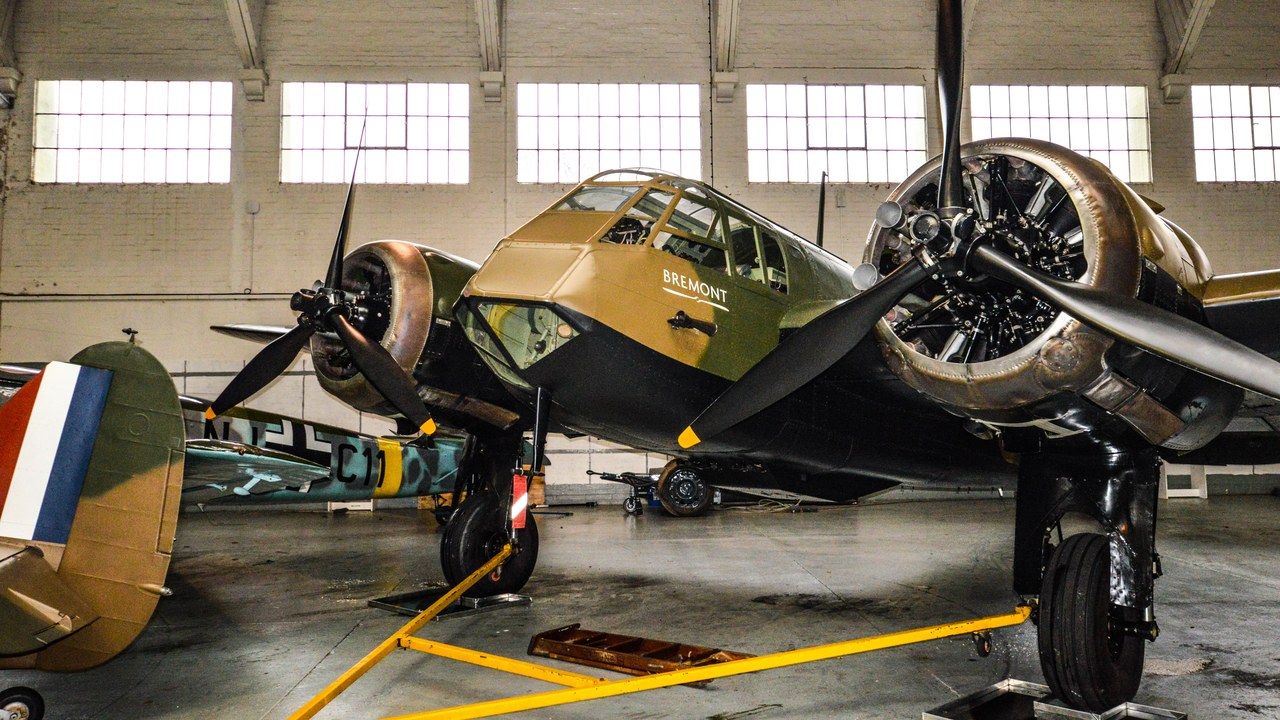
The Bristol Blenheim first flew on April 12, 1935, and 4,422 were built. It started as a fast civil airliner commissioned after newspaper owner Lord Rothermere challenged designers to build the quickest commercial plane in Europe.
The Air Ministry saw its promise and ordered a bomber version for the Royal Air Force, with deliveries beginning on March 10, 1937. Finland flew the Blenheim far longer than Britain did, keeping it in service until 1958.
10. Heinkel He 111: The Wolf in Sheep’s Clothing
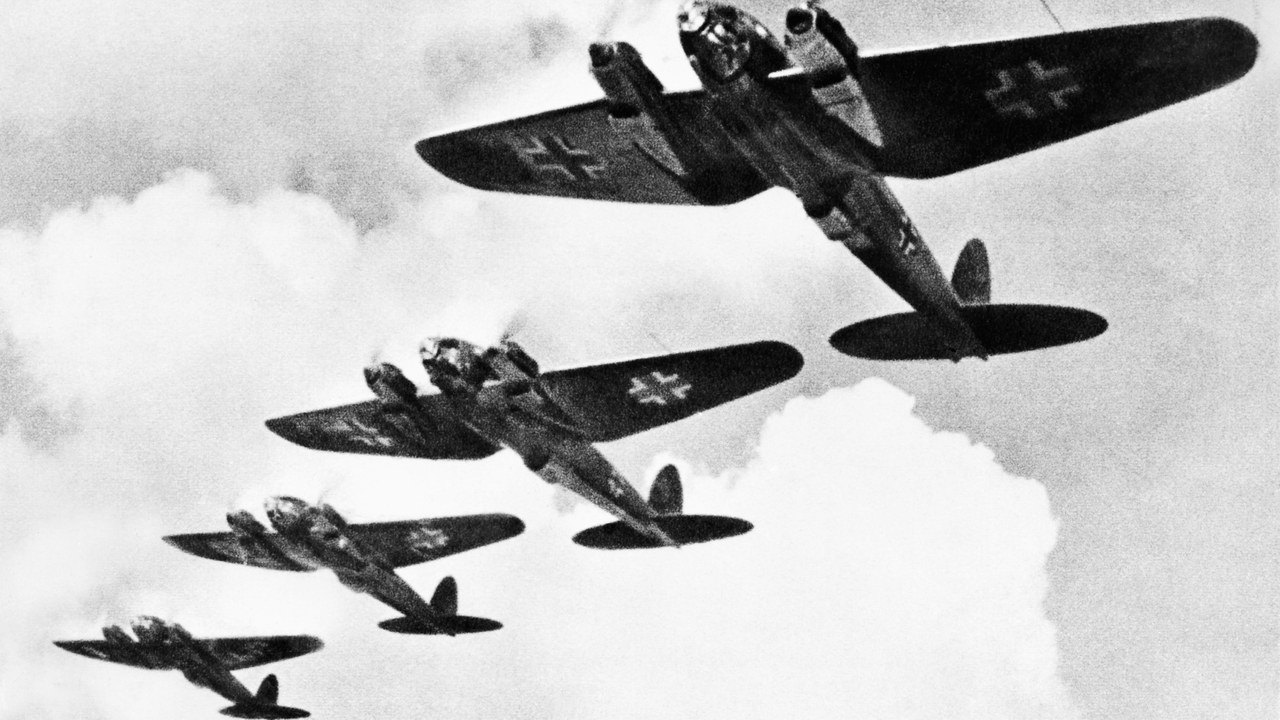
The Heinkel He 111 was designed by Siegfried and Walter Gunter and presented as a civil airliner, though it was meant from the start to be a bomber, its Wikipedia history explains. A total of 6,508 were built.
Its glazed “greenhouse” nose made it perhaps the best-known German bomber of the war. It was the Luftwaffe’s most numerous bomber early on but struggled against fighters in the Battle of Britain. Spain kept flying versions until 1958.
11. Junkers Ju 88: Germany’s Do-Everything Bomber
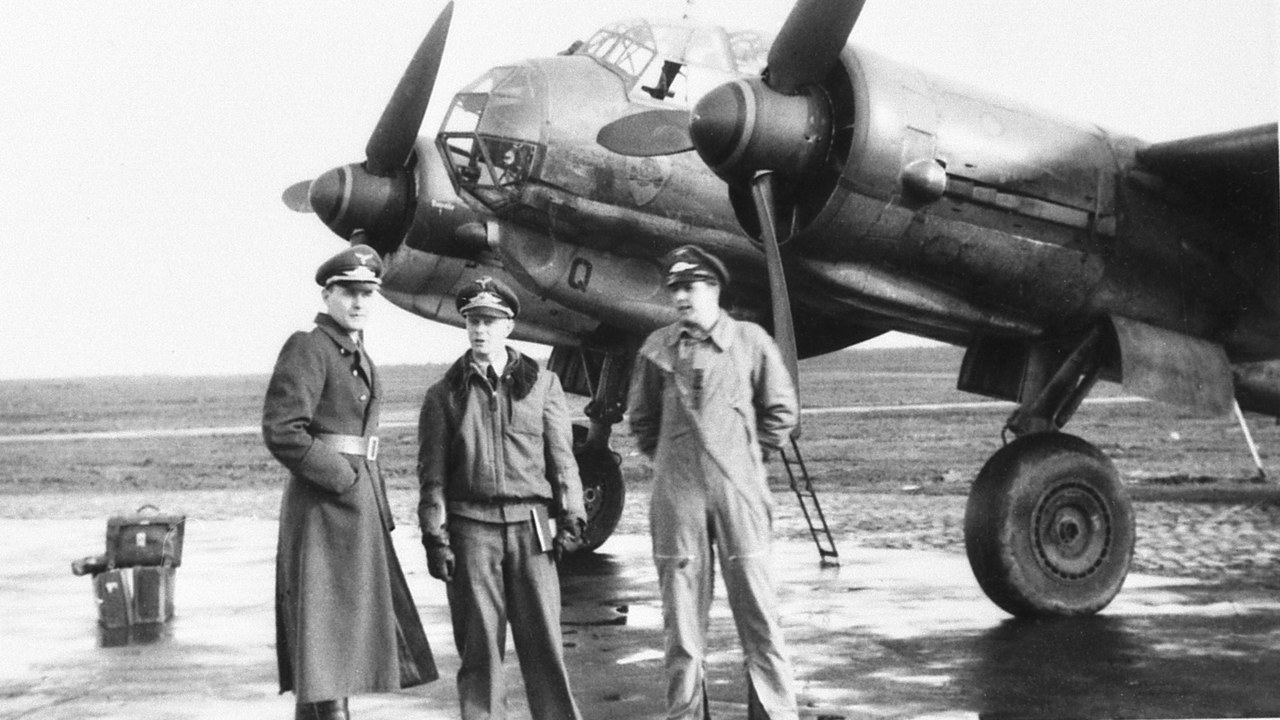
The twin-engined Junkers Ju 88 flew as a dive bomber, torpedo bomber, night fighter and reconnaissance aircraft, and 15,183 were built. It first flew on Dec. 21, 1936, and entered service in 1939.
That range of jobs made it one of the most versatile combat aircraft of World War II. It served with Finnish, Italian and Romanian air forces as well as the Luftwaffe, and France flew captured examples until 1951.
12. Dornier Do 17: The Flying Pencil
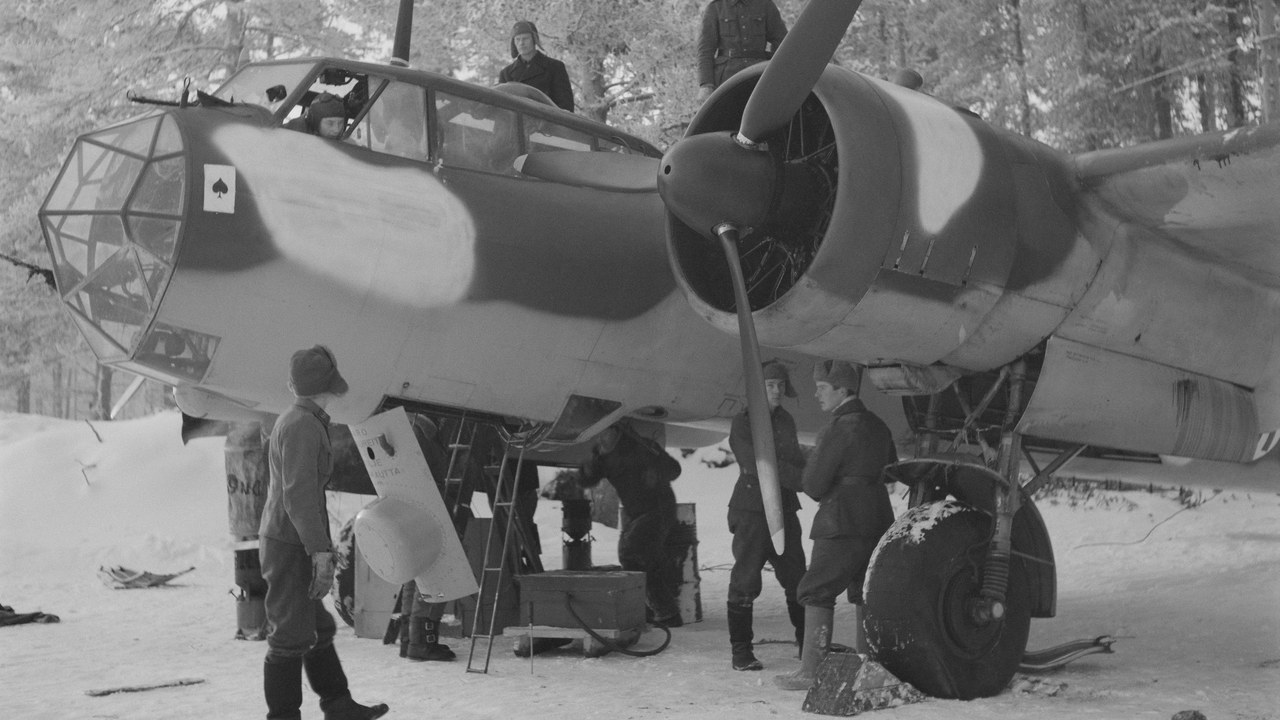
Dornier’s twin-engined Do 17 first flew on Nov. 23, 1934, and 2,139 were built. Its long, thin fuselage earned it the nickname Fliegender Bleistift, or “flying pencil.”
It was designed as a Schnellbomber, a fast bomber meant to outrun enemy fighters with speed alone. Lightly built, with a twin tail and shoulder-mounted wings, it entered service in 1937 and was flown in large numbers by the Luftwaffe through the war.
13. Junkers Ju 87 Stuka: The Screaming Stuka
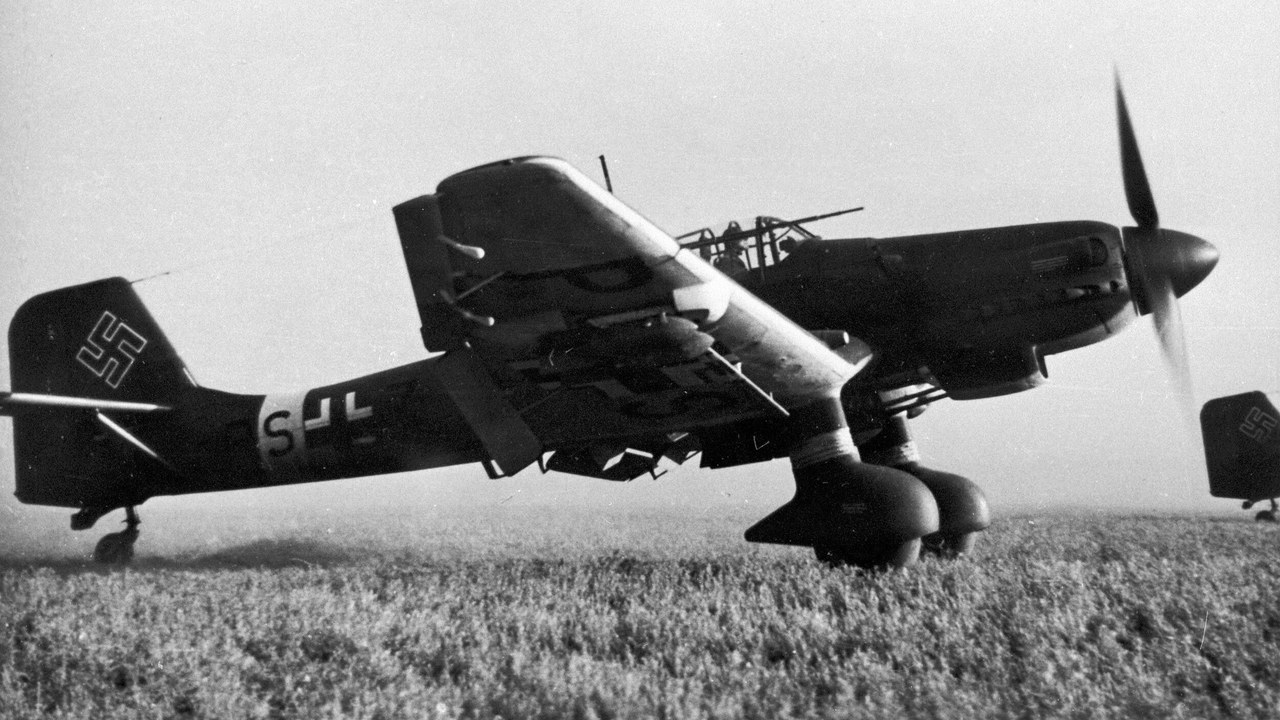
Popularly known as the Stuka, the Junkers Ju 87 dive bomber and ground-attack aircraft first flew on Sept. 17, 1935, and about 6,000 were built, according to its Wikipedia entry.
Designed by Hermann Pohlmann, it made its combat debut in 1937 with the Condor Legion during the Spanish Civil War. Its steep, near-vertical dives made it one of the most recognizable symbols of the early German blitzkrieg campaigns.
14. Mitsubishi G4M: The Bomber Pilots Called the Cigar
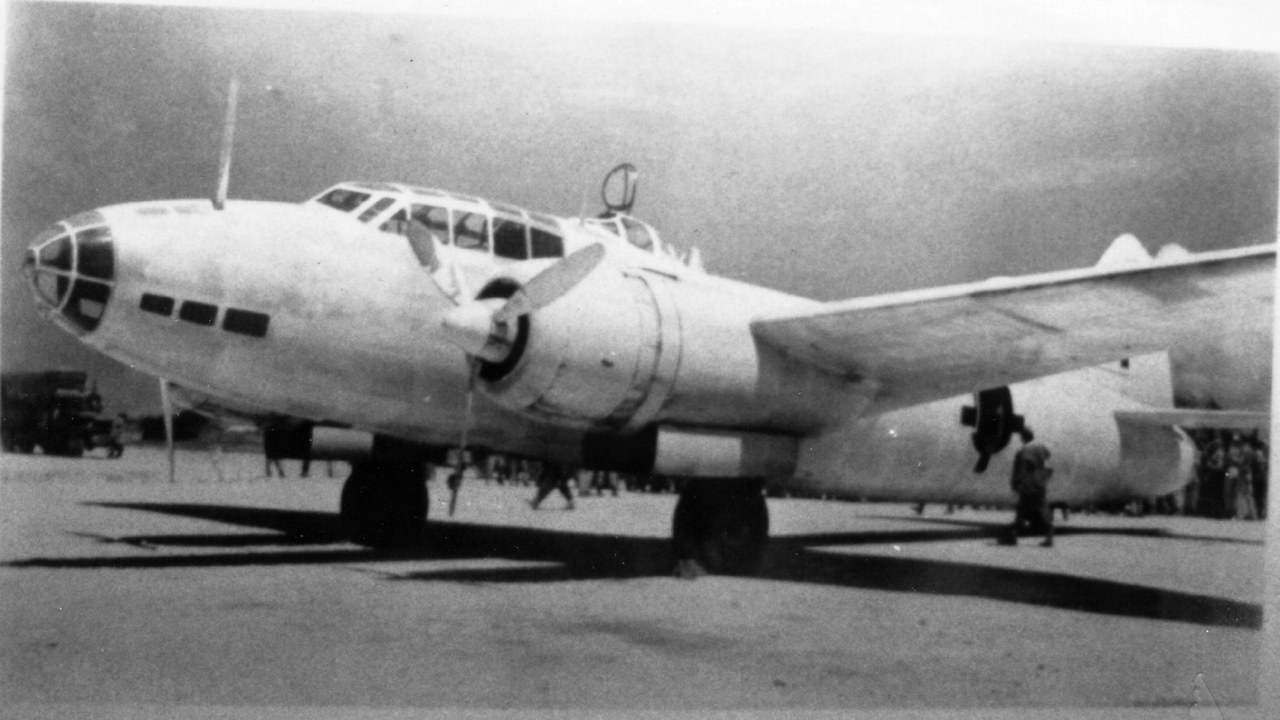
The twin-engined Mitsubishi G4M served the Imperial Japanese Navy as a land-based medium and torpedo bomber from 1941 to 1945, and 2,435 were built. Japanese crews nicknamed it Hamaki, or “cigar,” for its round fuselage.
The Allies called it “Betty.” It had excellent range, but that came from a flimsy structure with almost no armor and no self-sealing fuel tanks, which left the bomber prone to catching fire when hit.
15. Petlyakov Pe-2: The Soviet Union’s Most Important Bomber
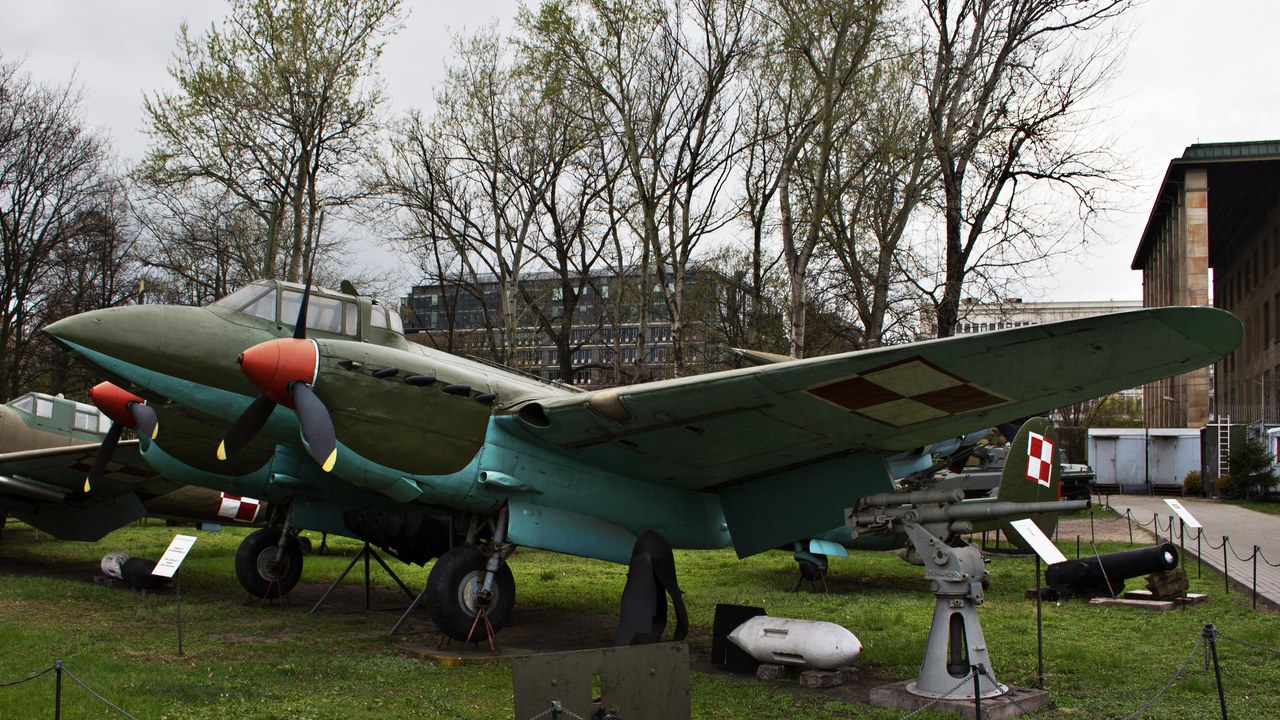
The Petlyakov Pe-2 was numerically the most important Soviet bomber of the war, at its peak making up 75% of the Soviet twin-engine bomber force, according to its Wikipedia entry. A total of 11,430 were built.
The Pe-2 was a fast twin-engined dive bomber that entered service in 1941. Soviet crews nicknamed it Peshka, or “pawn,” and Polish, Czechoslovak and Bulgarian air forces also flew it after the war.
16. Tupolev Tu-2: The Bomber Designed in a Prison
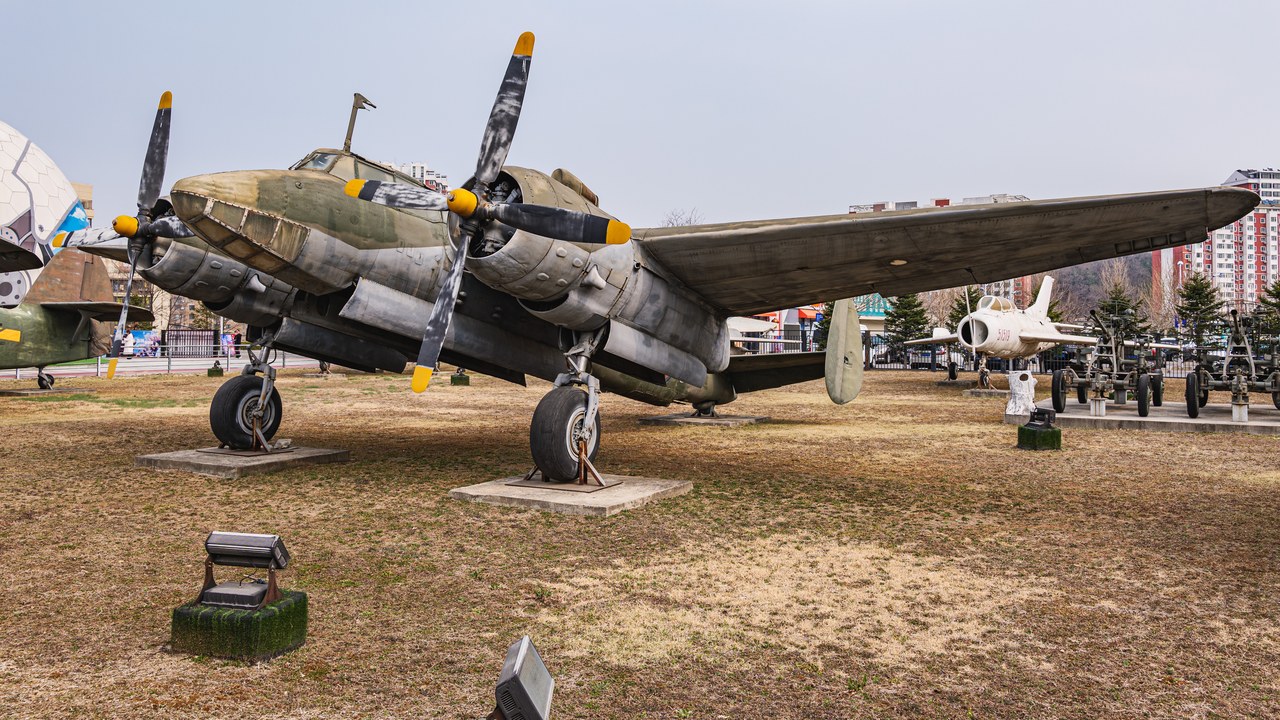
The Tupolev Tu-2 was built as a high-speed daylight bomber meant to match a single-seat fighter’s speed, and 2,257 were built. China’s air force flew it until 1982.
Andrei Tupolev designed it after his 1937 arrest on trumped-up charges, working inside a prison design bureau. Built to rival the German Ju 88, the Tu-2 proved comparable and played a key role in the Red Army’s final offensives of the war.
More from Morning Overview
- Arizona’s governor declared a statewide emergency after Flagstaff logged its wettest Nov. 1 on record
- Zero Motorcycles unveiled an electric motorcycle targeted at under $8K and a street-legal dirt bike at EICMA
- New FCC rules on how people can stop robocalls and texts take effect Nov. 25
- Neanderthals in Spain carved a wooden object that matches nothing archaeologists have ever found
