
Kīlauea gets the headlines because it erupts so often, but it is only one of several volcanoes the USGS watches across Hawaii. Its neighbors include Earth’s largest active volcano, a peak expected to erupt within a century and a submarine volcano still growing toward the surface. Some have been quiet for centuries, which is exactly why scientists keep them on the monitoring list.
Read next on Morning Overview: Neanderthals in Spain carved a wooden object that matches nothing archaeologists have ever found
Mauna Loa: Earth’s Largest Active Volcano
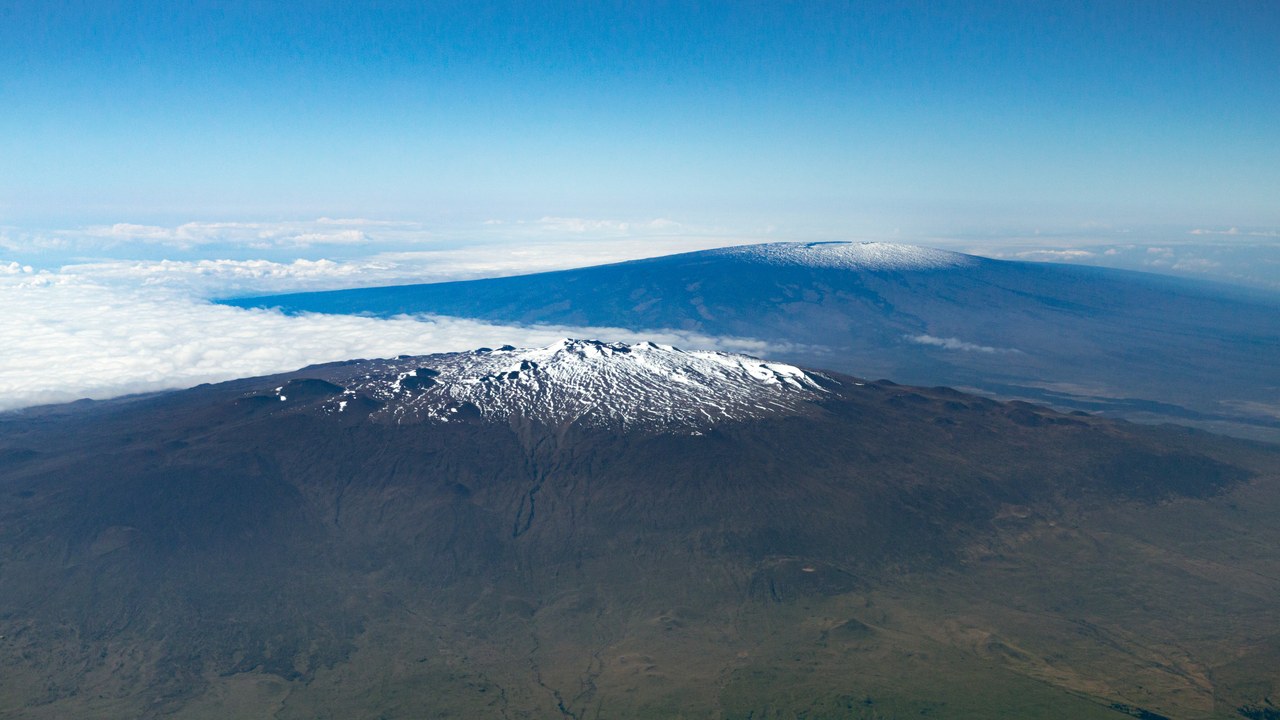
Mauna Loa is Earth’s largest active volcano by both mass and volume, a shield volcano with an estimated volume of 18,000 cubic miles. Its lava is fluid and its eruptions tend to be non-explosive, but they can travel far.
Its most recent eruption ran from November 27 to December 13, 2022, the first since 1984. Eruptions in 1926 and 1950 destroyed villages, and part of the city of Hilo is built on its 19th-century lava flows. Because of that risk, Mauna Loa is on the Decade Volcanoes list and has been monitored by the Hawaiian Volcano Observatory since 1912.
Mauna Kea: Dormant, Not Extinct
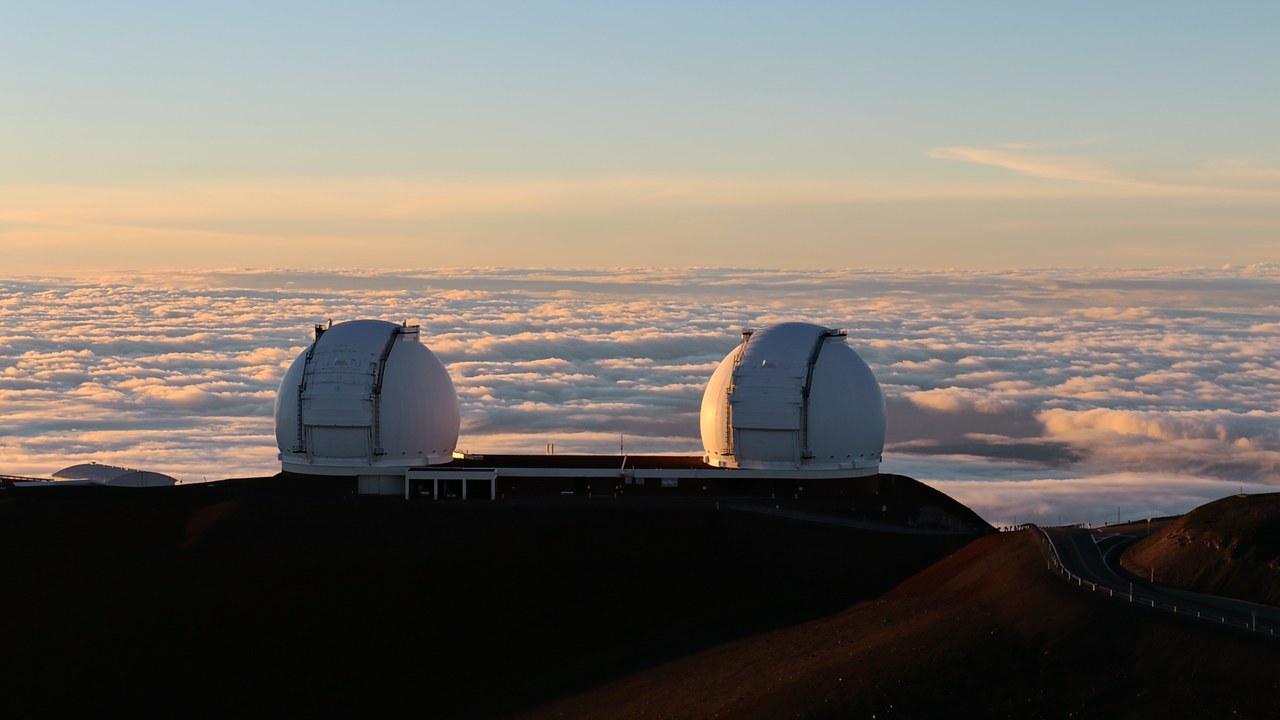
Mauna Kea is a dormant shield volcano whose 13,803-foot peak is the highest point in Hawaii. Measured from its base on the ocean floor, its prominence is 30,610 feet, rivaled only by Mount Everest.
The volcano is about one million years old and last erupted between 6,000 and 4,000 years ago. In its post-shield stage its lava is more viscous, giving it a steeper, rougher profile dotted with cinder cones. Its dry air and stable airflow make the summit one of the best astronomical sites in the world, which is why it is crowned with observatories.
Hualālai: Overdue on the Kona Coast
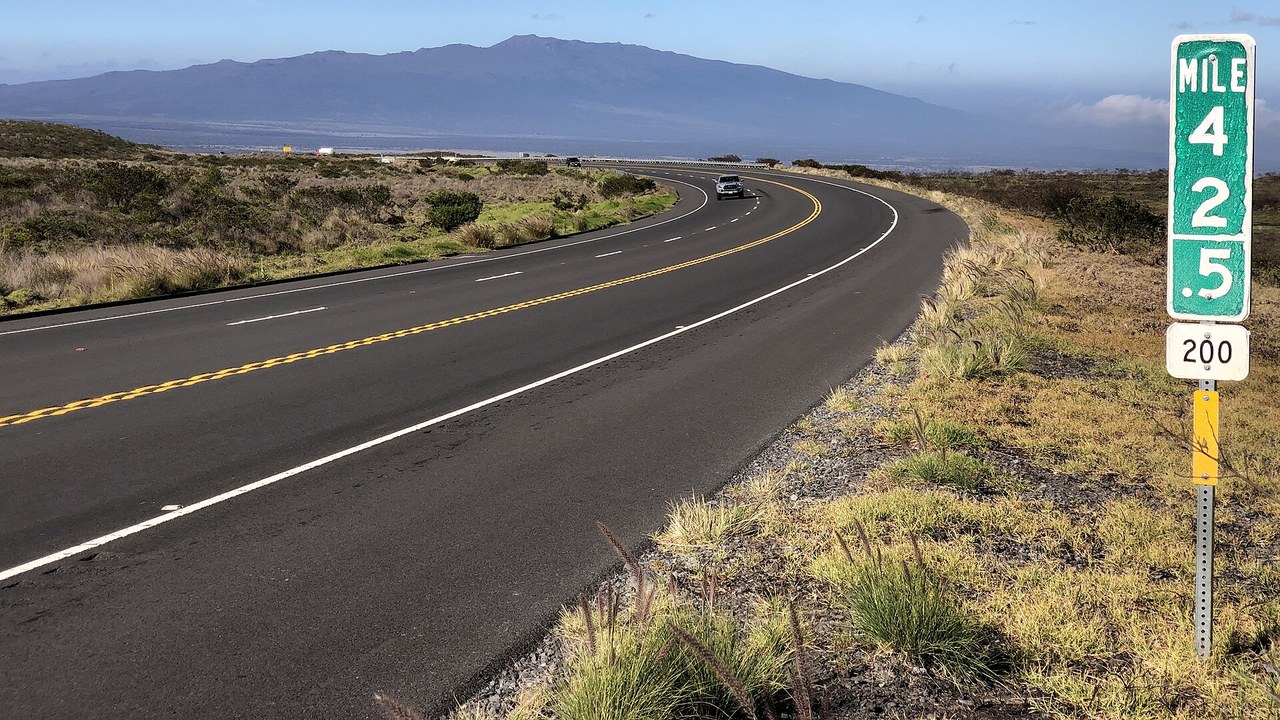
Hualālai is an active shield volcano, the westernmost and third most active of the five volcanoes that form the island of Hawaiʻi. It has been unusually quiet for 2,000 years and has not erupted since 1801.
Even so, it is still considered active and is expected to erupt again sometime in the next 100 years. The long lull has left residents relatively unprepared. The coast below it, once home to royal complexes, is now dotted with vacation resorts, some of them built on historic lava flows.
Haleakalā: Maui’s Only Active Volcano
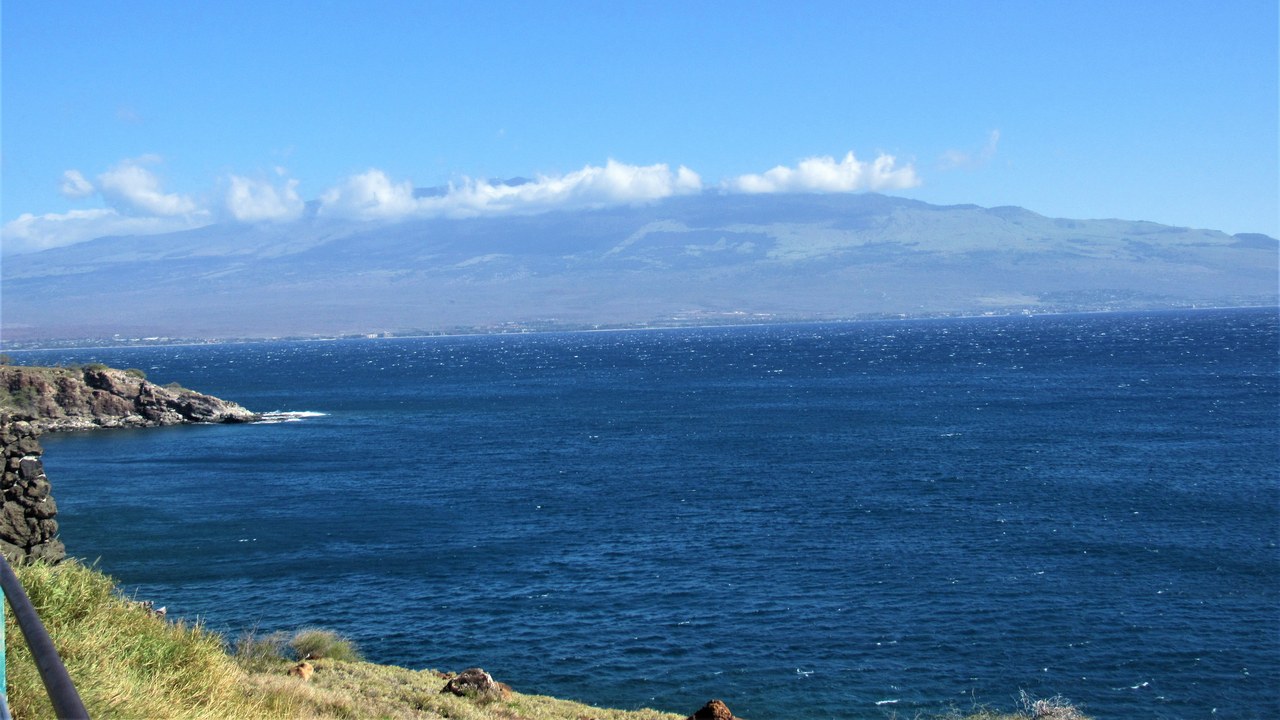
Haleakalā is a massive, active shield volcano that forms more than 75 percent of Maui. Its summit looks down into a barren depression about 11 miles across and nearly 2,600 feet deep, scattered with volcanic cones.
The volcano began forming 2 million years ago and is now in what geologists call its rejuvenated stage. It has produced numerous eruptions in the last 30,000 years, including ten in the past 1,000 years and at least one in the last 400 to 600 years, which makes it the only active volcano on Maui.
Kamaʻehuakanaloa Seamount: A Volcano Still Underwater
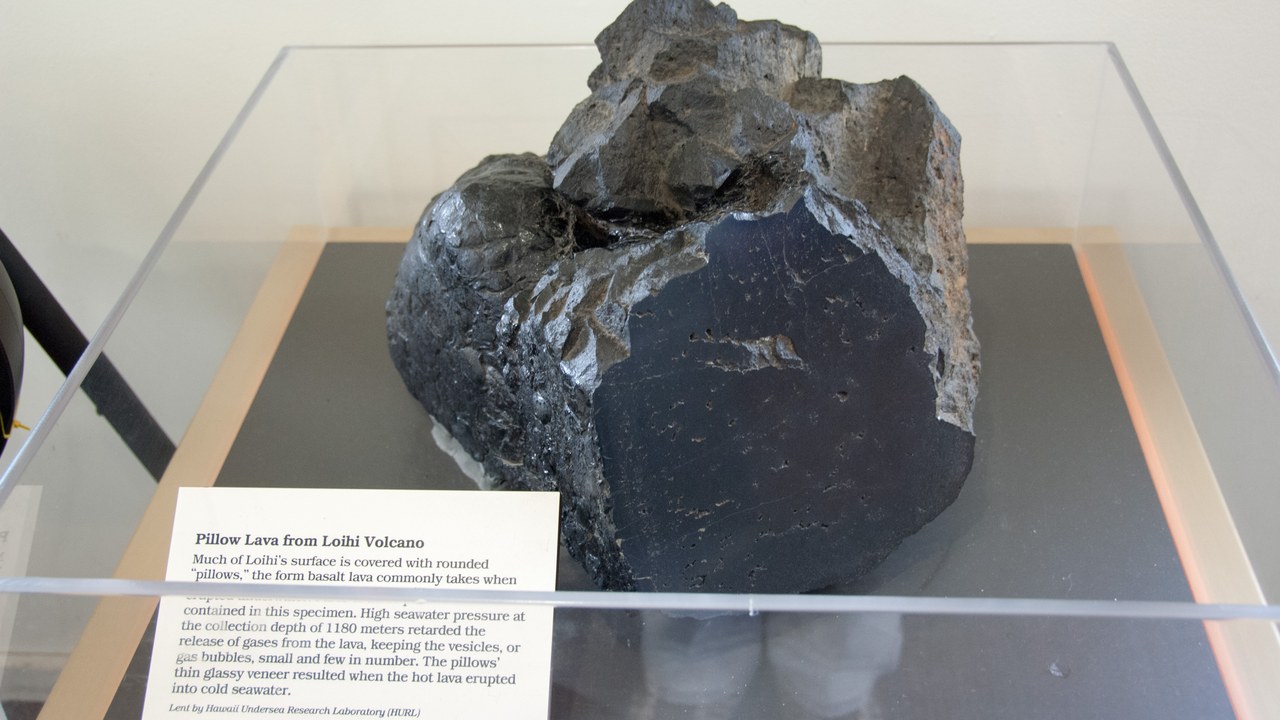
Kamaʻehuakanaloa Seamount, formerly Lōʻihi, is an active submarine volcano about 22 miles off the southeast coast of the island of Hawaii. Its summit sits about 3,200 feet below sea level but rises more than 10,000 feet above the seafloor.
It is the newest volcano in the Hawaiian–Emperor chain and is expected to emerge above sea level 10,000 to 100,000 years from now. In the summer of 1996, a swarm of 4,070 earthquakes struck there, then the most energetic in recorded Hawaiian history, and one summit vent collapsed into a pit. Its last known eruption was in 1996.
Kohala (mountain): The Old Volcano That Is Done
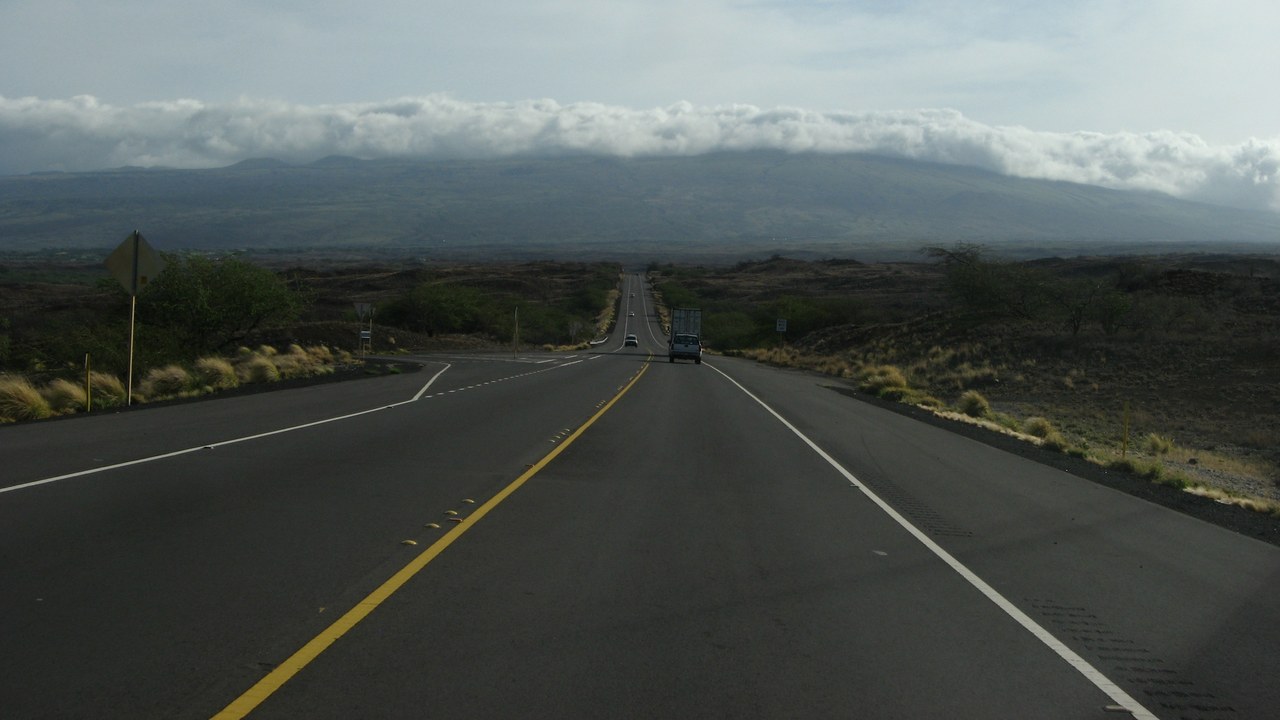
Not every Hawaiian volcano is waiting to erupt. Kohala is the oldest of the five volcanoes that make up the island of Hawaii, about one million years old, and it last erupted 120,000 years ago. It is now an extinct shield volcano cut by deep gorges.
Its past was violent. Near the end of its shield-building stage, a huge landslide destroyed its northeast flank, cutting its height by more than 3,300 feet and traveling 81 miles across the sea floor. Marine fossils found high on its flanks appear to have been left by a massive tsunami about 120,000 years ago.
Hawaiian Volcano Observatory: The Scientists Keeping Watch
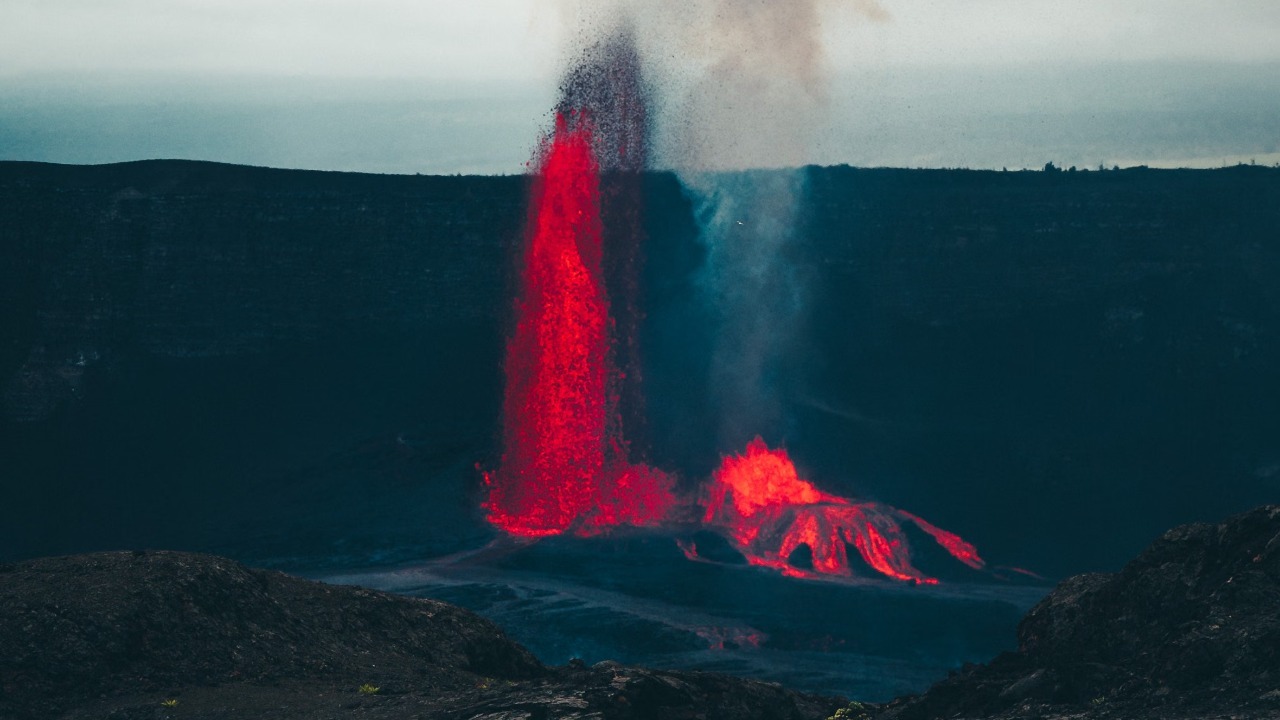
The Hawaiian Volcano Observatory, part of the U.S. Geological Survey, monitors six Hawaiian volcanoes: Kīlauea, Mauna Loa, Kamaʻehuakanaloa, Hualālai, Mauna Kea and Haleakalā. It has a worldwide reputation as a leader in the study of active volcanism.
For decades its scientists worked from offices on the rim of Kīlauea’s caldera, but summit collapses during the 2018 eruption damaged those buildings, which were removed in 2024. The observatory has operated from temporary offices in Hilo since then, with a new field office near Kīlauea planned for 2026 and a Hilo headquarters projected for 2027.
Hawaii hotspot: The Engine Under the Islands
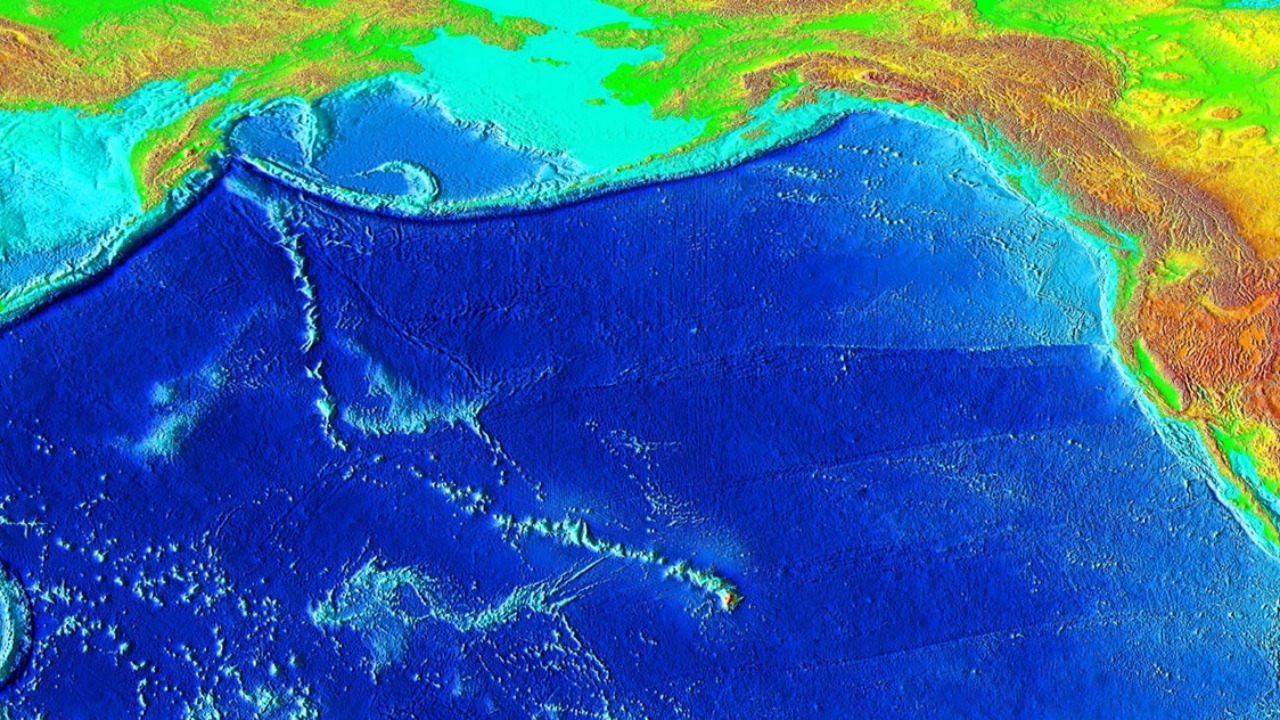
All of these volcanoes are fed by the same source. The Hawaii hotspot is one of the best-known and most intensively studied hotspots in the world, responsible for the 3,900-mile Hawaiian–Emperor seamount chain. It lies far from any plate boundary.
The classic theory, proposed in 1963, holds that a fixed mantle plume builds volcanoes that are then carried away as the Pacific plate moves. A 2003 study suggested the hotspot itself can move. Either way, the oldest volcanoes drift off the plume, erupt less and eventually erode below sea level, which is why the active ones cluster in the southeast.
Kīlauea: The Volcano Everyone Watches
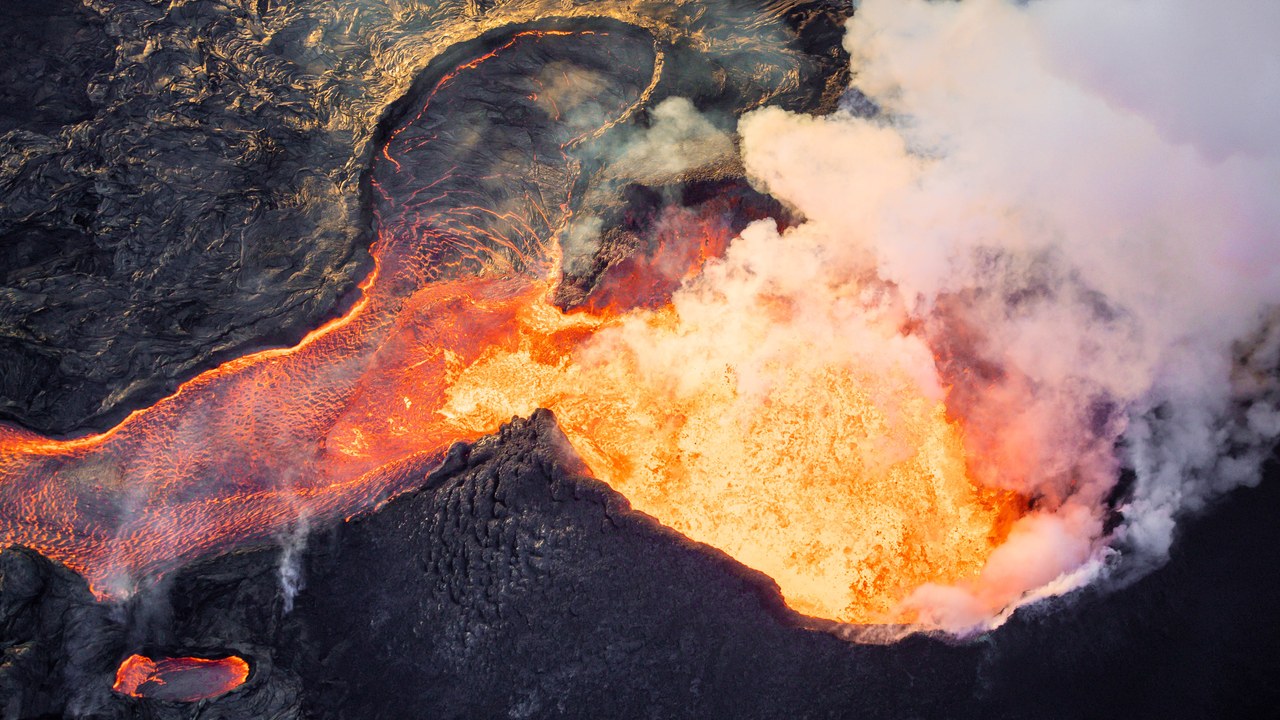
For comparison, Kīlauea has been the most active of the five volcanoes that form the island since it was settled, and among the most active on Earth. Its latest eruption began in December 2024 inside Halemaʻumaʻu crater, with episodic lava fountains continuing there into late 2026.
Its eruptions have done real damage. Nearly continuous activity from 1983 to 2018 destroyed the towns of Kalapana and Kaimū in 1990, and the 2018 lower Puna eruption destroyed 716 dwellings. That record is why the quieter volcanoes, with longer gaps between eruptions, are easy to underestimate.
Diamond Head, Hawaii: Honolulu’s Volcanic Landmark
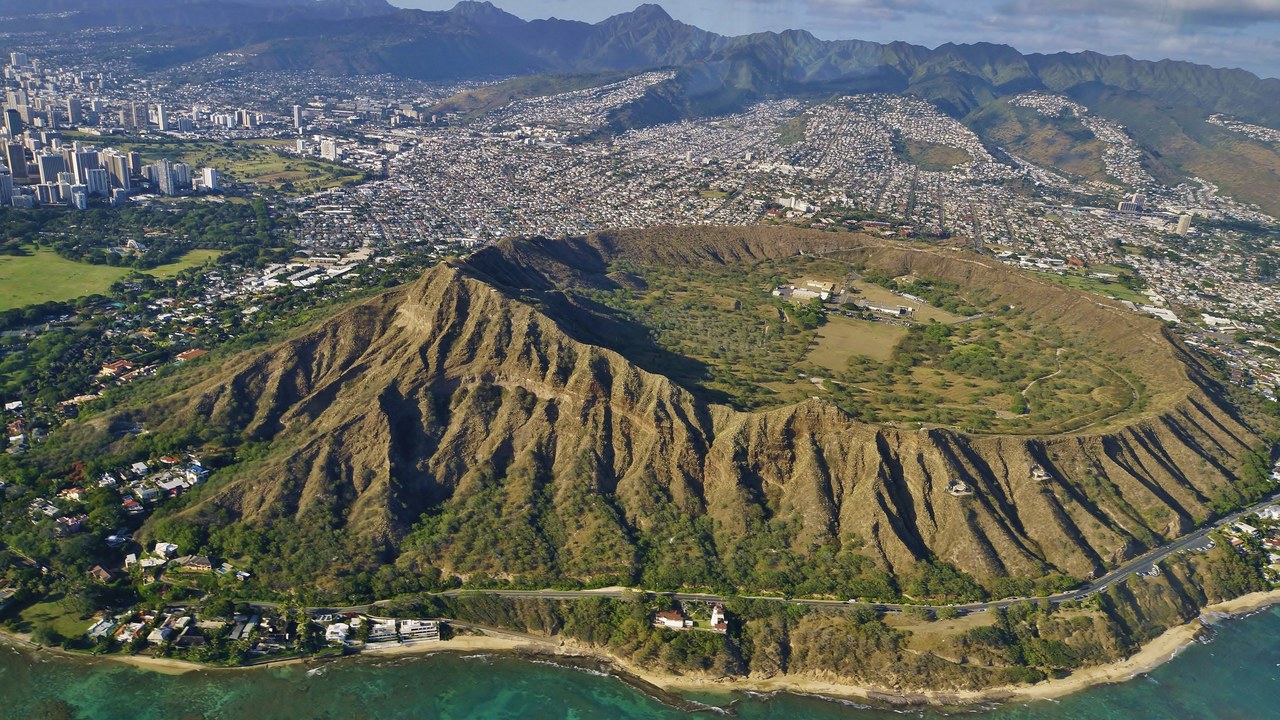
Oʻahu’s most famous skyline feature is volcanic too. Diamond Head is a volcanic tuff cone known to Hawaiians as Lēʻahi, a name likely tied to the tuna-fin shape of its ridgeline.
It belongs to the Honolulu Volcanic Series, renewed eruptions from the Koʻolau Volcano long after it had gone dormant, which also created Punchbowl Crater, Hanauma Bay and Koko Head. Diamond Head is estimated at 400,000 to 500,000 years old, far younger than the roughly 2.6-million-year-old Koʻolau Range, and shows that volcanoes thought finished can come back.
Lava tube: How Lava Travels Underground
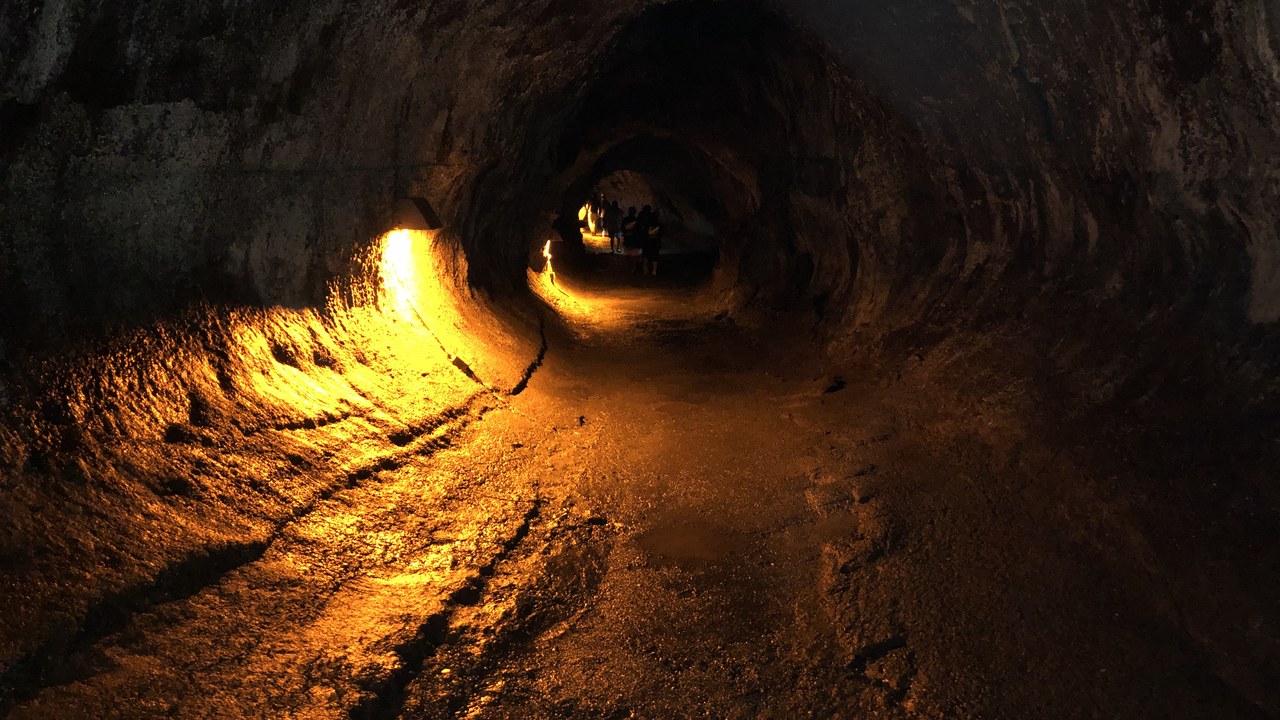
Hawaii’s fluid lava often moves through tubes. A lava tube is a natural roofed conduit along which molten lava flows from a volcanic vent, and when the lava drains, it leaves an empty cave. Tubes are common in low-viscosity volcanic systems like Hawaii’s.
They form as the sides of a lava channel cool into levees and a crust grows across the top. Insulated by that crust, lava can travel much farther from the vent than it would in an open channel, which is why tubes are considered when preparing hazard maps or managing an eruption.
Hawaiian–Emperor seamount chain: A Chain 3,900 Miles Long
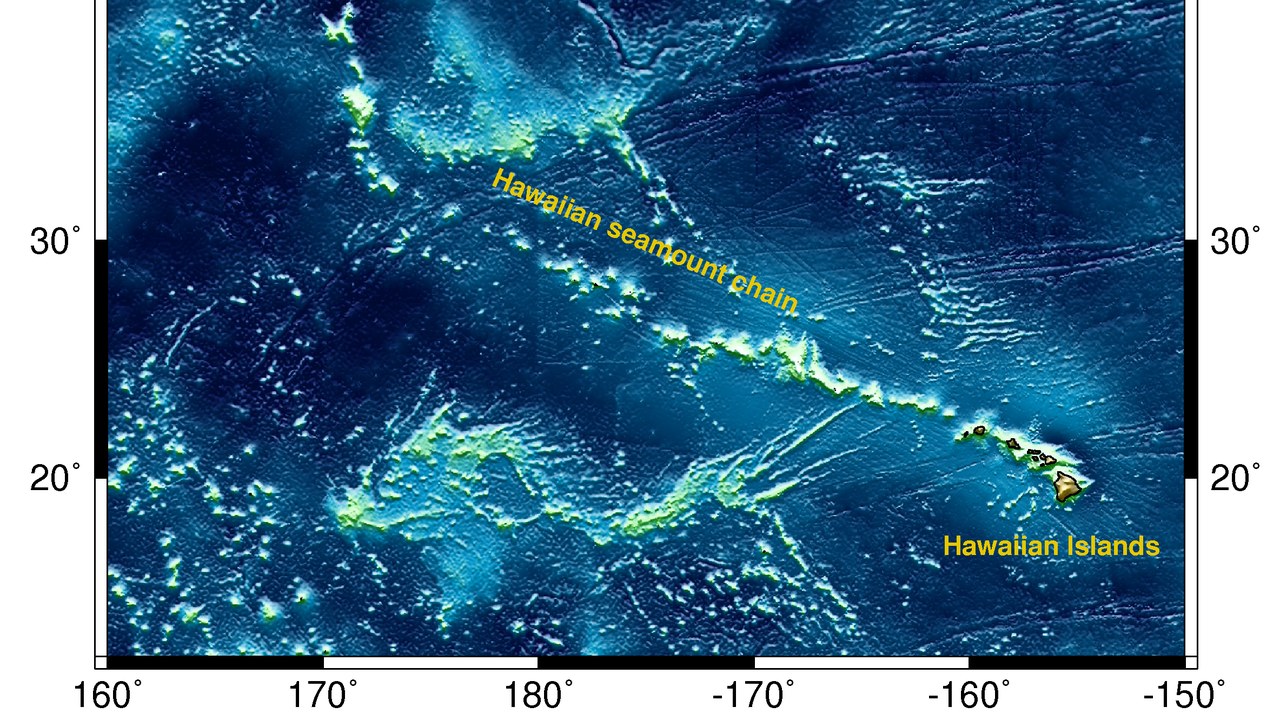
The islands are just the visible tip. The Hawaiian–Emperor seamount chain is a mostly undersea mountain range that stretches about 3,900 miles from near the Aleutian Trench to Kamaʻehuakanaloa, and contains more than 80 identified undersea volcanoes.
The chain is a timeline. The oldest seamounts, far to the northwest, are long dead and worn down below the waves, while the youngest volcanoes sit at the southeast end over the hotspot. The quiet volcanoes of the Big Island and Maui are in between: past their peak, but not yet carried far enough from the source to be finished.
More from Morning Overview
- Winter weather advisories cover I-80, I-70 and the Bighorns with up to 15 inches of snow
- Arizona’s governor declared a statewide emergency after Flagstaff logged its wettest Nov. 1 on record
- Zero Motorcycles unveiled an electric motorcycle targeted at under $8K and a street-legal dirt bike at EICMA
- New FCC rules on how people can stop robocalls and texts take effect Nov. 25
