
A single big nuclear plant can keep the lights on for millions of homes, and the largest stations pack several reactors onto one site. Some run around the clock, while others sit idle because of earthquakes or war. Here are fifteen big nuclear plants around the world and the power each one delivers, or once did.
Read next on Morning Overview: Zero Motorcycles unveiled an electric motorcycle targeted at under $8K and a street-legal dirt bike at EICMA
1. Kashiwazaki-Kariwa, Japan: The World’s Largest by Rating
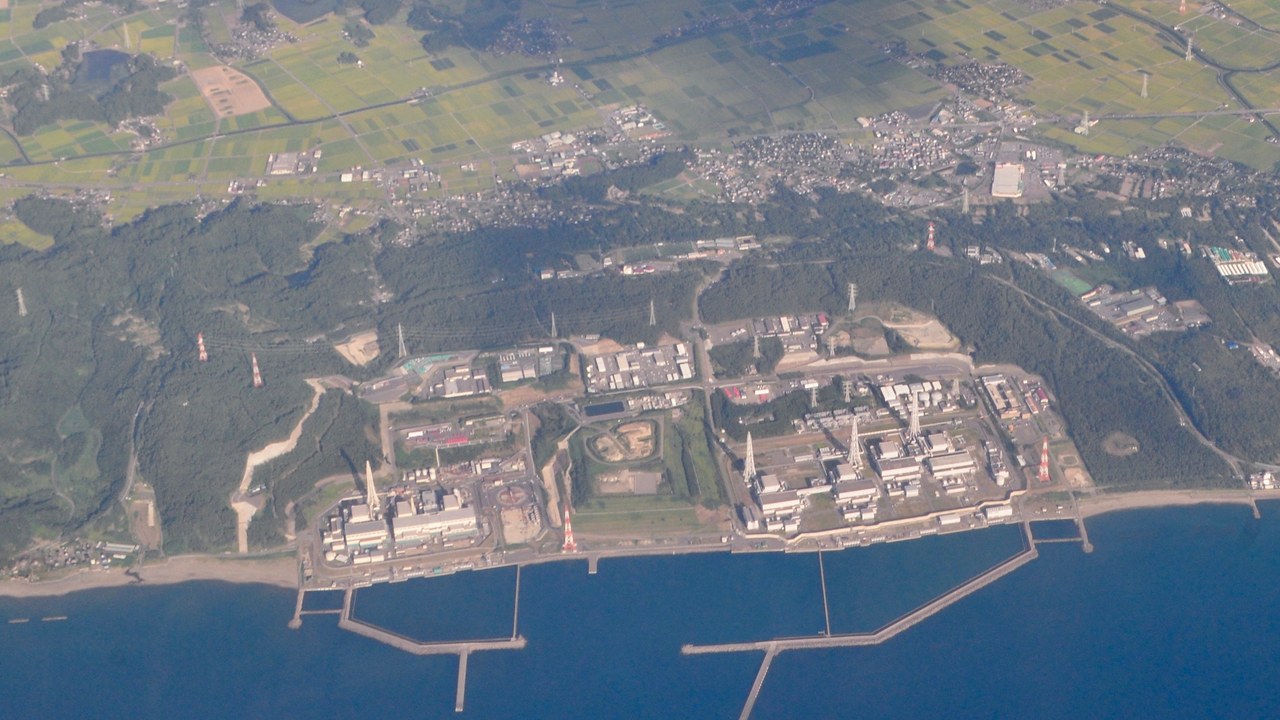
Japan’s Kashiwazaki-Kariwa plant is the largest nuclear generating station in the world by net electrical rating, with seven reactor units and a nameplate capacity of 7,965 megawatts on a 1,000-acre site along the Sea of Japan. It was the first plant anywhere to use an advanced boiling water reactor.
Its output has been mostly idle for years. All units shut down after the 2011 earthquake for safety upgrades. Owner TEPCO restarted Unit 6 in January 2026, and it entered commercial operation on April 16, 2026.
2. Hanul, South Korea: Eight Reactors and Growing
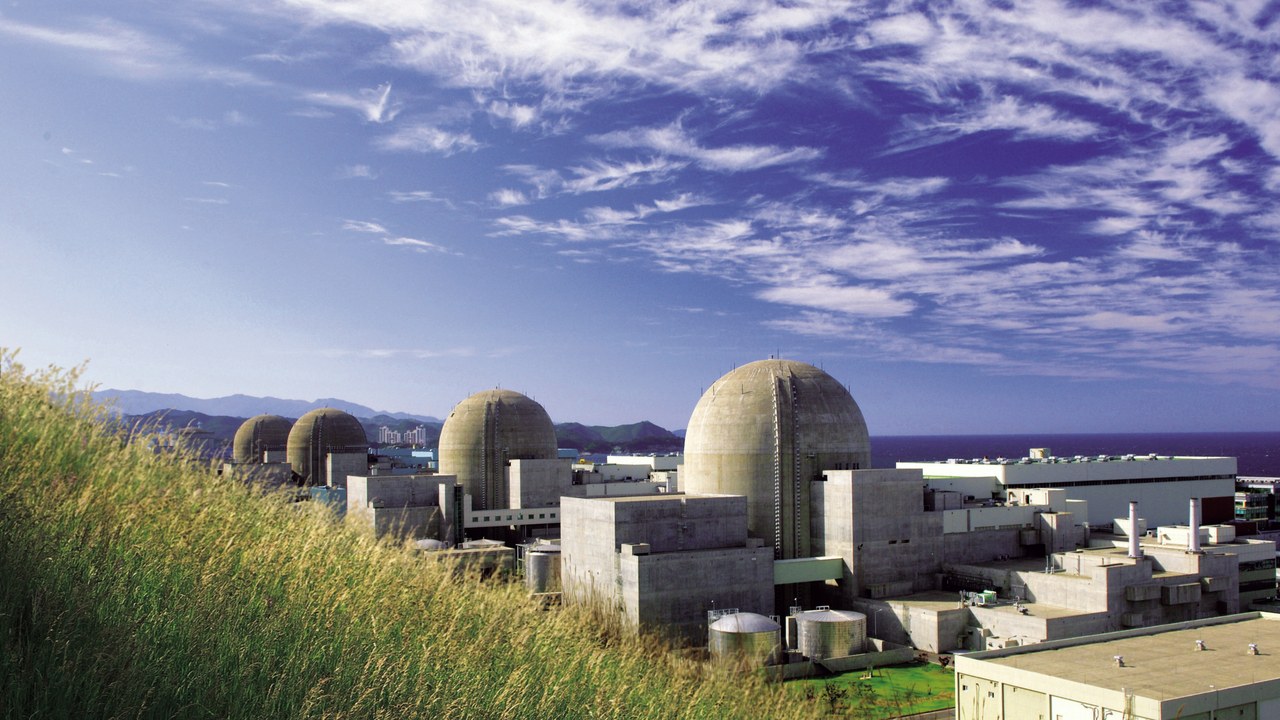
South Korea’s Hanul plant in North Gyeongsang Province runs eight pressurized water reactors with a total operating capacity of 8,561 megawatts, and another 2,680 megawatts is under construction. Its first unit went online in 1988.
The site was called Uljin until 2013. Its newest units, Shin Hanul 1 and 2, use the Korean-designed APR-1400 reactor and reached first criticality in 2022 and 2023. Construction licences for two more units were issued in 2024, with completion planned for 2032 and 2033.
3. Zaporizhzhia, Ukraine: Europe’s Largest, Now Silent
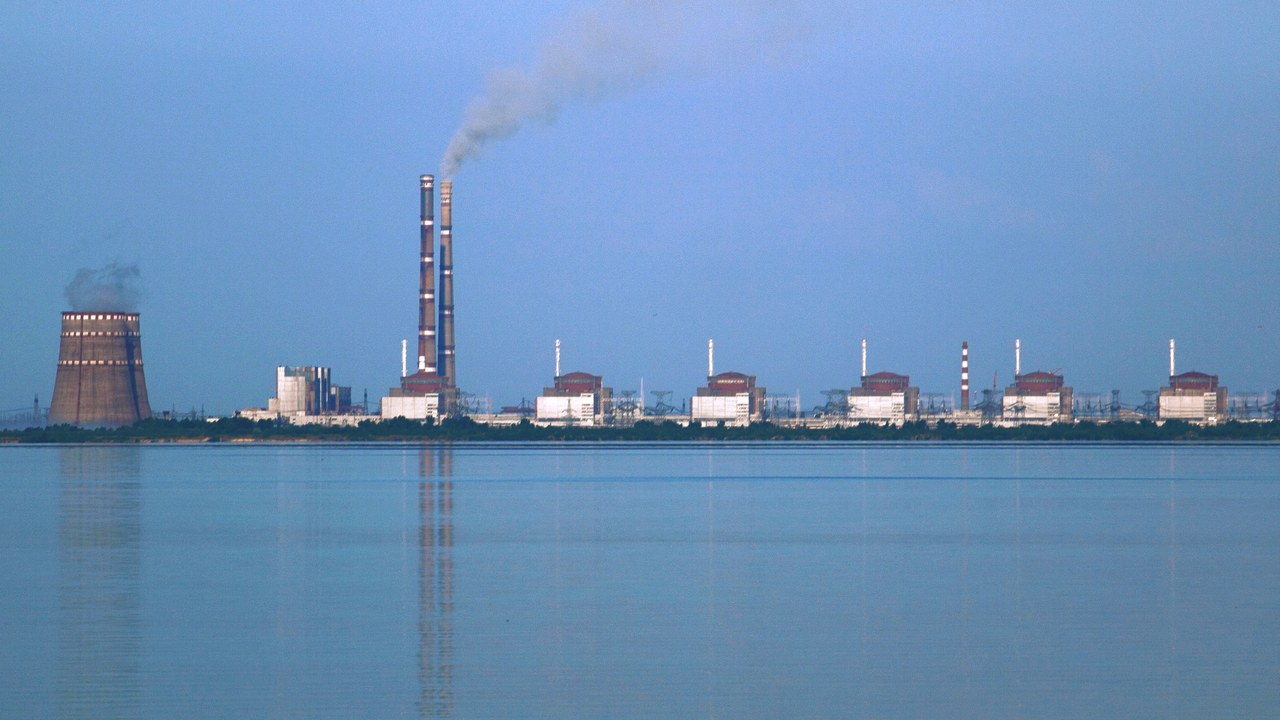
Ukraine’s Zaporizhzhia station is the largest nuclear power plant in Europe. Its six VVER-1000 reactors generate 950 megawatts each, for a total of 5,700 megawatts, and in 2020 it produced more than a fifth of all electricity generated in Ukraine.
Russian forces seized the plant on March 4, 2022, and since then it has produced no power and is mostly shut down. After the Kakhovka dam was destroyed in June 2023, cooling water for the shut-down reactors has come from 11 groundwater wells.
4. Gravelines, France: France’s North Sea Giant
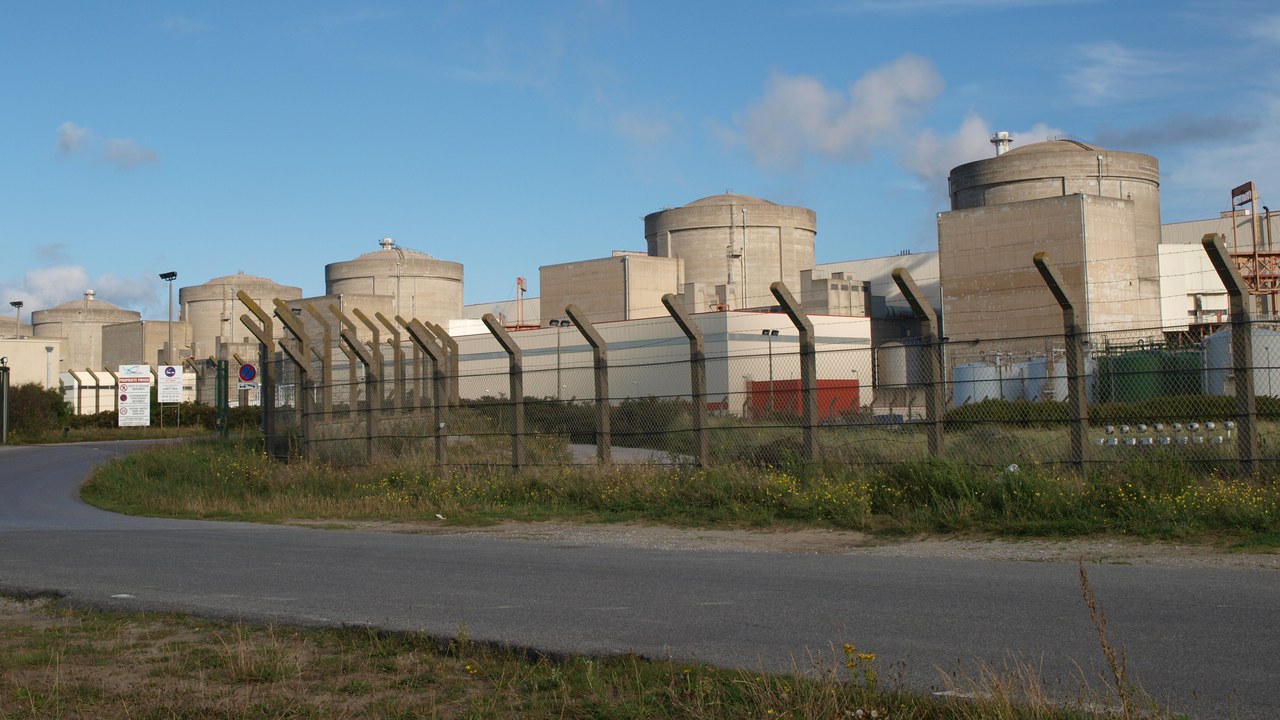
The Gravelines station near Dunkirk has six reactors rated at 900 megawatts each, cooled by water from the North Sea. In 2017 it produced 31.67 terawatt-hours, or 5.9% of France’s electricity, and in August 2010 it became the second nuclear plant in the world to pass 1,000 terawatt-hours of lifetime output.
Two of its reactors entered service in 1980, two in 1981 and two in 1985. Units 5 and 6 were originally meant for export to Iran, but that order was cancelled after the 1979 revolution.
5. Cattenom, France: Powered by the Moselle
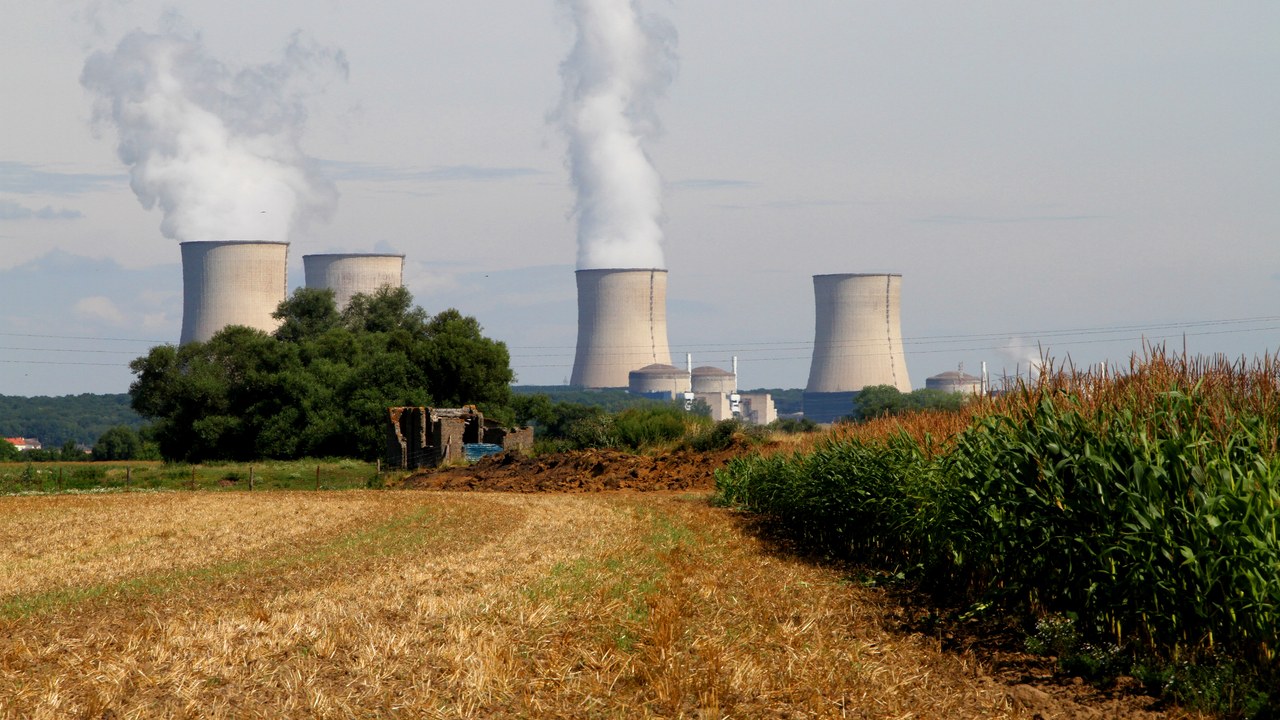
The Cattenom plant in northeastern France has four pressurized water reactors with an output of 1,300 megawatts each. Wikipedia describes it as France’s second most powerful nuclear plant, and it sits only about 14 miles from the city of Luxembourg.
Its four cooling towers draw about 890 million cubic meters of water from the Moselle River every year, and an on-site lake was created as a water reserve. During the 2003 European heat wave, the plant was allowed to release warm cooling water directly into the river.
6. Barakah, United Arab Emirates: A Quarter of a Nation’s Power
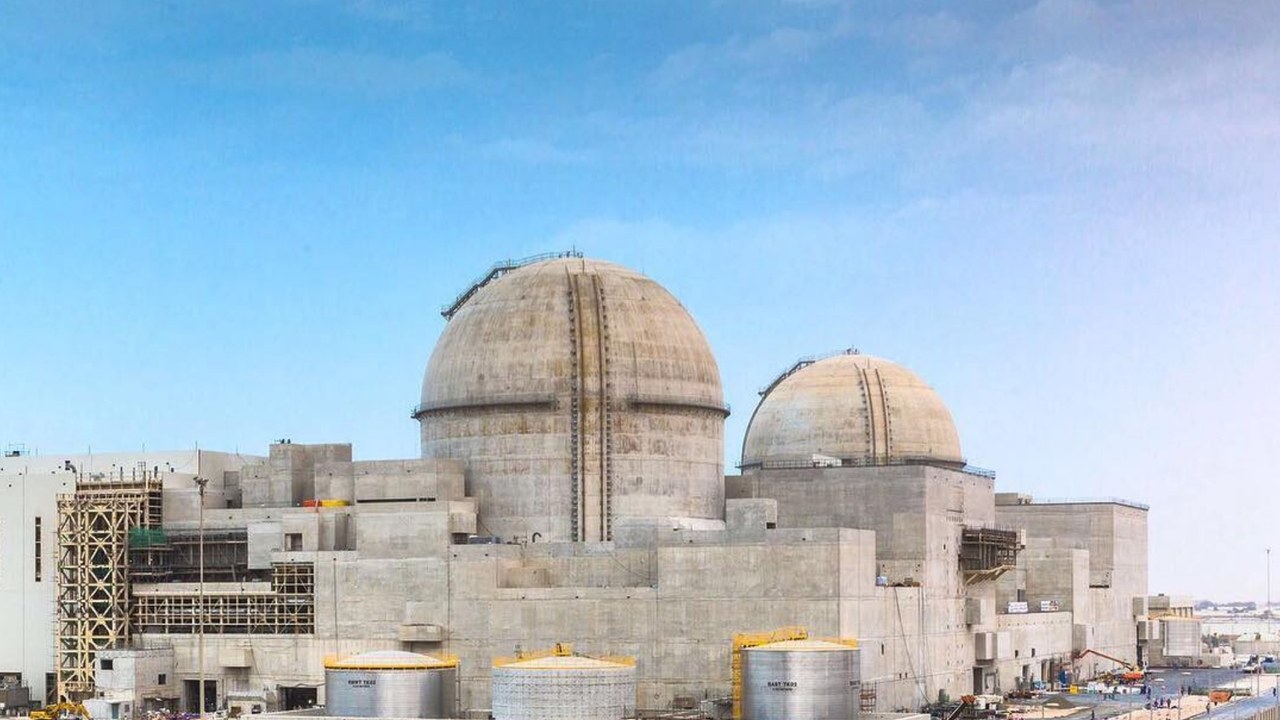
The Barakah plant in the United Arab Emirates runs four reactor units that provide 25 per cent of the country’s electricity. In its first year of full-fleet operations, it delivered 40 terawatt-hours of electricity.
Since Unit 1 began operating, Barakah has generated more than 120 terawatt-hours, which the Abu Dhabi Media Office says equals the annual power demand of New York City. It is the largest source of clean power in the region and a central part of the UAE’s plan to cut carbon emissions.
7. Bruce Power, Ontario: Lighting Up Ontario
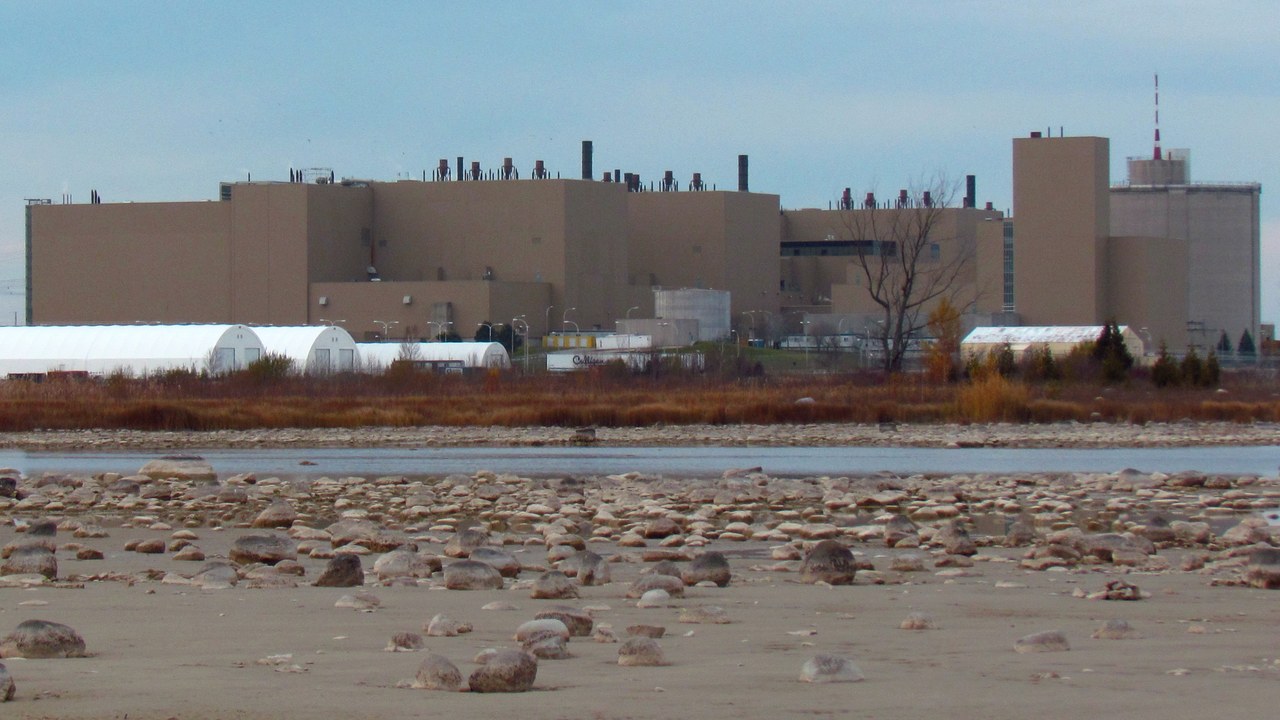
The Bruce site on the eastern shore of Lake Huron is run by Bruce Power, Canada’s only private sector nuclear generator, which produces about 30 per cent of Ontario’s electricity each year. The site has eight reactor units and remains owned by the province.
Bruce Power has agreed to refurbish six of its eight units, investing $13 billion of private money so the plant can keep supplying power through 2064. The company employs more than 4,000 people.
8. Palo Verde, Arizona: The Desert Powerhouse
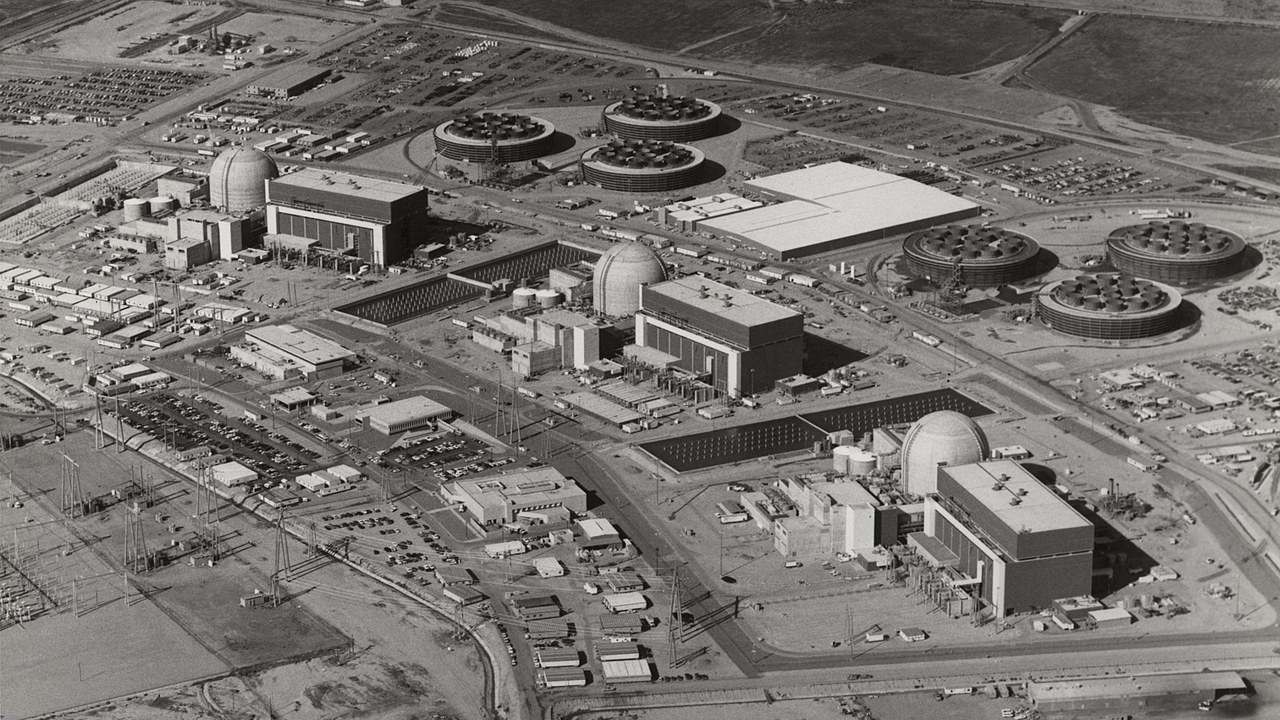
Palo Verde, in Wintersburg, Arizona, about 50 miles west of Phoenix, has three reactor units with a combined net capacity of 3,937 megawatts. According to the Nuclear Regulatory Commission, Unit 1 alone is licensed for 3,990 megawatts of thermal power.
The units are pressurized water reactors built to Combustion Engineering’s System 80 design and run by Arizona Public Service. Unit 1’s renewed operating license runs to 2045, keeping one of the country’s biggest power sources online for decades.
9. Browns Ferry, Alabama: Three Reactors in Alabama
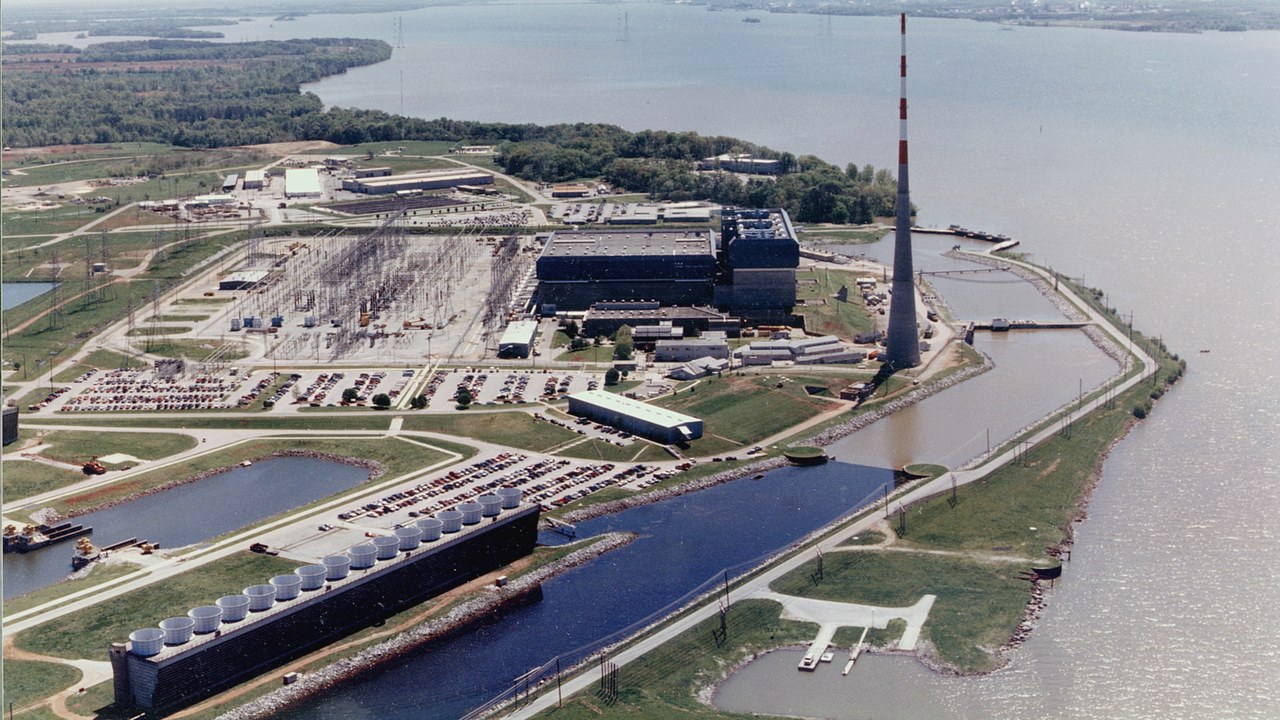
Browns Ferry, near Athens, Alabama, about 32 miles west of Huntsville, runs three boiling water reactors with a combined net capacity of 3,775 megawatts. The NRC’s listing for Unit 1 shows it licensed for 3,952 megawatts of thermal power.
The Tennessee Valley Authority operates the plant. Unit 1 received its operating license in December 1973, and its current license runs until 2033. The site’s three units together rank third on the list of the largest U.S. nuclear stations, behind only Vogtle and Palo Verde.
10. Peach Bottom, Pennsylvania: A 1970s Plant Licensed Into the 2050s
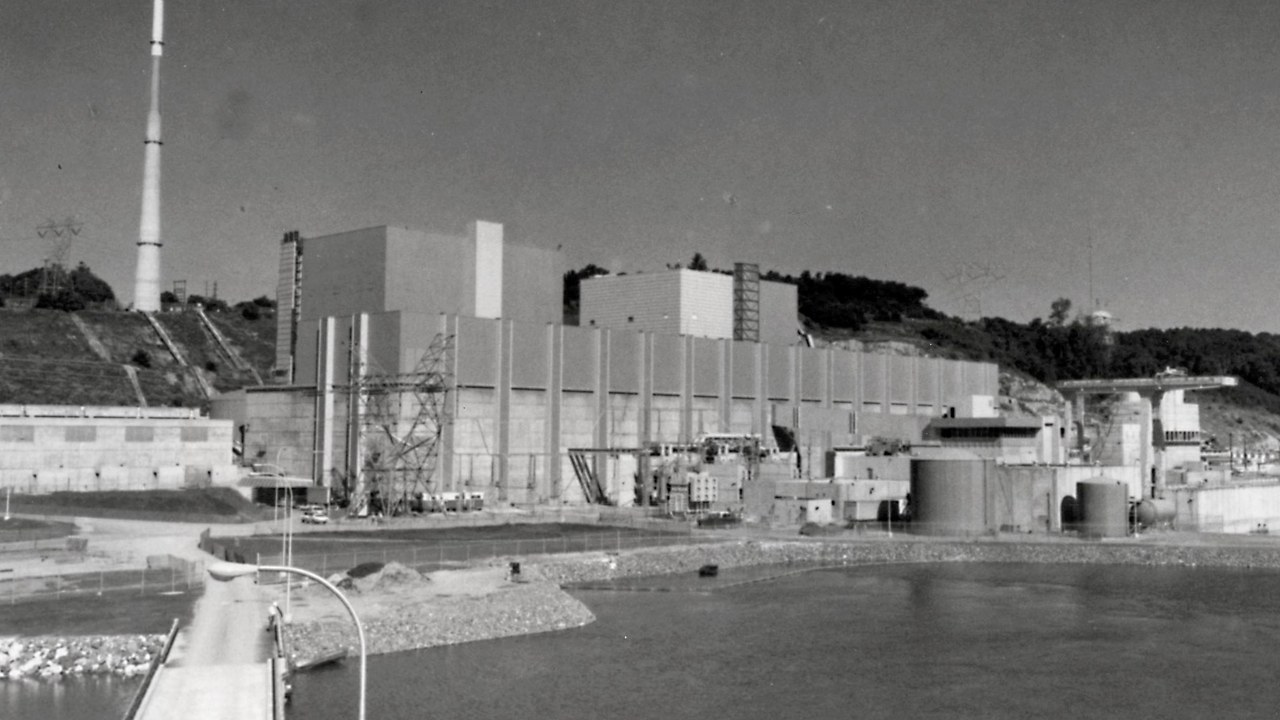
Peach Bottom, in Delta, Pennsylvania, about 18 miles south of Lancaster, has two boiling water reactors with a combined net capacity of 2,224 megawatts. According to the NRC’s reactor page, Unit 2 is licensed for 4,016 megawatts of thermal power.
Constellation Energy Generation operates the plant. Its Unit 2 license now runs to Aug. 8, 2053, so a unit first licensed in October 1973 is cleared to keep generating power for decades more.
11. Vogtle, Georgia: America’s Largest Nuclear Plant
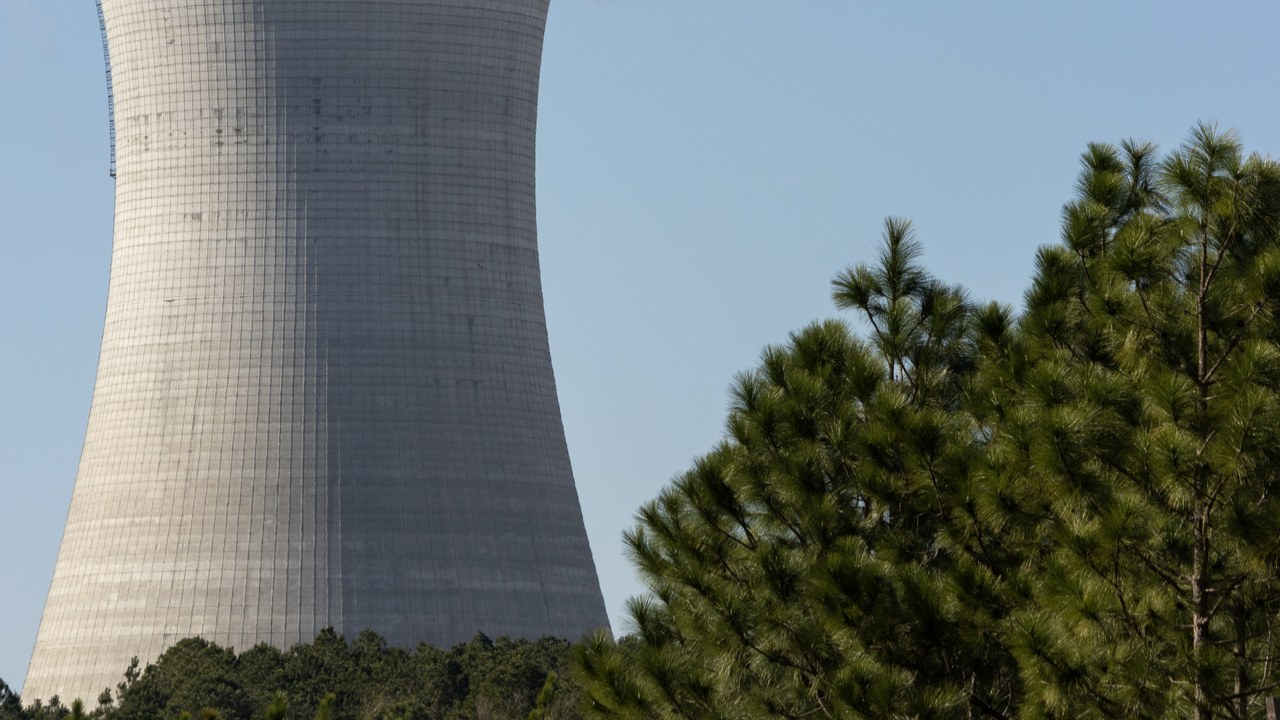
Plant Vogtle in Georgia tops the list of the largest nuclear power stations in the United States, with four reactor units and a combined capacity of 4,664 megawatts. That puts it ahead of Palo Verde’s three units, which total 3,937 megawatts.
Vogtle’s lead comes from its four units, the most of any U.S. plant on the list. Most of the other stations in the ranking have two reactors, so a four-unit site produces roughly double the power of many of its peers.
12. Susquehanna, Pennsylvania: Pennsylvania’s Biggest Producer
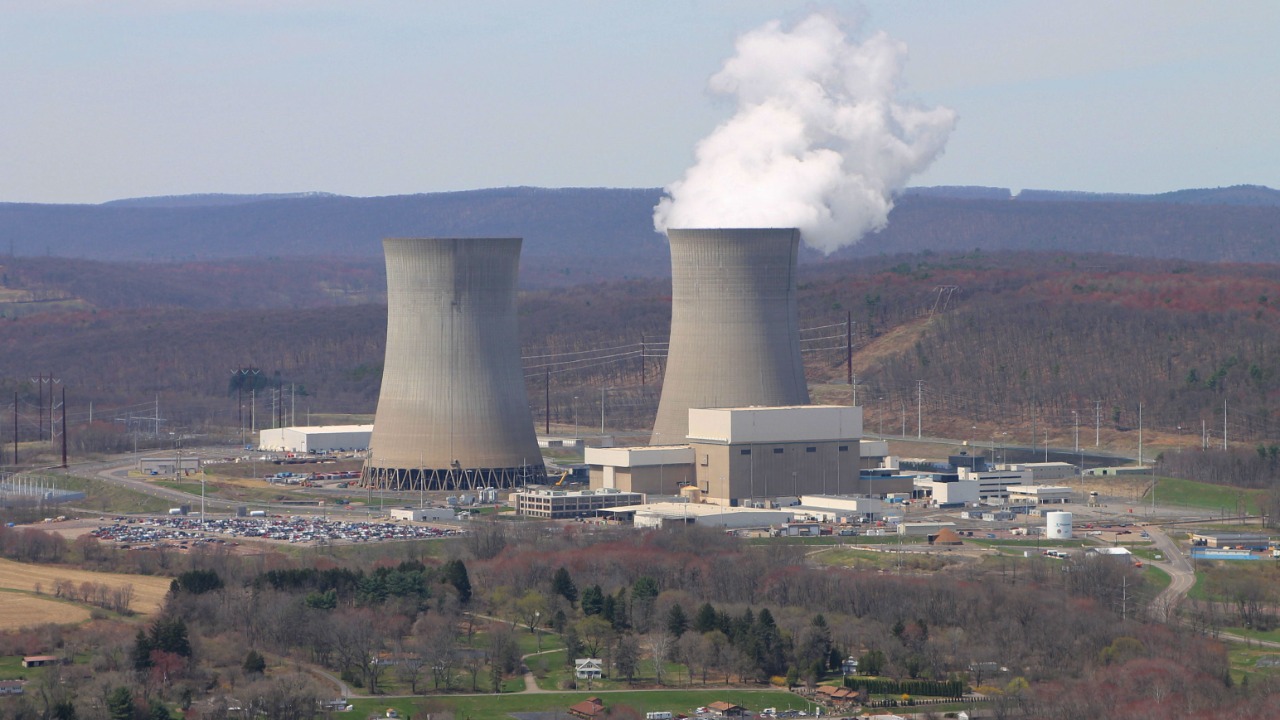
The Susquehanna Steam Electric Station in Salem Township, Pennsylvania, about 70 miles northeast of Harrisburg, has two units with a combined net capacity of 2,514 megawatts. The NRC lists Unit 1 as a boiling water reactor licensed for 3,952 megawatts of thermal power.
Susquehanna Nuclear, LLC operates the plant, and Unit 1’s license runs until July 2042. Its combined capacity is higher than that of Peach Bottom, the other large Pennsylvania plant on this list.
13. Byron, Illinois: Power for Northern Illinois
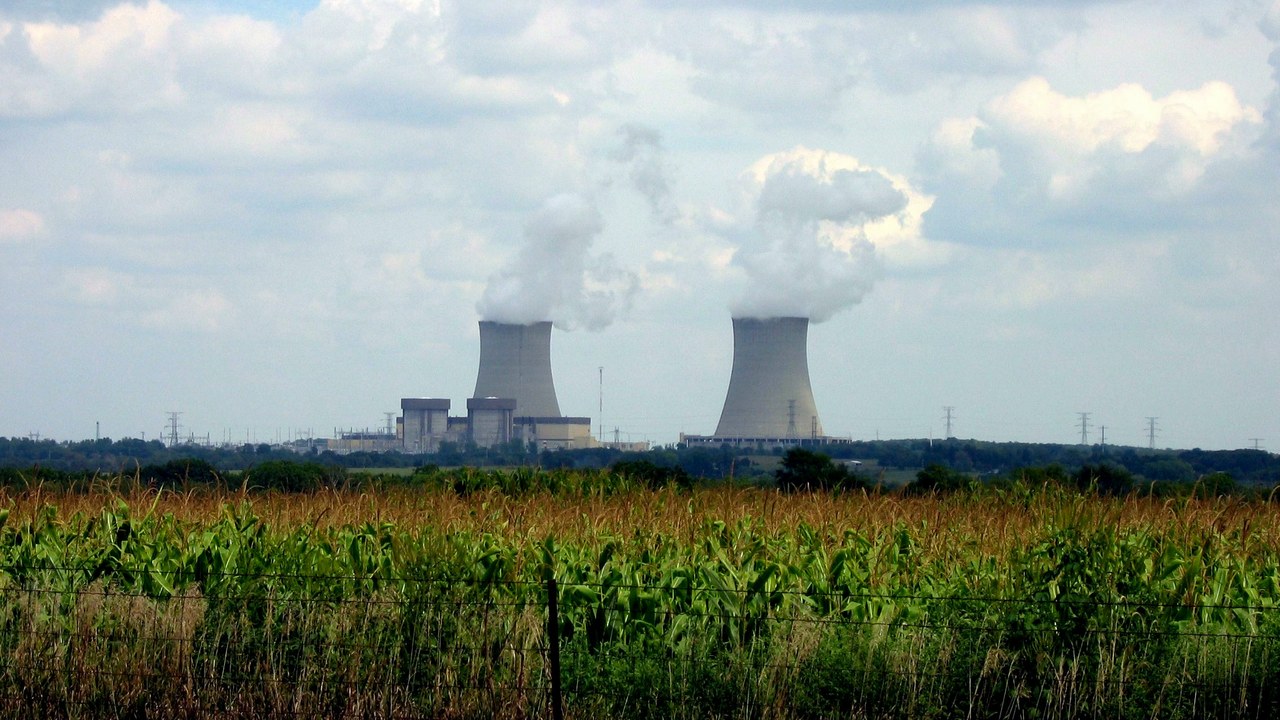
Byron Station, about 17 miles southwest of Rockford, Illinois, has two reactors with a combined net capacity of 2,300 megawatts. The NRC’s page for Unit 1 lists a Westinghouse four-loop pressurized water reactor licensed for 3,645 megawatts of thermal power.
Constellation Energy Generation operates the plant, and Unit 1’s operating license runs until October 2044. Byron is one of several large nuclear stations in Illinois, alongside Braidwood and LaSalle, which also appear among the biggest plants in the country.
14. Diablo Canyon, California: On the California Coast
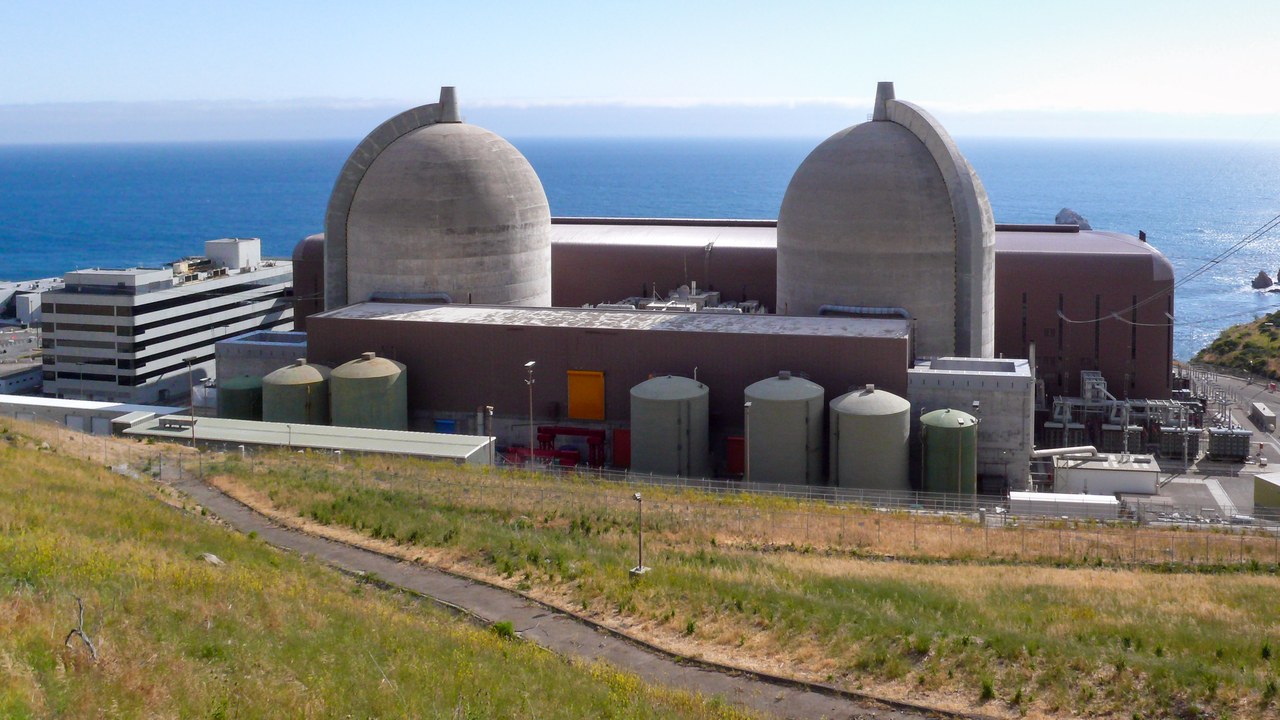
Diablo Canyon, at Avila Beach about 12 miles west-southwest of San Luis Obispo, has two reactors with a combined net capacity of 2,240 megawatts. The NRC lists Unit 1 as a pressurized water reactor licensed for 3,411 megawatts of thermal power.
Pacific Gas & Electric operates the plant, which sits on the coast of California. Unit 1’s original operating license was issued on Nov. 2, 1984, and the NRC’s page links to a license renewal application to keep it running.
15. Calvert Cliffs, Maryland: Maryland’s Chesapeake Bay Plant
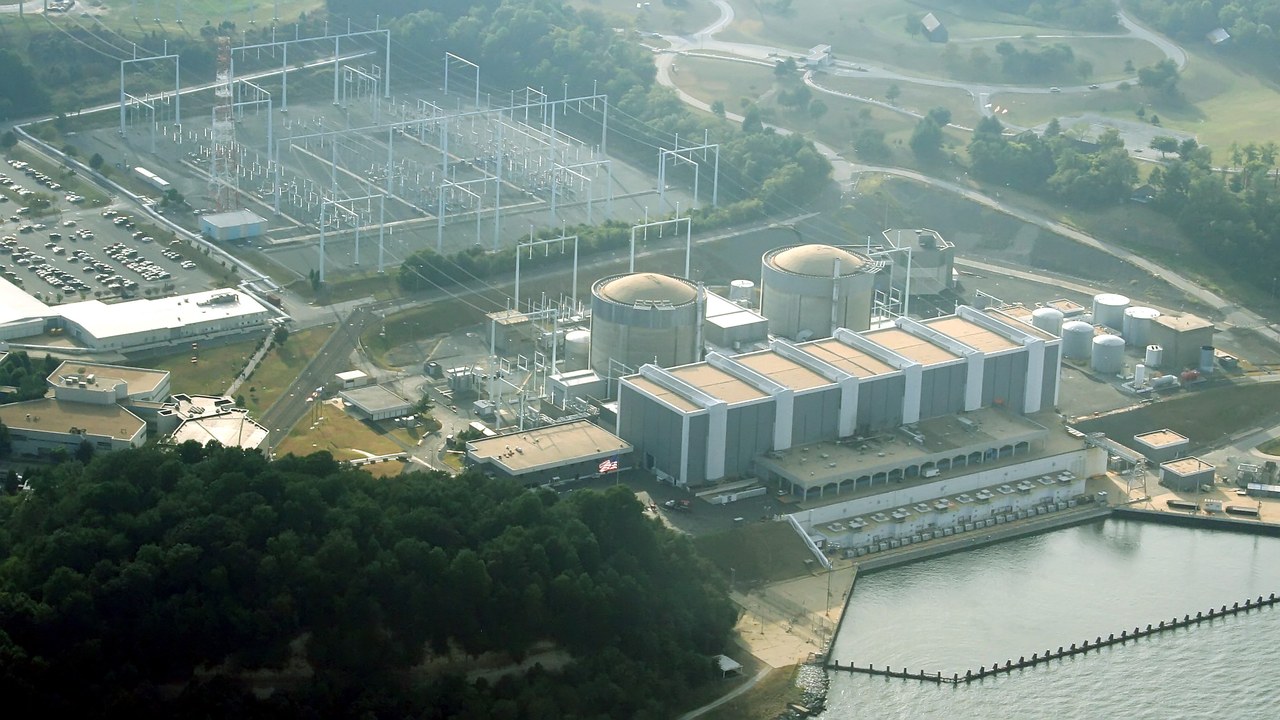
Calvert Cliffs, in Lusby, Maryland, about 40 miles south of Annapolis, has two reactors with a combined net capacity of 1,736 megawatts. The NRC’s listing for Unit 1 shows a pressurized water reactor licensed for 2,737 megawatts of thermal power.
Constellation Energy Generation operates the plant, and Unit 1’s license runs until July 2034. It is the smallest station on this list, but its two units still deliver more than 1,700 megawatts of electricity to the grid.
More from Morning Overview
- Melting permafrost is setting off a newly identified kind of catastrophic landslide, scientists say
- Cadillac cut the price of its cheapest EV, which goes up to 317 miles on a charge
- Winter weather advisories cover I-80, I-70 and the Bighorns with up to 15 inches of snow
- Arizona’s governor declared a statewide emergency after Flagstaff logged its wettest Nov. 1 on record
