
A bad engine can turn a dependable-looking vehicle into an expensive headache. Recalls, federal investigations and class-action lawsuits have put several modern powerplants under a spotlight, from tiny turbocharged three-cylinders to big V8s. These are the vehicles whose engines have built troubled reputations, and what owners and regulators say is going wrong.
Read next on Morning Overview: New FCC rules on how people can stop robocalls and texts take effect Nov. 25
1. Chevrolet Trax (1.2L turbo 3-cylinder): A Lawsuit Over a Small Turbo
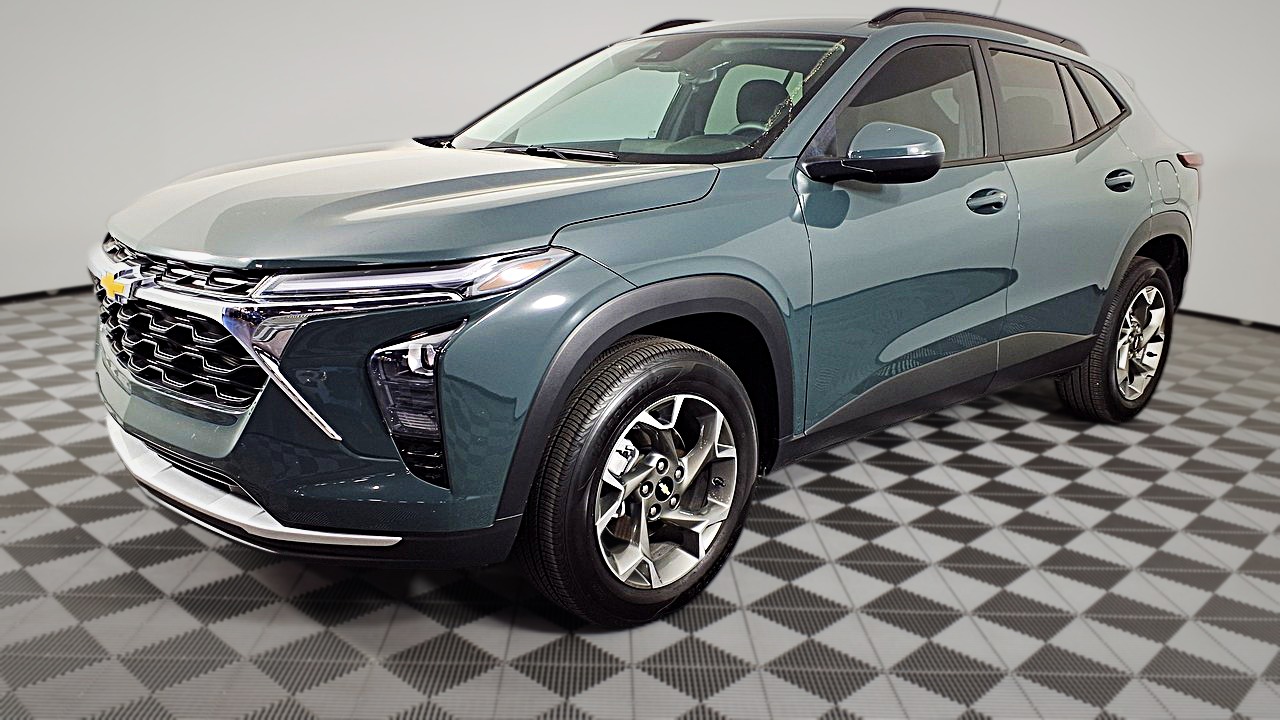
A lawsuit filed in 2026 alleges that GM’s 1.2-liter turbocharged three-cylinder, used in the latest Trax, can suffer internal failures and that GM knew the engines were defective but sold them anyway.
The California plaintiffs bought a new 2024 Trax. At about 11,581 miles, a reduced engine power warning appeared, the SUV stalled with loud knocking, and technicians found a broken connecting rod that had damaged the block, requiring a full engine replacement. The suit claims some engines develop knocking, banging and sudden power loss. GM has issued technical service bulletins about engine noise, and the allegations remain unproven.
2. Chevrolet Silverado 1500 (6.2L V8): A Recall Fix Under Review
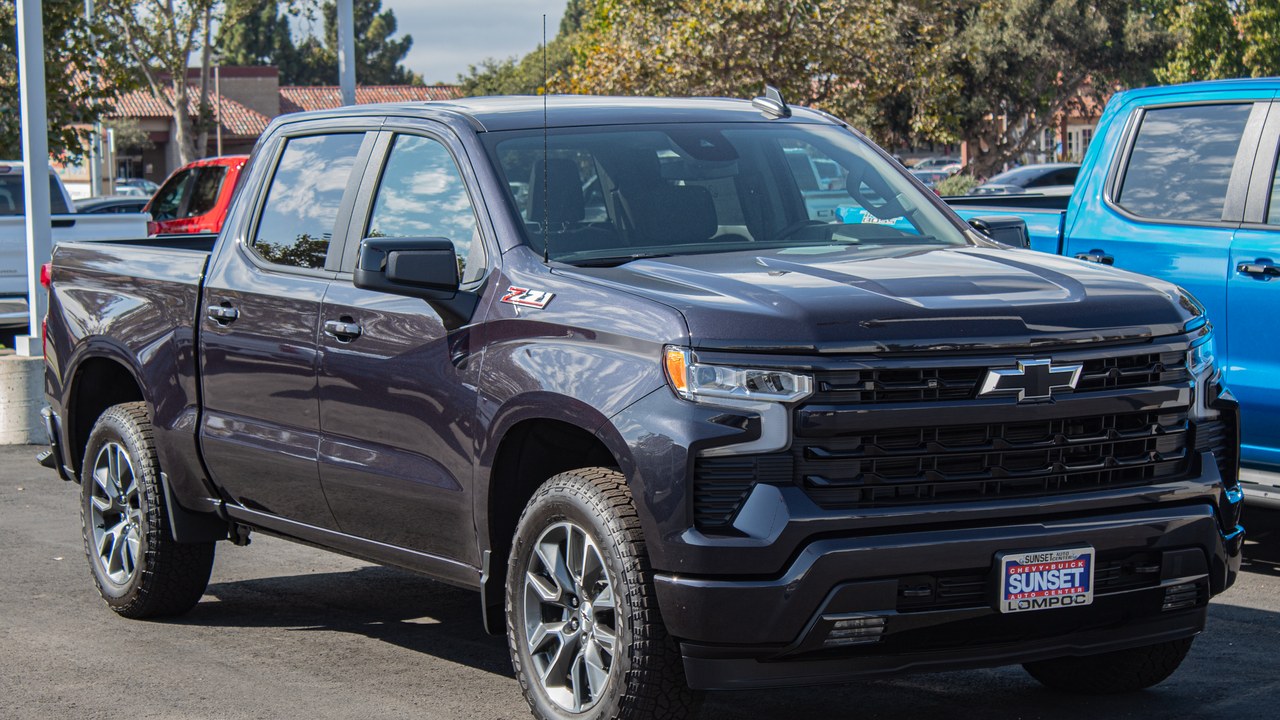
GM recalled nearly 600,000 trucks and SUVs with its 6.2-liter L87 V8 in 2025, and in August 2026 federal regulators expanded their investigation into the engine, which powers the 2021 to 2026 Silverado 1500.
NHTSA said it had received 499 complaints of engine failures in vehicles that GM had already fixed, most of which received higher-viscosity oil rather than a new engine. It also logged 191 reports of failures in engines built after May 2024, outside the original recall. The expanded probe covers 997,743 vehicles. Before the recall, GM received 28,102 field complaints about 6.2-liter engine failures.
3. Buick Envista (1.2L turbo 3-cylinder): Same Engine, Same Questions
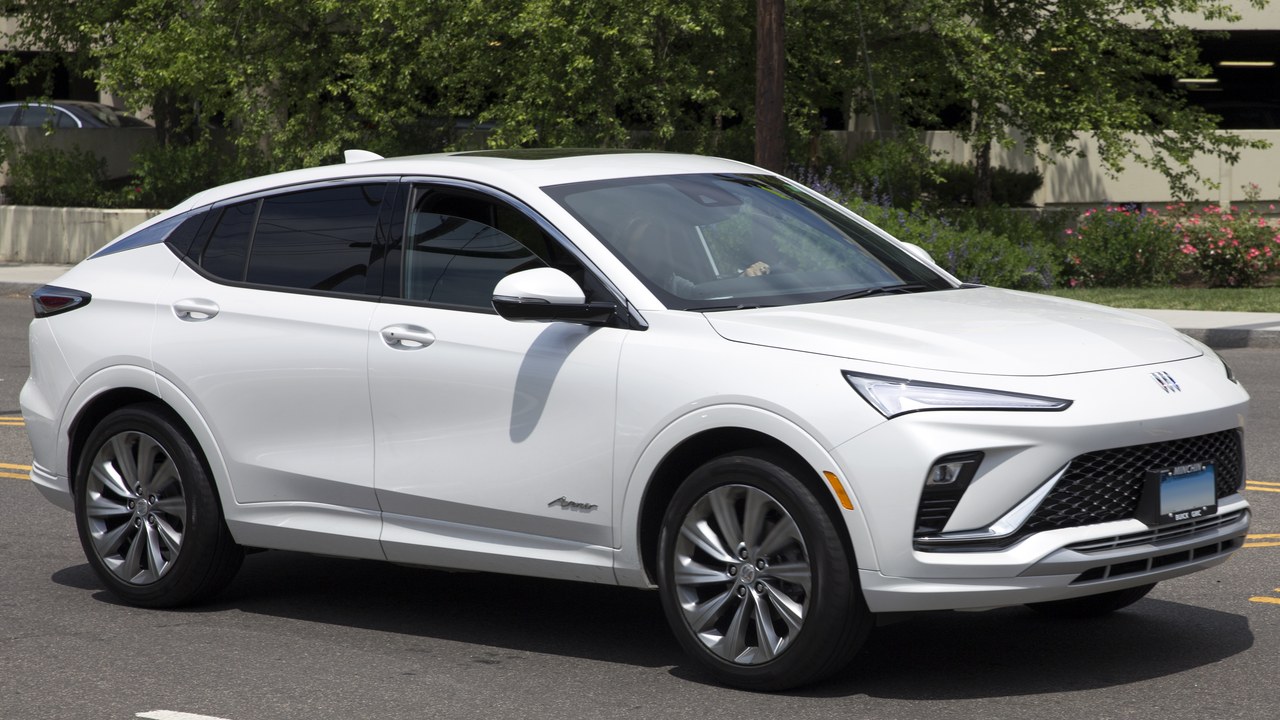
The Buick Envista shares GM’s 1.2-liter three-cylinder with the Trax, the Chevrolet Trailblazer and the Buick Encore GX, and all of them are under scrutiny in the new lawsuit alleging that GM knew the engine was defective.
The plaintiffs argue the problems stem from internal defects involving components such as bearings, lubrication passages and casting design. In extreme cases, the suit says, connecting rods can break out of the engine, and leaking fluid could lead to a fire. Carscoops noted that the case arrived shortly after GM faced legal action over alleged failures in its V8 engines. GM has not been found liable.
4. Cadillac Escalade (6.2L V8): GM’s Flagship Shares the Problem
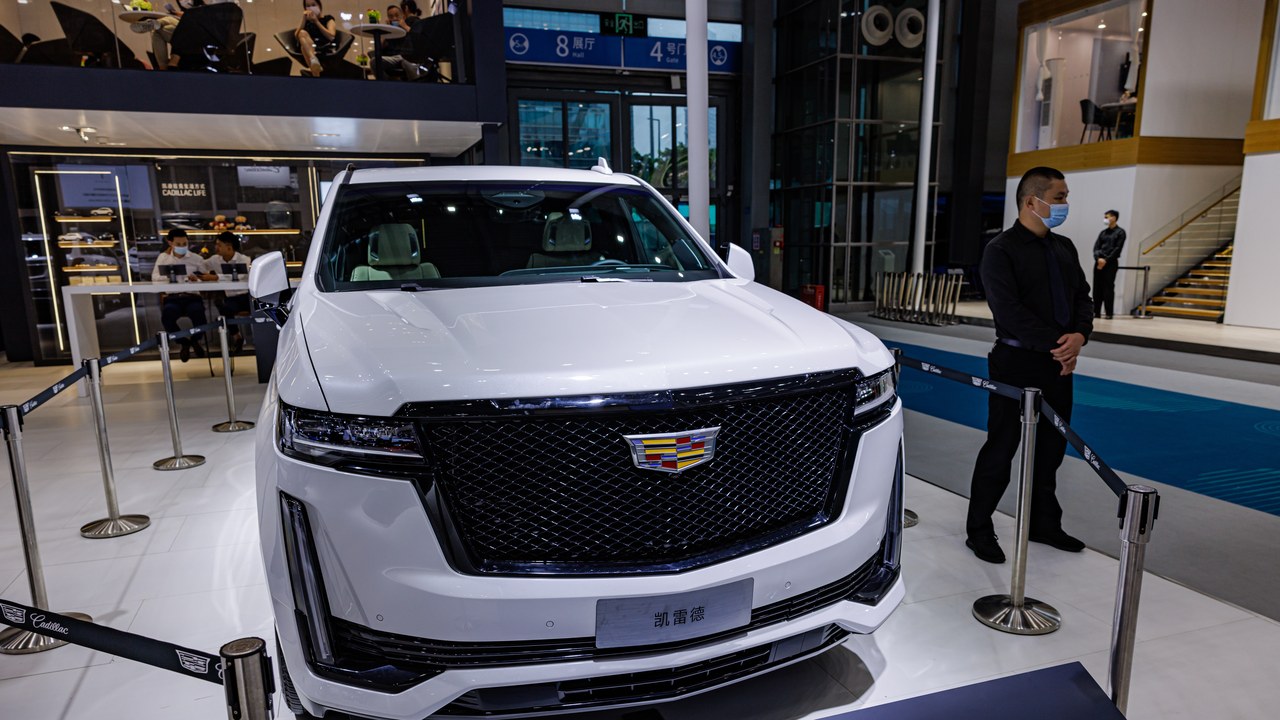
The Cadillac Escalade and Escalade ESV are among the vehicles in NHTSA’s engineering analysis of GM’s 6.2-liter L87 V8, a probe covering an estimated 997,743 trucks and SUVs from the 2021 to 2026 model years.
GM’s 2025 recall covered 597,571 vehicles over connecting rod and crankshaft defects that could cause catastrophic engine failure. In many cases, the remedy was a switch to higher-viscosity oil, a new filter and an oil cap, rather than a new engine. After hundreds of owners reported failures following that fix, NHTSA gave GM until Nov. 13, 2026, to turn over engine-failure records and warranty data.
5. Nissan Rogue (1.5L VC-Turbo 3-cylinder): The Variable-Compression Gamble
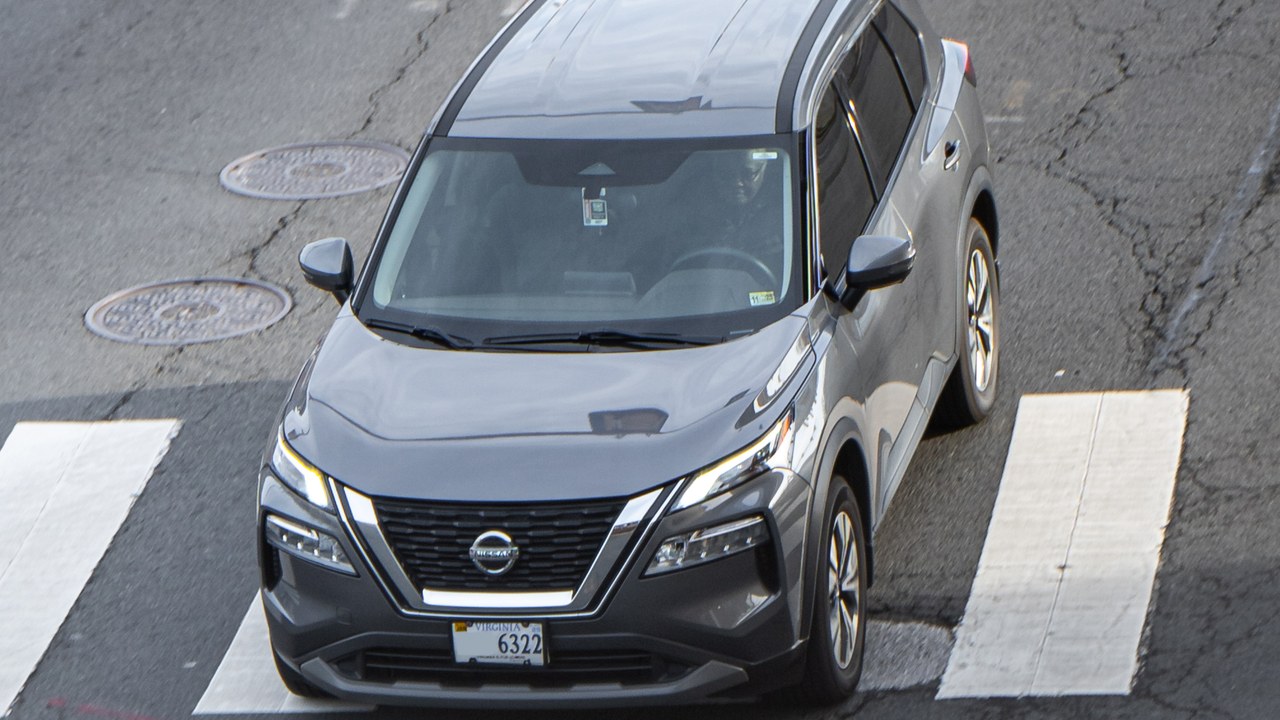
Nissan’s innovative variable-compression engines have been a major source of recalls and complaints, and in 2026 the 1.5-liter three-cylinder VC-Turbo proved especially troublesome, with Nissan recalling over 600,000 Rogue SUVs for potentially catastrophic engine problems.
Some engines need only a new throttle body, SlashGear reported. The more serious problem is bearing failure, which, if found during inspection, requires a complete engine replacement. The VC-Turbo trouble has also affected the Nissan Altima and some of Infiniti’s small SUVs, and SlashGear argued that small, complex, high-efficiency turbo engines are more prone to these problems than older, simpler designs.
6. Toyota Tundra (3.4L twin-turbo V6): Now a Camshaft Problem Too
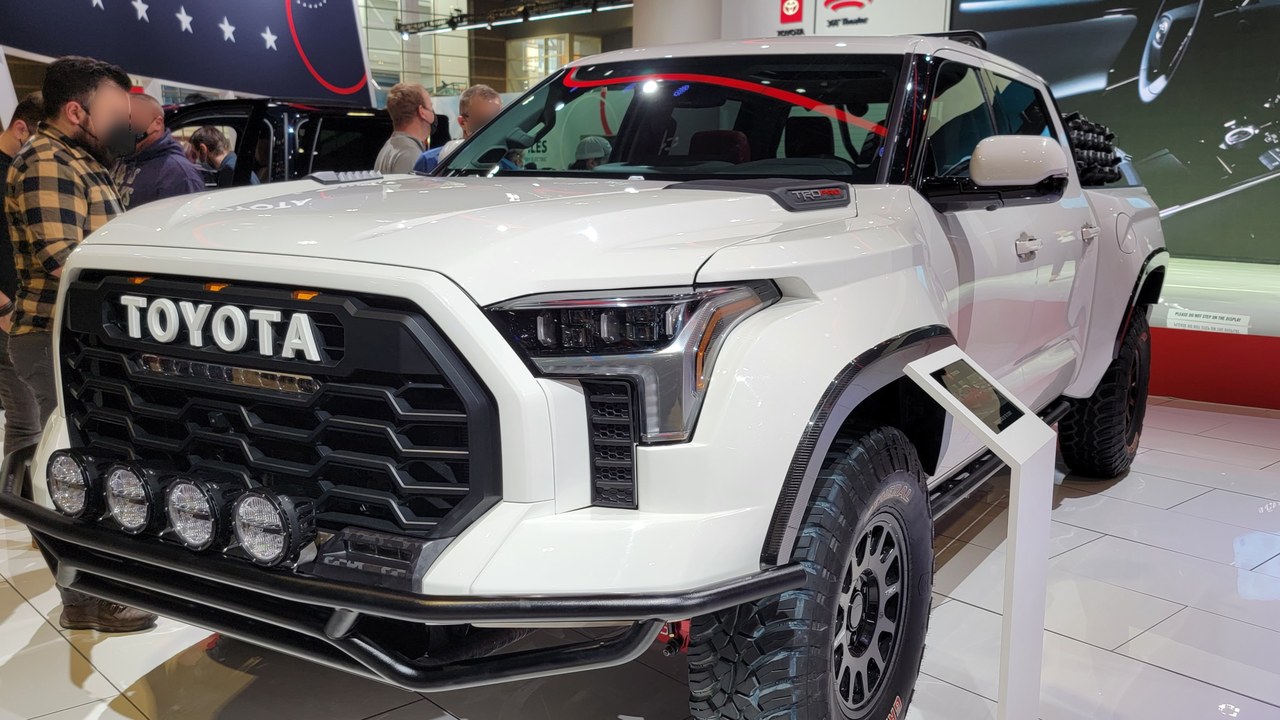
In November 2026, Toyota recalled about 62,000 non-hybrid Tundra pickups from the 2022 to 2023 and 2025 to 2026 model years because an improperly manufactured camshaft could snap while driving, causing a loss of power.
Toyota said the bad camshafts came from a single production lot from one supplier and estimated that about 300 defective parts may have been installed. Dealers will inspect the trucks and replace the camshaft free of charge if it came from that lot, and owners will be notified by mid-January 2027. Owners can check whether a truck is included by entering its vehicle identification number or license plate at Toyota.com/recall or nhtsa.gov/recalls.
7. Lexus LX (3.4L twin-turbo V6): Machining Debris Inside the Engine

In November 2025, Toyota recalled 127,000 more vehicles with its twin-turbo V6, including the 2022 to 2024 Lexus LX, because machining debris may not have been cleared from the engine during production.
That debris can lead to engine knocking, rough running, a no-start condition or a loss of power, which at higher speeds increases the risk of a crash. Toyota first recalled about 102,000 vehicles with the engine in 2024 and chose to replace the engines in affected trucks. Production of the redesigned LX and Tundra began in late 2021, and some owners’ engines started failing far earlier than anyone expects from a Toyota.
8. Lexus GX 550 (3.4L twin-turbo V6): Still Failing After Extra Cleaning
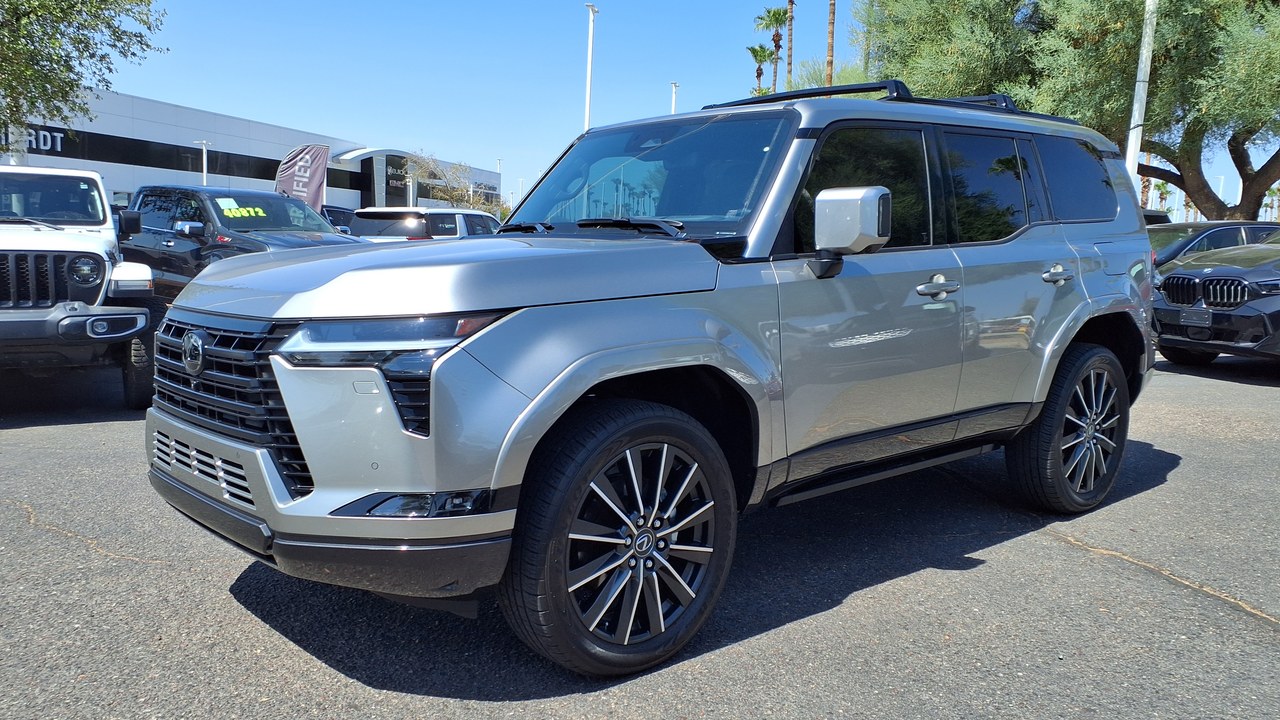
The 2024 Lexus GX 550 is part of the latest expansion of Toyota’s twin-turbo V6 recalls, which by May 2026 approached 270,000 vehicles across North America since the first recall in 2024.
Toyota blames machining debris left inside the block, which can migrate and damage the engine’s No. 1 main bearing, causing knocking, rough running, hard starts or total engine failure. What alarmed owners, Auto123 reported, is that the newly recalled 2024 engines were built after Toyota added extra cleaning steps to manufacturing, and the company admitted metal shavings still slipped through.
9. Honda CR-V (1.5L turbo): Oil Dilution and Head Gaskets
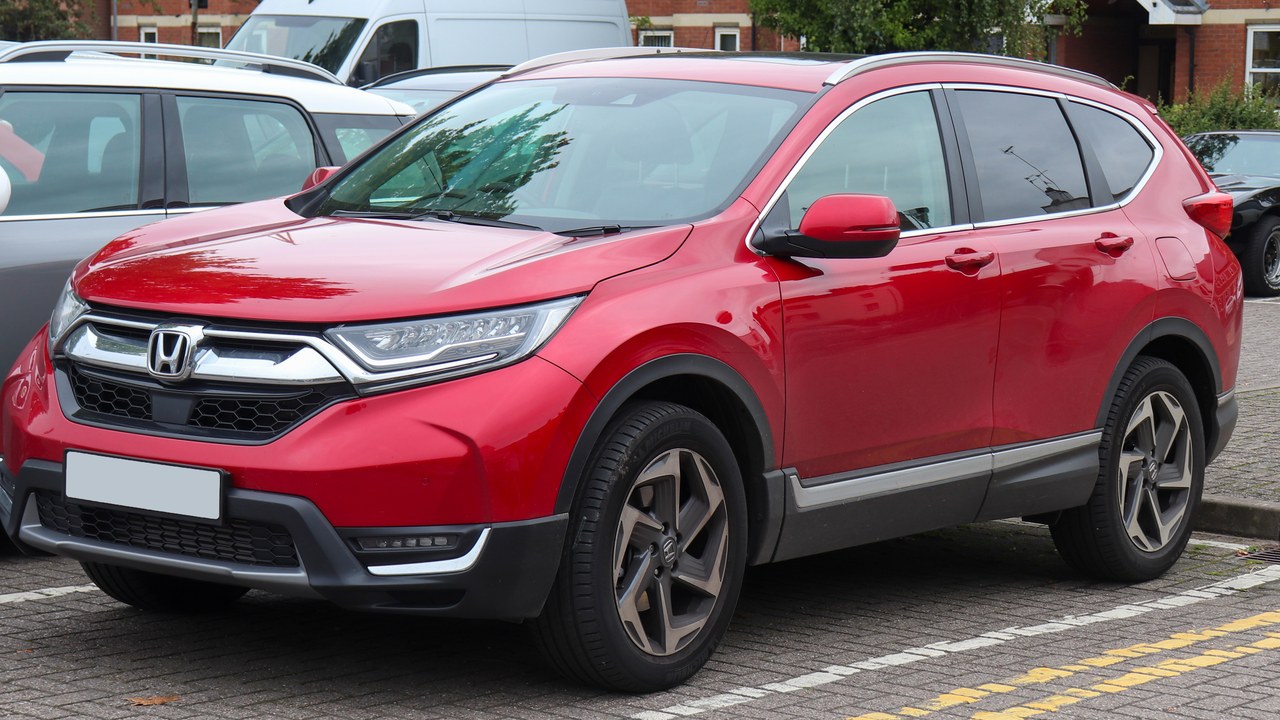
Honda’s 1.5-liter turbocharged four-cylinder powers some of its best-selling models, including the CR-V, Civic and Accord, but it has long been known for oil dilution and head gasket failures.
A blown head gasket is neither a cheap nor a quick repair, and while Honda has not issued a factory recall for these problems, the engine has drawn class-action lawsuits, SlashGear reported. The engine is becoming a smaller part of Honda’s lineup, since the CR-V, Civic and Accord are now all offered with a 2.0-liter hybrid four-cylinder that avoids the turbo’s issues and delivers better fuel economy.
10. Jeep Wrangler 4xe (2.0L turbo): Sand in the Engine
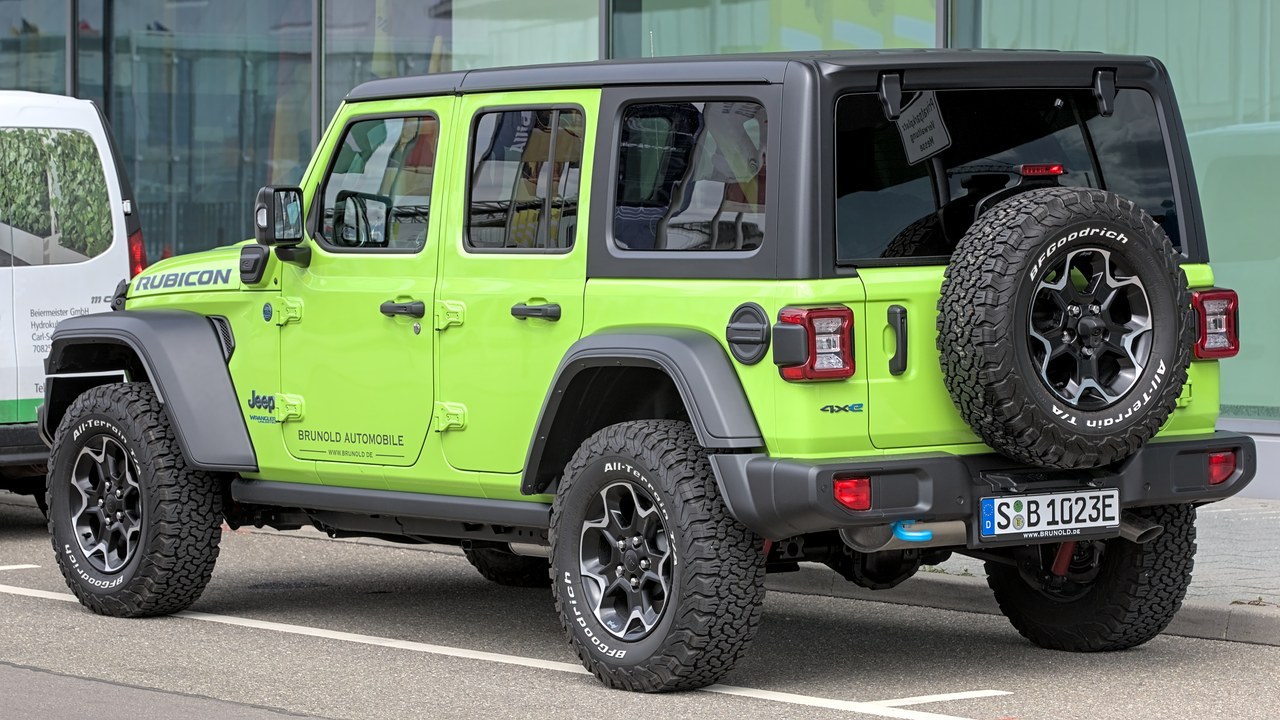
When the Wrangler and Grand Cherokee 4xe arrived in 2021, Jeep portrayed the plug-in hybrids as its future. Five years later, the brand has discontinued its 4xe models completely, and their 2.0-liter turbo engine is one reason why.
Beyond earlier recalls for battery fire risk, the 4xe was recalled for casting sand that may have been left inside the 2.0-liter turbo engine, affecting more than 100,000 vehicles. Sand inside the engine could lead to total engine failure and also a fire risk. SlashGear noted that a shifting market and regulations also played a part in the decision to end the 4xe lineup.
More from Morning Overview
- Cadillac cut the price of its cheapest EV, which goes up to 317 miles on a charge
- Winter weather advisories cover I-80, I-70 and the Bighorns with up to 15 inches of snow
- Arizona’s governor declared a statewide emergency after Flagstaff logged its wettest Nov. 1 on record
- Zero Motorcycles unveiled an electric motorcycle targeted at under $8K and a street-legal dirt bike at EICMA
