
From the jungle to the desert to the high Himalayas, wild cats have evolved into some of the most effective hunters on Earth. Each one brings its own weapon, whether raw size, explosive speed, crushing jaws or a leap that snatches birds from the air. Here are seventeen wild cats built to stalk and ambush their prey.
Read next on Morning Overview: 11 engines built to run well past 200,000 miles
1. Tiger: The Largest Big Cat
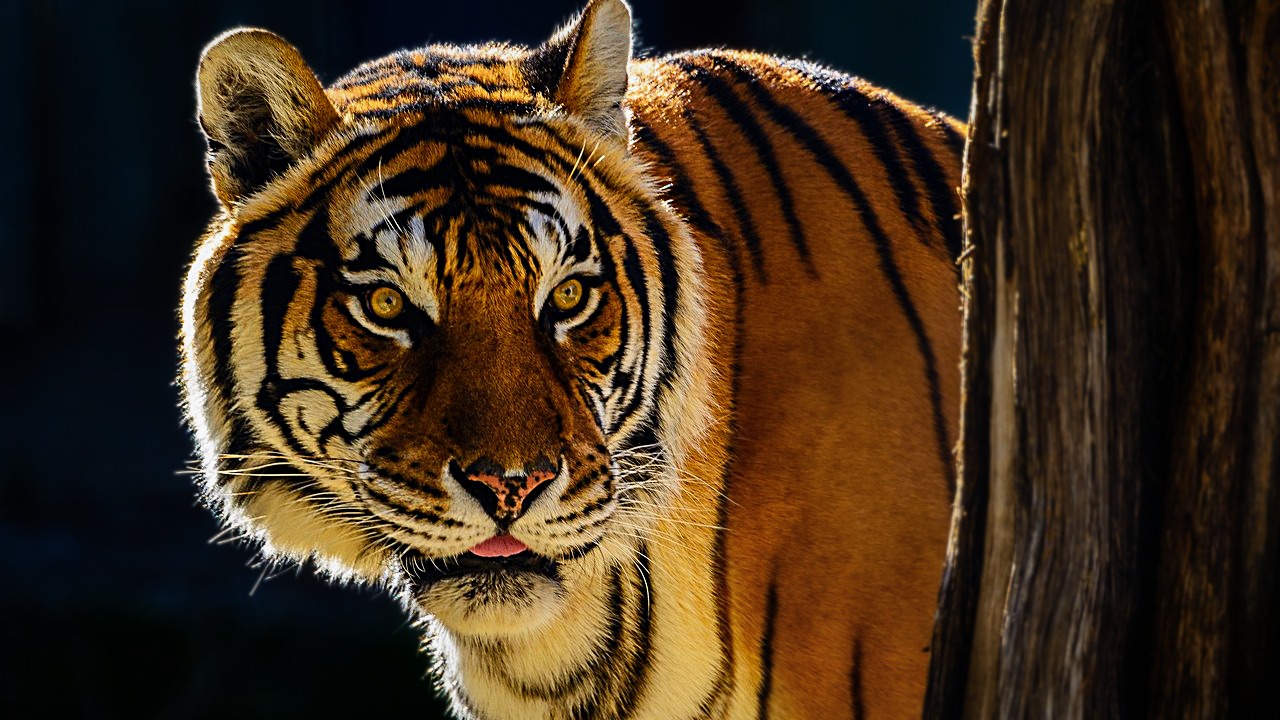
The tiger is the largest of the big cats, and Panthera says the biggest individuals weigh up to 660 pounds, typically in India and Northeast Asia. Males in Northeast Asia have been recorded holding territories of up to 1,000 square kilometers.
For all its fame in culture and sports, the tiger is close to extinction in the wild. Only about 4,500 wild tigers remain, and they need vast connected landscapes to survive.
2. Lion: The Pride Hunter
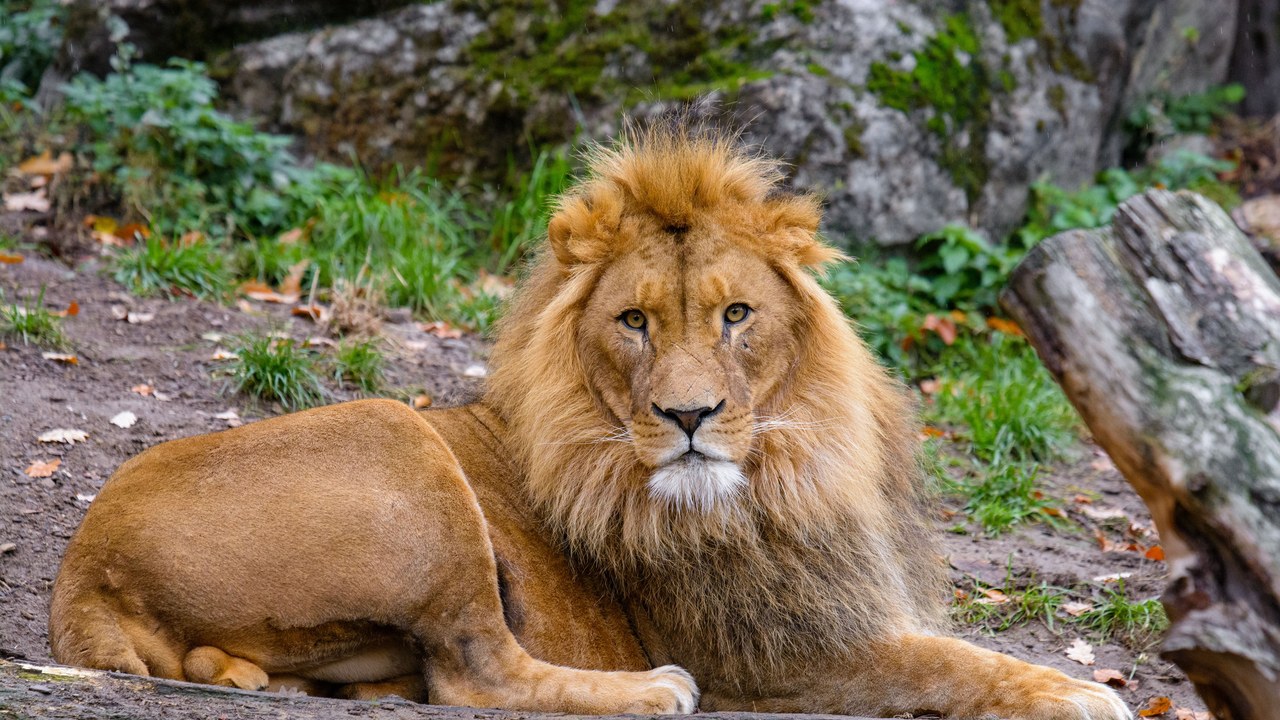
Lions are formidable group hunters. Panthera notes that prides can bring down even the largest herbivores, including buffalo, giraffes and even juvenile elephants, by working together.
Male lions also form coalitions of two to four, sometimes up to eight, to compete for mates. Yet lions have lost 95 percent of their range, and only about 24,000 remain, down from an estimated 200,000.
3. Jaguar: A Skull-Crushing Bite
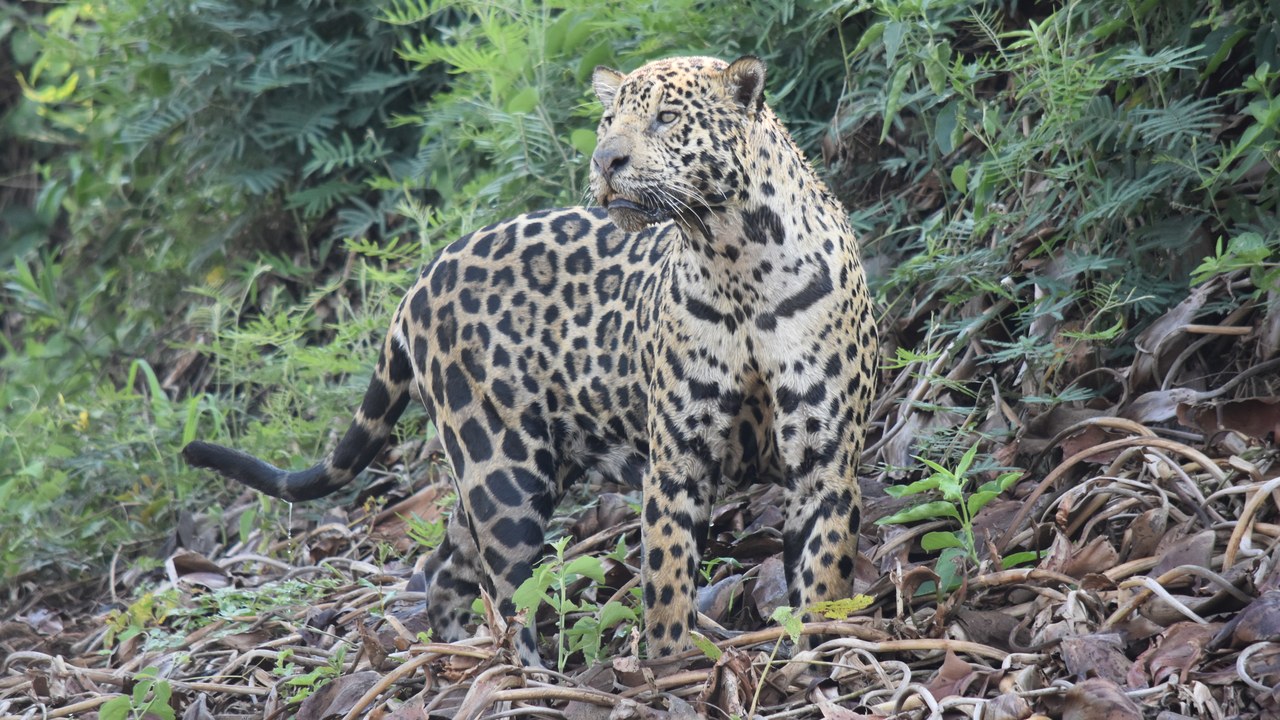
The jaguar is the largest cat in the Western Hemisphere, roaming 18 countries from Mexico to Argentina. Panthera says it uses powerful jaws to pierce the skulls of prey such as capybaras, peccaries and caimans.
Brazil holds the largest jaguar population in the Americas. Lone males have wandered into the southwestern United States, but no breeding population has been recorded there for nearly 100 years.
4. Leopard: The Tree-Climbing Killer
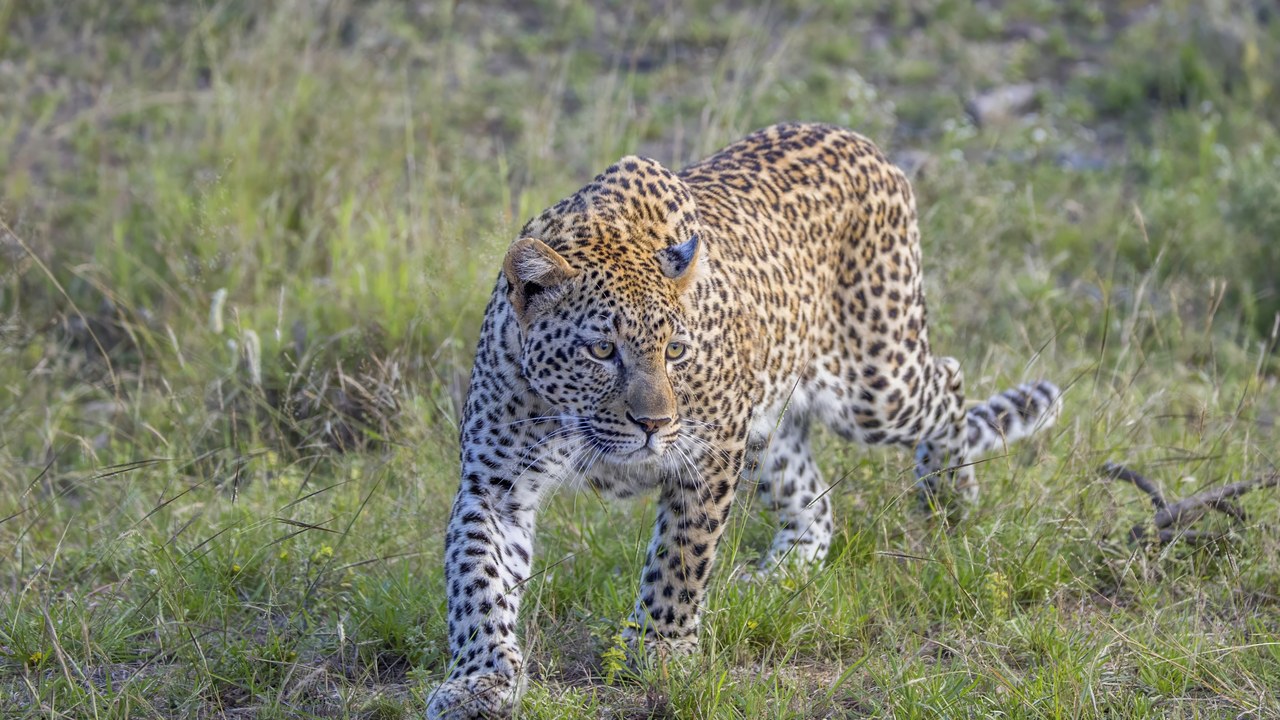
Leopards are the only wild cats known to drag their meals up into trees. Panthera praises their intricately patterned coats and remarkable adaptability, and notes that melanistic leopards are often called black panthers.
That adaptability has not protected them from people. Leopards are likely the most persecuted big cat in the world, extinct in 13 countries and erased from at least two-thirds of their historic range in Africa.
5. Snow leopard: Ghost of the Mountains
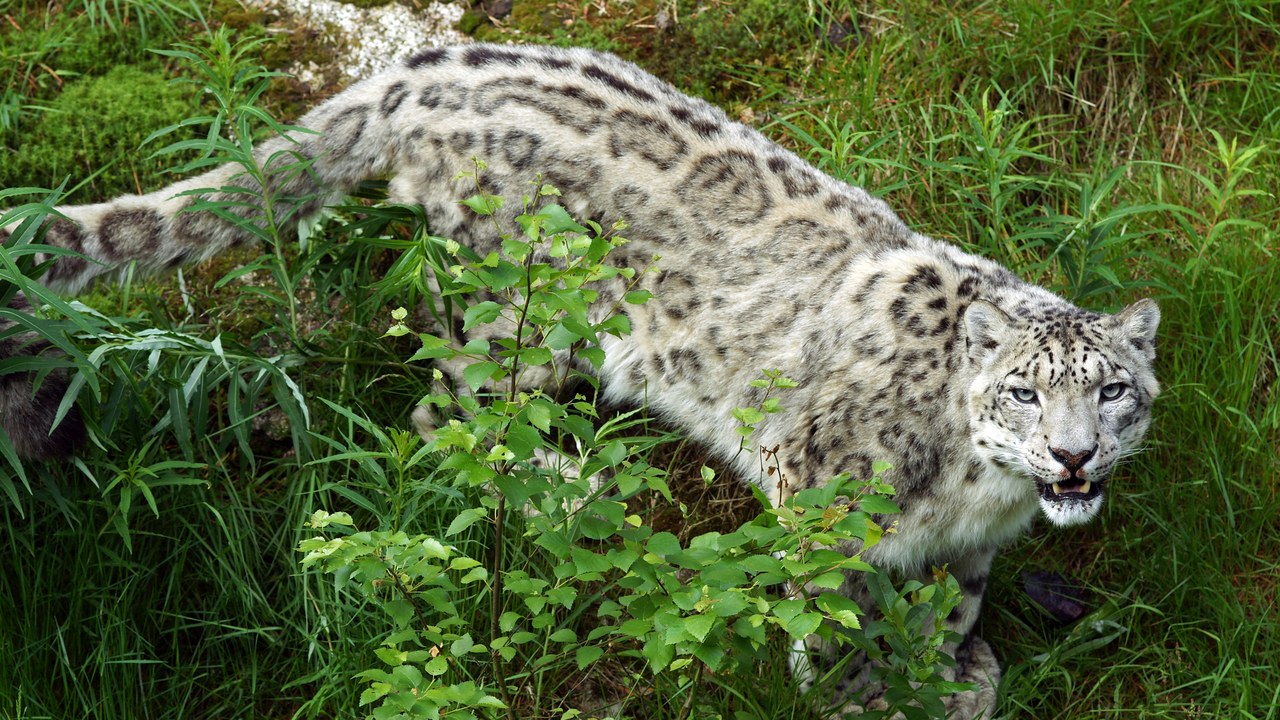
The snow leopard lives in extreme mountain habitat, usually thousands of meters above sea level. Panthera says it preys on mountain ungulates such as ibex and wild sheep, as well as marmots and other rodents.
Its range spans 12 countries and about 2 million square kilometers of Asia, with half of its habitat in China. There are likely only 4,500 to 7,000 snow leopards left in the wild.
6. Cheetah: The Fastest Land Animal
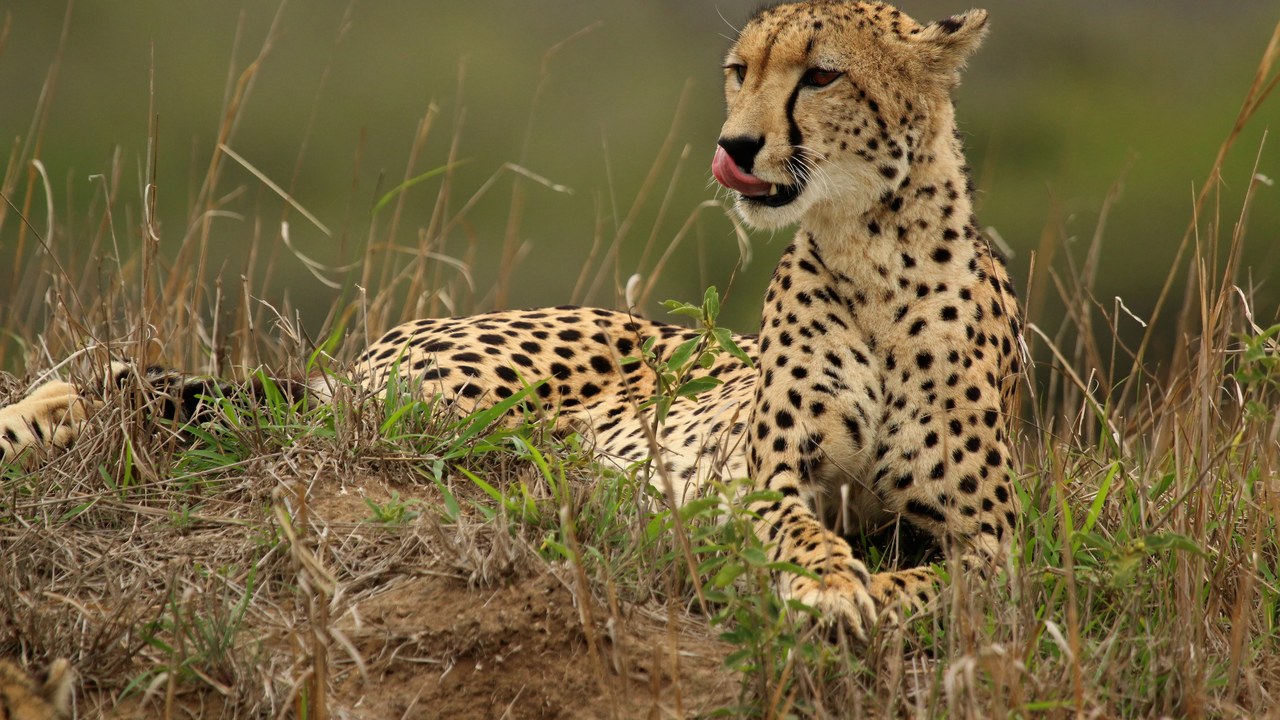
The cheetah is the fastest land animal on the planet, reaching speeds of up to 75 mph. Panthera also calls it Africa’s most threatened big cat, with as few as 7,100 left in the wild.
Cheetahs now occupy only 8 percent of their historic range. The illegal wildlife trade, overhunting of their prey, conflict with people and loss of habitat are the main threats to their survival.
7. Puma: The Cat of Many Names
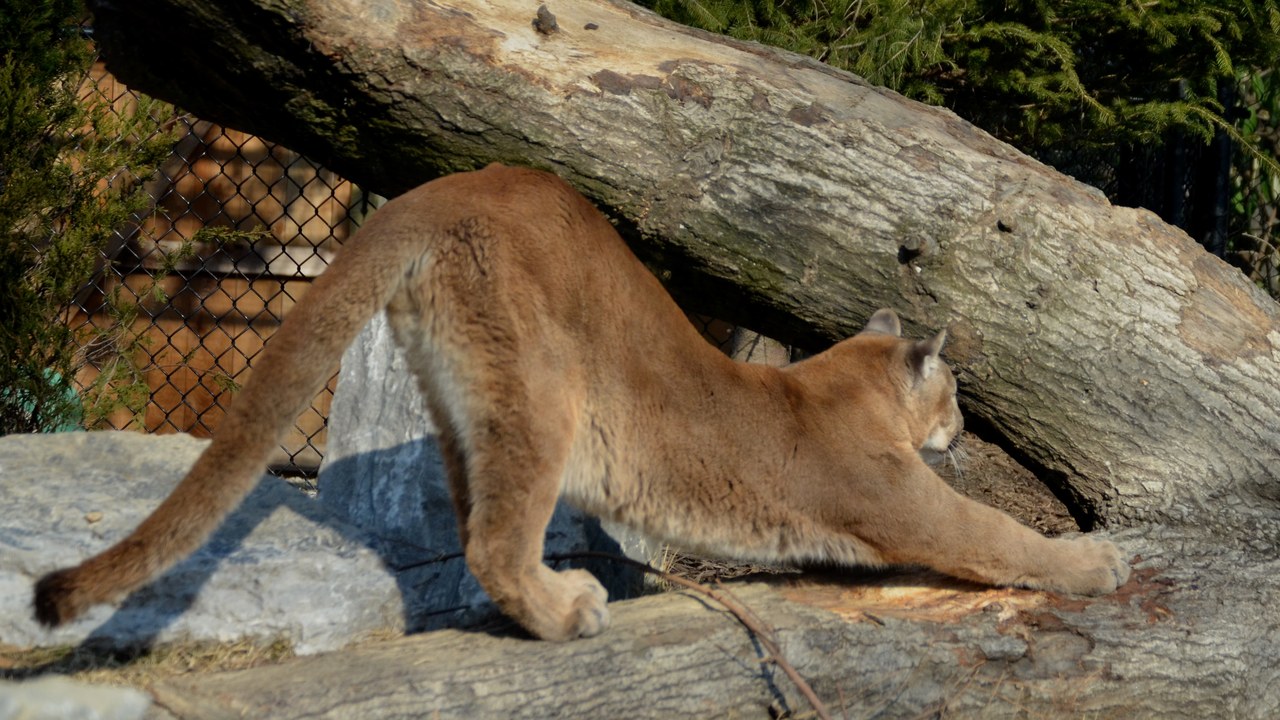
The puma is also known as the cougar, mountain lion, panther and catamount. Panthera says it lives in 23 countries across the Americas, a vast range for a single cat.
Despite that range, its numbers are thought to be declining overall. Pumas were wiped out across the eastern half of North America except for a small Florida population, the endangered Florida panther.
8. Clouded leopard: Saber-Toothed Climber
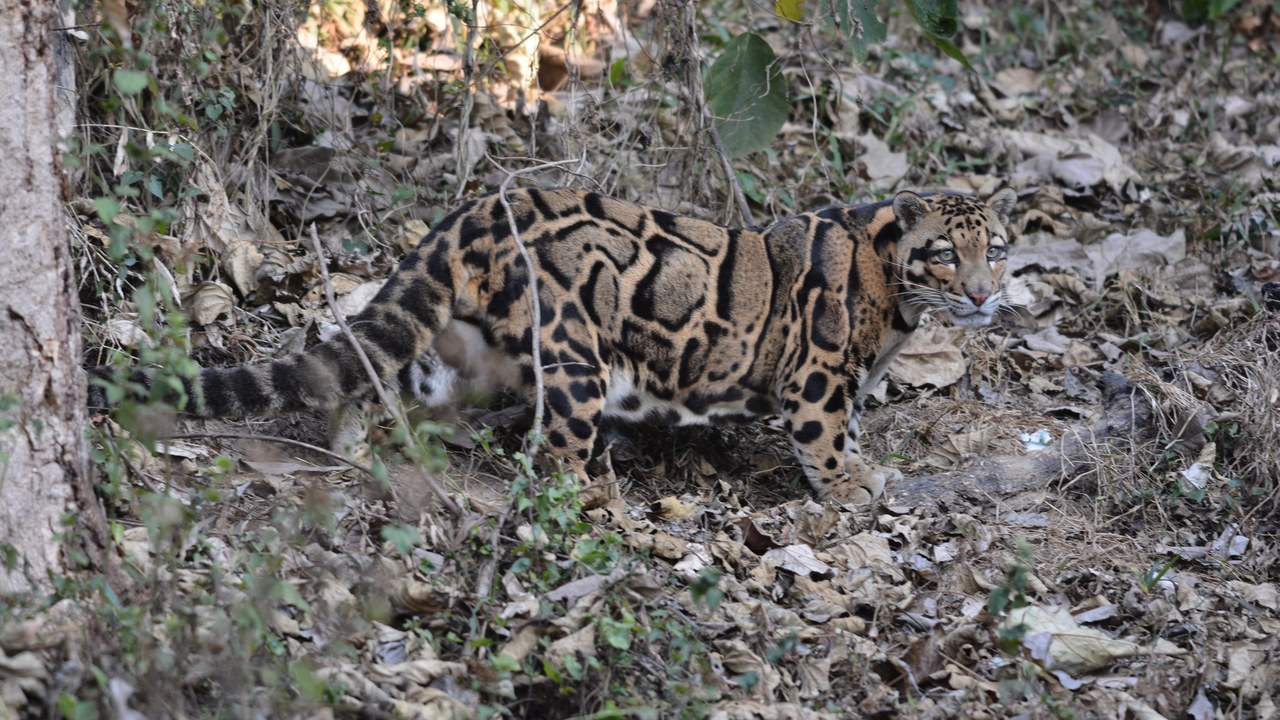
The clouded leopard’s canine teeth are exceptionally long, with the upper pair measuring 4 centimeters or longer. It is named for the cloud-like grey blotches, spots and stripes on its coat.
Its tail, up to 36 inches long, helps it balance while moving through trees. The species was first described scientifically in 1821, based on a skin, and its head-and-body length reaches about 42 inches.
9. Canada lynx: The Hare Specialist
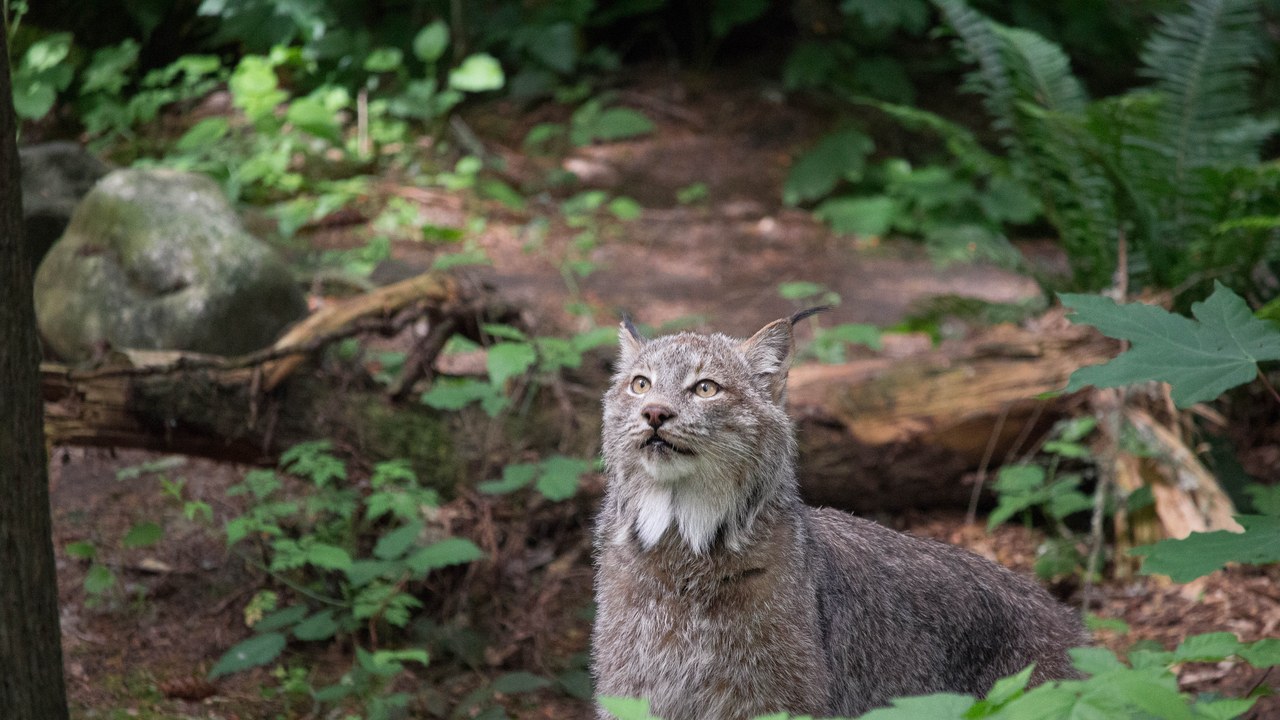
The Canada lynx is a specialist predator that depends heavily on a single prey animal, the snowshoe hare. Broad, snowshoe-like paws let it chase hares across deep snow.
Its population rises and falls with the hare cycle, a classic predator-prey pattern documented over many years in Alaska and central Canada. It is also recognizable by the black tufts on its triangular ears.
10. Bobcat: America’s Adaptable Hunter
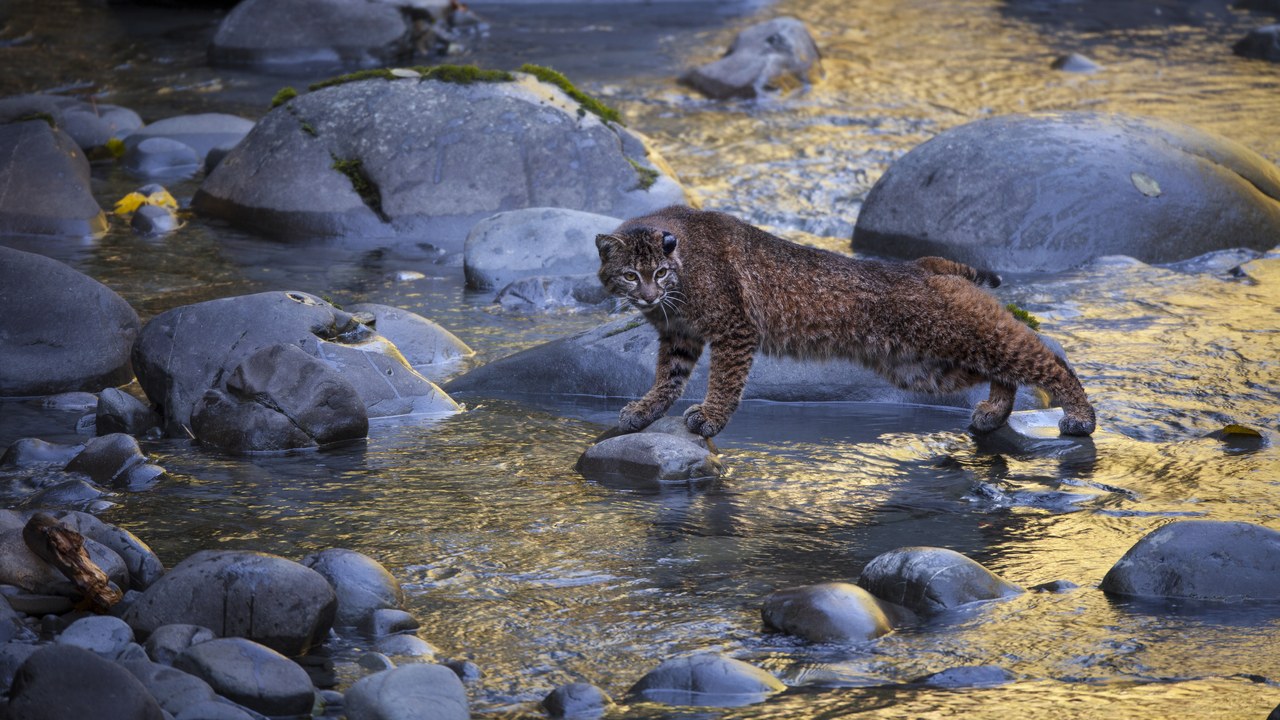
The bobcat ranges from southern Canada through most of the contiguous United States to Oaxaca in Mexico. It prefers rabbits and hares but also hunts insects, birds, small rodents and even deer.
It can survive long periods without food but eats heavily when prey is abundant. Its wide distribution and large population have kept it listed as Least Concern on the IUCN Red List since 2002.
11. Caracal: The Bird Catcher
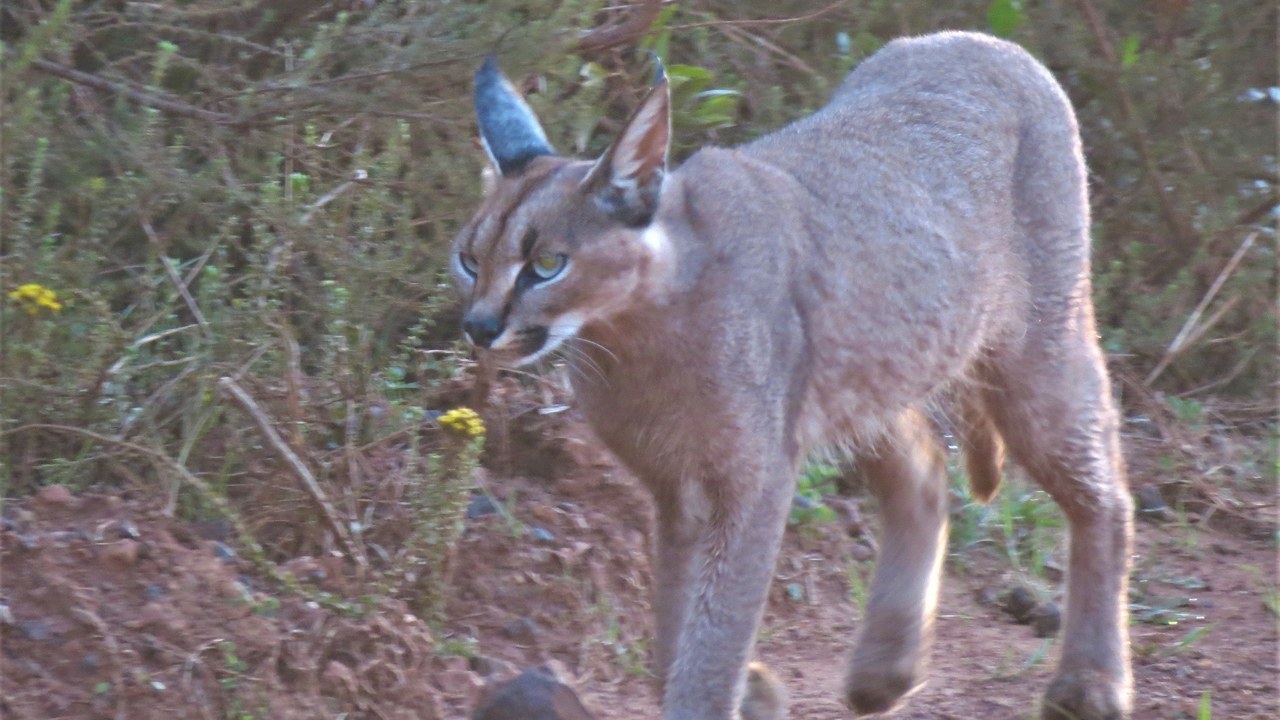
The caracal has long legs, a short face and long tufted ears. Powerful hind legs let it leap more than 3 meters into the air to catch birds on the wing.
This wild cat ranges across Africa, the Middle East, Central Asia and dry parts of Pakistan and northwestern India. Its coat is a uniform reddish tan or sandy color, lighter on the underside.
12. Serval: The High Jumper
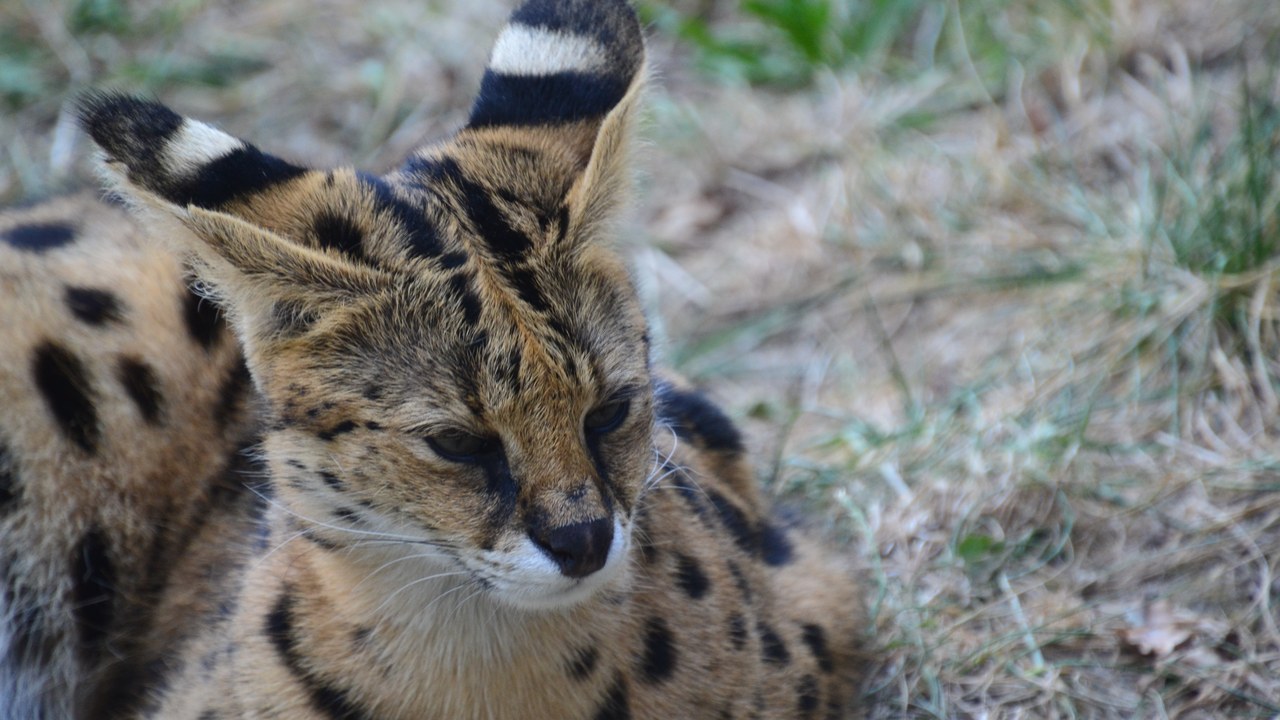
The serval hunts rodents, small birds, frogs, insects and reptiles in Africa’s grasslands and wetlands. It uses its hearing to locate prey, then leaps over 2 meters above the ground to land on it with its forefeet.
It finishes prey with a bite to the neck or head. The serval is the sole member of its genus, and hunting it is prohibited or regulated across its range.
13. Ocelot: The Spotted Stalker
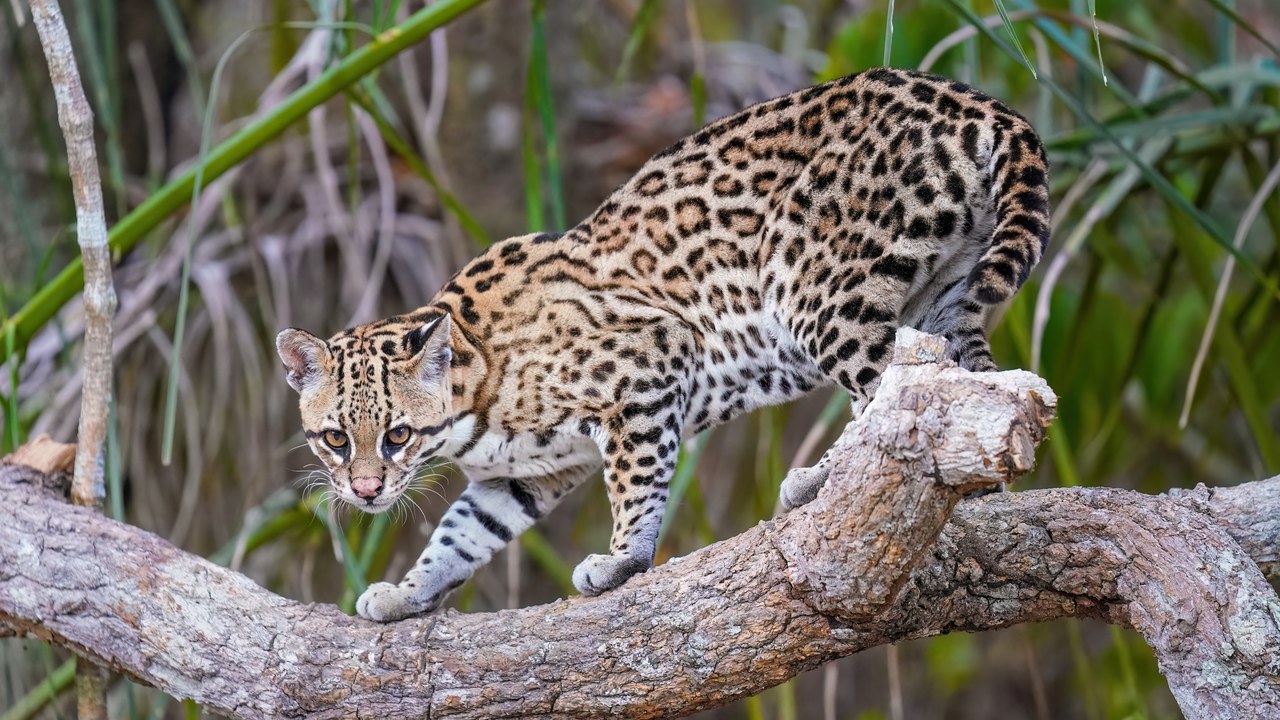
The ocelot is a medium-sized spotted cat that weighs about 15 to 34 pounds and ranges from the southwestern United States through Mexico and Central and South America.
It prefers areas close to water with dense vegetation cover and plenty of prey, and it hunts small ground mammals such as armadillos, opossums and rabbits. Its range also includes the Caribbean islands of Trinidad and Margarita.
14. Sand cat: The Desert Survivor
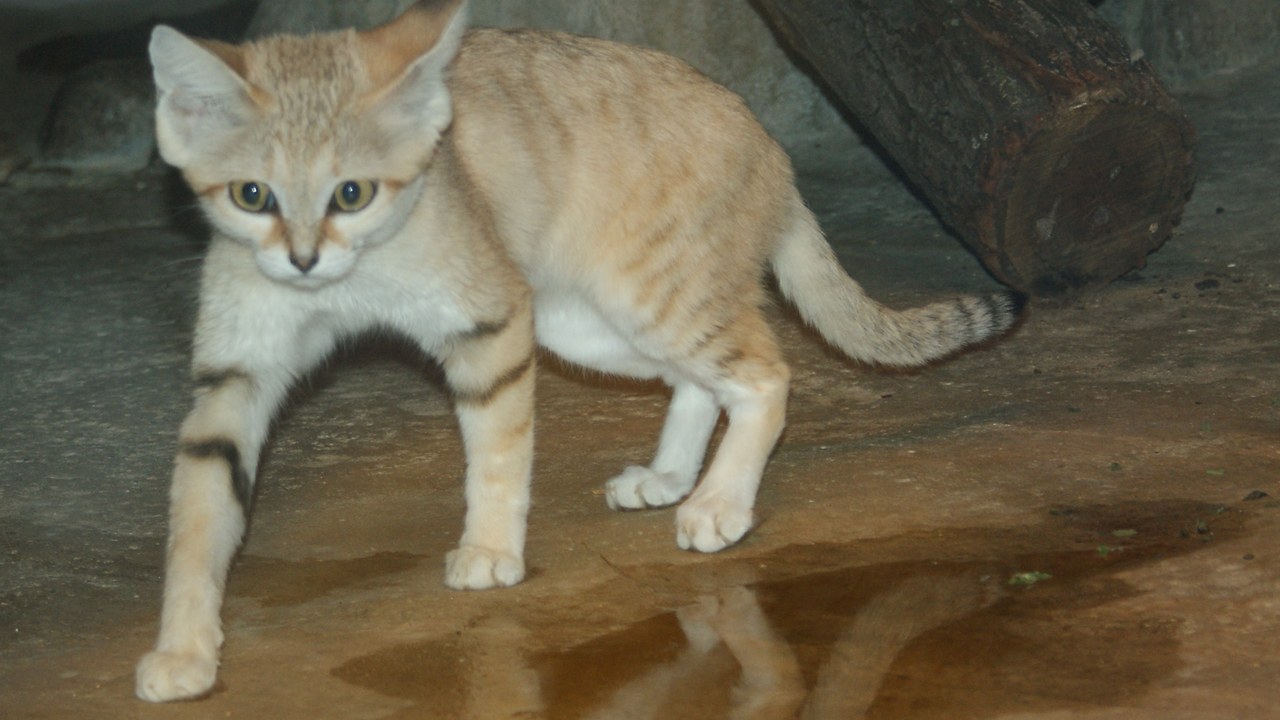
The sand cat lives in sandy and stony deserts far from water sources. Its sandy to light-grey fur camouflages it in the desert, and its short ears sit low on the sides of its head.
It gets most of the moisture it needs from its prey but drinks when water is available. Sand cats studied in the wild retired to burrows at dawn and stayed underground through the heat of the day.
15. Fishing cat: The Cat That Hunts Fish
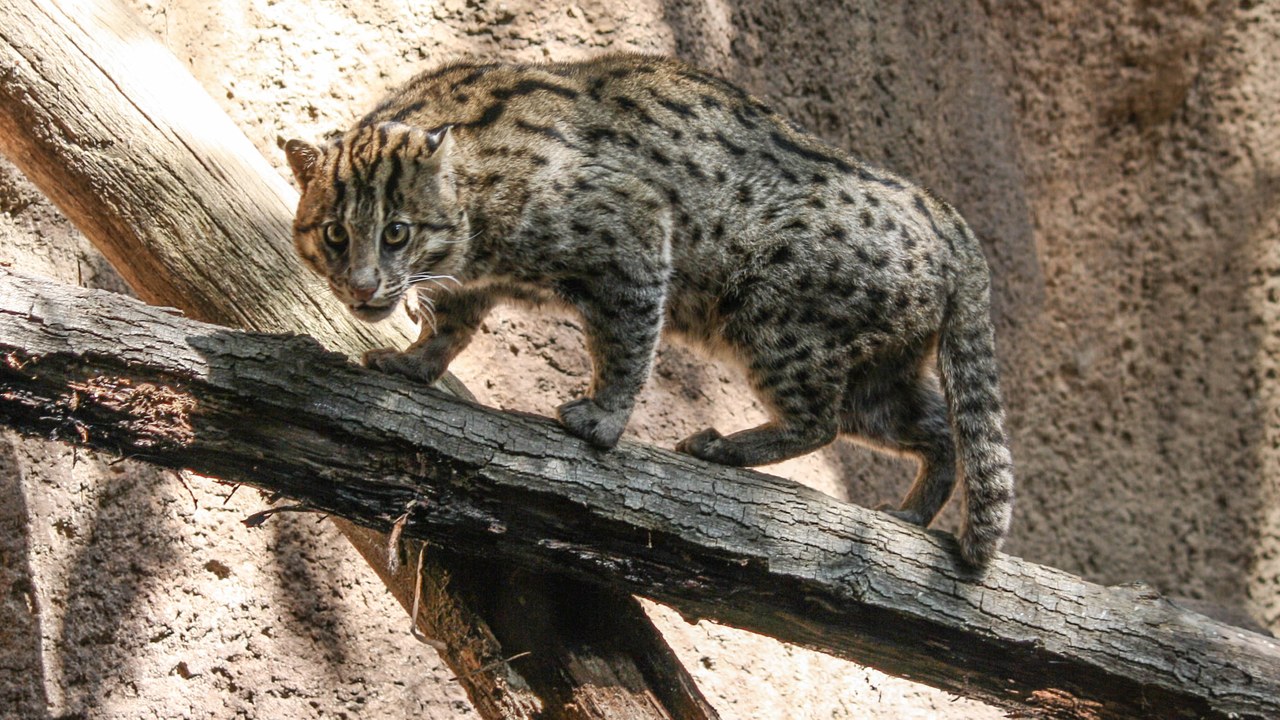
The fishing cat lives in South and Southeast Asia, mostly near wetlands, rivers, swamps and mangroves, where it preys mostly on fish. Males weigh 18 to 37 pounds, larger than females.
Its deep yellowish-grey fur is marked with black lines and spots, and adults measure up to about 31 inches from head to body. The destruction of wetlands and killing by local people are the major threats throughout its range.
16. Pallas’s cat: The Grumpy-Looking Ambusher
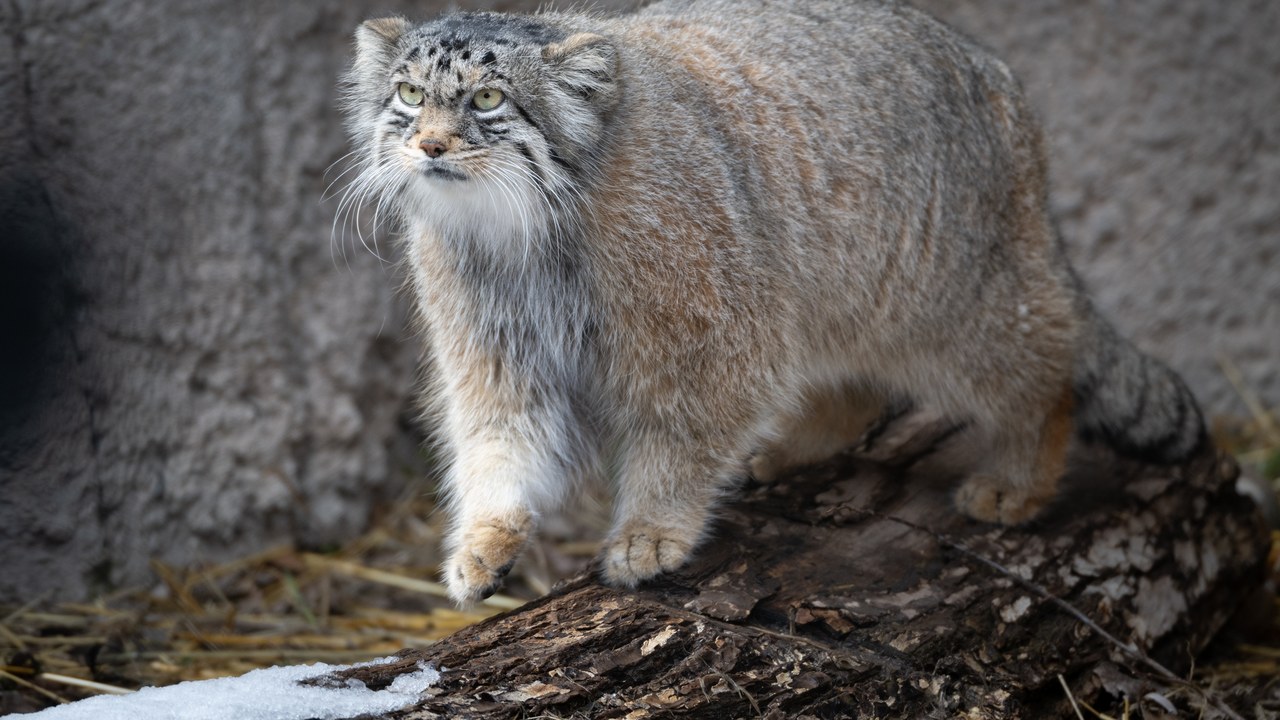
Pallas’s cat, also called the manul, has long, dense grey fur and rounded ears set low on its head. It is a highly specialized predator of small mammals, which it catches by stalking or ambushing them near burrow exits.
It is well adapted to cold, dry continental climates. On the Tibetan plateau, Pallas’s cats have been observed among pika colonies at more than 13,000 feet.
17. Black-footed cat: Africa’s Smallest Cat
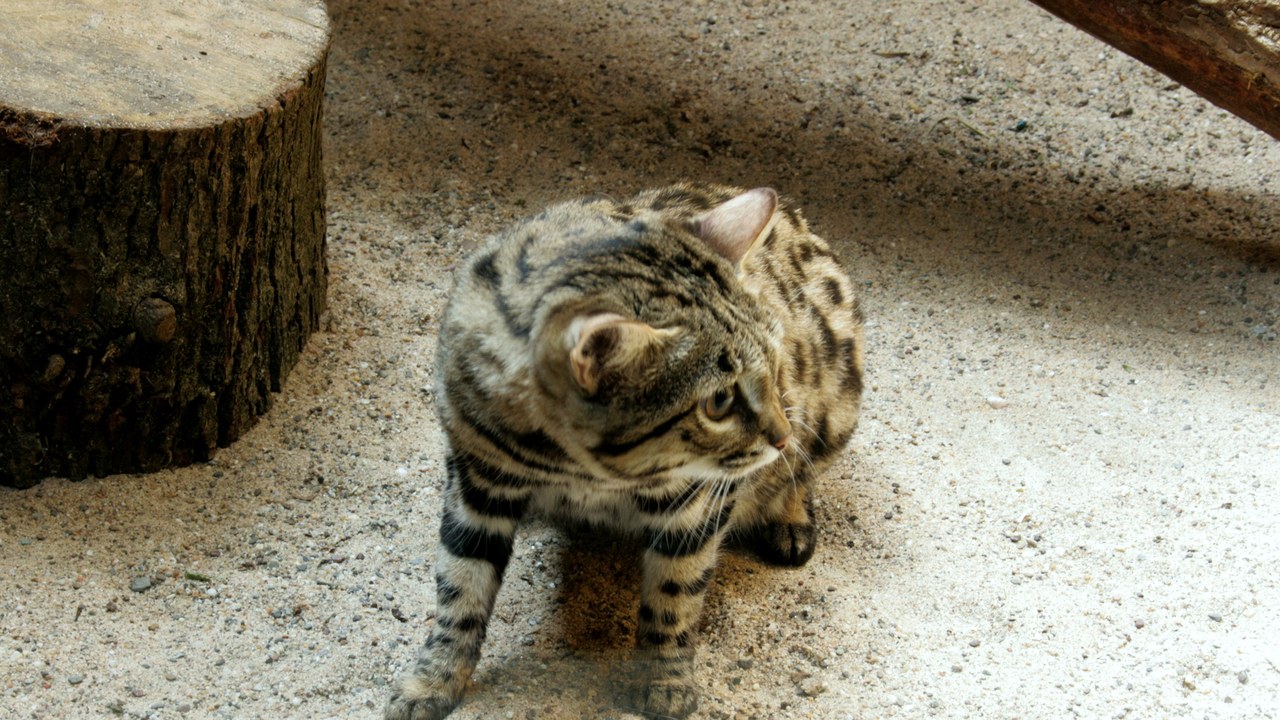
The black-footed cat is the smallest wild cat in Africa, with a head-and-body length of just 14 to 20 inches. Despite its name, only the soles of its feet are black or dark brown.
It is a remarkably efficient hunter. Observed cats attempted to catch 10 animals in five hours of hunting, succeeding about six times. It rests in burrows by day and hunts at night.
More from Morning Overview
- A $1 billion gas plant planned for Superior, Wisconsin, has been abandoned
- Shaq spent $1.3 million on three Rolls-Royce Phantoms to prove a point to a salesman
- The Justice Department asked courts to undo approvals for three offshore wind farms, one already making power
- Over 20 trillion gallons of rain fell on the Four Corners states and Nevada in two weeks
