
The wild cat family runs from apex predators of the African savanna to small forest hunters that rarely cross paths with people. Conservation groups track many of them with population estimates, and the numbers for several species have fallen sharply as range has shrunk. Here are ten wild cats, with the sizes, ranges and counts that define them.
The tech news worth your time: 400,000+ professionals from Google, Apple and OpenAI read Techpresso, a daily email with the most interesting tech news and insights.
We may earn a commission if you sign up.
1. Lion: Shrinking Kingdom
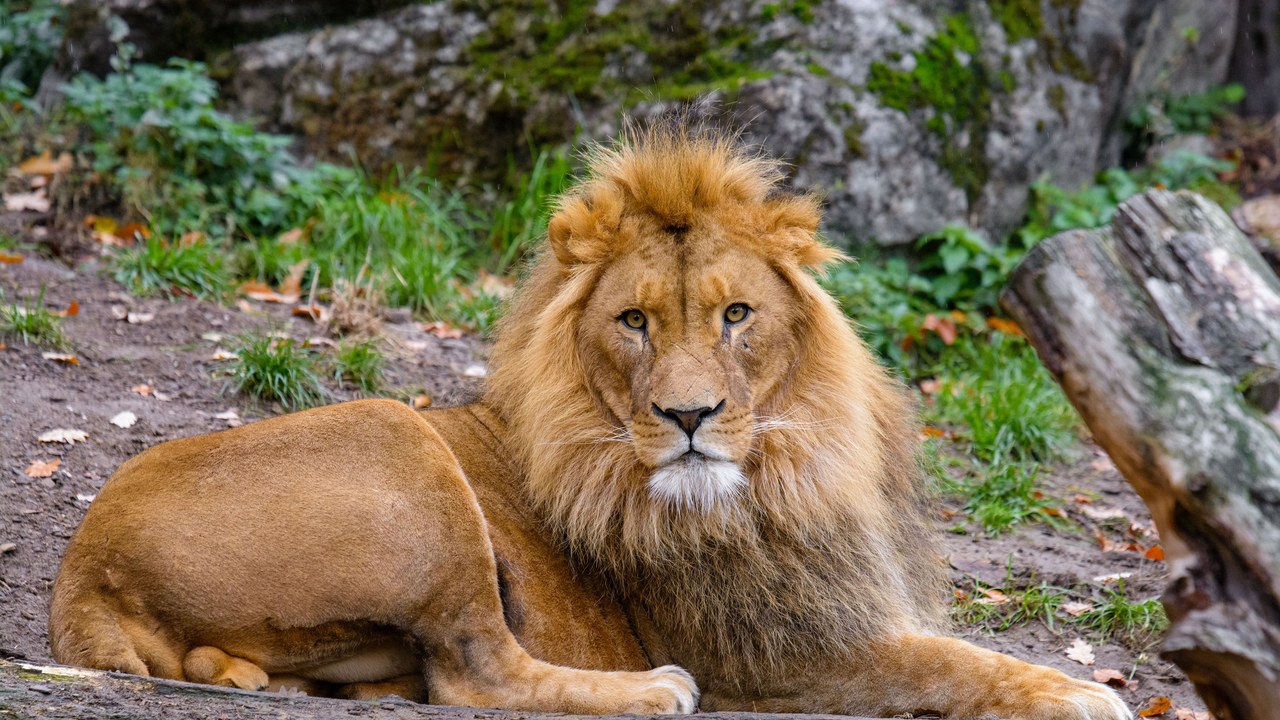
The African cat survives in just 8% of its historic range, and only 23,000 to 39,000 mature lions are left, according to FOUR PAWS citing the IUCN. Males can weigh up to 272 kilograms, or 600 pounds.
The same source lists male weights from 150 kilograms upward, so size varies widely among individuals. The shrinking range is the more telling figure for the species’ long-term prospects. A population of that size spread over so little land leaves the species far more vulnerable than its fame as the African savanna’s best-known predator suggests.
2. Tiger: Largest Cat
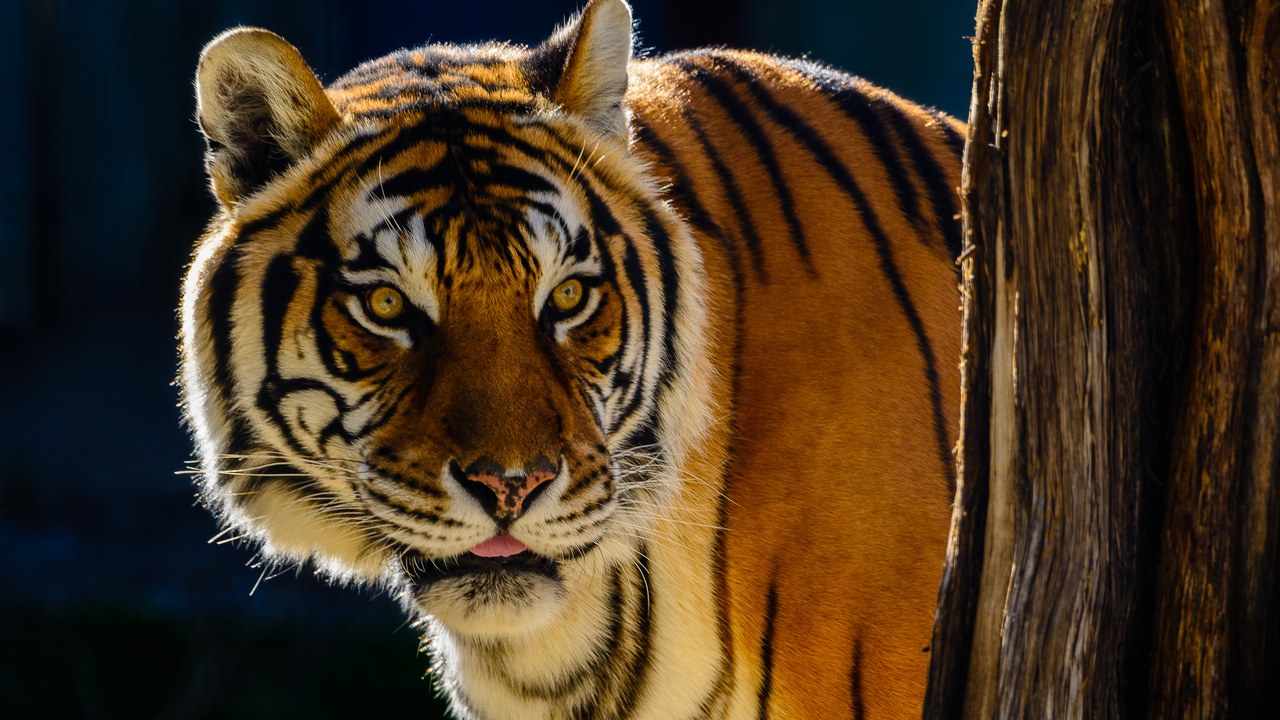
The tiger is the largest cat, measuring 150 to 230 centimeters (59 to 91 inches) in length not counting the tail, according to the list of felids. Only 2,600 to 3,900 remain in the wild.
FOUR PAWS gives a best estimate of 3,140 and says tigers occupy less than 7% of their historic range. Wild numbers are small enough that each protected population matters to the species as a whole. Wikipedia’s list is dated to the IUCN Cat Specialist Group’s September 2026 update, so the 2,600 to 3,900 range reflects recent assessments.
3. Cheetah: Fewer Than 7,000
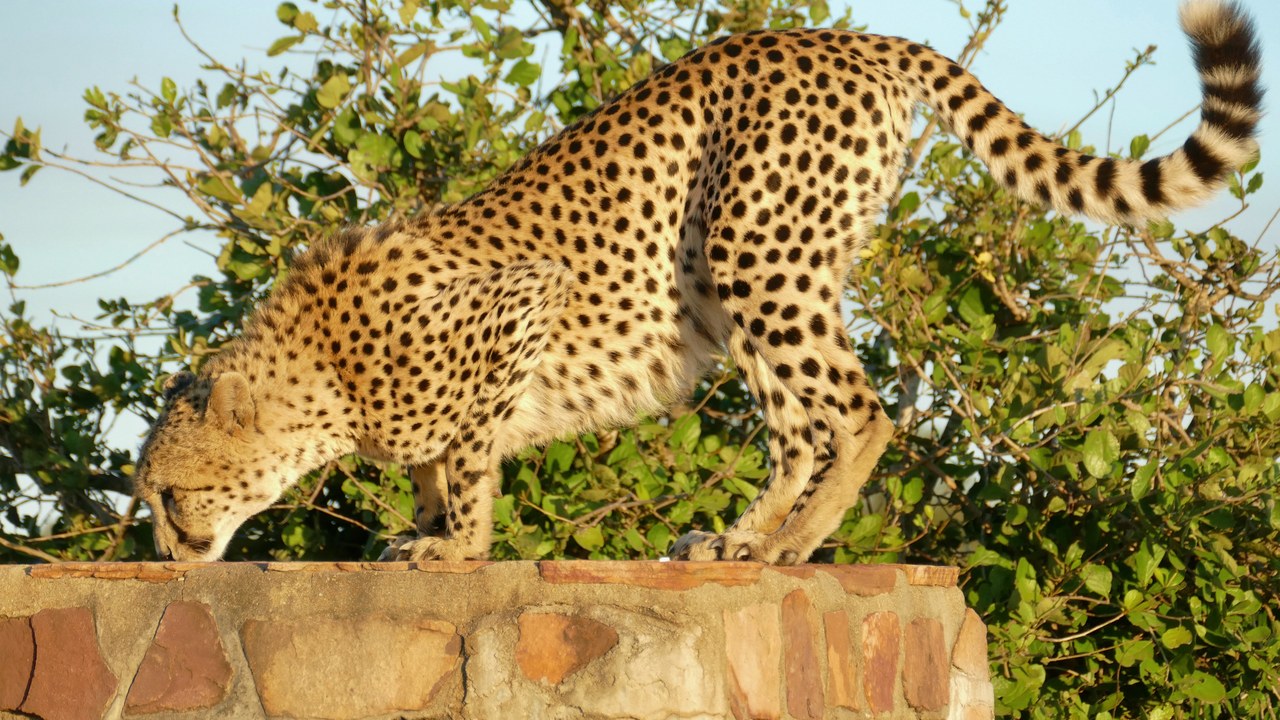
Fewer than 7,000 cheetahs are left in the wild, the Smithsonian’s National Zoo says in announcing five cubs born in October 2026. The litter is a small gain for a species with a limited remaining population.
Wikipedia’s felid list gives a slightly lower figure of 6,500, which is consistent with the zoo’s description. The birth is notable because every successful litter adds to a population that is already small. Cheetahs are the fastest land animals, but speed alone offers no protection when the total number of animals is this small.
4. Jaguar: Americas’ Big Cat
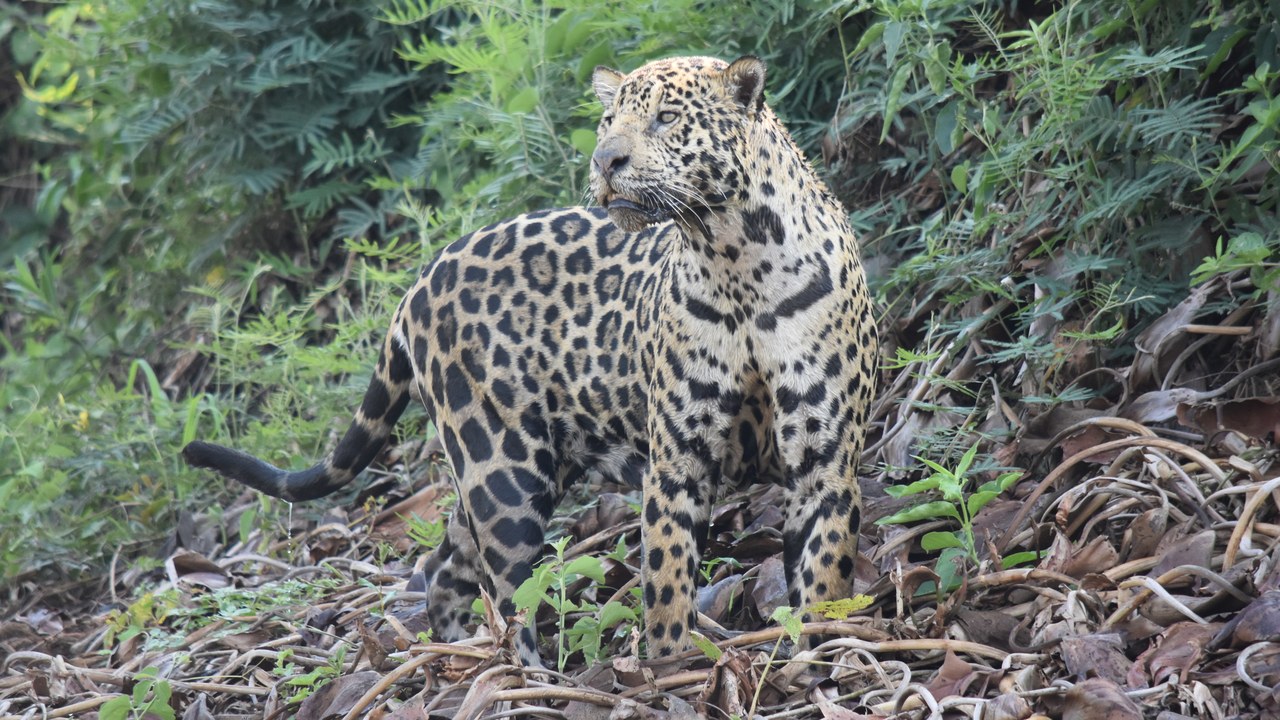
Males can reach 158 kilograms, or 348 pounds, yet jaguars are believed extinct across 51% of their former range, FOUR PAWS reports. The jaguar is the largest cat in the Americas.
The size figure gives the species a heavy build, but range loss is the more serious fact. A smaller range means fewer places for the species to survive. At 158 kilograms, a male is lighter than the 272-kilogram maximum given for a lion, yet it remains a very heavy predator.
5. Leopard: Many Subspecies
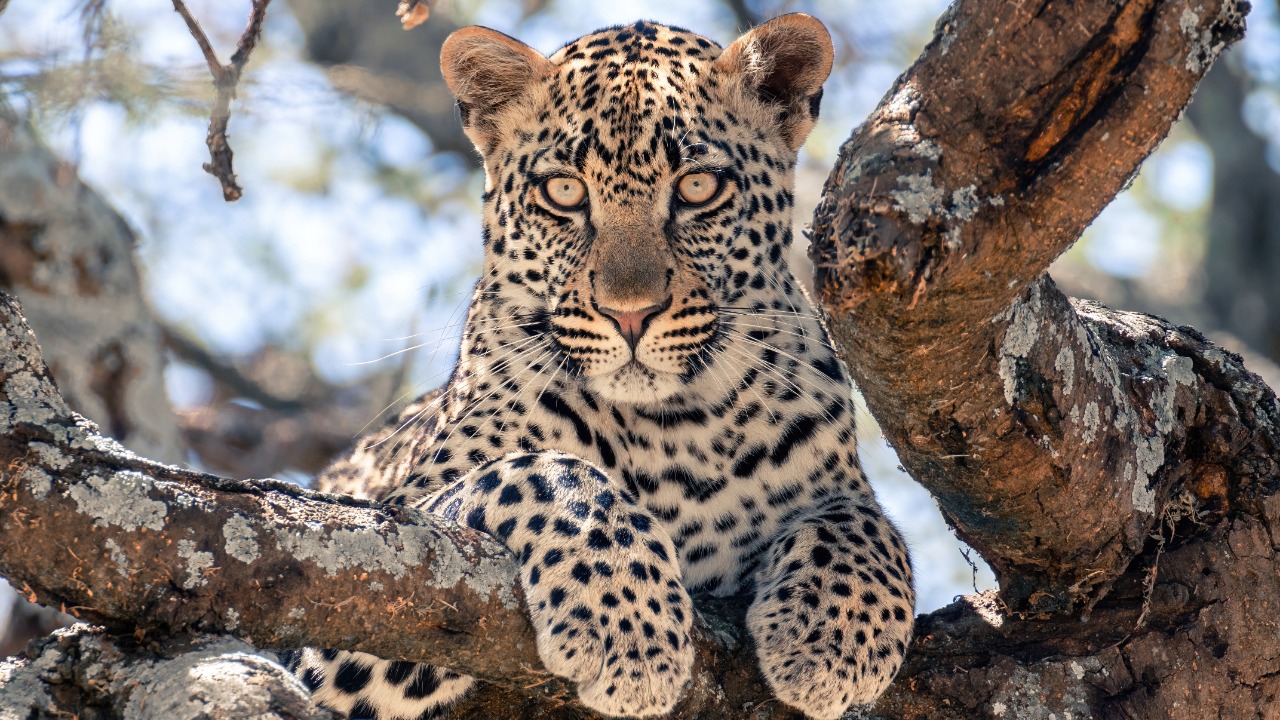
Males weigh up to 90 kilograms, or 198 pounds, and the Amur leopard subspecies is down to fewer than 60 animals, FOUR PAWS says. The species as a whole is far more widespread than that subspecies suggests.
Other subspecies are also small, with the Arabian leopard at 45 to 200 animals and the Javan leopard at 350 to 525. The numbers show that a species can seem secure while some of its populations are close to disappearing. Those subspecies figures come from the same source as the weight range, which lists females at 17 to 42 kilograms.
6. Snow leopard: Mountain Ghost
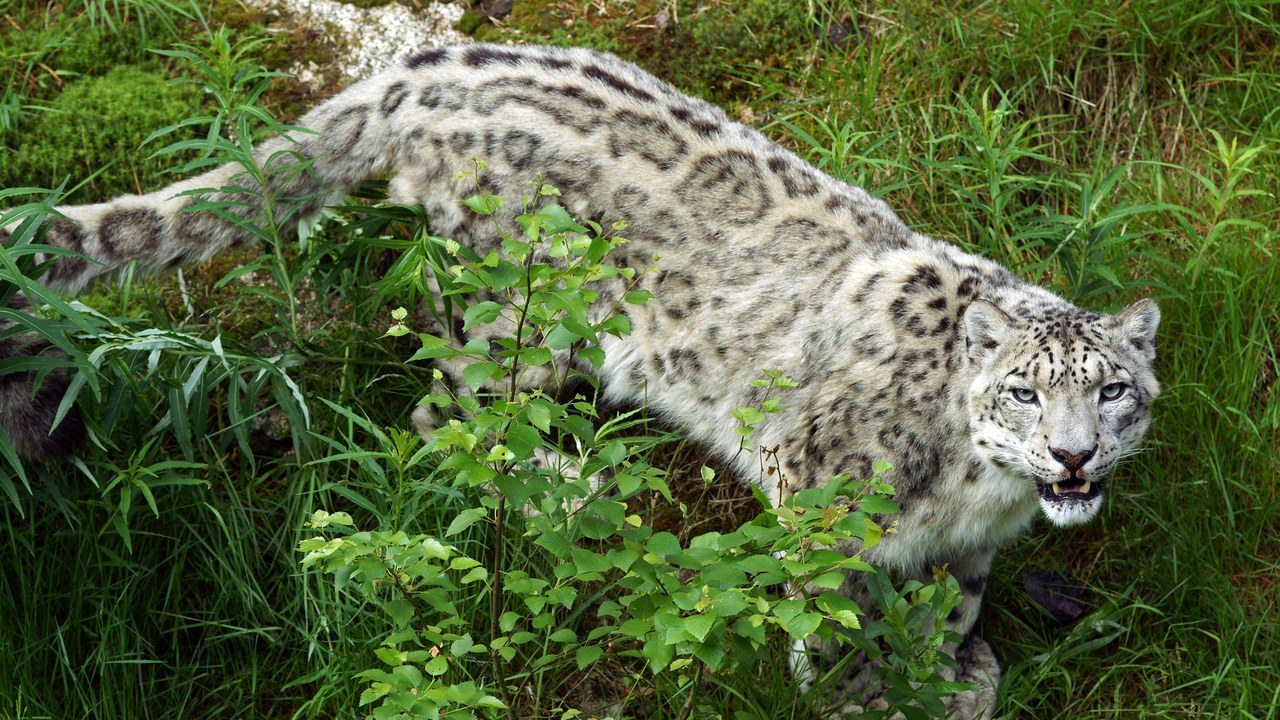
Just 2,710 to 3,386 mature snow leopards survive, scattered across 12 Central Asian countries, according to FOUR PAWS. The cat lives in high mountain terrain that makes counting difficult.
Because the animals spread across so many countries, protecting them requires cooperation across borders. The figure counts only mature individuals, so the total population including younger animals is somewhat larger. FOUR PAWS includes the snow leopard among five big cats with IUCN figures, alongside the lion, tiger, leopard and jaguar, so the comparison is direct.
7. Cougar: Rare Attacks
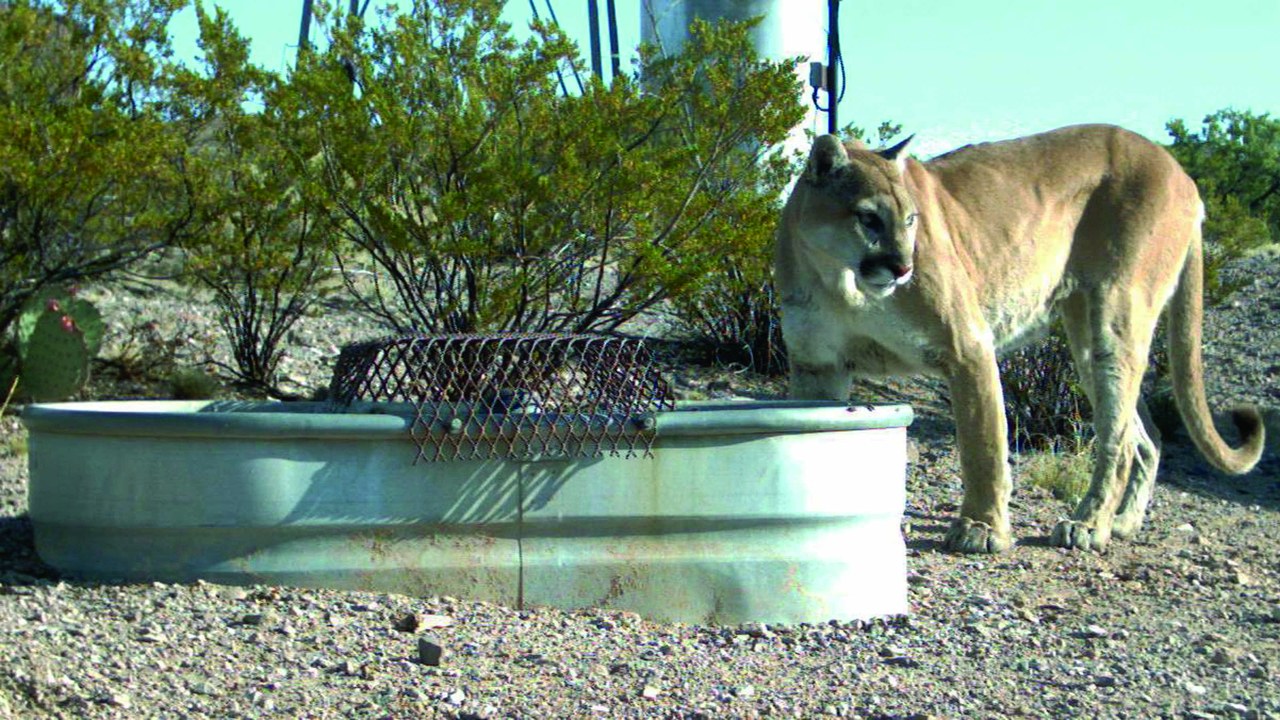
North America’s big cat has been blamed for 29 fatal attacks in 100 years, with the latest on January 1, 2026, near Estes Park. The cougar lives across a large part of the continent.
The number is small compared with how widely cougars range, so fatal encounters remain rare. The incident near Estes Park in Colorado is the most recent entry on the Wikipedia list of fatal attacks, which covers all of North America. The count covers fatal attacks only, so it says nothing about the far larger number of sightings and nonfatal encounters.
8. Clouded leopard: Tree Climber
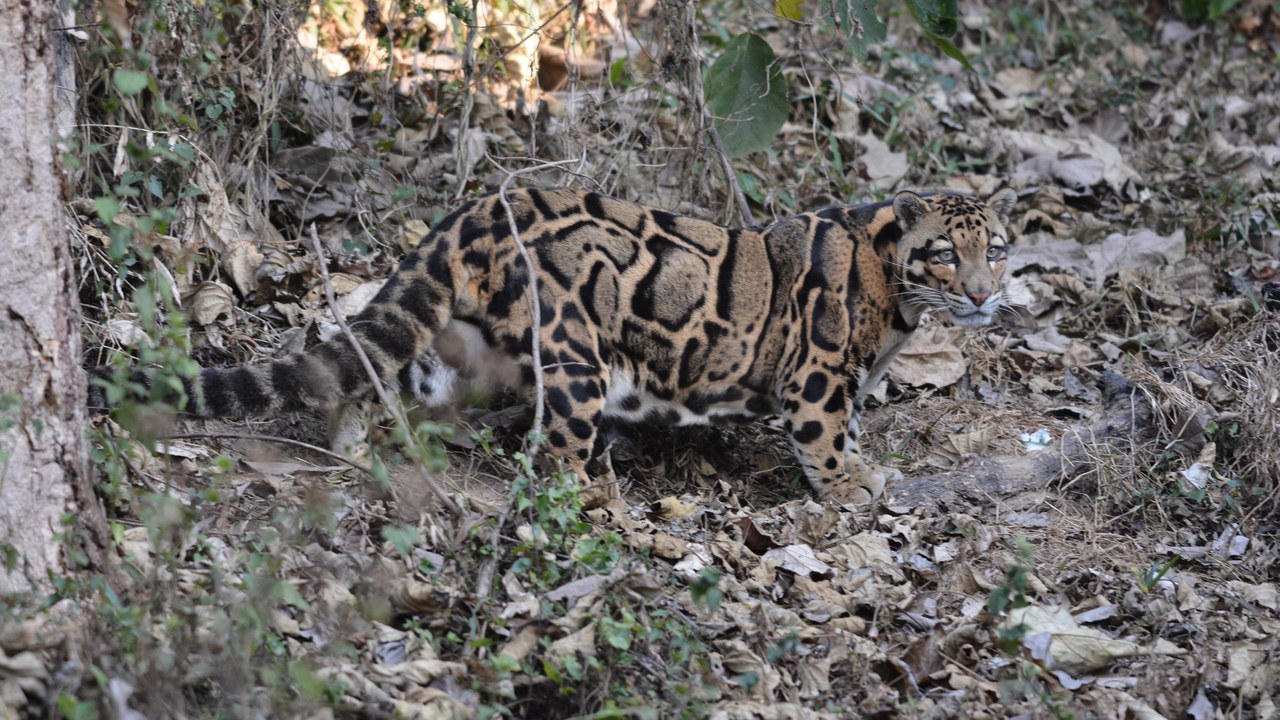
The clouded leopard’s tail runs 61 to 91 centimeters (24 to 36 inches), nearly as long as its body, and it climbs trees. About 3,700 to 5,600 remain, according to the list of felids.
The long tail serves as a counterbalance in the canopy. The population range is wide, which reflects how hard it is to survey a secretive forest cat. Its tail length, close to the length of its body, is the trait that most clearly marks the species among the cats on this list.
9. Canada lynx: Stubby-Tailed Hunter
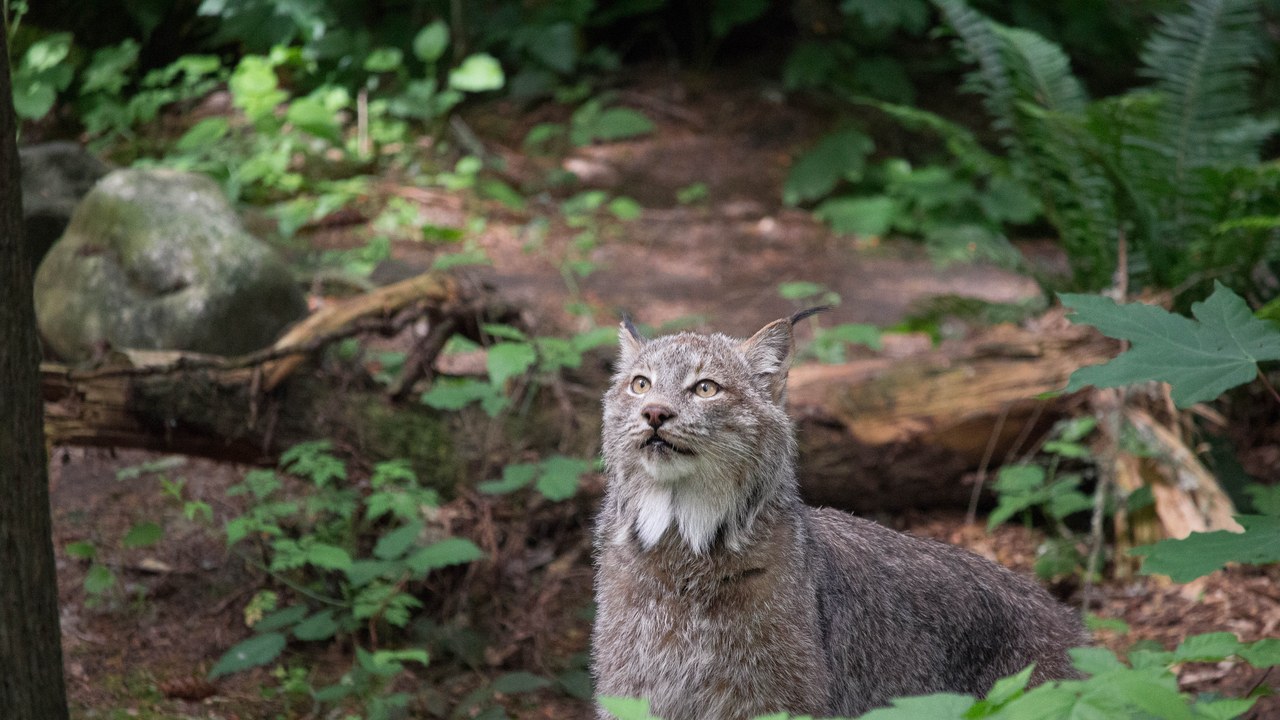
The Canada lynx has a body up to 106 centimeters (42 inches) long and a stubby tail of only 10 to 15 centimeters (4 to 6 inches), according to the list of felids. The short tail is one of its most recognizable features.
Size and tail length help separate the lynx from similar cats in northern forests. The list provides no population estimate for the species, so these are the measurements that define it here. The tail is only a few inches long, which is far shorter than the tails of the other cats in this group, such as the ocelot or the clouded leopard.
10. Ocelot: Spotted Forest Cat
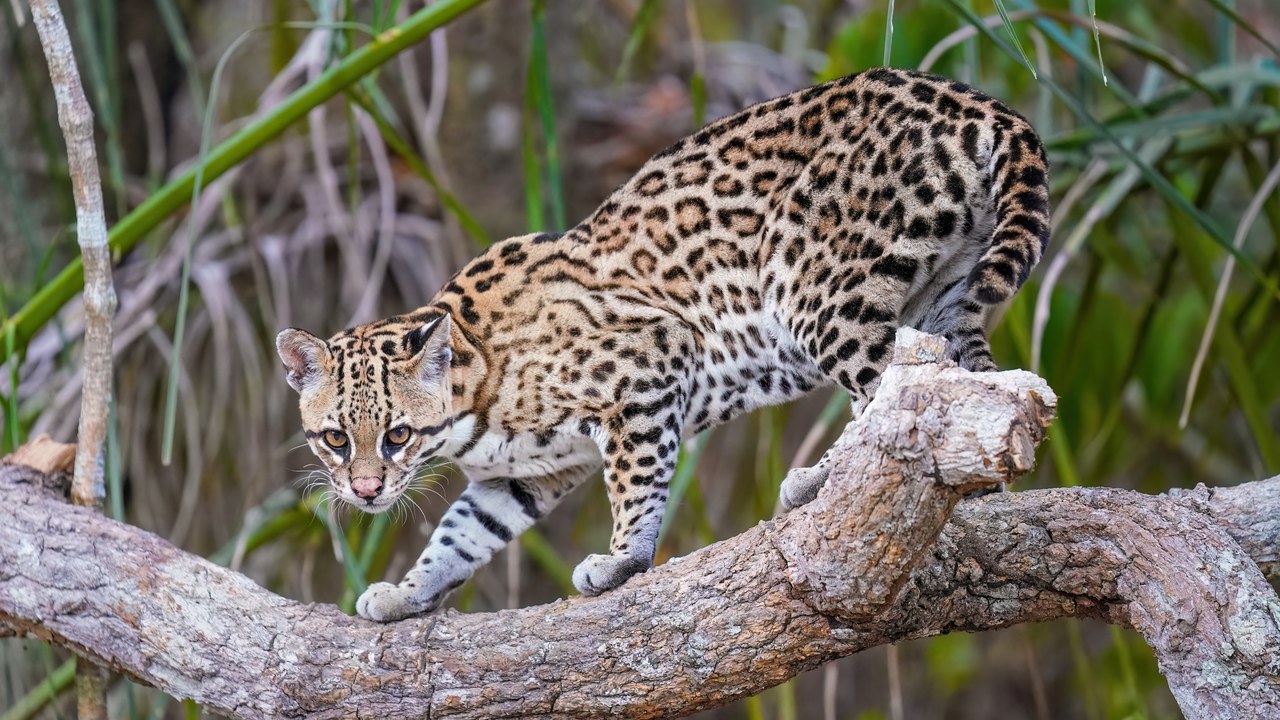
The ocelot is a spotted cat measuring 50 to 102 centimeters (20 to 40 inches) long, with a 30 to 50 centimeter (12 to 20 inch) tail, according to the list of felids. It is much smaller than the big cats that dominate the list.
That body length is about the size of a large domestic cat at the low end. The wide range of lengths suggests considerable variation between individuals and regions. Its tail adds another 30 to 50 centimeters, so the proportions differ clearly from the short-tailed lynx on this list.
The tech news worth your time: Subscribe to Techpresso →
We may earn a commission if you sign up.
More from Morning Overview
- Common allergy, bladder and sleep pills tied to sharply higher dementia odds
- NOAA now gives this winter a 75% chance of the strongest El Nino since 1950
- Doctors warn a silent liver disease now affects one in three American adults
- The FBI told the rest of ShinyHunters to surrender after a 24-year-old was arrested
