
Wings are not the only route through the air. Fish, snakes, frogs, lizards, mammals and even ants have evolved ways to glide from height or from water. Here are ten that travel without wings, from a flying fish with a record glide to an ant that survives a fall from a tree.
Tech news worth reading: Get Techpresso, the daily email with the most interesting tech news and insights, read by 400,000+ professionals from Google, Apple and OpenAI.
We may earn a commission if you sign up.
1. Flying fish: Record Glide Distance
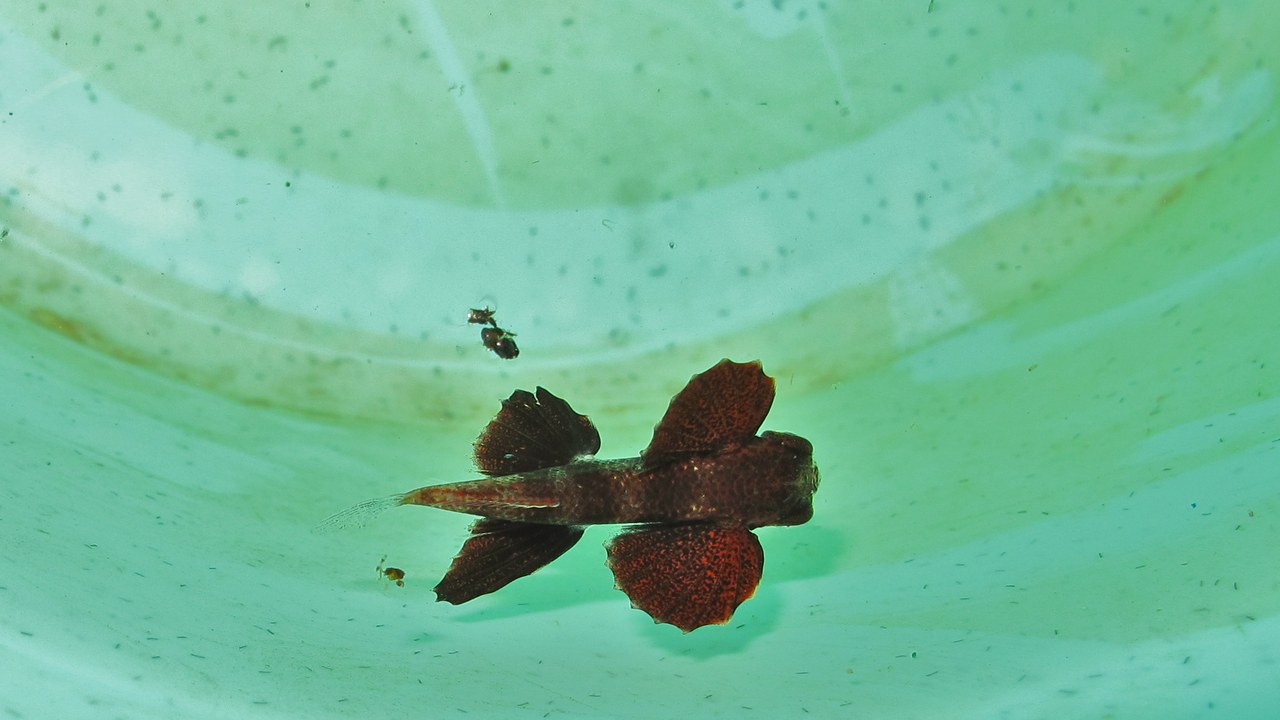
Flying fish glide around 200 meters, and the Natural History Museum cites consecutive glides spanning up to 400 meters as the longest recorded. The figures appear in the museum’s survey of surprising flyers.
Those distances come from a fish that launches itself out of the water and sails above the surface. Because the 400 meters comes from consecutive glides, it describes a combined flight rather than one uninterrupted leap. Flying fish do not flap wings the way birds do, so the glide is the main part of the flight. The behavior is thought to help the fish escape predators in open water.
2. Paradise tree snake: Flattened Body Glider
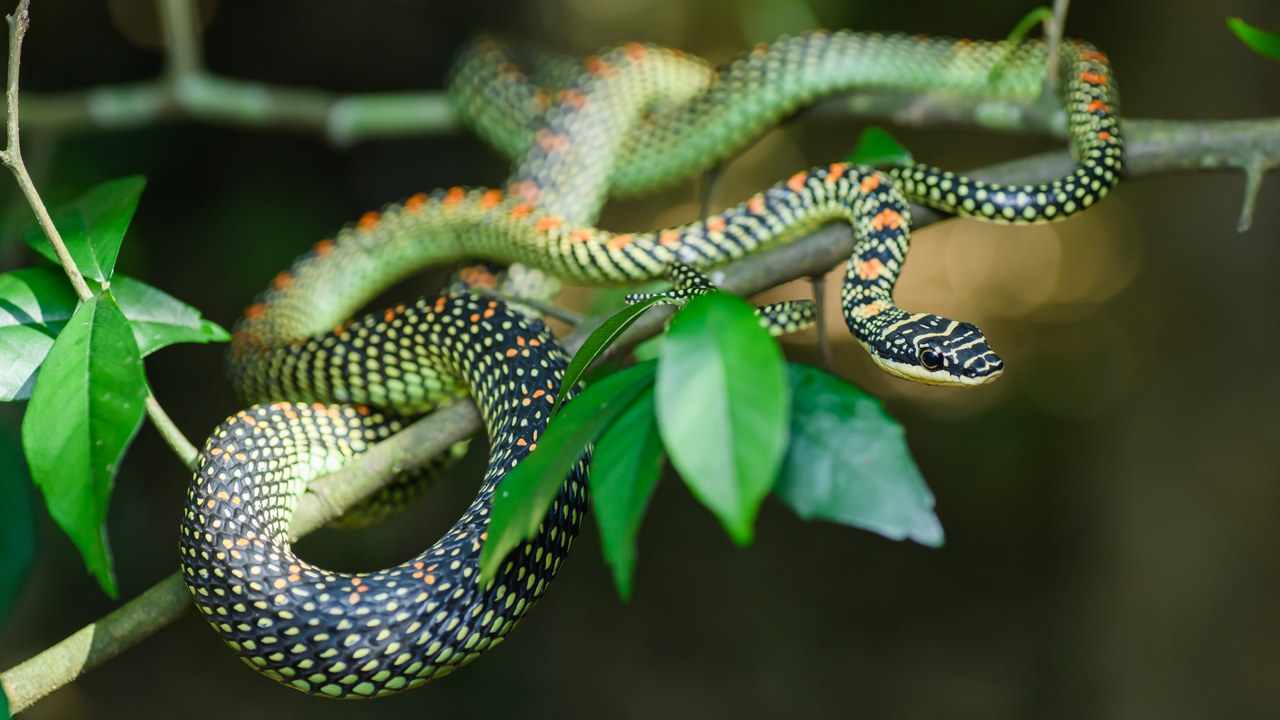
The paradise tree snake flattens its body to glide more than 20 meters. The Natural History Museum includes it among animals that fly in surprising ways.
A snake is an unlikely glider, since it has no limbs or membranes. Flattening the body creates a wider surface to move through the air, which turns a drop from a tree into a controlled descent. The snake has no wings and no legs, so the glide depends entirely on how it shapes its body in the air. That makes it one of the stranger entries on any list of animals that move through the sky.
3. Colugo: Hundred Meter Leaps
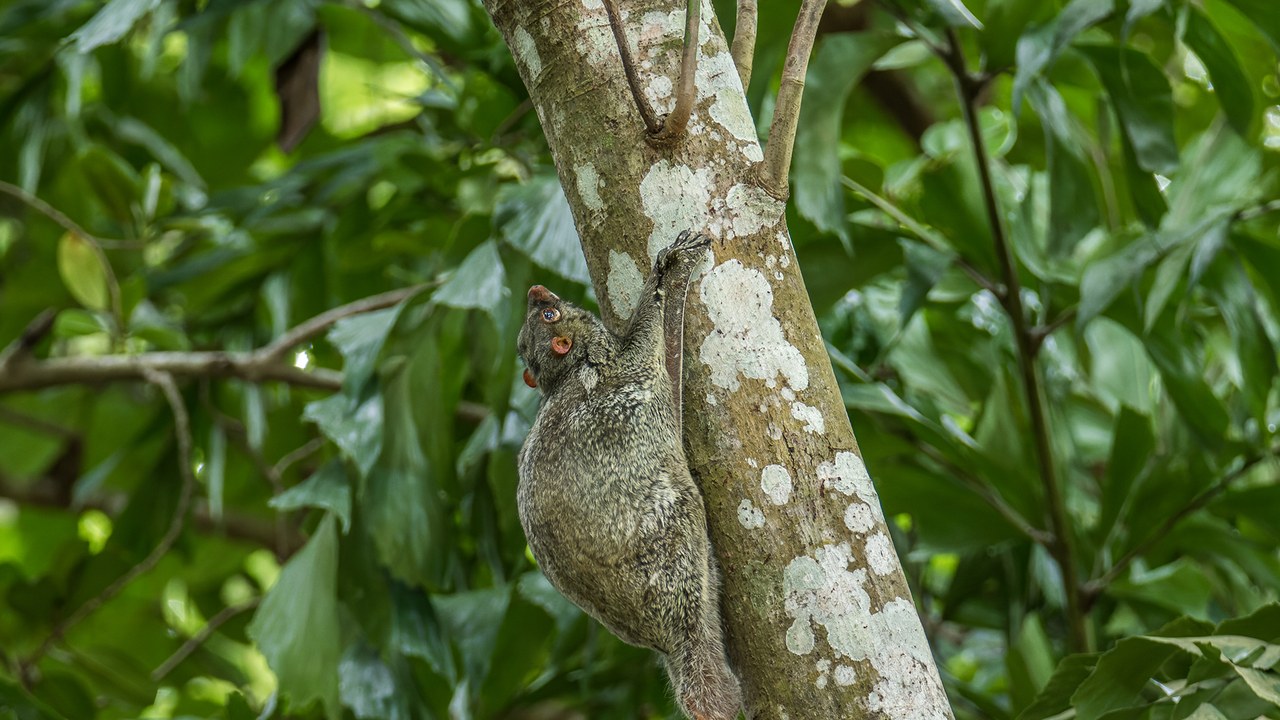
The colugo glides 100 meters or more between trees, according to the Natural History Museum. The mammal is also known as the Sunda flying lemur.
Despite that nickname it is not a lemur, and it does not truly fly. A membrane of skin stretches between its limbs to catch the air, letting it cover long gaps in the forest without descending to the ground. A glide of that length lets the animal travel between trees quickly while avoiding the dangers that wait on the forest floor, and it costs far less energy than climbing.
4. Wallace’s flying frog: Webbed Feet Parachute
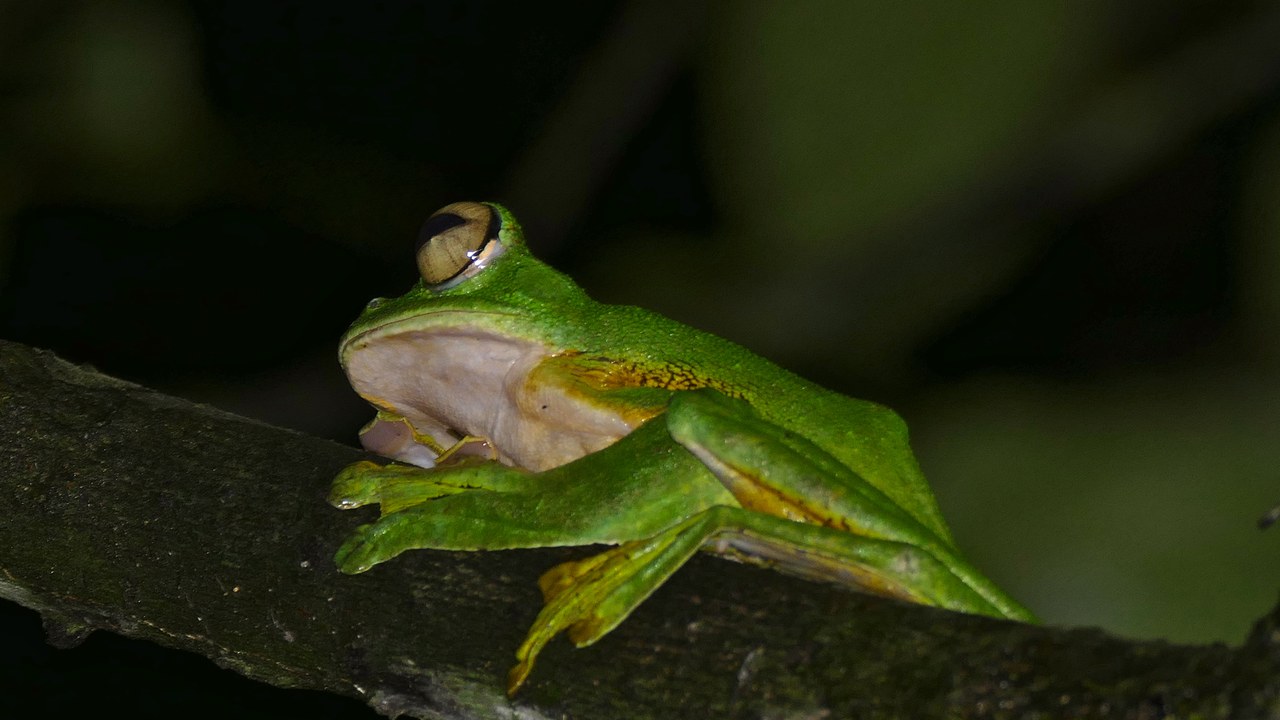
Wallace’s flying frog uses its webbed feet to carry it up to 15 meters, a distance the Natural History Museum includes in its list of surprising flyers.
The large webbed feet do the work that wings do for other animals, catching air as the frog falls. The frog is the shortest glider in this gallery by the museum’s figure, yet for an amphibian that distance is a substantial trip. Gliding frogs live in tropical forests, where trees are tall and the ground is far below. A controlled glide offers a faster way down than climbing and a safer one than a simple fall.
5. Draco lizard (flying dragon): Tree To Tree
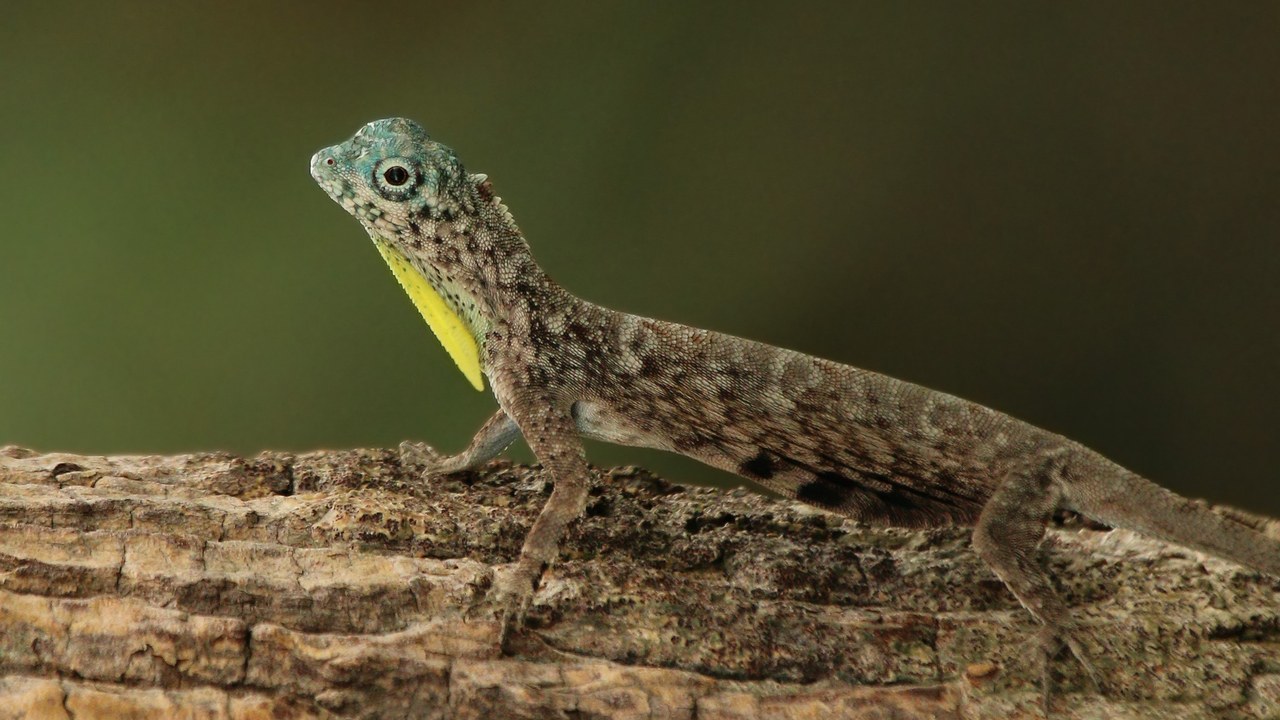
The Draco lizard, known as the flying dragon, glides more than 100 feet from tree to tree. Ranger Rick, the National Wildlife Federation magazine, profiles it among its gliders.
Gliding lets the lizard move through the forest canopy without climbing down and crossing the ground. The nickname captures the sight of a small reptile spreading out and sailing across a gap. Because the glide depends on extended flaps of skin, the lizard looks at rest like any other tree dweller, and the surprise comes only when it launches.
6. Sugar glider: Nearly A Football Field
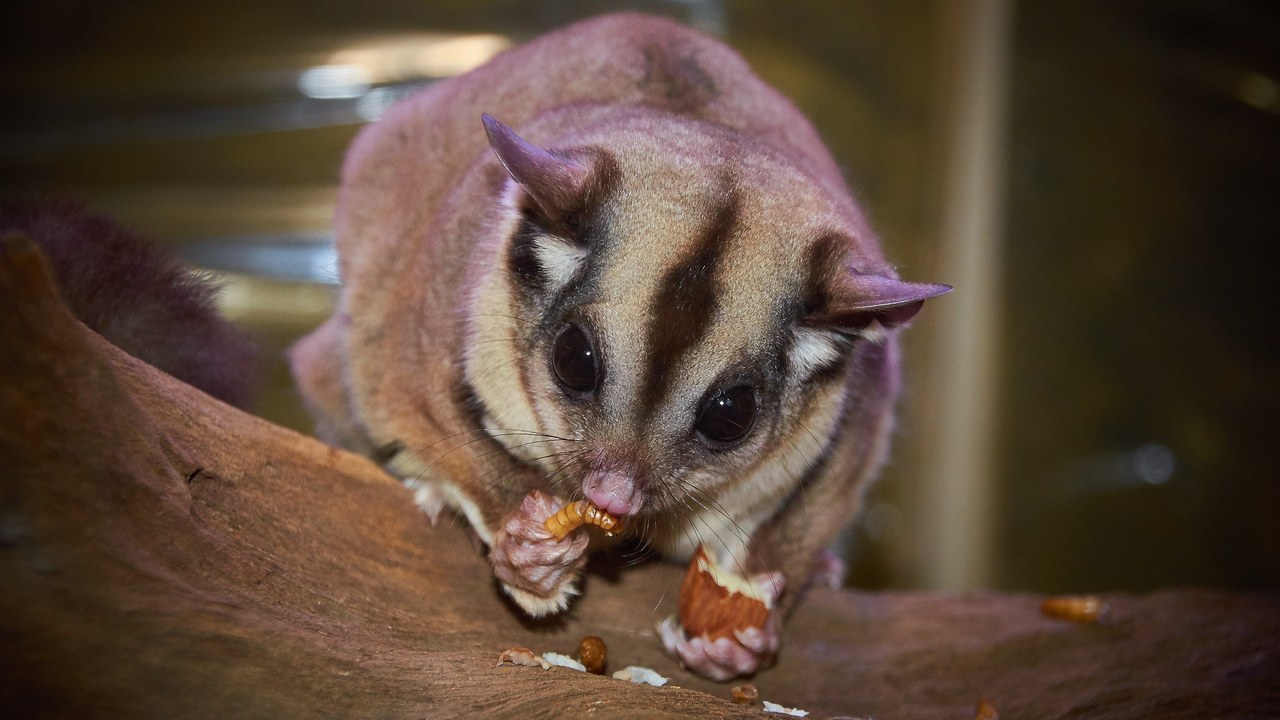
The San Diego Zoo says a sugar glider glide can reach about 150 feet, a span it compares to nearly a football field. The animal is a small marsupial.
The comparison gives a sense of scale for a creature that fits easily in a hand. It also shows how efficiently a skin membrane stretched between the limbs turns height into distance. Zoo visitors often meet the sugar glider as a pet-store favorite, but its natural lifestyle in the trees depends on gliding. The wild animal uses the skill to find food and avoid danger.
7. Northern flying squirrel: Hundreds Of Feet
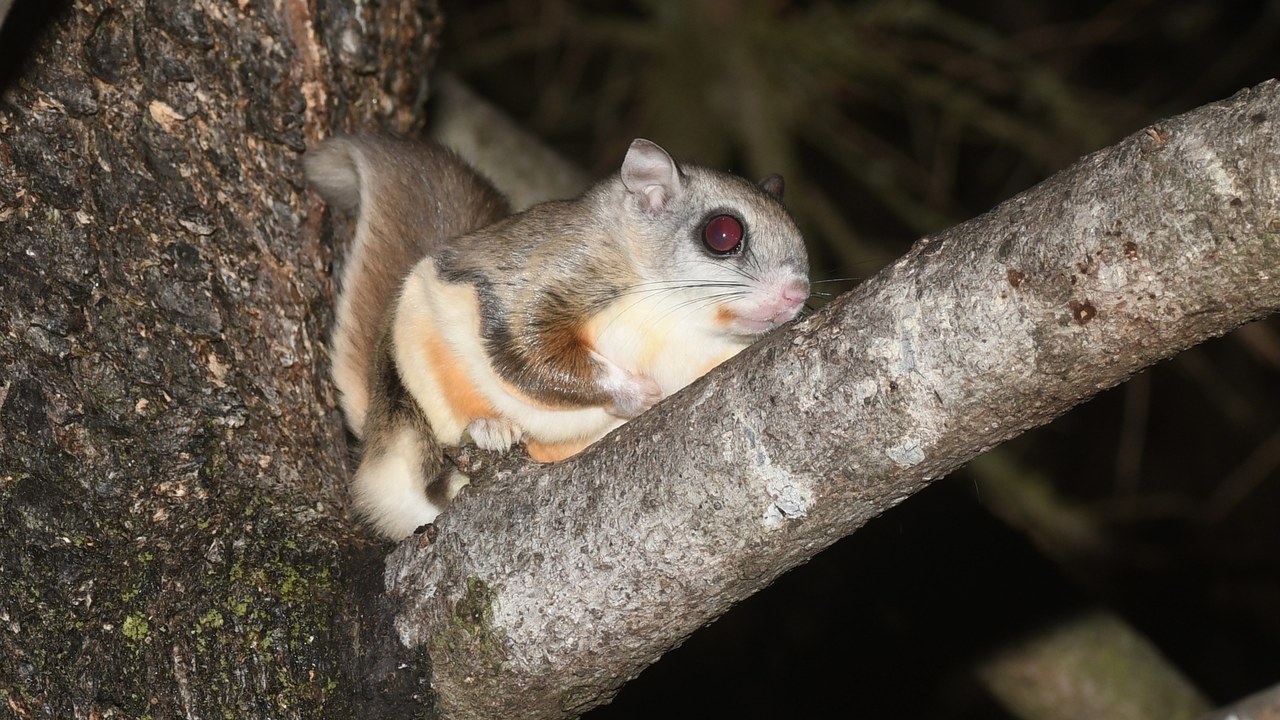
The northern flying squirrel glides several hundred feet through forest and weighs up to 4.4 ounces, according to a National Park Service spotlight on flying squirrels.
That is a very light animal for such a long glide. The combination of low weight and a wide gliding membrane explains why a small forest mammal can cross gaps that would otherwise force it to the ground. Flying squirrels are mostly active at night, so their gliding is rarely seen by people. The spotlight shows how a tiny animal can use the forest as an aerial route.
8. Southern flying squirrel: Carnivorous Glider
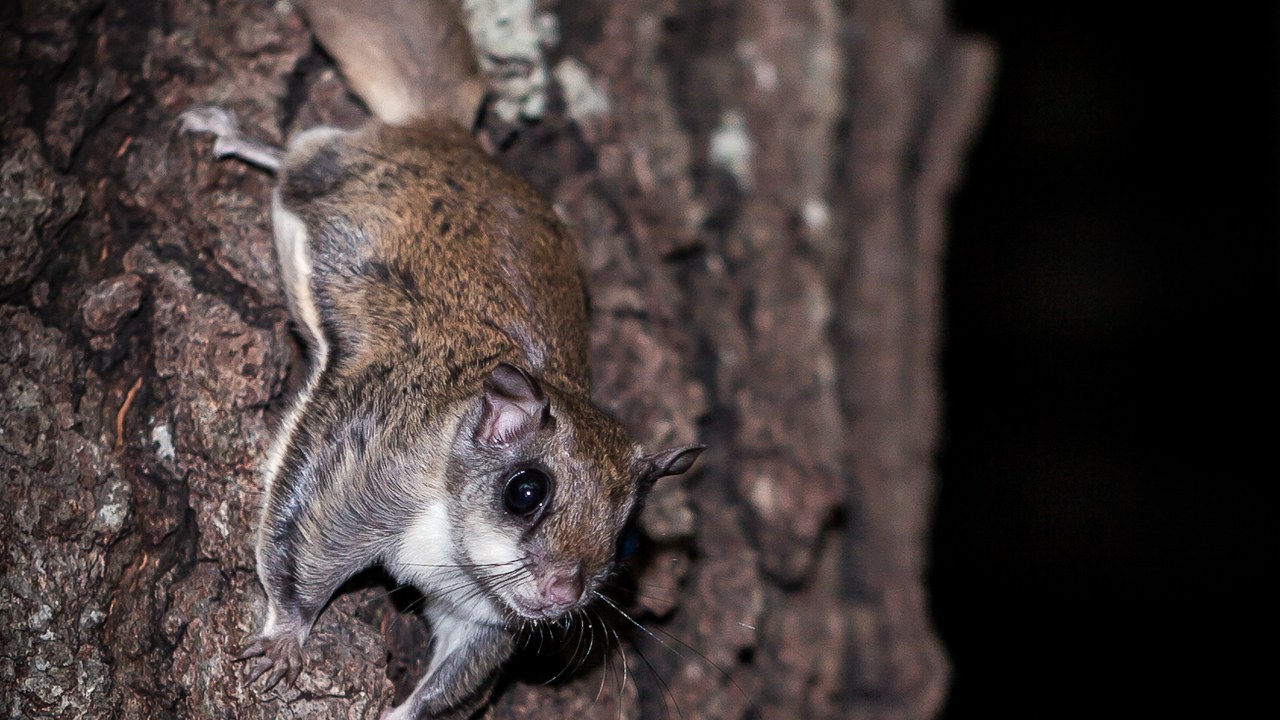
Southern flying squirrels weigh up to 2.5 ounces, rank among the most carnivorous squirrels and glide at 20 to 30 mph, the National Park Service says.
The diet detail is surprising for a group usually pictured eating nuts and seeds. Paired with the glide speed, it shows that a tiny forest squirrel can be a more active and varied hunter and traveler than its reputation suggests. The two flying squirrel species in North America share the gliding trick, yet the park description shows that they differ in size and in habits, even though both stay hidden from most people.
9. Parachute gecko (Ptychozoon): Six Gliding Species
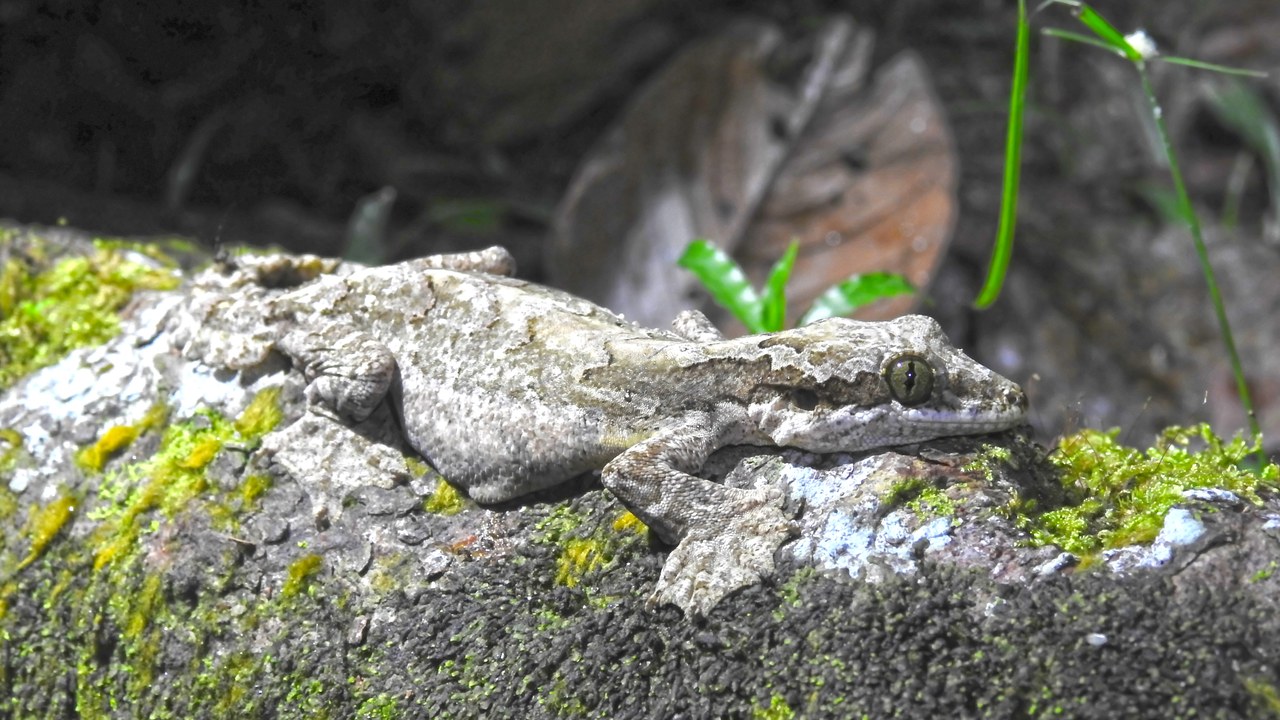
The genus Ptychozoon holds six species of gliding gecko, known as parachute geckos. The count comes from a reference entry on gliding animals.
The name points to the skin flaps that help the animal slow and steer a fall. Because the genus contains several species rather than one, the glider lifestyle appears to be a successful pattern among these tropical lizards. Gliding adaptations in reptiles appear in different lineages, which suggests that moving through the air is a useful strategy for animals that live high in the trees.
10. Gliding ant (Cephalotes atratus): Ant Lands On Feet
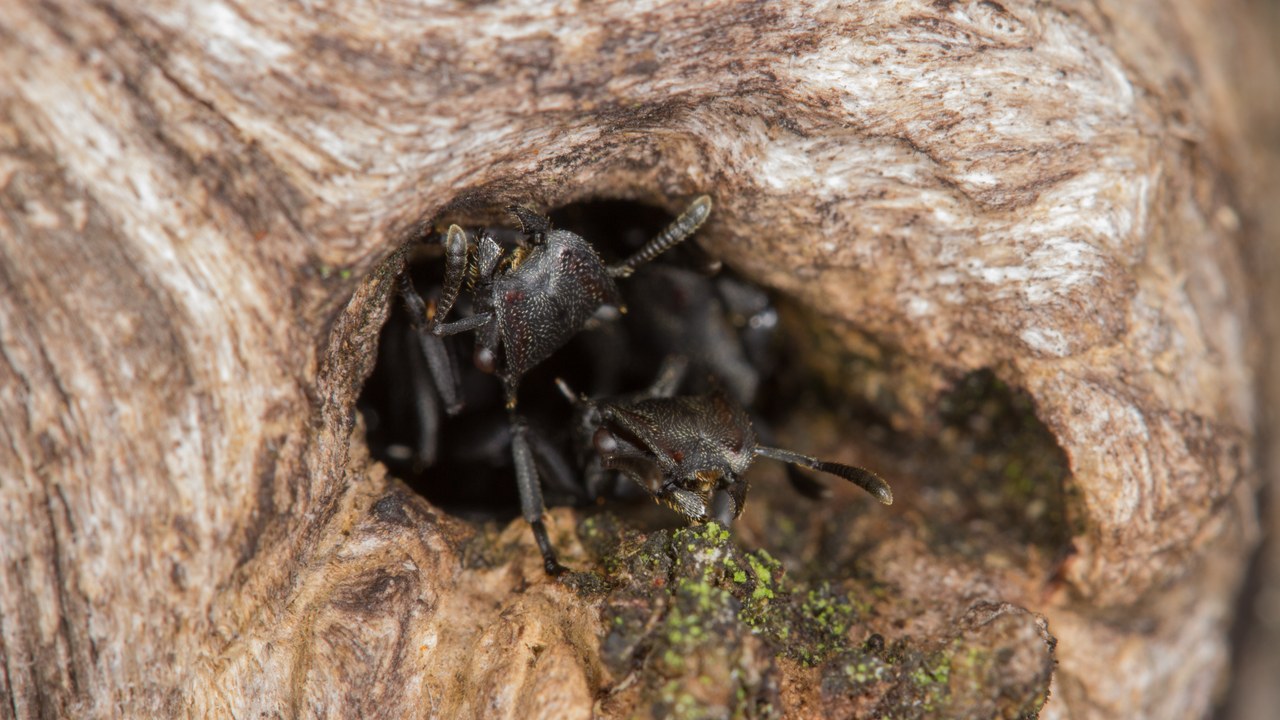
A gliding ant, Cephalotes atratus, lands successfully 80 percent of the time when it falls from a tree, according to a reference entry on gliding animals.
The figure describes a fall that the ant manages rather than simply endures, which makes gliding a survival skill for an insect living in the canopy. Falling from that height without control could mean being lost far from the home tree. The ant lives high in the rainforest canopy, where a fall can be common. Being able to steer back to a trunk is far better than landing on the forest floor among predators.
Tech news worth reading: Get Techpresso →
We may earn a commission if you sign up.
More from Morning Overview
- Two passengers died at an Ohio toll plaza, and the NTSB now wants the cash lanes shut
- Long use of a common prostate pill is tied to a higher chance of glaucoma
- Ford is recalling 223,472 F-150 pickups because the fuel tank can leak or detach
- Hybrids have 15% fewer problems than gas cars, while EVs and plug-in hybrids have about 80% more, Consumer Reports finds
