
Winter turns forests, tundra and prairies into a field of white, and a handful of animals change their look to match. Wildlife agencies in Alaska and North Dakota, along with the National Park Service, describe mammals and birds that molt from brown or gray into snow-colored coats and plumage. Here are ten that trade their summer browns for winter white.
Save more, waste less: The Cool Down’s newsletter sends smart, simple changes that help you and the planet in your everyday life.
We may earn a commission if you sign up.
1. Snowshoe hare: Fast Wardrobe Change
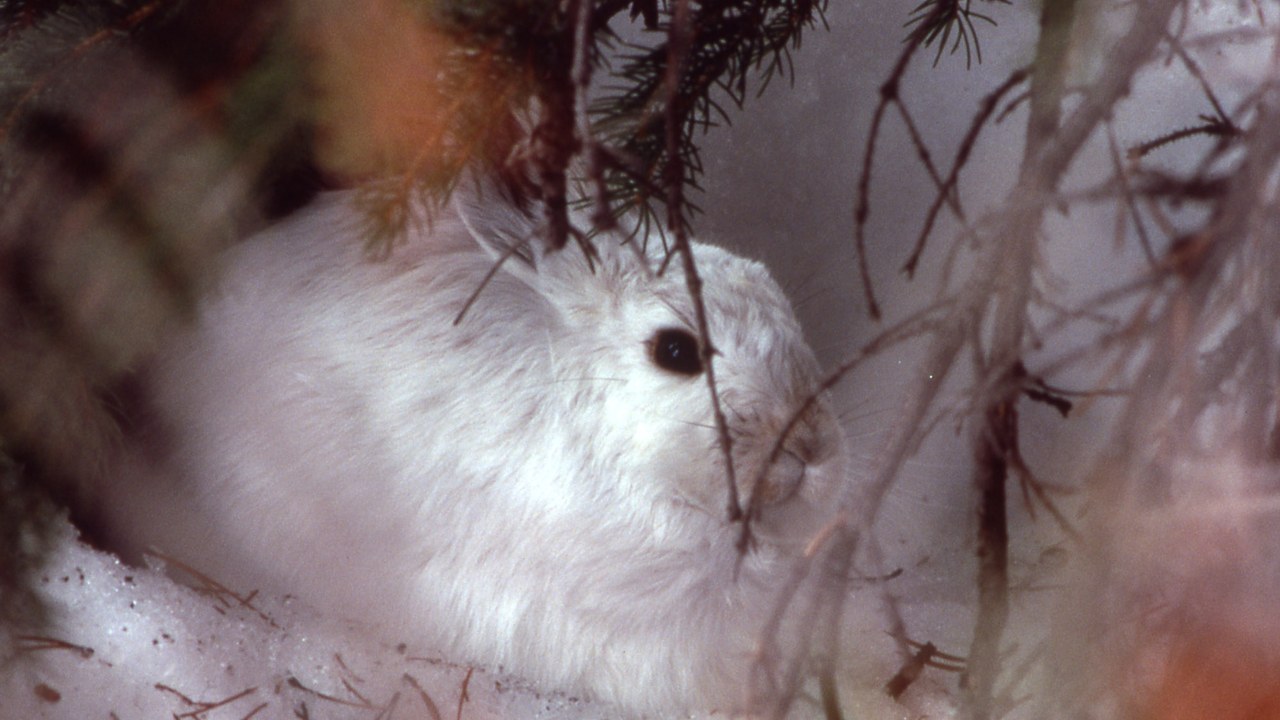
The snowshoe hare replaces its whole coat in just a few months, a rapid turnover that matches the arrival of snow. Yet the change is not universal, because hares in Oregon and Washington stay dark brown all winter.
That regional exception shows the white coat is a local adaptation rather than a fixed trait shared by every hare. Where snow is unreliable, a white animal on bare ground would stand out, so staying brown is the safer disguise in those places. Timing also matters, since a coat that changes too early or too late leaves the animal exposed.
2. Ermine (short-tailed weasel): Dark Eyes Remain
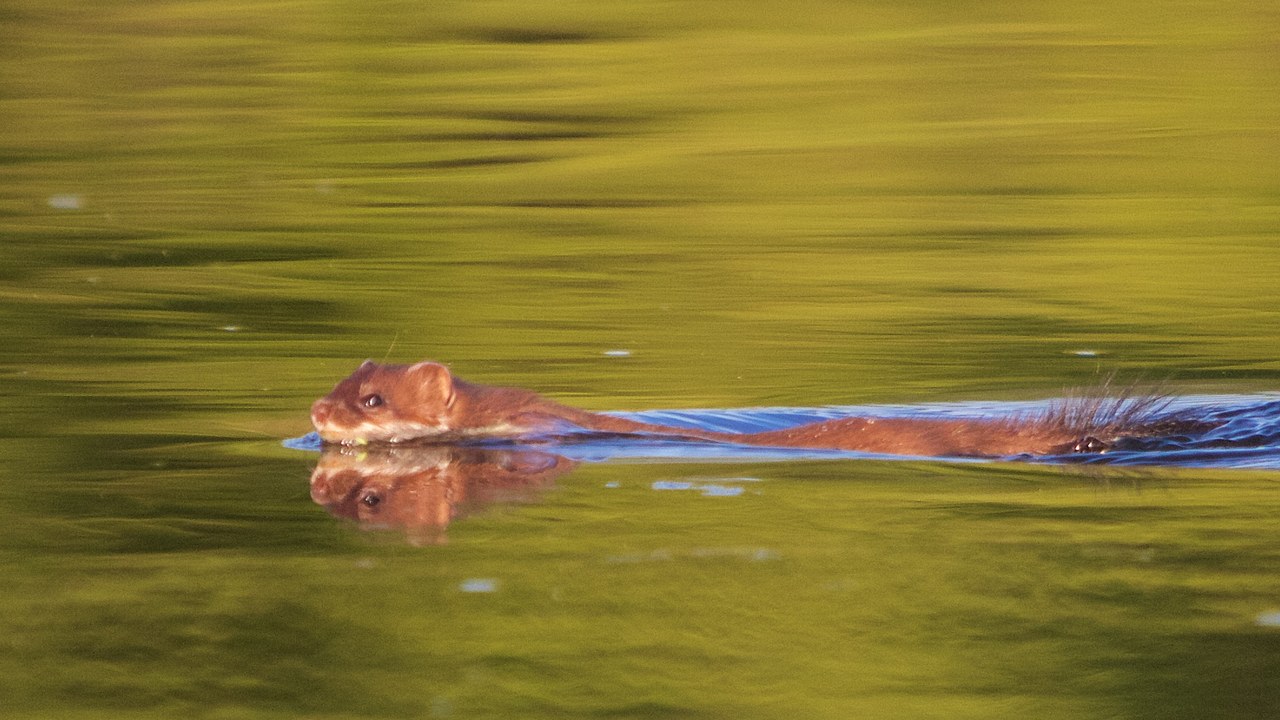
The ermine, also called the short-tailed weasel, turns white in winter but keeps shiny dark eyes and a black-tipped tail. Park Service material on Rocky Mountain National Park highlights those dark details against the otherwise snowy coat.
The black tail tip is a familiar field mark for the animal in its white phase. For anyone watching a winter landscape, the small dark features are often the only clue that a pale shape in the snow is a living predator. Predators that hunt by sight, such as owls and foxes, are the pressure that makes such a disguise worth the energy of a full molt.
3. Long-tailed weasel: Genes Beat Geography
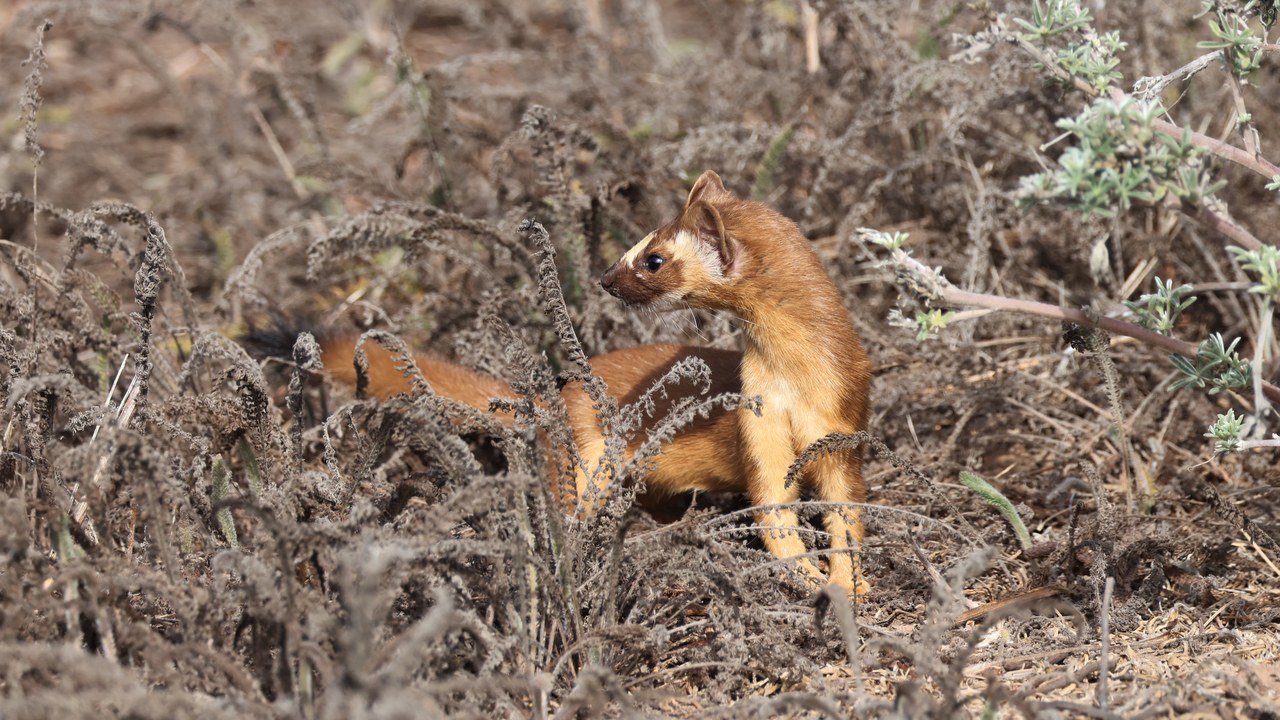
In the north the long-tailed weasel turns white for winter, and a northern weasel moved south still turns white because the trait is genetic. The seasonal change follows inheritance rather than local conditions alone.
The detail matters for relocated wildlife. A weasel carrying northern genes can end up conspicuously white against bare southern ground, a reminder that camouflage works only when the coat matches the setting the animal actually lives in. This is also why scientists watch such animals closely as snow seasons shift. A white coat on a brown, snowless landscape is a liability, so changing conditions can turn a long-standing advantage into a risk.
4. Collared lemming: Claws For Crusty Snow
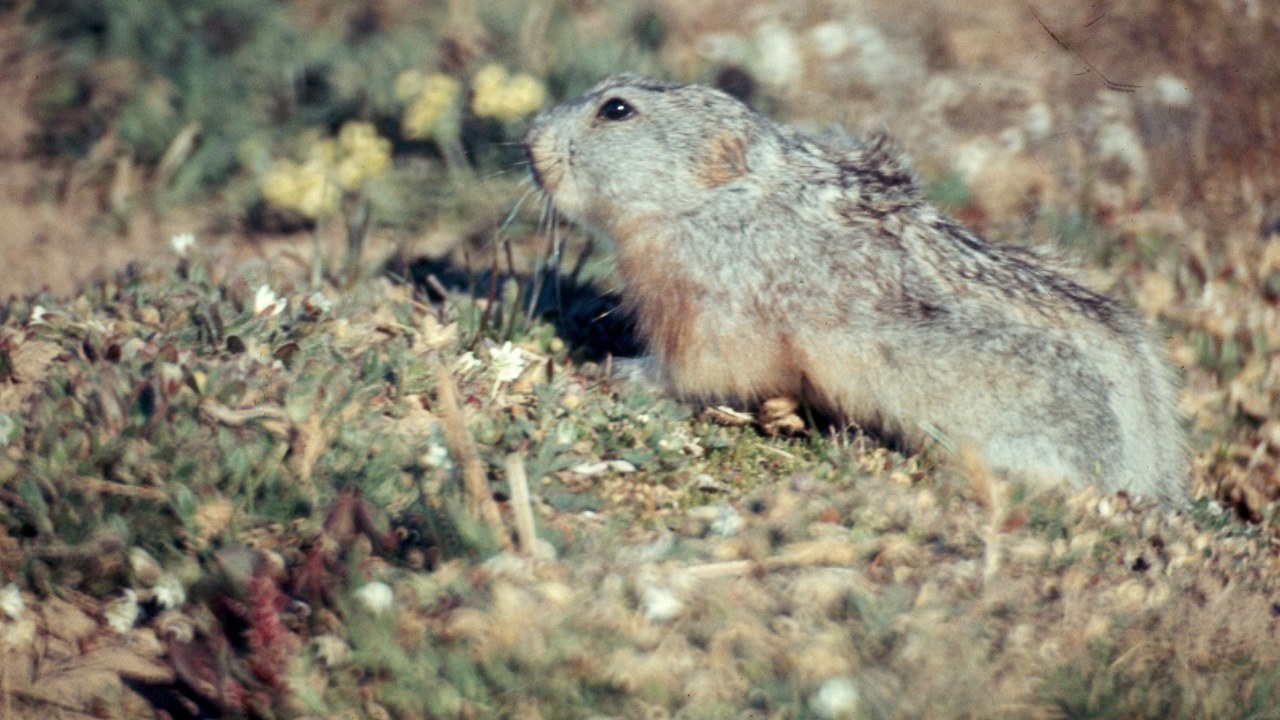
The collared lemming is the only rodent in Alaska’s list that goes fully white, and it also grows enlarged claws on two forefeet to dig through crusty snow. Both fur color and foot anatomy change with the season.
Living under and within snow is a demanding way to pass winter, and the claws serve as a tool for reaching food beneath a hard surface. The lemming shows that winter survival for small animals involves more than a change of coat. Small mammals that live partly under the snow benefit from changes that help them cope with the cold and the crust, not only from being hard to see overhead.
5. Willow ptarmigan: State Bird In White
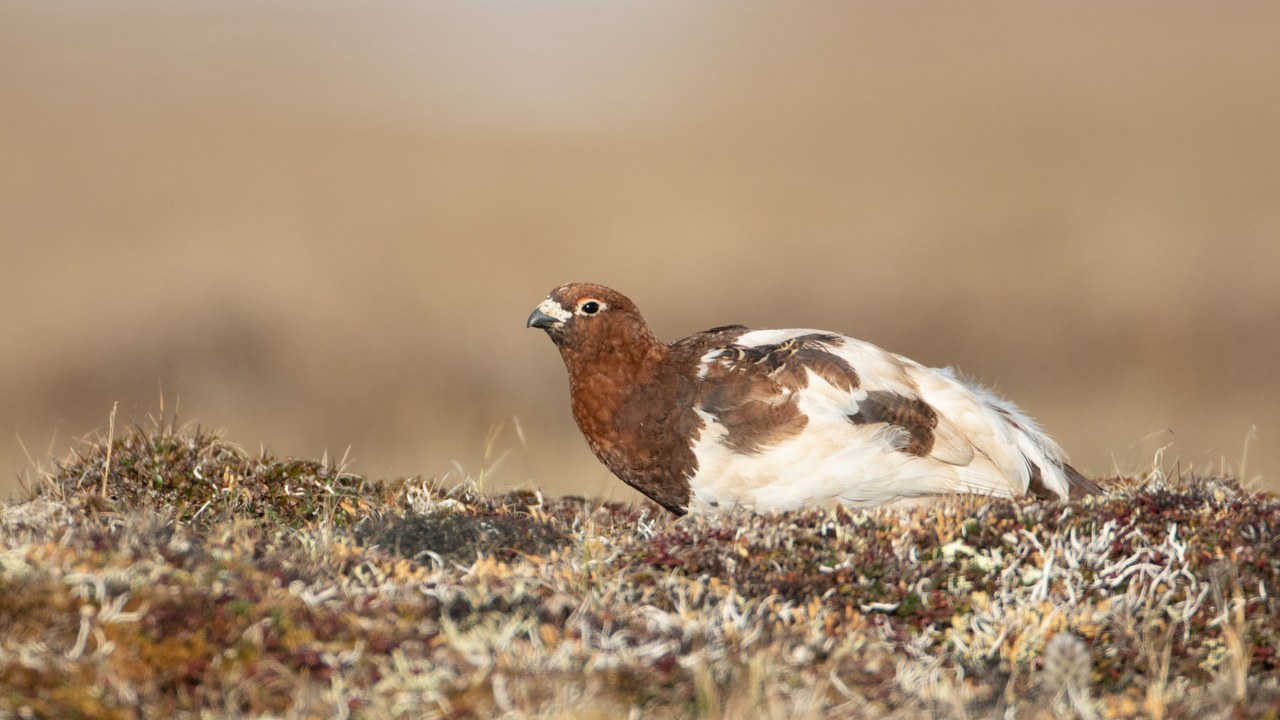
Alaska’s state bird, the willow ptarmigan, swaps brown summer feathers for pure white and can spend up to 80% of winter time in snow burrows. The Park Service describes both habits as part of its cold-season routine.
Snow burrows give the bird shelter from the cold, while the white plumage hides it when it does emerge. The pairing of camouflage and shelter helps explain how a ground-dwelling bird manages a northern winter. Birds that rely on both disguise and burrows show that camouflage is usually one part of a larger winter strategy.
6. Rock ptarmigan: Third Of Three
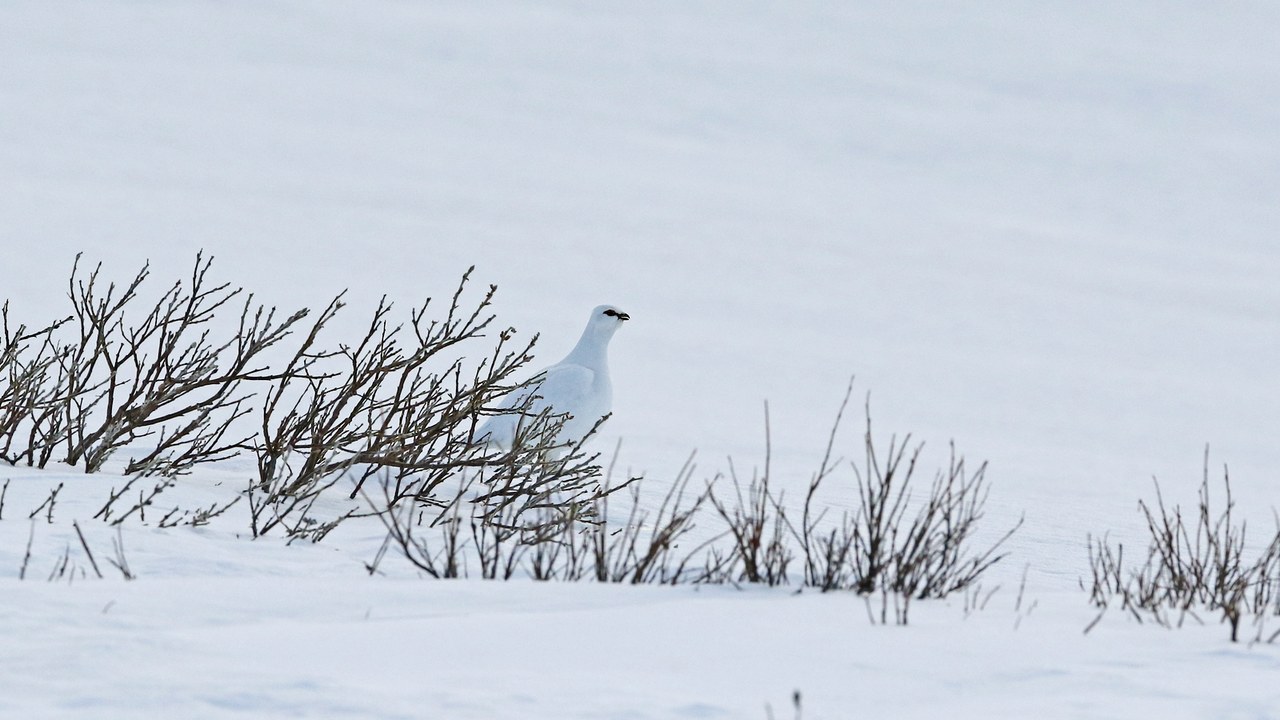
The rock ptarmigan is one of three Alaska ptarmigan species that all turn white for winter, alongside the willow and white-tailed ptarmigan. The Alaska wildlife agency groups them together in its account of animals that change color.
Having all three species follow the same strategy suggests that white plumage is a dependable answer to snowbound ground in northern habitats. Brown feathers suit summer rock and tundra, and white feathers suit the months when snow covers both. Seeing the same pattern in related birds across different regions makes the strategy one of the clearest examples of seasonal adaptation in northern wildlife.
7. White-tailed ptarmigan: Mountain Snow Match
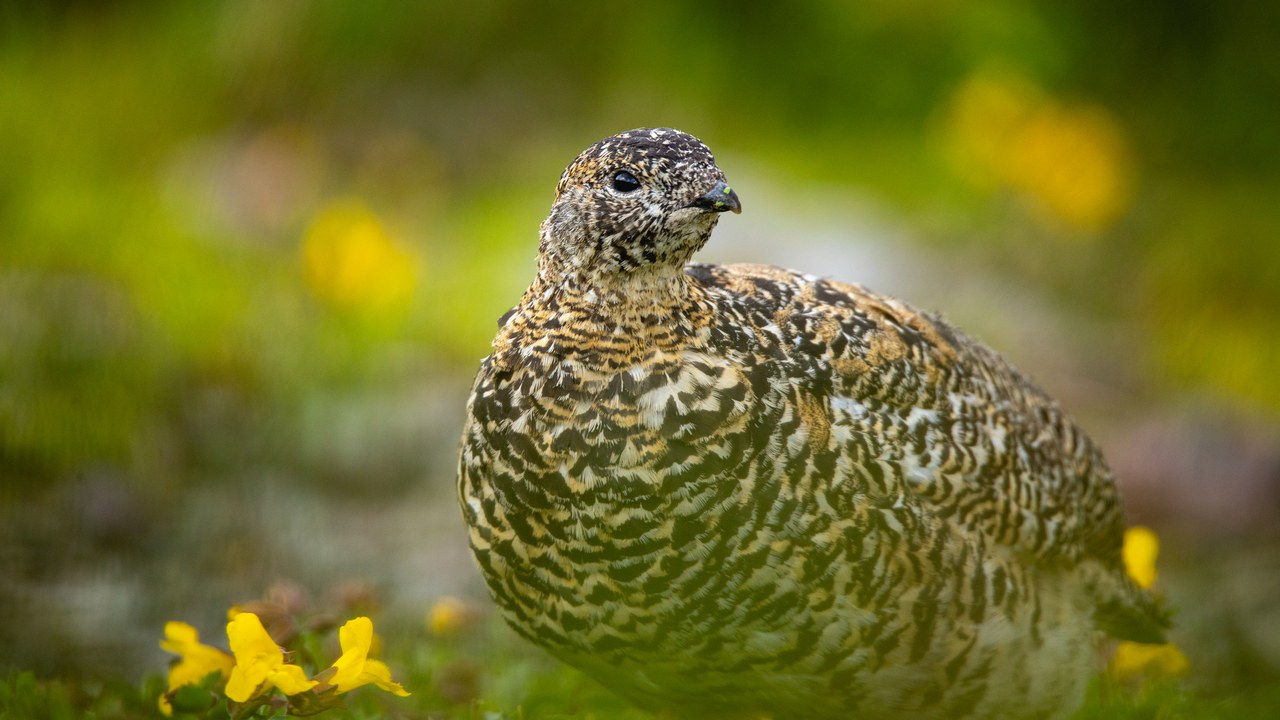
In Rocky Mountain National Park, the white-tailed ptarmigan shifts from mottled gray-brown to the color of snow. The Park Service lists it among the animals that change color as winter arrives.
The mottled summer plumage suits rocky alpine ground, and the winter plumage suits the drifts that later cover it. For visitors to high country, the bird is a reminder that mountain wildlife changes with the season as thoroughly as the scenery does. For hikers and skiers in the mountains, a bird that vanishes into the snow is a vivid demonstration of how effective the disguise can be.
8. Arctic fox: Only Dog To Change
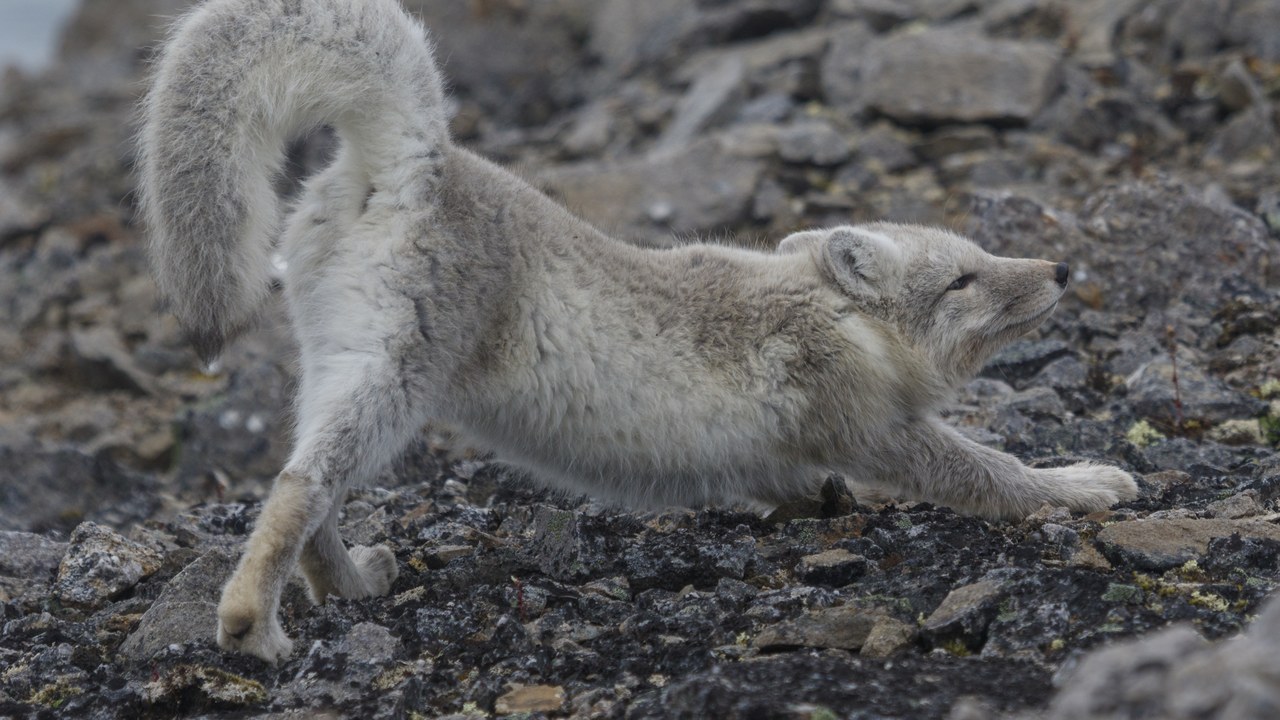
The Arctic fox is the only member of the dog family to change color. It molts in September and October, and the luxurious white winter coat is complete by November, according to the Alaska wildlife agency.
The timing places the transformation in the weeks just before deep winter. Because no other dog relative follows this pattern, the Arctic fox stands apart from wolves, coyotes and other foxes that keep a single coat color through the year. The shift from a darker coat to a white one is a major physical change, and it happens on a predictable annual rhythm in the far north.
9. White-tailed jackrabbit: Prairie Hare Turns White
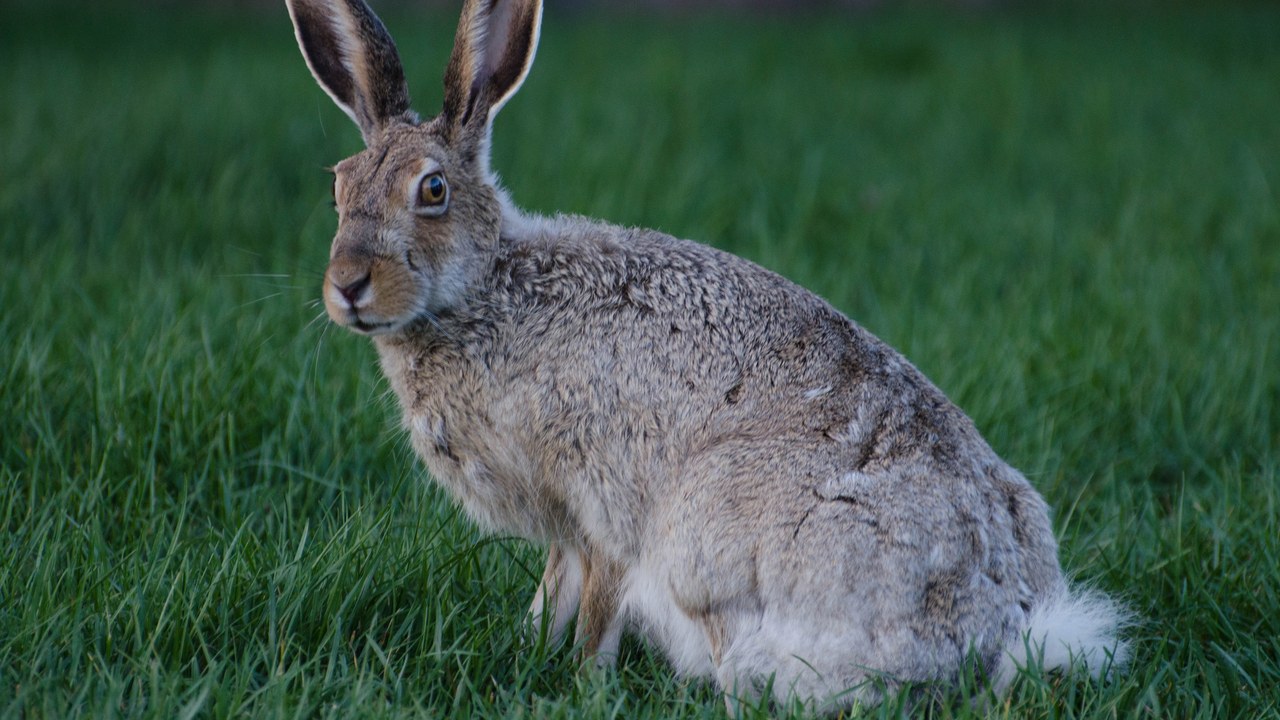
North Dakota’s white-tailed jackrabbit is a hare that turns white in winter to blend into the snowy landscape. The state game agency includes it in its notes on winter camouflage.
Despite the name, the jackrabbit is a hare, and its seasonal change shows that white winter coats are not limited to far northern tundra. Open prairie offers little cover, so matching the snow is a practical defense for an animal in the open. Seeing a jackrabbit in winter coat on the plains is a good illustration of how widespread seasonal camouflage is across North America.
10. Least weasel: Hidden From Prey
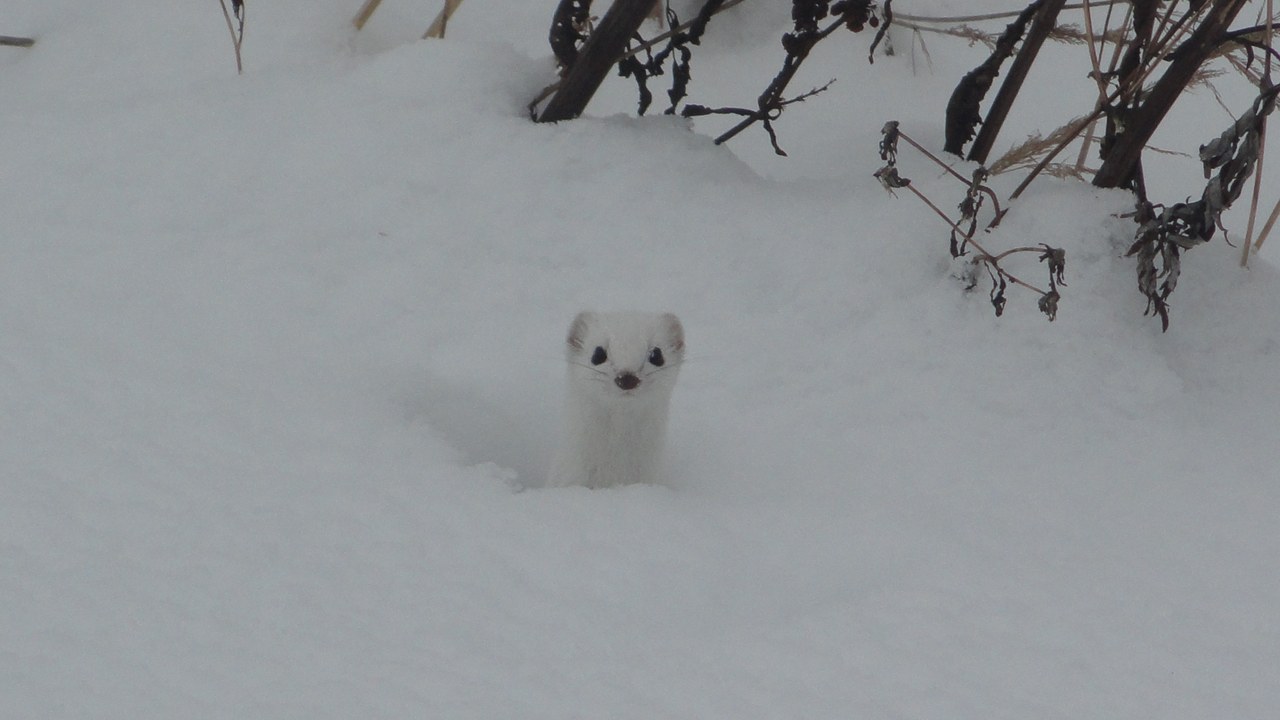
The least weasel is one of North Dakota’s three weasels that go white in winter, camouflaging them from their prey. The state game agency lists the group in its notes on winter camouflage.
For a hunter, a white coat works in the opposite direction from the usual defensive purpose, helping it approach small animals unseen. The weasels illustrate that seasonal color change serves predators as well as prey. Seasonal color change is therefore a tool for hunting as well as hiding, and the same coat can help two very different kinds of animal.
Save more, waste less: Subscribe to The Cool Down →
We may earn a commission if you sign up.
More from Morning Overview
- Doctors warn a silent liver disease now affects one in three American adults
- The FBI told the rest of ShinyHunters to surrender after a 24-year-old was arrested
- Two passengers died at an Ohio toll plaza, and the NTSB now wants the cash lanes shut
- Long use of a common prostate pill is tied to a higher chance of glaucoma
