
Not every sting in America comes from a snake or a spider. Scorpions, venomous lizards, marine animals and stinging insects all appear in park, medical and workplace safety guidance from federal agencies and clinical reviewers. Here are nine that can sting or envenomate on land and at the shore.
AI, explained every day: The Deep View is the go-to daily newsletter for 600,000+ founders, knowledge workers and professionals who want to stay up to date with artificial intelligence.
We may earn a commission if you sign up.
1. Arizona bark scorpion: Small But Potent
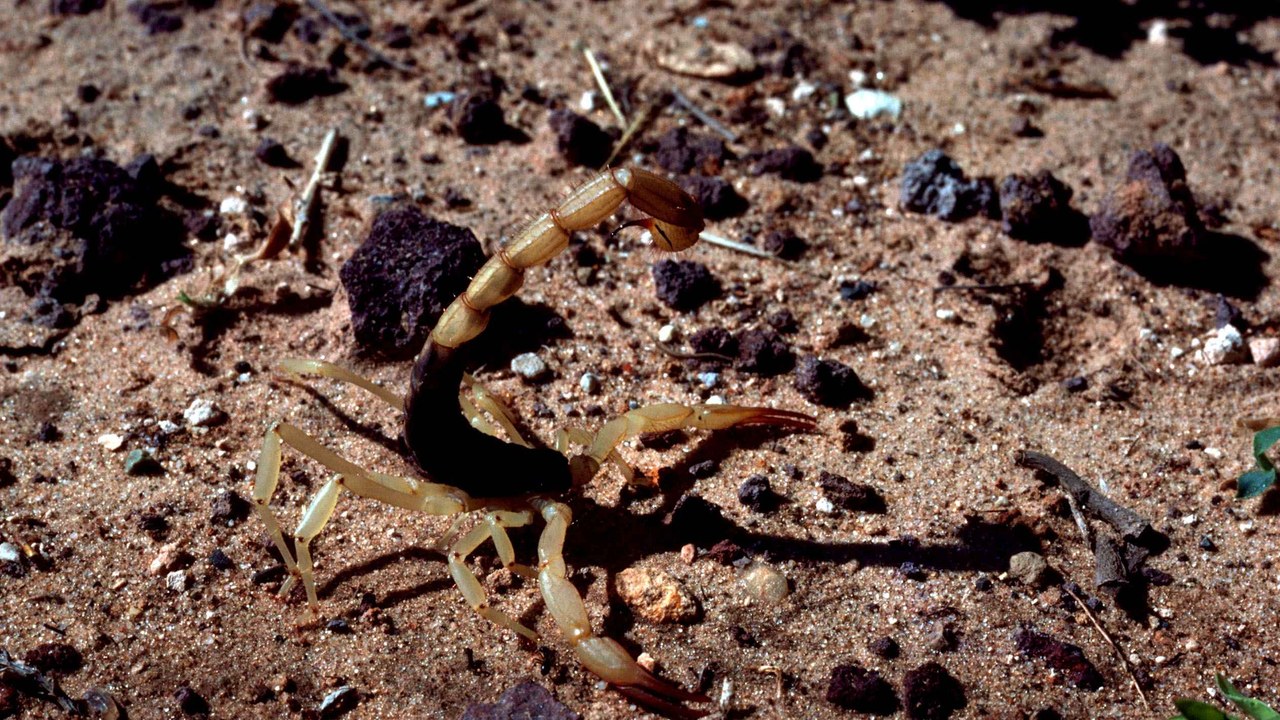
Grand Canyon National Park staff call the Arizona bark scorpion one of the most venomous animals in the park, even though it measures only about 2.5 inches long. The description comes from the park’s page on invertebrates.
Size is a poor guide to risk with this animal. The park’s wording is a reminder that a scorpion small enough to hide in a crevice or under a rock can still deserve respect from hikers and campers. The animal is a common reason for caution in the desert Southwest, and park guidance is the sort of source that visitors can consult before heading out.
2. Gila monster: No Antivenom Exists
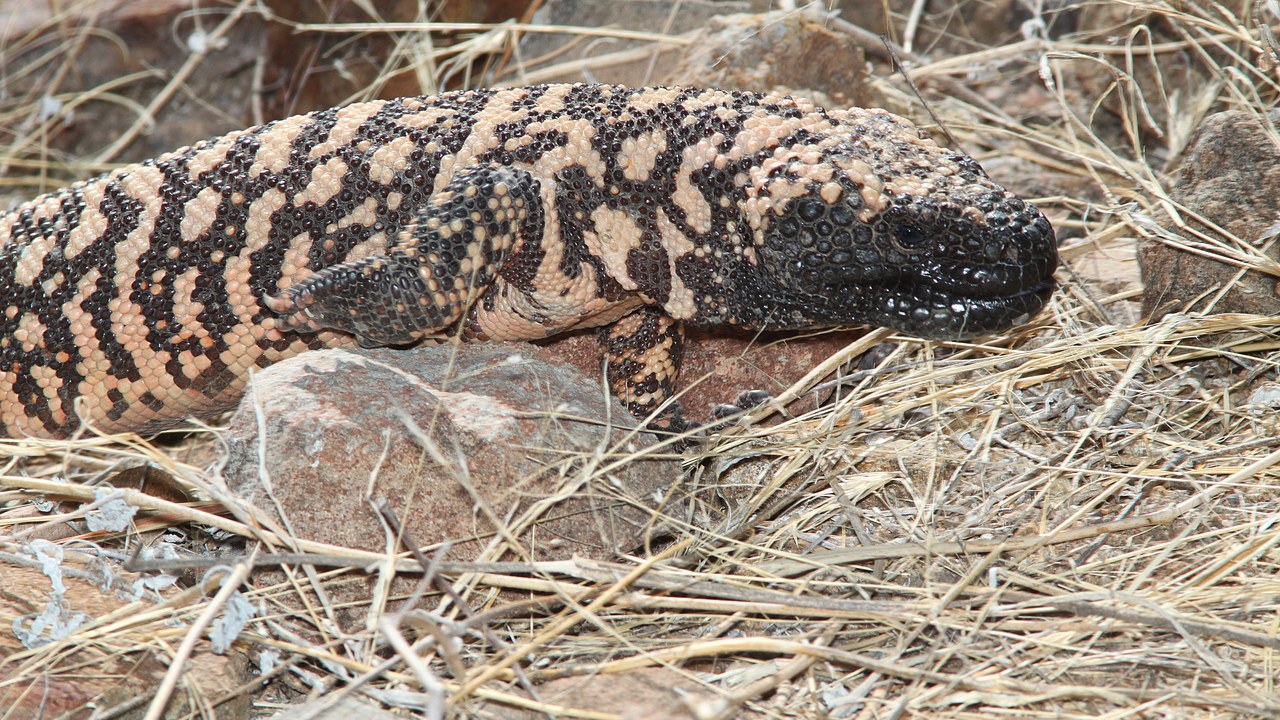
The Gila monster is a venomous lizard, and a clinical review in American Family Physician states that no antivenom is available for Gila monster envenomations. The review dates to 2009.
The absence of a specific antivenom sets this animal apart from many other venomous encounters. It also explains why the lizard of the desert Southwest is best observed from a distance rather than handled. Reviews of this kind are written for clinicians, and they offer a sober picture of which animals can cause lasting harm to people.
3. Stingray: Deep Wounds Matter
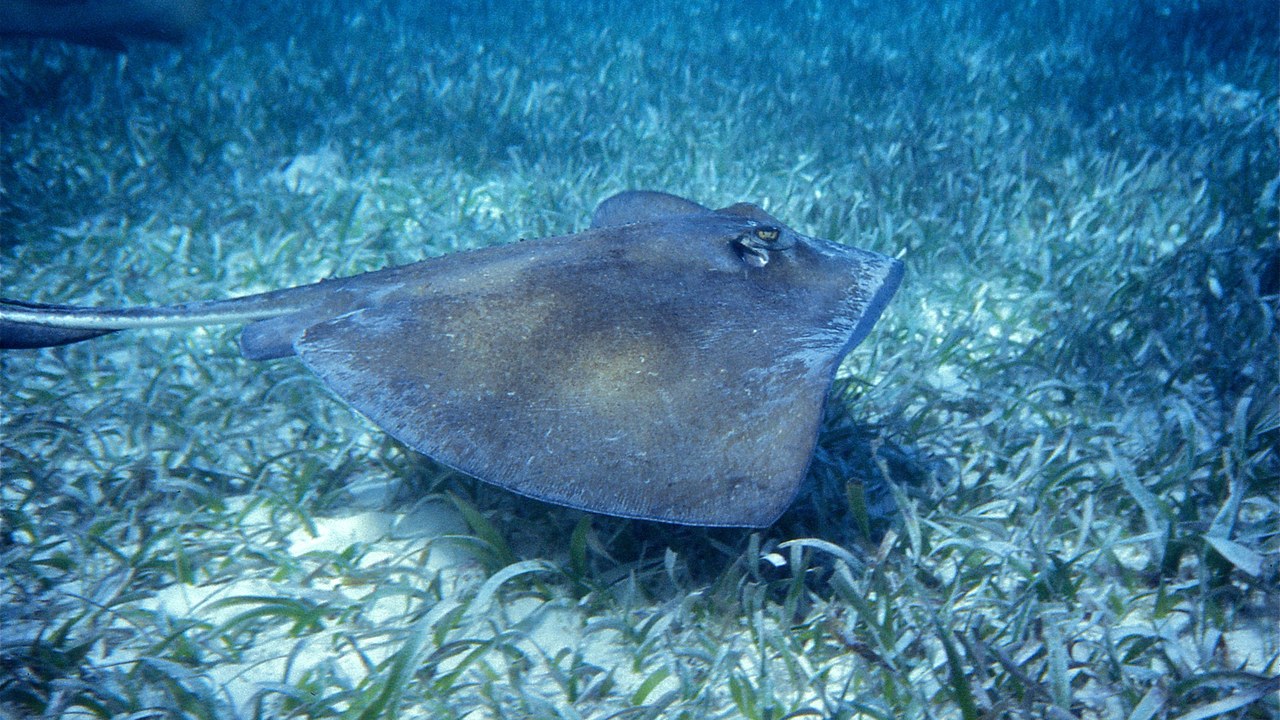
Penetrative stingray wounds to vital organs may cause rapid systemic effects and can be fatal, according to the same clinical review of venomous bites and stings. The warning applies to injuries that go deep rather than shallow ones.
The concern is the depth and location of the wound as well as the venom, which makes the stingray a hazard of shallow coastal water. The wording shows why clinicians take these injuries seriously. It is a useful reminder that coastal hazards are not limited to sharks, and that a wading swimmer can encounter risk in a few inches of water.
4. Honey bee: Common But Deadly
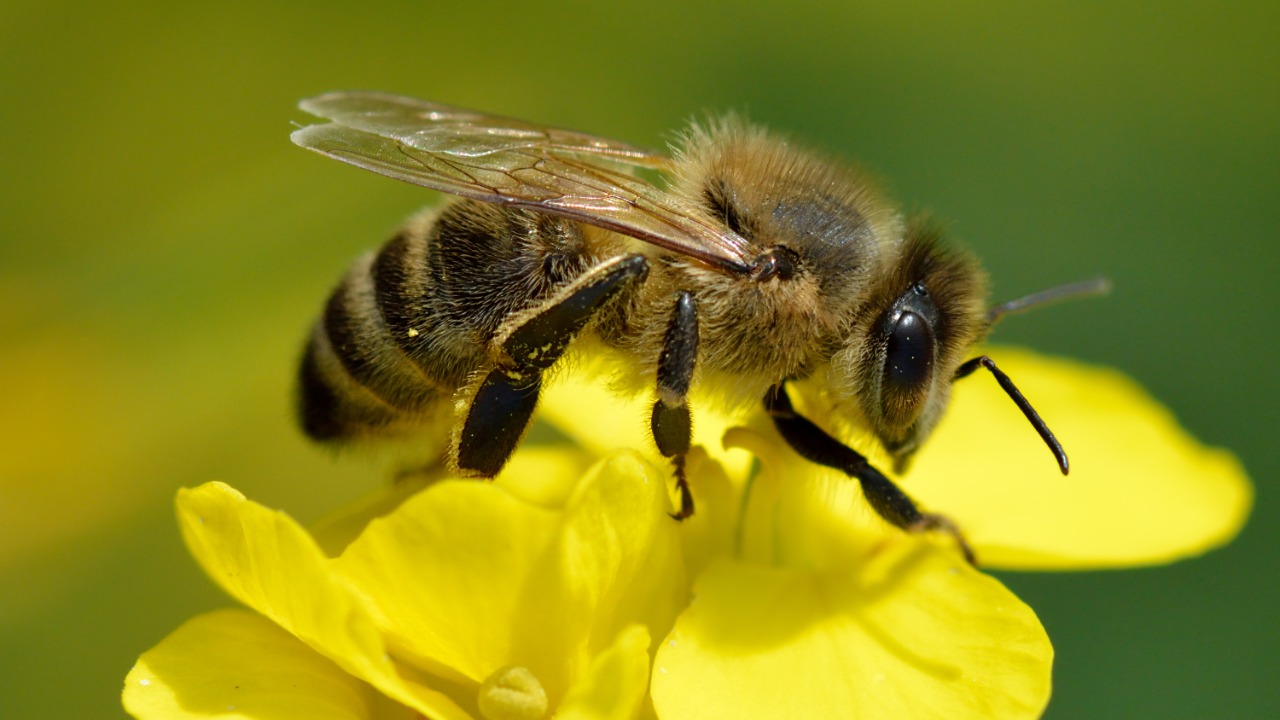
The honey bee stands for a larger group of stinging insects. A clinical review cites an estimated 40 to 100 people who die each year from anaphylaxis after stings from bees, wasps and relatives.
The deaths stem from severe allergic reactions rather than from the amount of venom, which is why a familiar garden insect appears on a list of serious hazards. The figure is an estimate from a 2009 review, not a current count. For most people a bee sting is a brief pain, but for those who are allergic it can become life-threatening, which is why the insect belongs on any honest list of stinging animals.
5. Portuguese man-of-war: Hot Water Rinse
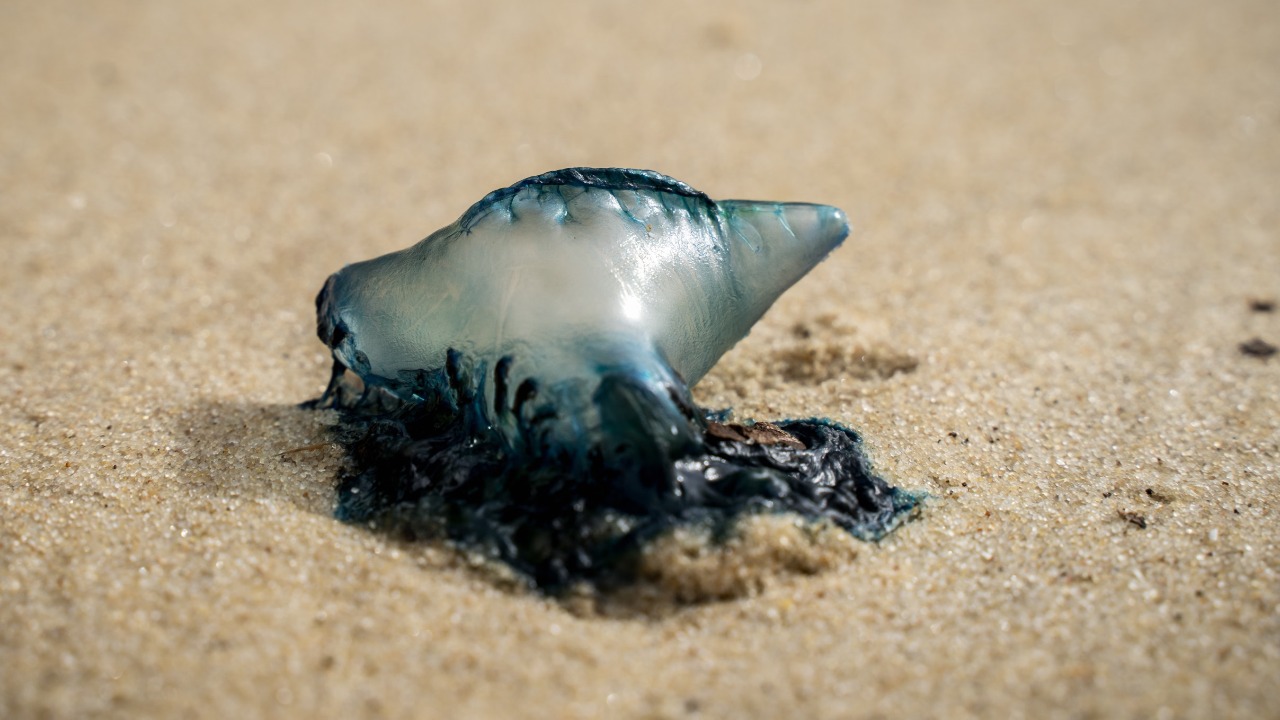
MedlinePlus guidance says stings from a Portuguese man-of-war should be rinsed right away with hot water. The advice appears in its first-aid entry on marine animal stings.
The animal drifts at the ocean surface and can wash up on beaches, where its tentacles remain a hazard to swimmers and beachgoers. The entry is general first-aid reference material, written for ordinary readers rather than specialists. Beach safety pages commonly pair a stinging animal with a short instruction, and the clear wording here is typical of reference health material.
6. Jellyfish: First On The List
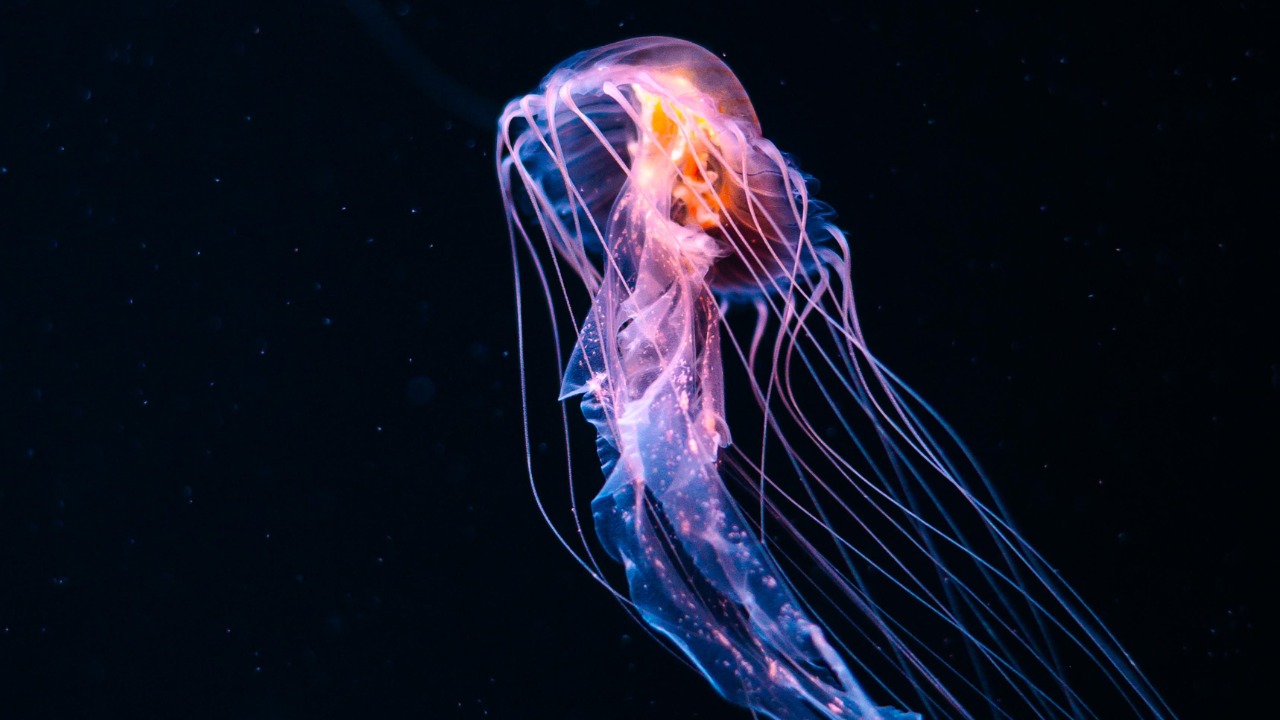
MedlinePlus lists jellyfish first among marine animals whose stings need first aid. The entry covers a range of sea creatures that can injure people in the water.
Its place at the head of the list reflects how familiar jellyfish are to swimmers along coasts. The entry works as a general reference for beach injuries and should not be read as a ranking of which animal is most dangerous. Many beachgoers have heard of jellyfish, yet the entry shows that first aid for stings is a topic worth reading before a trip to the shore.
7. Sea urchin: Spines Underfoot
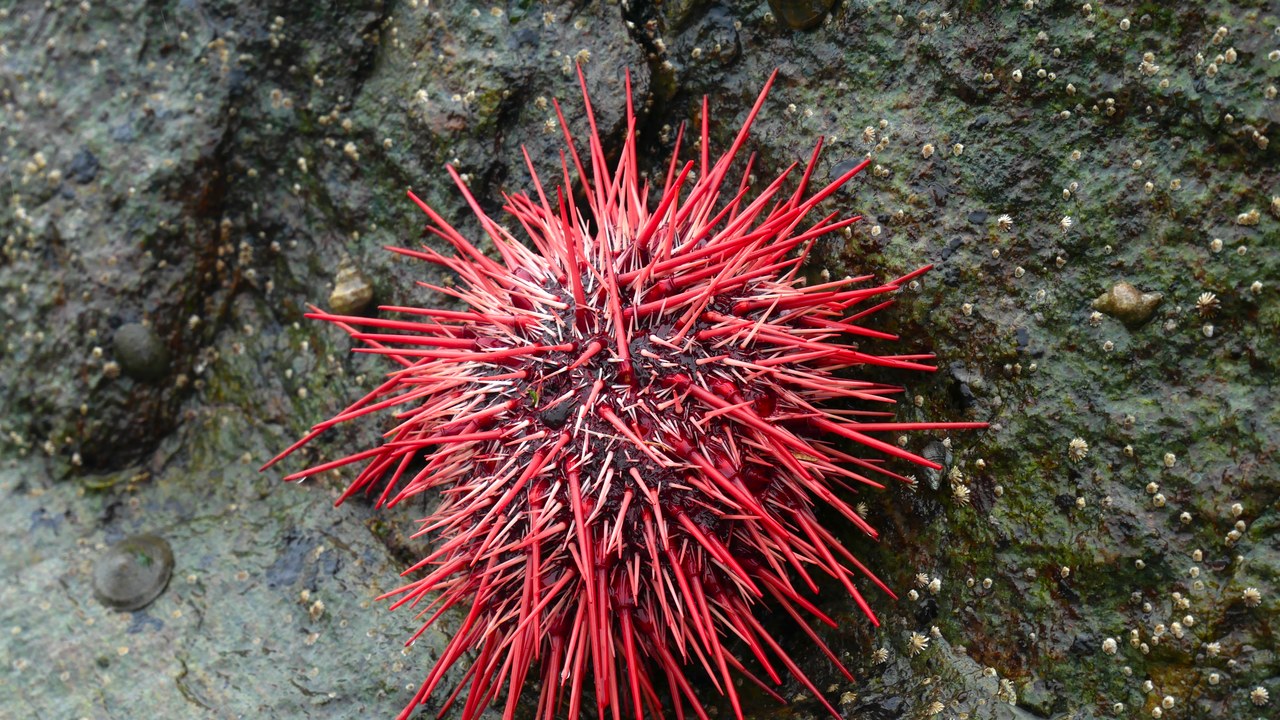
Sea urchins are named by MedlinePlus among marine animals whose spines or stings can injure swimmers. They appear alongside jellyfish in the same first-aid entry.
Urchins sit on rocky bottoms and in tide pools, so injuries come from contact with their spines rather than from an animal that pursues anyone. The listing shows that a sting hazard at the shore is not always a swimming animal. Anyone who wades among rocks, reefs or tide pools can meet animals whose defenses are passive, so footwear and careful steps are common sense even where the entry itself offers no extra detail.
8. Red imported fire ant: Outdoor Work Hazard
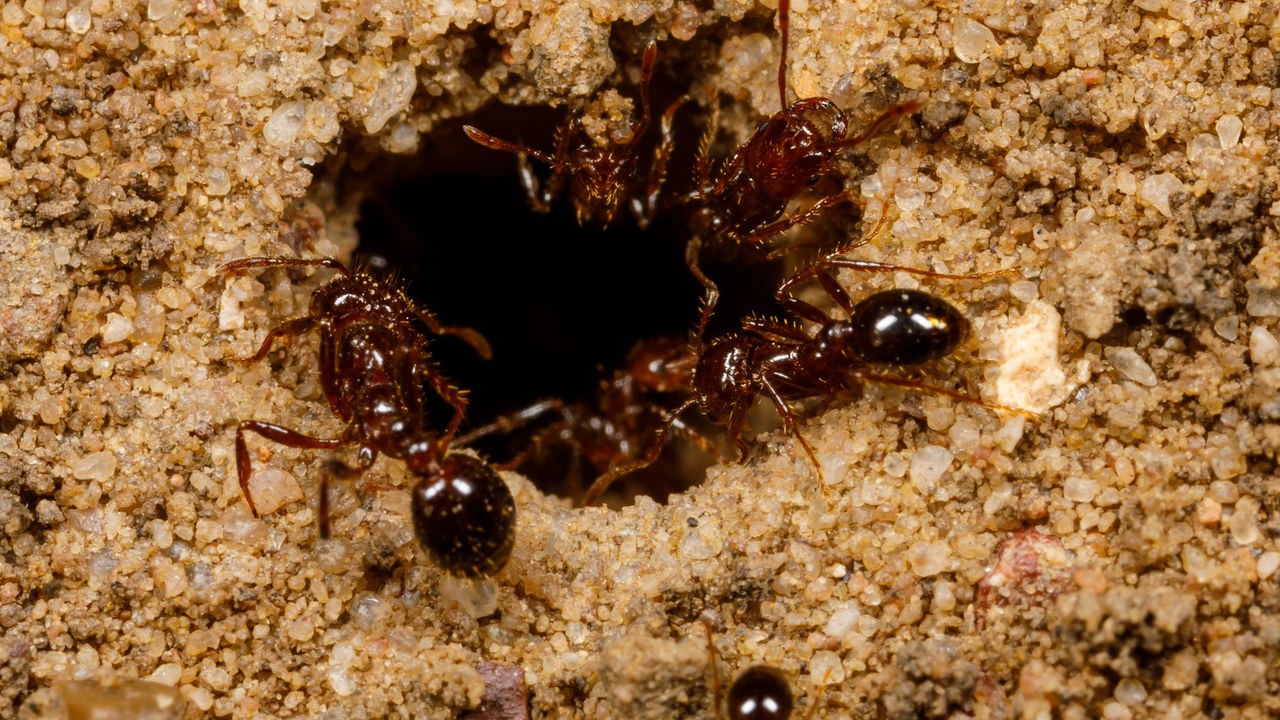
The CDC’s workplace safety institute lists red imported fire ants as a sting hazard for outdoor workers across the southeastern United States. The listing sits in its guidance on insects and scorpions.
The entry places the insect in an occupational setting, where time spent outdoors raises the chance of disturbing a nest. Awareness of stinging insects becomes part of ordinary workplace safety planning in the region. Fire ants build nests that can be hard to spot until they are disturbed, which is why workplace guidance names them directly rather than lumping them in with other insects.
9. Hornet: Anaphylaxis Risk
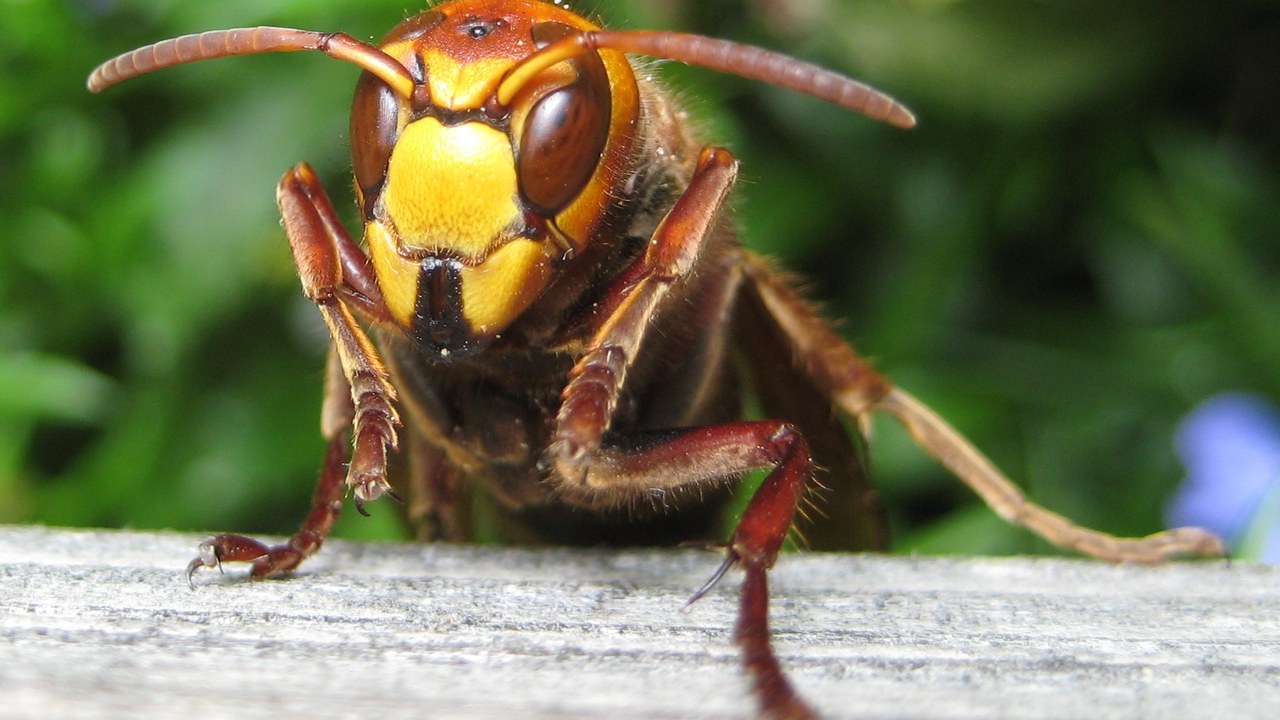
The CDC’s workplace safety institute lists bees, wasps and hornets as a hazard throughout the United States, with a risk of anaphylaxis. The guidance is aimed at outdoor workers.
Unlike the fire ant, which is tied to one region, these stinging insects are a nationwide concern. The allergy risk is what turns a sting from a painful nuisance into a medical emergency for some people. Hornets, wasps and bees are different animals with different habits, but guidance for workers treats them together because the risk of an allergic reaction is shared across the group.
AI, explained every day: Get The Deep View →
We may earn a commission if you sign up.
More from Morning Overview
- The FBI told the rest of ShinyHunters to surrender after a 24-year-old was arrested
- Two passengers died at an Ohio toll plaza, and the NTSB now wants the cash lanes shut
- Long use of a common prostate pill is tied to a higher chance of glaucoma
- Ford is recalling 223,472 F-150 pickups because the fuel tank can leak or detach
