
Ducati has been building machines in Bologna since the mid-1920s, and its motorcycle story begins with a modest add-on for bicycles. Over the decades the company moved through L-twin roadsters, race-winning Super Sports and liquid-cooled superbikes to its current V4 range. Here are ten models that mark the milestones along that path.
Tech news worth reading: Get Techpresso, the daily email with the most interesting tech news and insights, read by 400,000+ professionals from Google, Apple and OpenAI.
We may earn a commission if you sign up.
1. Ducati Cucciolo (1946): A Bicycle Gets an Engine
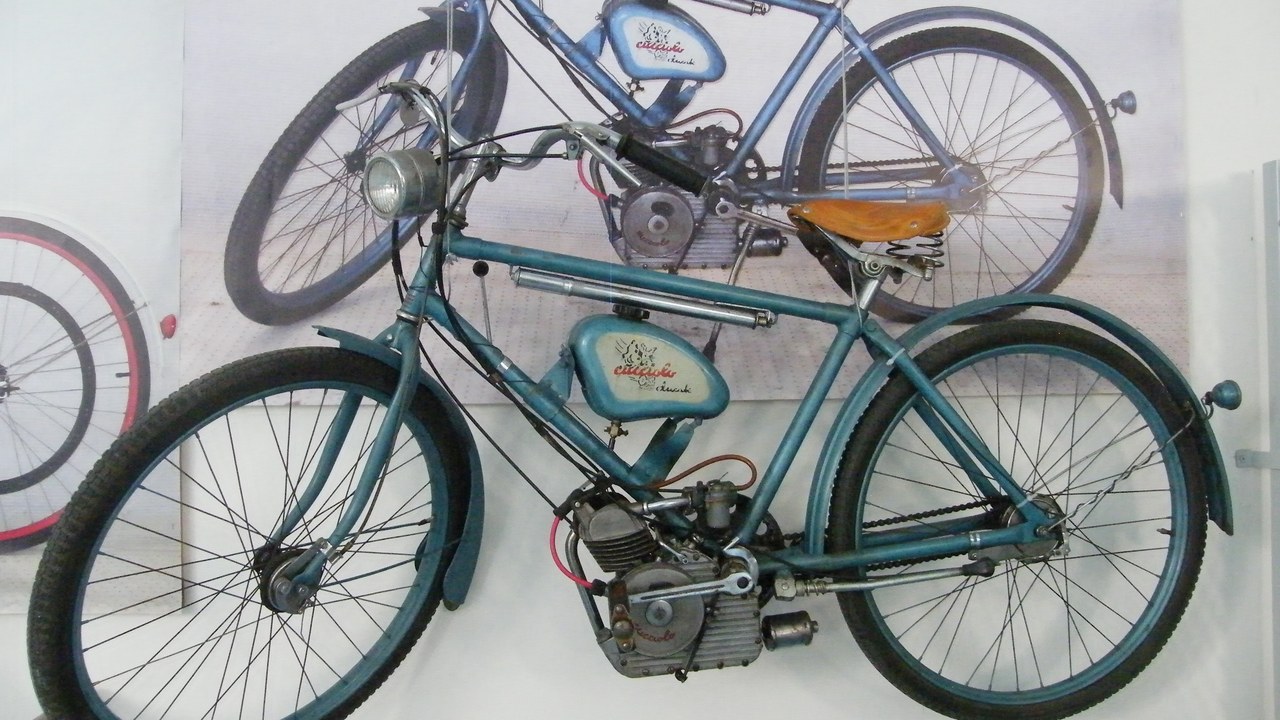
The Cucciolo of 1946 was Ducati’s first motorcycle product, a 48cc auxiliary engine fitted to bicycles, as Audi’s Ducati company history describes. Ducati itself was founded on July 4, 1926.
The Cucciolo turned a pedal bicycle into a motorized one at a time when postwar Italy badly needed cheap transport. It was modest in every respect, yet it started the road that led to the sport bikes the brand is known for today. By 2023, Ducati was delivering 58,224 motorcycles worldwide, a far cry from that first bolt-on engine.
2. Ducati 750 GT (1971): The Air-Cooled L-Twin Arrives
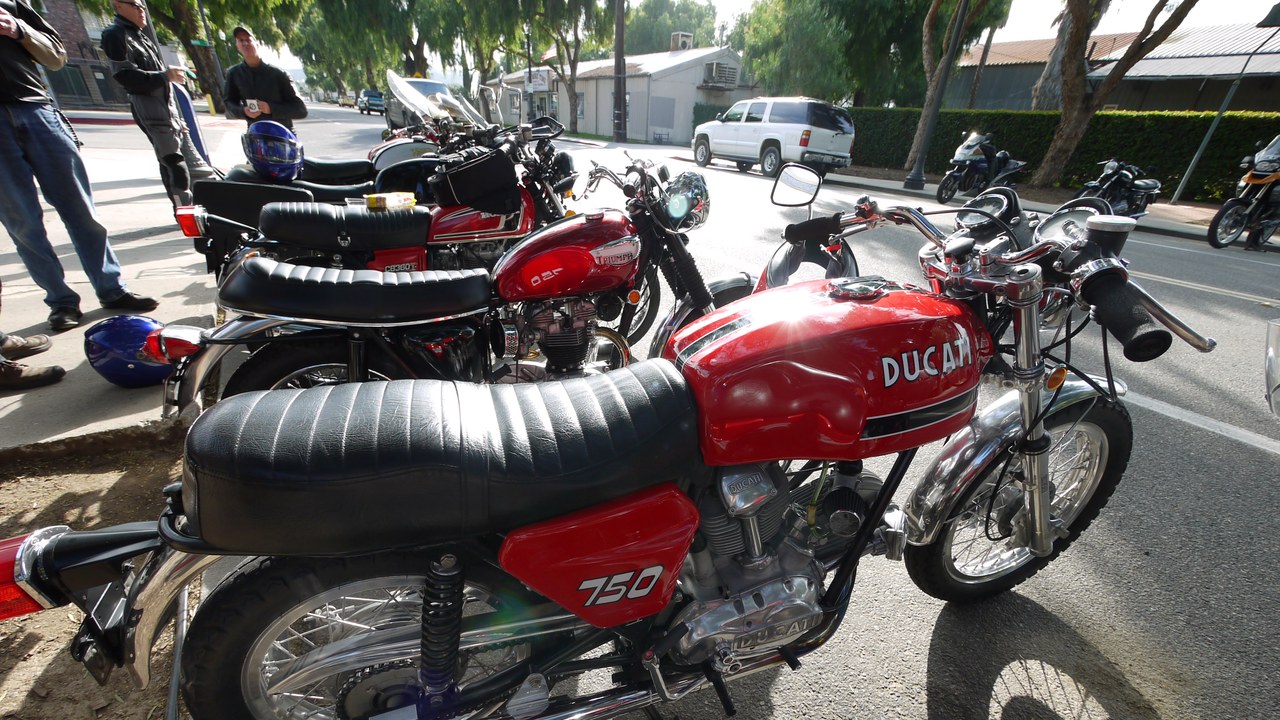
Introduced in 1971, the 750 GT began Ducati’s air-cooled L-twin era, bringing lower vibration and better cooling, according to Audi’s Ducati history page. The layout became central to how the company’s engines were built.
The L-twin gave Ducati an engine with a distinct character and a shape that suited the frame. That architecture carried the brand for decades, and its descendants explain why so many Ducatis share a recognizable sound and feel. Taglioni’s desmodromic valve system, dating to 1956, remained part of the company’s engineering identity alongside it.
3. Ducati 750 Super Sport: Imola Winner
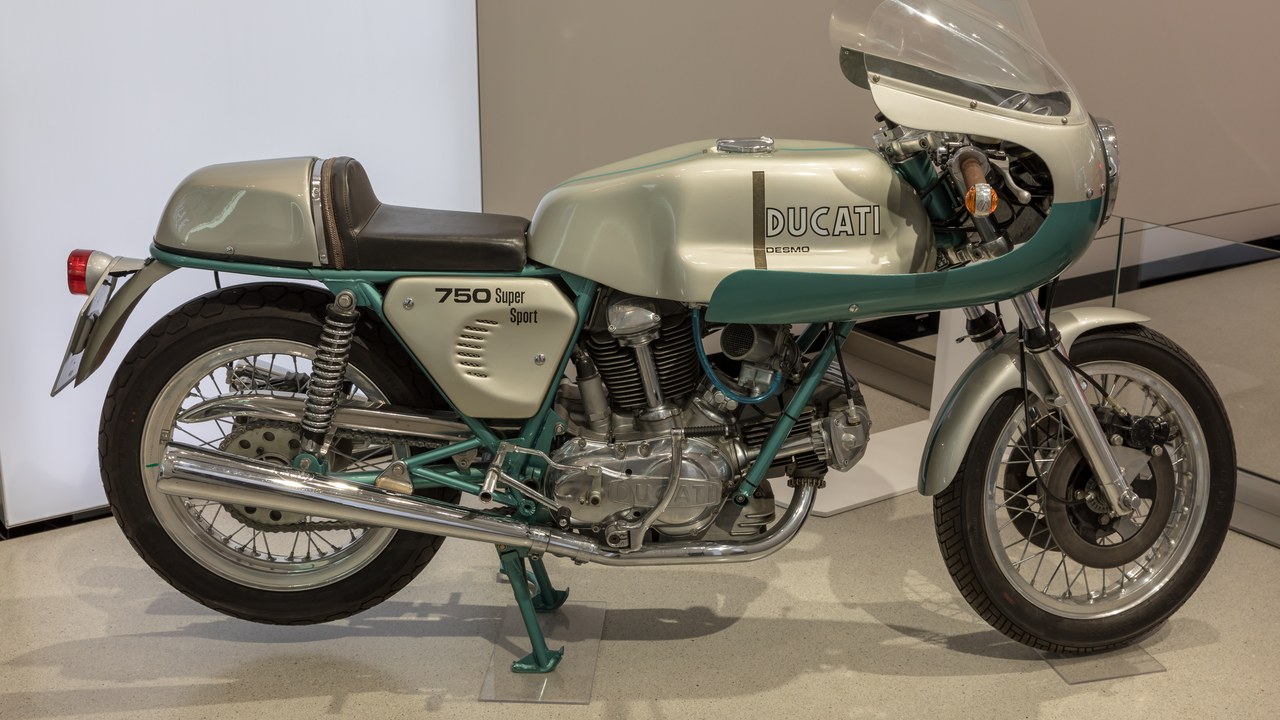
A production-based 750 won the 1972 Imola 200 with Paul Smart, according to the Ducati Supersport article on Wikipedia. The same source says only 401 of the 1974 Super Sports were built.
The Imola victory gave the brand its racing credibility, and the tiny 1974 run made the road version a prized collectible. Anyone looking for a rare Ducati from that era would struggle to find one, and prices reflect that scarcity. The Super Sport name has also stayed in the catalog for decades, and a 937cc Supersport appeared in 2017.
4. Ducati 900 Super Sport: Hailwood’s Comeback
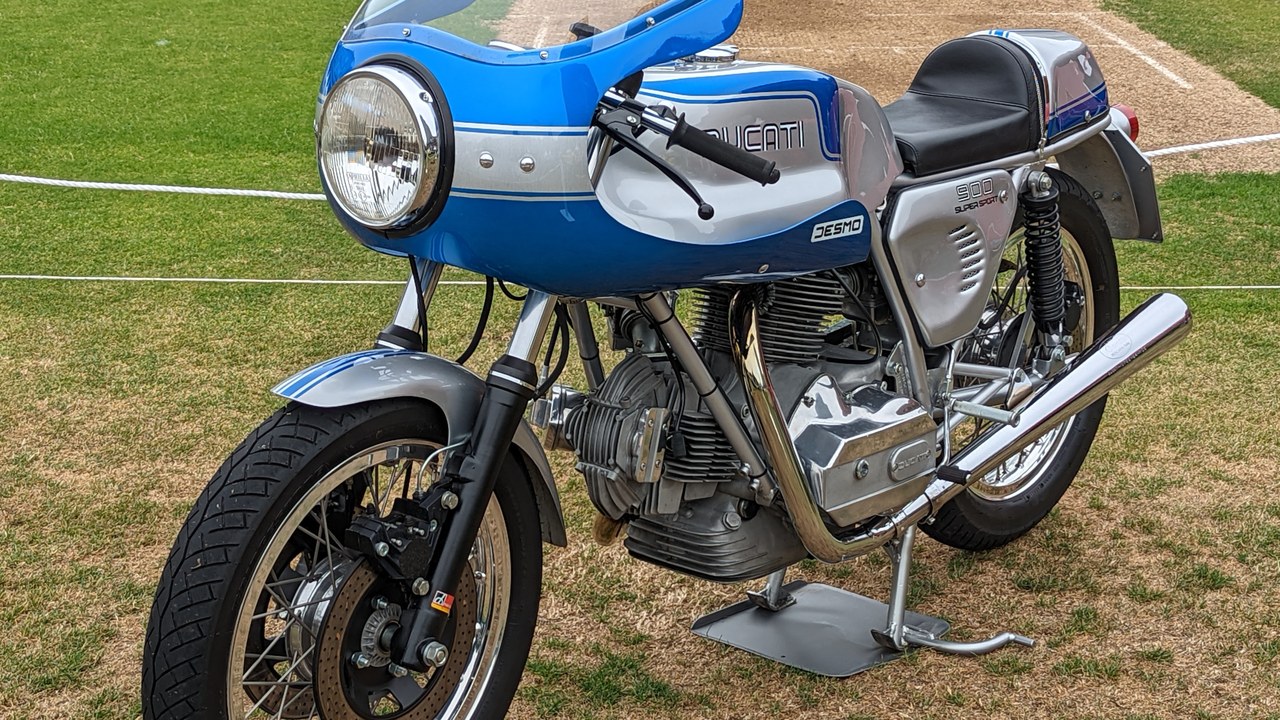
Mike Hailwood rode a Ducati to win the 1978 Isle of Man TT Formula 1 race in a celebrated comeback, a feat covered in the Ducati Supersport history on Wikipedia. The 900 Super Sport, with an 864cc engine, arrived in 1975.
That result tied the 900 SS to one of motorcycle racing’s most popular stories. For enthusiasts, the model stands as the bike that proved a V-twin sport machine from Bologna could beat the best on the Isle of Man.
5. Ducati 851 (1987): Liquid Cooling Arrives
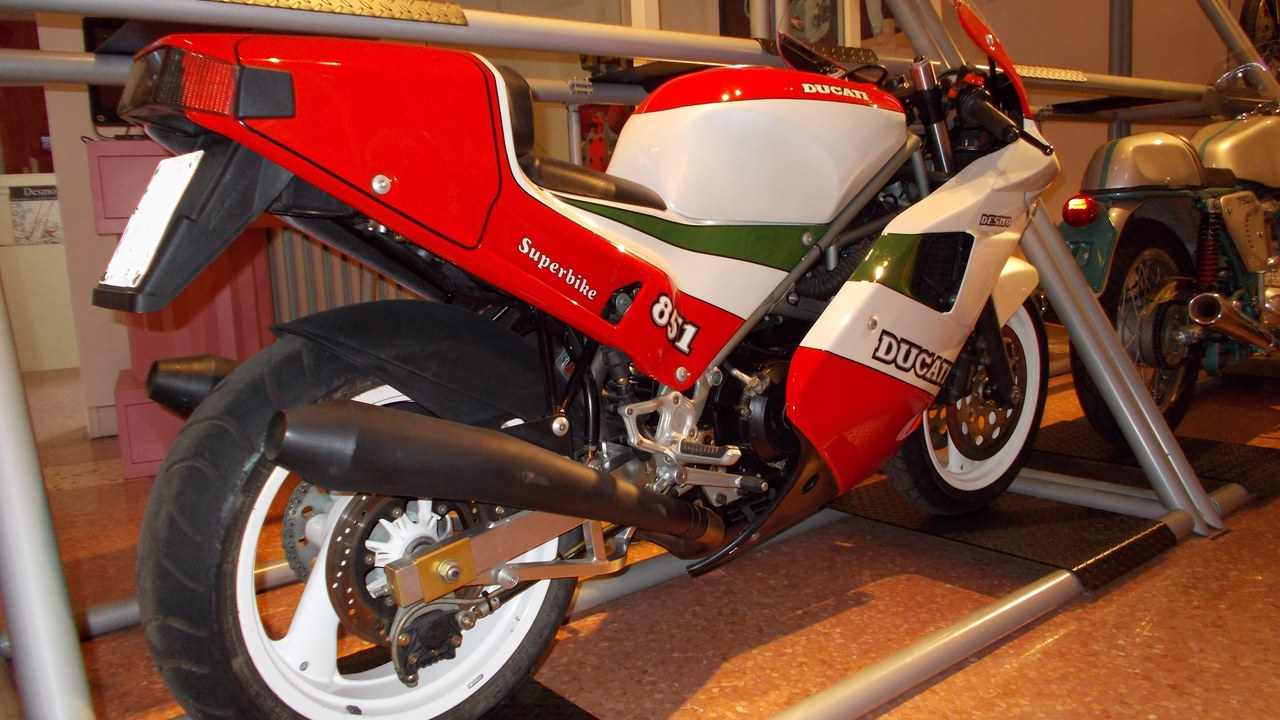
The 851 of 1987 was the first liquid-cooled, four-valve Ducati superbike, and it raced in the 1988 World Superbike debut season, per Audi’s account of Ducati’s history. It laid the foundation for later superbikes.
Ducati went on to become the most successful team in that racing series, with 16 riders’ titles, 20 manufacturers’ titles and more than 400 wins. The 851 is where that record effectively began, and buyers of later Ducati superbikes inherit the engineering path it opened, with liquid cooling and four valves per cylinder as the defining ideas.
6. Ducati Monster (1993): The Bike That Rescued Sales
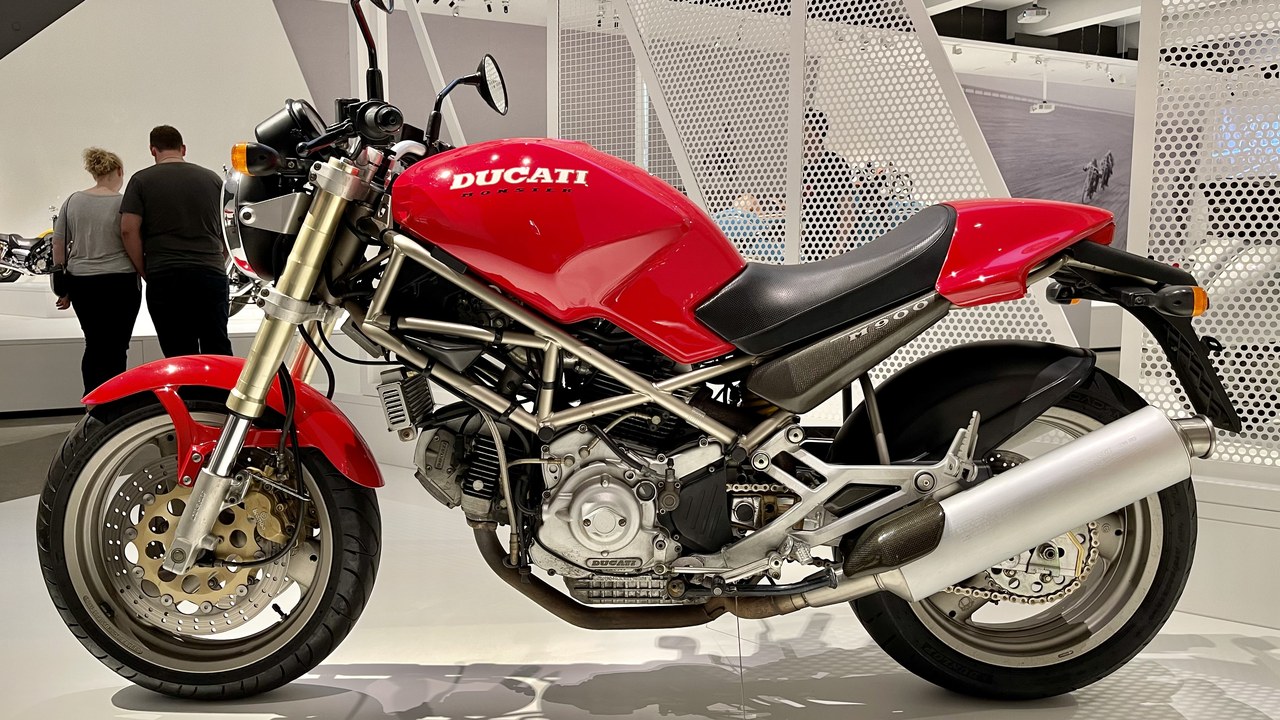
The Monster arrived in 1993, and its rising sales put Ducati back among Europe’s top-selling motorcycle makers, as Audi’s Ducati timeline notes. It gave the company a model that appealed beyond racing fans.
A naked roadster was easier to ride and to live with than a full sports bike, which widened the audience. Its success helped stabilize the company and kept the brand in front of everyday riders, not only racers. The company was later acquired by Audi in 2012, and the Monster remained one of the models that gave the brand a broad customer base.
7. Ducati 916 (1994): Tamburini’s Masterpiece
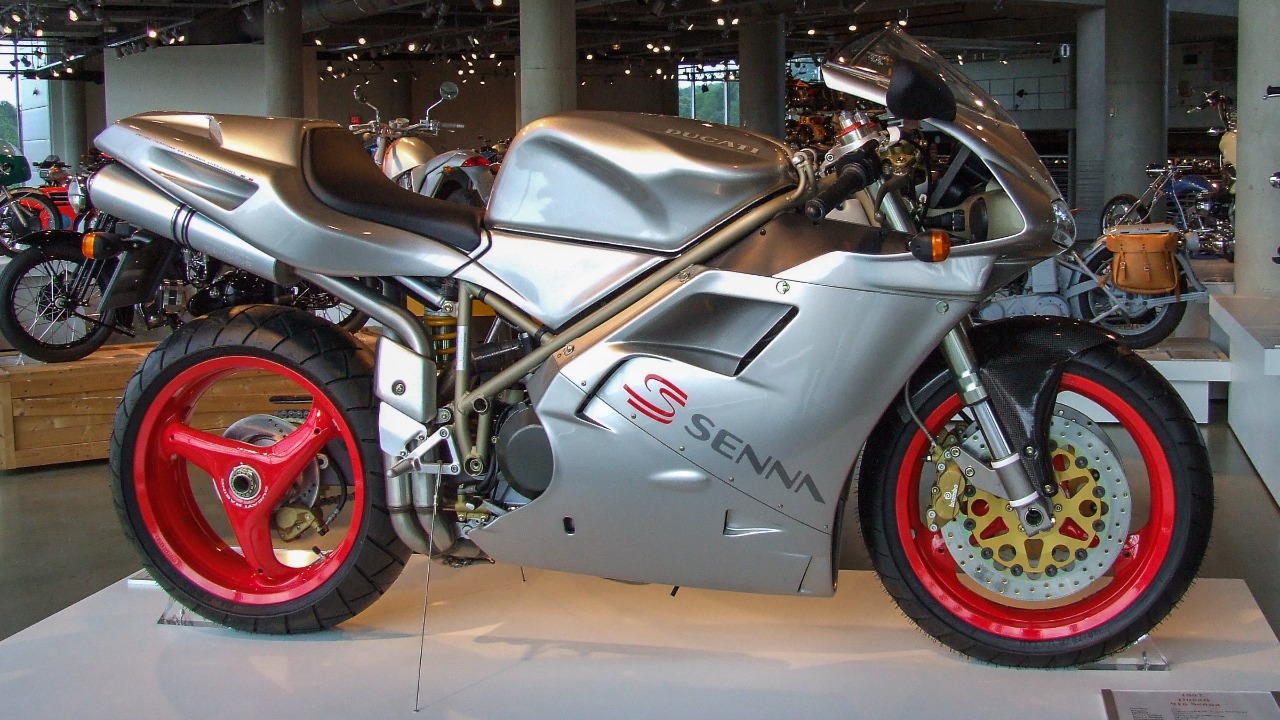
Massimo Tamburini’s 916, launched in 1994, now sits in the Ducati Museum for the 25th anniversary of its production launch, as Ducati’s museum news item reports. The design is widely treated as a high point of motorcycle styling.
Ducati’s own tribute to the bike shows how highly the company regards it. The museum, which opened in 1998 with more than 45 bikes, offers fans a place to see the 916 in person. The anniversary display underlines how a single design by one engineer can become a lasting symbol for an entire company.
8. Ducati Panigale V4: Current Superbike Flagship
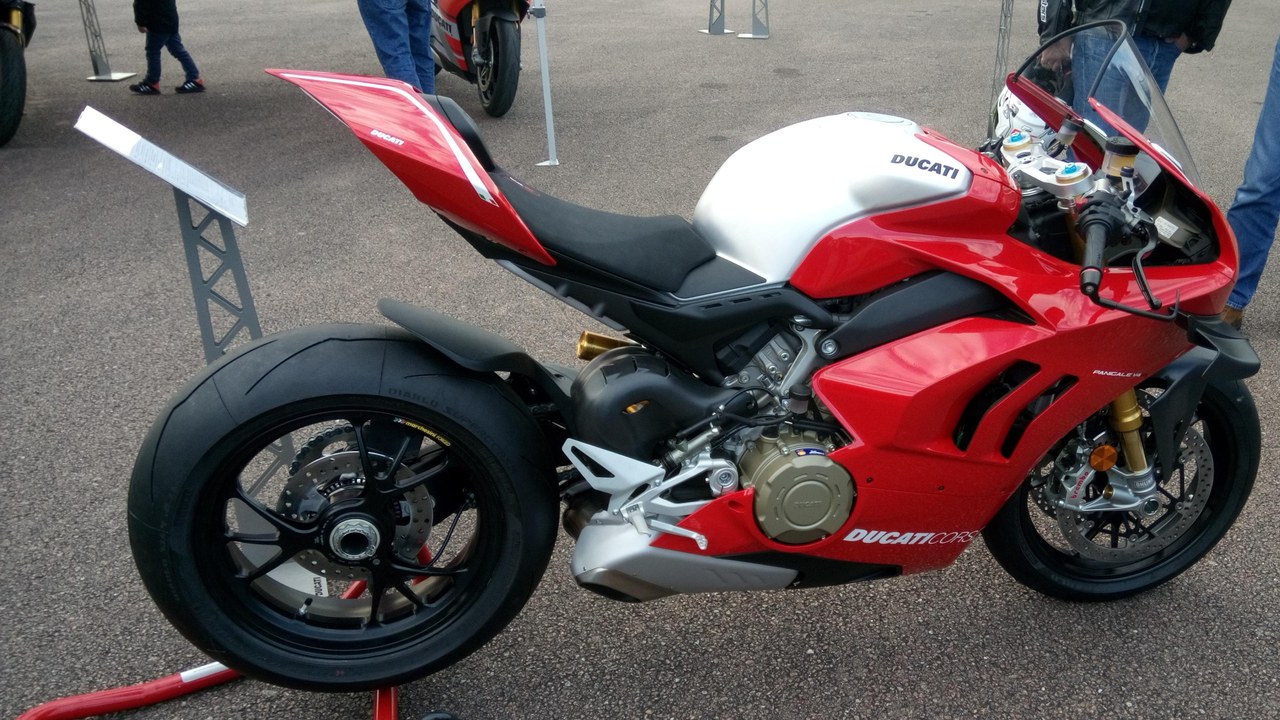
Ducati’s current superbike, the Panigale V4, makes 218 hp and weighs 191 kg, according to Ducati’s specification pages. It carries the V4 layout into the company’s top sports category.
The output is far beyond anything from the Cucciolo era, which shows how far the marque has traveled. At 191 kg, the bike also keeps its weight modest for a machine with so much power on tap. A Panigale V4 R shares the 218 hp figure, while the limited Superleggera V4 Centenario is listed at 228 hp.
9. Ducati Streetfighter V4: Naked V4 Brawler
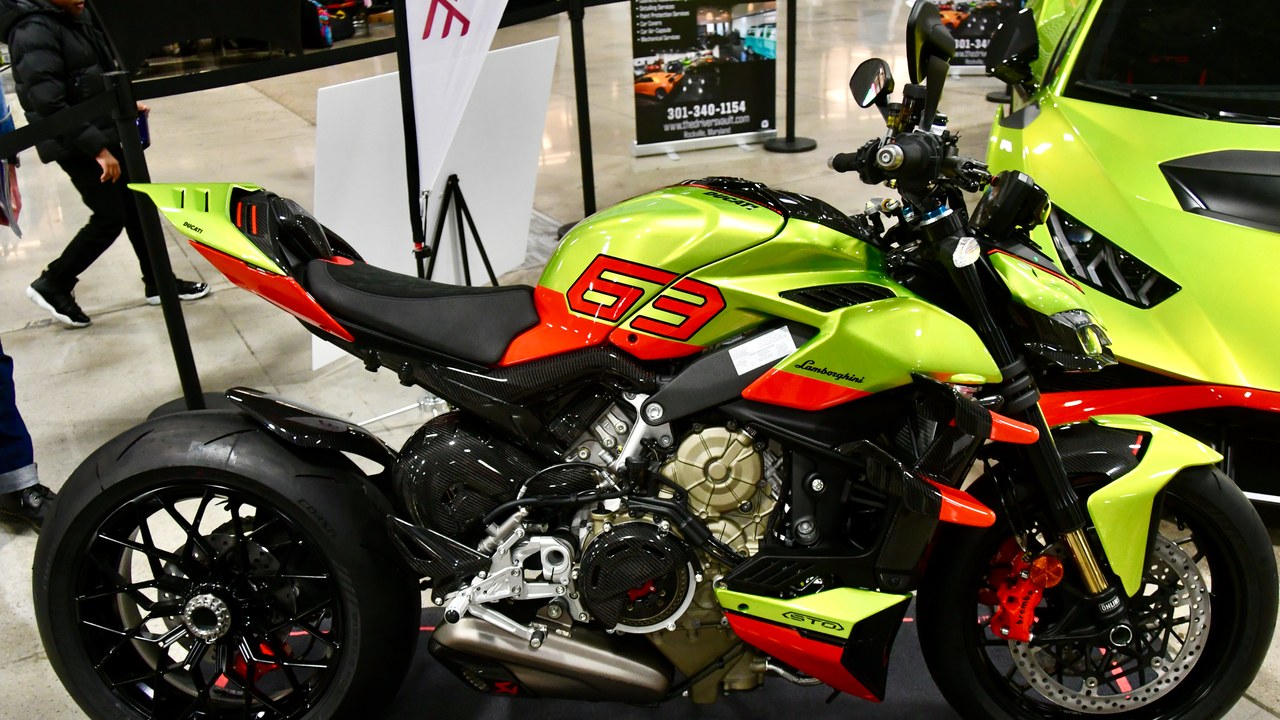
The Streetfighter V4 is the naked version of the V4 formula, and it puts out 214 hp, per Ducati’s model specifications. That is only 4 hp short of the Panigale V4.
For riders who want superbike-level power without full fairings, the Streetfighter offers the same engine character in a more upright, exposed package. It carries the performance edge of the sport range into everyday road use. Riders who prize flexibility and visibility over wind protection may find it the more usable of the two V4 siblings, with only a small penalty in peak output.
10. Ducati Multistrada V4 RS: Adventure With V4 Power
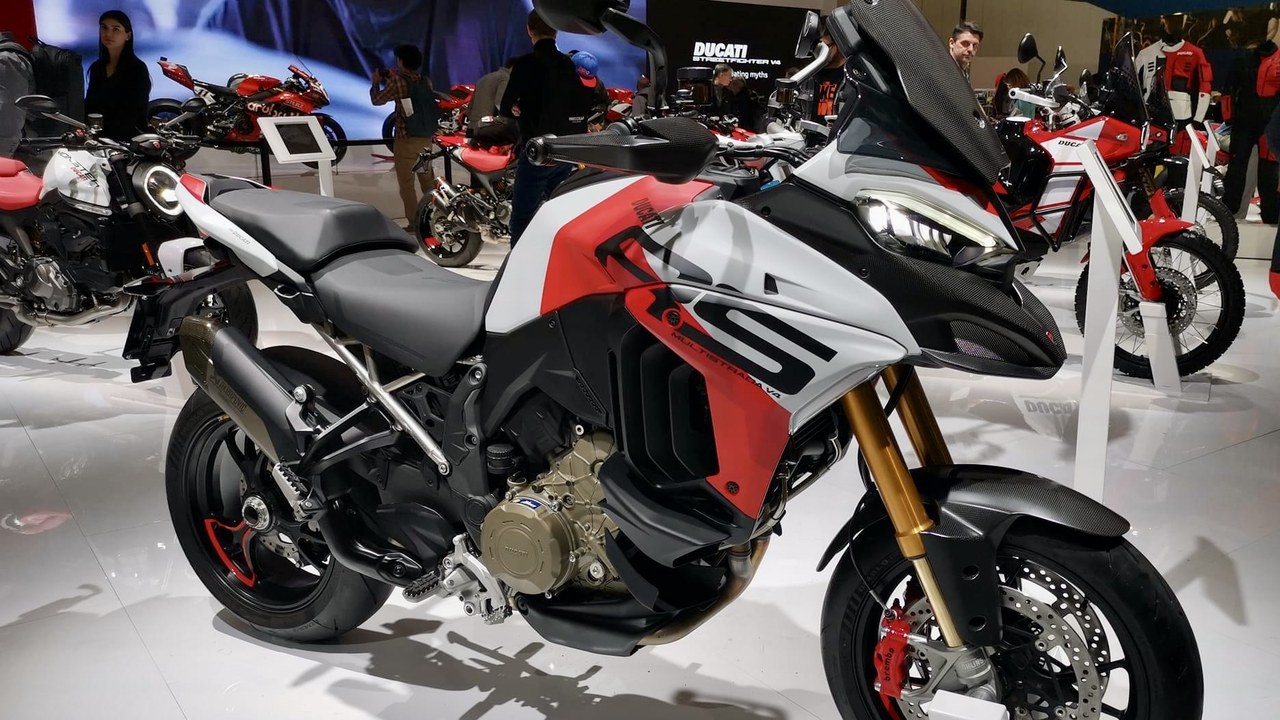
The Multistrada V4 RS is Ducati’s adventure-touring flagship, making 180 hp, according to Ducati’s model information. It brings V4 power to a bike designed for long-distance riding.
The figure is lower than the sport models, which suits a bike built for touring comfort and mixed roads. Buyers wanting Ducati performance in a practical, travel-ready bike have a clear choice in this model. Ducati’s racing success, including MotoGP titles for Stoner in 2007, Bagnaia in 2022 and 2023, and Martin in 2024, adds credibility to the V4 engine behind it.
Tech news worth reading: Get Techpresso →
We may earn a commission if you sign up.
More from Morning Overview
- The NSA says three phone features should be off whenever you aren’t using them
- Hurricane Hunter radar shows four warning signs that a tropical cyclone is about to strengthen, a University of Miami study found
- Tropical Storm Rachel is dumping up to 12 inches on four Mexican states on its way to major hurricane strength
- The FTC says Lens.com doubled the price shoppers saw in Google ads
