
Rabies is rare in people but common enough in wildlife that health agencies track it animal by animal every year. Bats, raccoons and skunks dominate the reports, while pets, livestock and a few surprising species fill out the rest. Here are twelve animals that carry the virus, with what each means for human exposure.
Tech news worth reading: Get Techpresso, the daily email with the most interesting tech news and insights, read by 400,000+ professionals from Google, Apple and OpenAI.
We may earn a commission if you sign up.
1. Bat: The Silent Source
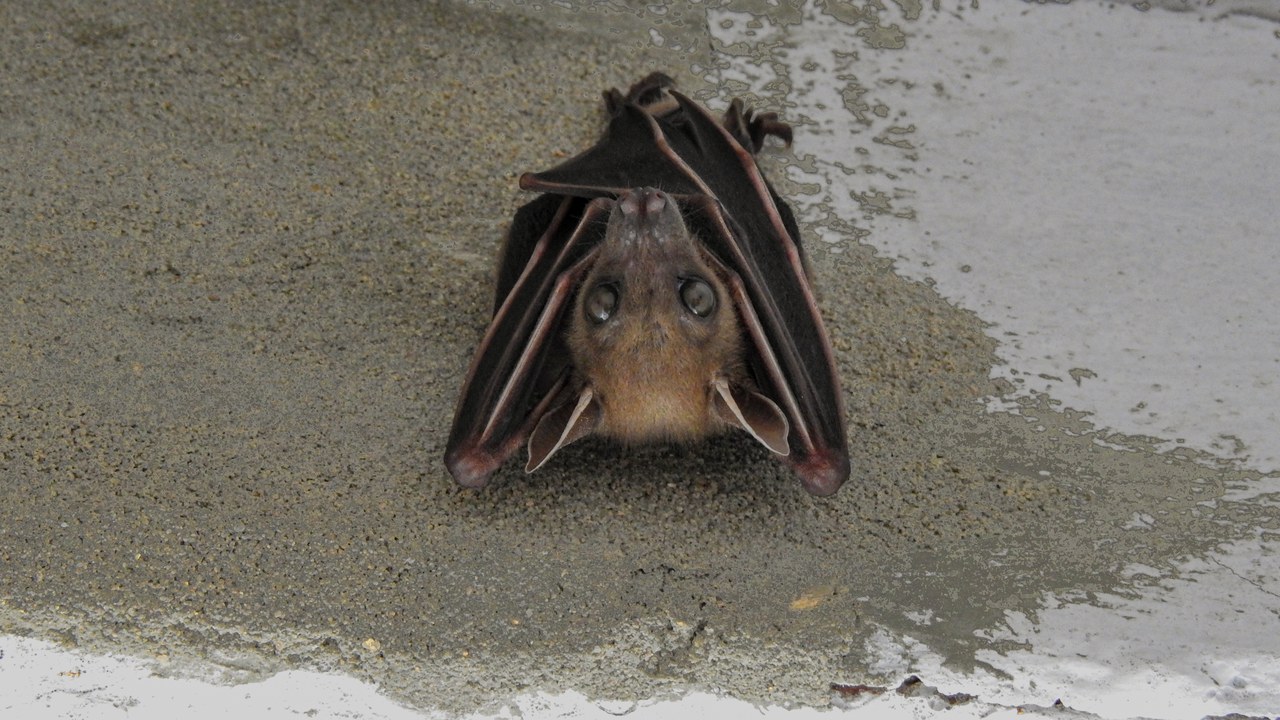
The CDC reports that seven of ten Americans who die of rabies in the country were infected by bats. Bats were also the most-reported rabid animal in 2024, with 1,376 cases, or 35.9 percent, according to the veterinary association.
Bat bites can be tiny and easy to miss, so people who wake to find a bat in the room are generally told to seek medical advice. Any contact with a bat deserves a call to a health provider, even without visible injury.
2. Raccoon: Backyard Regular

Raccoons ranked second in 2024 with 1,080 reported rabid animals, or 28.2 percent of all rabid animals reported across the country. They are common in suburbs and cities as well as woods.
Because raccoons live near homes and garbage cans, contact with pets is a realistic route for exposure. A raccoon that appears bold, confused or active in daylight should be avoided and reported to local animal control. Washing any bite or scratch thoroughly and calling a doctor quickly is the usual first response.
3. Striped skunk: Third on the List
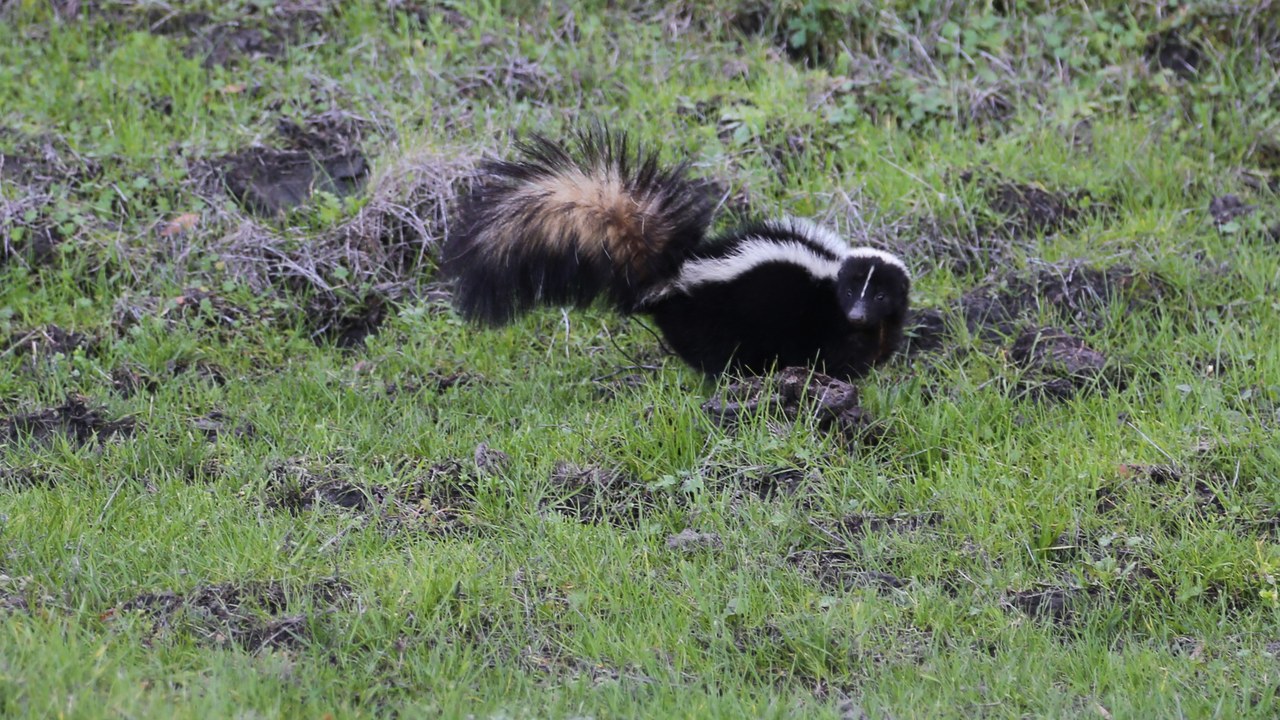
Striped skunks accounted for 647 rabid animals reported in 2024, or 16.9 percent of the national total. They rank behind only bats and raccoons in the yearly count.
Skunks often den under porches and sheds, which brings them close to dogs and cats that roam outdoors. Keeping pets vaccinated is the most reliable protection when a skunk wanders onto a property. Anyone sprayed or bitten should still describe the encounter to a health provider, since the smell says nothing about infection.
4. Red fox: Smaller Share
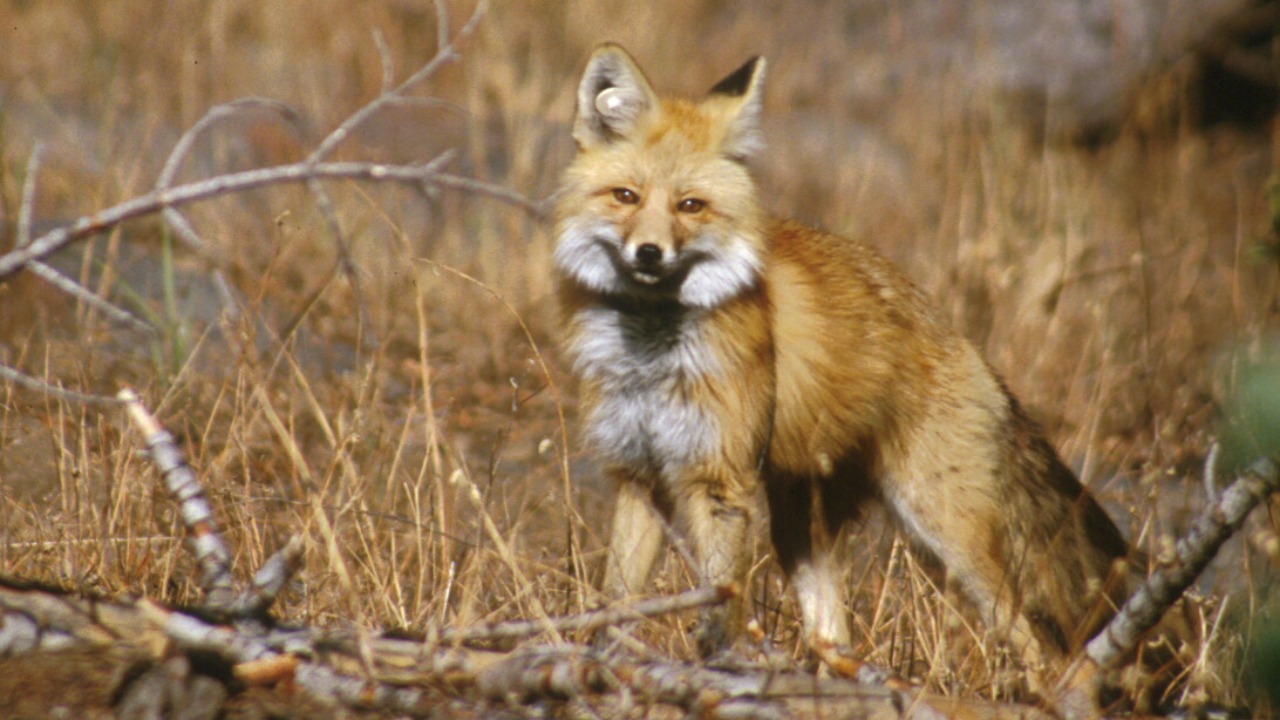
Red foxes made up 283 rabid reports in 2024, or 7.4 percent of the national total. That places them fourth among wild animals in the annual tally.
Foxes usually avoid people, so an animal that approaches without fear is a warning sign worth reporting. Most exposures involve pets that fight with a wild animal, which is another reason vaccination matters. A pet that has met a wild animal should be examined and the incident reported to local authorities.
5. Cat: Cats Beat Dogs

Cats accounted for 243 rabid animals in 2024, or 6.3 percent of reports, far more than the 24 rabid dogs. Cats lead among domestic animals in the surveillance numbers.
Many cats roam outdoors and meet bats and other wildlife, while dog vaccination is more widespread and often required by law. An unvaccinated cat that scratches or bites someone creates a real exposure question. Keeping cats indoors, or at least vaccinated, is the simplest way to close that gap for the household.
6. Dog: Mostly a Travel Risk

Reports of rabid dogs rose slightly from 62 in 2017 to 63 in 2018 in the CDC’s national surveillance, yet abroad, rabid dogs remain a danger and are the second leading cause of rabies deaths among Americans.
Canine rabies has been largely controlled within the country through vaccination, so the real exposure happens on trips overseas. Travelers bitten by a dog in another country are advised to seek medical care promptly.
7. Horse: Steady Livestock Cases
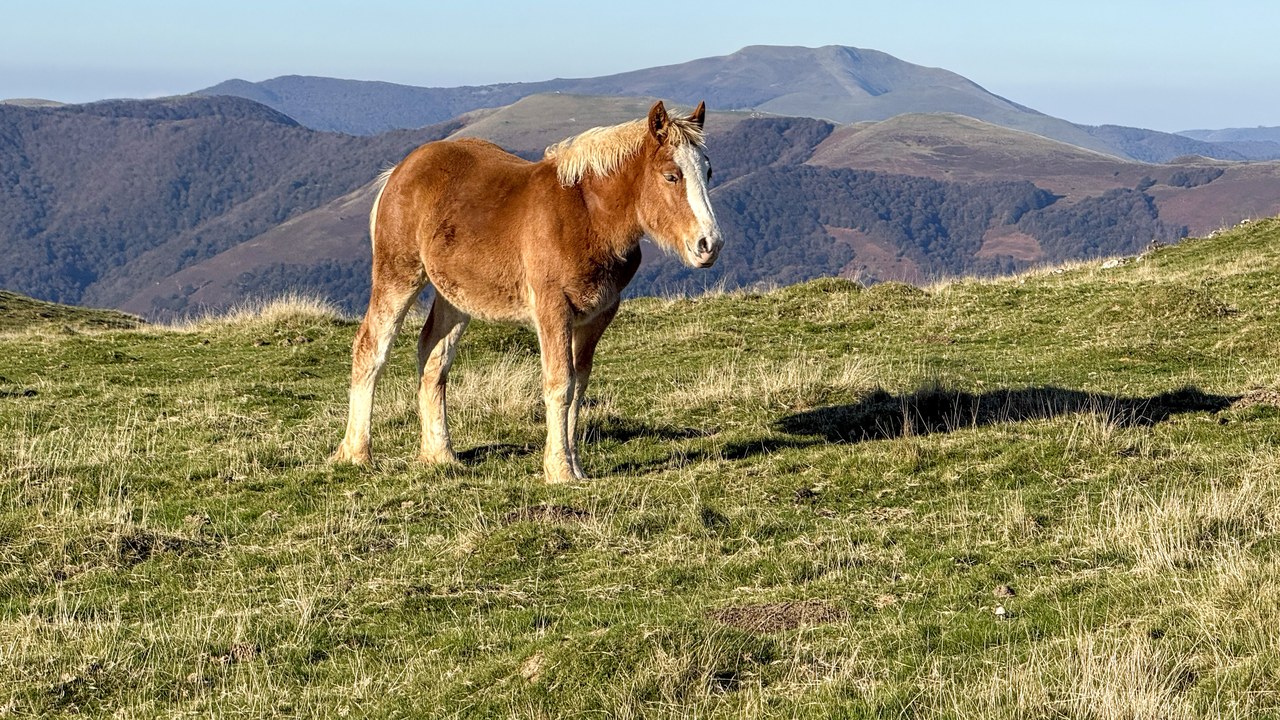
CDC surveillance found that reports of rabid horses and mules held steady at 13 in 2018. The count is small, but it shows that rabies reaches large working animals as well as wildlife.
Horses and mules can pass the virus to handlers through saliva, so veterinarians advise caution with any animal that shows odd neurological signs. Routine vaccination is available for horses and is a standard part of preventive care.
8. Cattle: The Minnesota Steers
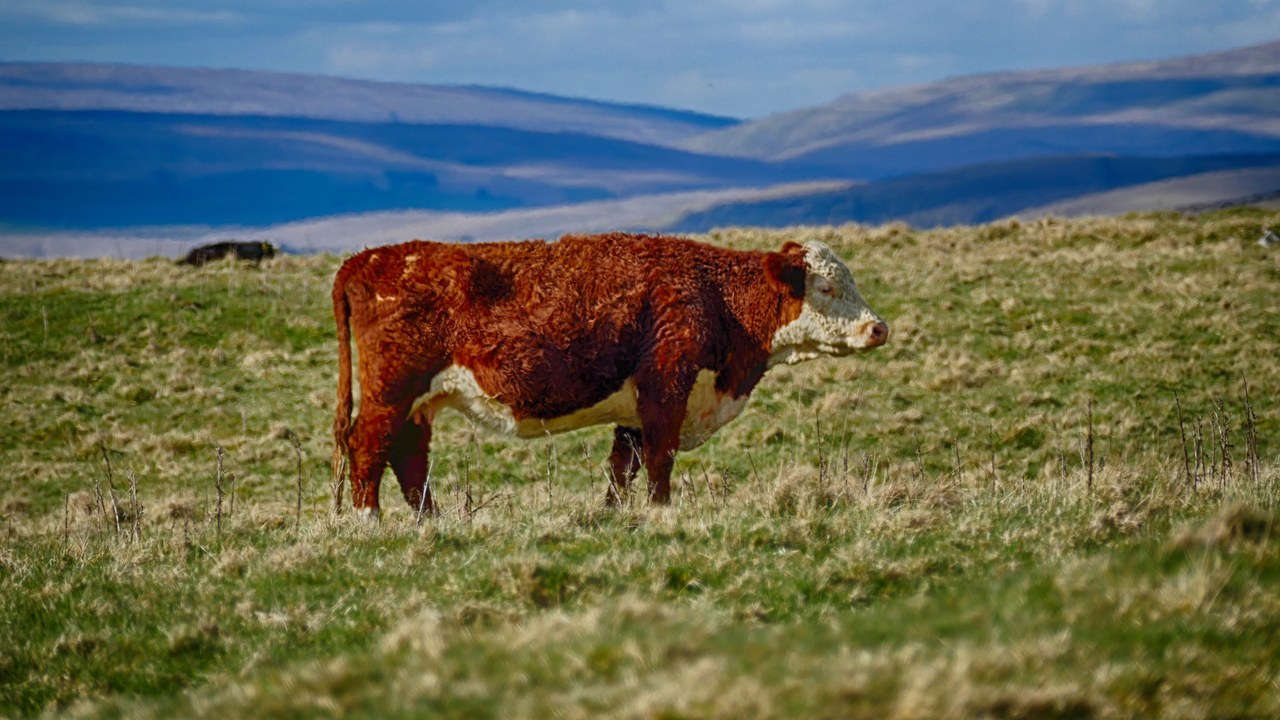
In a 2024 Minnesota dairy-farm cluster, health investigators confirmed the North Central Skunk variant in three infected steers, and all five exposed people received post-exposure treatment. Cattle are the livestock most often infected.
The case shows how a wild reservoir can spill into farm animals and then into the people who care for them. Prompt treatment after exposure is what prevented the cluster from becoming a human tragedy. Farm workers who handle sick or oddly behaving cattle are advised to wear gloves and to report the animal to a veterinarian.
9. Coyote: A Texas Success
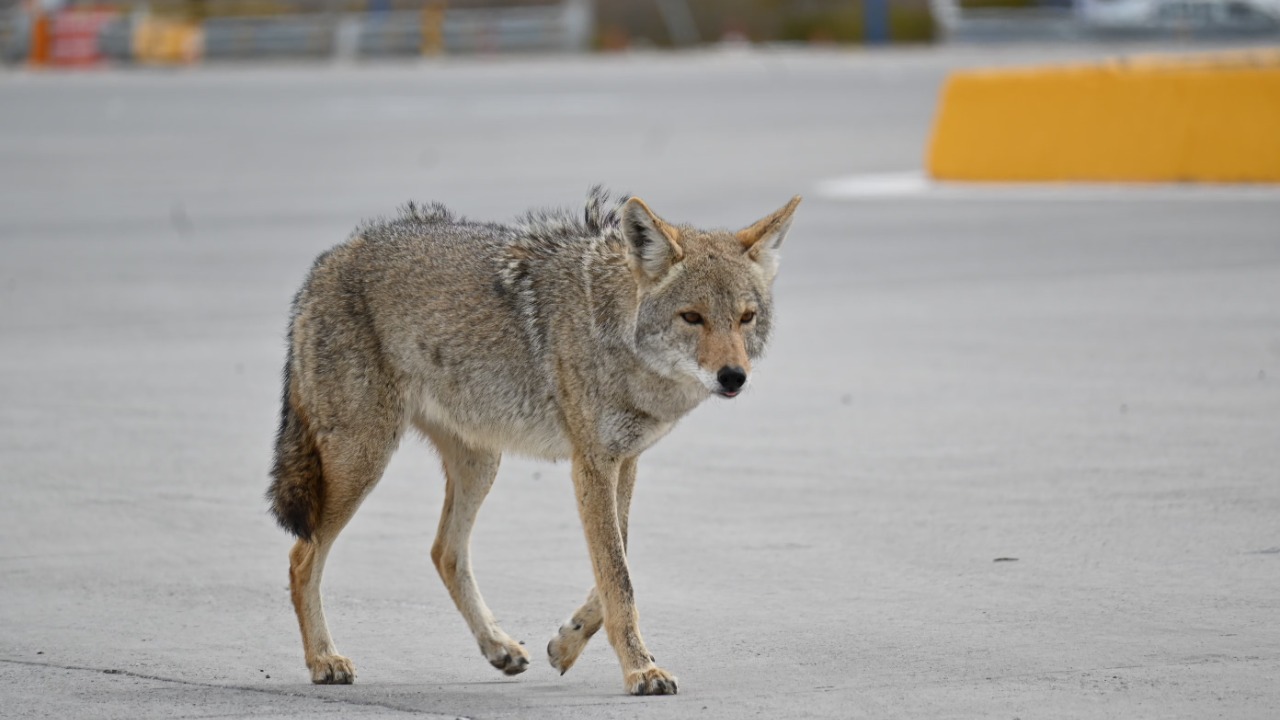
A coyote and canine rabies epizootic that began in South Texas in 1988 killed two people, and cases fell from 122 in 1994 to none from 2005 on after about 55 million vaccine baits were airdropped, according to the state health department.
The program is a model for controlling the virus in wildlife without touching individual animals. It also shows that large-scale vaccination can remove a threat that once seemed permanent in a region. Wildlife agencies in other states have studied the approach as a way to hold back the spread of the virus.
10. Small Indian mongoose: Island Reservoir
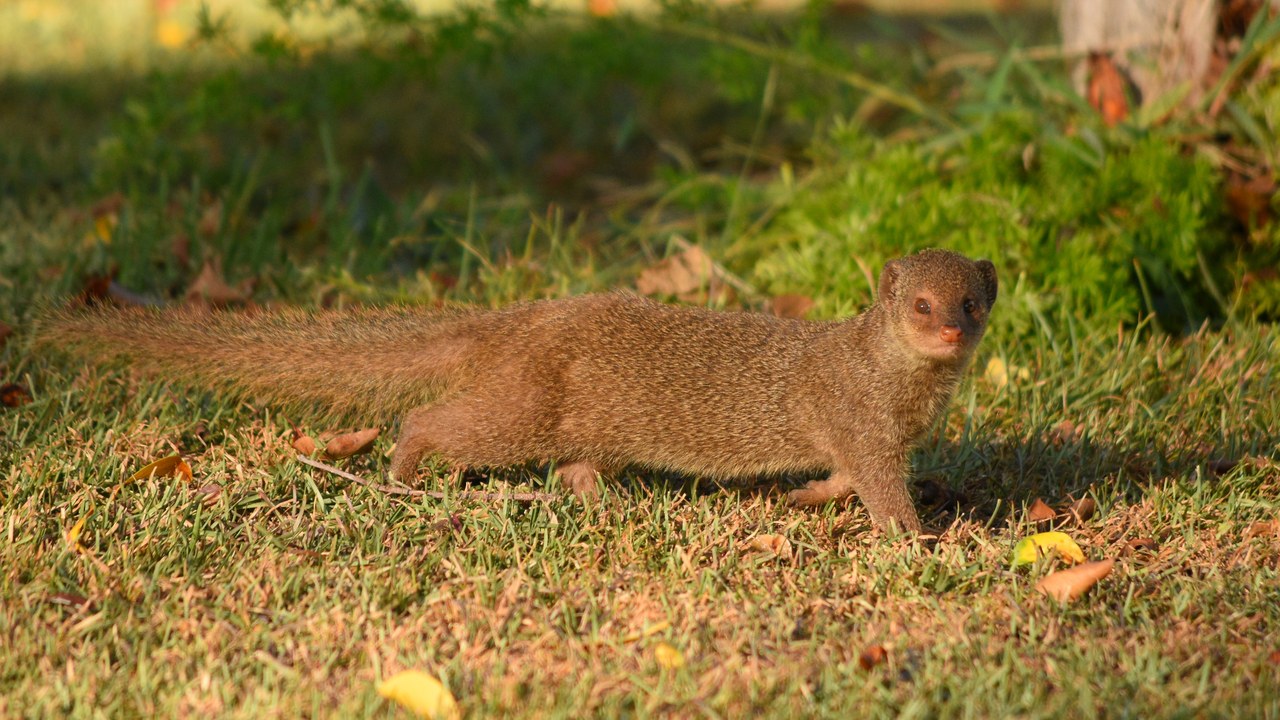
USDA testing in Puerto Rico found that up to 40 percent of small Indian mongooses tested positive for rabies, according to the CDC. The animal is an introduced species on the island.
Mongooses are a particular concern there because they share space with pets and people. Residents and visitors are advised to avoid contact and to seek care after any bite or scratch from the animal. The island case is a reminder that rabies risk depends heavily on which species are present in a given place.
11. Groundhog: A Pennsylvania Scare
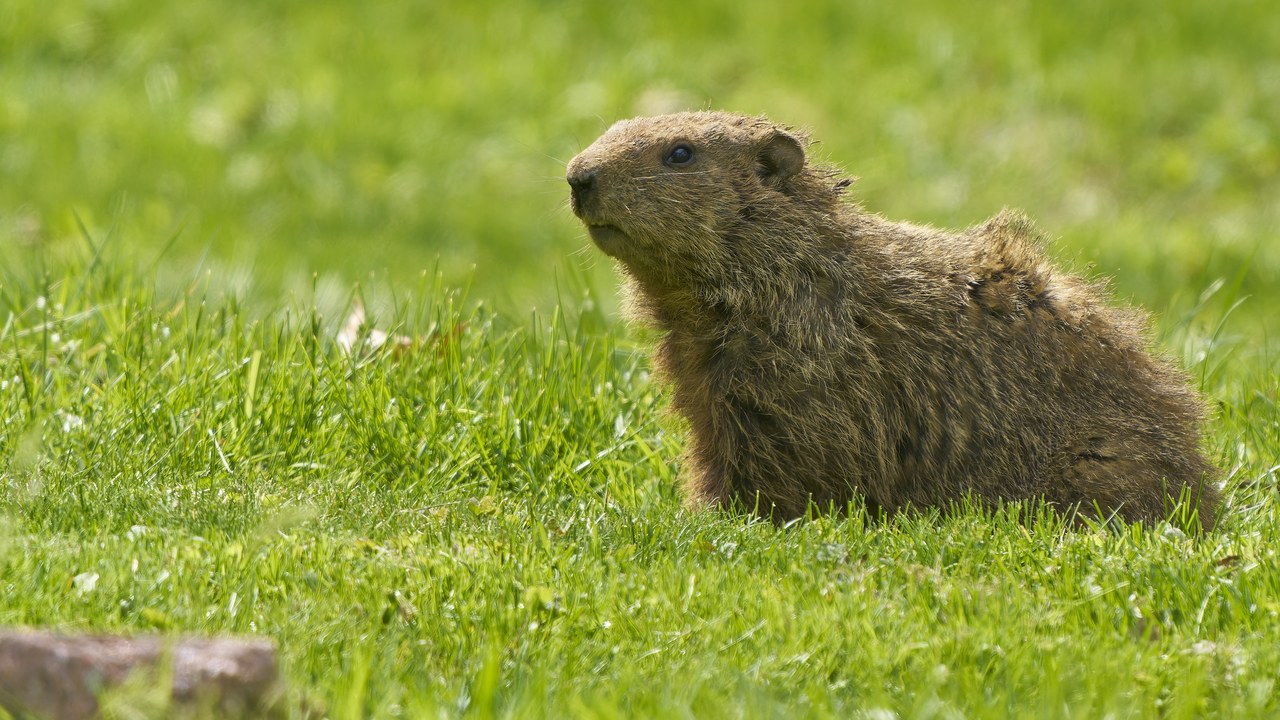
A groundhog that attacked a child in Nanticoke, Pennsylvania, in May 2026 was confirmed rabid, local news reported. The state confirms 350 to 500 rabid animals every year.
Groundhogs are rarely linked to rabies, which made the case a surprise. It illustrates that any mammal can carry the virus, and that an unprovoked attack by a normally shy animal should be treated as a medical emergency. Parents are told to wash the wound and seek care immediately, since treatment works only if given before symptoms begin.
12. Bobcat: The Prescott Attacks
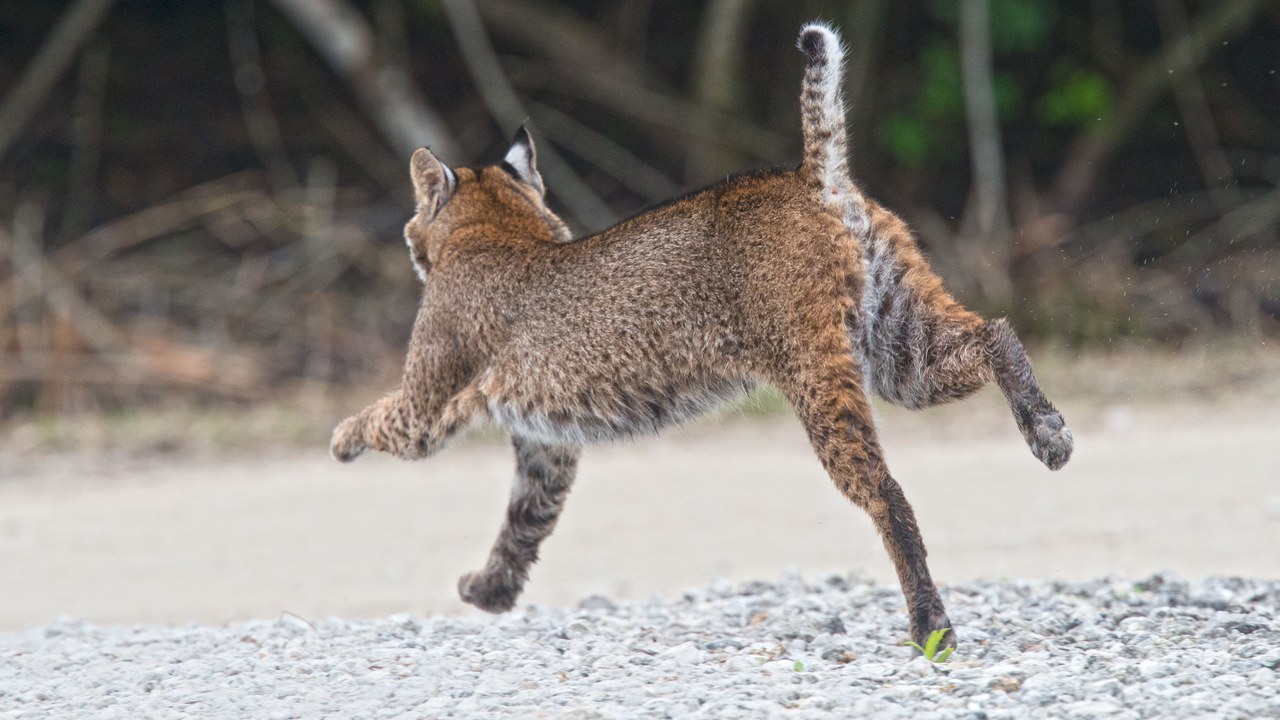
One rabid bobcat is blamed for four attacks around Prescott, Arizona, from March 3, 2026, injuring at least three people and three dogs before a German Shepherd killed it, according to regional public radio.
Bobcats seldom confront people, so repeated attacks pointed officials to rabies. The episode shows why animal-control agencies urge residents to report any wild animal that behaves aggressively or without fear. Anyone bitten by a wild animal should wash the wound and seek medical care promptly, before any symptoms of illness can appear.
Tech news worth reading: Get Techpresso →
We may earn a commission if you sign up.
More from Morning Overview
- Two passengers died at an Ohio toll plaza, and the NTSB now wants the cash lanes shut
- Long use of a common prostate pill is tied to a higher chance of glaucoma
- Ford is recalling 223,472 F-150 pickups because the fuel tank can leak or detach
- Hybrids have 15% fewer problems than gas cars, while EVs and plug-in hybrids have about 80% more, Consumer Reports finds
