
Some of the most familiar birds in American yards, fields and wetlands have lost enormous shares of their populations over the past half century. Two landmark analyses, a 2019 study in Science and an earlier Audubon review, tracked the declines, and a 2025 report added a warning about species near a tipping point. Here are twelve birds that illustrate the loss.
The day in tech, in one email: TLDR is the daily newsletter with links and TLDRs of the most interesting stories in startups, tech and programming.
We may earn a commission if you sign up.
1. Dark-eyed junco: The Biggest Loss
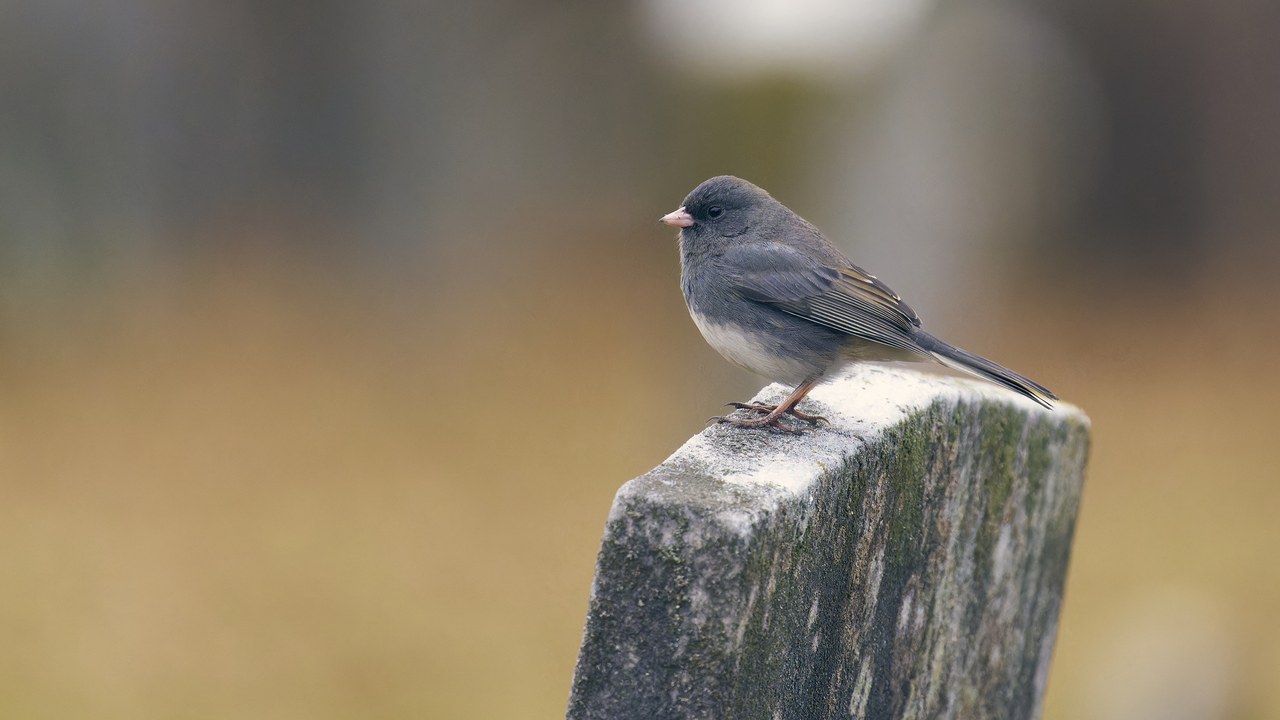
The dark-eyed junco is down by 168 million birds since 1970, the largest single-species loss in the 2019 Science study. The same research found that 2.9 billion North American birds are gone, nearly 30 percent of the total.
The junco is a common winter visitor at feeders, which makes its collapse hard to notice from any one yard. Large numbers can hide steep declines, and only continent-wide counts reveal the scale of what has disappeared.
2. White-throated sparrow: Feeder Favorite
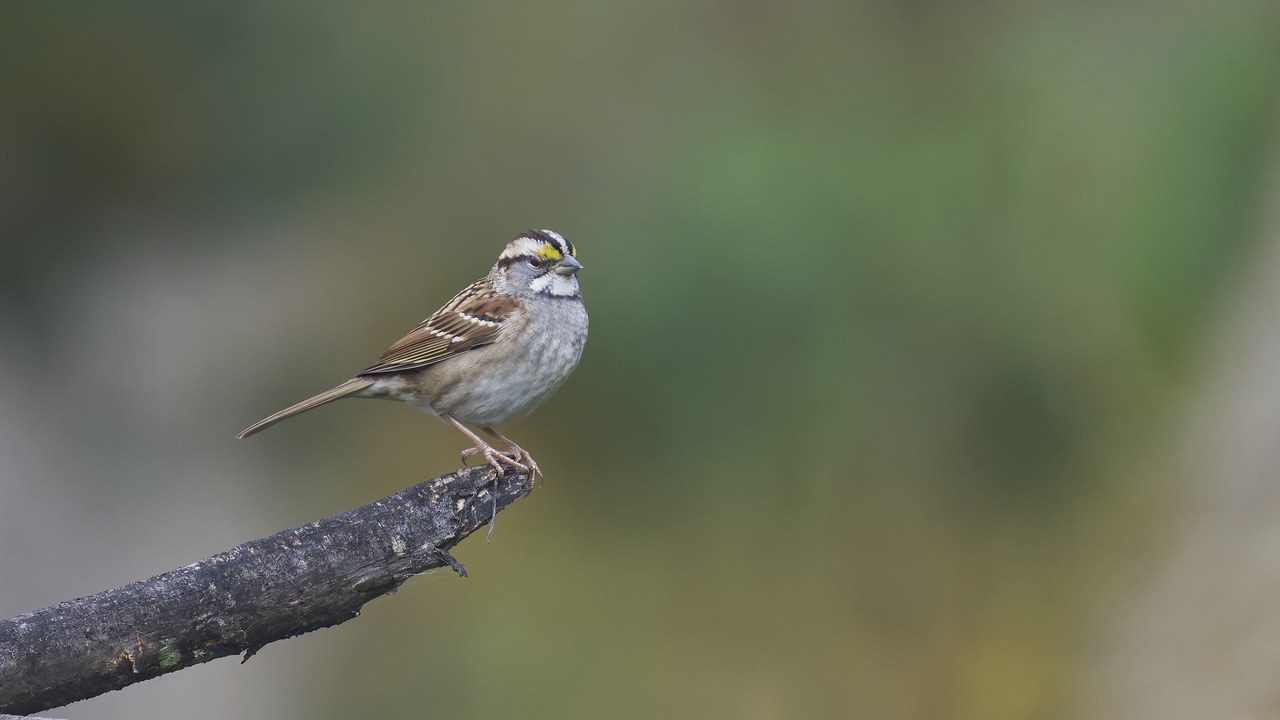
White-throated sparrows are down by 93 million since 1970, according to the Cornell-led 2019 Science study. Only the junco lost more individuals in that analysis.
The species is a familiar sight in brushy yards and woodland edges, and its song is a well-known sound of northern forests. A loss of this size shows that abundant birds are not automatically safe. Protecting common birds is therefore as important as rescuing rare ones, and far cheaper to do early.
3. Red-winged blackbird: Marsh Chorus
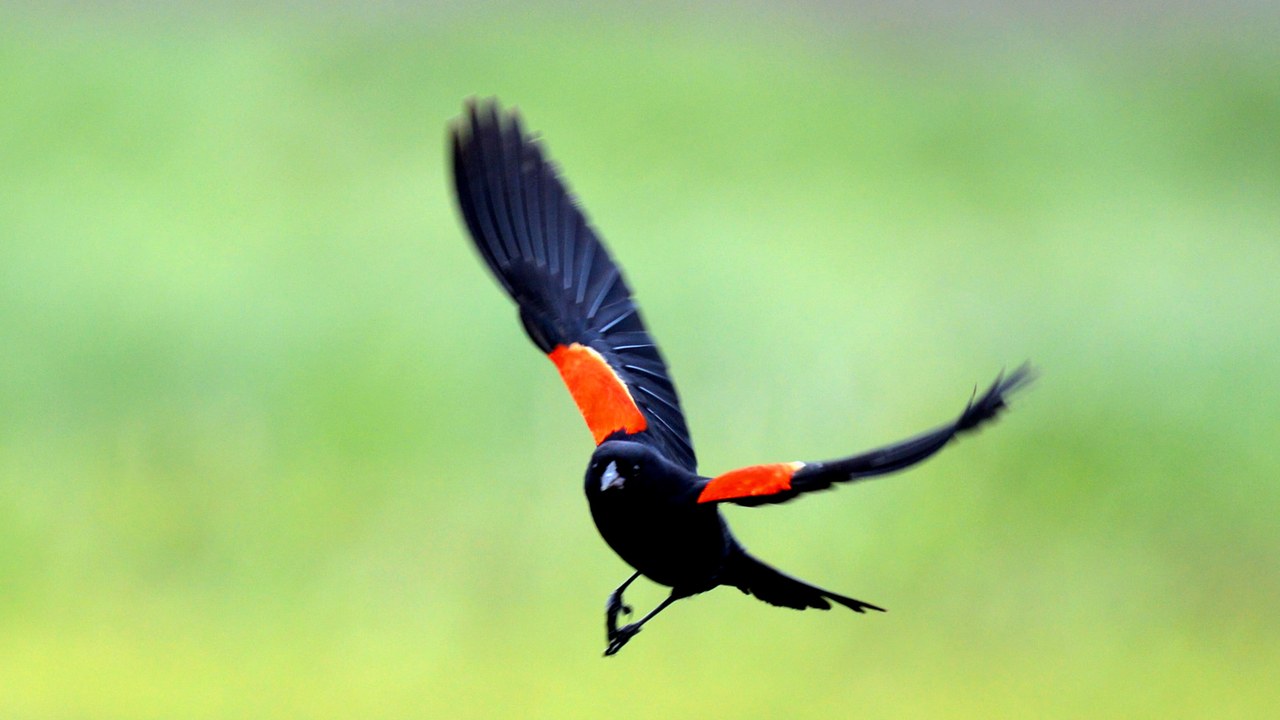
Red-winged blackbirds have declined by 92 million birds since 1970, per the 2019 Science study. The species is among the most widespread and conspicuous in the country.
Few birds are easier to spot, perching on cattails and fence posts in spring. That visibility is why the decline stands out, and it hints at pressures on wetlands and farmland that many other birds share. Counting what is common, not only what is endangered, is what exposed the problem.
4. Baltimore oriole: Orange and Fading
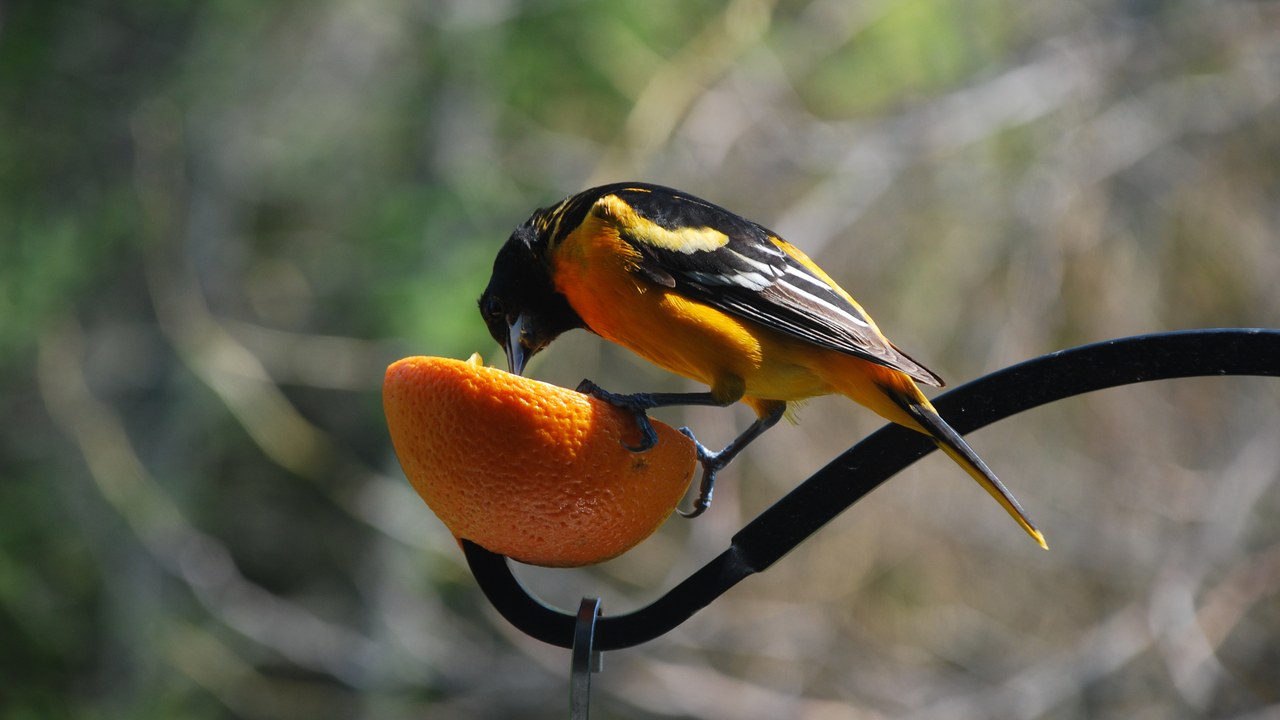
Almost half of all Baltimore orioles have disappeared since 1970, according to the 2019 Science study. The bright orange songbird is a summer visitor to orchards and shade trees.
Orioles winter in warmer regions and breed in the north, so losses can come from either end of the journey. Their decline shows how changes along a migration route can reduce a species even when its summer range looks intact. Protecting winter and stopover habitat is therefore part of any plan to keep the species from sliding further.
5. Northern bobwhite: Gone From the North
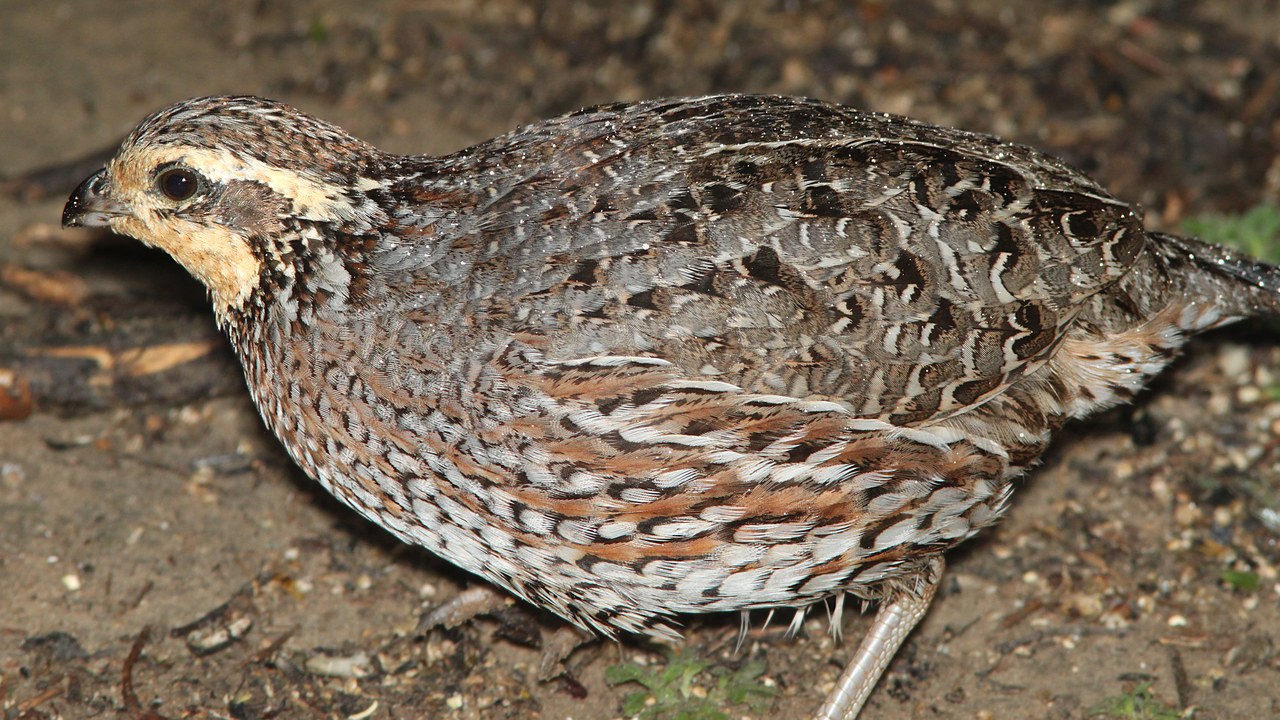
The northern bobwhite is down 82 percent in 40 years and is largely gone from the northern part of its range, per Audubon’s common-birds analysis of Christmas Bird Count and federal survey data.
The bobwhite depends on open, brushy farmland, and its whistled call was once a regular rural sound. Its retreat signals the loss of that kind of habitat, which has affected many grassland and field-edge species. Wildlife managers have long promoted native cover on farms as a way to help it.
6. Evening grosbeak: A Northern Visitor
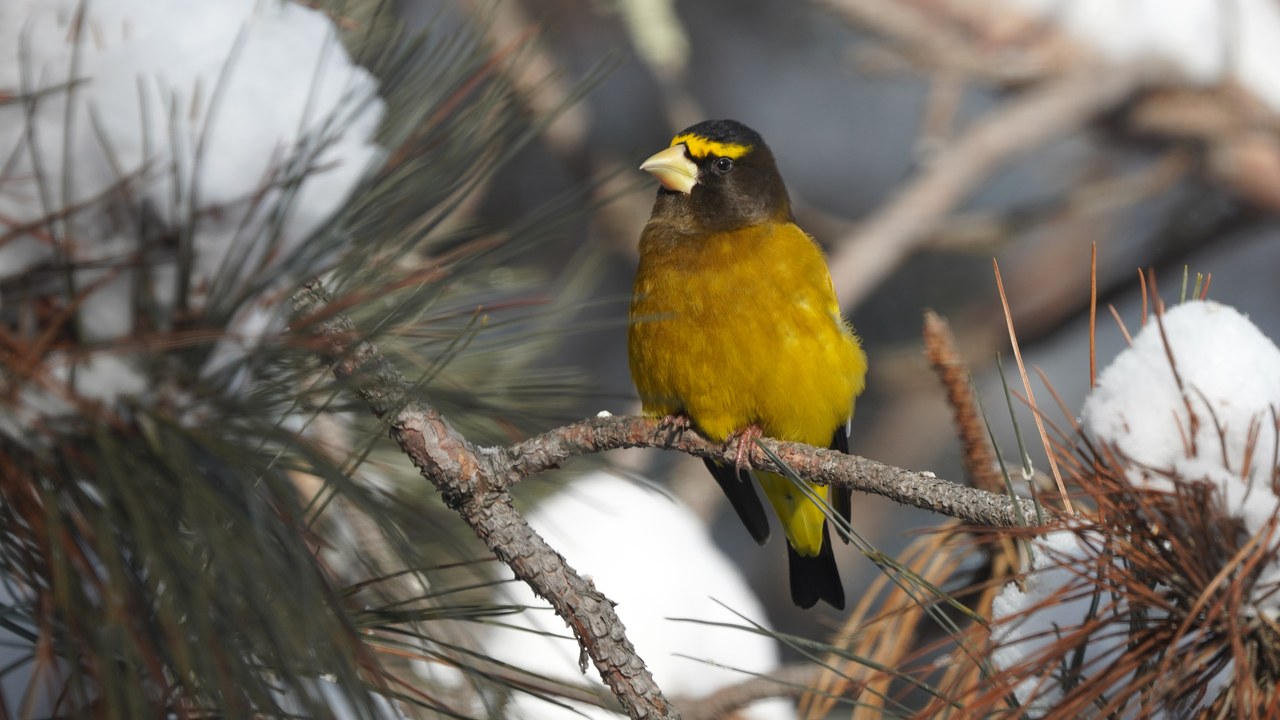
The evening grosbeak shows a decline of nearly 78 percent in 40 years, according to the same Audubon review. The chunky yellow-and-black finch breeds in northern forests and wanders south in some winters.
Because the species is irregular in its movements, feeder watchers often notice its absence before scientists measure it. The figure is a reminder that even striking, easily recognized birds can fade without much public notice. Because its numbers were measured over four decades, the trend is more reliable than a few seasons of sightings.
7. Eastern meadowlark: Song of the Fields
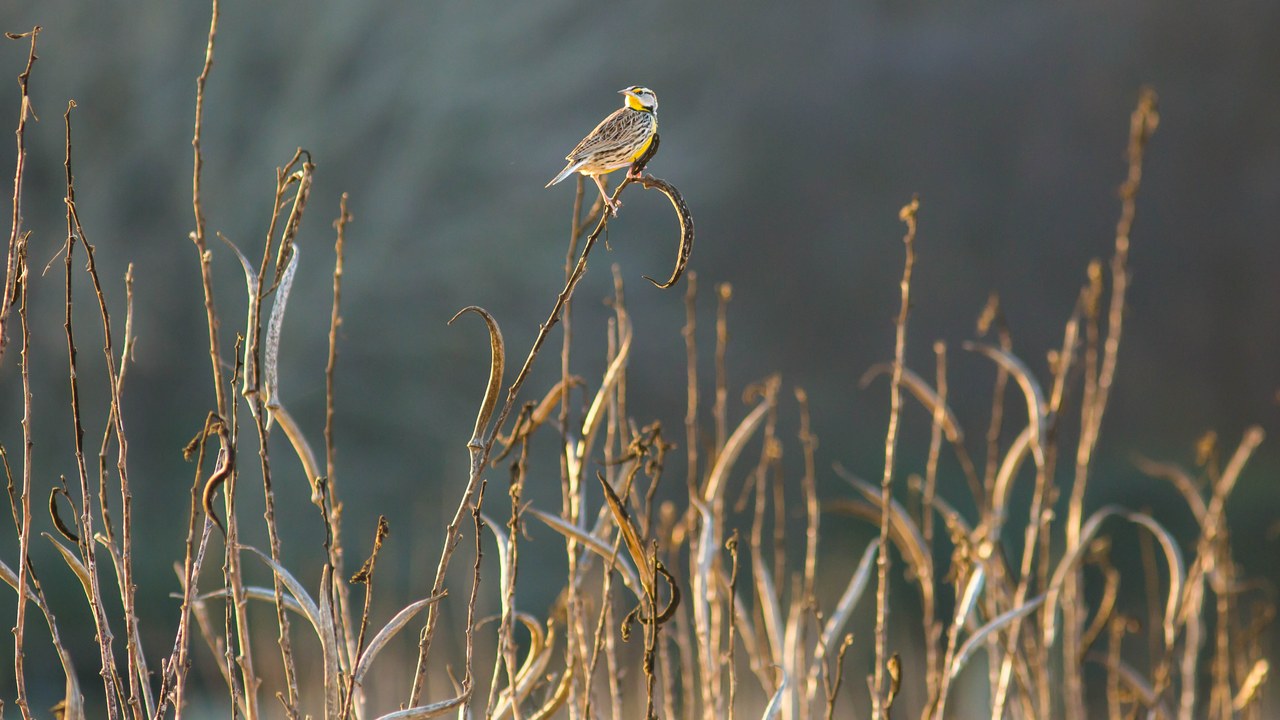
The eastern meadowlark has suffered a 71 percent decline in 40 years, per Audubon’s decades-long comparison. Its flute-like song was once a standard sound of hayfields and pastures.
Meadowlarks need open grassland, and as fields are developed, mowed early or converted to other uses, nesting success suffers. The loss tracks a wider story of grassland birds falling faster than most other groups. Delaying hay cutting until after nesting is one measure often suggested to landowners.
8. Rufous hummingbird: A Tiny Traveler
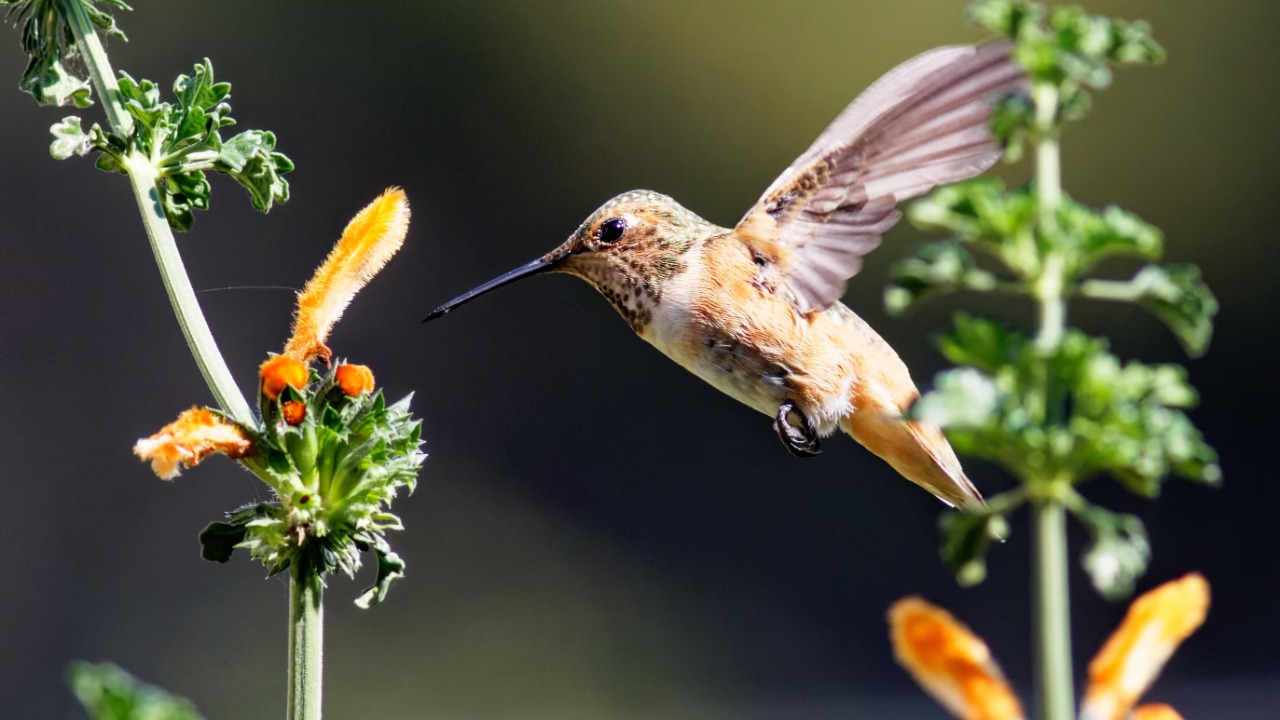
The rufous hummingbird has fallen 58 percent in 40 years, according to Audubon’s common-birds findings. It is a feisty western species that makes one of the longest migrations of any hummingbird for its size.
Hummingbirds are tiny and hard to count, yet the signal here is strong. Garden plantings and feeders may help at the margins, though the larger pressures lie in habitat and conditions along the route. A drop of this size in a species so small is a strong warning signal.
9. Northern pintail: Duck in Trouble
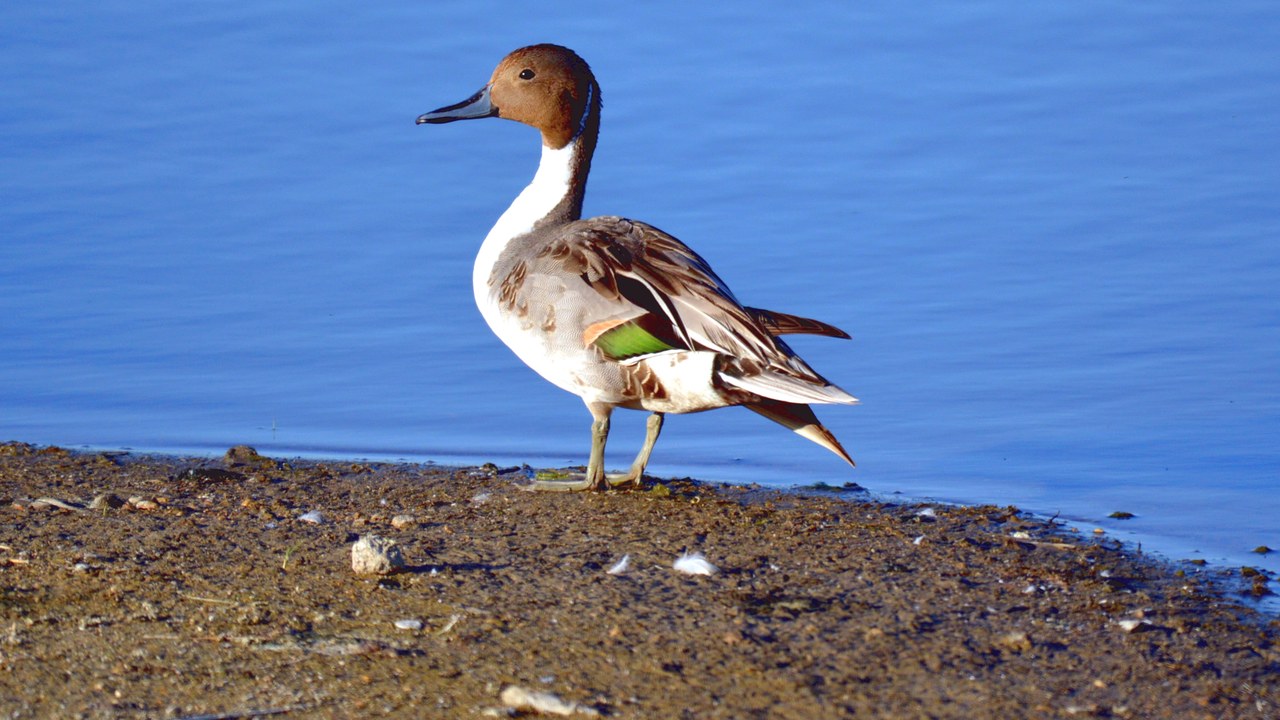
The northern pintail shows a decline of nearly 78 percent in the continental United States over 40 years, according to a ScienceDaily report on the Audubon analysis. It is an elegant, long-necked duck of open wetlands.
Pintails depend on shallow prairie wetlands for breeding, so draining and converting that habitat hits them hard. Duck hunters and conservation groups alike have watched the decline closely for years. The figure shows how a bird that once seemed abundant can lose most of its population within a single human lifetime.
10. Common tern: Shoreline Colonies
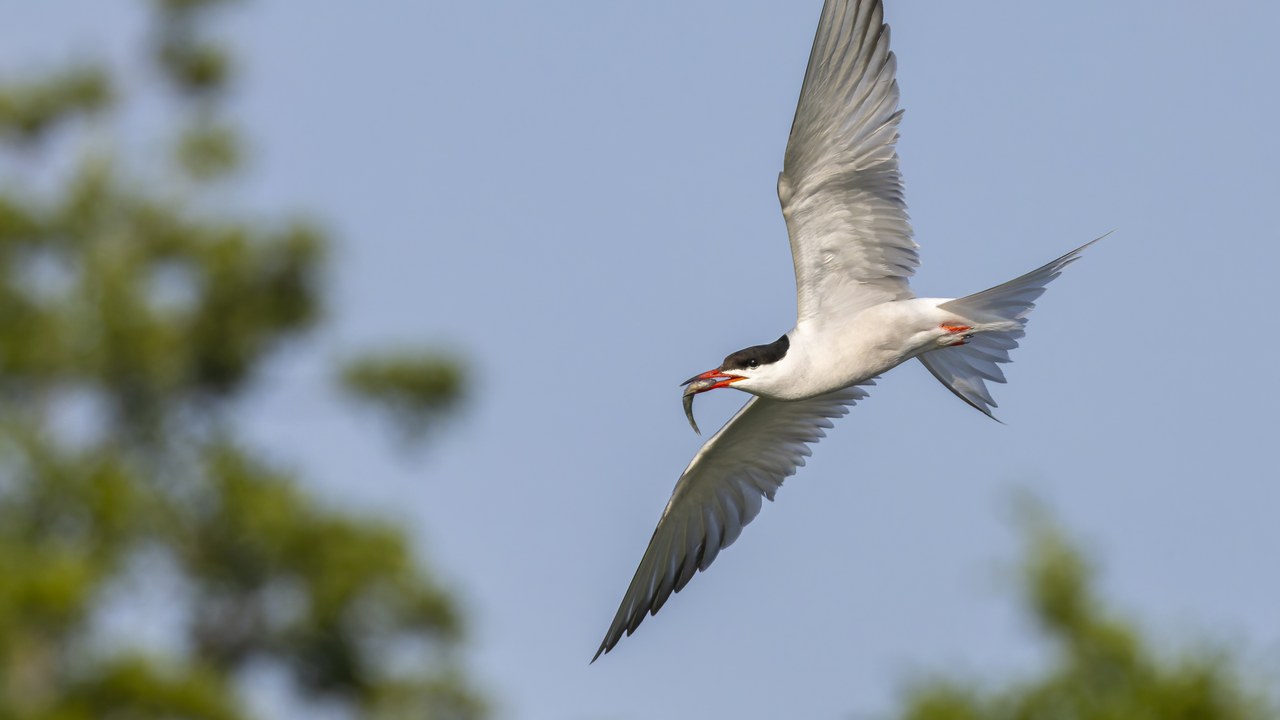
The common tern is down as much as 70 percent in unmanaged colonies over 40 years, per the same news summary. The qualifier matters, since the steepest losses were in colonies left without protection.
Terns nest on beaches and islands, where people, predators and storms threaten eggs and chicks. The finding hints that active management of nesting sites can make a real difference for shorebirds. Posting signs, limiting disturbance and controlling predators are among the steps managers use at such sites.
11. Eastern whip-poor-will: Voice of the Night
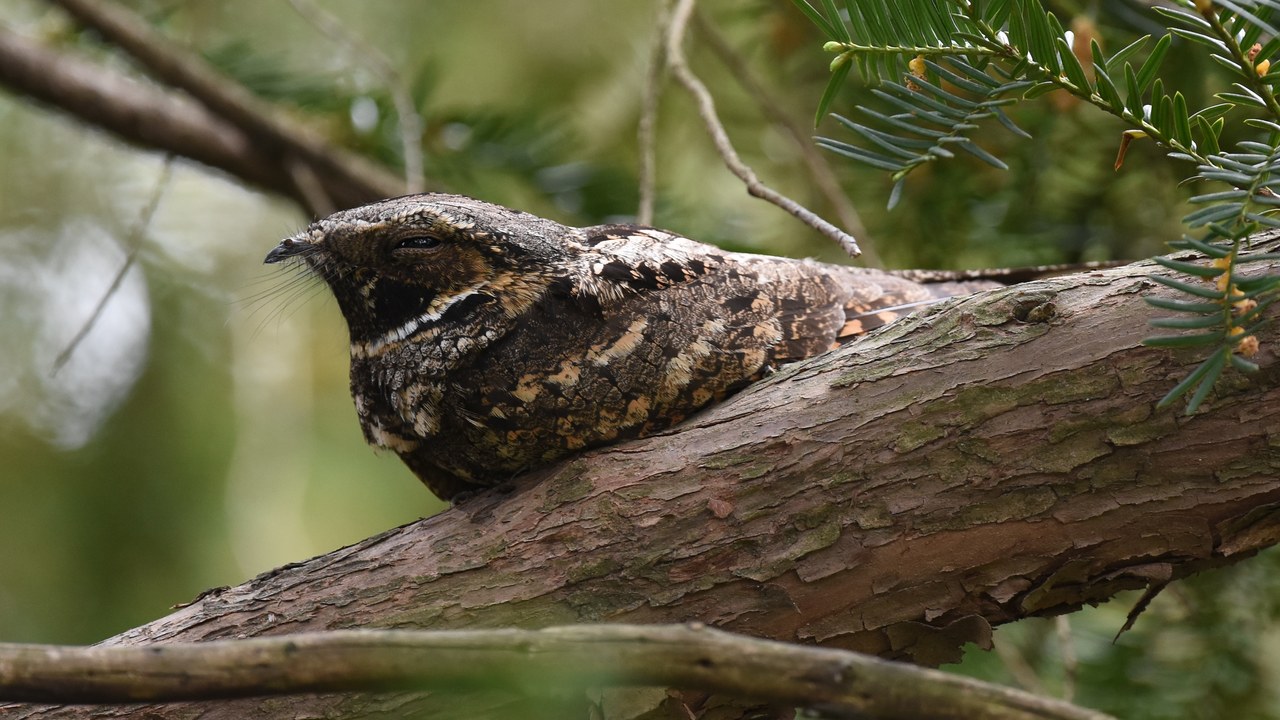
The eastern whip-poor-will, known for its nighttime call, fell 57 percent in 40 years, according to another ScienceDaily item. The bird is more often heard than seen.
Its repeated call once carried through woodland on summer nights across the east. Because it is hard to survey and rarely seen, the drop is easy to miss until the sound grows noticeably scarcer. Many people only realize the sound is gone when they recall hearing it as children and no longer do.
12. Chimney swift: Sky Swimmer
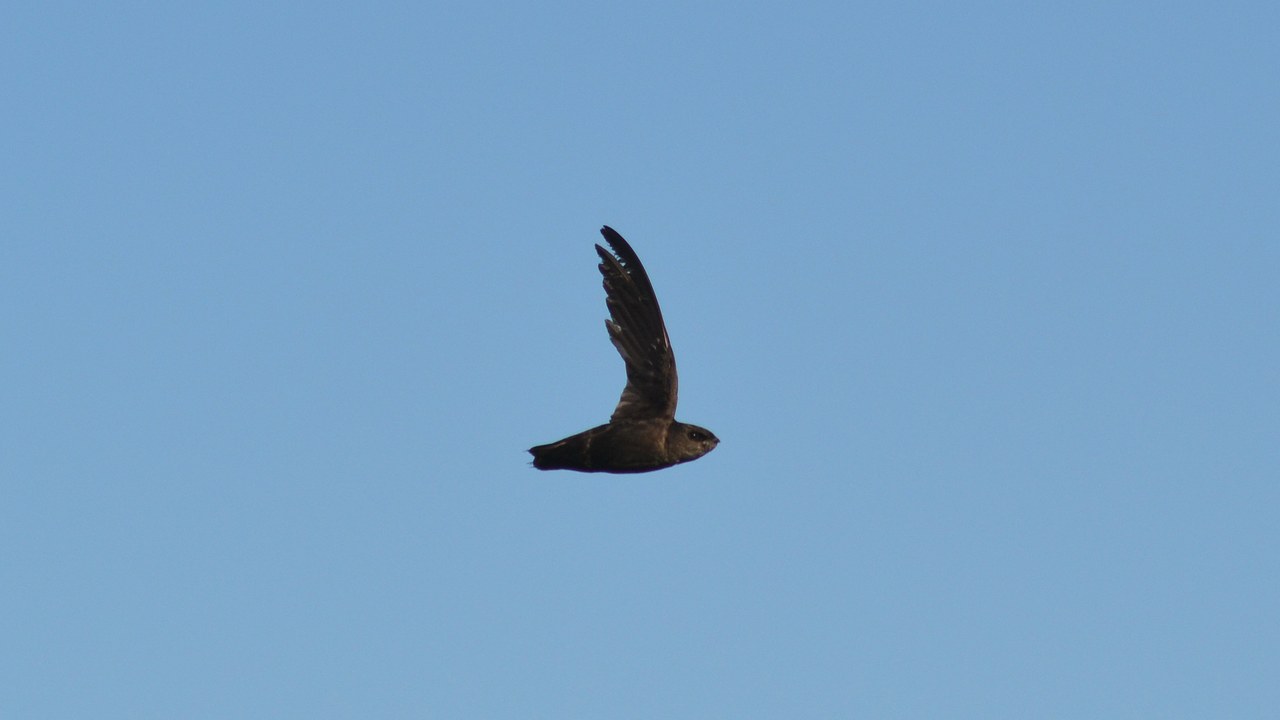
The chimney swift is named first among the 112 tipping point species in the 2025 State of the Birds report, as about a third of species (229) are now of conservation concern. It is a small, fast flier that roosts in chimneys.
The swift’s inclusion shows that decline reaches beyond rare birds to familiar neighbors. Tipping point means a species that could slide toward endangered status without action, so the label is a call for attention.
The day in tech, in one email: Get TLDR →
We may earn a commission if you sign up.
More from Morning Overview
- Long use of a common prostate pill is tied to a higher chance of glaucoma
- Ford is recalling 223,472 F-150 pickups because the fuel tank can leak or detach
- Hybrids have 15% fewer problems than gas cars, while EVs and plug-in hybrids have about 80% more, Consumer Reports finds
- Regulators cleared the first U.S. small modular reactor, 4 months early
