
The Depression years produced some of the most extreme and most influential American automobiles ever built. Affordable V-8 power reached ordinary buyers while coachbuilt multi-cylinder giants served the wealthy and streamlined experiments pointed toward the future. Here are ten cars that shaped the decade, spanning the people’s V-8 to the supercharged luxury flagships.
AI, explained every day: The Deep View is the go-to daily newsletter for 600,000+ founders, knowledge workers and professionals who want to stay up to date with artificial intelligence.
We may earn a commission if you sign up.
1. 1932 Ford V-8: The People’s V-8
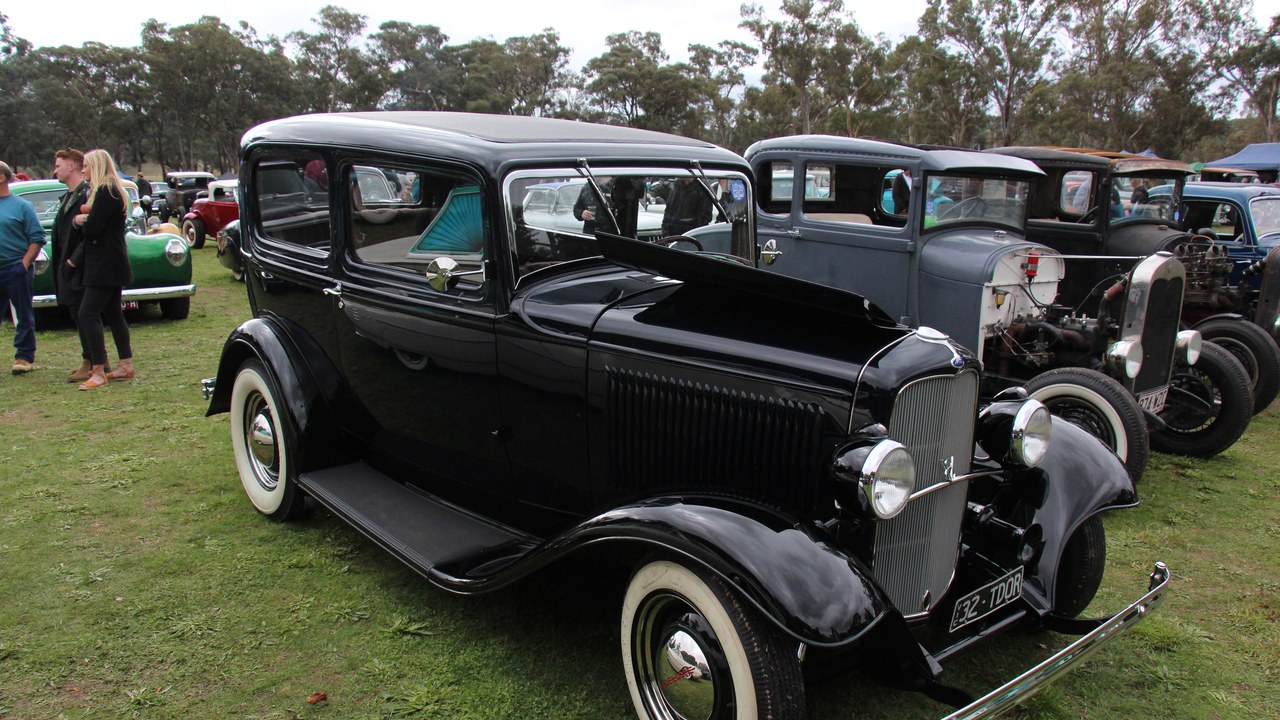
Ford’s 221-cubic-inch flathead V-8 made 65 horsepower in the 1932 car, which listed at $600, according to The Henry Ford’s collection record. The engine stayed in production until 1953.
The same record notes the car weighed 2,483 pounds, a light load for that engine and a big part of its appeal. The record also puts the car at 106 inches between the axles. Few automotive designs lasted as long, and the V-8 gave working buyers eight-cylinder performance at a price once reserved for far costlier machines.
2. Duesenberg SJ: Supercharged Excess
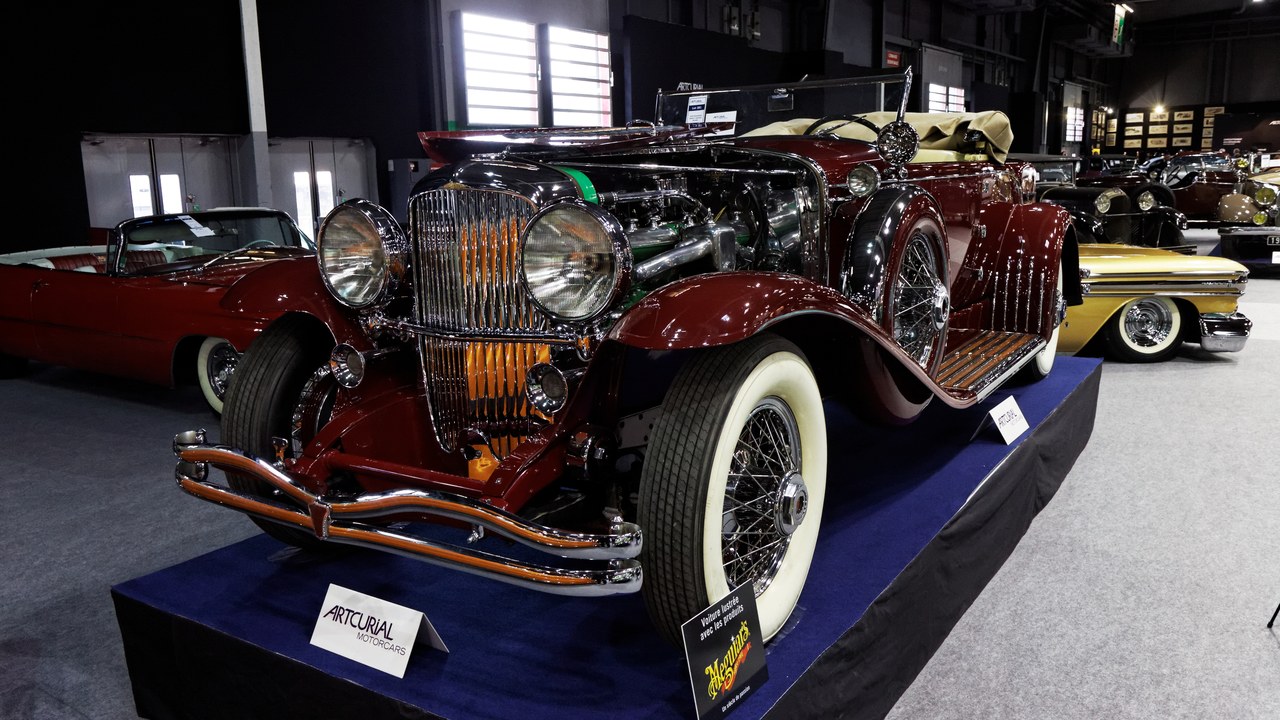
The supercharged Duesenberg SJ developed 320 horsepower, a figure American Heritage’s greatest cars essay attached to a centrifugally supercharged engine. The same essay says it was reputed to reach 100 mph from a standstill in 17 seconds.
The standard Duesenberg J of 1928 made 265 horsepower, so the SJ added a large step on top of an already enormous engine. It remains the benchmark for Depression-era excess, built for buyers whose fortunes seemed untouched by the economy. Few of its rivals could match that output, which is why the SJ still anchors any conversation about the decade’s most powerful production cars.
3. Cadillac V-16: Sixteen Cylinders, Coachbuilt
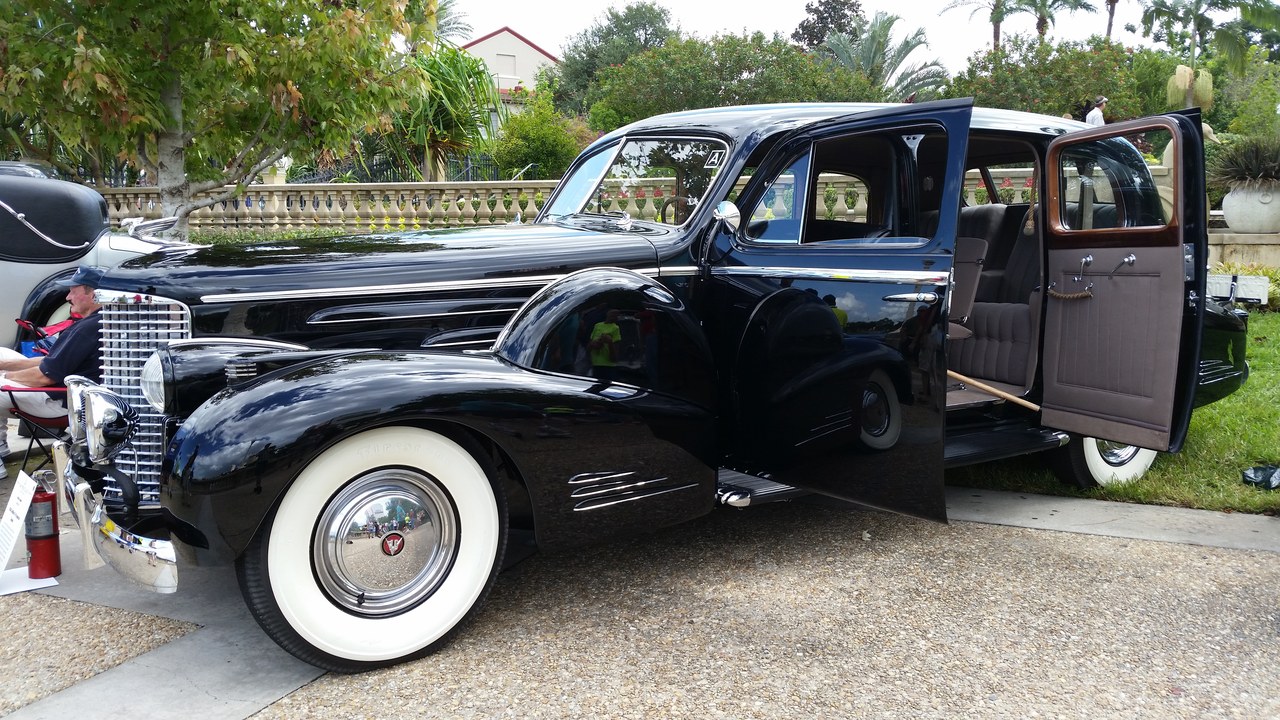
Fleetwood built the bodies, and Harley Earl styled the V-16 Cadillac, which produced 185 horsepower in 1934, as American Heritage’s essay on American cars recounts. The V-12 version made 35 horsepower less.
Sixteen cylinders turned the car into a statement about status during an era of economic hardship. A related Aerodynamic Coupe on a 154-inch wheelbase was built in only eight examples between 1934 and 1937, which shows how exclusive the top end of the range was. Engineers and stylists were given unusual freedom, and the result was a car that few people ever saw on the road.
4. Packard Twelve: Packard’s Twelve
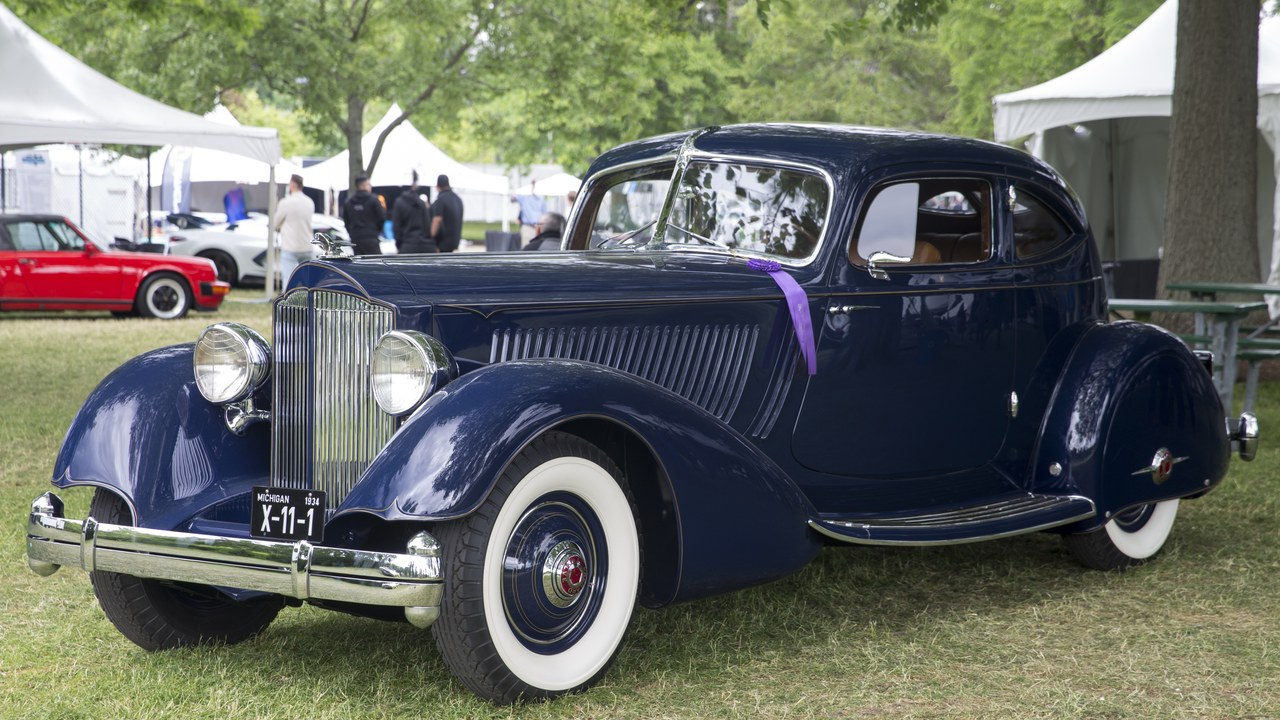
The 1932 Packard V-12 made 160 horsepower and could run near 100 mph, and American Heritage’s Packard entry says it sold for $3,650 to $7,950 across ten body styles. The range of bodies let buyers tailor the car to taste.
Those prices were many times the cost of a Ford. The Packard Twelve represented the conservative alternative to Cadillac’s sixteen, aimed at buyers who valued quiet refinement and engineering substance over theatrics. Its ten body styles also meant a dealer could match almost any taste, from a formal sedan to something more sporting, within a single model line.
5. Lincoln KB: Dust-Free Delivery
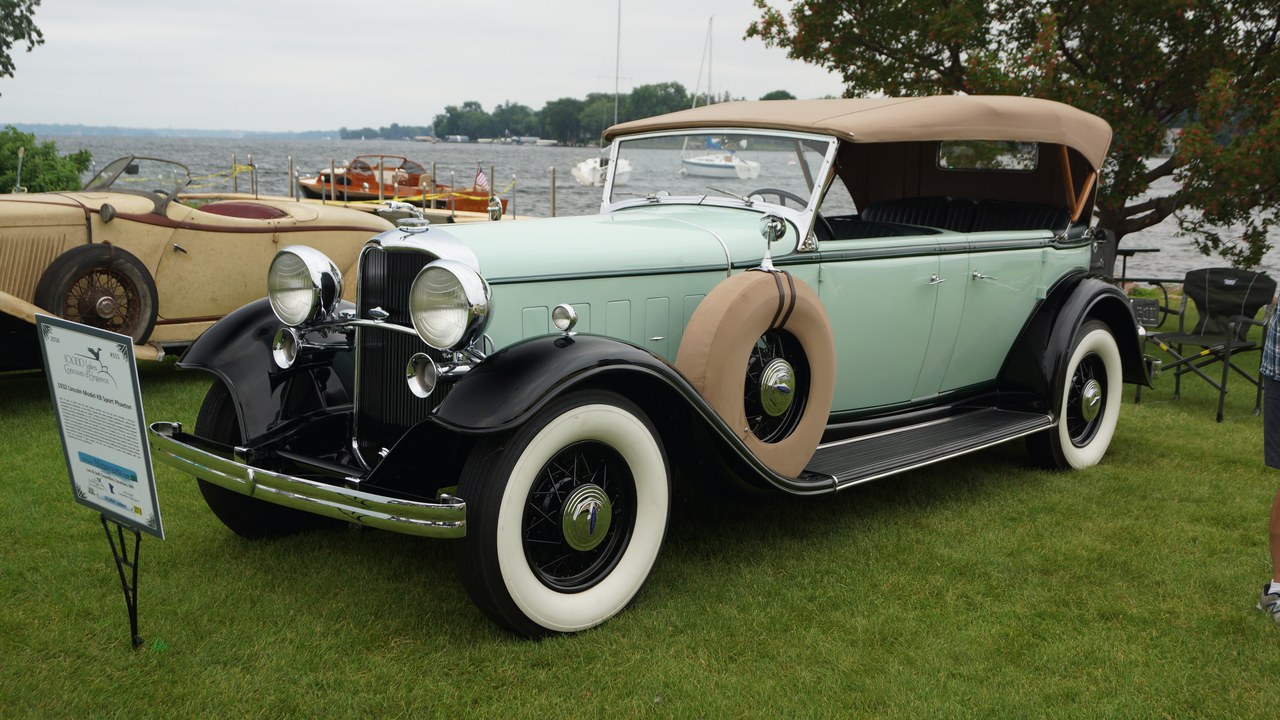
Lincoln’s giant V-12 cars of the era left the factory wrapped in a dust-free paper bag, a detail noted by American Heritage’s essay. The KB, built around that large engine, was among the most prestigious American cars of the decade.
The packaging shows how carefully the company treated its flagship, which was meant to arrive in showroom condition. For collectors, the K-series cars remain emblems of the era when Lincoln competed directly with Packard and Cadillac at the top of the market.
6. Cord 810: Hidden Lights, Bold Grille
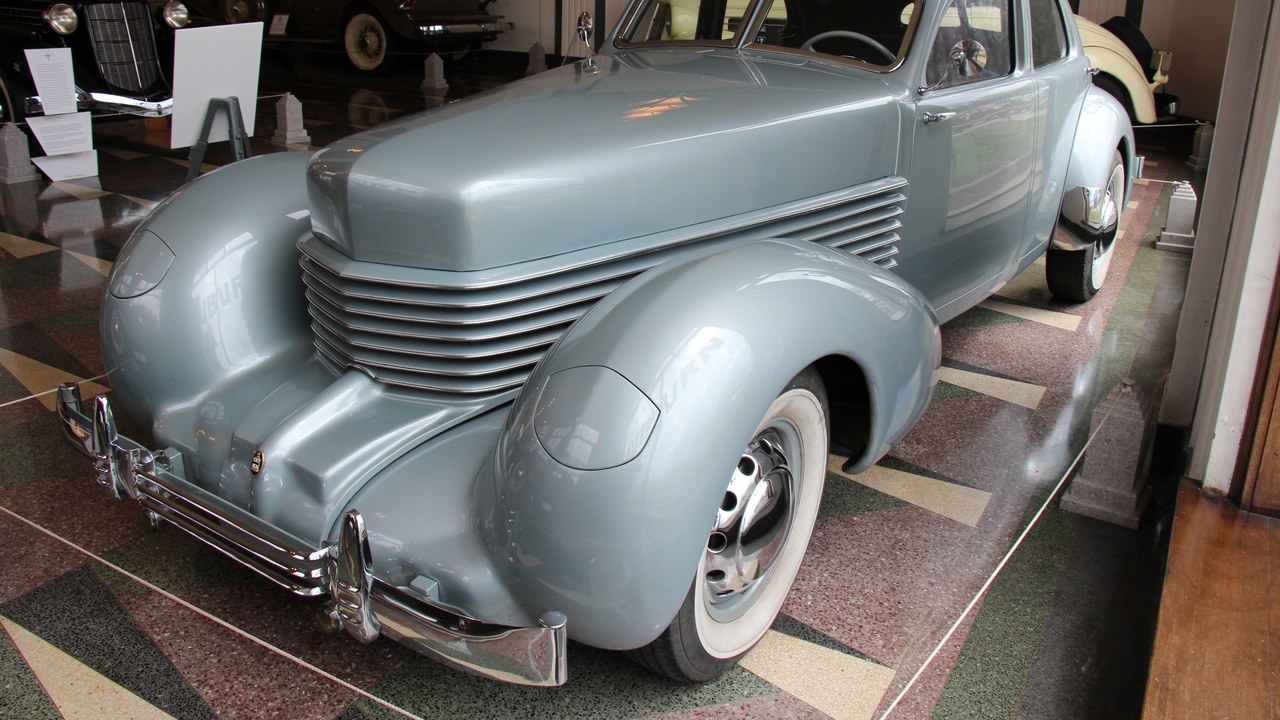
The Cord 810 featured hidden headlights and a louvered ribbon grille, details that were echoed three decades later by the 1966 Oldsmobile Toronado, as Hagerty’s Toronado design history explains. It was a front-wheel-drive design.
The Lycoming-powered car cost roughly $3,000, and a supercharger for the 812 was a $2,000 option, which put the full package well above ordinary family-car money. The company behind it, Auburn Cord Duesenberg, was liquidated in 1937, so a landmark design arrived just as its maker ran out of money.
7. Lincoln-Zephyr: Streamlined for the Middle Class
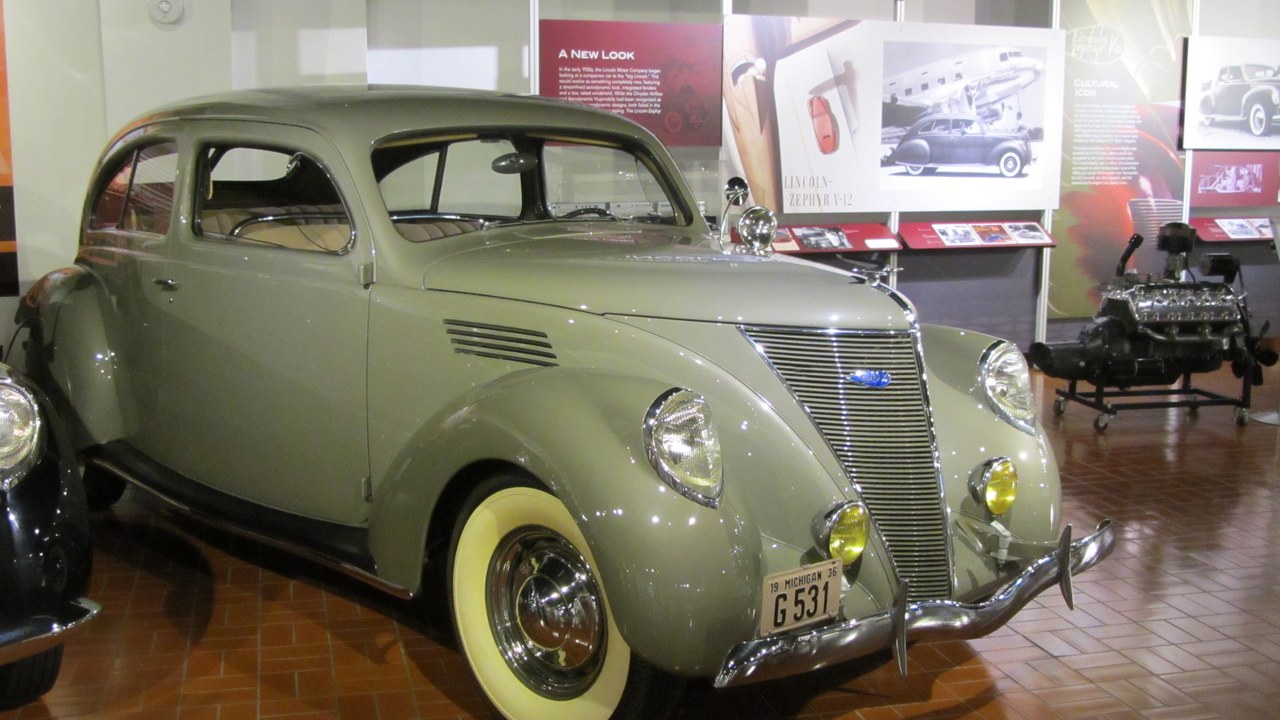
Priced around $1,300 versus the Model K’s $4,000-plus, the Lincoln-Zephyr sold roughly 15,000 in its first model year, over 90% of Lincoln production, according to Jalopnik’s Art Deco cars article. It used a streamlined body in an era of upright sedans, and its low price made that modern look available well beyond the usual luxury crowd.
The Zephyr rescued Lincoln’s business by reaching buyers who could never afford the big V-12 cars. Its numbers also show how quickly the market shifted from handbuilt luxury to affordable style during the decade.
8. Chrysler Airflow: Ahead of Its Time
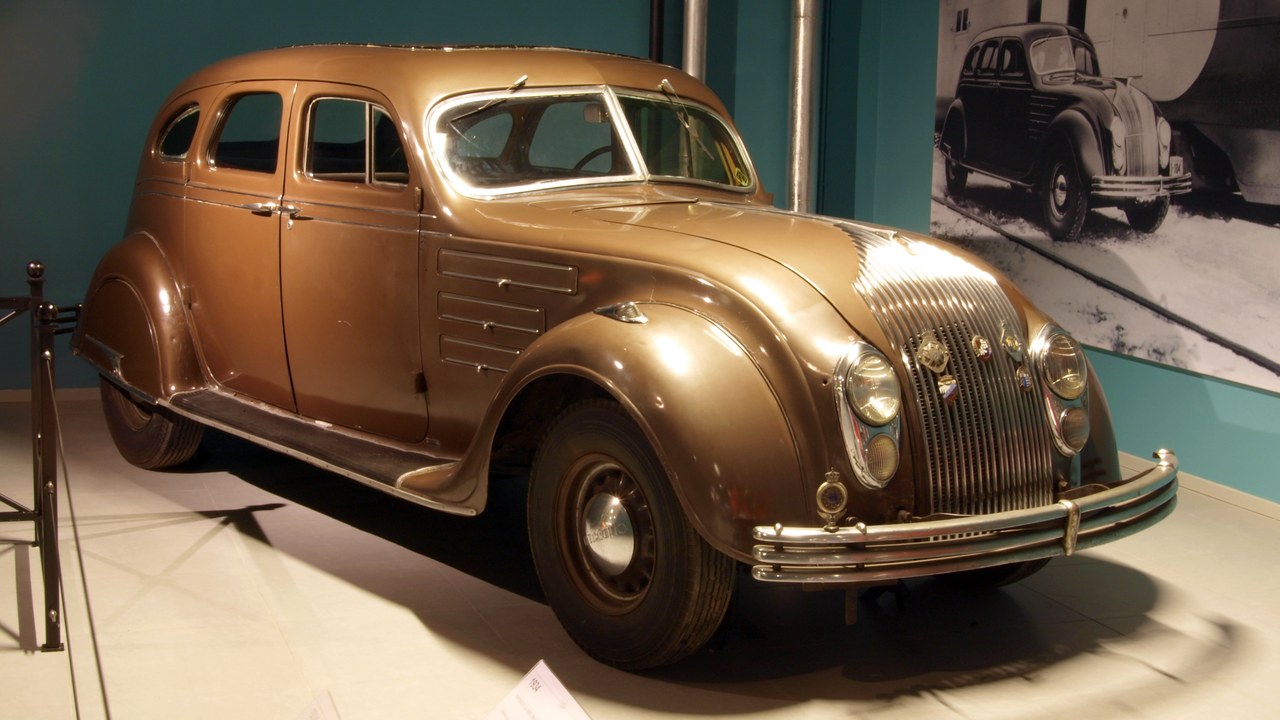
Chrysler sold 10,838 Airflows in 1934 and 7,751 in 1935, and Jalopnik’s Art Deco feature reports that production ended after 1937. The streamlined design was radical for its day.
Sales fell well short of what its engineering deserved, a reminder that being first does not guarantee success. The shape pointed toward the aerodynamic cars that followed, even though the public of the time was not ready to embrace it. The drop from 1934 to 1935 was steep, with 3,087 fewer cars sold in the second year.
9. LaSalle Series 50: Cadillac’s Little Brother
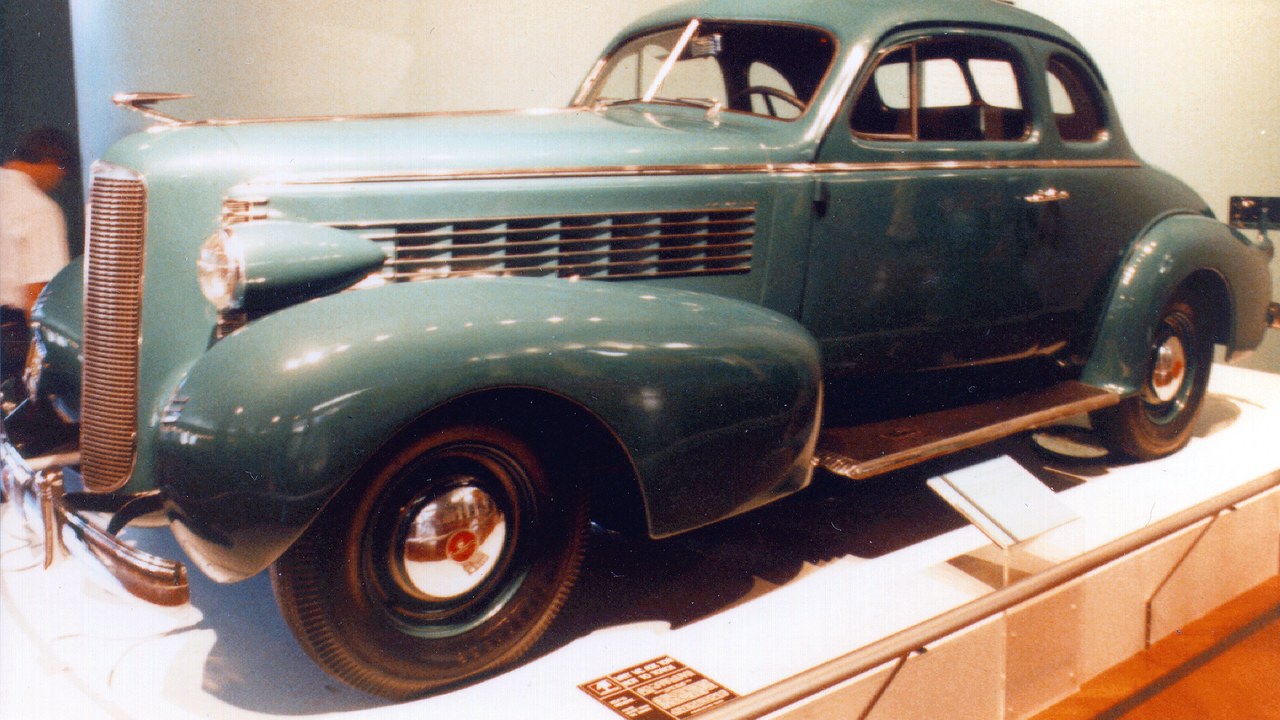
LaSalle sold roughly 32,000 cars in 1937, the marque’s best year, and the Series 50 also paced the 1937 Indianapolis 500, according to Jalopnik’s Art Deco cars piece. The car used a 322-cubic-inch V8.
LaSalle was positioned below Cadillac, offering General Motors styling and a V8 engine at a lower price than its senior sibling. Its peak year proved the formula worked, and being chosen to pace the Indianapolis 500 gave the brand a high-profile showcase in front of a huge crowd of potential customers.
10. Pierce Silver Arrow: Five Built, Five Sold
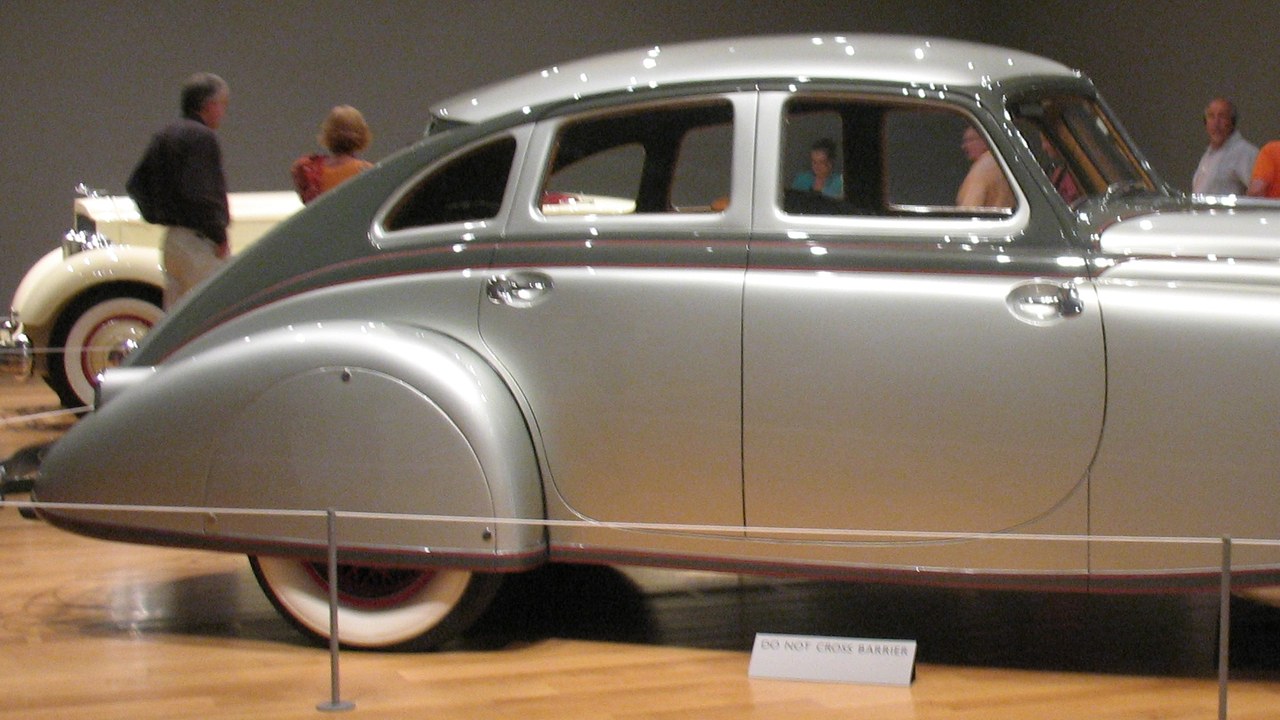
Shown at the 1933 Chicago World’s Fair at $10,000, the Pierce Silver Arrow was a stunning streamliner, and Jalopnik’s feature on Art Deco cars says Pierce-Arrow built five and sold all five. The company lost money on each.
The Silver Arrow shows the risk of building a showpiece in the depths of the Depression. Pierce-Arrow was liquidated in May 1938, and the car is remembered more as a design milestone than as a business success. Each of the five cars was sold, yet the loss on every one shows that even a sold-out run cannot rescue a car priced beyond what it cost to build.
AI, explained every day: Get The Deep View →
We may earn a commission if you sign up.
More from Morning Overview
- Seven of Earth’s nine planetary boundaries are breached, and all seven are worsening
- The NSA says three phone features should be off whenever you aren’t using them
- Hurricane Hunter radar shows four warning signs that a tropical cyclone is about to strengthen, a University of Miami study found
- Tropical Storm Rachel is dumping up to 12 inches on four Mexican states on its way to major hurricane strength
