
Big-city rail terminals were once built to impress, with soaring ceilings, marble halls and clocks meant to announce a city’s ambitions. Many were threatened with demolition or neglect, yet a good number were restored and still handle trains and commuters every day. Here are thirteen stations that remain in service, ranked by neither age nor size alone.
Help yourself and the planet: The Cool Down makes it easy to help yourself while helping the planet, with smart, simple changes to save more and waste less in your everyday life.
We may earn a commission if you sign up.
1. Grand Central Terminal: Platforms Without Equal
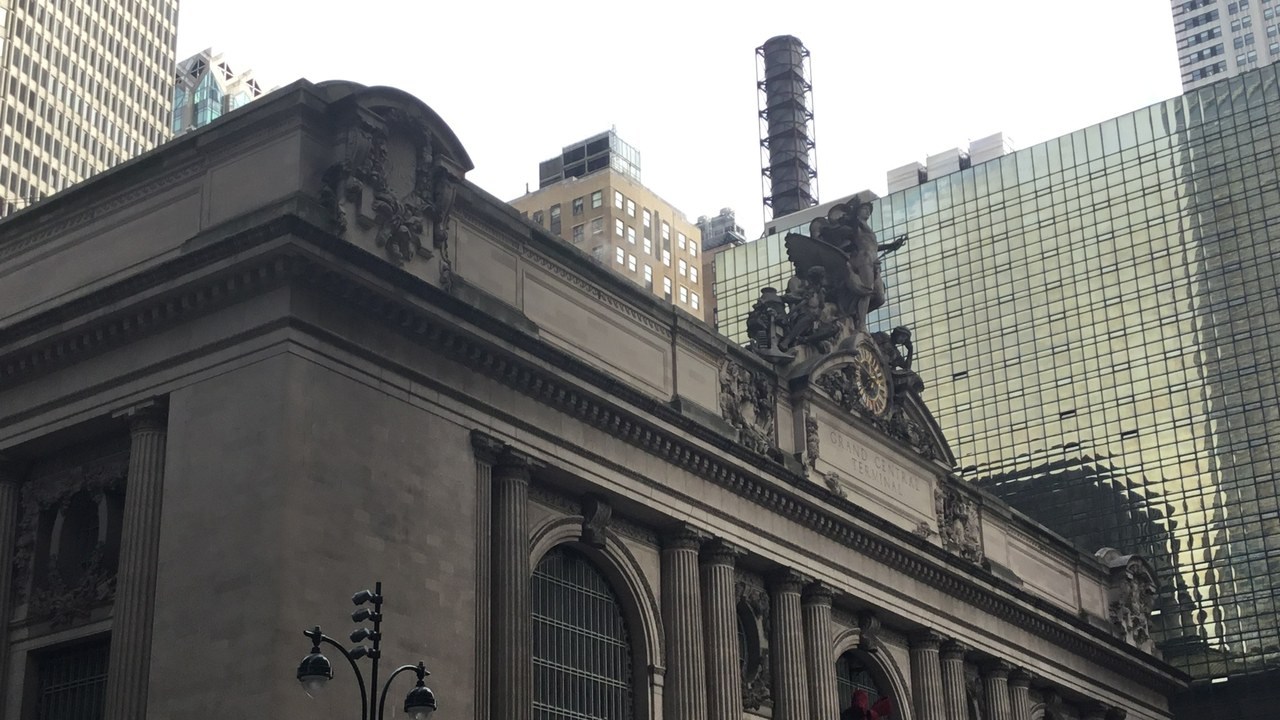
Opened in 1913 with 30 platforms, Grand Central has more platforms than any other station in the world, according to Islands. It also holds the world’s largest Tiffany-glass clock and serves more than 21 million people a year.
The hall measures 275 by 120 feet, so the scale is as notable as the platform count. Visitors passing through on a commute can still see the same main concourse that made the terminal famous.
2. Kansas City Union Station: Third-Largest Hall
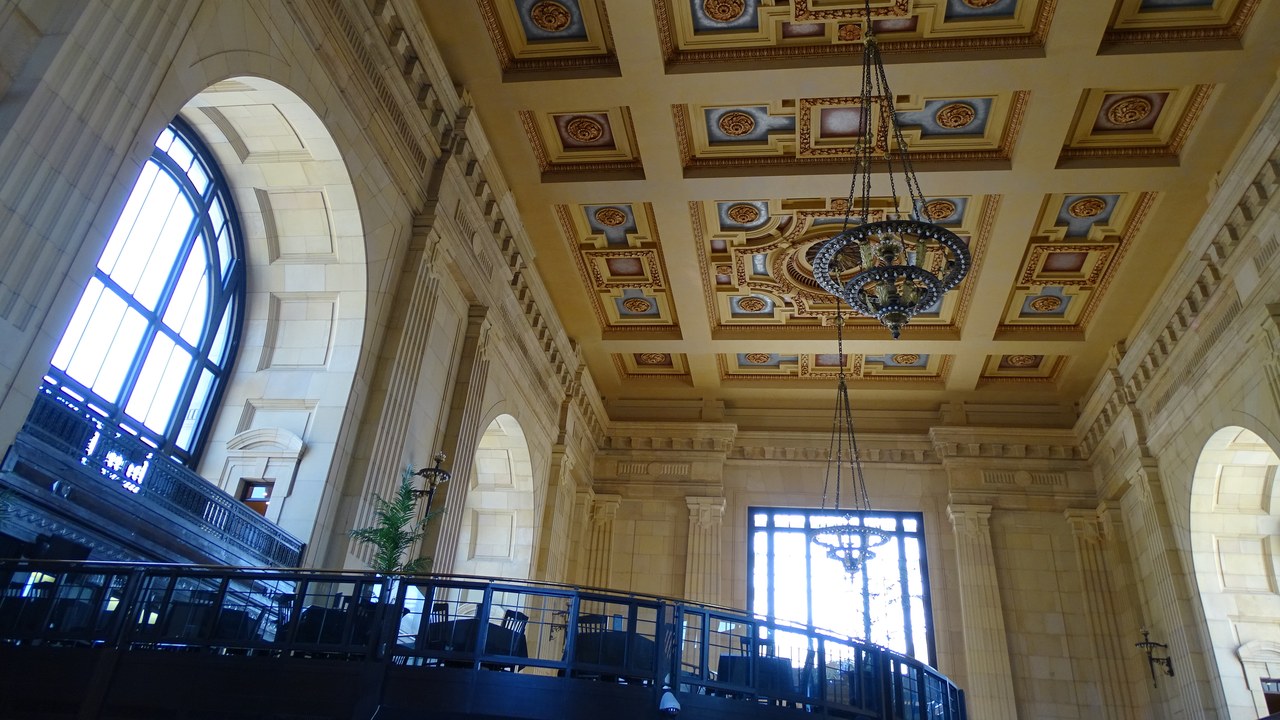
Opened on October 30, 1914, the Missouri station was the third-largest station in the country, with a 95-foot Grand Hall. Passengers peaked at 678,363 in 1945, and a $250 million restoration finished in November 1999.
The building covers 850,000 square feet across ten levels, far more space than current rail service needs. Amtrak still stops there, and the restoration is the reason the interior remains open to visitors. The North Waiting Hall alone was designed for 10,000 people, and three chandeliers weighing 3,500 pounds each hang in the building.
3. Washington Union Station: Capital Gateway
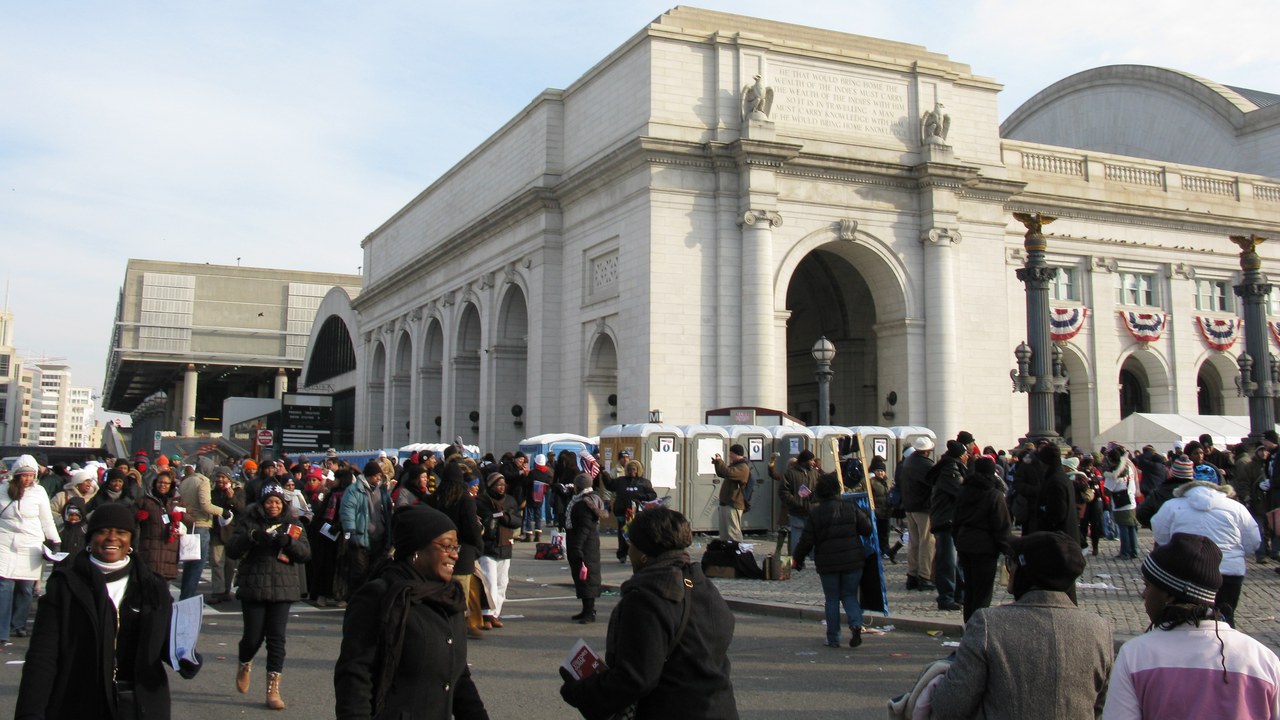
Washington’s station is Amtrak’s second-busiest station, with 6,010,221 riders in fiscal 2025, according to Wikipedia’s ranking. Only New York Penn Station recorded more passengers that year.
The building opened in 1907 and features a 96-foot barrel-vaulted ceiling finished with 22-karat gold leaf. For travelers on the Northeast Corridor, the station combines heavy daily use with a genuinely ornate setting. The station also has a 626-foot loggia, and the 1907 building has outlasted several eras of rail travel.
4. 30th Street Station: Philadelphia’s Busy Hub
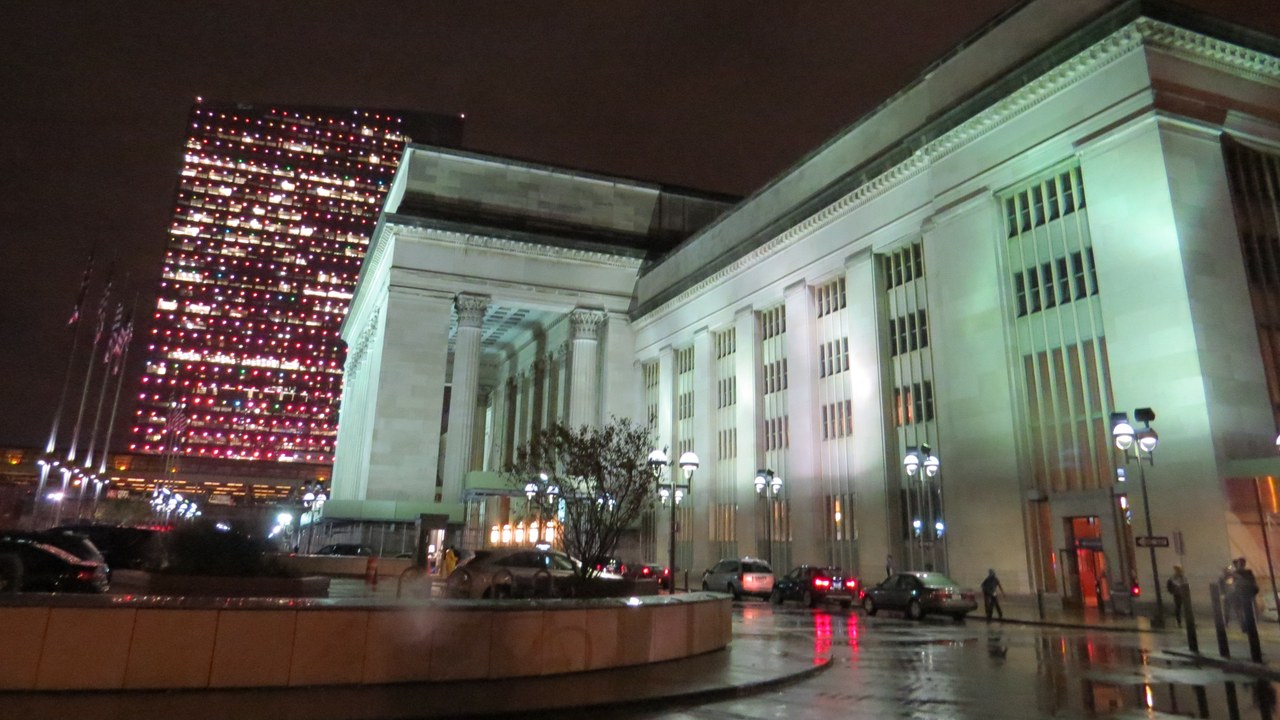
Amtrak’s third-busiest station, Philadelphia’s 30th Street handled 5,586,174 riders in fiscal 2025. That total trails only New York Penn and Washington on the national list.
Its coffered ceilings rise nearly 100 feet, and a renovation costing $75 million ran from 1988 to 1991. Sources disagree on the opening year, so the date is best checked before it is cited. At the time of the Amtrak ranking, only two stations in the country handled more riders.
5. Chicago Union Station: Midwest Rail Crossroads
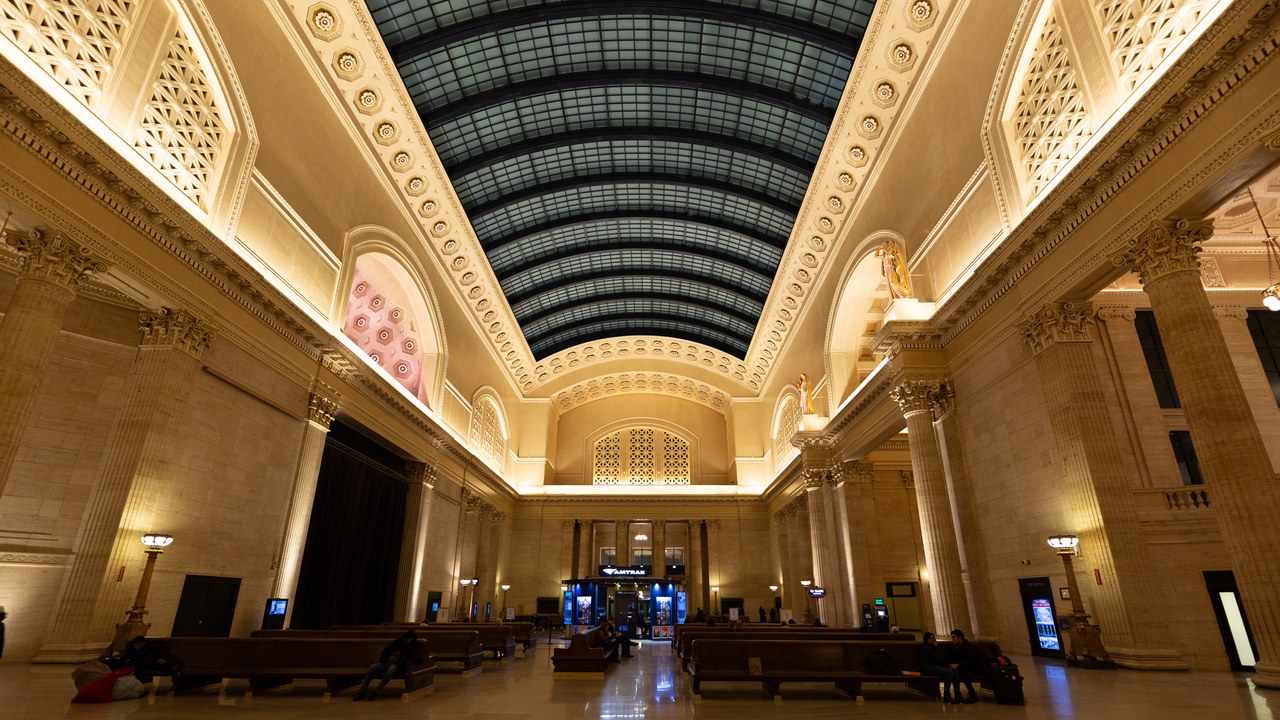
Amtrak’s fourth-busiest station, Chicago Union Station recorded 3,175,856 riders in fiscal 2025. The Burnham-designed building was completed in 1925 and is topped by a 115-foot skylight.
Commuters add to the load, with about 100,000 Metra riders passing through daily. The station is a working hub first and a landmark second, which is part of why its great hall still feels busy. A 2019 renovation costing $22 million, reported by Time Out, updated the passenger areas without changing the historic building’s basic character.
6. Los Angeles Union Station: Mission-Style Gateway
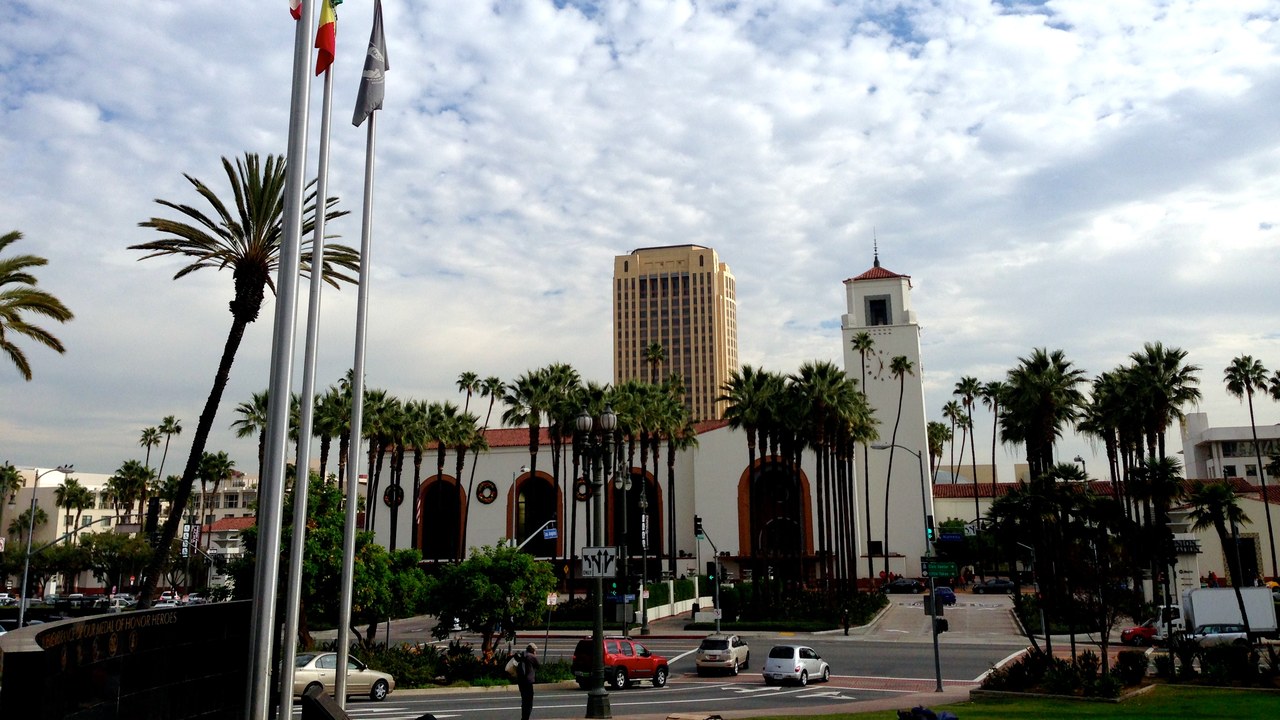
Los Angeles Union Station was Amtrak’s seventh-busiest station in fiscal 2025, with 1,066,614 riders. It opened in 1939 and is known for a 100-foot clock tower.
The station cost $11 million to build, a modest figure compared with some of its Eastern counterparts. Its ridership shows that a terminal from the late streamlined era can still serve a car-dominated region. Amtrak ridership there is a fraction of Washington’s, which shows how much rail traffic varies between the largest cities.
7. Denver Union Station: Beaux-Arts In The Rockies
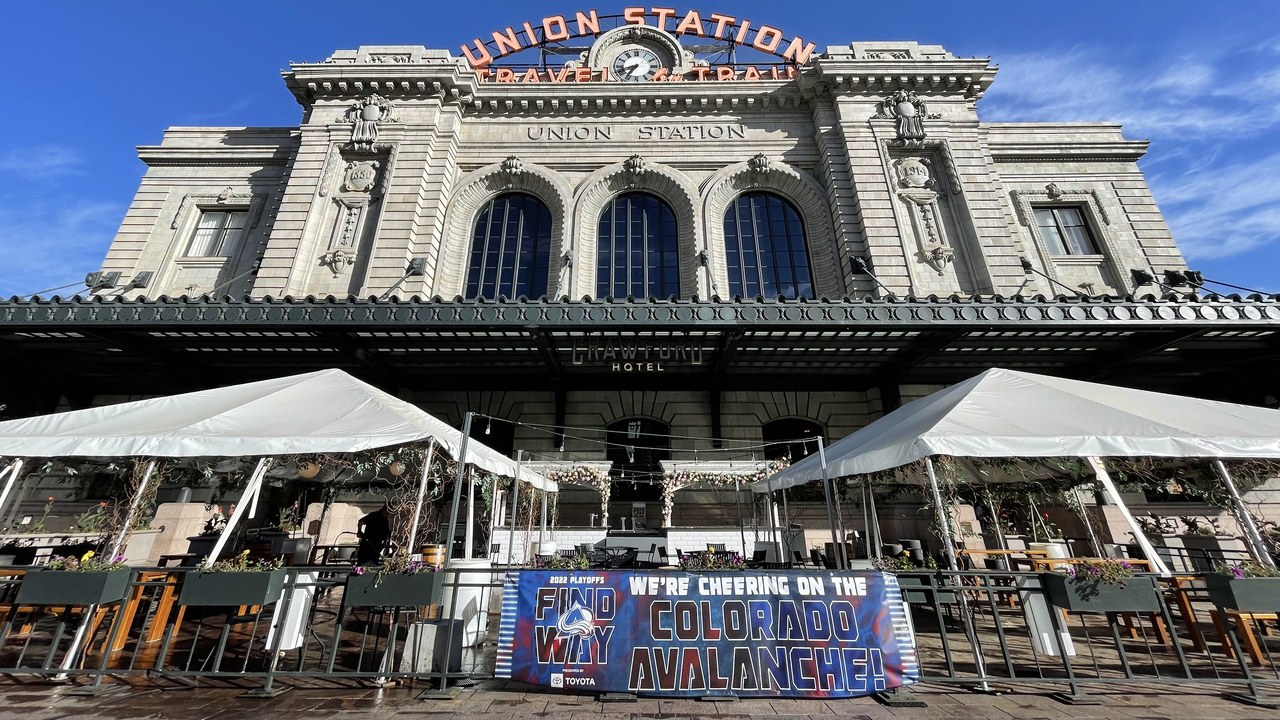
Unveiled in 1914, Denver’s Beaux-Arts station is 880 feet long. It peaked at 50,000 daily visitors in the 1940s, and the building was fully renovated in 2014.
An earlier station opened on the site in 1881, so the current building is the second. Rail passengers can still use the hall today. Rail passengers today use a station that has been carefully updated, and the renovation completed in 2014 preserved the long historic facade.
8. Cincinnati Union Terminal: Art Deco Terminal
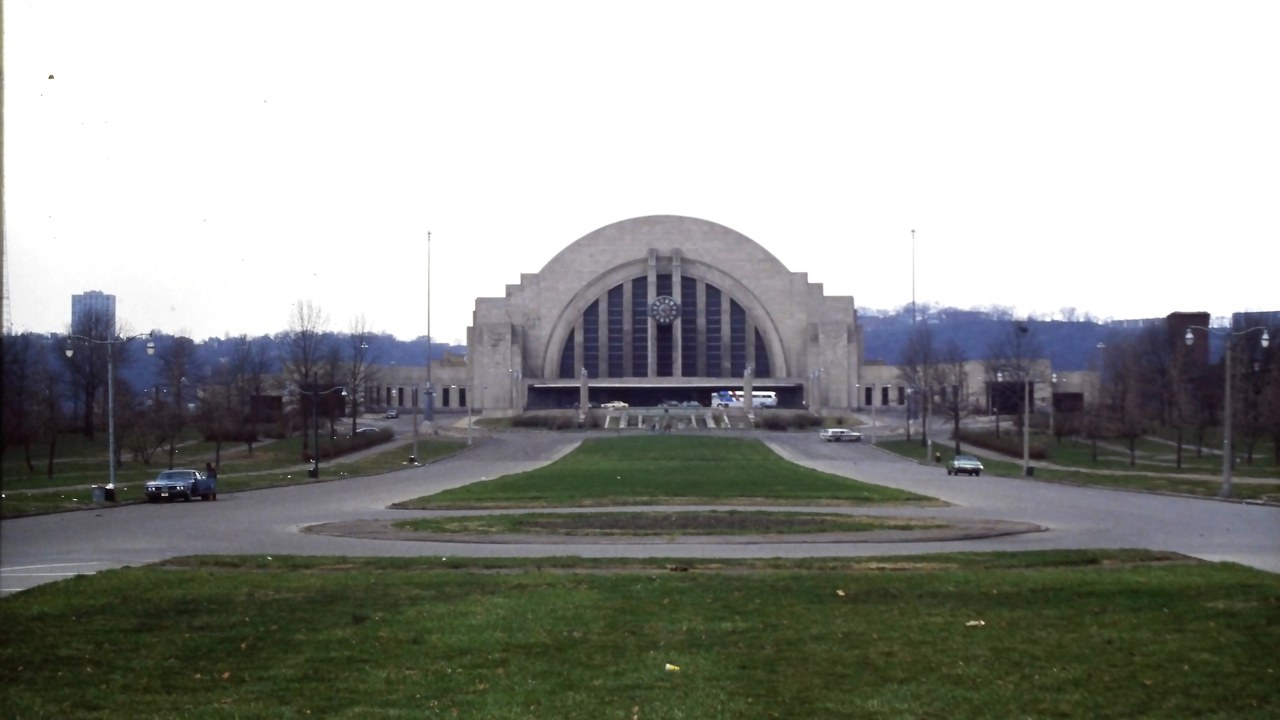
The 1933 Art Deco terminal in Ohio spans 500,000 square feet and reopened after a $228 million renovation completed in 2018. It originally cost $41 million to build.
The project shows what it takes to keep a very large Depression-era building useful. Rail passengers share the space with other uses, so the terminal now functions as more than a train station. Visitors who arrive by train get an Art Deco interior that was designed in the 1930s and preserved through the long renovation.
9. King Street Station: Italianate Seattle
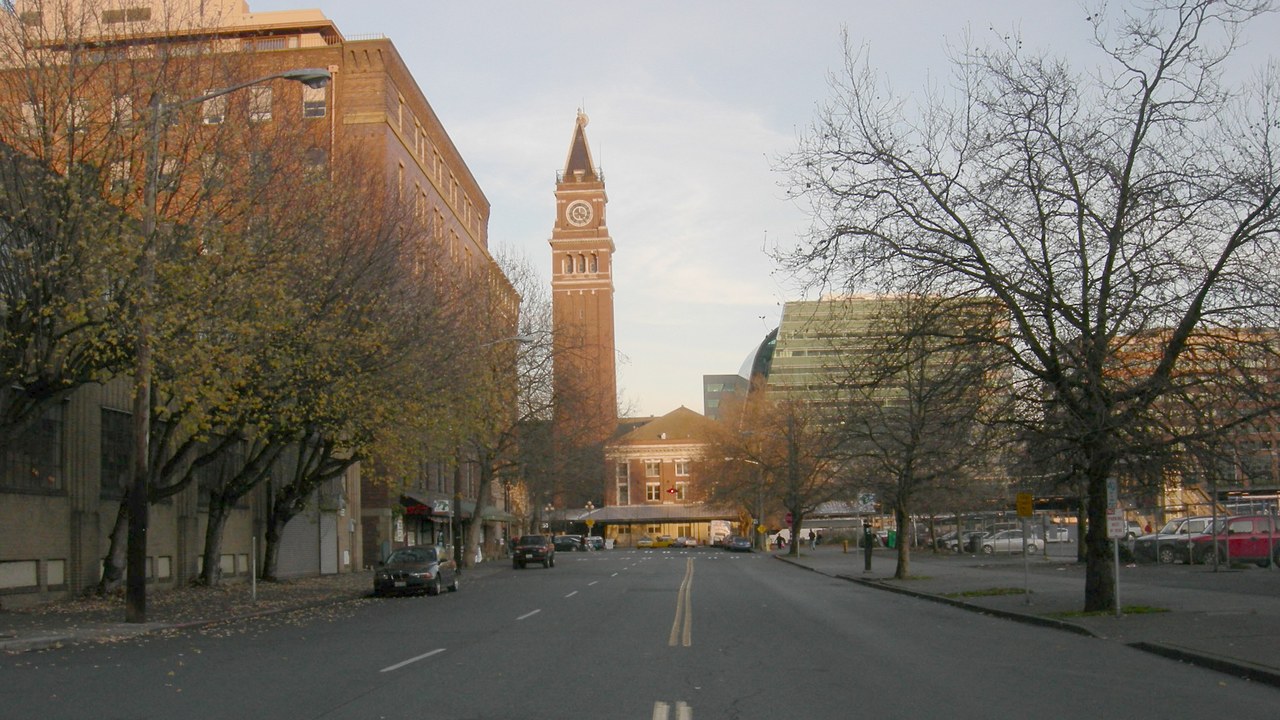
Built between 1904 and 1906 in the Railroad Italianate style, Seattle’s station received a $56 million revamp that was unveiled in 2013 after 15 years of work. The project returned the building to its early appearance.
The long timeline is a useful caution for other preservation efforts, since restoring a century-old station rarely goes quickly. Passengers still board there, and the finished work has been a draw on its own.
10. Moynihan Train Hall: New Hall, Old Station
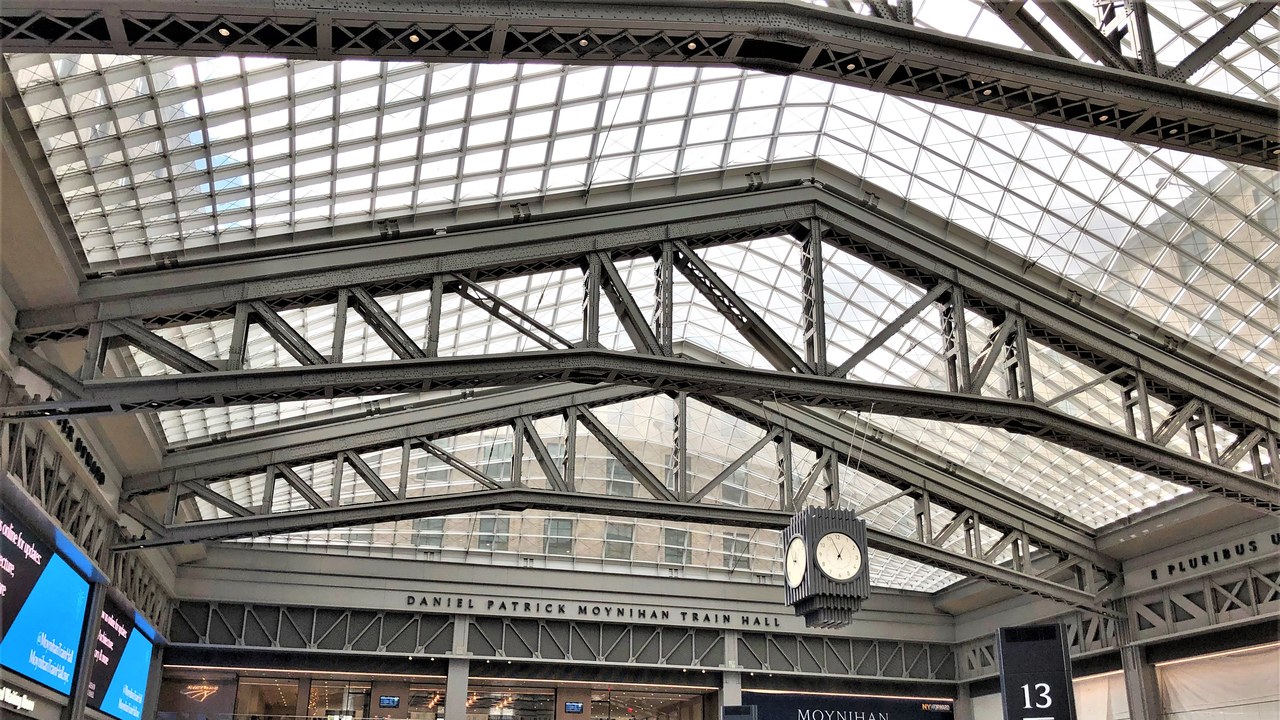
Opened in 2021, the hall features a 92-foot skylight across a 255,000-square-foot space and gave Penn Station 50% more capacity.
The addition matters because New York Penn is Amtrak’s busiest station, with 13,037,414 riders in fiscal 2025. The new hall shows that a modern train station can still be designed as a grand public room. Travelers who use Penn Station gain the benefit of extra room and natural light that the older concourses lacked.
11. South Station: Boston’s Rail Hub
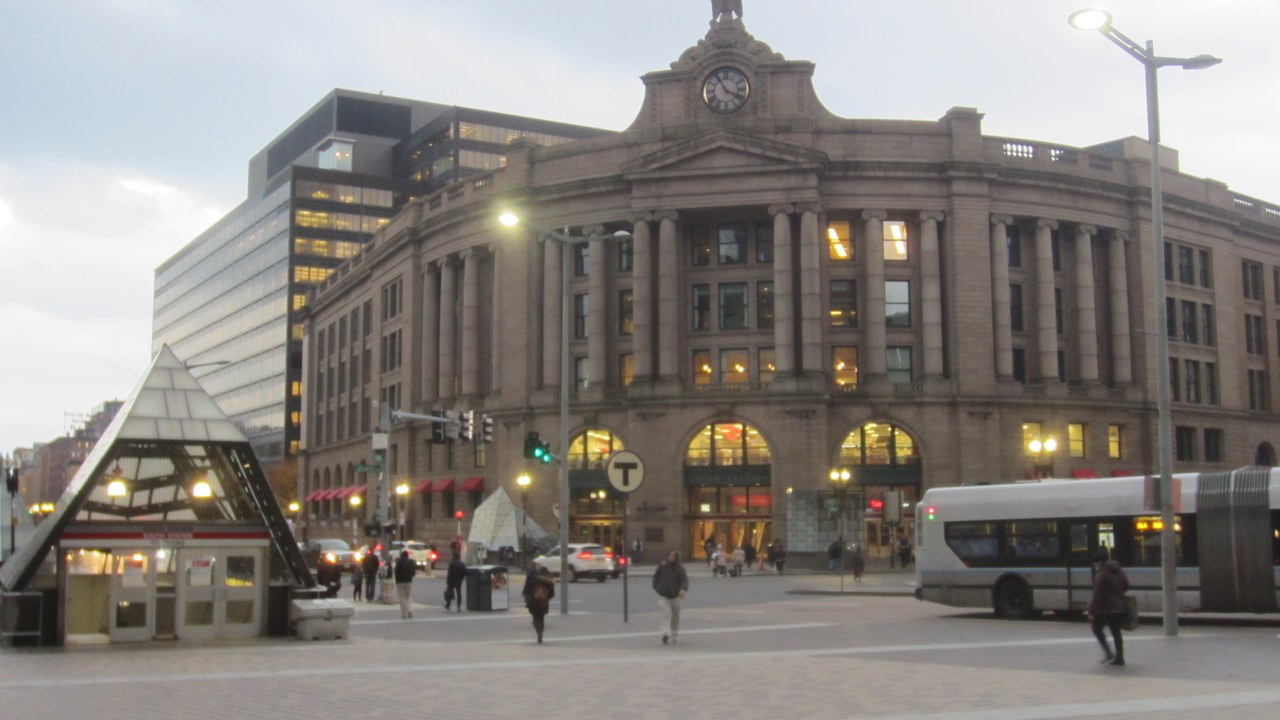
South Station opened in 1898 and was originally built to serve five rail systems, per Time Out. In fiscal 2025 it recorded 1,884,275 Amtrak riders, fifth on the national list.
The ridership figure covers only Amtrak, so the commuter traffic is a separate and larger story. A century later, the station remains the main rail gateway into downtown Boston. Its age makes it one of the oldest stations on this list, with only Grand Central and a few others from the early twentieth century close in era.
12. Baltimore Penn Station: Classic Baltimore Beauty
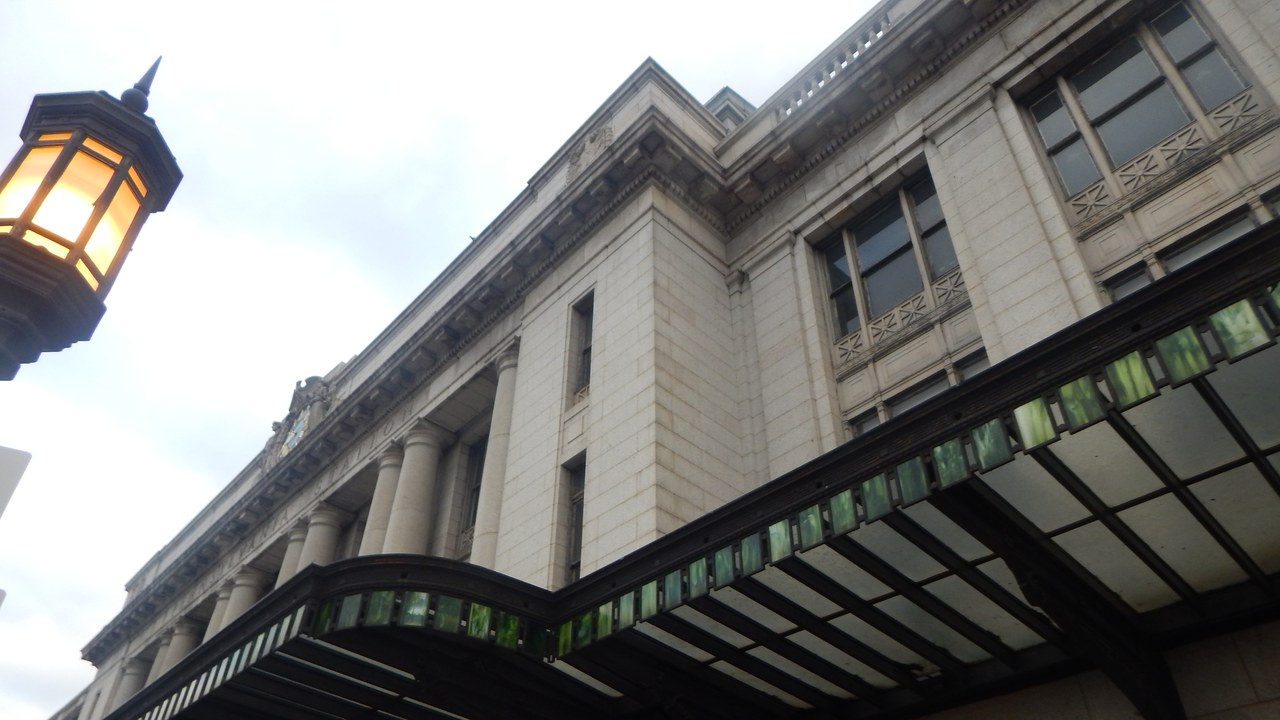
Built in 1911, Baltimore Penn Station is the kind of lovely station of classic beauty that Time Out highlights among American terminals. It recorded 1,333,185 Amtrak riders in fiscal 2025, sixth on the national list.
The ridership places it ahead of Los Angeles on Amtrak’s own ranking. That makes it a practical Northeast Corridor stop in addition to an architectural one, and the building suits both roles. Fiscal 2022 figures in Time Out’s guide were lower, at 838,591 riders, so the station’s traffic has grown since then.
13. New Haven Union Station: Connecticut Waiting Room
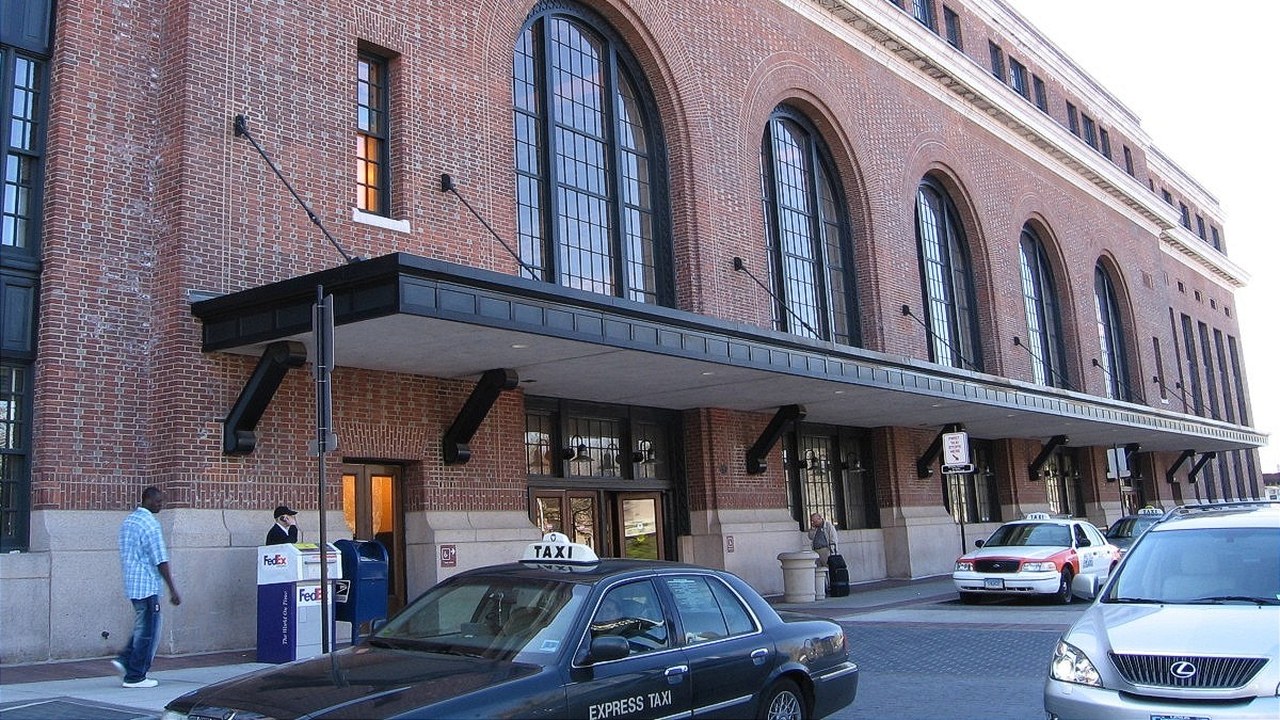
Opened in 1920, New Haven’s station is known for a waiting room under 35-foot ceilings, as Time Out notes. It handled 617,119 Amtrak riders in fiscal 2022, according to the same guide.
That ridership figure is dated and comes from an older year than the other numbers here. Even so, the station remains a standard stop for travelers heading between New York and Boston. Albany-Rensselaer, with 920,779 riders in fiscal 2025, also appears on the national list, but New Haven’s figure here comes from a different year.
Help yourself and the planet: Get The Cool Down →
We may earn a commission if you sign up.
More from Morning Overview
- Tropical Storm Rachel is dumping up to 12 inches on four Mexican states on its way to major hurricane strength
- The FTC says Lens.com doubled the price shoppers saw in Google ads
- Common allergy, bladder and sleep pills tied to sharply higher dementia odds
- NOAA now gives this winter a 75% chance of the strongest El Nino since 1950
