
Most spiders found indoors and in yards are harmless to people, yet fear tends to treat every web and scuttle as a threat. University extension services sort the common species by what their venom can actually do. Here are ten household and garden spiders that separate the medically important pair from the rest.
Tech news in one quick read: Get the most interesting stories in startups, tech and programming, each with a short TLDR, in one daily email from TLDR.
We may earn a commission if you sign up.
1. Black widow: Hourglass Means Caution
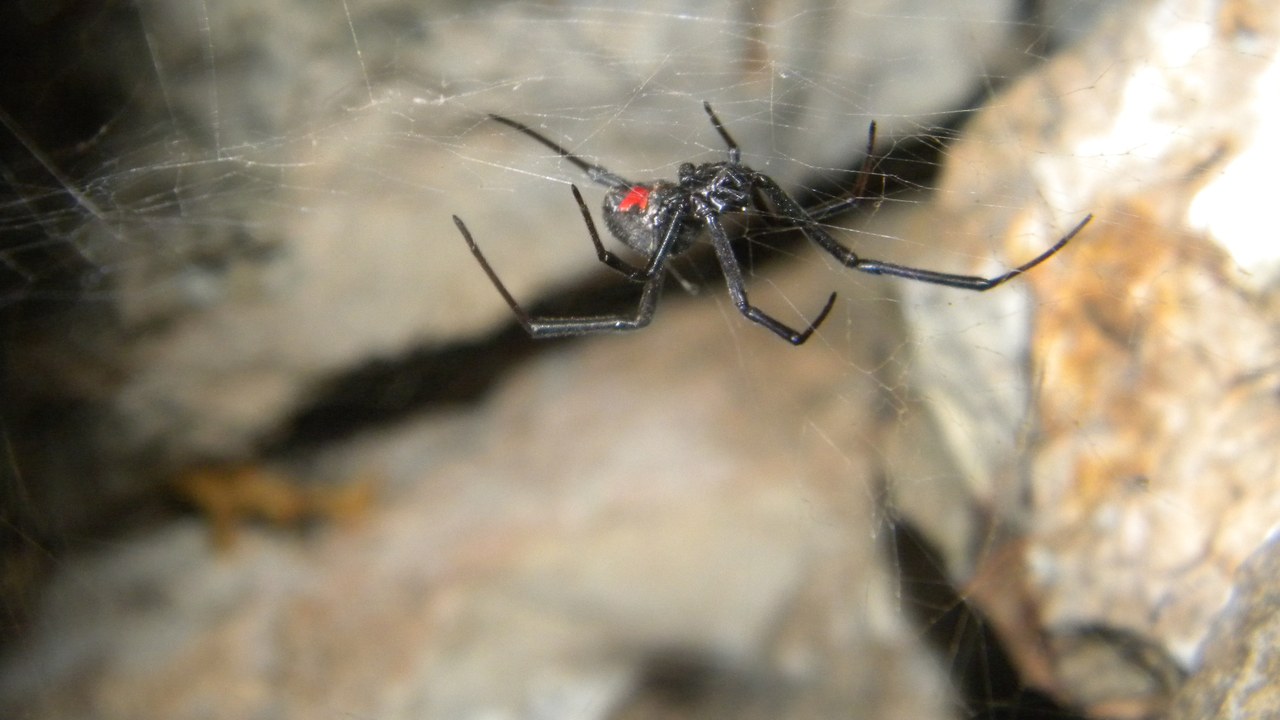
The female black widow, marked with an hourglass, has a bite that affects the nervous system, and NC State Extension guidance notes that antivenom exists. Bites are dangerous, though the bite itself can go unnoticed.
This is one of the two spiders on the list that truly warrant concern. The practical lesson is that a bite may not announce itself, so anyone who suspects one, particularly a child or older person, should seek medical advice promptly. Knowing the hourglass mark helps separate it from the many harmless spiders that share garages, woodpiles and sheds.
2. Brown recluse: Delayed, Serious Bite
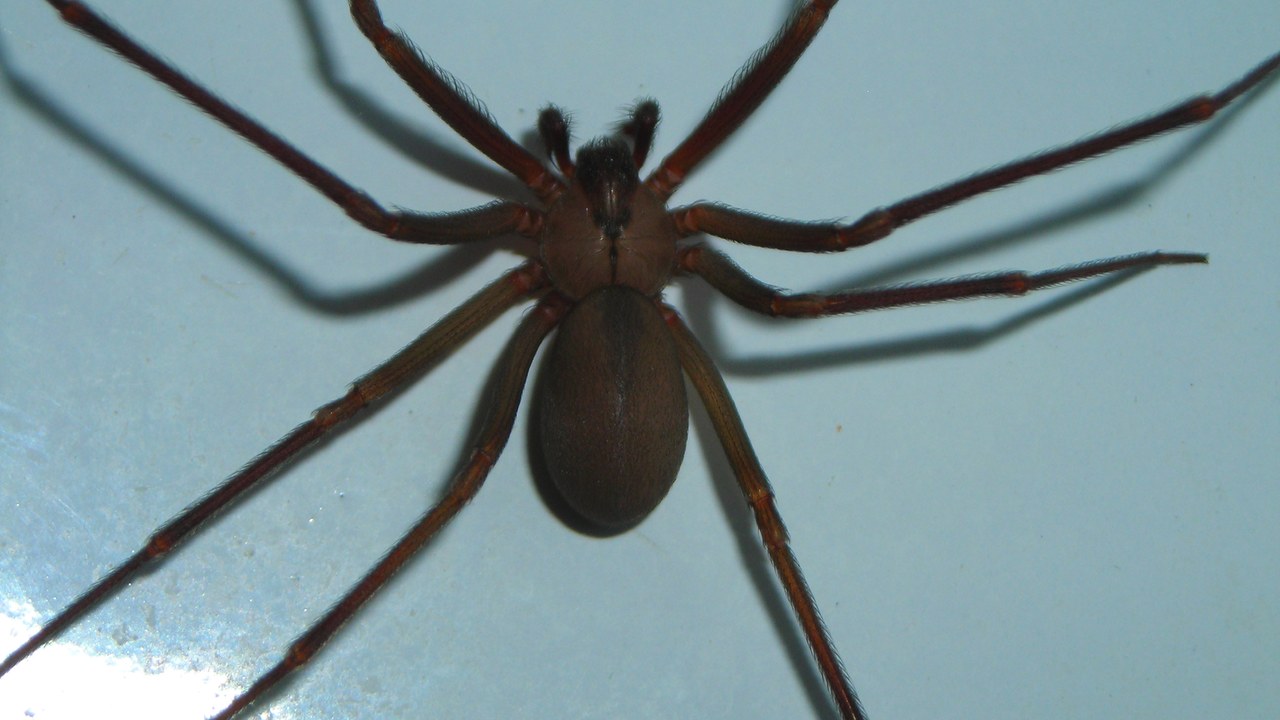
A brown recluse bite may go unnoticed for 3-8 hours before the area reddens and swells, and NC State Extension says a dead-tissue lesion can need surgery. Six eyes in three pairs identify the spider.
As the second medically important species here, it earns its reputation for slow, tissue-damaging bites. The eye pattern is the most reliable field mark, which matters because many harmless brown spiders are mistaken for it. Because the delayed onset can mislead, careful identification and early medical attention are more useful than guessing after the fact.
3. Yellow garden spider: The Writing Spider
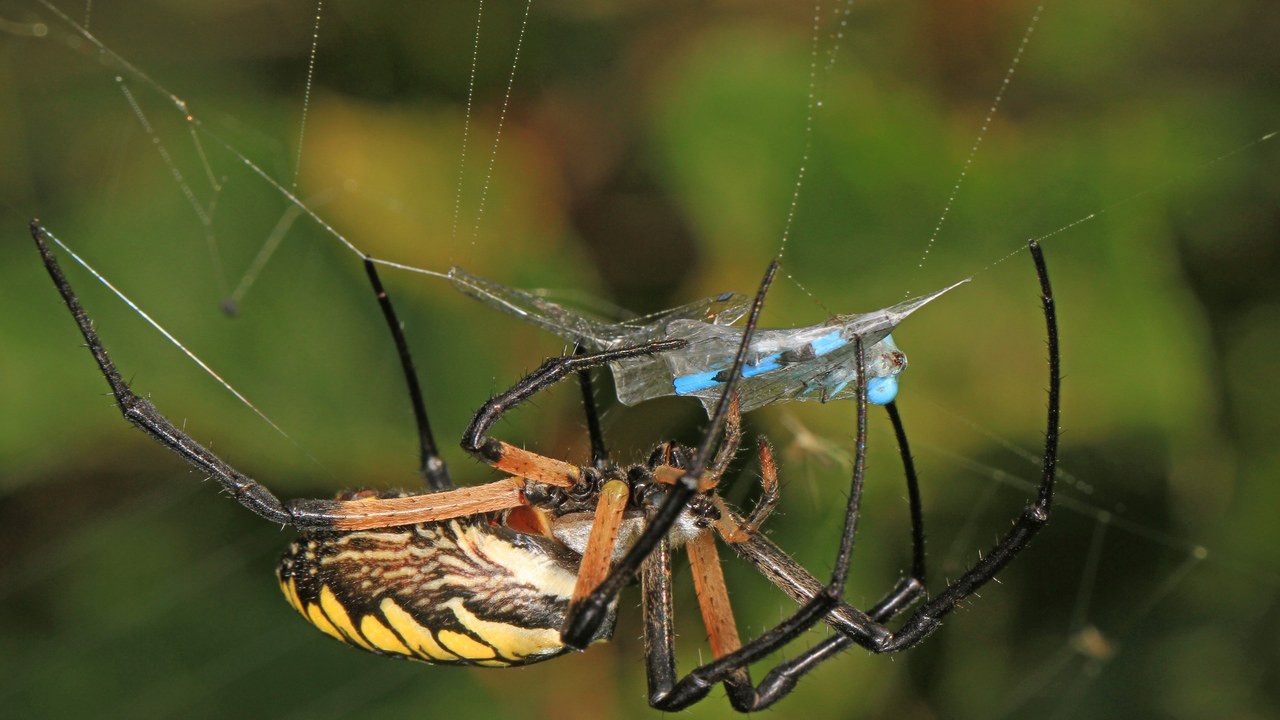
The black-and-yellow garden spider, nicknamed the writing spider, weaves a circular web with a white zig-zag band, as NC State Extension describes. Its bold coloring makes it easy to spot in gardens.
It is a harmless neighbor whose web is more likely to attract admiration than alarm. The zig-zag is distinctive enough to identify the species from a distance, and it is usually found outdoors rather than inside homes. Leaving the web alone costs nothing, and the spider eats the insects that wander into its sticky silk through the season.
4. Wolf spider: Night Hunter Indoors
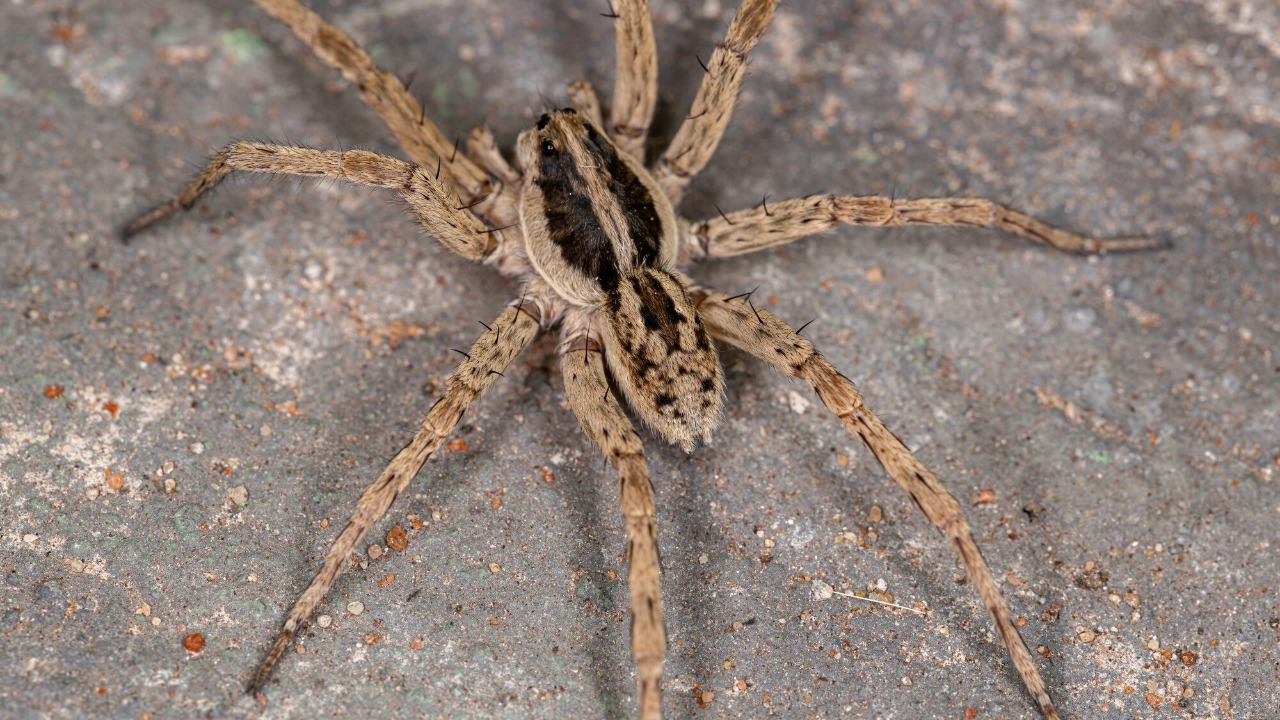
Wolf spiders are among the kinds that most often enter homes, hiding by day and hunting at night, according to NC State Extension. They do not build a web to catch prey.
Their size and speed can startle residents, but entering a house does not make them dangerous. They are a common sight rather than a medical concern, and finding one is usually a sign of an ordinary insect-hunting visitor. Gently moving one outside with a cup and card is usually all that is needed, and the species poses no particular hazard to household members.
5. Tarantula: Big, Hairy, Not Dangerous
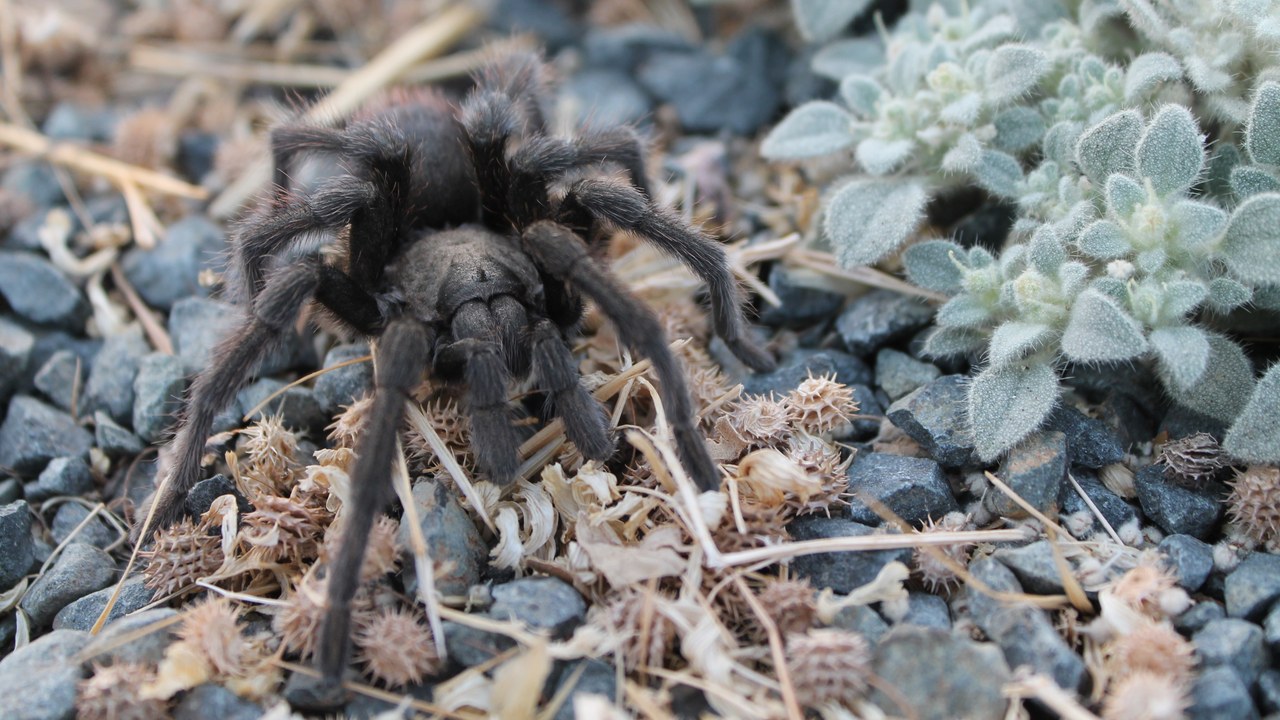
Over 3 inches long when full grown, the hairy tarantula has venom that is not considered a major concern to humans, says Oklahoma State fact sheet. Its size is the main reason people take notice.
Tarantulas look far more menacing than they are. They illustrate that a large, hairy spider is not the same as a risky one, a distinction that helps readers put the two truly risky species in proportion. Its calm reputation also explains why tarantulas are a staple of the pet trade, a world apart from the dread the word often provokes.
6. Jumping spider: Bold But Gentle
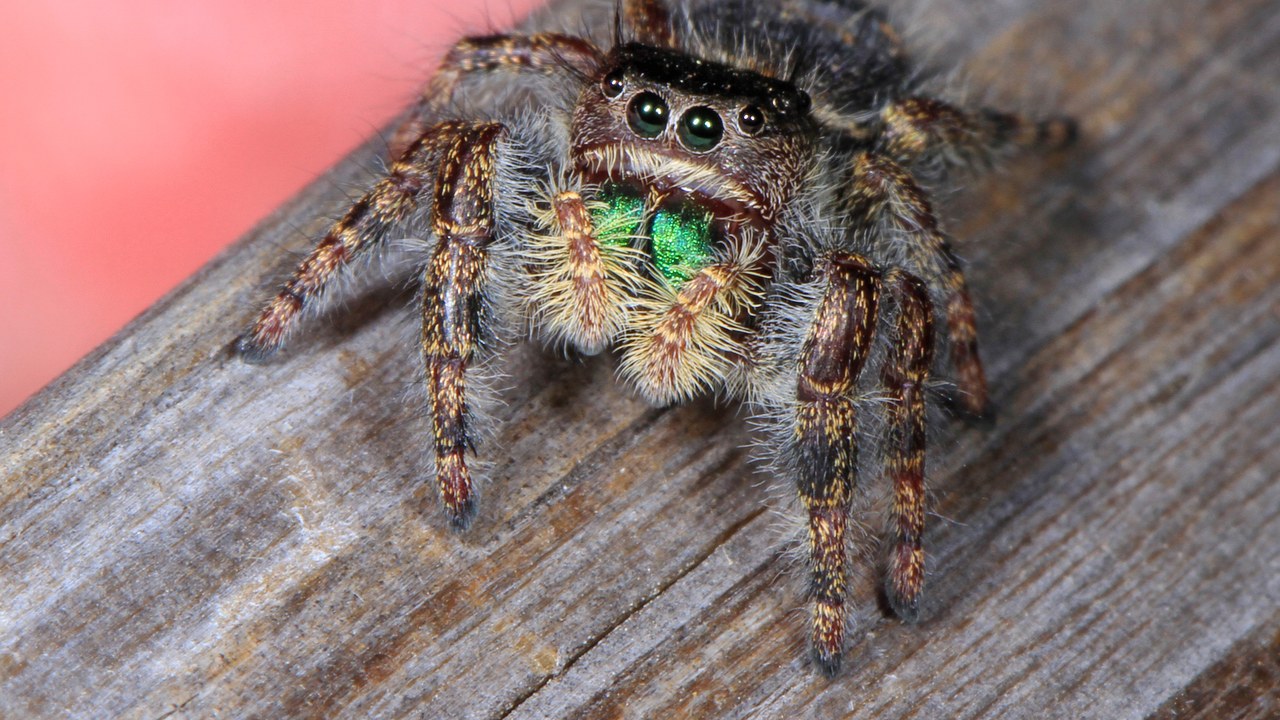
Stocky and often brightly banded, the jumping spider Phidippus audax is described by Oklahoma State fact sheet as not considered hazardous to humans, and it rarely bites unless cornered. It is a visually distinctive species.
Jumping spiders are alert, curious and easy to leave alone. Their reluctance to bite means they pose little threat, and their stocky build and banding help separate them from the two spiders that matter medically. Anyone who sees one watching from a window sill or fence post is looking at a curious, sharp-eyed hunter with excellent vision.
7. Cellar spider: Cobwebs In Damp Corners
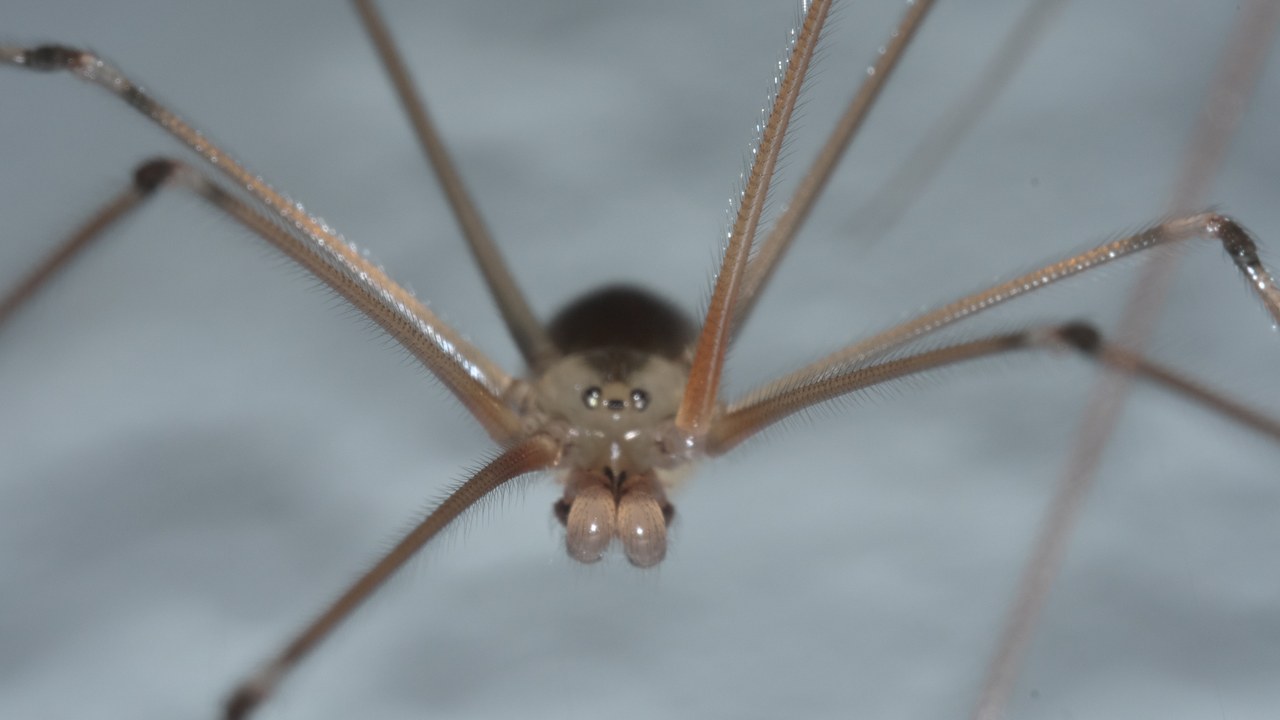
Six-eyed cellar spiders form big cobweb mats in cool, damp ceiling joists, and Utah State guide states they are not dangerous to people. They are a typical resident of basements and crawl spaces.
Their untidy webs can look alarming but reflect nothing more than a quiet habitat. Removing the webs is a housekeeping matter, not a safety one, and the spiders themselves can be left alone without worry. The mats tend to build up over time, so a quick sweep with a broom is the usual remedy, and the spiders also eat other small arthropods in the process.
8. Yellow sac spider: Painful But Not Dangerous
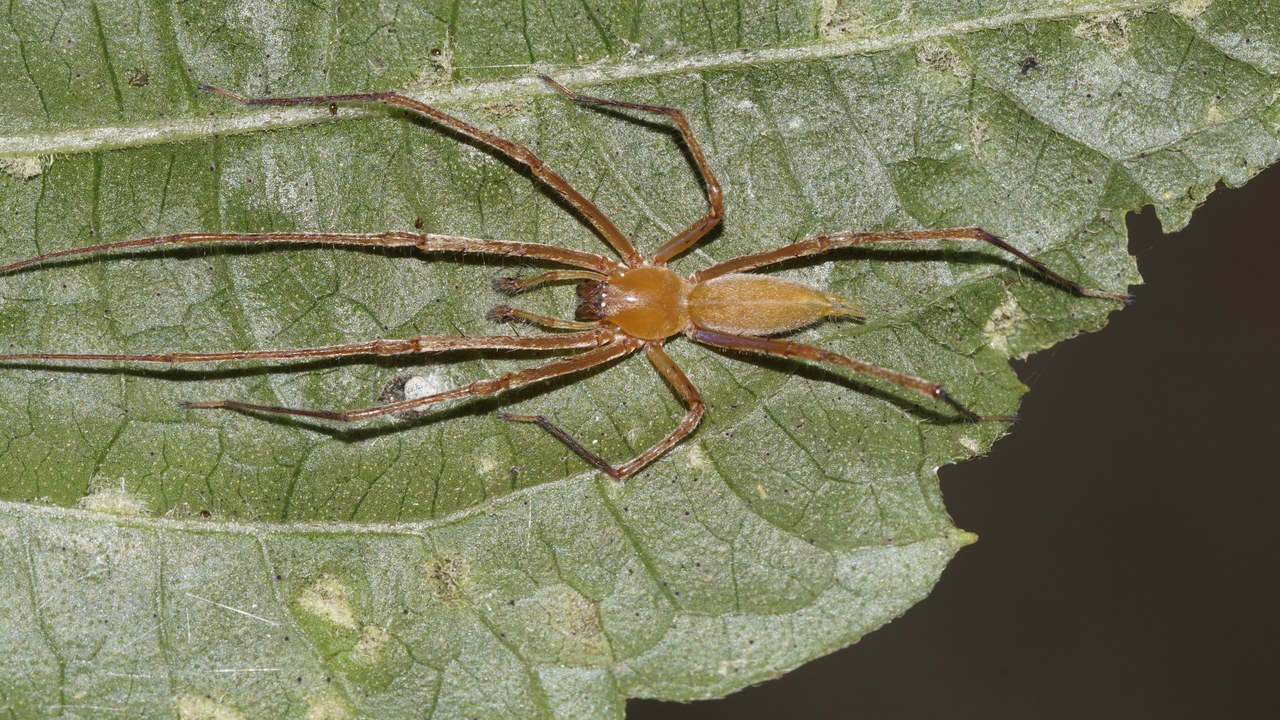
The yellow sac spider is a common household species that walks on walls and ceilings, and Utah State guide says its venom is not dangerous although the bite can be painful. Its wall-walking habit makes it easy to meet indoors.
This is the one harmless-venom spider here that can still hurt. The distinction between painful and dangerous is the core lesson, because discomfort alone does not make a bite medically serious. Treating a bite like any other painful sting, with cleaning and watching for changes, is the sensible response, while the species stays in the harmless-venom group.
9. Joro spider: A Newcomer Spreading North
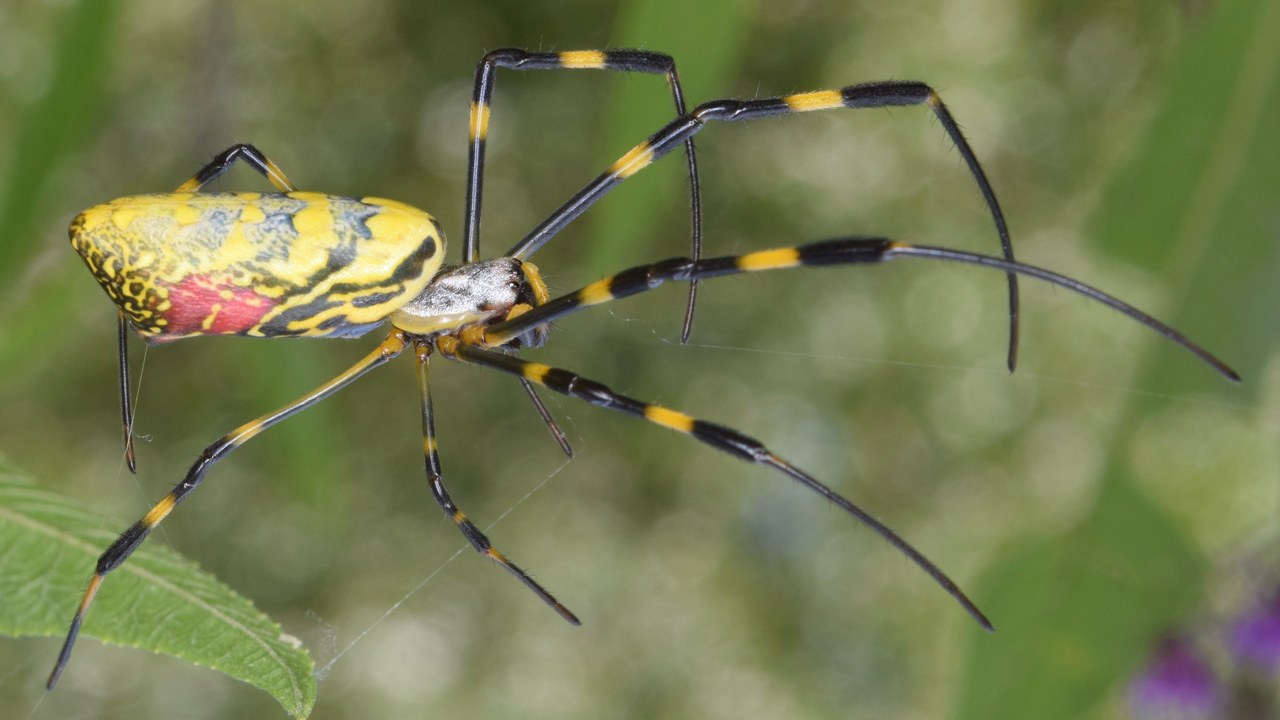
The large East Asian Joro spider is spreading across the Southeast and has been spotted in Boston, and in a Clemson study its bites never rated above a 4 on the pain scale, according to Clemson University report. It is an import rather than a native.
Its size and recent arrival draw headlines, but the research points to a mild creature that is easy to kill and virtually harmless to people. It illustrates how an alarming newcomer can turn out to be a minor nuisance.
10. Cat-faced spider: Webs Near The Porch Light
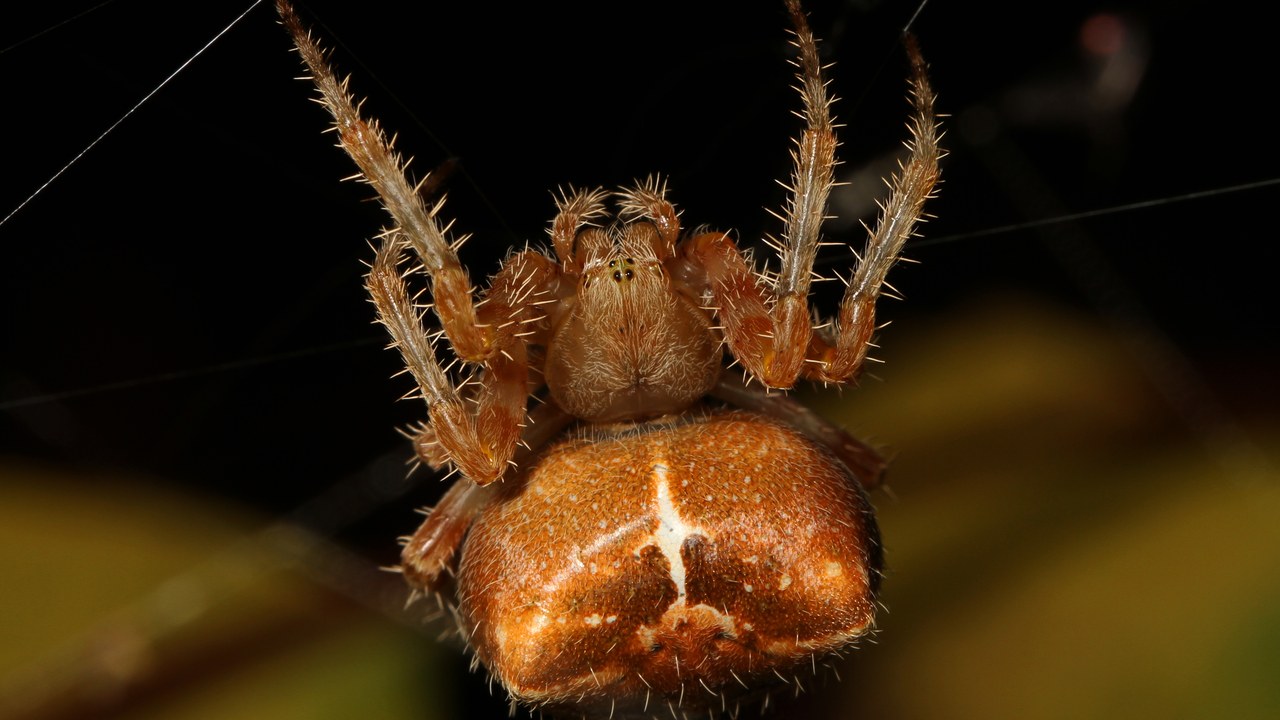
Araneus gemmoides spins geometric webs near outside lights to catch insects, and Utah State guide states it is not dangerous to humans. The cat-faced spider is named for the markings on its body.
Porch lights draw insects, and the spider simply takes advantage of the buffet. It is a beneficial neighbor in practice, and its presence near homes should not raise concern. Seeing the web around a lit doorway is a sign that insects are gathering there, not that the spider poses a problem for anyone using the entrance.
Tech news in one quick read: Subscribe to TLDR →
We may earn a commission if you sign up.
More from Morning Overview
- NOAA now gives this winter a 75% chance of the strongest El Nino since 1950
- Doctors warn a silent liver disease now affects one in three American adults
- The FBI told the rest of ShinyHunters to surrender after a 24-year-old was arrested
- Two passengers died at an Ohio toll plaza, and the NTSB now wants the cash lanes shut
