
Wildlife that kills Americans is often smaller and more familiar than the animals that dominate the news. Insects, dogs and livestock account for a great deal of harm, while big carnivores and reptiles still claim lives in dramatic, well-documented cases. Here are twelve animals, running loosely from the heaviest tolls to the most startling recent incidents.
Save more, waste less: The Cool Down’s newsletter sends smart, simple changes that help you and the planet in your everyday life.
We may earn a commission if you sign up.
1. Hornets, wasps and bees: The Quiet Leader
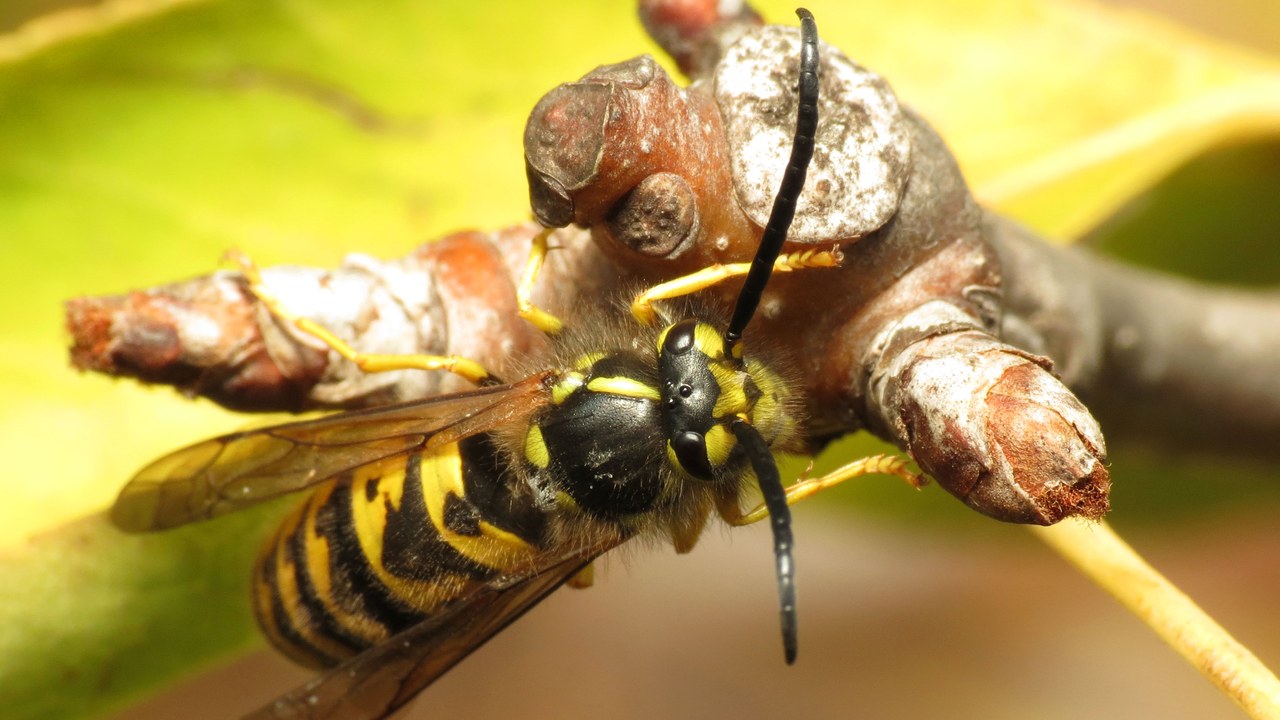
Stinging insects sit at the top of the toll, with about 60 deaths a year in a study of CDC data covering 2008 to 2015. Hornets, wasps and bees outpace both dogs and venomous snakes in that same analysis.
Most of the danger comes from severe allergic reactions rather than the amount of venom, so a single sting can be lethal to a sensitive person. Anyone with a known allergy has good reason to carry prescribed emergency medication.
2. Dog: Familiar Danger
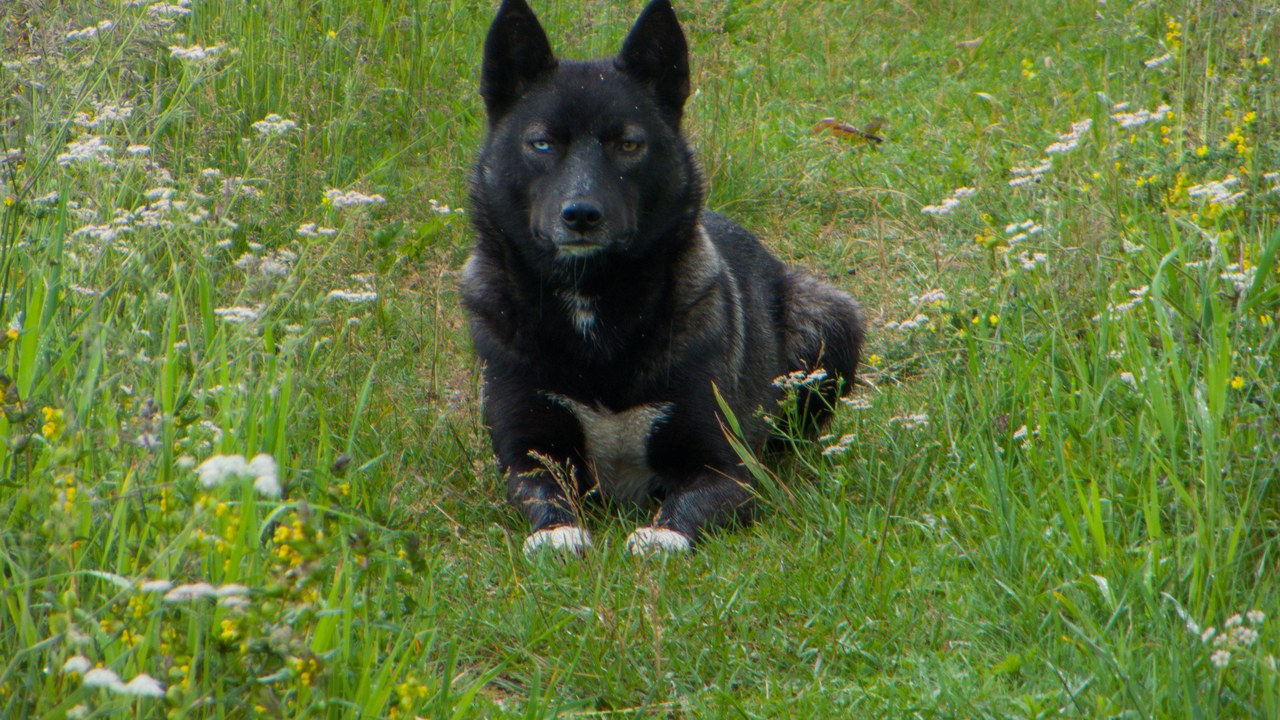
Dogs kill about 34 Americans a year, and nine of those victims are children aged four or younger, according to the same 2008 to 2015 study. The figure places the family pet well ahead of snakes in the death count.
Very young children are the most exposed group, so supervision around any dog, including a trusted household animal, is the practical takeaway. The numbers say little about any particular breed, only about the setting and the age of the victim.
3. Rattlesnake: Fewer Than Feared
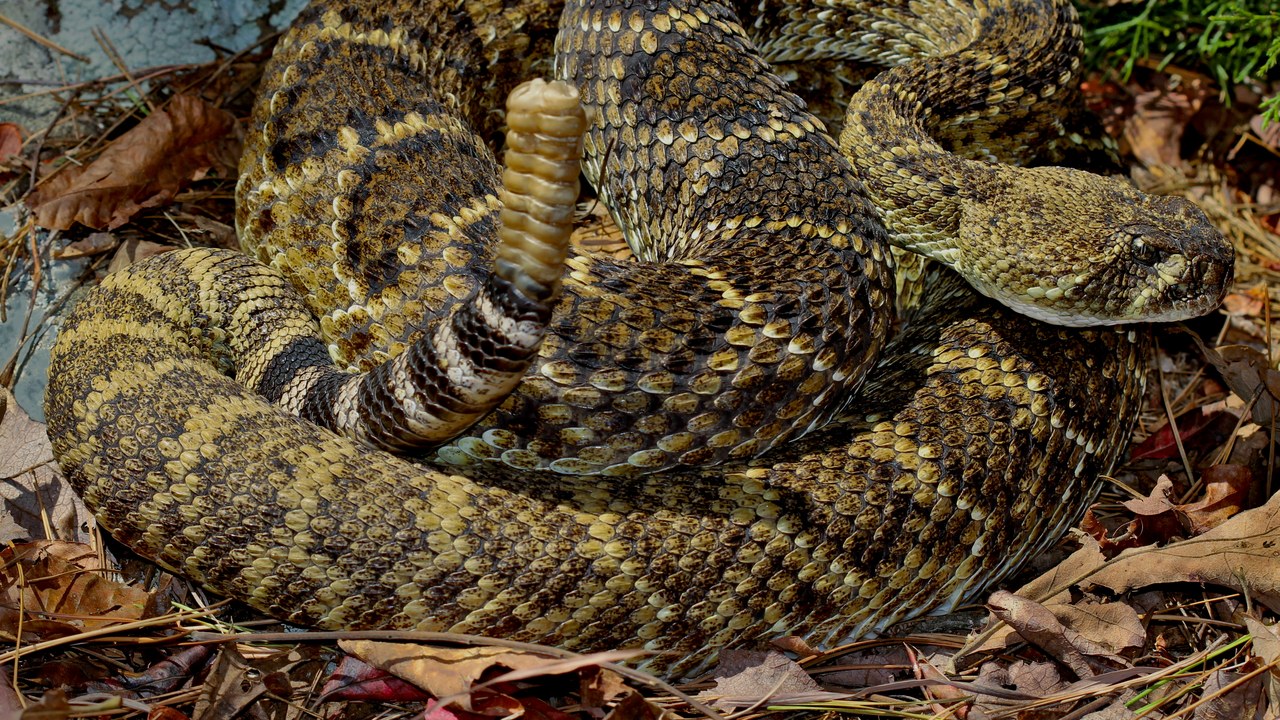
Venomous snakes kill about six Americans a year, based on the 2008 to 2015 study. Rattlesnakes account for much of the fear, yet the annual toll is a fraction of what stinging insects or dogs cause.
Prompt medical care and modern antivenom explain why a bite is rarely fatal. Still, a rattlesnake encounter is a medical emergency, and the sensible response is to back away calmly and call for help rather than attempt any folk remedy.
4. White-tailed deer: The Roadside Menace
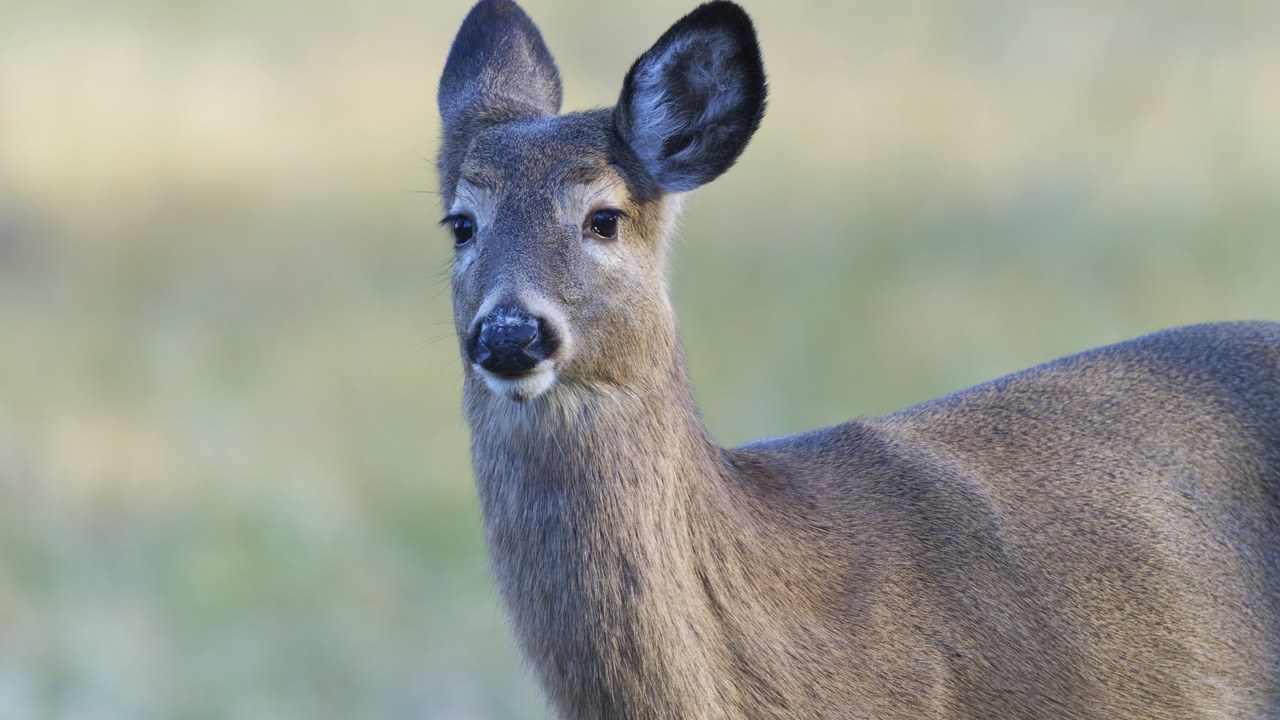
State Farm counted more than 1.6 million animal-vehicle collision claims costing $1.9 billion in payouts between July 2025 and June 2026, and deer were by far the most frequently struck animal. Few other wild species come close.
Deaths from these crashes are usually drivers or passengers rather than the deer, and a separate tally found 189 such deaths in 2016. Slowing down at dusk and dawn, when deer move most, is the standard advice.
5. Cattle: Farm Work Hazard
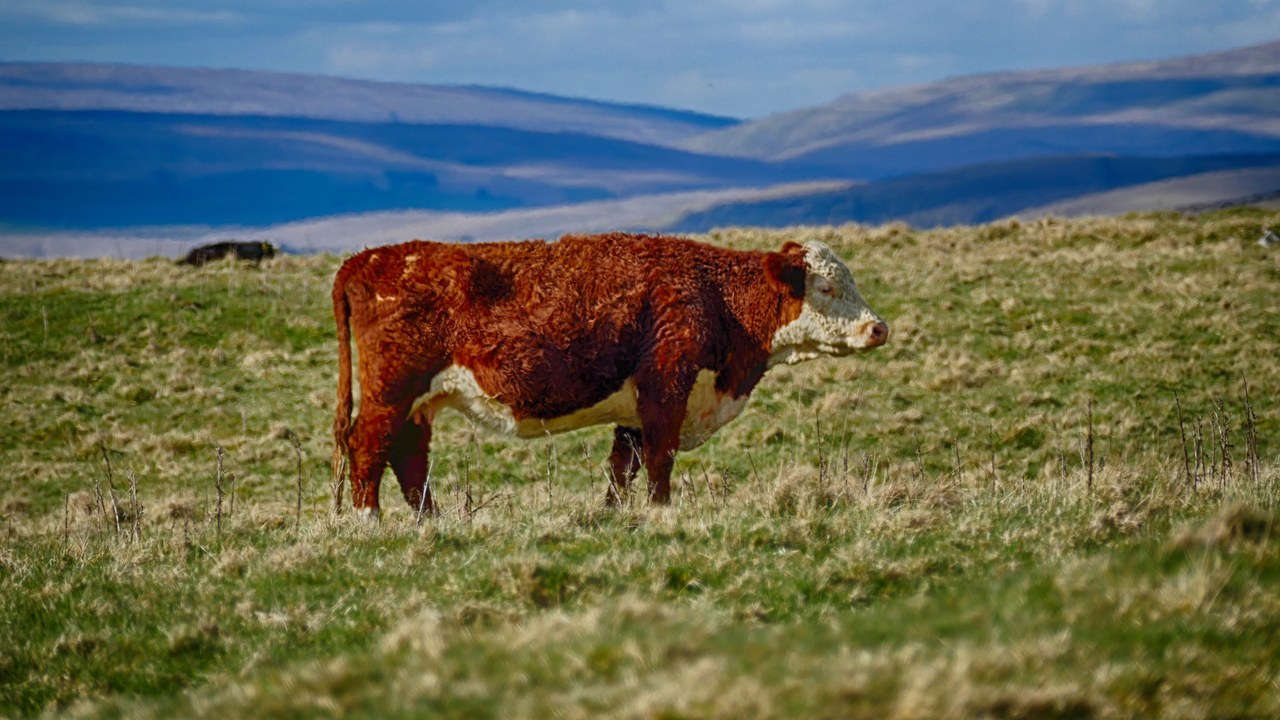
The CDC counted 21 cattle-caused deaths in Iowa, Kansas, Missouri and Nebraska from 2003 to 2008. Ten were attacks by bulls, and the victims had a median age of 65.
The cases were occupational, meaning the people were working with livestock when they died, and the study covered only four Midwestern states. The pattern is a reminder that large, ordinary farm animals can be as dangerous as wildlife, especially around older handlers and breeding bulls.
6. American bison: Yellowstone’s Top Injurer
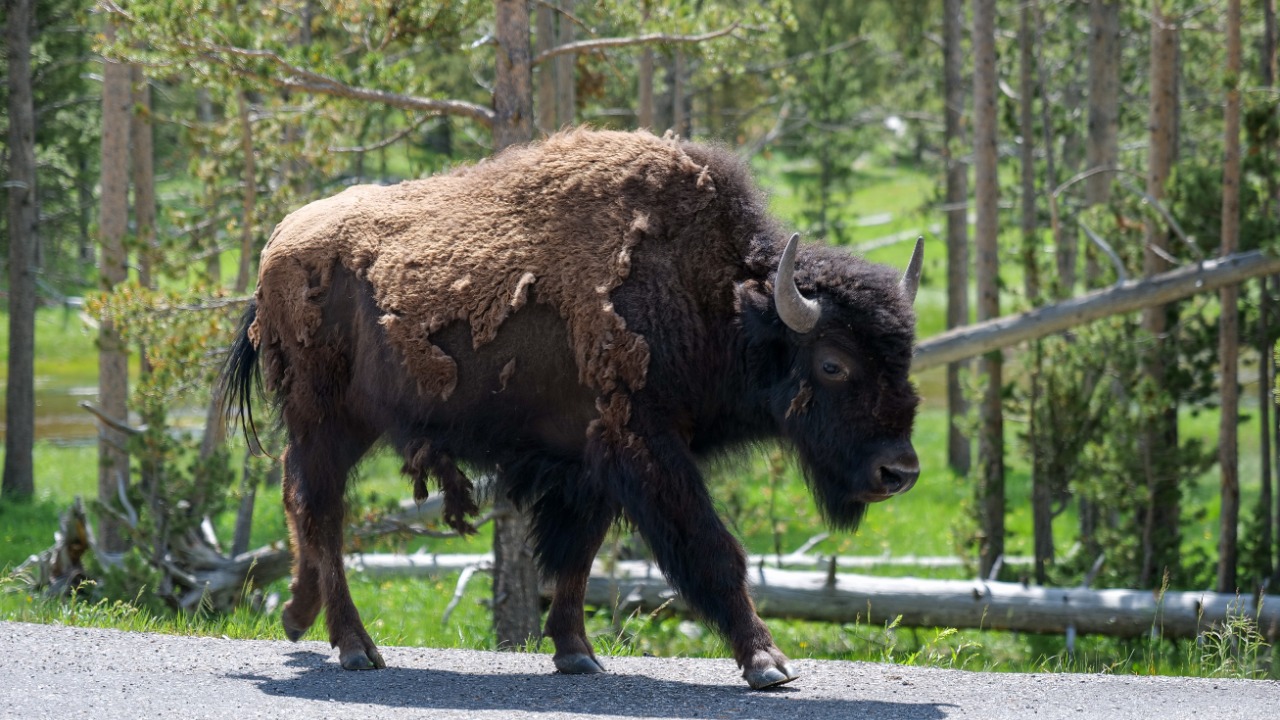
The National Park Service states that bison have injured more people in Yellowstone than any other animal in the park. The animals look placid but are large, fast and unpredictable when approached.
The injuries are well documented because the park sees millions of visitors, and those who walk toward a bison for a photograph are the usual victims. Park rules call for keeping a safe distance, and the advice applies to every large herbivore, since a calm-looking animal can charge without warning.
7. American alligator: Florida’s Latest Case
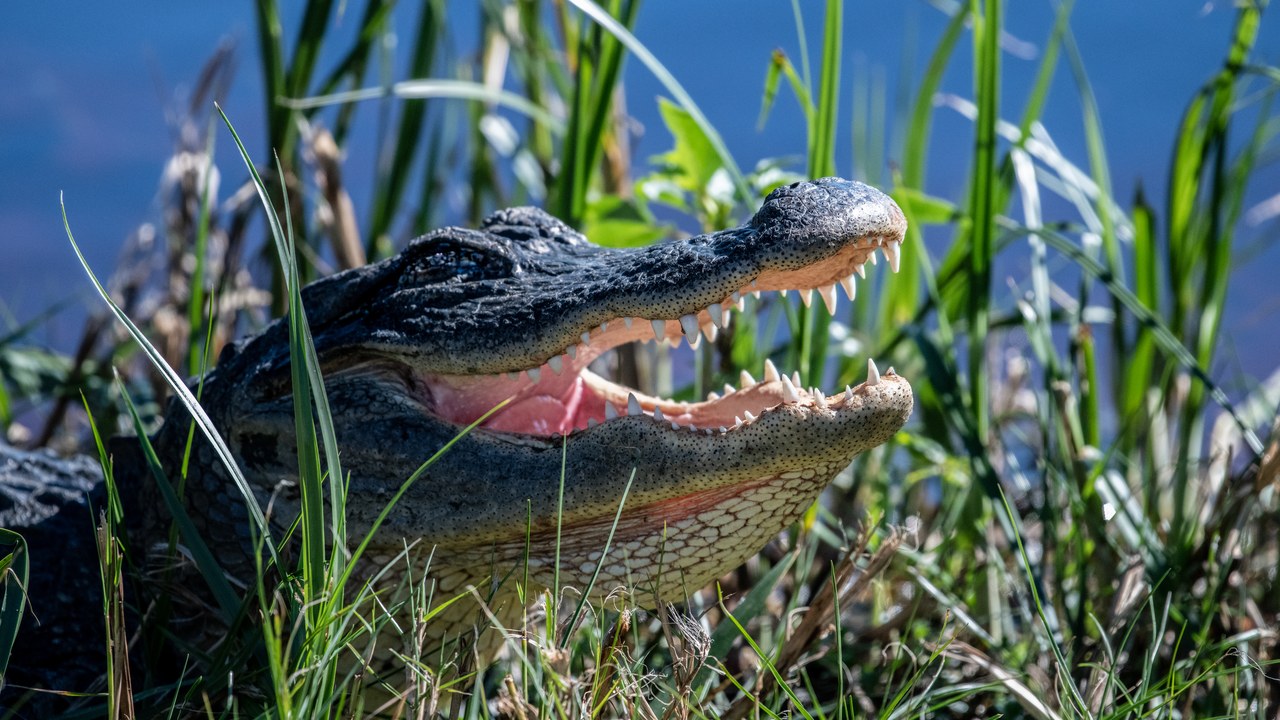
Florida began keeping alligator attack records in 1948, and the most recent fatal attack on the national list, a Winter Garden death, killed a 71-year-old man on October 16, 2026. The listing was read on October 22.
Fatal attacks remain rare compared with the number of alligators sharing water with people. Even so, officials routinely warn against swimming at dusk or feeding the animals, which teaches them to associate people with food.
8. Cougar: Rare but Real
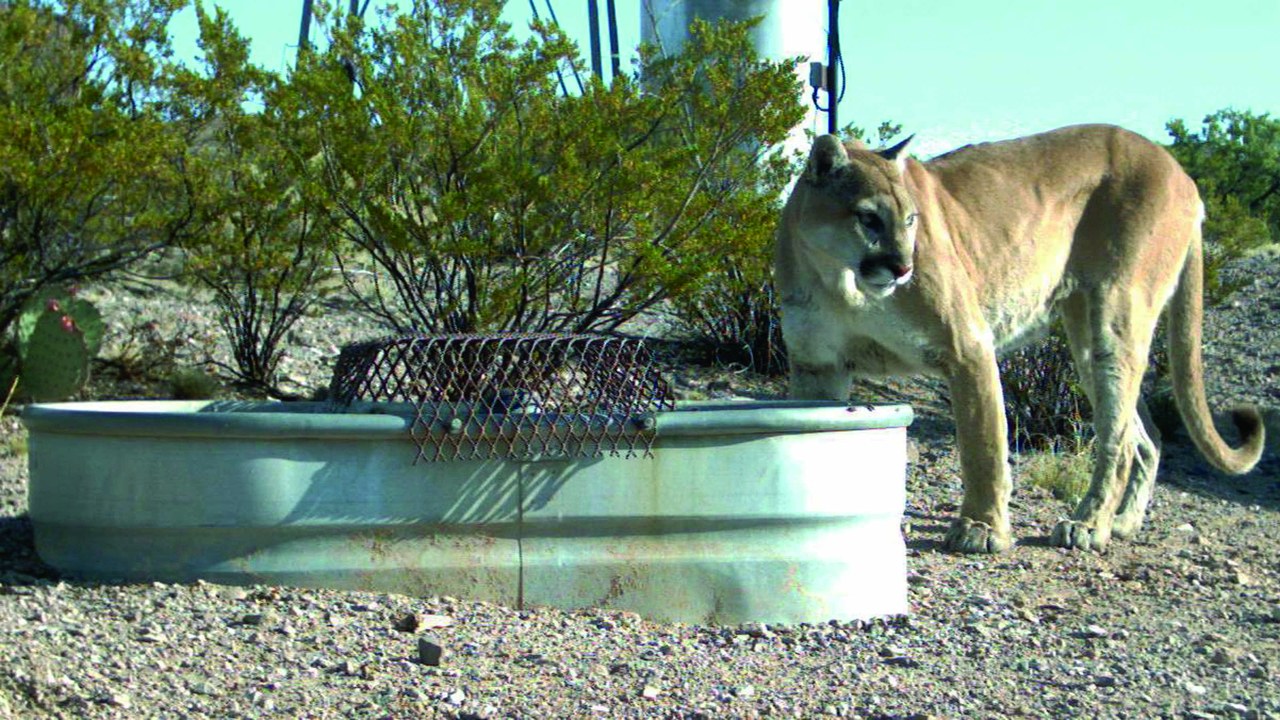
Records list 29 fatal cougar attacks in North America over the past 100 years, and the latest American death was a 46-year-old woman near Estes Park, Colorado, on January 1, 2026. The count carries a verification flag on the source page.
Cougars generally avoid people, which keeps fatalities very low. Hikers who meet one are usually told to stay upright, appear large and back away slowly, since running can trigger a predator’s chase instinct.
9. Grizzly bear: Glacier’s Spring Death
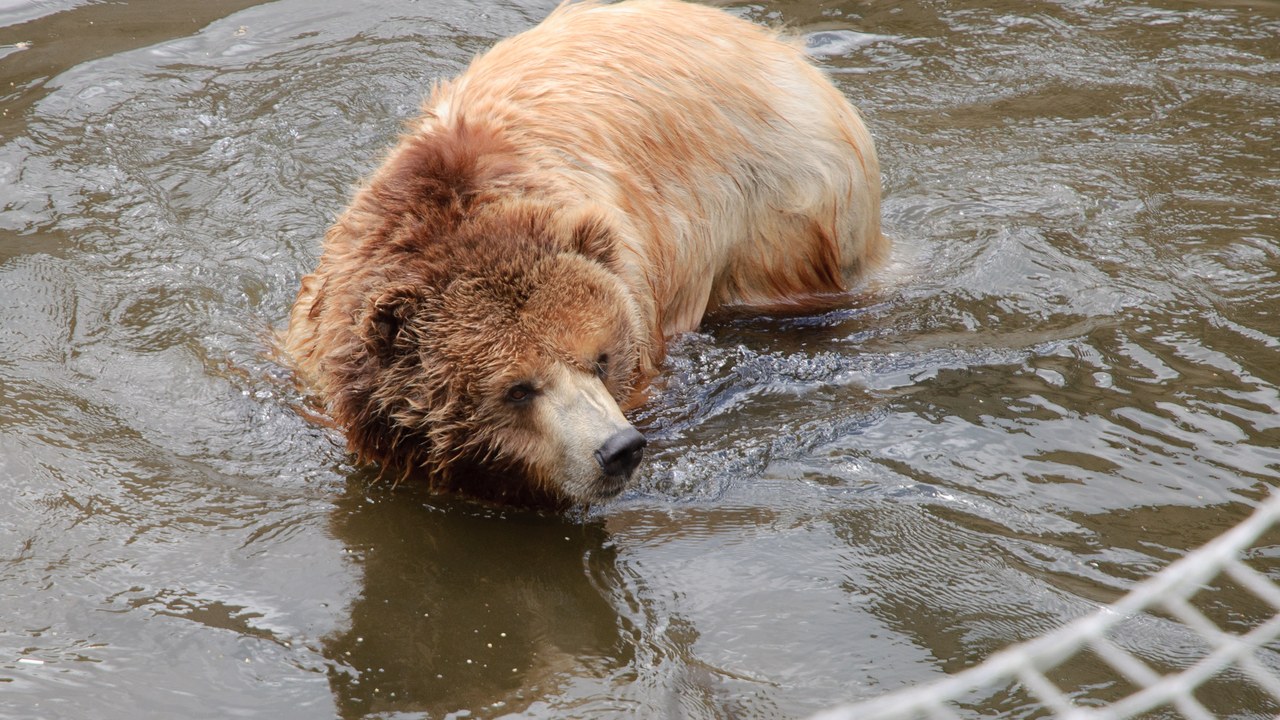
A grizzly bear killed a 33-year-old in Glacier National Park on May 3, 2026, according to fatal bear attack list in North America. The incident came early in the visitor season, when bears are active after winter.
Grizzly encounters in the lower states are uncommon but serious, and a fatal one in a national park draws wide attention from visitors planning backcountry trips. Carrying bear spray, making noise on trails and storing food properly are the measures park officials stress to reduce surprise meetings.
10. American black bear: Two Arkansas Deaths
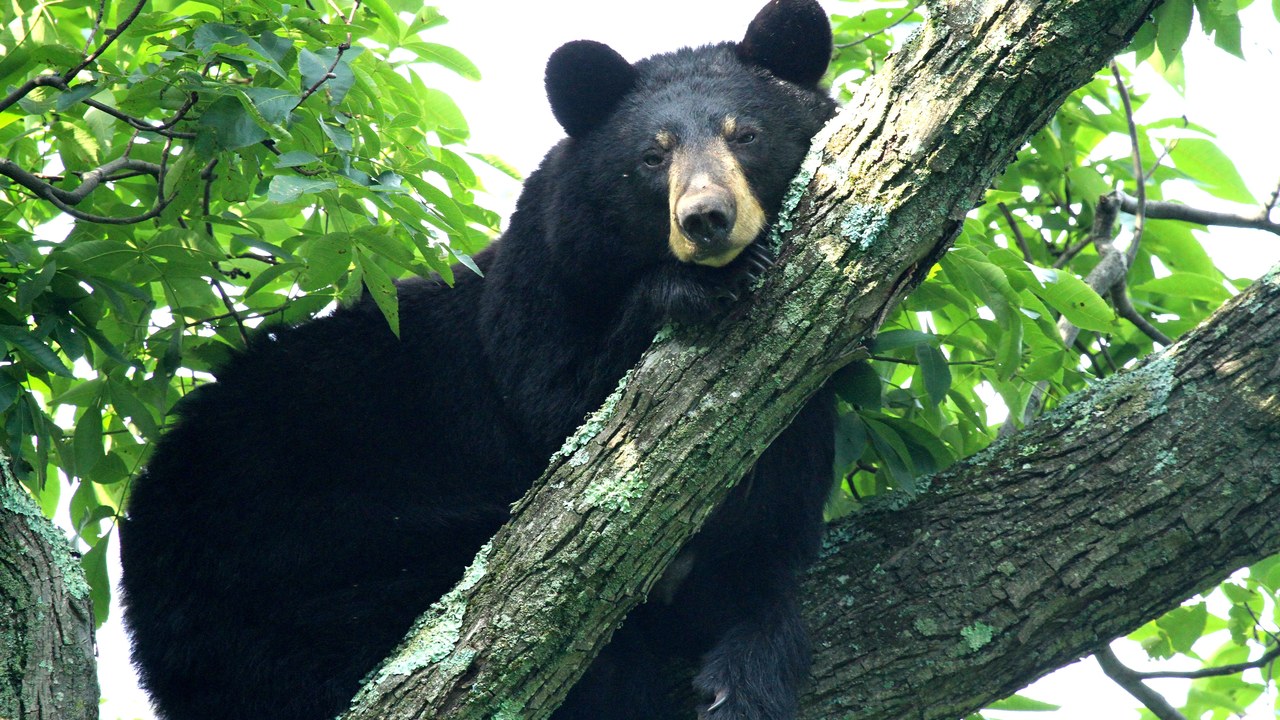
Black bears killed a 72-year-old on a tractor in Franklin County, Arkansas, in September 2025 and a 60-year-old at a Newton County campground on October 2, 2025, the same list reports. Both happened within weeks of each other in one state.
Black bears are usually shy, which makes two deaths in one autumn notable. Attacks on people who are working or camping often involve food or surprise, and secure storage reduces the chance of an encounter.
11. Moose: Injuries Outnumber Bears
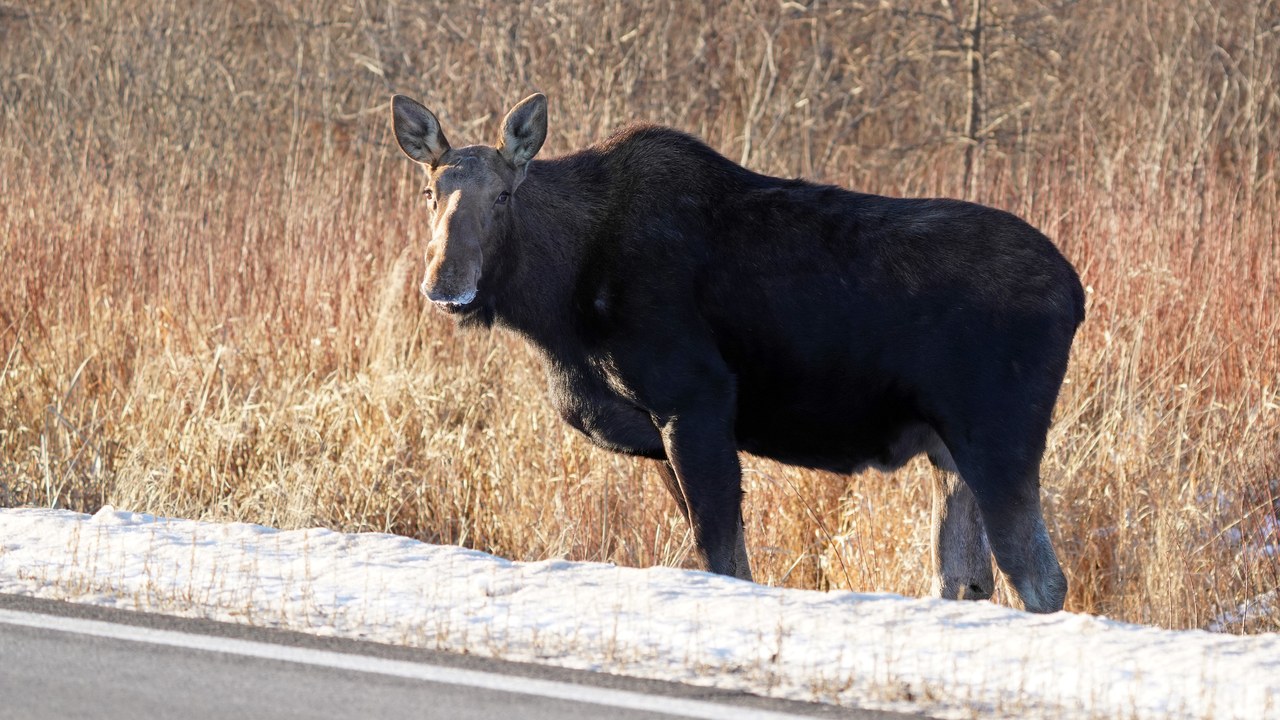
The Alaska Department of Fish and Game says more people are injured by moose than by bears, in a state with 175,000 to 200,000 moose. The animals are huge and will defend calves or space.
A moose that flattens its ears or raises its hackles is warning an approaching person. Most injuries come from people who get too close, so keeping distance and putting a tree or building between oneself and the animal is the common advice.
12. Shark: Fewer Bites Than Fear
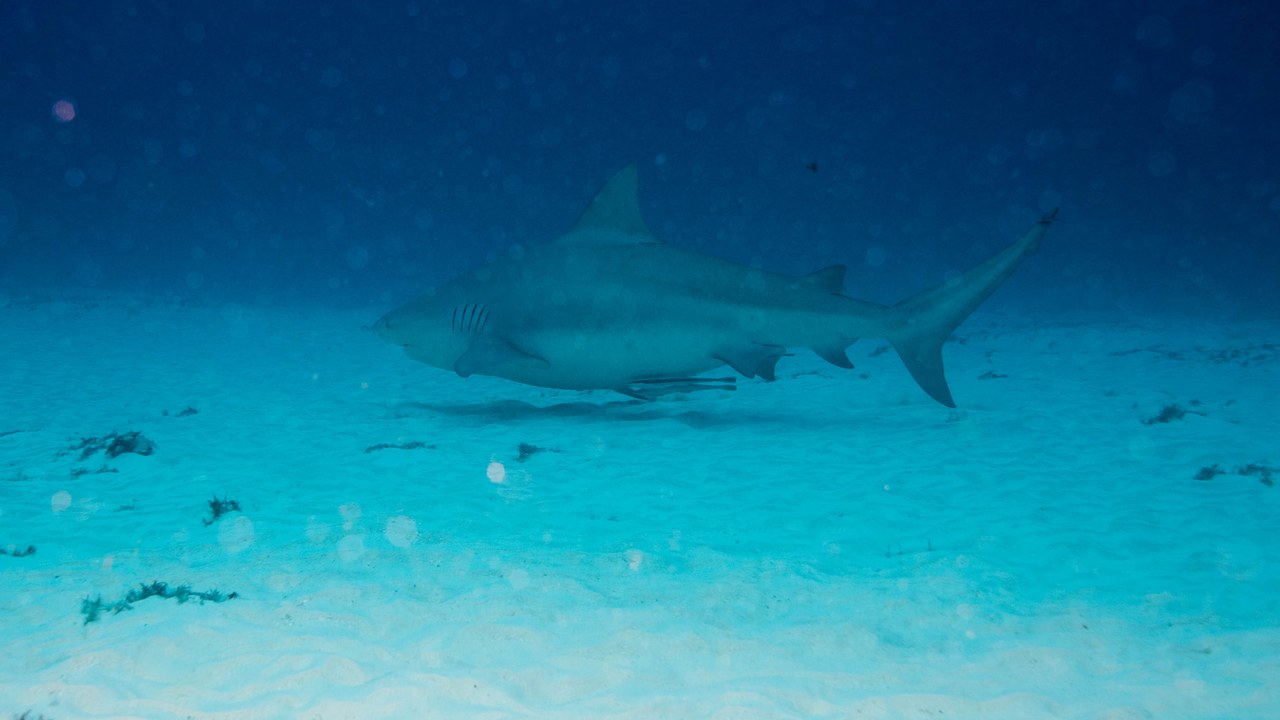
The International Shark Attack File logged 65 unprovoked shark bites worldwide in 2025, with 38 percent of them in the United States. Nine of the bites were fatal.
Sharks dominate the imagination far beyond their actual toll, which is small next to insects or dogs, and fatal bites remain a small share of all bites. Swimming near groups of people, avoiding murky water at dawn and dusk, and heeding local warnings lower the already modest risk further.
Save more, waste less: Subscribe to The Cool Down →
We may earn a commission if you sign up.
More from Morning Overview
- Doctors warn a silent liver disease now affects one in three American adults
- The FBI told the rest of ShinyHunters to surrender after a 24-year-old was arrested
- Two passengers died at an Ohio toll plaza, and the NTSB now wants the cash lanes shut
- Long use of a common prostate pill is tied to a higher chance of glaucoma
