
Square-rigged ships were made obsolete by steam and steel, but a surprising number of them survived as museums, training vessels and working sailing ships. The group spans warships, whalers, cargo carriers and a famous tea clipper, with hulls launched across more than a century and a half. Here are eleven that outlived the age of sail.
Stay ahead on AI: Join 600,000+ professionals who read The Deep View, the daily newsletter that keeps you up to date with artificial intelligence.
We may earn a commission if you sign up.
1. USS Constitution: Old Ironsides
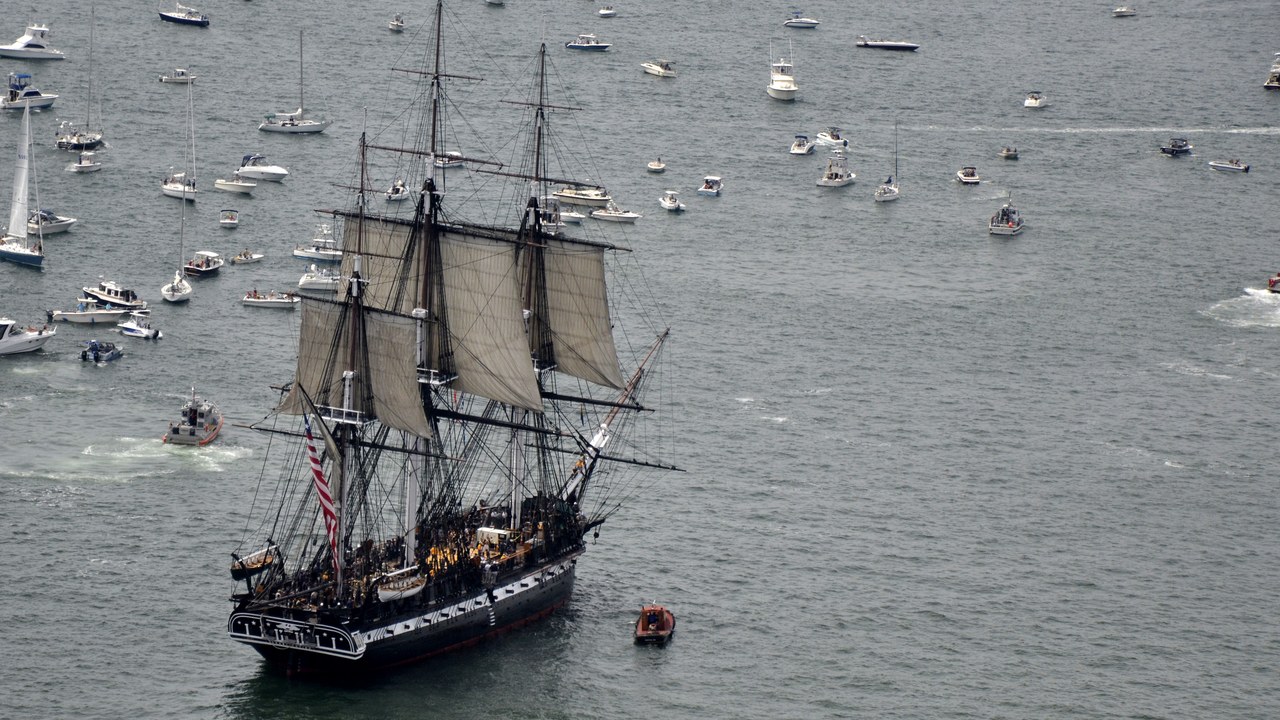
Entering service in 1797, the Navy frigate is the oldest commissioned warship in the world, according to TravelPulse. The ship is open to visitors free year-round and is one of the longest-serving vessels in American history.
Its Wikipedia length of 304 feet makes it one of the larger ships here. Because it remains commissioned, it is a working naval vessel rather than only a museum piece. Because it remains commissioned, the frigate links modern naval service to the earliest years of the republic, and admission costs nothing.
2. Charles W. Morgan: Last Whaleship
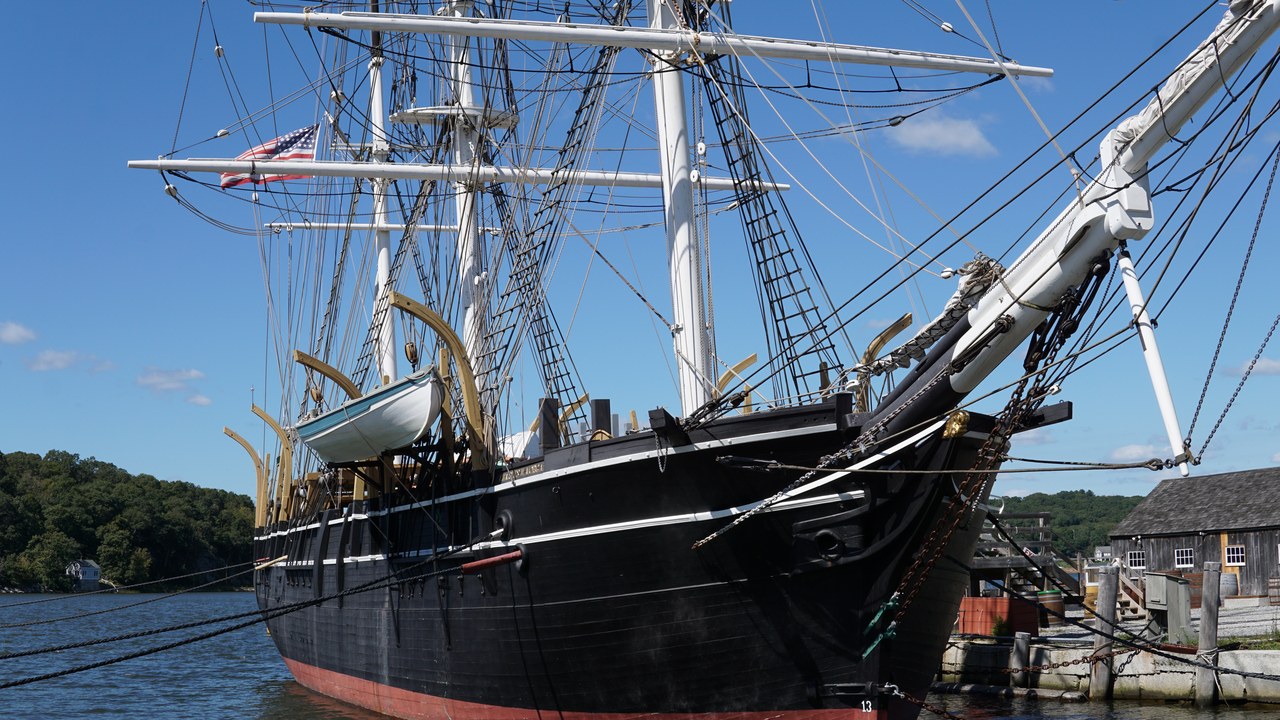
The 1841 ship at Mystic Seaport is the last remaining whaleship in the world, TravelPulse reports.
Its survival gives visitors a view of the whaling industry that no photograph or written account can offer. The ship sits among the other historic vessels and buildings at the Connecticut museum. Visitors can walk the deck and see how a whaling vessel was laid out, which gives the trade a physical record. The ship also draws a steady stream of visitors to the Connecticut waterfront.
3. Elissa: Iron-Hulled Survivor
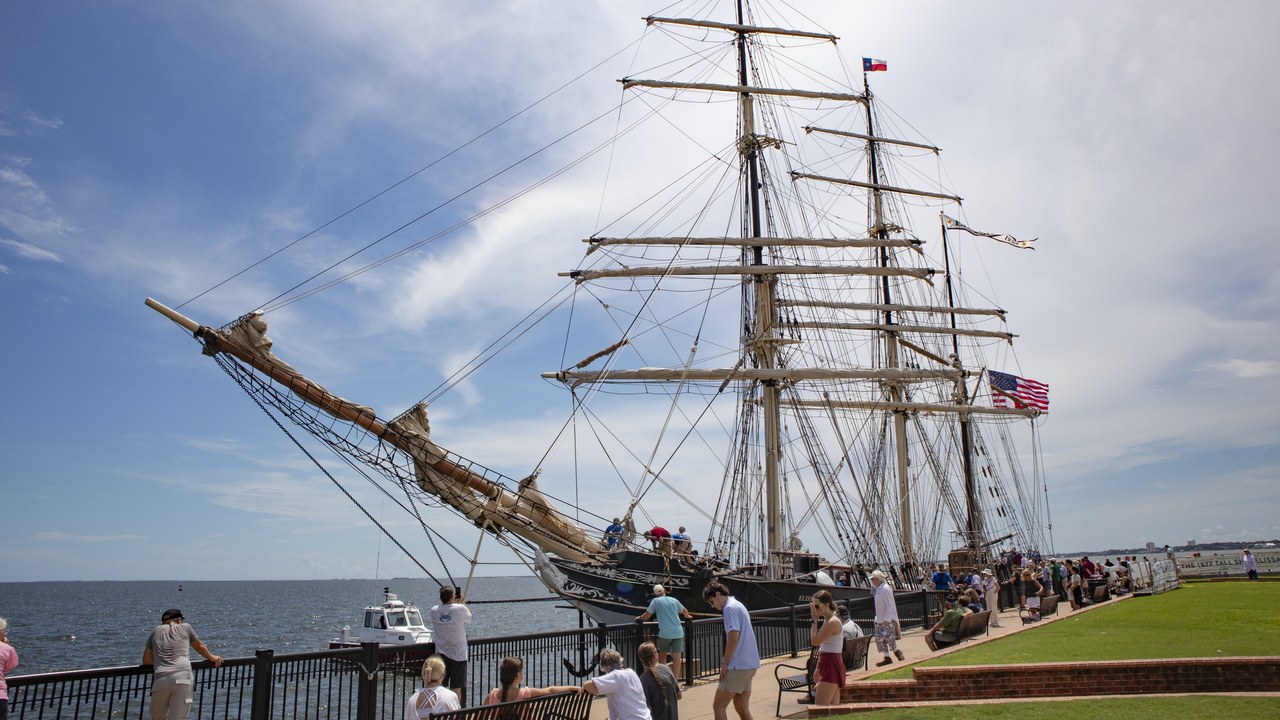
Built in 1877 as an iron-hulled, three-masted cargo vessel, Galveston’s Elissa remains a fully functional ship, TravelPulse says. The ship is based in Galveston.
A working restoration is much harder than a static display, since rigging, hull and sails all need regular care. Visitors can board the vessel and see how a nineteenth-century cargo carrier was built. Its upkeep as a sailing ship is part of the appeal, since an iron hull from 1877 still has to be maintained and handled like a working vessel.
4. USCGC Eagle: Coast Guard Flagship
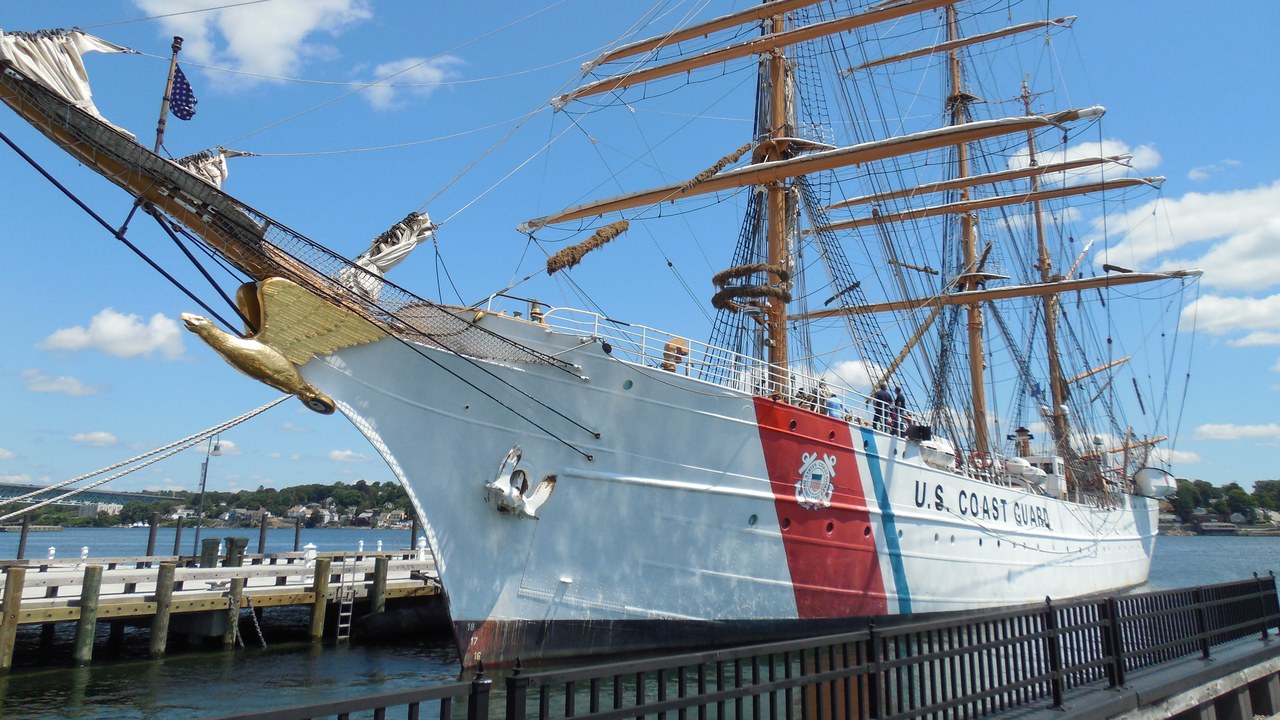
Built for the German Navy in 1936, the vessel was handed to the United States as World War II reparations and is now the Coast Guard’s flagship. It remains in active service with the Coast Guard.
Its Wikipedia length of 295 feet is smaller than several museum ships here. Cadets learn seamanship aboard it, which means the sail plan is used for real instruction rather than display. The ship’s German origin and American service together make it an unusual example of a vessel that changed flags after the war.
5. USS Constellation: Last Sail-Only Warship
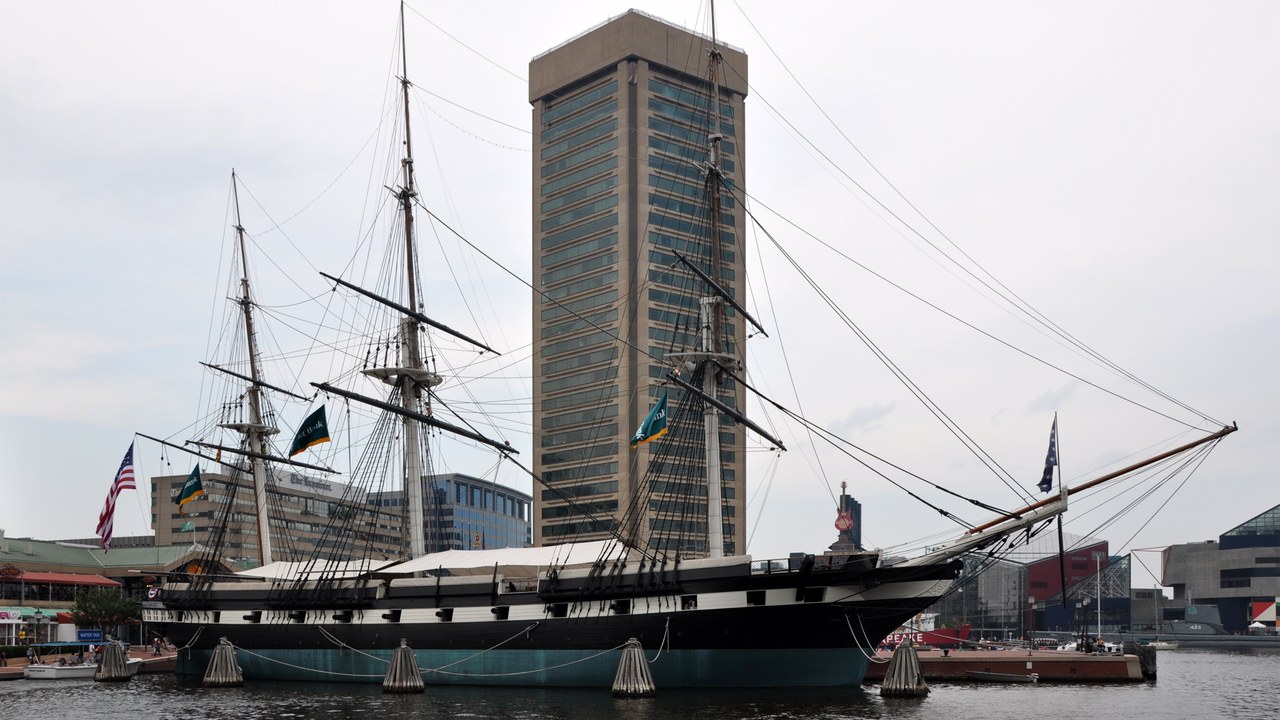
The 1854 sloop-of-war in Baltimore is the last sail-only warship the Navy built and the last Civil War vessel still afloat, GEICO says. It carried 22 guns and about 20,000 square feet of sail.
One caution applies to the build date, since TravelPulse gives 1857 while GEICO says 1854. The ship is nearly 200 feet long, which makes it a smaller vessel than the largest ships on this list. For visitors, it offers a look at the final stage of purely sail-powered naval design before steam took over the fleet.
6. Star of India: Oldest Active Sailer
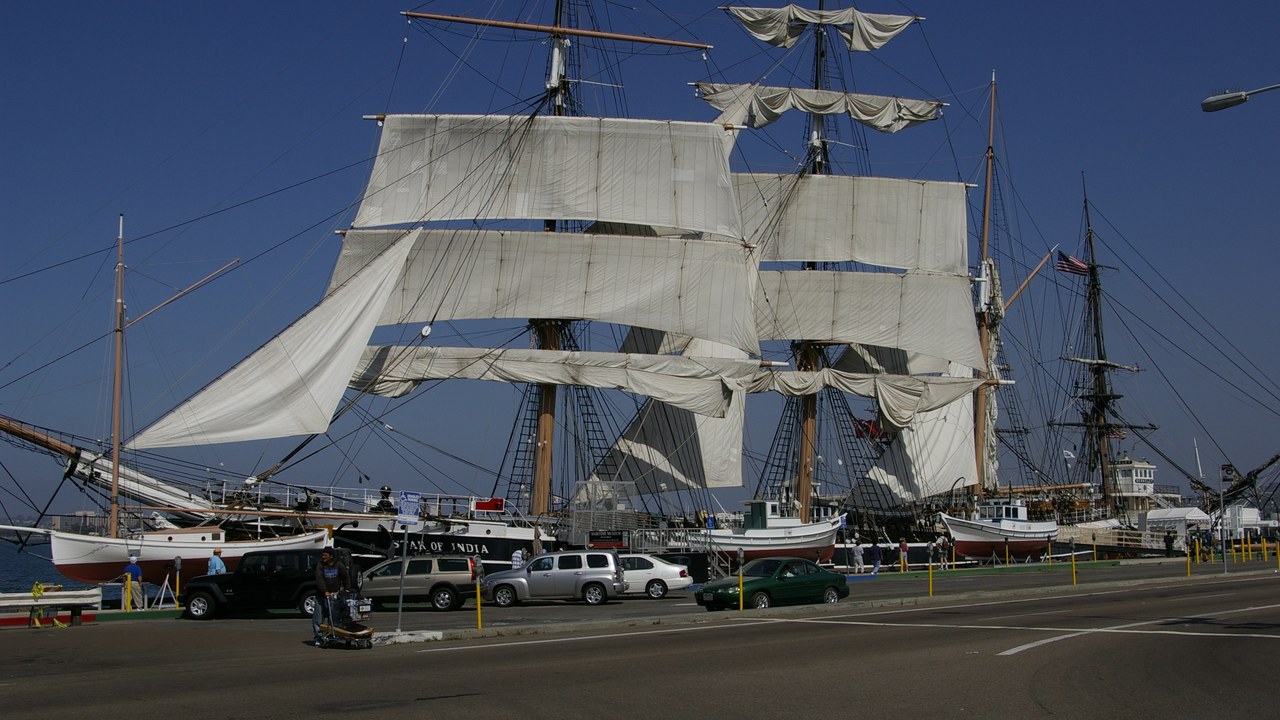
The 212-foot ship from 1863 is called the world’s oldest active sailing ship and the oldest iron-hulled merchant ship still afloat. It sits in San Diego and has made 21 circumnavigations, TravelPulse reports.
Length depends on how it is measured, as Wikipedia lists a sparred length of 278 feet. The 212-foot figure is the GEICO number, so the two should not be compared directly. The ship’s long record of sailing, including those 21 circumnavigations, makes it more than a static exhibit for visitors.
7. Balclutha: Cape Horn Veteran
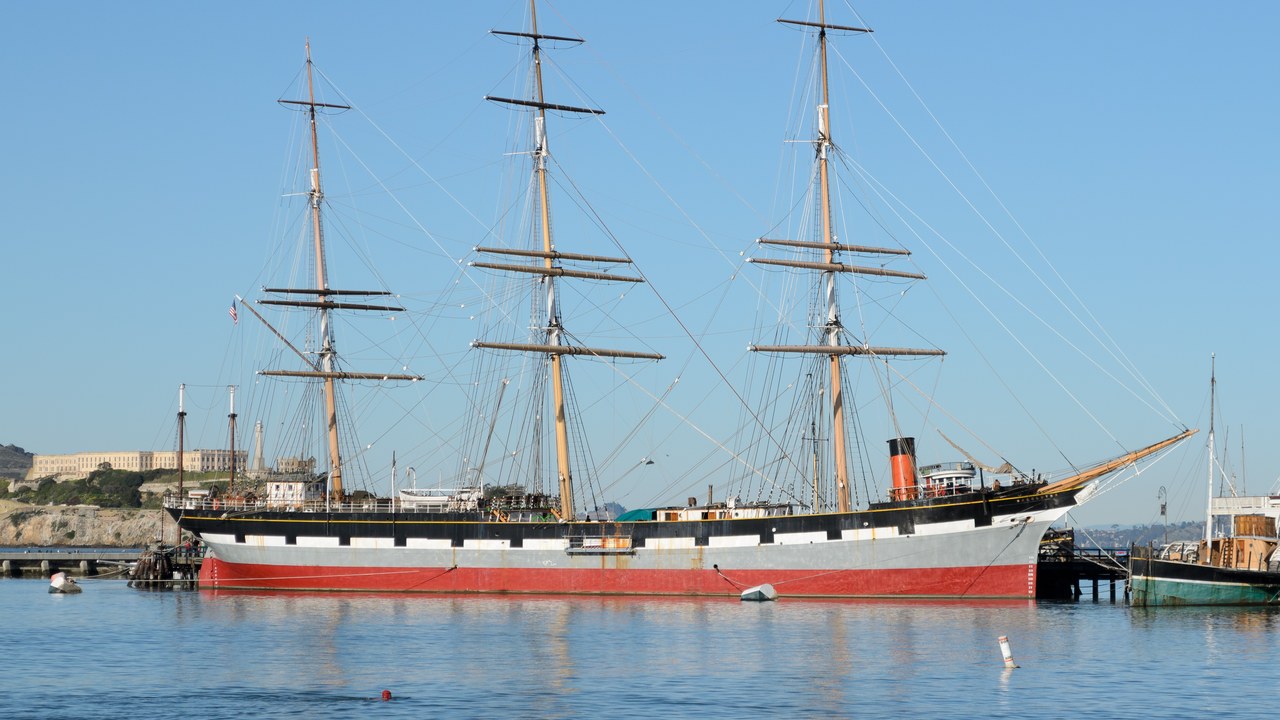
The 1886 square-rigger rounded Cape Horn 17 times, according to the National Park Service, and played a role in the film Mutiny on the Bounty. It has been a National Historic Landmark since 1985.
The vessel was built in Glasgow and sold under the name Star of Alaska in 1904 for $500. The park service notes it was temporarily at Mare Island in Vallejo and was towed on April 16, 2025, so visitors should check where it is berthed.
8. Cutty Sark: Famous Tea Clipper
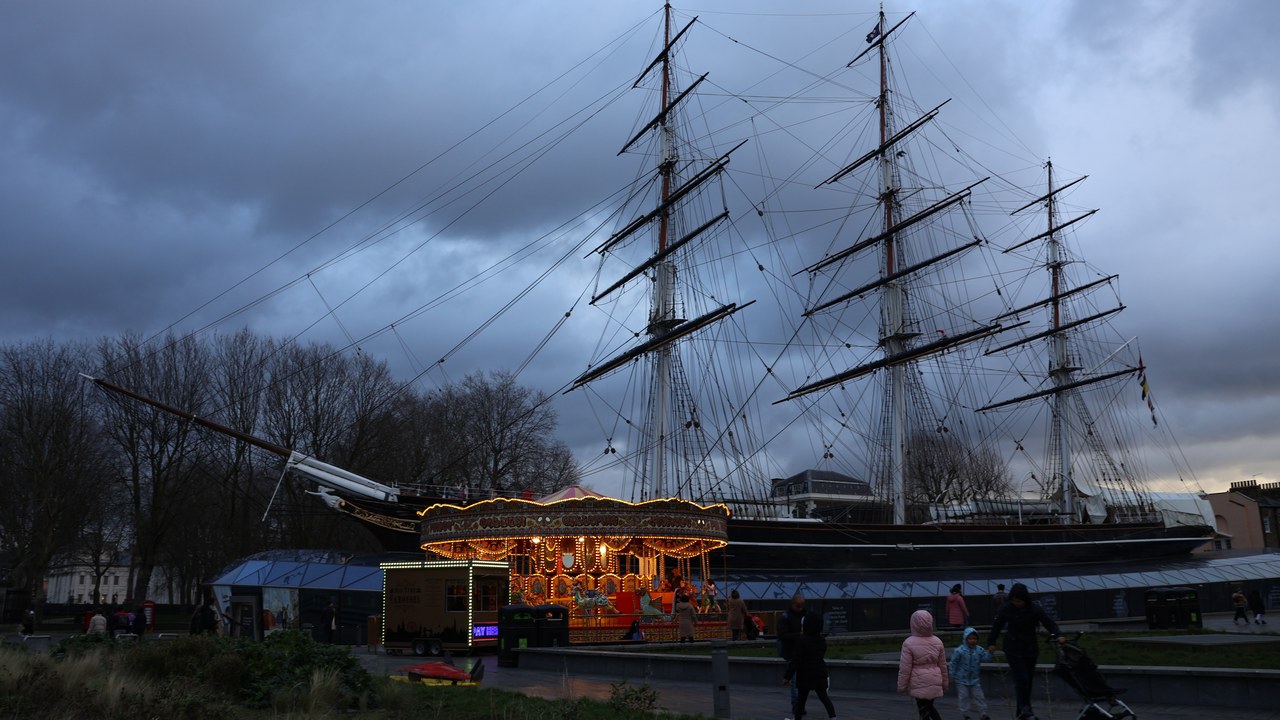
The 1869 three-masted tea clipper measures 280 feet and is now a museum ship, Wikipedia reports. It is one of the best-known surviving clippers, built for speed on the tea trade.
As a museum, it no longer sails, so visitors see the hull and rigging rather than a working ship. The 280-foot figure is a sparred length, which is the measurement Wikipedia uses for comparison. Dry-berthed or floating, the ship remains a major draw in London, and its 1869 launch places it in the final years of the clipper era.
9. HMS Victory: Oldest In The Group
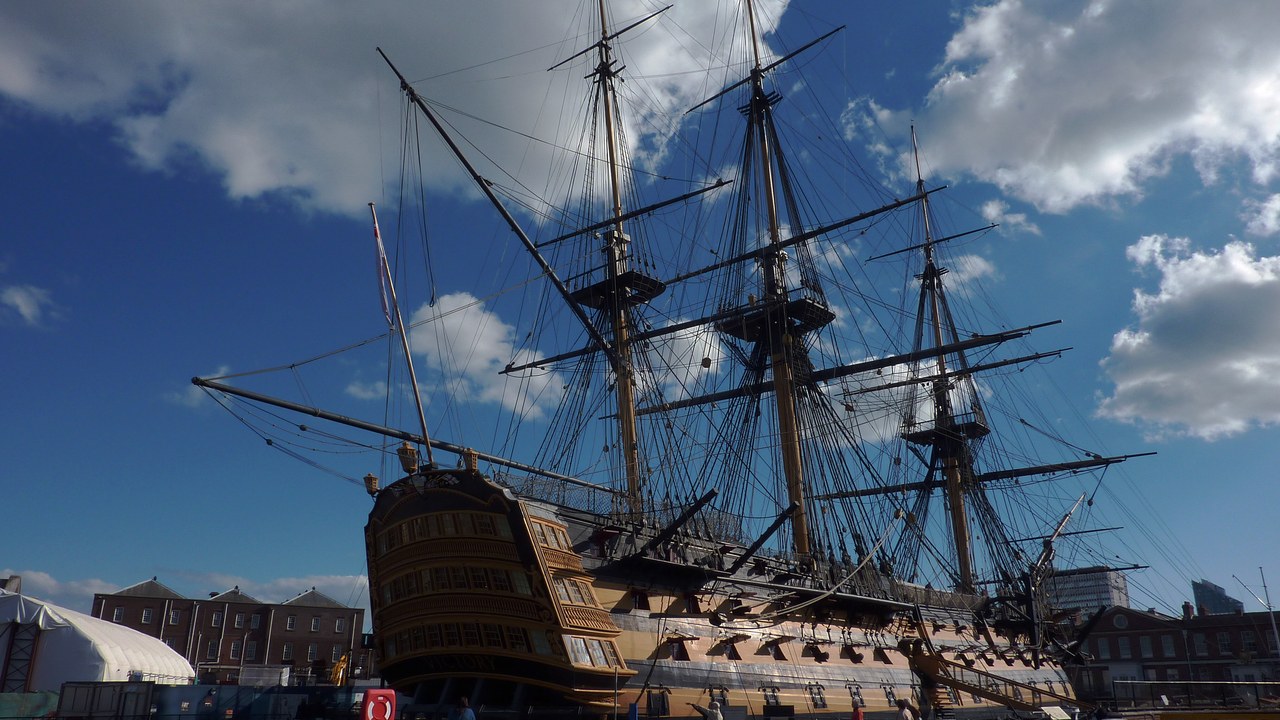
Launched in 1765, the 227-foot ship of the line is the oldest vessel in this group and is preserved in dry dock.
Its measured length is 227 feet 6 inches on Wikipedia’s table, which is shorter than many later merchant sailing ships. Visitors see a ship that is preserved on land, not floating on the water. It dates to the late eighteenth century, which puts it roughly a century before the youngest vessels on the list.
10. Moshulu: Longest Ship Here
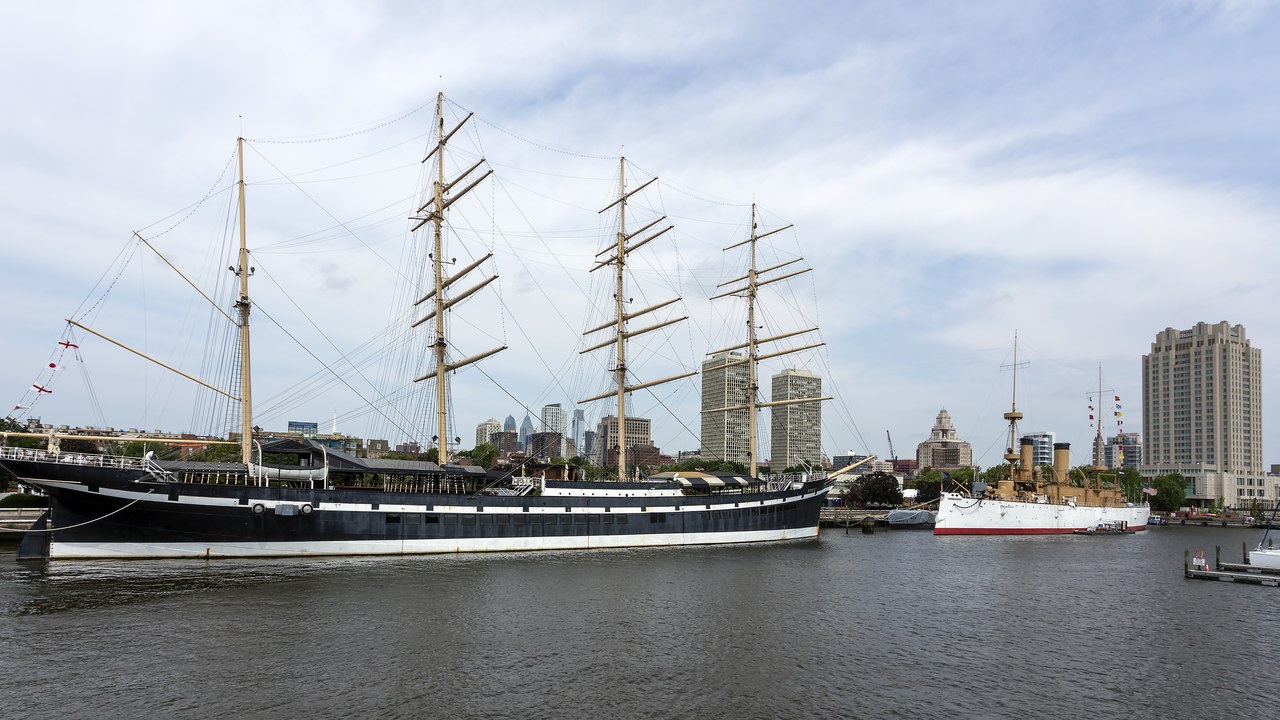
The 1904 four-masted barque stretches 396 feet, the longest ship in this group, and is moored as a museum. Wikipedia’s table lists it with a sparred length of 396 feet.
Its size sets it apart from the older warships and clippers that share the list. A museum ship in this form gives a sense of how large cargo sailers grew before steam took over. Anyone comparing the ships should remember that length figures from Wikipedia are sparred lengths, which include spars and are larger than hull measurements.
11. Wavertree: Full-Rigged Museum
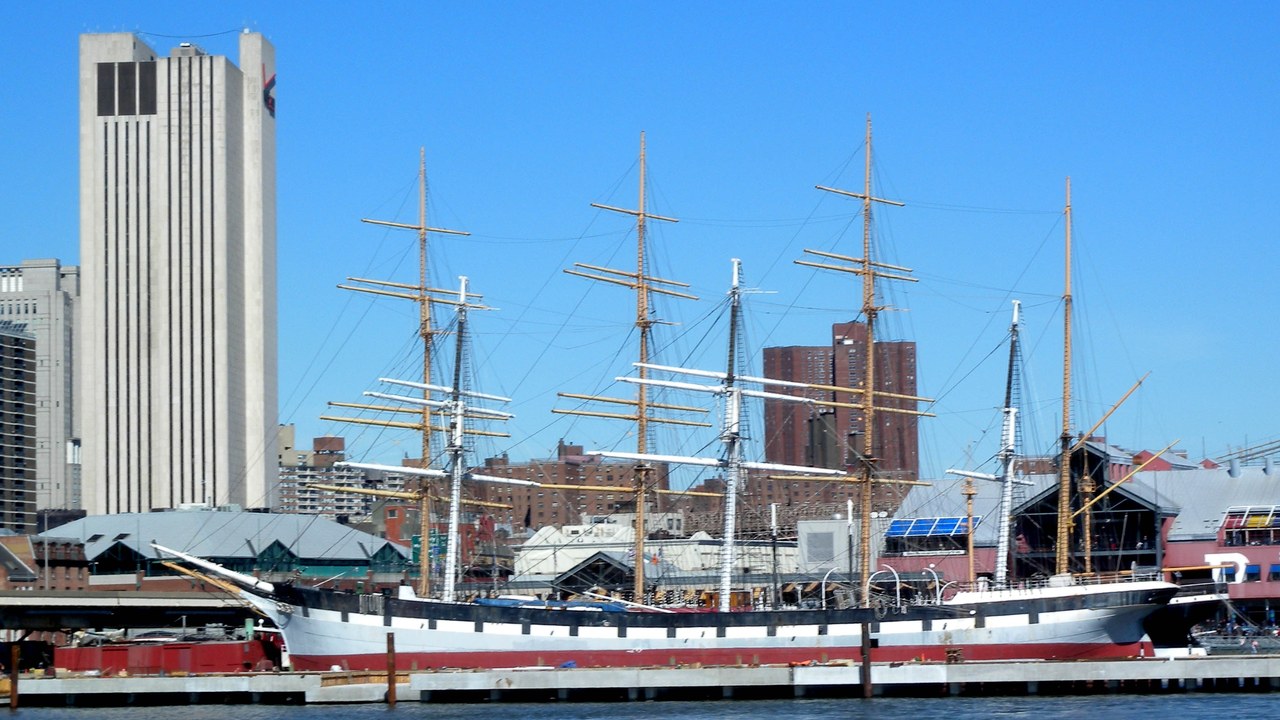
The 279-foot full-rigged ship was launched in 1885 and now floats as a museum. TravelPulse includes it in a gallery of America’s historic tall ships.
The ship is a close contemporary of the 1886 Balclutha, and the two show how late merchant sail development continued. Its 279-foot length is a sparred figure from Wikipedia’s table. That makes it a useful contrast with the 1904 Moshulu, which is almost 120 feet longer and dates from the next century.
Stay ahead on AI: Subscribe to The Deep View →
We may earn a commission if you sign up.
More from Morning Overview
