
Winter forces wildlife to choose between migrating, staying active and shutting down. Some species lower their body temperature, heart rate and breathing to a fraction of normal and wait for spring. Here are ten animals that sleep through the cold months, with the physiology and timing that set each one apart.
Tech news in one quick read: Get the most interesting stories in startups, tech and programming, each with a short TLDR, in one daily email from TLDR.
We may earn a commission if you sign up.
1. Groundhog: Slowest Heartbeat
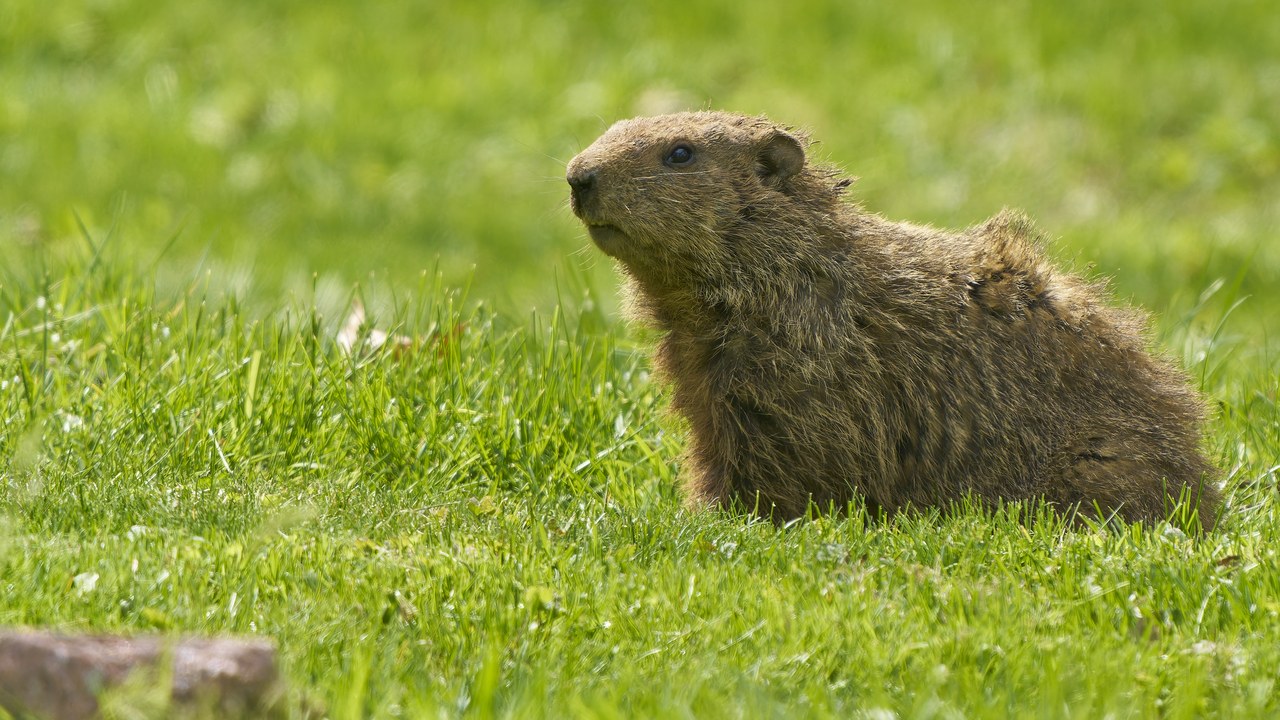
A groundhog’s heart slows from 160 beats per minute to as few as four, and it may take only one breath a minute, according to the Missouri Department of Conservation. Its body temperature falls to between 43 and 57 degrees Fahrenheit in winter.
Normal body temperature for the animal is 96.8 degrees, so the winter drop is dramatic. The figures explain why a hibernating woodchuck appears lifeless to anyone who finds it in its burrow. Missouri’s conservation agency lists the groundhog among the state’s winter sleepers, along with bears, frogs and the thirteen-lined ground squirrel.
2. Eastern chipmunk: Small Animal, Big Drop
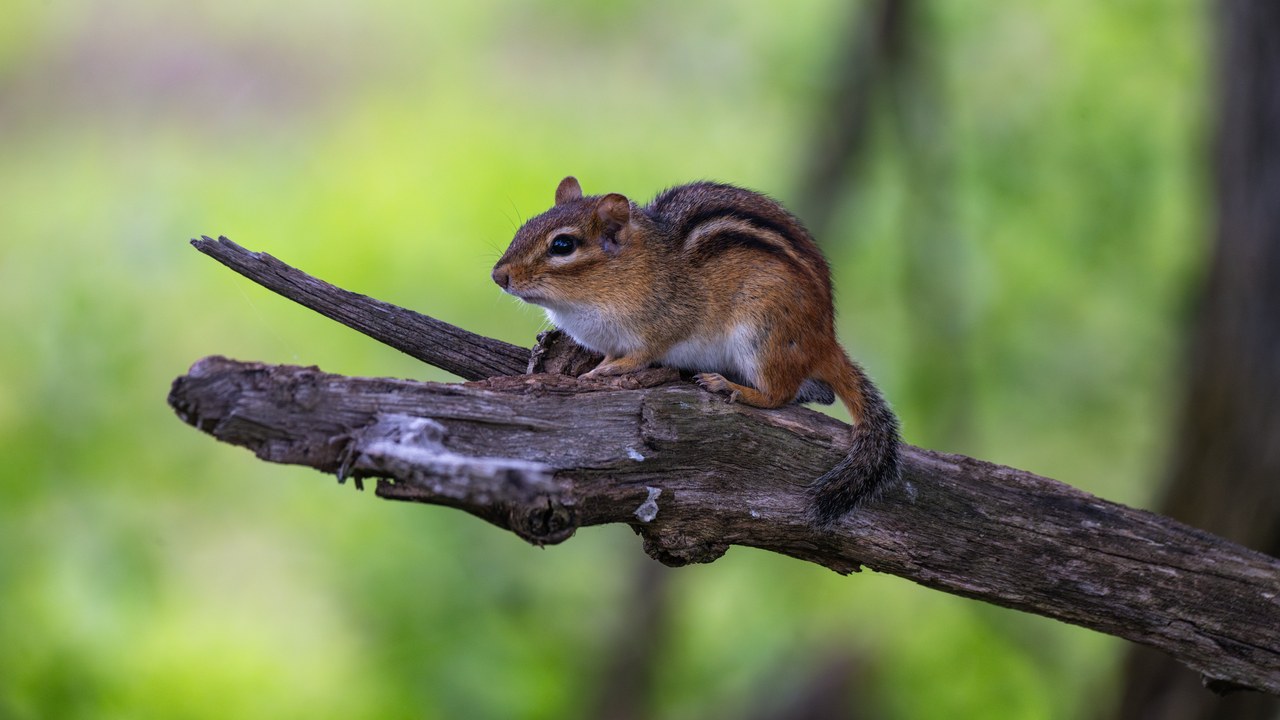
A chipmunk’s heart rate falls from about 350 beats a minute to perhaps four, and its body can chill to as cold as 40 degrees Fahrenheit, the National Wildlife Federation says. Its temperature normally sits near 94 degrees.
Burrows can run more than 10 feet in length, and about 87 percent of chipmunks survive the winter. The drop in heart rate is one of the largest proportional changes among animals on this list. Penn State also places chipmunks in its deep-hibernator group, where body temperature falls to around 5 degrees Celsius, so the two sources agree on the pattern.
3. American black bear: Not A True Hibernator
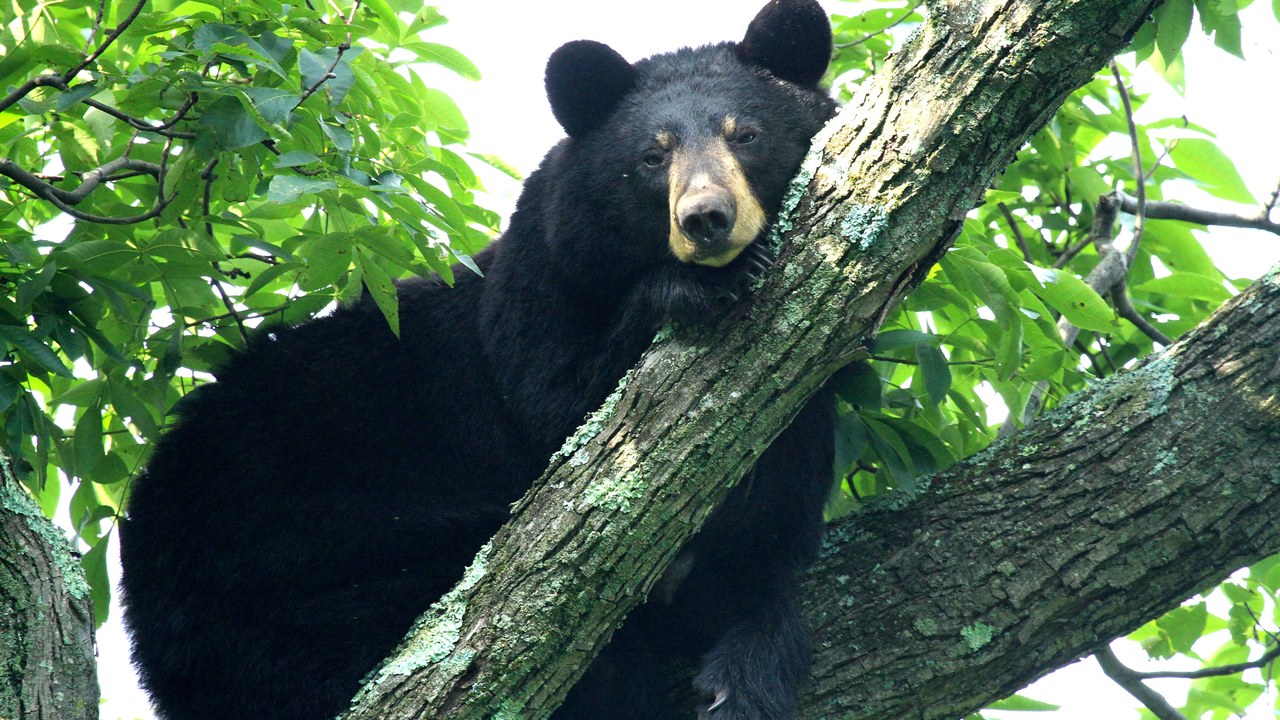
A black bear’s heart rate drops from 55 to 10 beats a minute, and its body temperature falls from about 96 degrees Fahrenheit to 88, according to the Missouri Department of Conservation. The change is modest compared with smaller animals.
Penn State classifies black bears as torpor animals, not deep hibernators, since body temperature stays at or above 15 degrees Celsius. A newborn cub weighs about nine ounces. The comparison matters because many people assume bears hibernate like a groundhog, and the numbers show a much gentler slowdown.
4. Thirteen-lined ground squirrel: Tunnel Sleeper
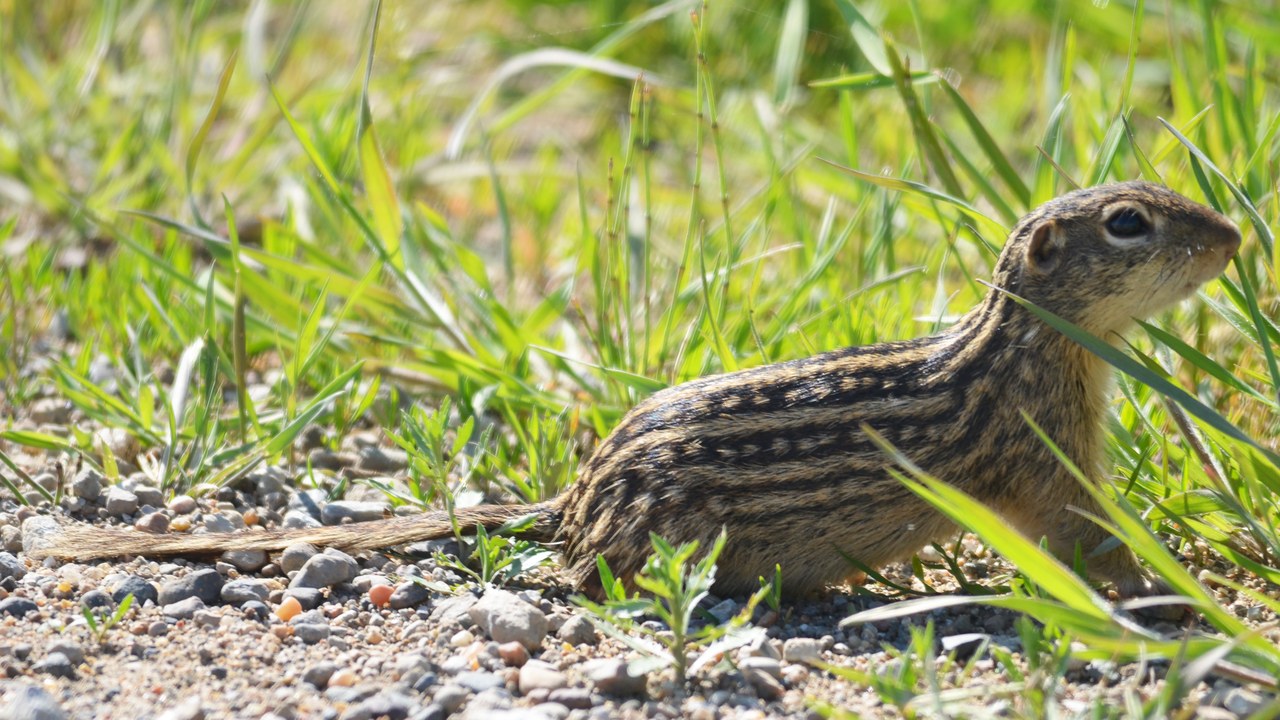
The thirteen-lined ground squirrel hibernates in a tunnel up to 20 feet long, from early fall until late March or early April, according to the Missouri Department of Conservation. That timetable covers roughly half the year.
The long tunnel gives the animal a protected space below the frost line. Unlike bears and skunks, the ground squirrel is listed among the true hibernators, so its metabolism slows far more than theirs. Winter sleep lasts from early fall until spring, so the animal spends most of the cold months underground and out of sight.
5. Grizzly bear: No Winter Meals
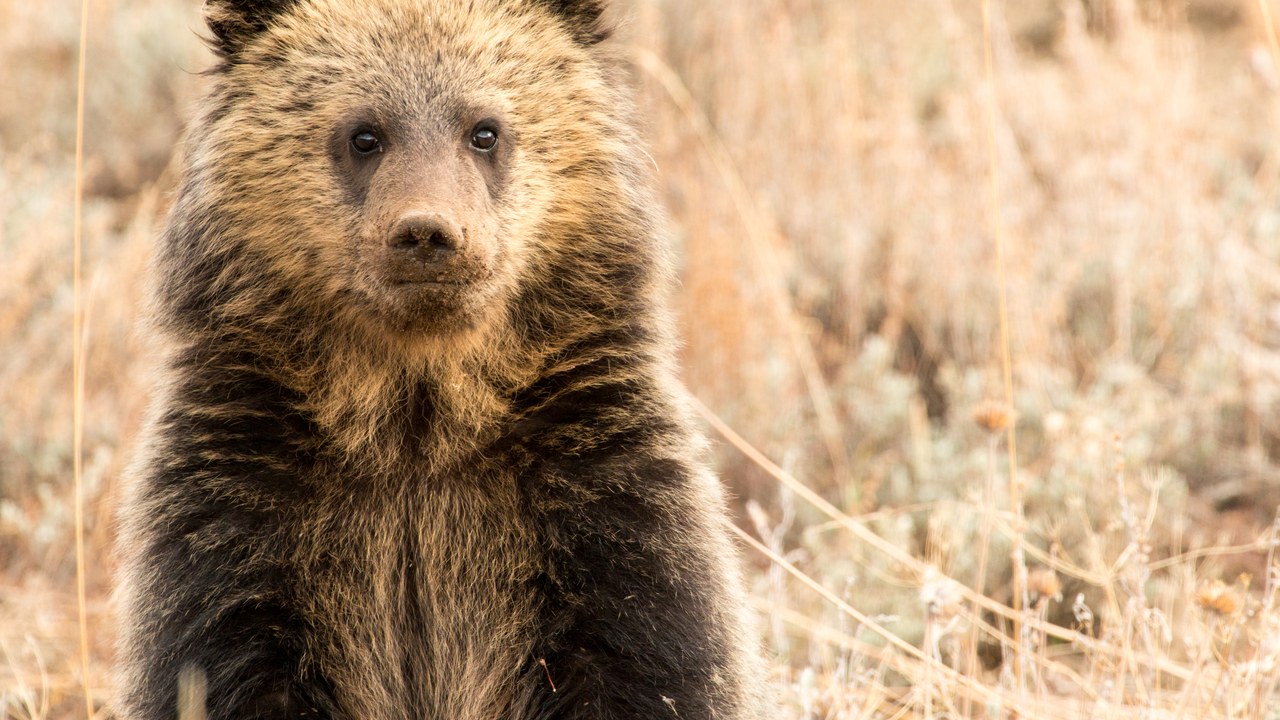
Arctic grizzly bears hibernate through the long winter and do not eat at all until spring, the National Park Service says. The agency describes the behavior in a page on animal adaptations in Alaska.
The grizzly relies on stored fat and has no food intake through the entire season. Other Arctic animals in the same Park Service page, such as caribou and muskox, rely on insulating coats instead. The source notes that these Arctic grizzlies eat nothing for the entire winter, a stretch that lasts from fall until the thaw.
6. Gray treefrog: Frozen Solid
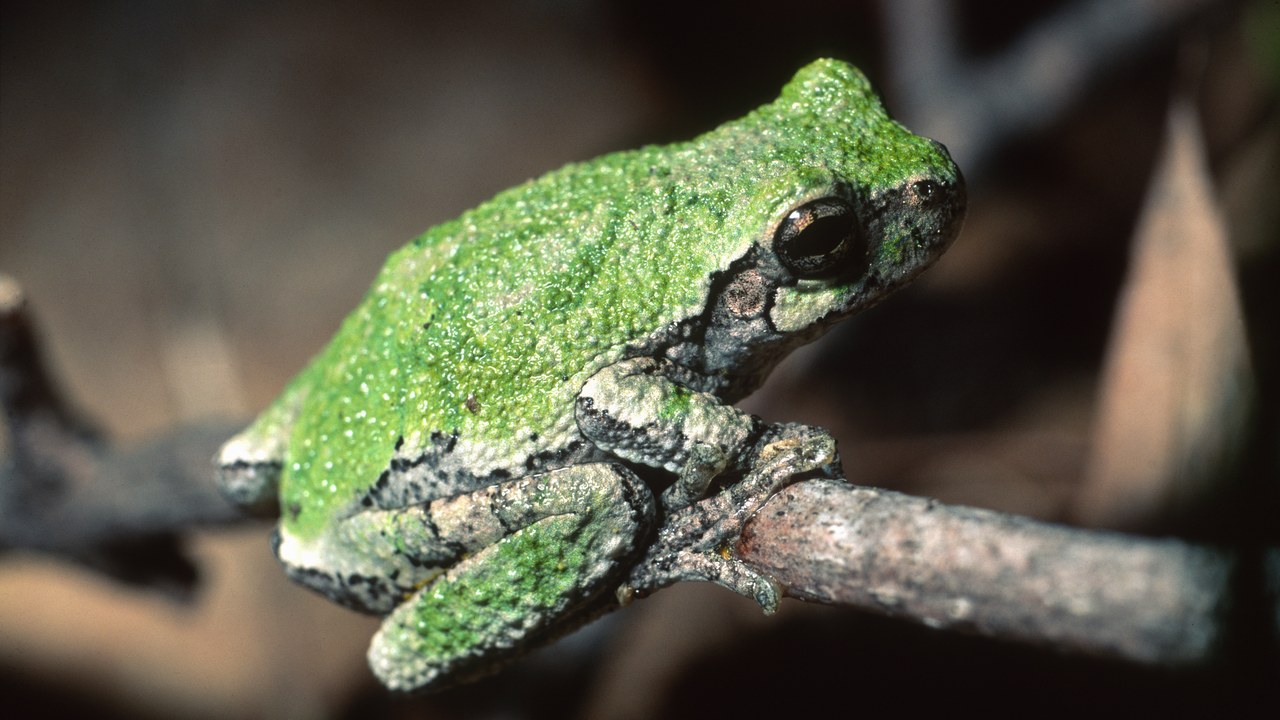
Buried just under cold ground, the gray treefrog can have a body that freezes solid without killing it, protected by a sugary antifreeze made in fall. The Missouri Department of Conservation says spring peepers and wood frogs share the trait.
Freezing is a different strategy from the slowed metabolism of mammals, since the frog’s body actually turns to ice. The adaptation allows these amphibians to survive in places where winters regularly drop below freezing. The Missouri agency’s page also says the gray treefrog is not alone, and its list of freeze-tolerant frogs includes two other species.
7. Eastern box turtle: Deep Hibernator
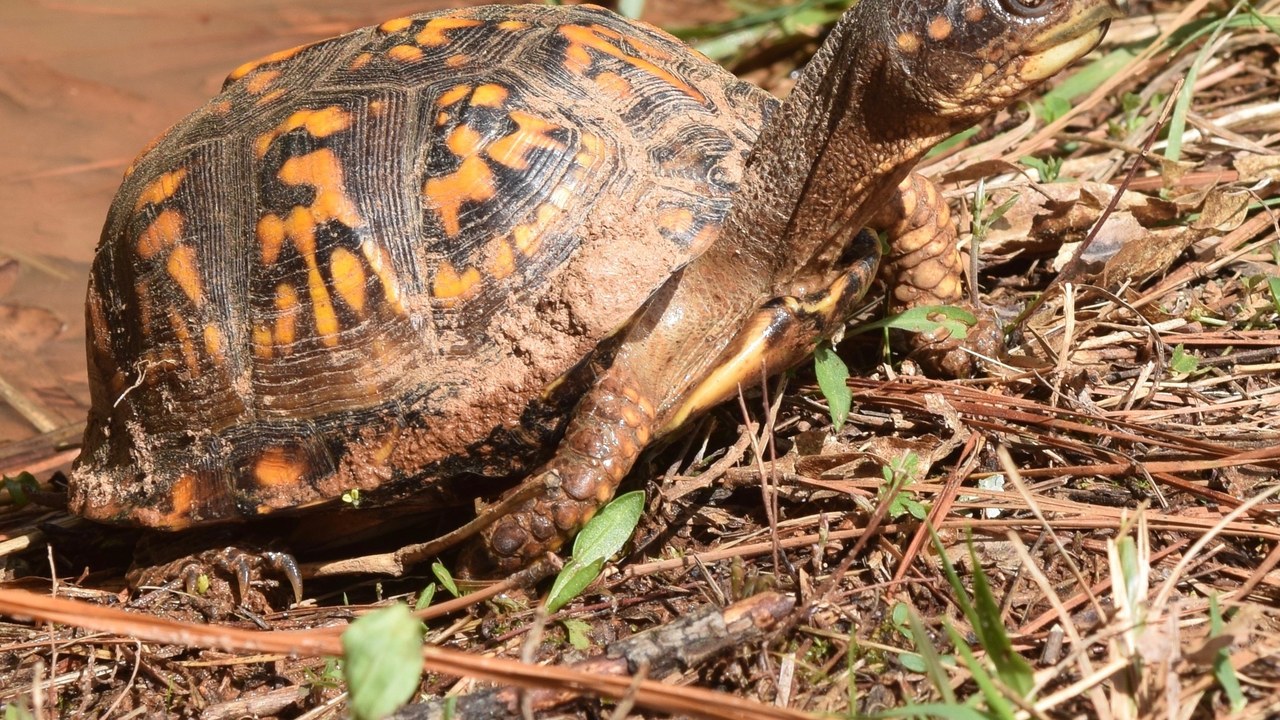
The eastern box turtle is a deep hibernator whose body temperature drops to around 5 degrees Celsius (41 degrees Fahrenheit) for days or weeks at a time, according to Penn State. The source groups it with chipmunks, woodchucks and toads.
That temperature is only a few degrees above freezing, which leaves little margin for error. The same Penn State page lists chipmunks, woodchucks, black snakes, garter snakes and toads in that group, so the turtle is one of several reptiles and amphibians sharing the pattern.
8. Common garter snake: Cold-Blooded Sleeper
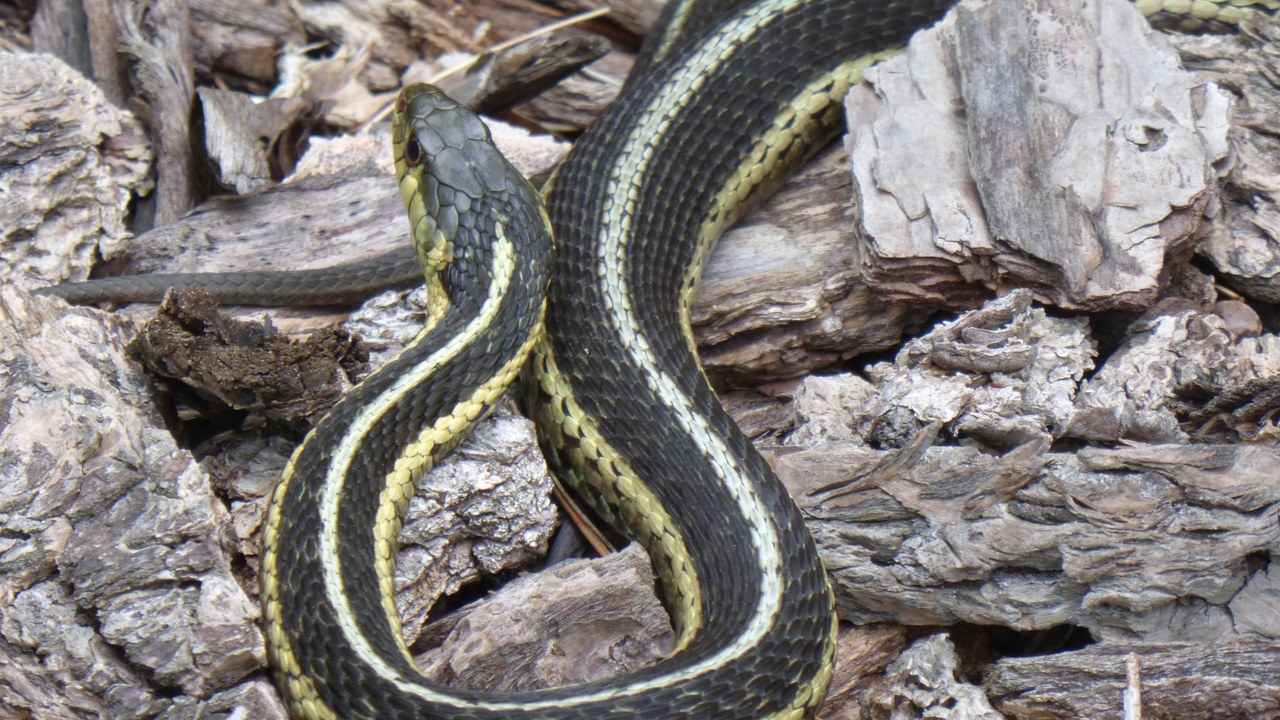
Garter snakes are deep hibernators, with their bodies cooling to around 5 degrees Celsius (41 degrees Fahrenheit) through the winter, according to Penn State. The source lists them alongside box turtles and toads.
Penn State puts chipmunks, woodchucks, black snakes and garter snakes in the same deep-hibernation group, so the snake’s strategy resembles that of some mammals. The temperature is the same figure given for box turtles and toads, which makes it a useful benchmark for cold-blooded animals in winter.
9. American toad: Dug-In Amphibian
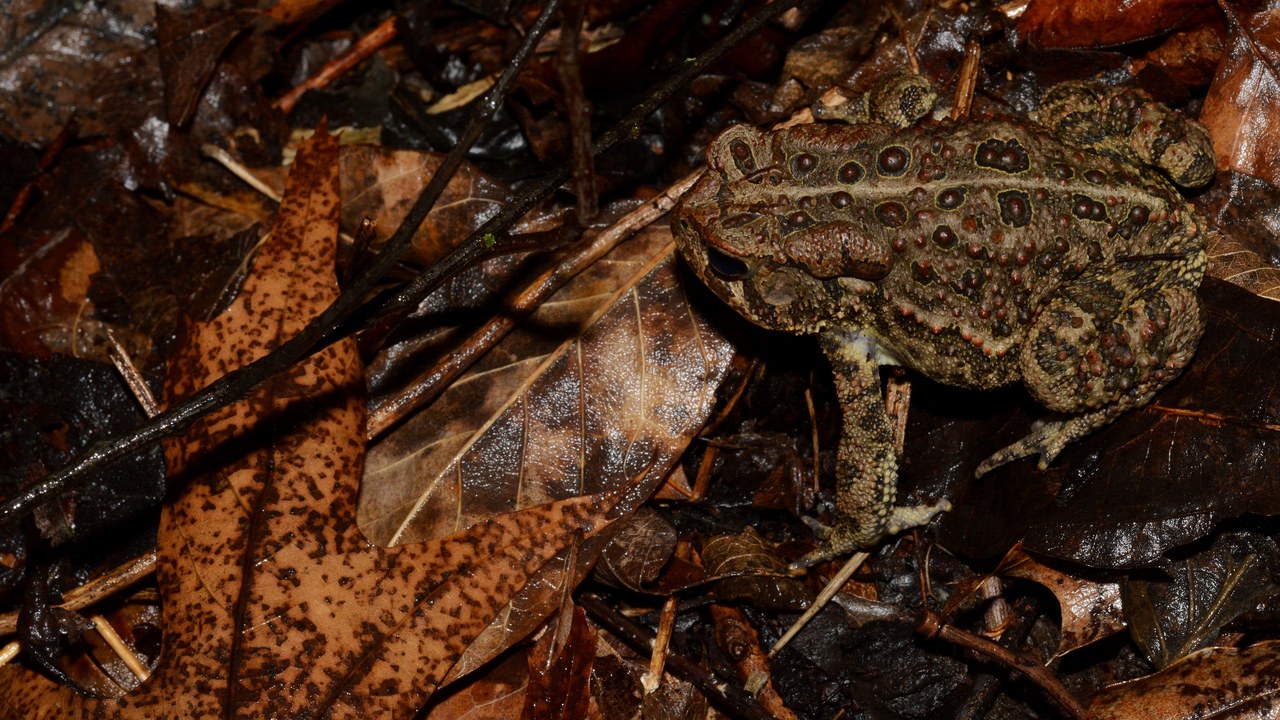
American toads go into deep hibernation, with body temperature falling to around 5 degrees Celsius (41 degrees Fahrenheit), Penn State says. The figure matches those given for box turtles and garter snakes.
The shared temperature suggests a common threshold for these animals when conditions turn cold. Toads differ from the gray treefrog on this list, which survives by freezing instead of by cooling to a steady low temperature. Penn State lists gray squirrels, shrews, voles, red foxes and wild turkeys as animals that do not hibernate at all, a useful contrast with the toad.
10. Striped skunk: Only Torpor
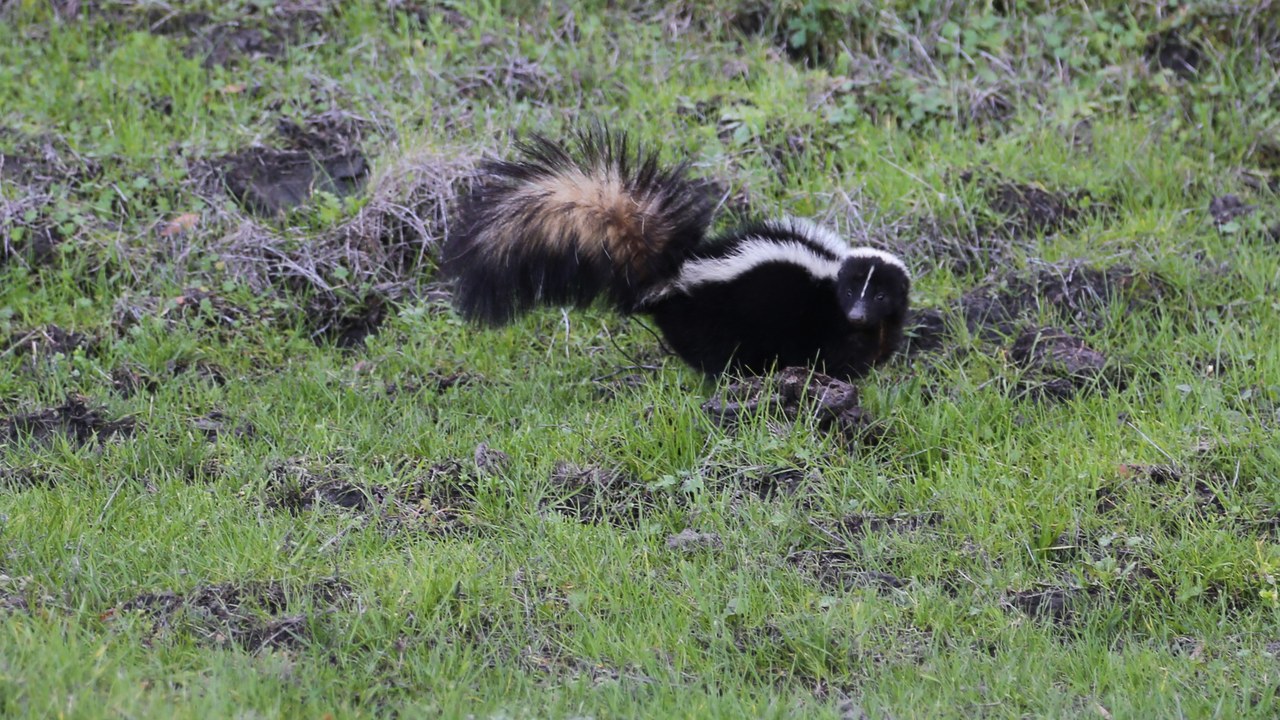
Skunks go only into torpor, with body temperature dropping no lower than about 15 degrees Celsius (59 degrees Fahrenheit), according to Penn State. That is much warmer than the 5 degrees reached by deep hibernators.
Raccoons, black bears and deer mice share the same classification. The skunk is on the list as a lighter sleeper. The 15-degree floor is the key difference between torpor and deep hibernation, which is why the skunk’s winter rest is less extreme than that of the toad.
Tech news in one quick read: Subscribe to TLDR →
We may earn a commission if you sign up.
More from Morning Overview
- NOAA now gives this winter a 75% chance of the strongest El Nino since 1950
- Doctors warn a silent liver disease now affects one in three American adults
- The FBI told the rest of ShinyHunters to surrender after a 24-year-old was arrested
- Two passengers died at an Ohio toll plaza, and the NTSB now wants the cash lanes shut
