
A major winter storm is burying the Sierra Nevada this week, and Donner Pass is once again at the center of it. The mountain crossing has a long history of snow, from a pioneer tragedy to stranded trains and closed interstates. These pictures follow the storm across the pass, the lakes and the resorts it is about to transform.
Read next on Morning Overview: A handful of car transmissions are so tough that mechanics say they almost never die
Donner Pass: Feet of Snow at the Summit
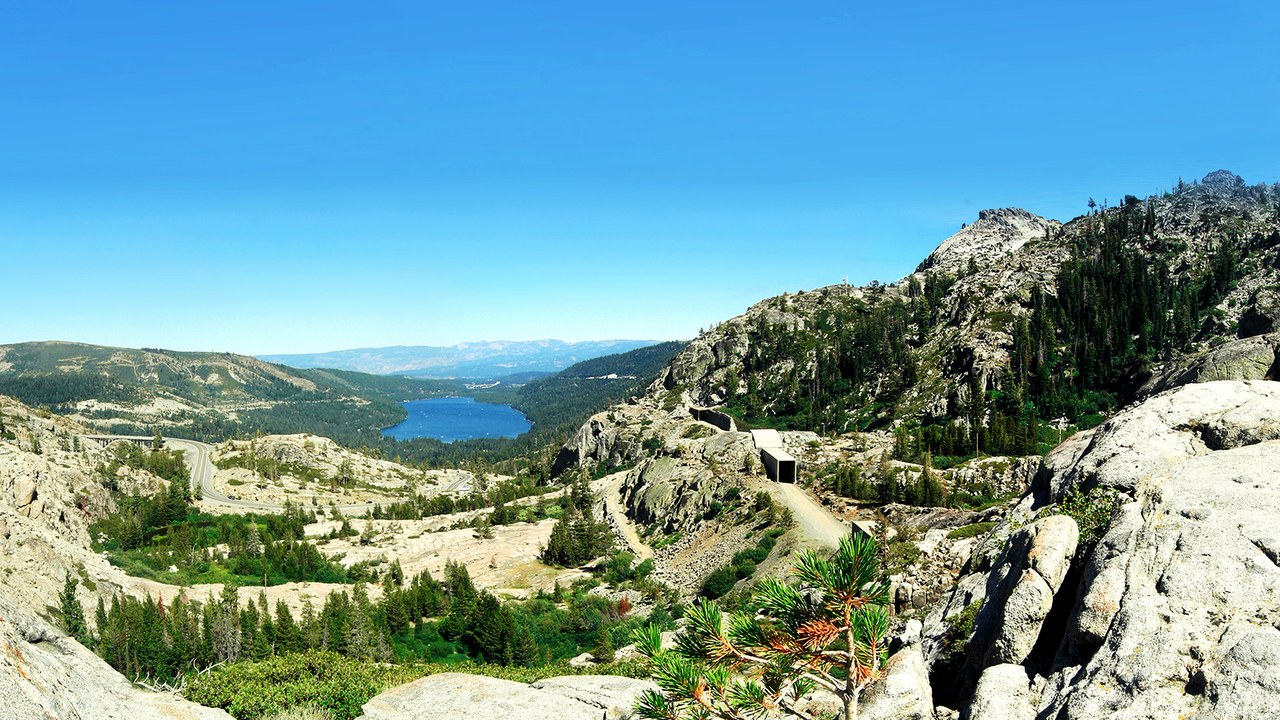
The National Weather Service forecasts 2.5 to 5 feet of snow at Donner Pass, the summit of Interstate 80, through Friday morning, according to the San Francisco Chronicle. The weather service advises against travel in the Sierra Nevada from Wednesday through midday Friday.
Ski resorts could see 2 to 5 feet, with 1 to 2 feet around the Lake Tahoe shoreline, and significant snow as low as 4,000 feet. Another atmospheric river storm could bring more heavy snow early next week, making Donner Summit travel treacherous again before Thanksgiving.
Donner Party: The Winter That Named the Pass
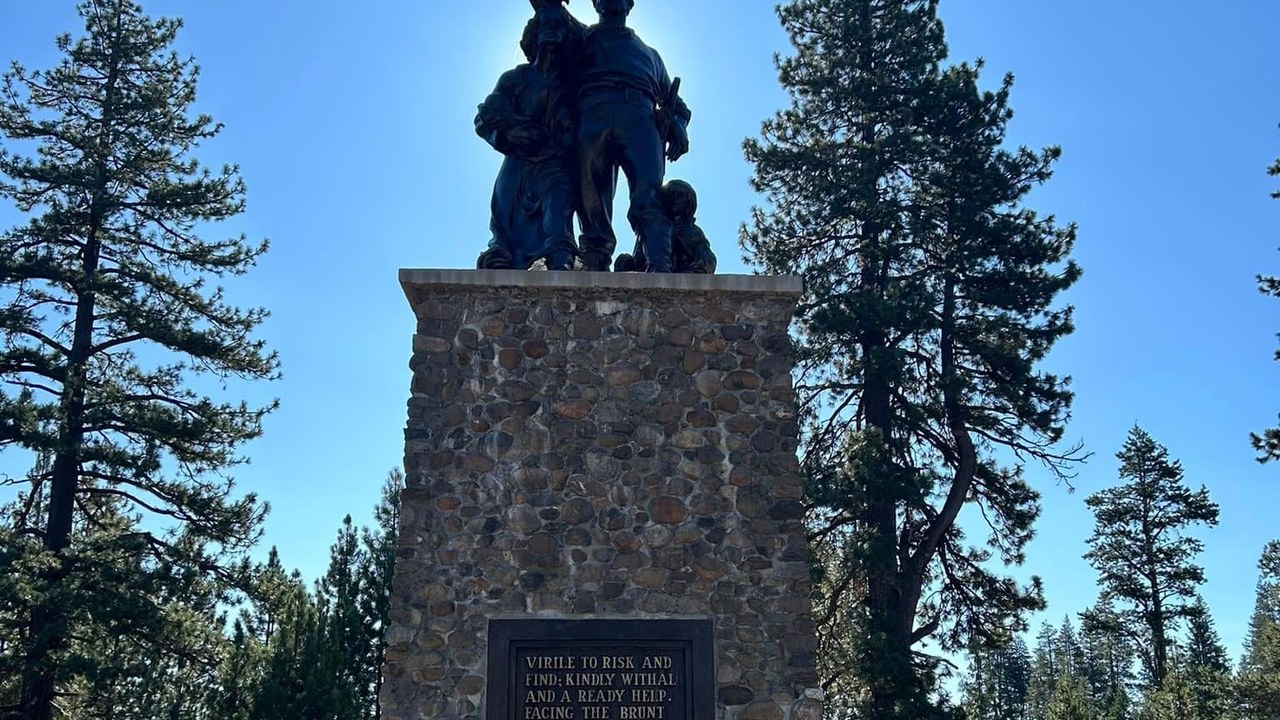
The Donner Party was a group of American pioneers traveling to California by wagon train who became snowbound in the Sierra Nevada in the winter of 1846 to 1847, as its Wikipedia entry explains. Some survivors resorted to cannibalism to stay alive.
In June 1918, a statue of a pioneer family dedicated to the Donner Party was placed where one of their cabins was thought to have stood. The State of California created Donner Memorial State Park around the monument in 1927, and it was made a California Historical Landmark in 1934.
Interstate 80 in California: The Interstate Over the Top
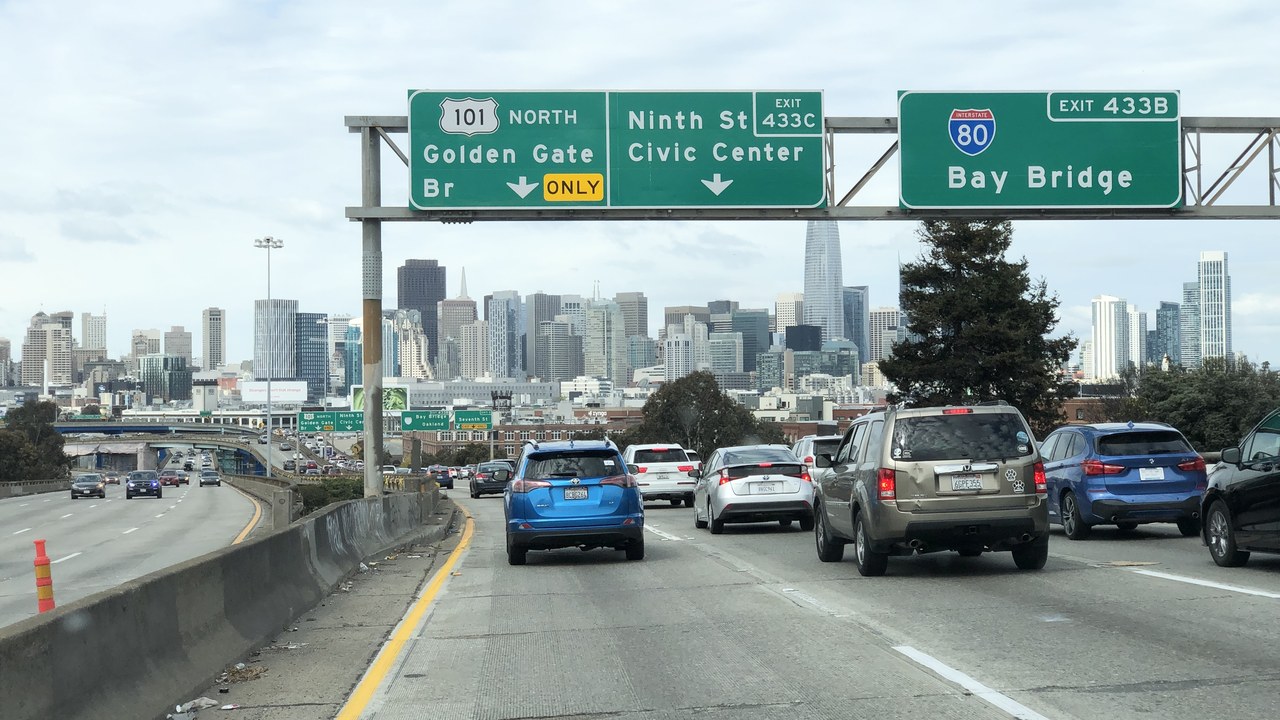
Interstate 80 crosses the Sierra Nevada and crests at Donner Summit before descending into Nevada through the Truckee River Canyon, according to its Wikipedia entry. In California it runs east from San Francisco across the Bay Bridge and through the Sacramento Valley.
The speed limit is at most 65 mph along the entire California route rather than the state’s 70 mph maximum. In storms like this one, chain controls and closures over the summit can halt one of the nation’s busiest east-west routes.
Lake Tahoe: The Lake Waiting for Snow
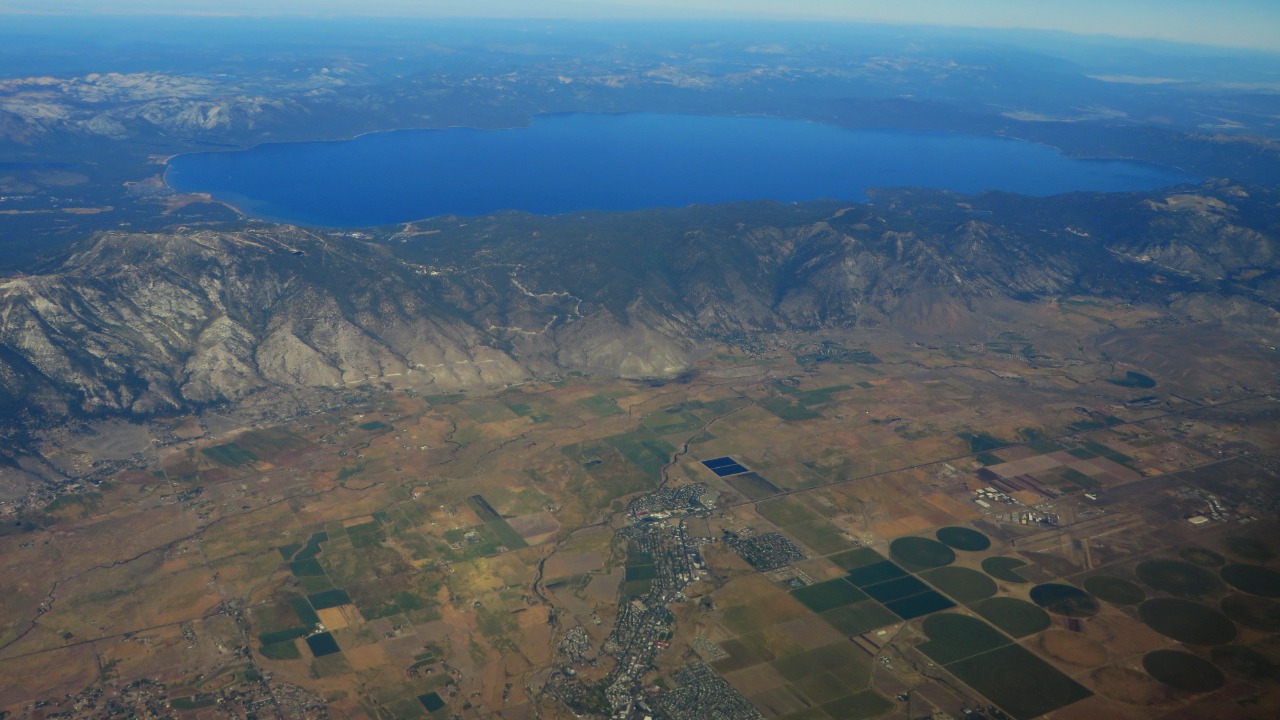
Lake Tahoe, at 6,225 feet above sea level, is the largest alpine lake in North America, as its Wikipedia entry notes. By volume it trails only the five Great Lakes among U.S. lakes, and its depth of 1,645 feet makes it the second deepest in the country after Crater Lake.
The lake formed about two million years ago, and its present shape was carved during the ice ages. It is known for its clear water, and this week’s storm is forecast to drop 1 to 2 feet of snow around its shoreline.
Palisades Tahoe: An Olympic Resort Gets a Head Start
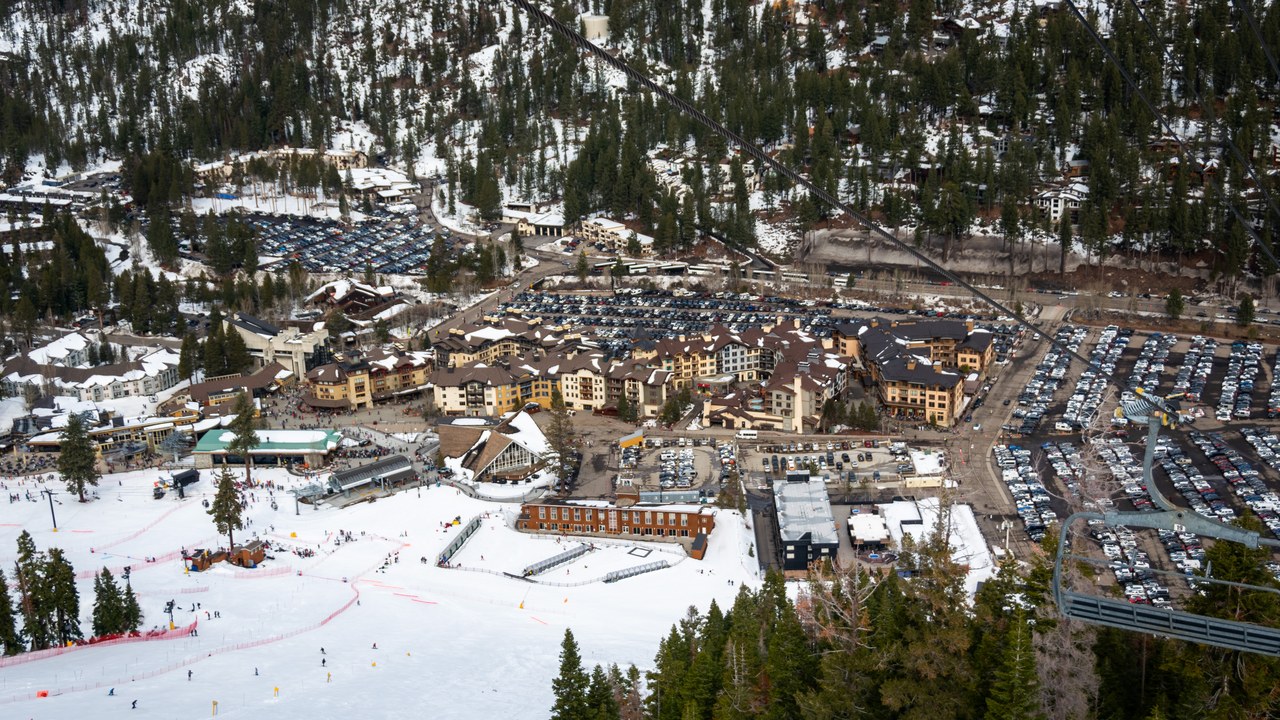
Palisades Tahoe in Olympic Valley, northwest of Tahoe City, was founded in 1949 as Squaw Valley and hosted the 1960 Winter Olympics, according to its Wikipedia entry. It changed its name in 2021 because of the derogatory connotations of its old name.
It is the largest skiing complex in the Lake Tahoe region, with a base elevation of 6,200 feet and 3,600 skiable acres across six peaks. Storms like this one set up early-season openings, and forecasters expected a clear day on Saturday for resorts opening their lifts.
Truckee, California: The Mountain Town Below the Pass
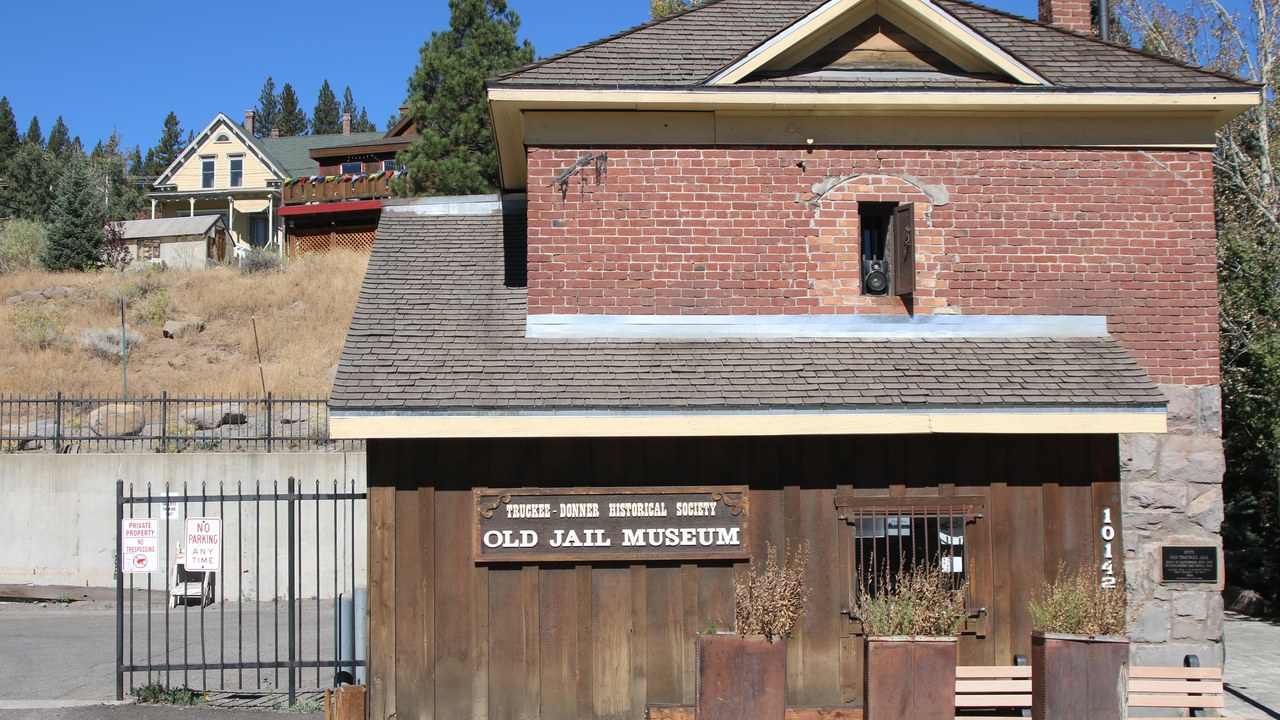
Truckee, California, had 16,729 residents at the 2020 census, as its Wikipedia entry notes. It began in 1863 as Gray’s Station, named for Joseph Gray’s roadhouse on the wagon road across the Sierra, and by 1866 the area was known as Coburn’s Station.
The Central Pacific Railroad later made it a key stop on the transcontinental line. Today the town sits just below Donner Summit on Interstate 80 and serves as a base for travelers and crews dealing with the heavy snow that falls on the pass.
Donner Lake: The Lake Below the Summit
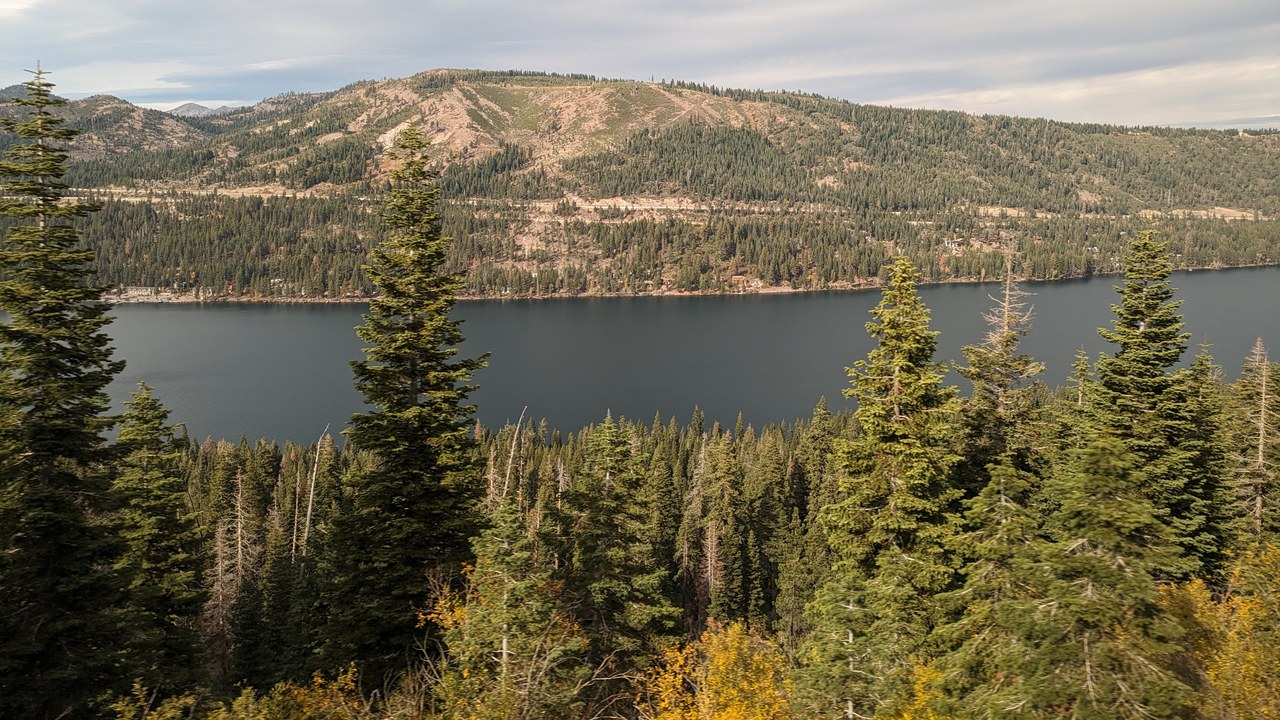
Donner Lake lies in the town of Truckee, held in place by a glacial moraine, between Interstate 80 to the north and Schallenberger Ridge to the south, according to its Wikipedia entry. Railroad tracks along the ridge follow the route of the original transcontinental railroad.
The historic Lincoln Highway, the first automobile road across America, and U.S. 40 follow its northern shore before climbing to Donner Pass, from which the entire lake can be seen. The Washoe people called the lake Datsa’shut.
Sierra Nevada: A 400-Mile Wall of Mountains
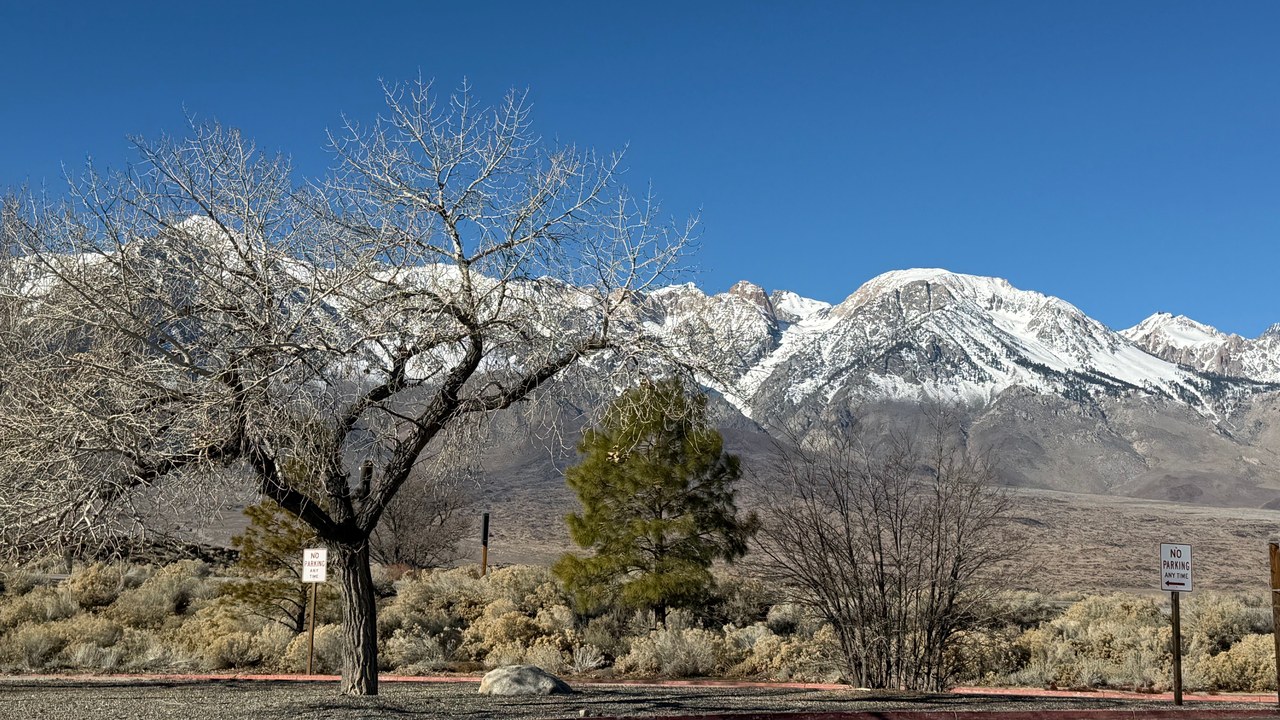
The Sierra Nevada runs about 400 miles north to south and is 50 to 80 miles wide, as its Wikipedia entry describes. Most of the range lies in California, with the Carson Range spur extending mainly into Nevada. It is part of the American Cordillera, the chain of ranges along the western Americas.
Its notable features include the General Sherman Tree, the largest tree in the world by volume, and Lake Tahoe, the largest alpine lake on the continent. This week, its northern passes are where the heaviest snow is forecast to fall.
Mammoth Mountain Ski Area: A Resort Built for Deep Snow
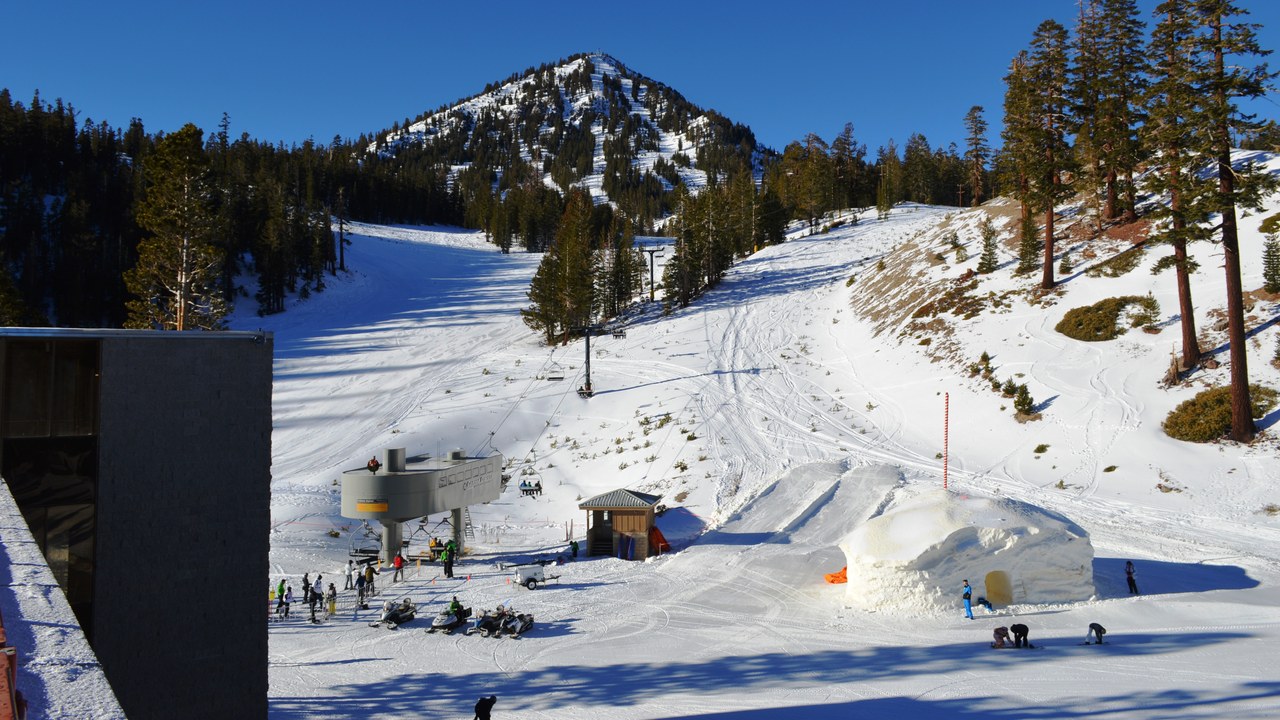
Mammoth Mountain Ski Area in Mammoth Lakes, California, receives an average of 400 inches of snow a year, according to its Wikipedia entry. It covers 3,500 skiable acres, with a vertical drop of 3,100 feet and a summit at 11,059 feet.
It typically runs a ski season from November until May, and some seasons extend into summer. Founded by Dave McCoy in the 1940s, it grew from a small ski area into a major resort after getting a U.S. Forest Service permit in 1953.
Snowshed: Holding Back the Avalanches
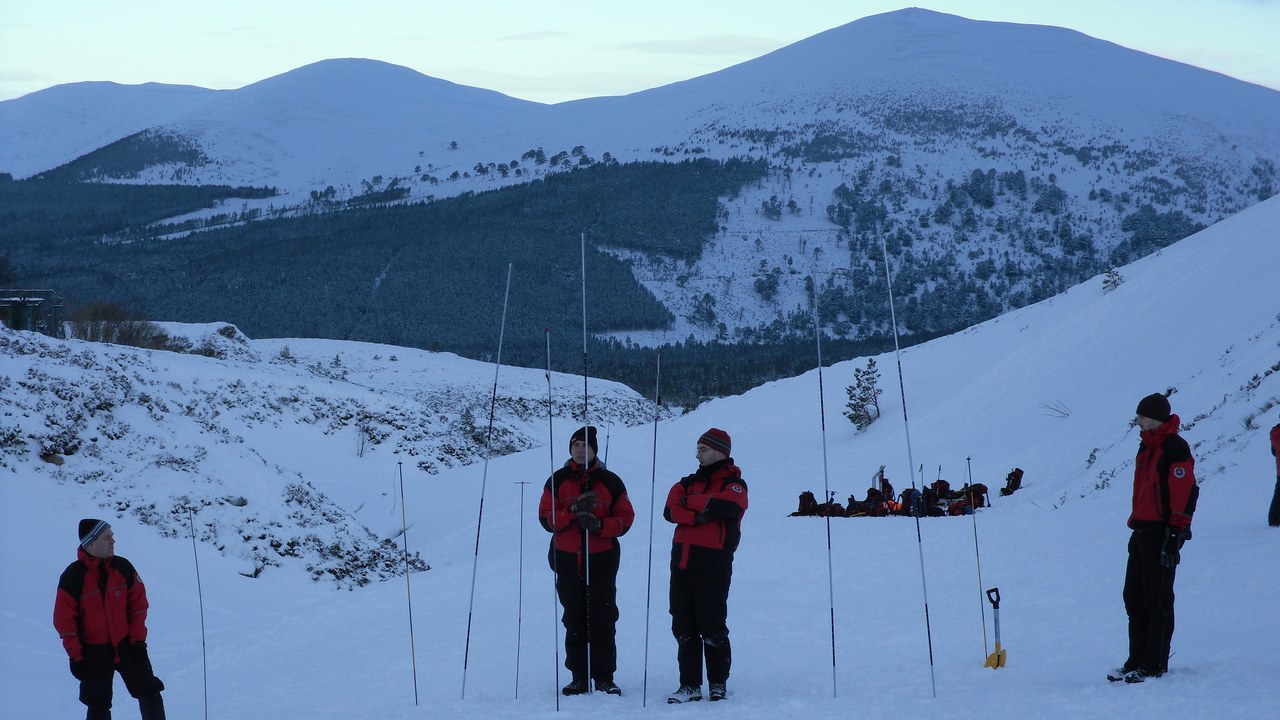
Avalanche control works to reduce the hazard that slides pose to people, roads and buildings, as its Wikipedia entry explains. It begins with a risk assessment that surveys terrain for features such as vegetation patterns, drainages and seasonal snow distribution.
Once threatened roads, ski hills and buildings are identified, programs set out ways to prevent slides or reduce the danger they pose. In the Sierra, those threatened features include Interstate 80, the railroad over Donner Pass and the region’s ski resorts.
Rotary snowplow: The Machines That Clear the Rails
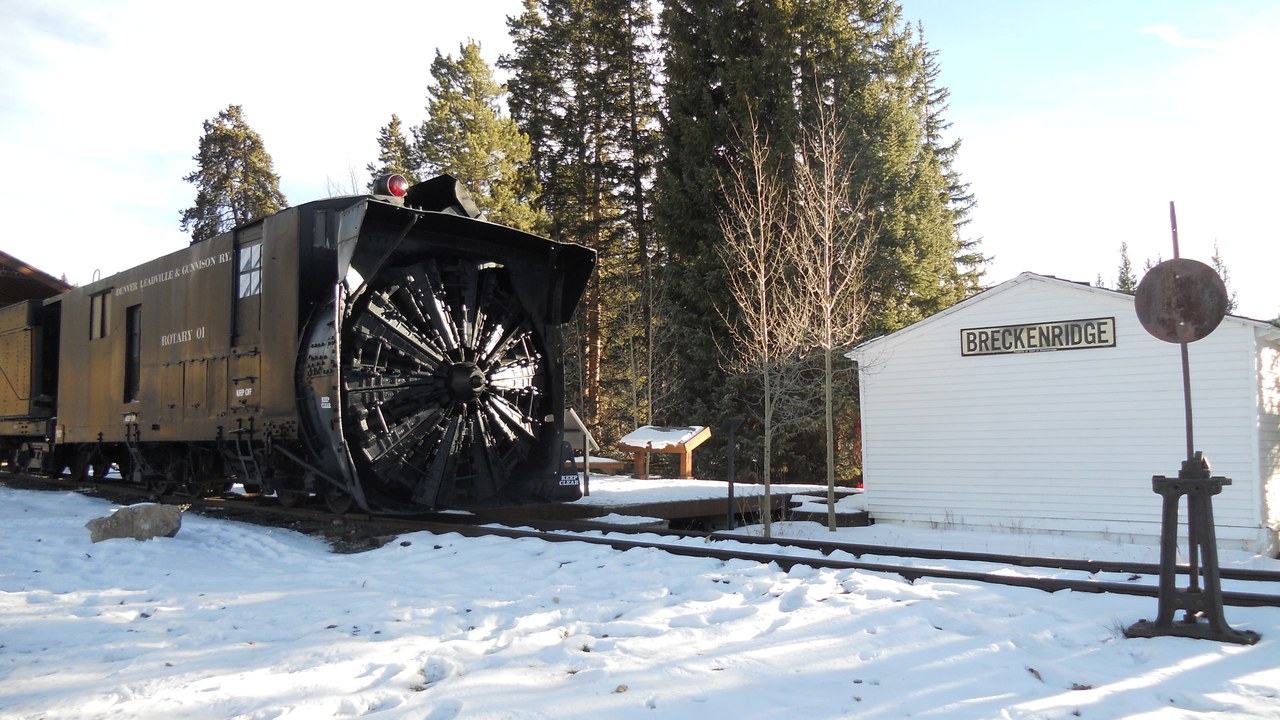
A rotary snowplow is railroad equipment with a large circular set of blades on its front that cut through snow too deep for a wedge plow, according to its Wikipedia entry. It was developed in the late 19th century.
On Donner Pass, railroads have run trains with a rotary at each end, and that became standard for Southern Pacific after the January 1952 stranding of the City of San Francisco train. The largest remaining fleet of rotaries is Union Pacific’s six plows reserved for Donner Pass.
More from Morning Overview
- The Justice Department asked courts to undo approvals for three offshore wind farms, one already making power
- Over 20 trillion gallons of rain fell on the Four Corners states and Nevada in two weeks
- 11 engines built to run well past 200,000 miles
- Two Kentucky residents died when a small plane crashed at Missouri’s Lake of the Ozarks, and the NTSB is investigating
