
On Good Friday, March 27, 1964, the ground under southern Alaska began shaking and did not stop for nearly five minutes. The magnitude 9.2 earthquake remains the largest ever recorded in the United States. It wrecked buildings in Anchorage, dropped coastal land below the tides, and sent tsunamis racing from Prince William Sound to the California coast.
Read next on Morning Overview: Cadillac cut the price of its cheapest EV, which goes up to 317 miles on a charge
Anchorage, Alaska: Five Minutes That Broke a City
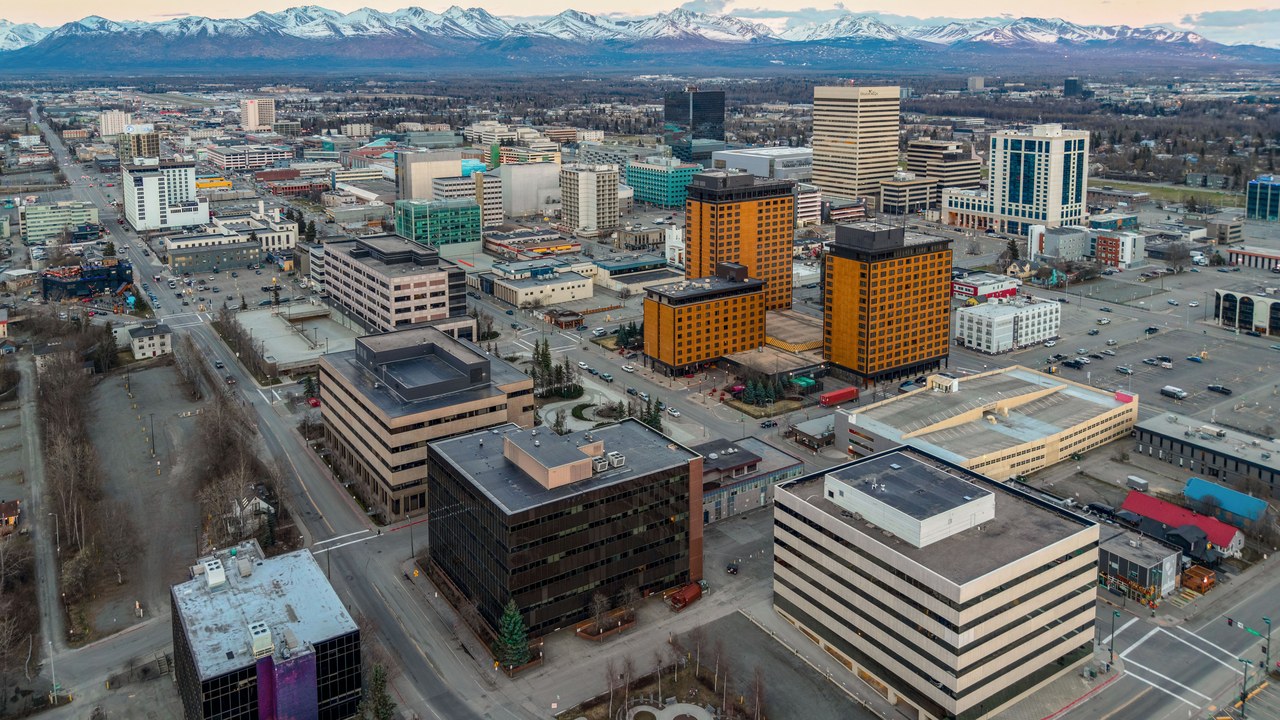
Anchorage took the brunt of the shaking. The Good Friday earthquake of March 27, 1964, hit Anchorage hard at a magnitude of 9.2, killing 115 people and causing $116 million in damage, about $750 million in 2025 dollars. The shaking lasted nearly five minutes, and most buildings that failed held for the first few minutes before giving way under repeated flexing.
It remains the second-largest earthquake in recorded history. In the chaos, broadcaster Genie Chance went to the city’s Public Safety Building and stayed on the air for almost 24 hours straight, coordinating shelters, food and rescue needs, and she is credited with holding the city together in the first days.
Turnagain Arm: Where the Shoreline Sank
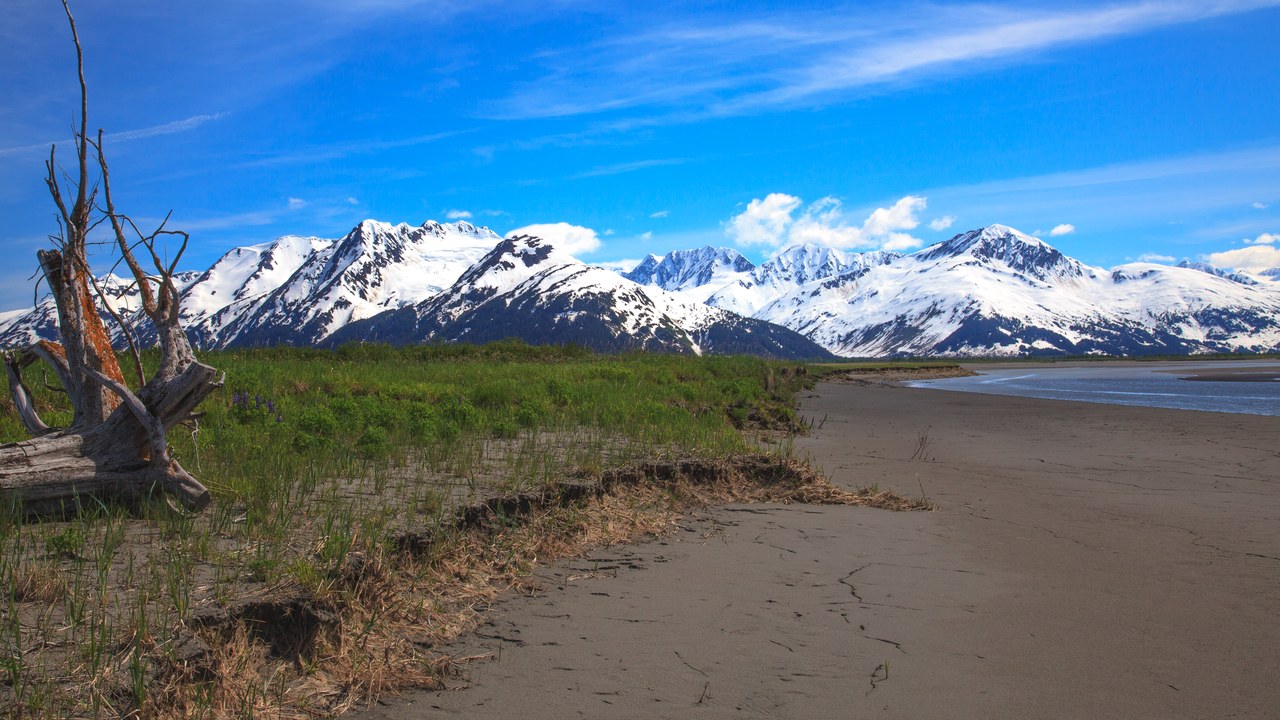
Turnagain Arm is the narrow branch of Cook Inlet that runs southeast from Anchorage, a waterway subject to climate extremes and large tide ranges. In 1964 its shores showed how the quake reshaped the land itself, not just the buildings on it.
Communities along the north shore include Indian, Bird and Girdwood. At the head of the arm, the settlement of Portage was destroyed outright when the ground dropped. The arm’s big tides made that subsidence far more dangerous, because land that sank only a few feet ended up under water at every high tide.
Valdez, Alaska: The Dock That Vanished
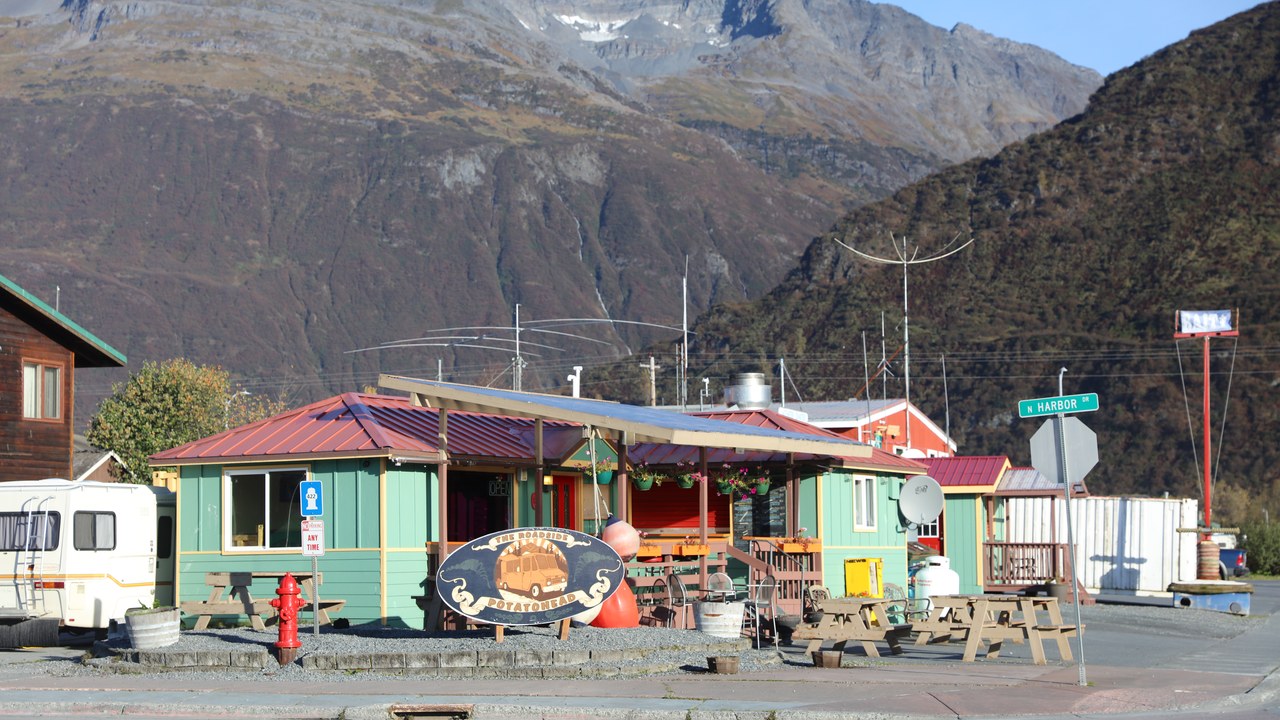
Valdez, at the head of Port Valdez on Prince William Sound, suffered catastrophic damage during the 1964 Alaska earthquake. The town sat on glacial silt, and when that soil liquefied it triggered a massive underwater landslide that broke off a section of shoreline and sank it into the sea.
Thirty-two people standing on the main freight dock to watch the supply ship SS Chena unload were killed when the dock collapsed into the water. The slide also set off a local tsunami about 30 feet high. The original town, now called Old Town, was abandoned, and Valdez was rebuilt on 115 acres of donated, more stable ground.
Seward, Alaska: A Rail Town Hit Twice
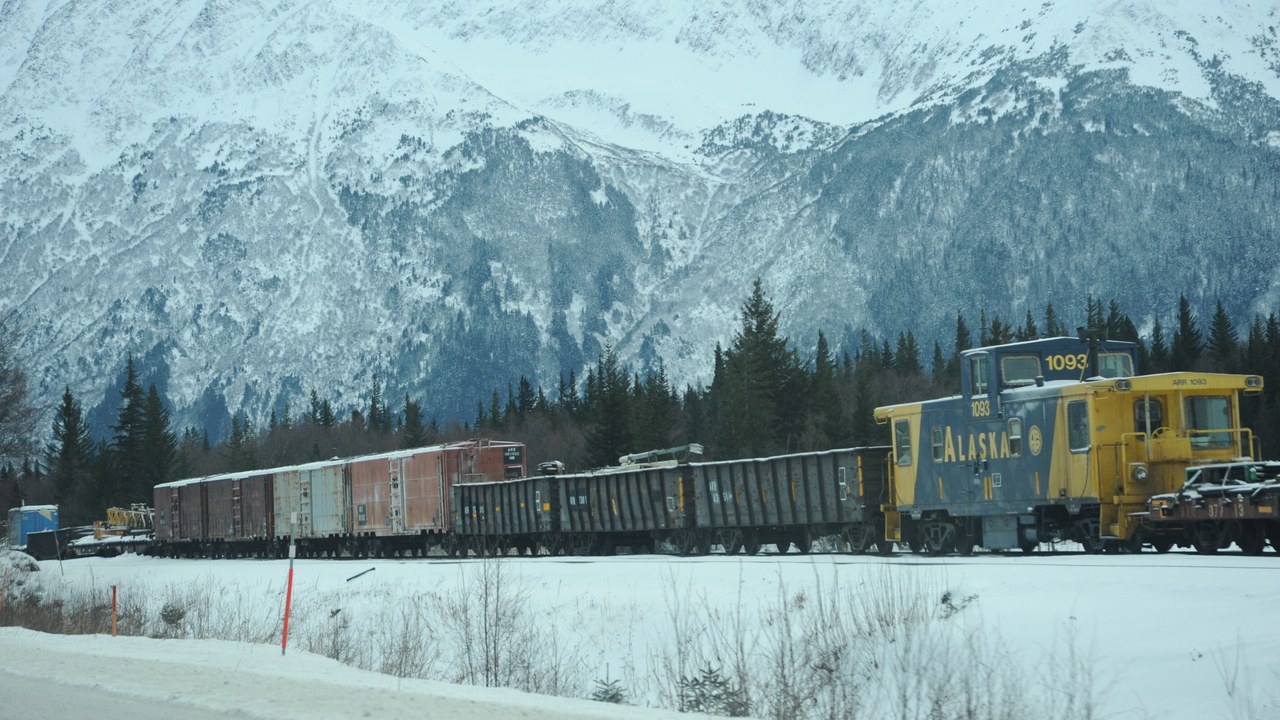
Seward, on Resurrection Bay about 120 road miles from Anchorage, is the southern terminus of the Alaska Railroad and the historic start of the Iditarod Trail. During the quake, a large portion of Seward was damaged by shaking and a local tsunami.
Seward was one of several Alaskan communities, along with Whittier, Kodiak and Valdez, that took both blows that day: violent shaking followed by waves. The damage was severe enough that every trace of one of the town’s radio stations was destroyed, a measure of how completely the waterfront was hit.
Whittier, Alaska: A 43-Foot Wave
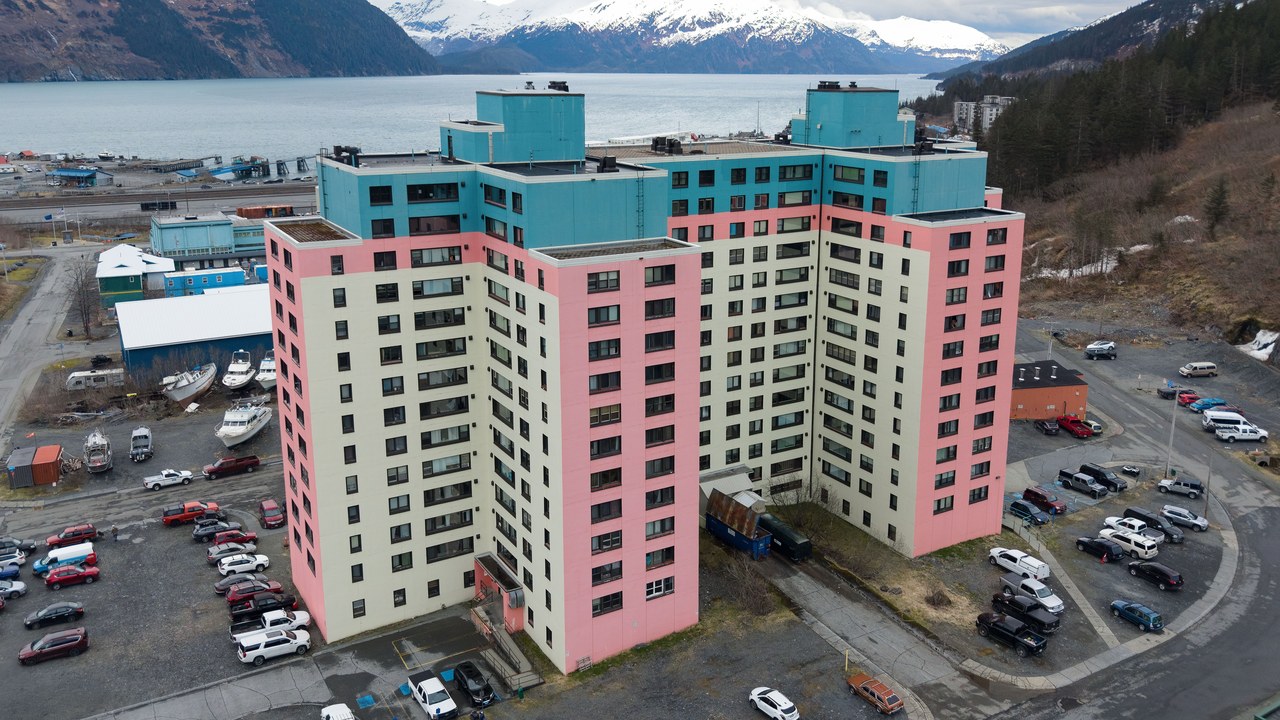
Whittier, at the head of Passage Canal about 58 miles southeast of Anchorage, is a tiny port where almost all 272 residents live in one building. On March 27, 1964, Whittier suffered over $10 million in damage, roughly $104 million in 2025 dollars.
The tsunami that hit Whittier reached 43 feet and killed 13 people. Even the town’s small gravel airstrip lost 500 feet of runway to the quake. For a community that small, a 43-foot wave and 13 deaths made it one of the hardest-hit places on the sound relative to its size.
Kodiak, Alaska: Thirty-Foot Waves at Kodiak
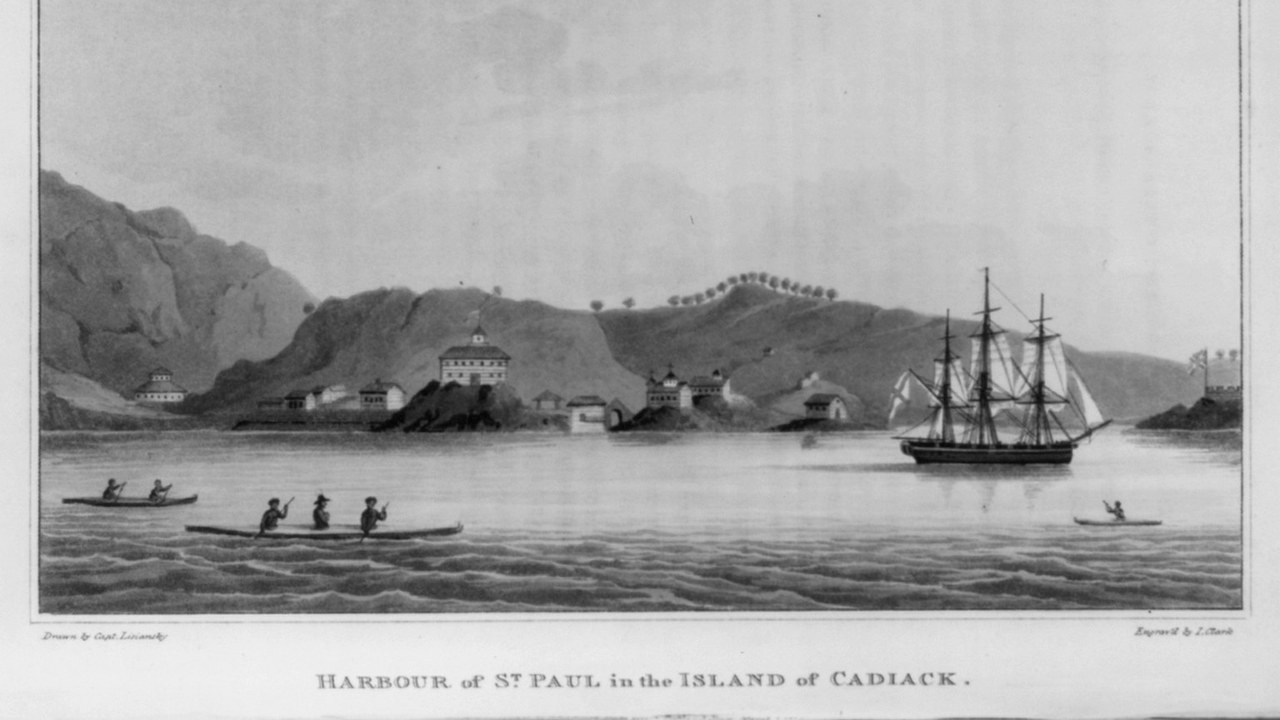
Kodiak, the main city on Kodiak Island, has lived through two 20th-century disasters: ash from the 1912 Novarupta eruption and a tsunami from the 1964 Alaska earthquake. In March 1964, 30-foot waves struck the city, killing 15 people and causing $11 million in damage.
The waves wiped out the nearby Native villages of Old Harbor and Kaguyak and destroyed much of the fishing fleet, along with Standard Oil and Alaskan King Crab Company facilities. The quake also permanently raised some areas near Kodiak by about 30 feet, the mirror image of the sinking seen farther east.
Crescent City, California: Damage Down the Coast
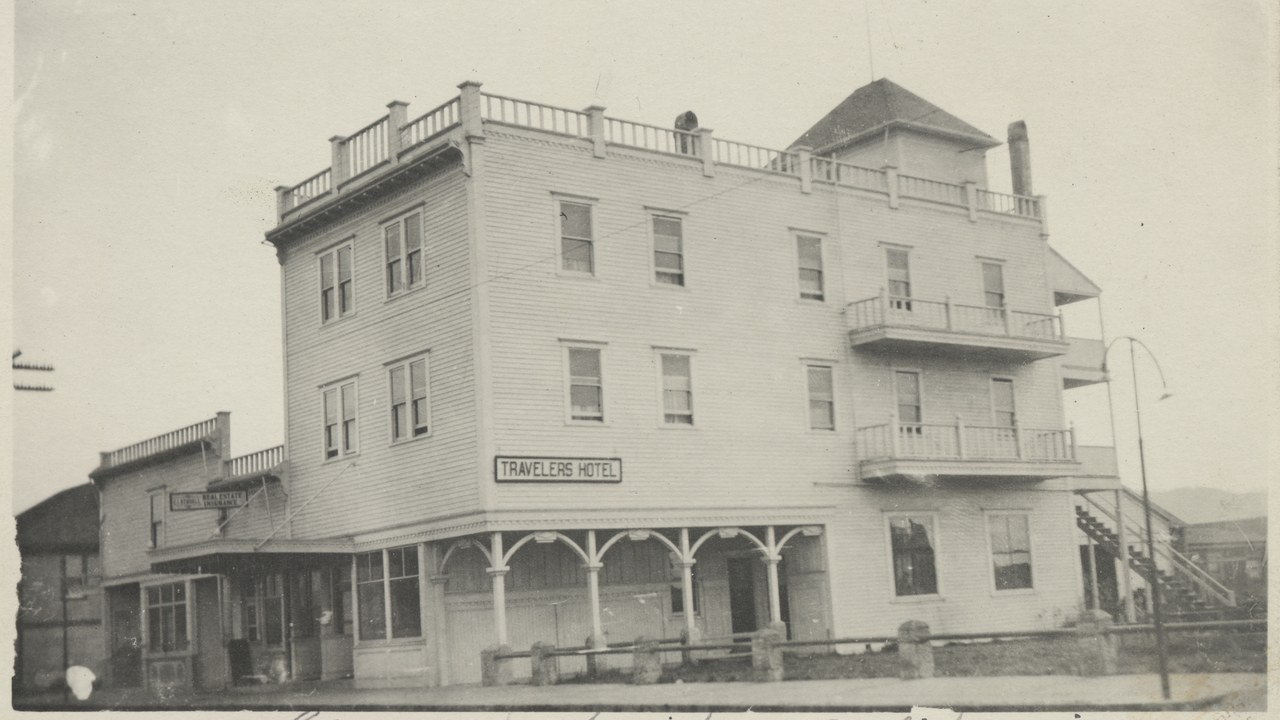
The quake’s reach did not stop in Alaska. In 1964, much of Crescent City was destroyed by four tsunami waves generated by the Great Alaskan earthquake. The first wave arrived about 4.1 hours after the quake and caused only local flooding, but the fourth, after drawing the harbor nearly dry, struck at about 20 feet.
By the next morning, 289 buildings and businesses were destroyed, about 1,000 cars and 25 large fishing vessels crushed, and 12 people confirmed dead. Researchers say the sea floor around Crescent City focuses tsunamis, and the 1964 wave is often cited as the most destructive recorded on the U.S. Pacific Coast.
Girdwood, Alaska: The Town That Moved Uphill
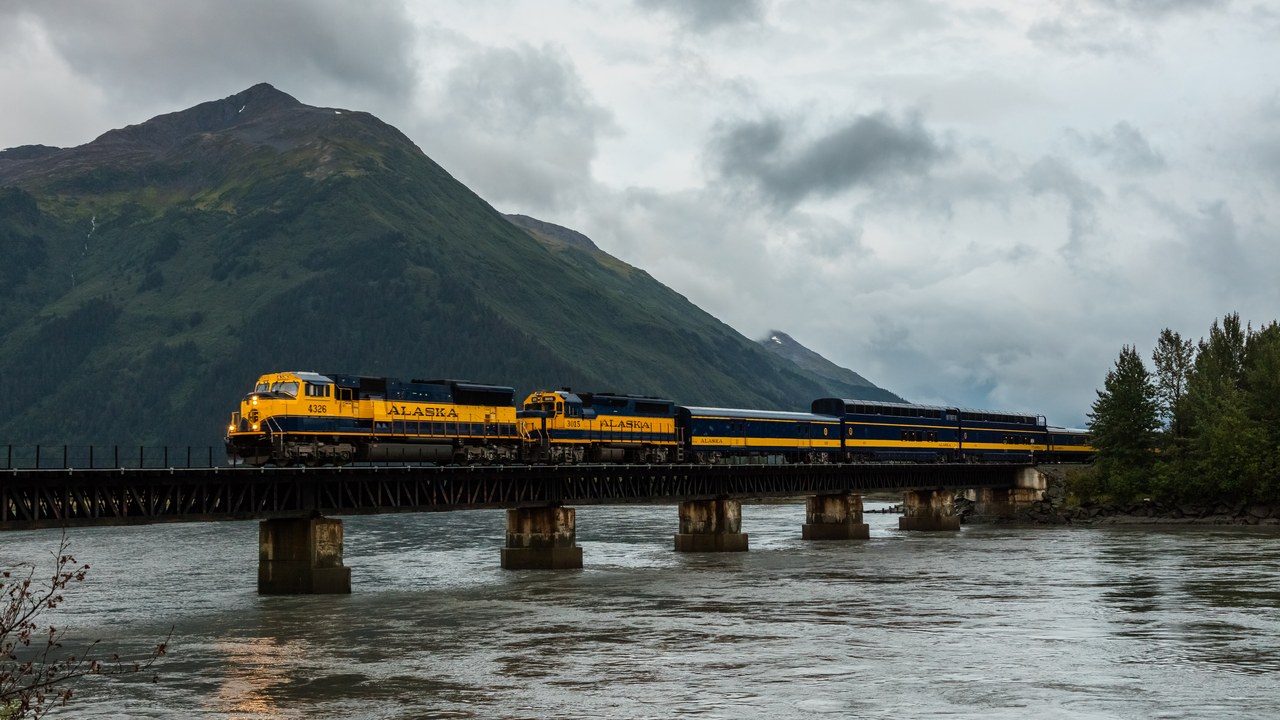
Girdwood, a resort community near the end of Turnagain Arm, was a quiet gold-rush supply town until two events changed it. One was the Alyeska ski resort. The other was the 1964 earthquake, which devastated the original townsite located directly along the arm.
After the quake, most of the town moved farther up the valley to a new townsite, leaving only a few homes and, later, a strip mall along the Seward Highway. Today the community is known for skiing at Alyeska, but its layout still reflects the decision to rebuild away from the sinking shoreline.
Portage, Alaska: A Ghost Town and a Ghost Forest
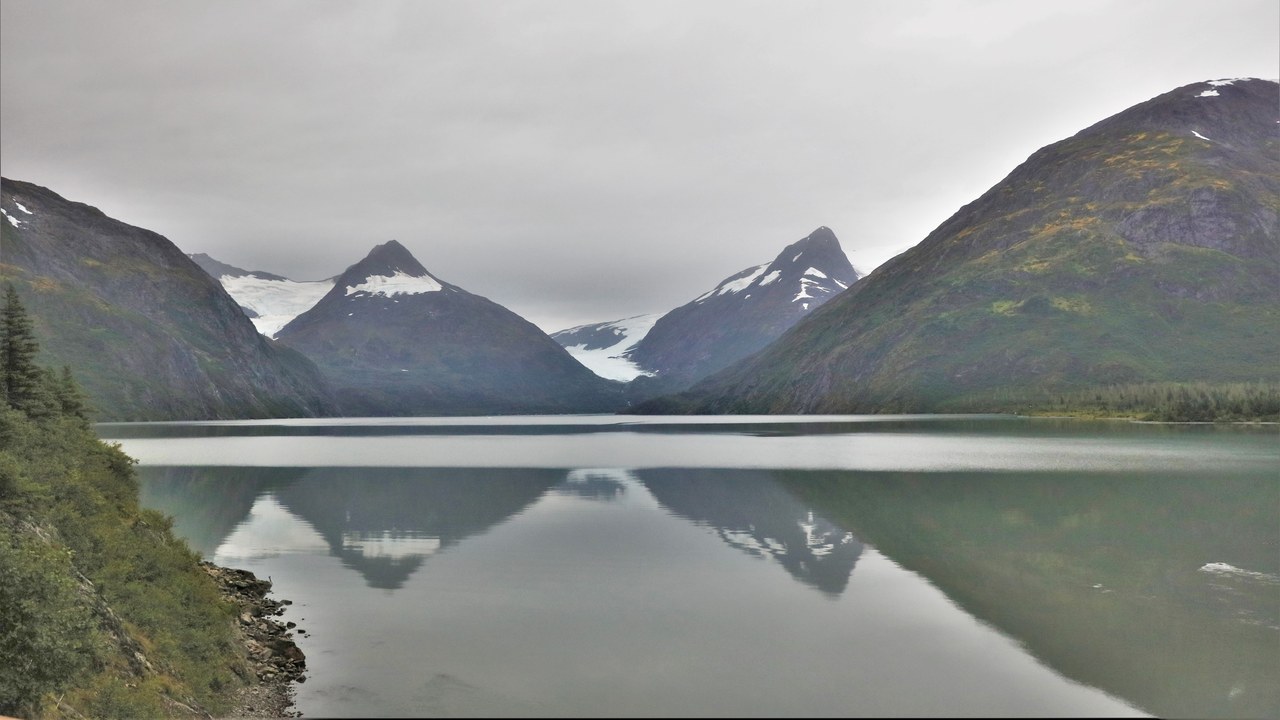
Portage, about 47 miles southeast of downtown Anchorage, did not survive at all. The town was destroyed in the 1964 Alaska earthquake when the ground sank about six feet, putting most of it below the high-tide line.
All that remains are the ruins of a few buildings and a ghost forest of trees that died after salt water flooded their roots. Where the town stood there is now only a road and rail junction leading to Portage Glacier and the tunnel to Whittier. It is the clearest surviving picture of what the headline means by land that simply dropped away.
Prince William Sound: The Epicenter’s Waters
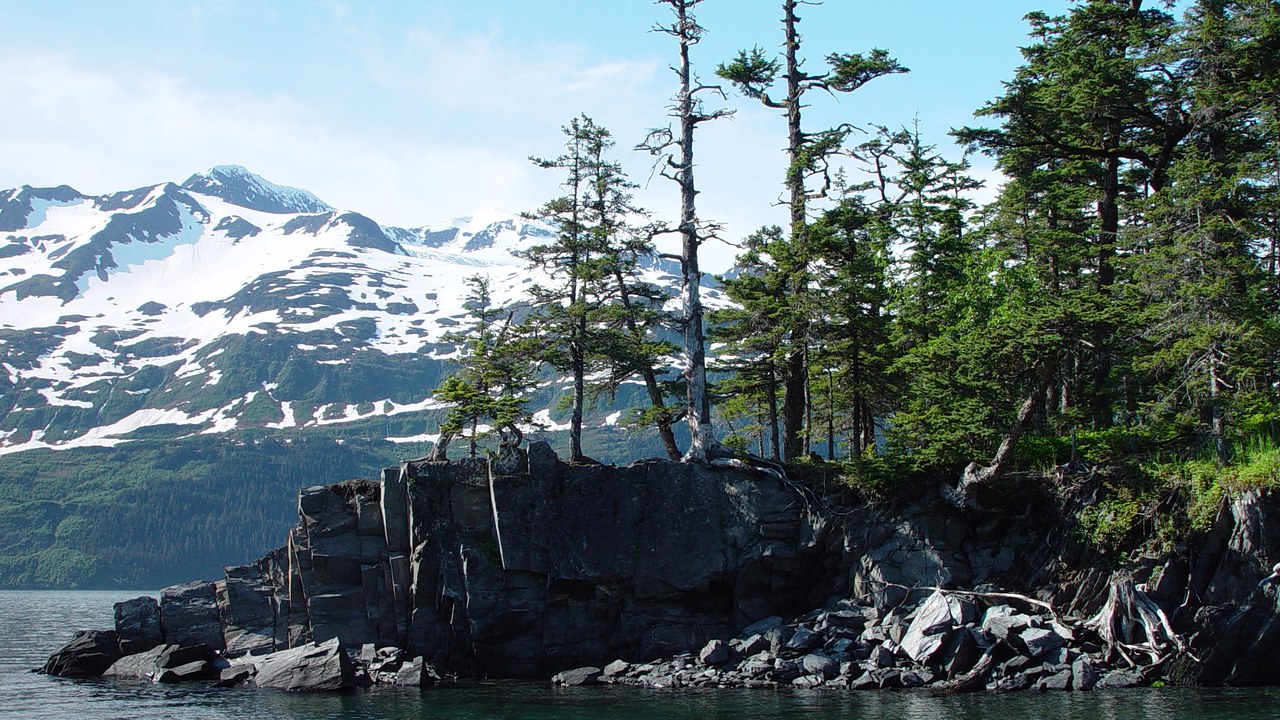
The quake was centered in the Prince William Sound region, and the sound’s villages paid heavily. A tsunami on March 27, 1964, killed a number of Chugach villagers in Chenega and destroyed the town of Valdez. A 27-foot wave struck Chenega, killing 23 of its 68 residents; survivors outran it to high ground.
Lasting four minutes and 38 seconds, the magnitude 9.2 megathrust earthquake remains the most powerful recorded in North American history. Its tsunamis hit Whittier, Seward, Kodiak and other Alaskan towns and reached the West Coast of the United States, carrying the disaster far beyond Alaska.
More from Morning Overview
- 11 engines built to run well past 200,000 miles
- Two Kentucky residents died when a small plane crashed at Missouri’s Lake of the Ozarks, and the NTSB is investigating
- A handful of car transmissions are so tough that mechanics say they almost never die
- Melting permafrost is setting off a newly identified kind of catastrophic landslide, scientists say
