
Venomous snakes are found in nearly every corner of the country, from Florida pinelands to Texas canyons and Death Valley sand. Sizes range from pocket-sized rattlers to heavy-bodied giants, and each species favors its own habitat. Here are nine of the best-known, with agency-sourced facts on length, range and what to watch for.
Save more, waste less: The Cool Down’s newsletter sends smart, simple changes that help you and the planet in your everyday life.
We may earn a commission if you sign up.
1. Eastern diamondback rattlesnake: Largest In America
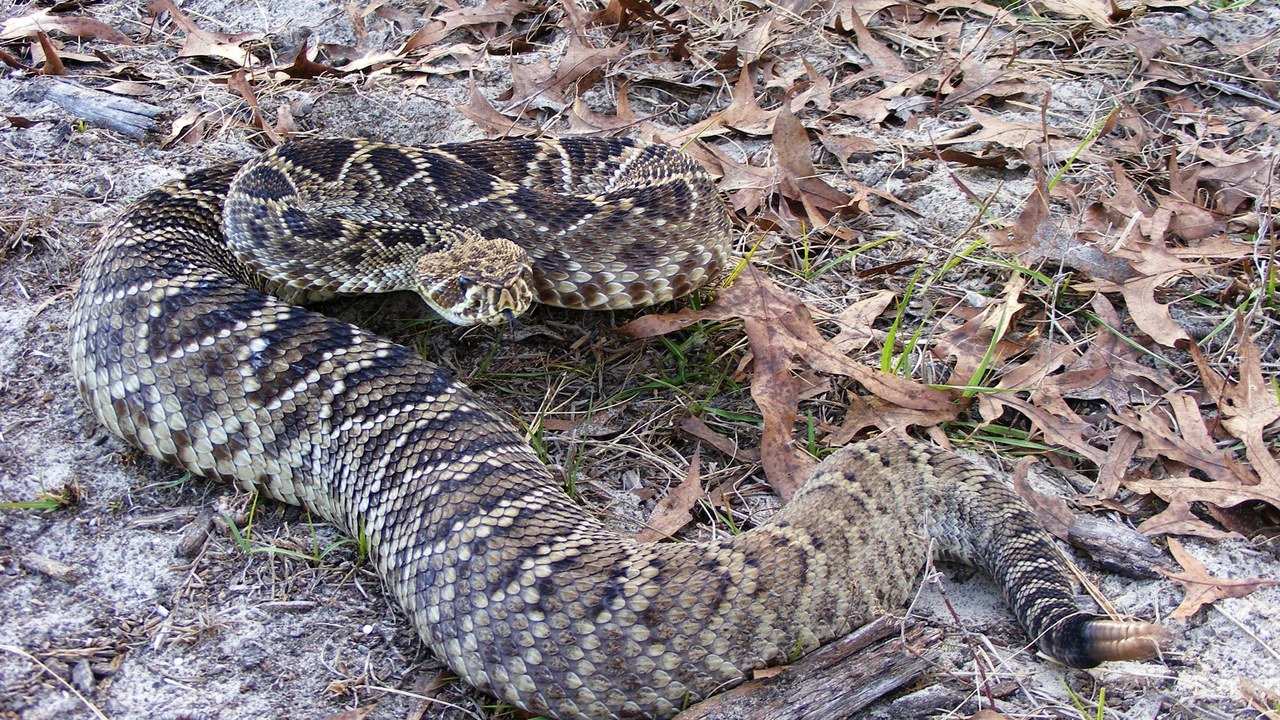
The title of biggest venomous snake in the country belongs to this Southeastern heavyweight, which the UF/IFAS Extension Florida venomous snake guide says may exceed six feet in length. That size comes with a clear instruction from the same publication: the animal should not be approached. A long body can strike from a surprising distance, and thick coils make it hard to judge where the head is.
Homeowners in pine flatwoods and coastal scrub country should treat any large rattler as a reason to back away slowly, keep pets leashed, and call wildlife professionals rather than attempting removal.
2. Timber rattlesnake: Heavy Bodied Forest Dweller
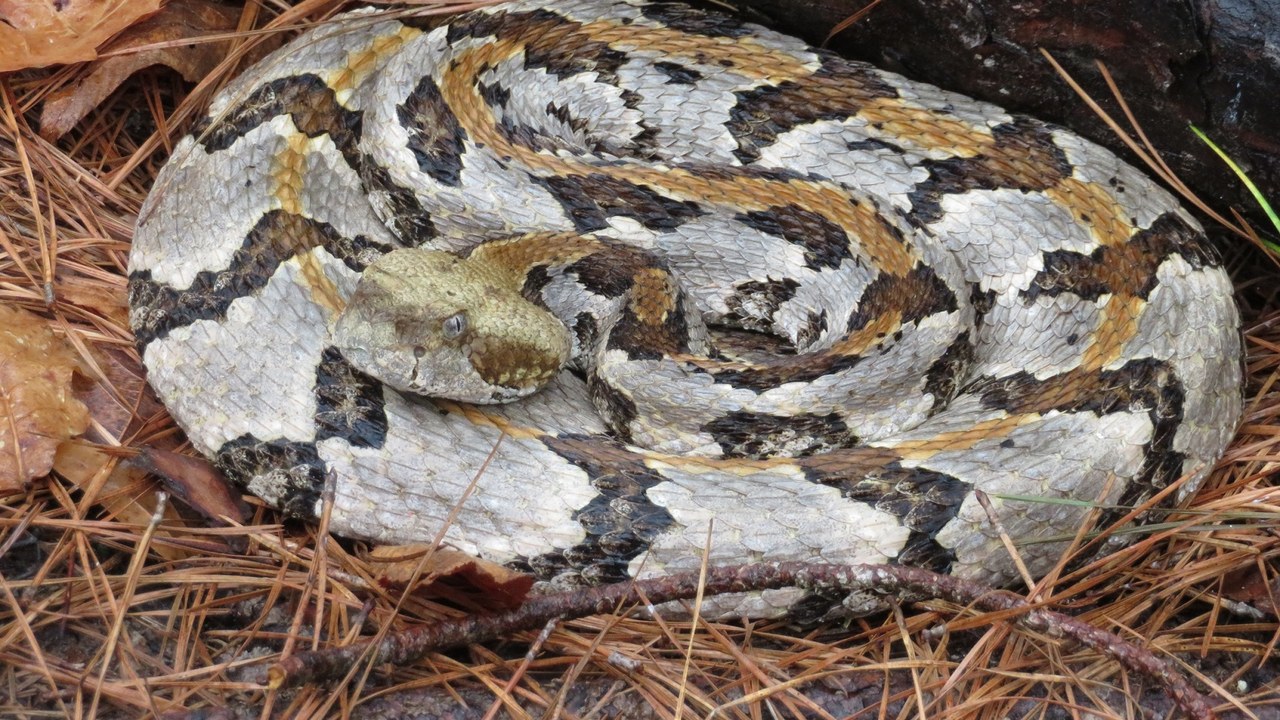
Growing to five feet or longer, the timber rattlesnake is another big-bodied species covered in the UF/IFAS venomous snake publication. Its length puts it well above the smaller pit vipers that share parts of its range, and it earns a spot here on size alone.
Hikers in wooded, rocky terrain are the people most likely to cross paths with one. Stepping on logs without looking, or reaching into ledges and brush piles, is how most close encounters begin, so scanning the ground first is cheap insurance. Calm, unhurried movement away from the snake is the safest response.
3. Pygmy rattlesnake: Small But Close To Home
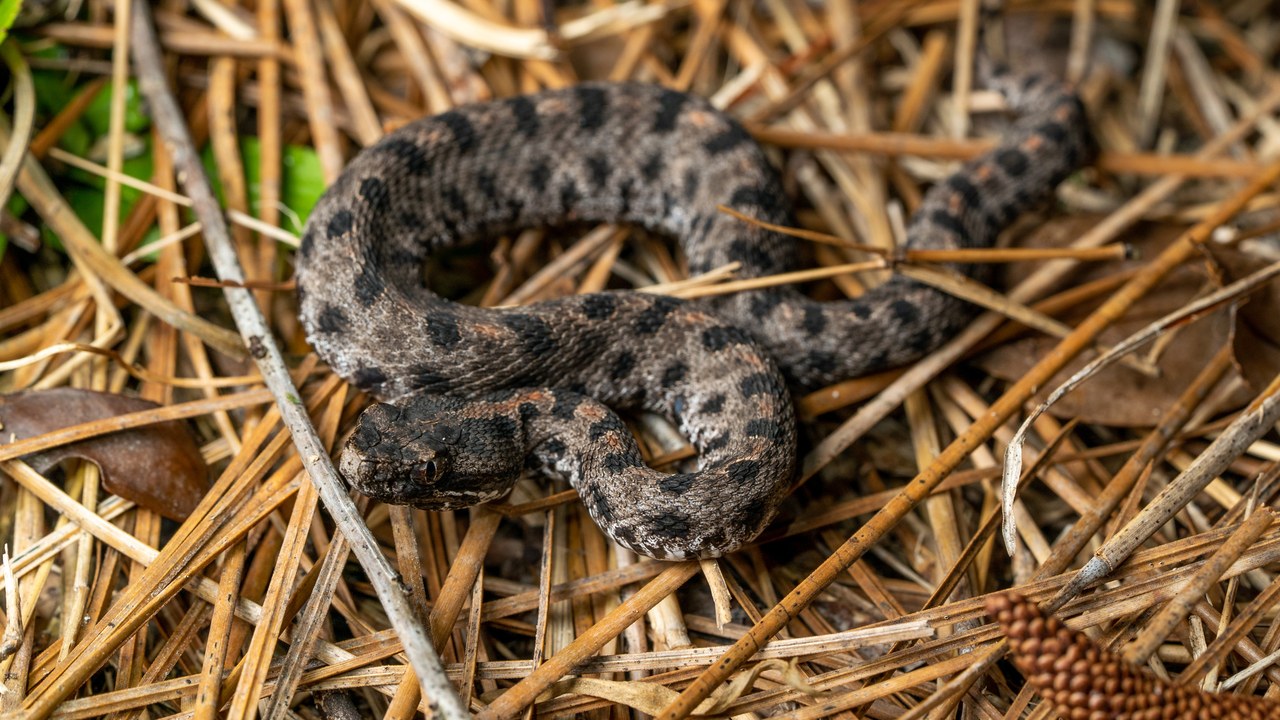
Adults rarely exceed 20 inches, which makes the pygmy rattlesnake the runt of this lineup. According to University of Florida guidance, however, it is one of the venomous snakes most often found in residential neighborhoods.
Small size is the problem for owners: a snake that short hides easily in mulch, leaf litter and garden edges, and its tiny rattle is easy to miss. Keeping yards tidy, wearing closed shoes outdoors and looking before reaching into landscaping lowers the odds of a surprise meeting. Children and pets, who play close to the ground, deserve extra supervision.
4. Copperhead: Freezes Before It Strikes
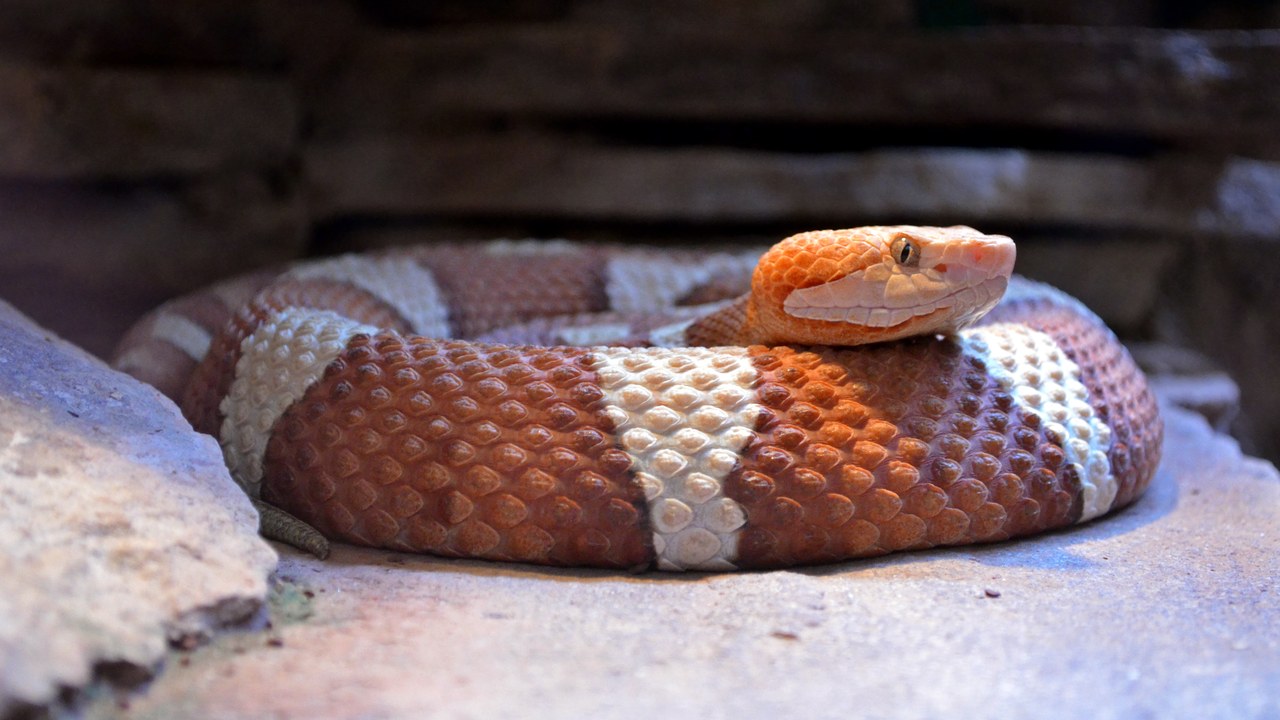
Typical adults measure about 1.5 to 3 feet, and the copperhead lives across Eastern states as far west as Texas, according to the CDC NIOSH snake overview. When frightened it freezes in place, then strikes if it feels threatened.
That freeze response is what makes copperheads dangerous to the unwary. Camouflage against leaf litter means people can step within reach without noticing anything. Outdoor workers and weekend gardeners alike are better served by watching foot placement than by assuming a snake will flee. Anyone bitten should seek medical care promptly.
5. Cottonmouth (water moccasin): Swims And Stays Put
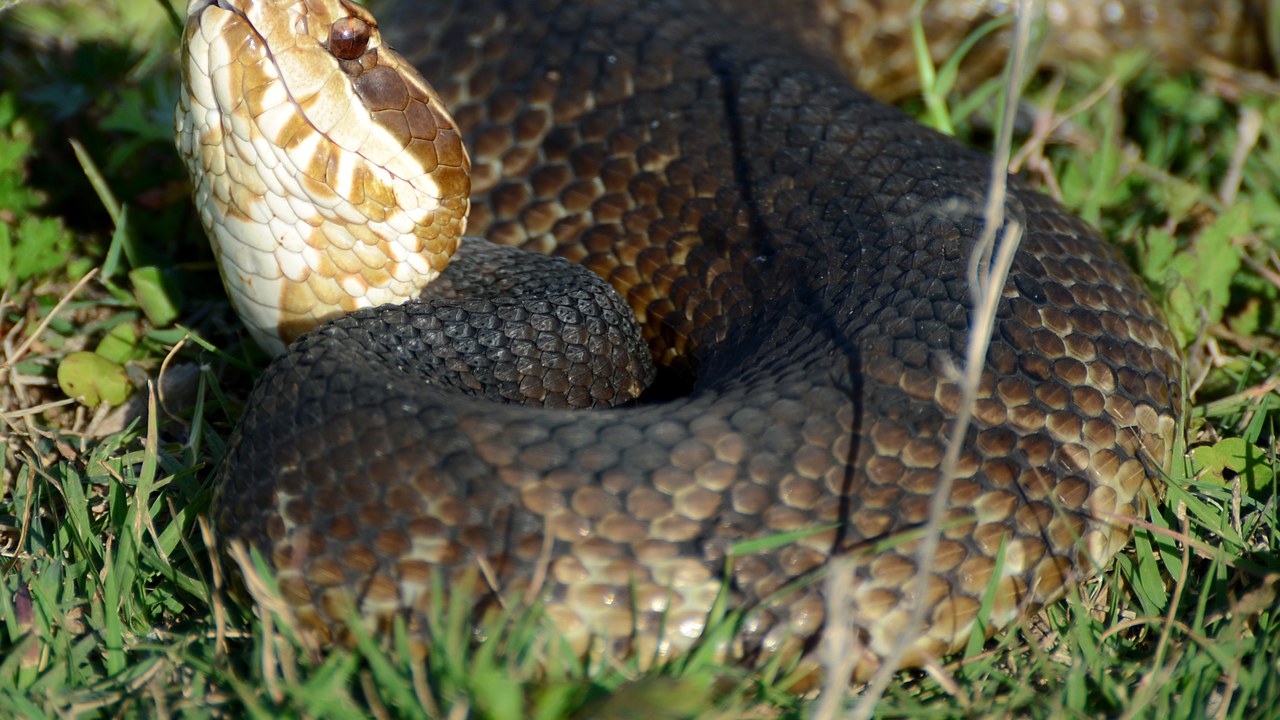
Anyone working near water in the Southeast may meet this one. The CDC NIOSH species description says adults are typically over 4 feet long and live in or around water, which explains the alternate name water moccasin.
Its habitat is the practical takeaway. Docks, drainage ditches, pond edges and creek banks are all places where a thick, dark snake can rest unseen. Boaters, anglers and landscapers should keep hands and feet out of vegetation along shorelines and never try to move one by hand. Mistaking it for a harmless water snake is a common and risky error.
6. Western diamondback rattlesnake: Desert Rattler On The Trail
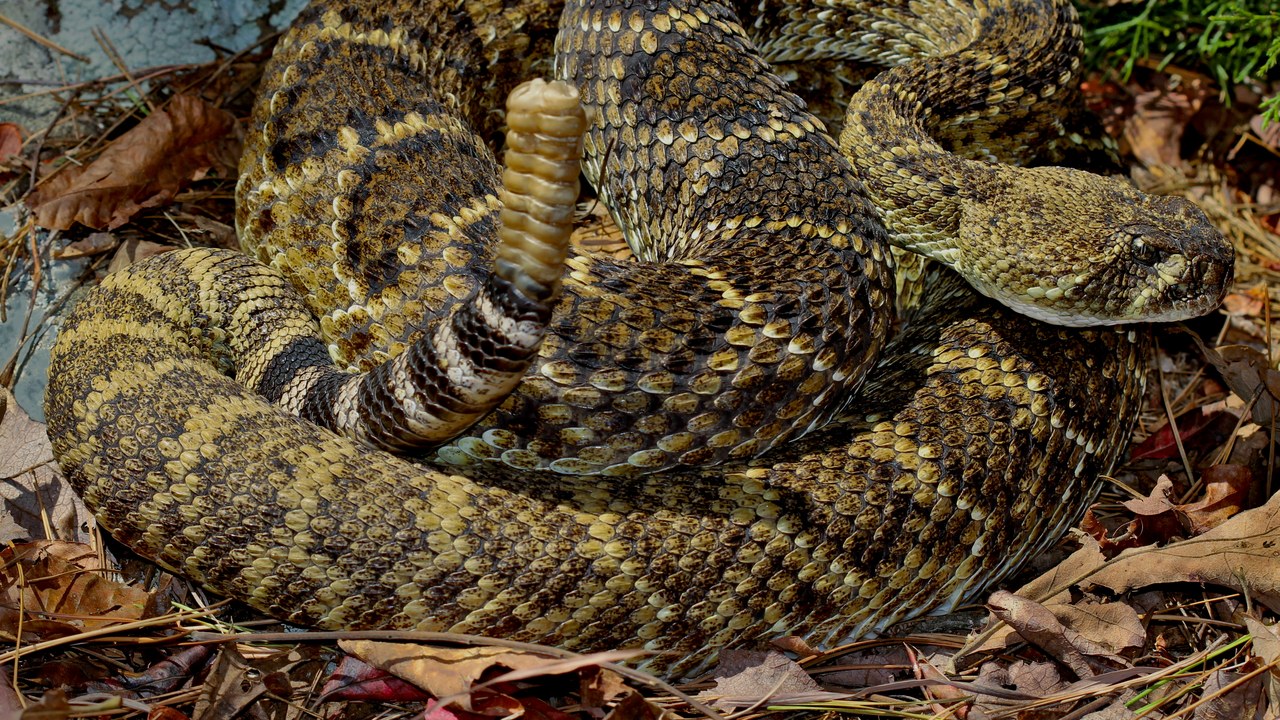
Big Bend National Park includes this large rattler on the roster of snakes visitors may encounter, as the National Park Service snake list makes plain. The Chihuahuan Desert setting means rocky slopes, washes and campsites all count as possible territory.
Park visitors can lower the risk with simple habits. Stay on established trails, use a flashlight after dark, and avoid placing hands where eyes cannot see. A rattlesnake that is given room usually prefers to slip away. Reading the posted park guidance before a hike adds another layer of safety.
7. Mojave rattlesnake: Lowlands To Hillsides
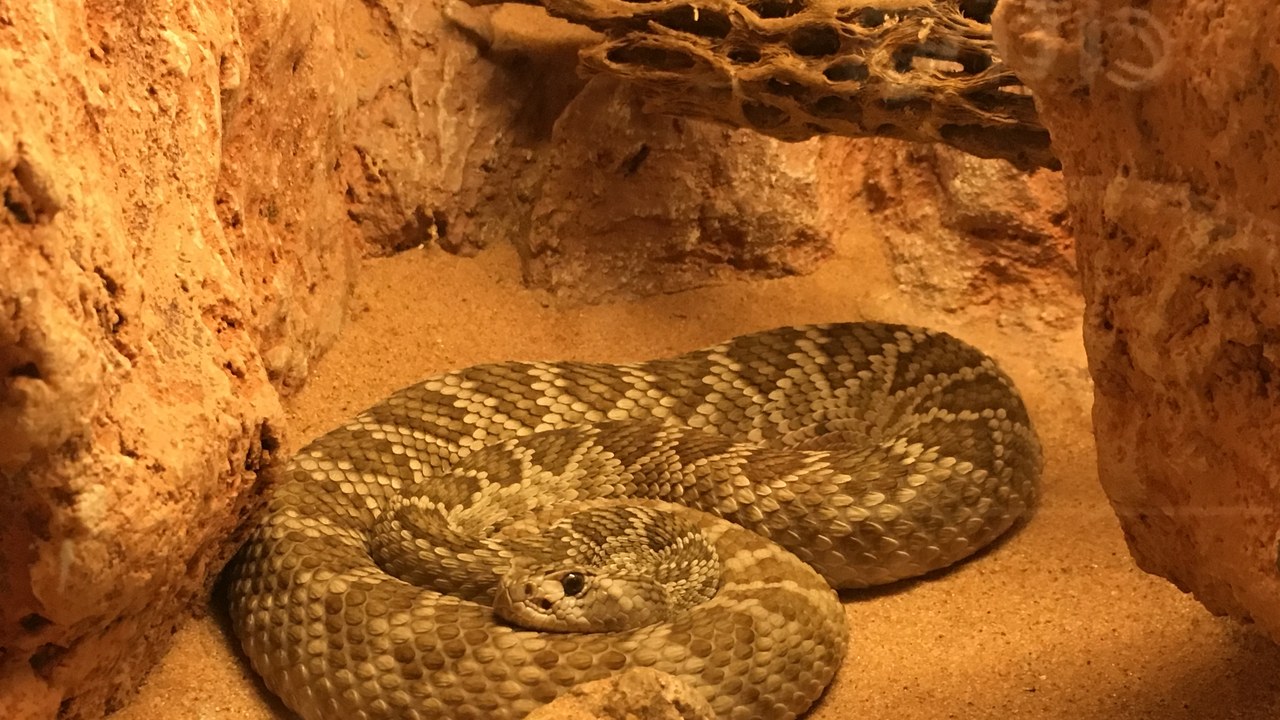
Habitat range is the notable detail here. In Big Bend, the Mojave rattlesnake ranges from the Rio Grande floodplain up to about 4,000 feet, per the Big Bend park information. That spread covers river corridors, desert flats and lower slopes.
Because the snake is not confined to one narrow habitat, travelers cannot rely on elevation or terrain to rule it out. Anyone camping or walking in the region should treat every elevation band below that ceiling as possible rattlesnake ground. Checking boots and bedding each morning is a sensible habit.
8. Sidewinder: Sideways Across The Sand
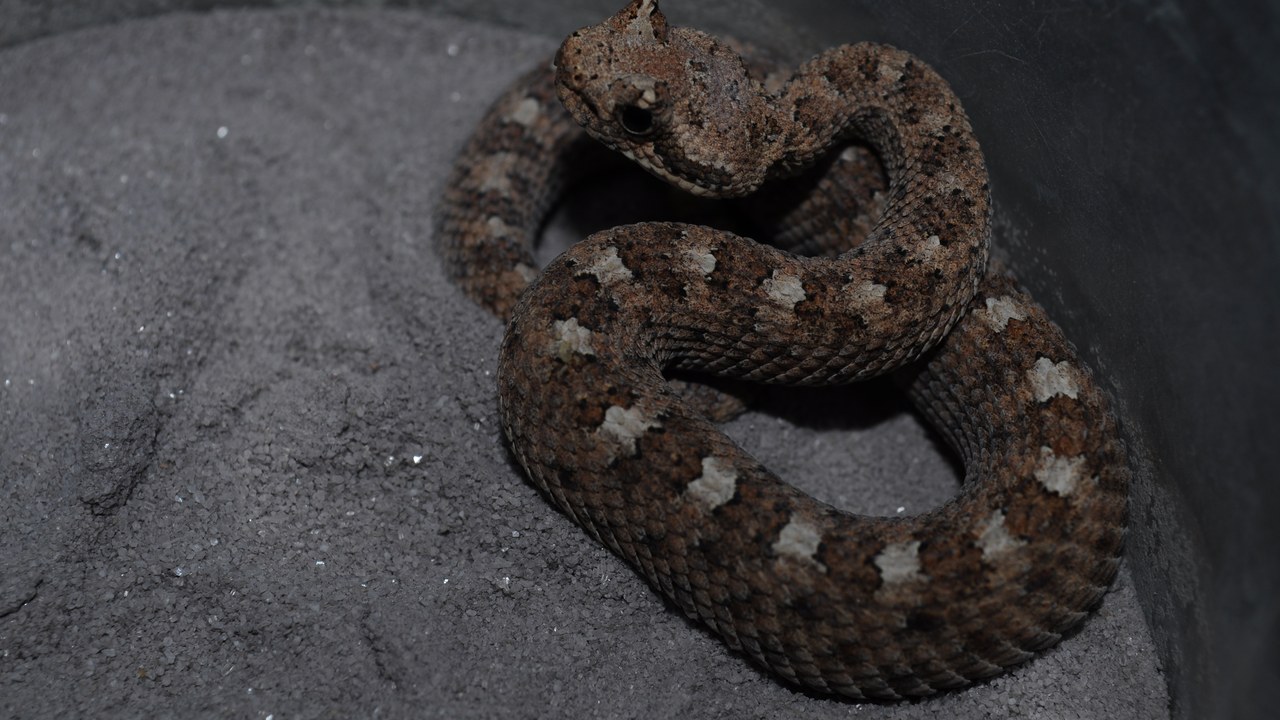
Famous for its looping, sideways travel over loose sand, the sidewinder usually measures 1.5 feet or less, though some reach 3 feet. The Death Valley sidewinder profile adds that its range runs from below sea level to about 6,000 feet.
A snake that small is easy to overlook against pale desert ground. Visitors to dunes and sandy washes should watch where they sit, avoid walking barefoot, and shake out gear before packing it, since the animal often shelters in shade and burrows. Moving slowly and keeping a respectful distance is the best policy.
9. Eastern massasauga: Threatened Wetland Rattler
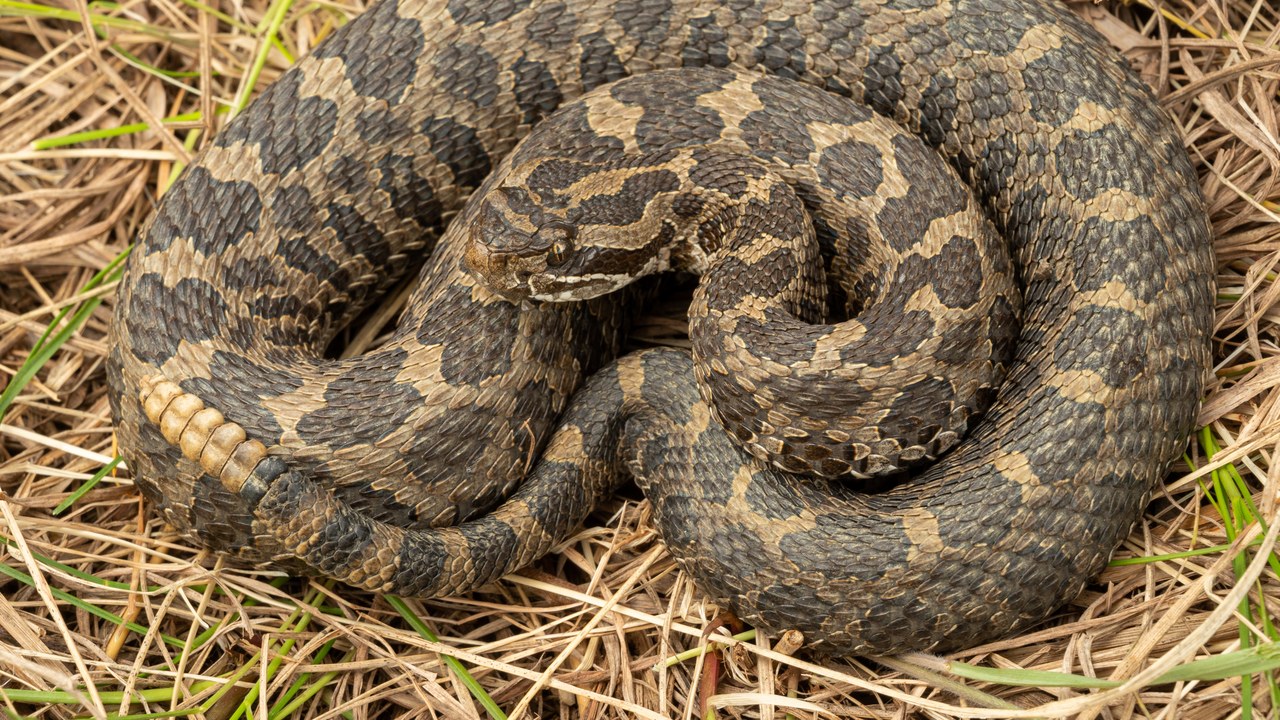
Averaging about 2 feet as an adult, the eastern massasauga stands out for its conservation status rather than its size. The U.S. Fish and Wildlife Service species page notes it was listed as threatened under the Endangered Species Act in 2016.
That protected status changes how people should react. As a federally protected species, this snake is not fair game, so killing or collecting one can carry legal consequences. Anyone spotting one in wet prairies or marsh edges should simply give it distance and move on.
Save more, waste less: Subscribe to The Cool Down →
We may earn a commission if you sign up.
More from Morning Overview
- Doctors warn a silent liver disease now affects one in three American adults
- The FBI told the rest of ShinyHunters to surrender after a 24-year-old was arrested
- Two passengers died at an Ohio toll plaza, and the NTSB now wants the cash lanes shut
- Long use of a common prostate pill is tied to a higher chance of glaucoma
