
Airships once promised to reshape travel, warfare and advertising, and their stories mix engineering ambition with sudden loss. This gallery follows the line from Navy rigids and German zeppelins to blimps and modern revival attempts. Here are ten craft that shaped how the world thinks about flying giants.
The tech news worth your time: 400,000+ professionals from Google, Apple and OpenAI read Techpresso, a daily email with the most interesting tech news and insights.
We may earn a commission if you sign up.
1. USS Shenandoah: Storm-Lost Pioneer
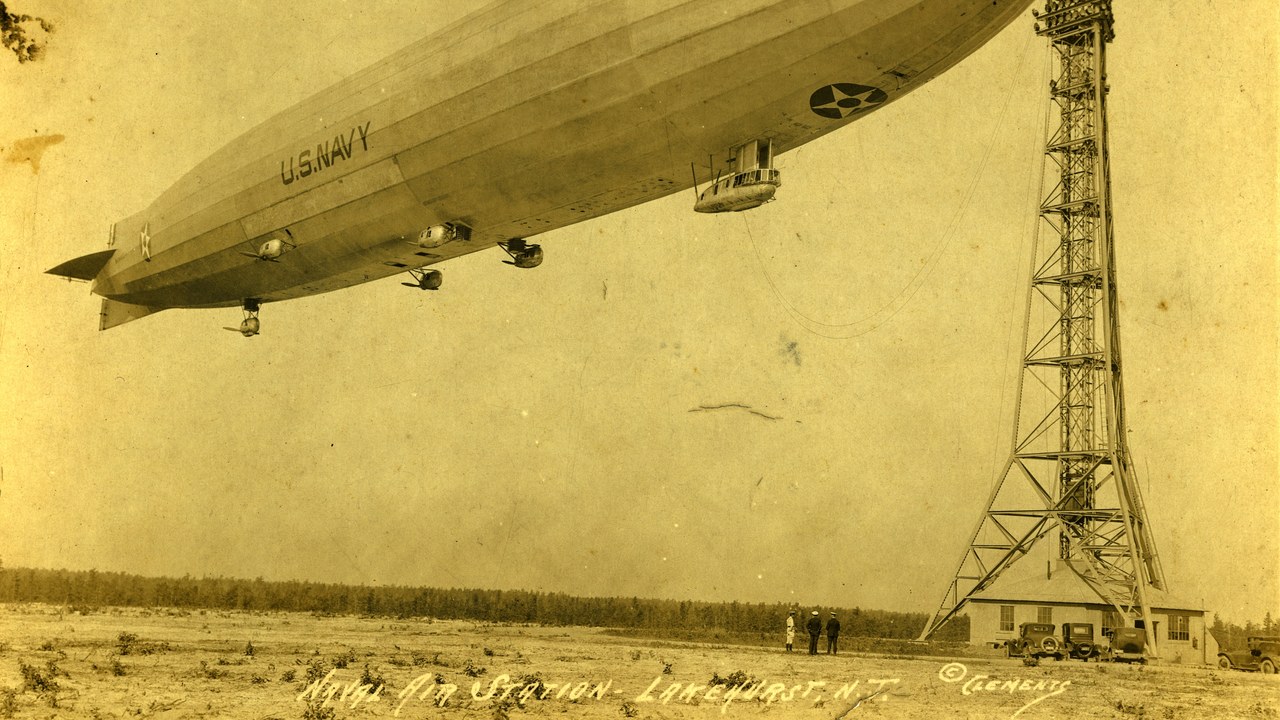
The Navy’s first rigid airship first flew in 1923, and a 1925 storm destroyed her. That short career is recorded in Naval History’s airship survey, which treats her as the service’s opening chapter in rigid lighter-than-air flight, a field the Navy had barely begun to understand.
Her loss shows how exposed these huge gas-filled craft were to weather. For readers tracing the arc of airship history, Shenandoah is the starting point: the first rigid the fleet tried, and an early lesson that size and strength did not guarantee safety in violent air. Later designs were shaped by that experience, even as their ambitions kept growing.
2. USS Los Angeles: German-Built Survivor
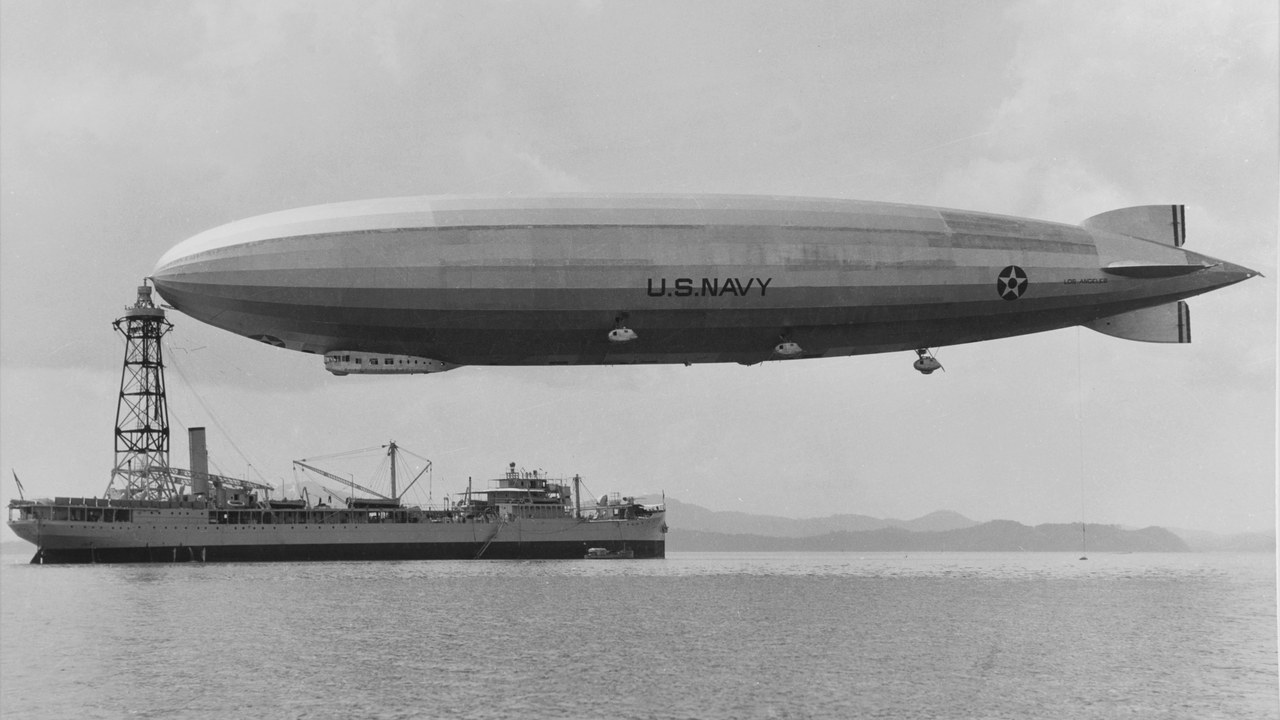
Built in Germany as LZ 126, she entered Navy service as a transfer from the Zeppelin works. According to the Naval Institute account, she served from 1924 to 1932 and again from 1934 to 1937, which makes her the long-lived member of the Navy’s rigid fleet.
Her split career matters because it shows a steadier side of the story. While other big airships were lost within a few years, this one kept returning to duty across more than a decade. Anyone judging whether rigid airships could work should weigh her record alongside the dramatic failures, since she demonstrates that careful operation could keep one flying.
3. Graf Zeppelin: Around The World

The 776-foot zeppelin circled the globe in 1929 in 21 days, 5 hours and 31 minutes, and Wikipedia’s Graf Zeppelin entry adds that she carried 13,110 passengers on 590 flights. Those totals make her one of the busiest passenger airships ever recorded.
The numbers explain her reputation as the proof of concept for commercial airship travel. A world circuit measured in days, plus hundreds of routine passenger flights, showed that large rigid craft could be run as a service rather than a stunt. Buyers of tickets in that era were betting on a technology that, in her case, delivered consistently.
4. USS Akron: Flying Aircraft Carrier
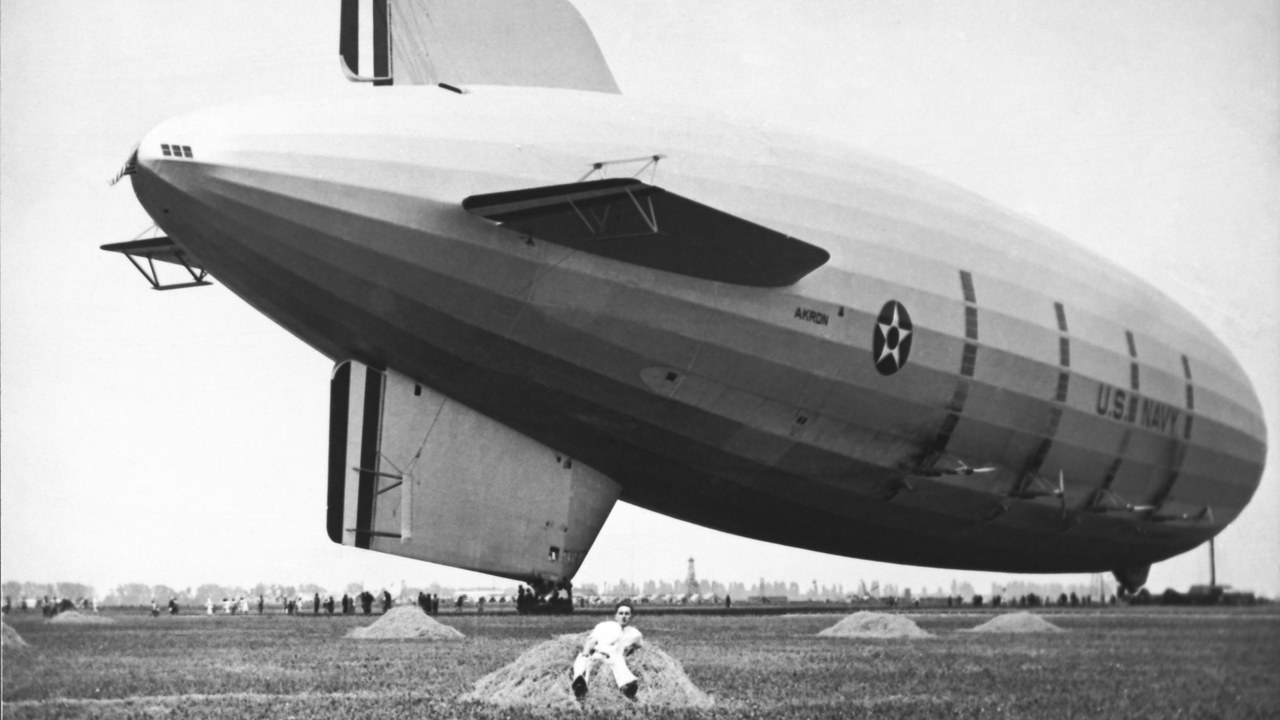
The 785-foot flying aircraft carrier crashed off New Jersey on April 4, 1933, and only three of the 76 men aboard survived, as Naval History magazine records. The toll is the grim detail that gives this gallery its hook.
The disaster is remembered as one of the worst airship accidents ever and a heavy blow to the Navy’s program. Her design idea, a flying base able to launch and recover aircraft, was bold, and the loss showed the price of pushing that idea. For readers, Akron is the cautionary center of the Navy story, where ambition met the sea.
5. USS Macon: Second Of Her Class
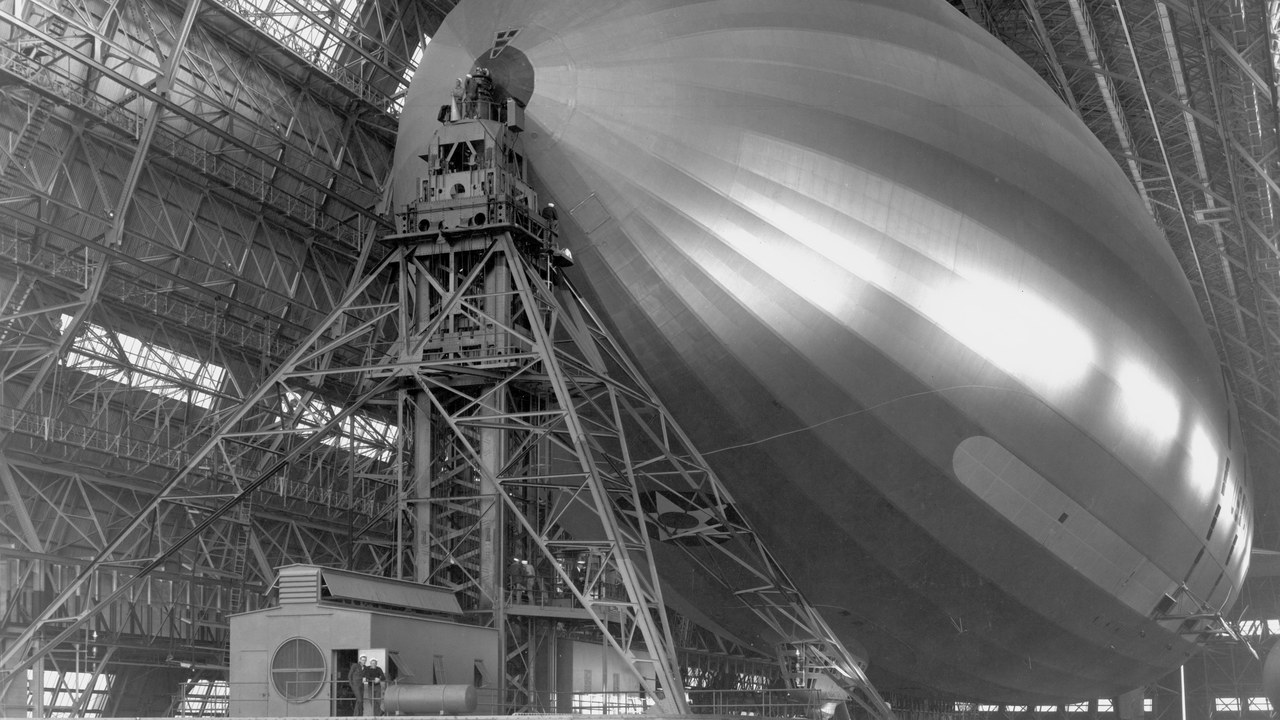
Commissioned June 23, 1933, she went down off Point Sur, California, on Feb. 12, 1935, and all but two of her crew survived, according to the Naval Institute history. Her loss ended a short service life of under two years.
The contrast with her sister ship is the point. Where Akron’s end killed nearly everyone aboard, Macon’s crew mostly walked away, which suggests how much the circumstances of a loss shaped the human cost. Her sinking still closed out the Navy’s big rigid airship era in practice, leaving the service with no comparable craft to replace her.
6. Hindenburg: Largest Ever Flown
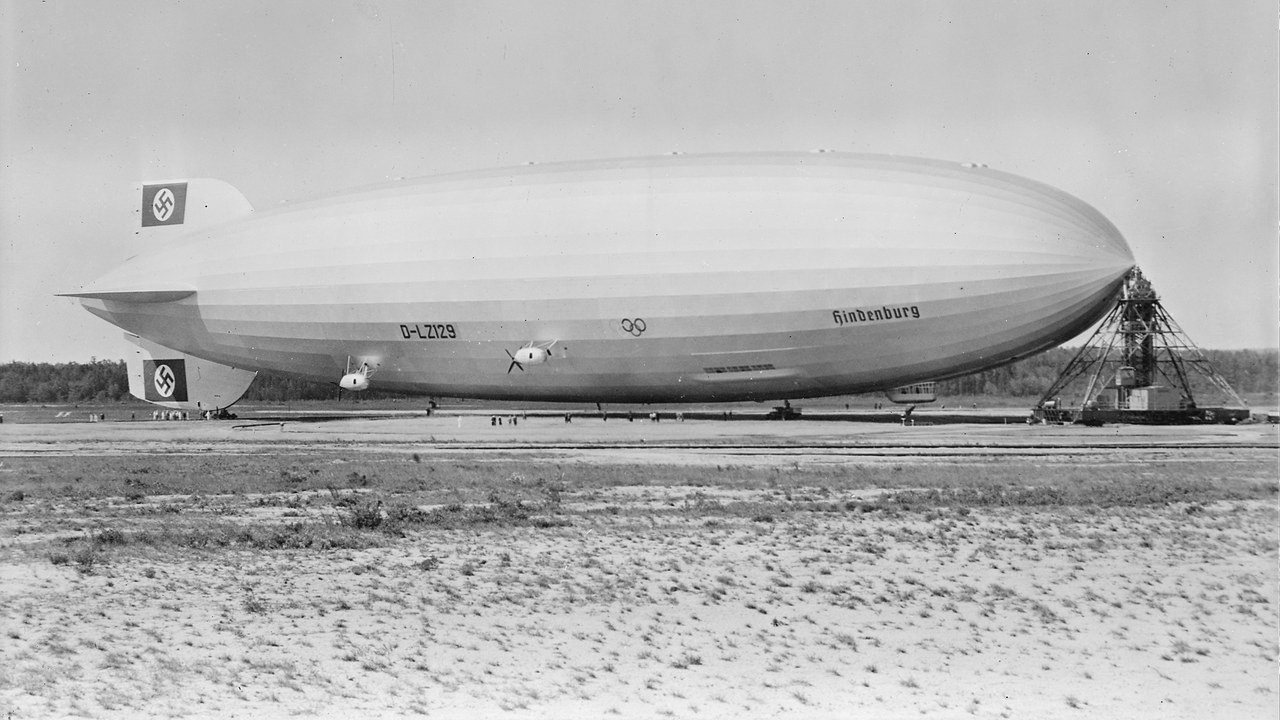
The Hindenburg-class airships were 245 meters long, a figure given on the Airlander 10 page to show how the modern Airlander 10 is dwarfed by them. The comparison frames what an earlier generation of airship builders attempted.
LZ 129 is the best known of that class, and its name has become shorthand for the end of the passenger airship age, thanks to the 1937 fire at Lakehurst. The length figure is the useful takeaway: no airship flying today approaches that scale. Anyone thinking about a modern revival should remember how large the originals actually were.
7. Goodyear Blimp: Advertising Icon
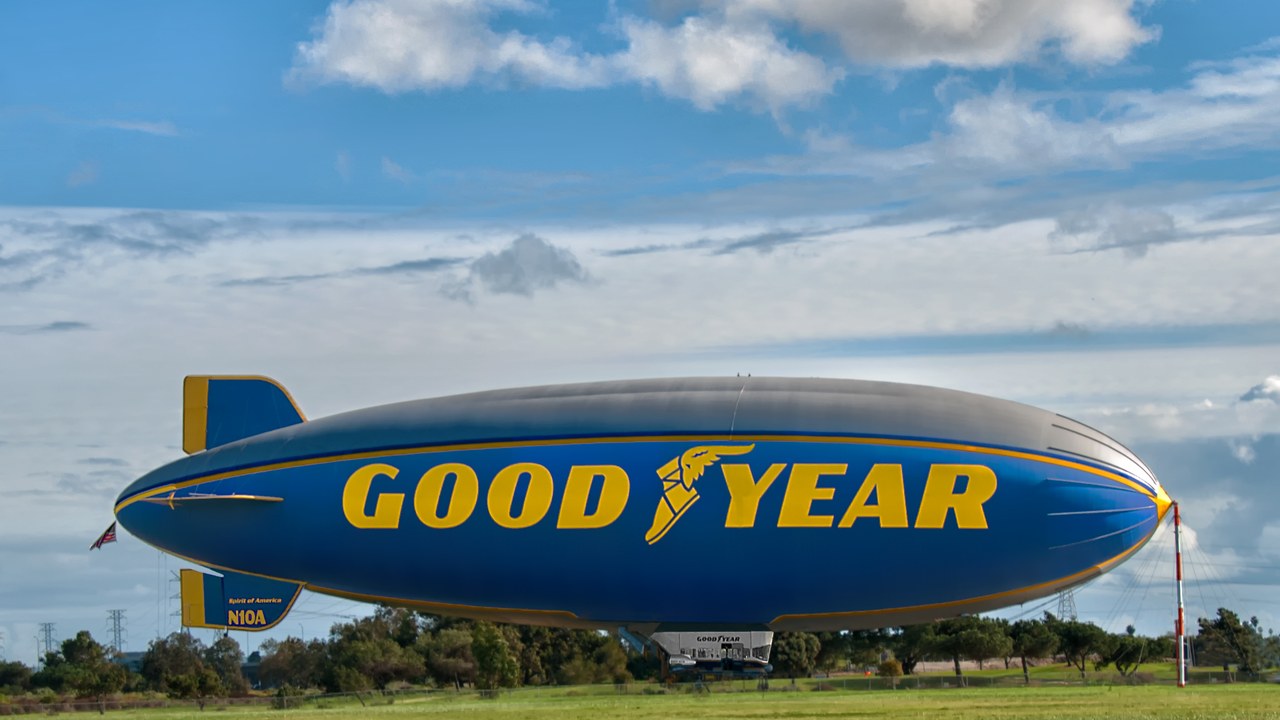
Goodyear began building its own balloons in 1912 and was flying craft for advertising by 1925, as Jalopnik’s Goodyear history explains. That timeline shows a company moving from making balloons to using airships as a flying brand.
The blimp became familiar overhead at stadiums and events because it turned a piece of aviation technology into a marketing tool. For brand owners, it remains a case study in how a single recognizable object can carry a name across generations. Unlike the rigid giants, it kept flying in public view and never lost its place in popular culture.
8. Goodyear Wingfoot zeppelins: Modern Rigid Design
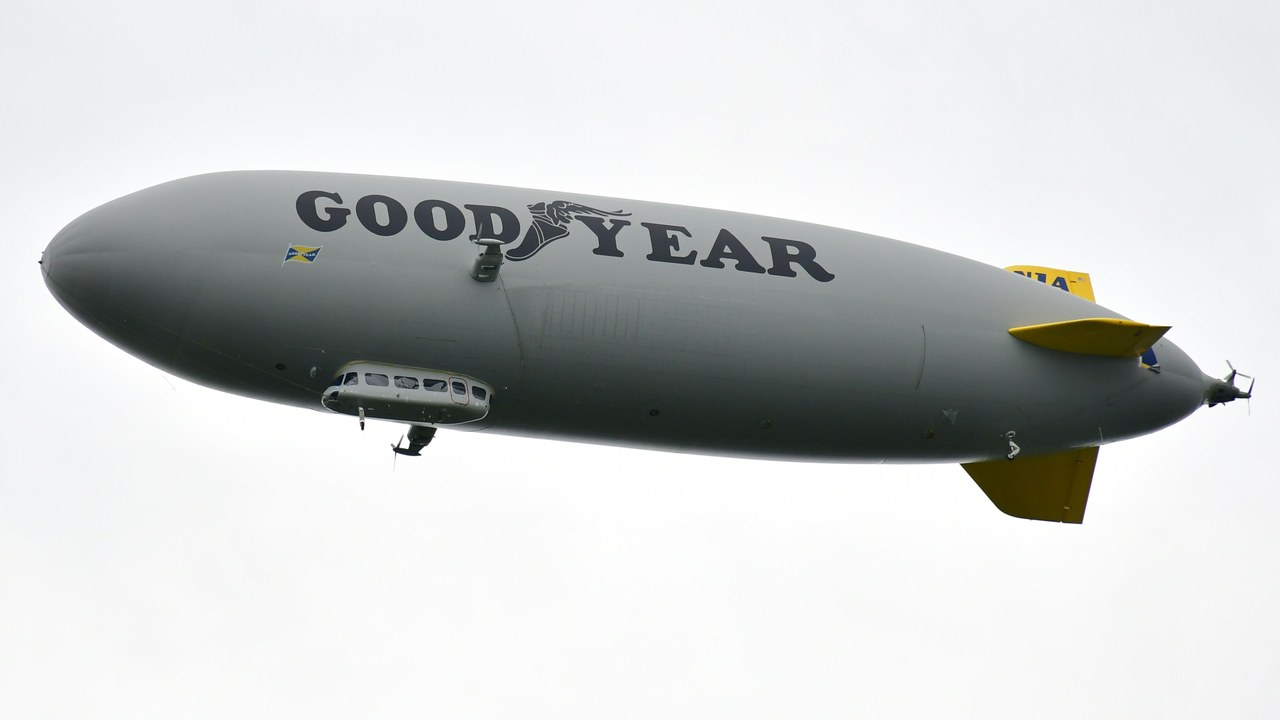
Goodyear’s Zeppelin NT ships are 246 feet long, more than 50 feet longer than the old blimps, and carry 12 passengers, according to Jalopnik’s report on Goodyear. They replaced the familiar blimp shape with a semi-rigid frame.
The extra length and a passenger cabin point to a different job than the old advertising role. These craft can carry people as well as a logo, which hints at what small modern airships can do. For readers following airship history, they show the idea surviving in a practical, scaled-down form built around today’s materials and engineering.
9. Airlander 10: Flying Bum
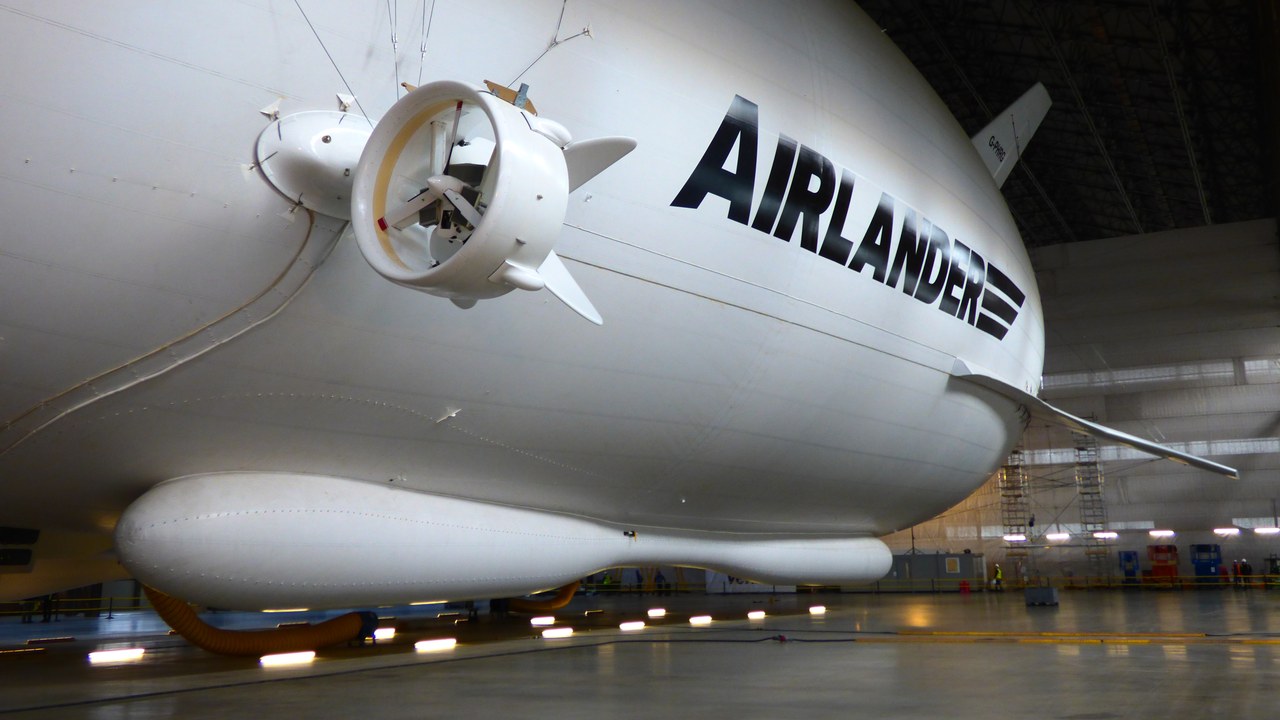
Nicknamed ‘the flying bum,’ it first flew as Airlander 10 on Aug. 17, 2016, and broke free of its moorings and deflated in November 2017, according to Wikipedia’s Airlander 10 article. The nickname comes from its twin-lobed hull.
That mix of attention-grabbing debut and a setback within about fifteen months captures the difficulty of reviving big airships. The aircraft is a hybrid design built by Hybrid Air Vehicles, combining lift from gas with aerodynamic shape. Observers should treat it as a serious modern attempt, and also as proof that mooring and ground handling remain hard problems.
10. Graf Zeppelin II: Last Of The Giants
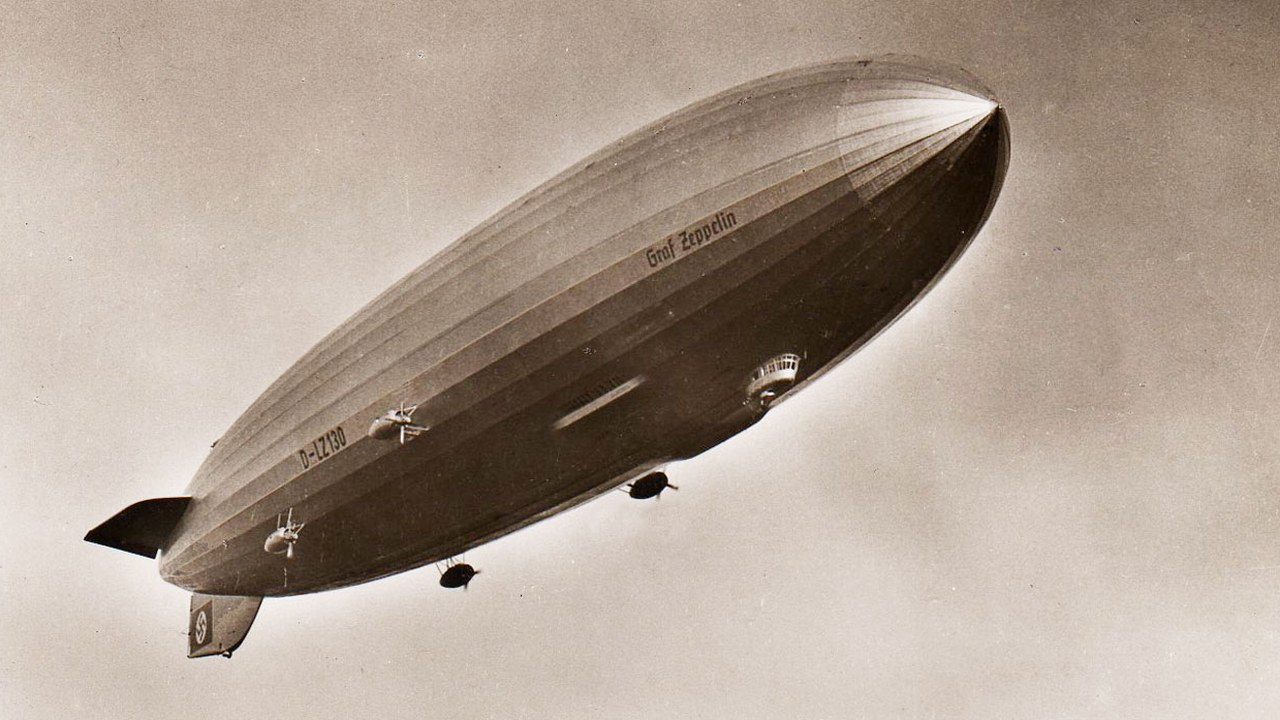
The LZ 130 Graf Zeppelin II was the sister ship of the Hindenburg, built as a successor to the first Graf Zeppelin. It arrived after the 1937 Hindenburg fire had ended the passenger-zeppelin era, and it never carried paying passengers.
Instead, it made 30 test and propaganda flights between September 1938 and August 1939. It was ordered scrapped on 4 March 1940. For readers, it marks the quiet end of the rigid-airship story: a giant finished and flown, yet never put to the commercial work it was designed for.
The tech news worth your time: Subscribe to Techpresso →
We may earn a commission if you sign up.
More from Morning Overview
- Common allergy, bladder and sleep pills tied to sharply higher dementia odds
- NOAA now gives this winter a 75% chance of the strongest El Nino since 1950
- Doctors warn a silent liver disease now affects one in three American adults
- The FBI told the rest of ShinyHunters to surrender after a 24-year-old was arrested
