
The Everglades is a vast, flat river of grass where land and sea blur together. Its wildlife ranges from a panther with about 200 left in the wild to reptiles, mammals and marine animals that the Park Service highlights on its species pages. Here are twelve animals that show why the park matters.
Tech news worth reading: Get Techpresso, the daily email with the most interesting tech news and insights, read by 400,000+ professionals from Google, Apple and OpenAI.
We may earn a commission if you sign up.
1. Florida panther: Ghost Of The Glades
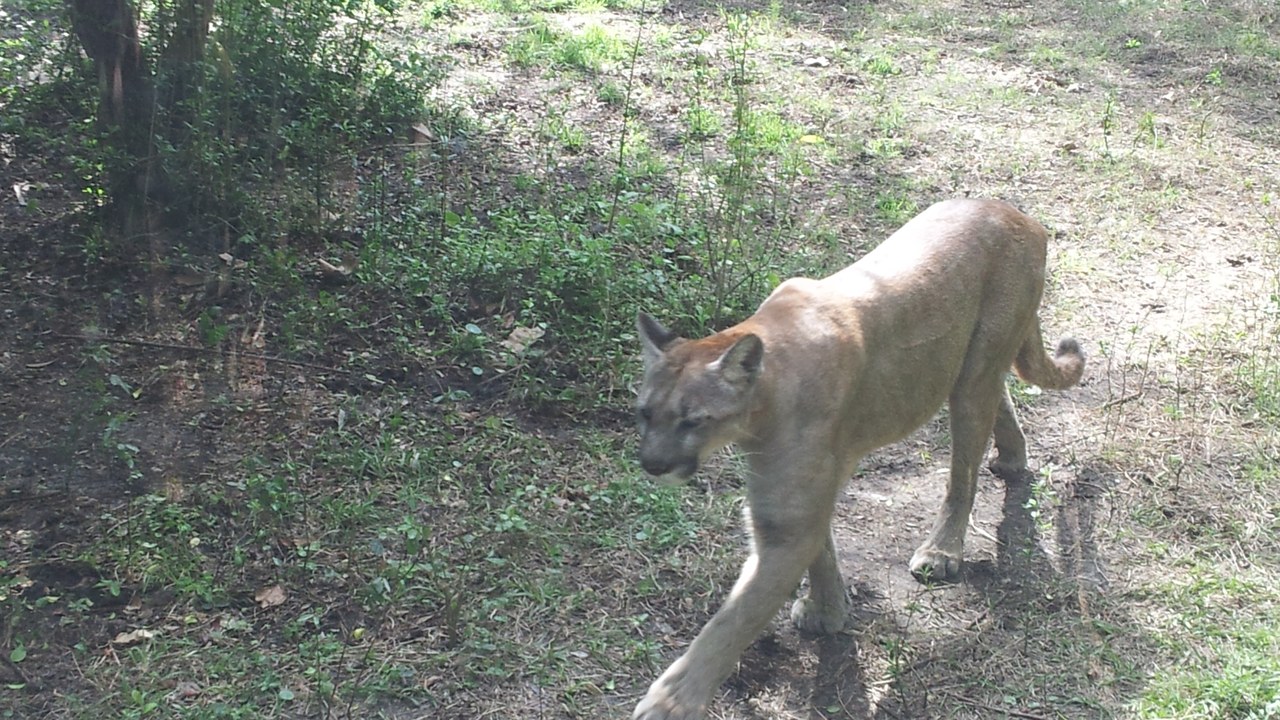
The Park Service describes the Florida panther as a rare ghost of the Everglades, with only about 200 left in the wild. The cat carries federal endangered status, which places it among the most closely watched animals in South Florida. Its tawny coat and long tail make it unmistakable when it does appear, though sightings are rare.
Anyone driving park roads or nearby highways is the reader who matters most here, because slower speeds and attentive driving are part of how the species gets protected. The number is small enough that every individual counts.
2. American alligator: Ruler Of The Wetlands
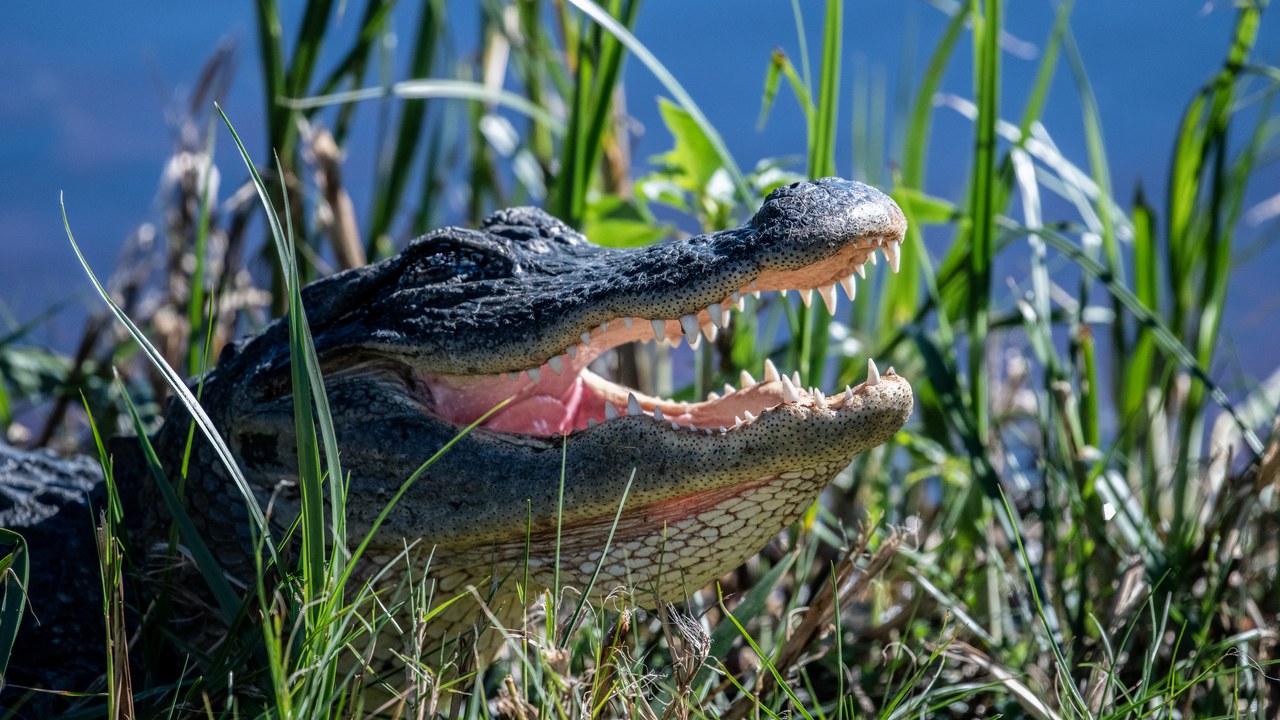
The park counts the alligator among the park’s 36 threatened or endangered species, and it sits in a landscape whose highest point is just 8 feet above sea level. That flat, water-driven geography explains why the reptile shapes so much of the ecosystem around it.
Gator holes, the deeper pools these animals maintain, give other wildlife a place to wait out the dry season. Visitors who watch from a respectful distance get a clear look at a species that anchors the whole system.
3. American crocodile: Coastal Cousin
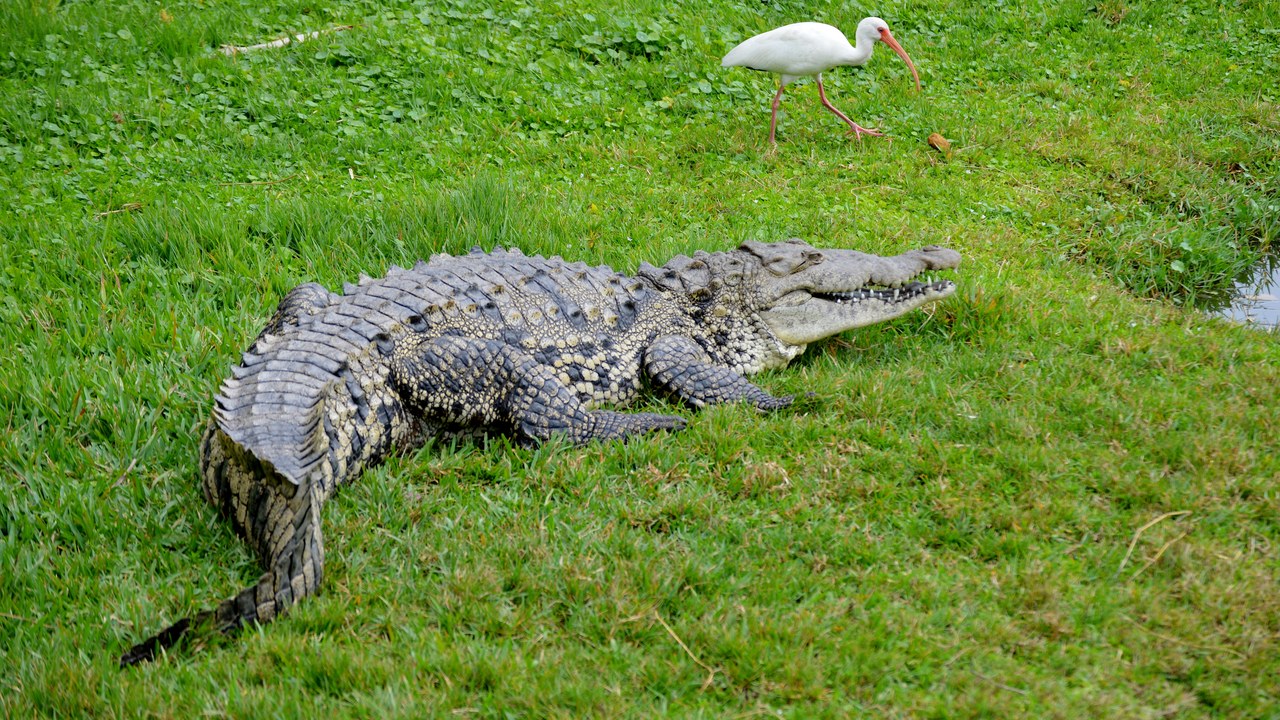
Listed as federally threatened, the American crocodile shares the park with the alligator and with invasive caimans. It is a separate species with a narrower snout, and the Everglades is one of the few places where both crocodilians live side by side.
The pairing is a useful lesson for visitors trying to tell the two apart. A paler gray-green body and a tapered face point to the crocodile, and the threatened listing explains why spotting one is a genuine event.
4. West Indian manatee: Gentle Sea Cow
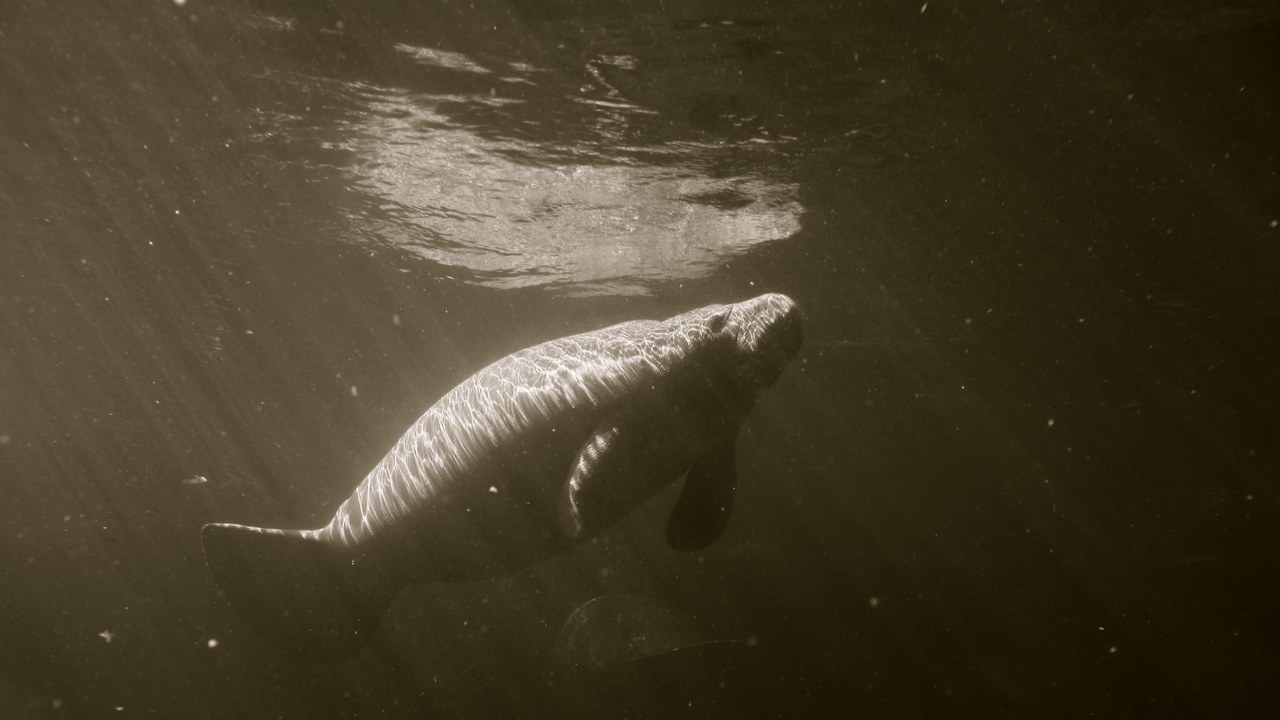
The park’s federally threatened gentle sea cows graze on seagrass in its warm waters. Slow, round and placid, the animals spend much of their day eating along the shallows of the coastal bays.
Warm water matters because manatees are sensitive to cold, and the park offers a mild refuge. Boaters in manatee waters are asked to travel slowly and watch carefully, since the animals surface quietly and cannot move out of the way quickly.
5. Bobcat: Stealthy Night Hunter
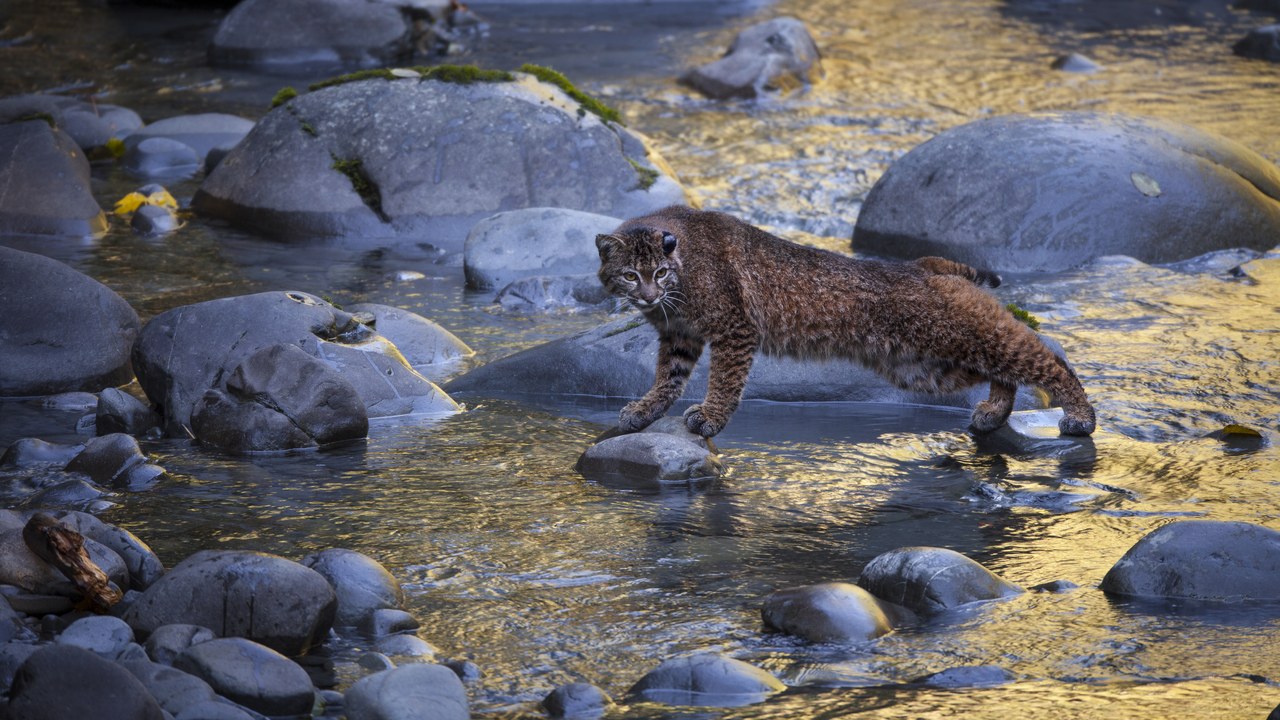
A common but stealthy hunter, the bobcat stalks prey under the park’s moonlit mangroves, according to the Park Service profile. Unlike several animals on this list, it is not threatened, which makes it one of the more dependable residents of the region.
Spotting one takes patience and luck, because the cat is wary and mostly active after dark. Its short bobbed tail and tufted ears are the quickest clues for a visitor who catches a glimpse at dusk.
6. Loggerhead sea turtle: Beach Nester
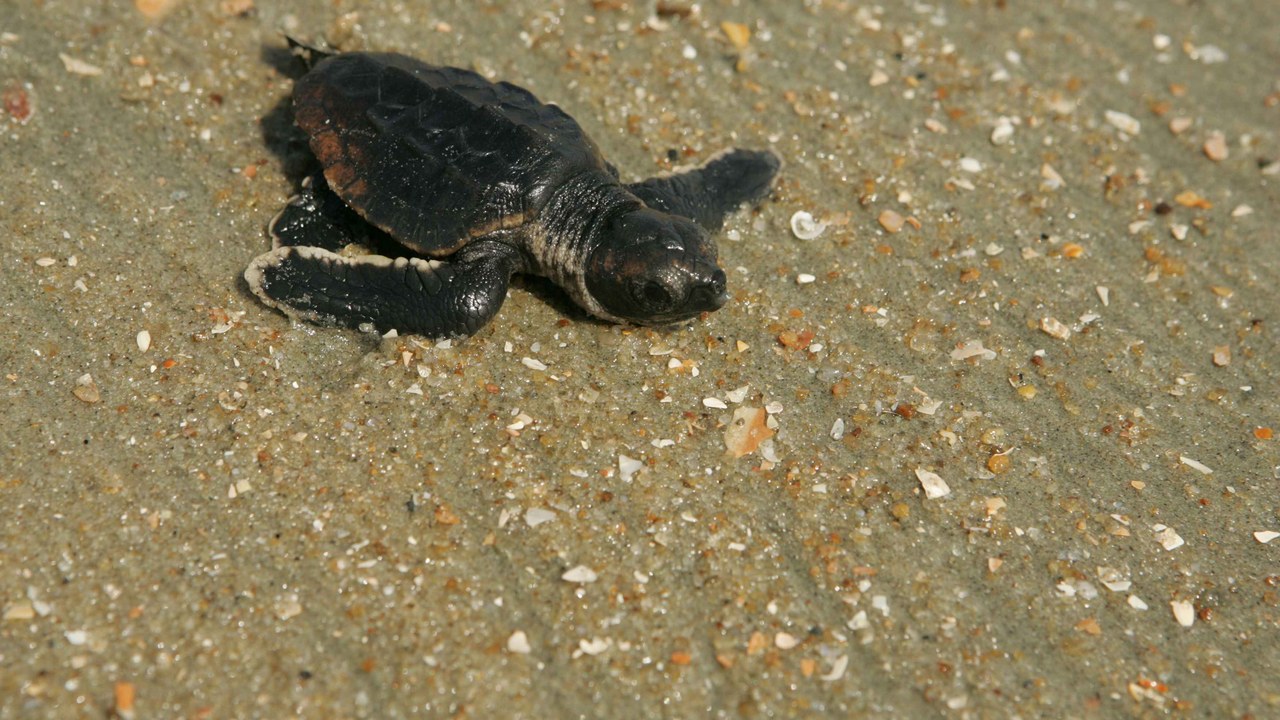
Federally threatened but still holding on, the loggerhead is one of five sea turtles on the park’s reptile list. Females come ashore to lay eggs on sandy stretches, which links this deep-water traveler to the park’s coastline.
The sea turtle depends on dark, undisturbed beaches during nesting season. Reducing lights and keeping clear of nests are small steps that give hatchlings a better chance of reaching the water. Visitors to coastal areas can support recovery simply by respecting posted closures.
7. Gray fox: Tree Climbing Fox
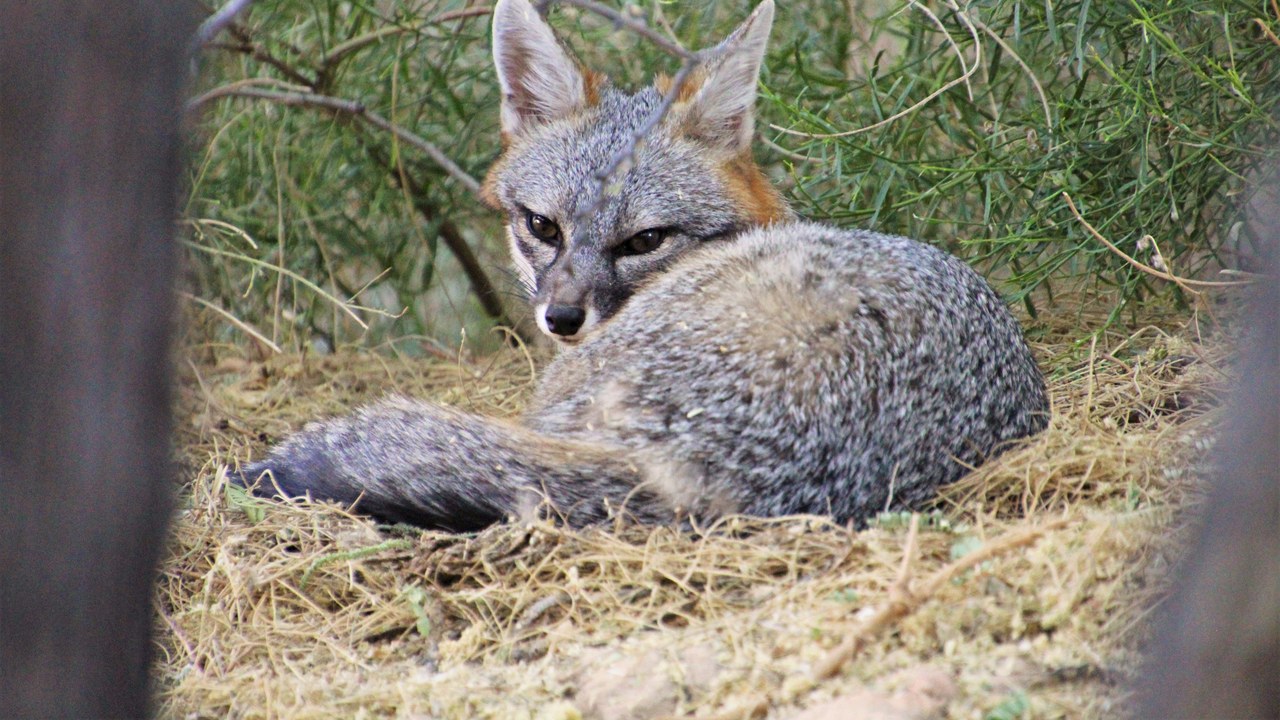
It is the only fox that can climb trees, especially leaning ones, the Park Service says. The gray fox pairs that skill with a salt-and-pepper coat and a rusty patch along the neck and legs.
The climbing habit helps it escape danger and reach food above the ground. For anyone expecting a typical fox on the ground, spotting one in a leaning trunk is a memorable surprise. Careful observers scanning the branches near forest edges may be rewarded with a rare view.
8. North American river otter: Playboys Of The Glades
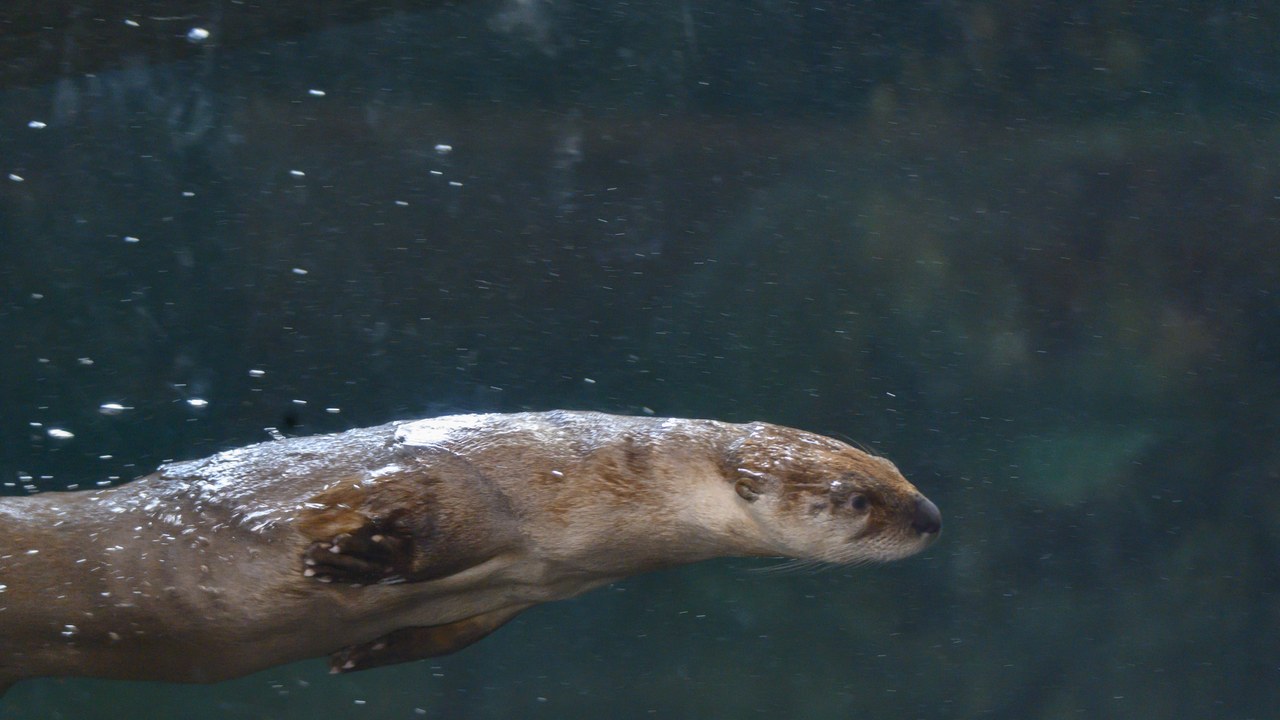
Often called the playboys of the ‘glades, river otters slide and splash through the park’s waterways. The nickname fits animals that seem to treat every muddy bank as a playground.
Their presence is a decent sign of healthy water, since they need fish and clean channels to thrive. Watching a family tumble through the shallows is one of the more lighthearted moments in a park known for its quieter reptiles.
9. Virginia opossum: Pouched Survivor
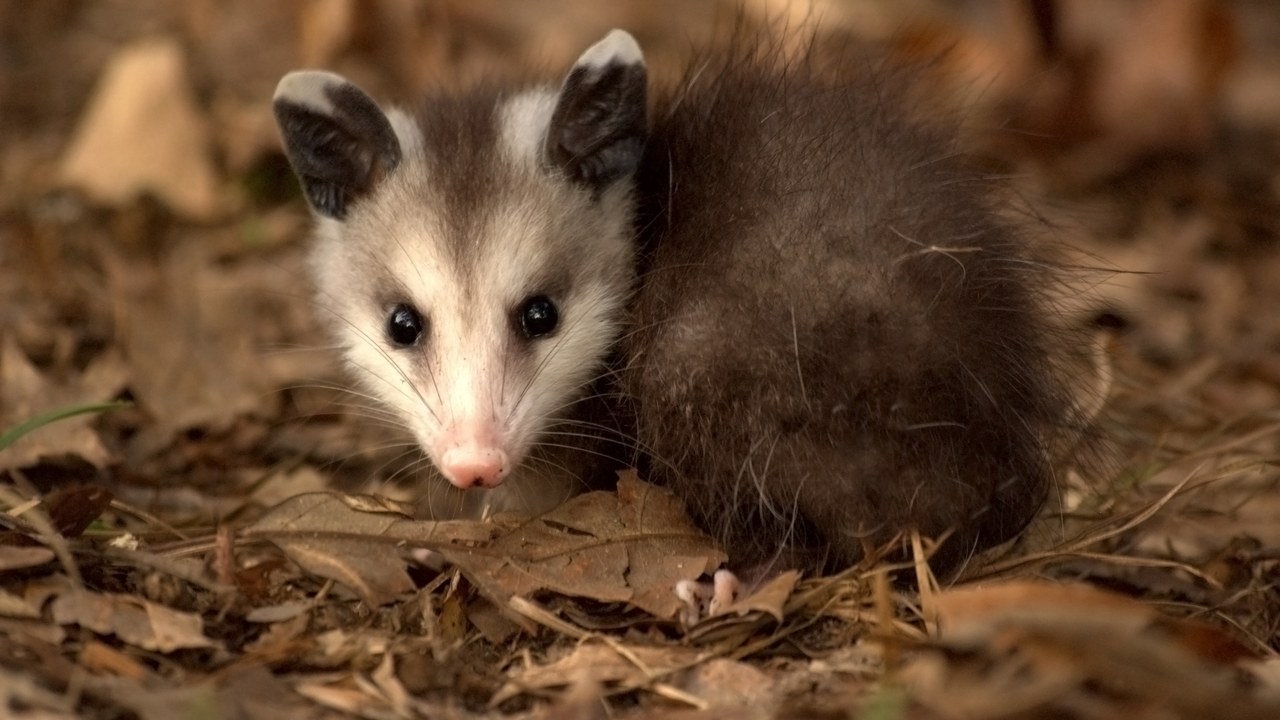
The opossum is the only marsupial in the Everglades and plays dead to fool predators. The behavior is involuntary, and it can make the animal look lifeless for a surprisingly long time.
The marsupial is a gentle presence on the edges of campsites and trails. It rarely causes trouble, and the best response when one appears frozen is simply to leave it alone and let it recover. Its long, hairless tail and white face make the species easy to recognize even in poor light.
10. White-tailed deer: Small Glades Deer
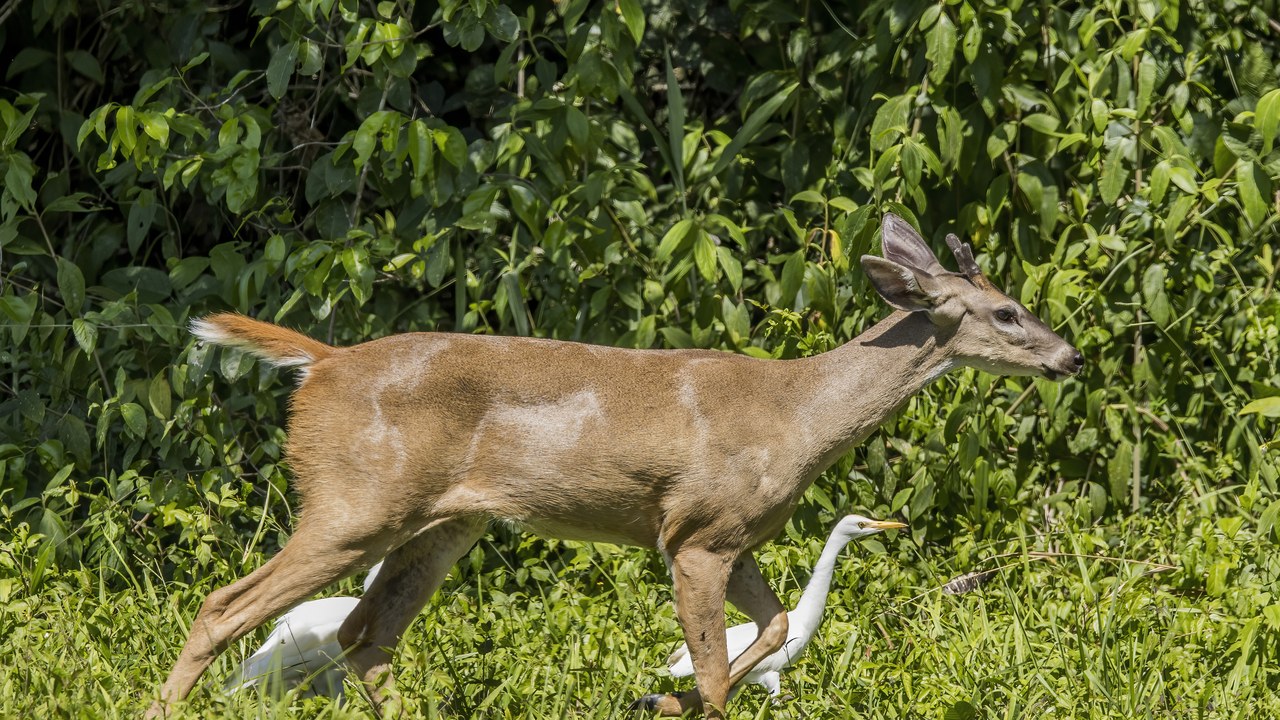
Everglades deer are smaller because they do not need an extra layer of fat to protect them from winter cold. The adaptation reflects a climate where freezing weather rarely arrives.
That compact build is easy to overlook, but it shows how a familiar species adjusts to a place. Visitors used to northern deer may notice the slighter frame on pinelands and prairies. The park’s open landscape also makes it one of the easier places to watch them graze at a distance.
11. Raccoon: Masked Bandit
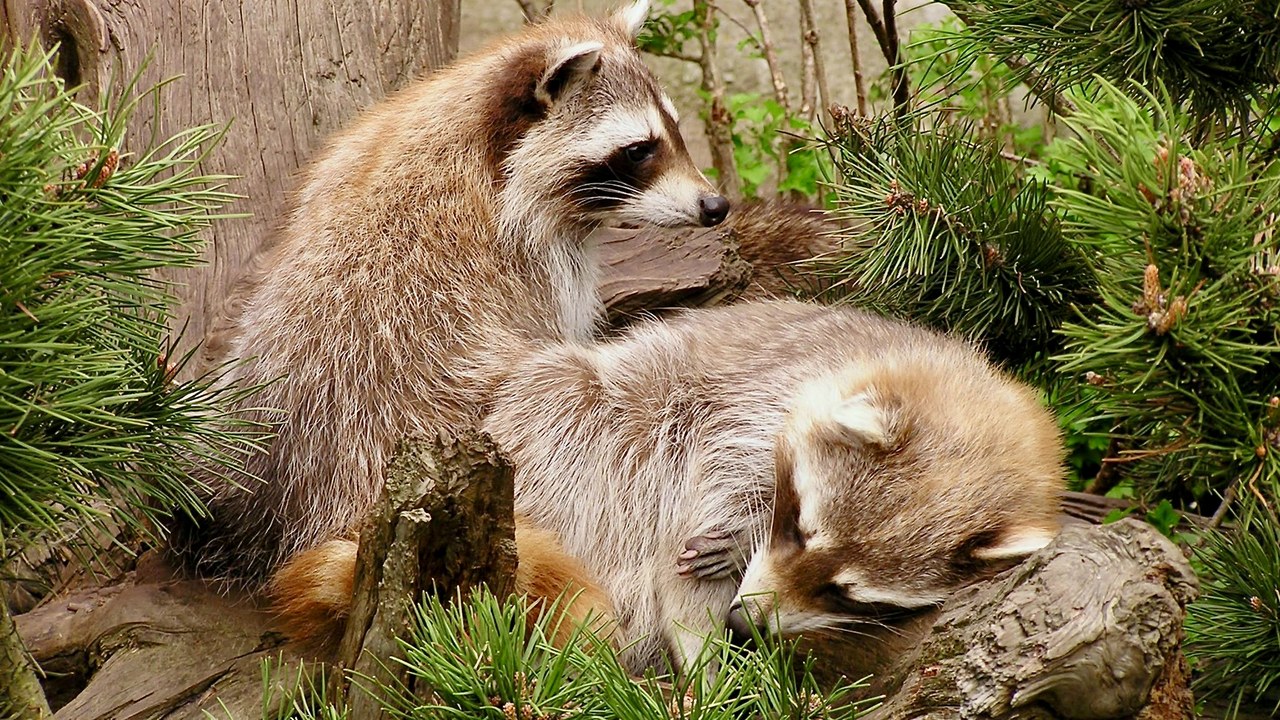
The park calls them masked bandits raiding the night, and Everglades raccoons prefer turtle eggs and small aquatic animals. Their dexterous front paws are well suited to probing shallow water and soft sand.
The appetite for eggs is also a conservation concern near nesting beaches, where sea turtle clutches can be vulnerable. Securing food and trash at campsites keeps the animals foraging naturally. Their adaptability explains why the species turns up in so many habitats across North America.
12. Common bottlenose dolphin: Bay Leapers
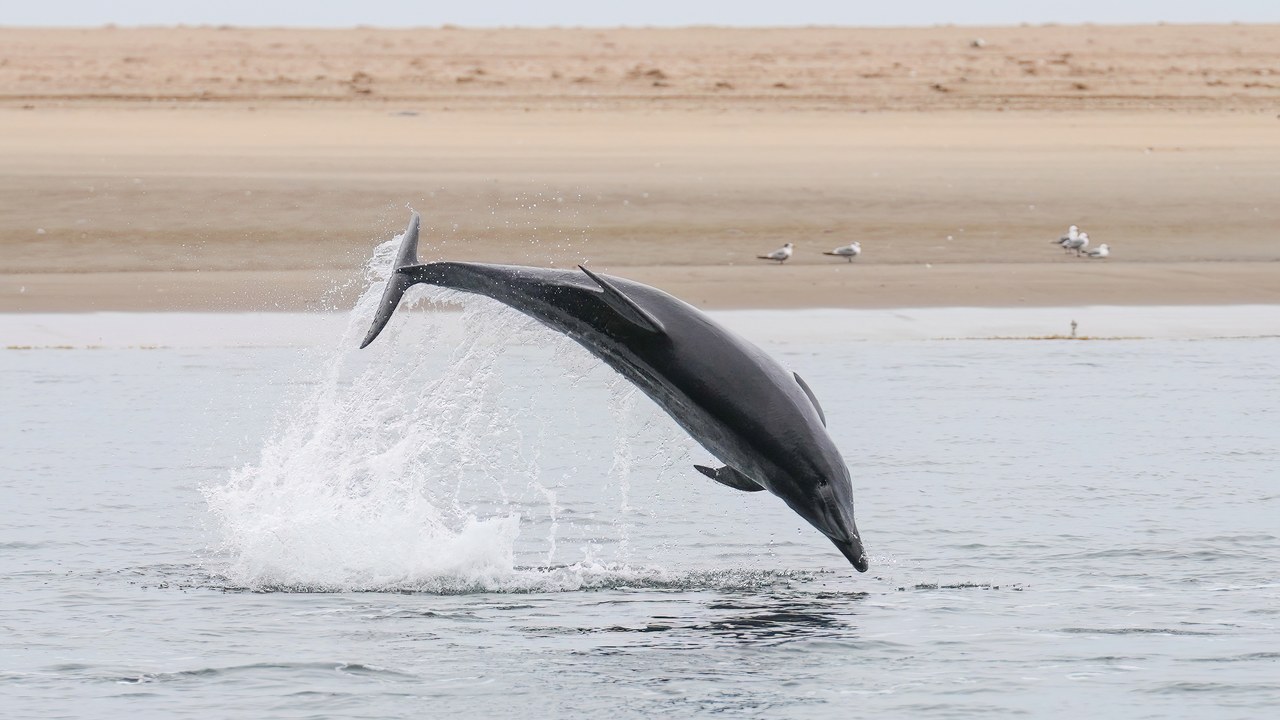
Dolphins leap in the park’s coastal bays, where the Park Service suggests saying hi from a boat. The common bottlenose dolphin is among the most recognizable marine mammals, with its curved mouth and steady gray color.
The suggestion to greet them from a vessel keeps the encounter respectful. Watching from a slow, steady boat gives visitors a view of the animals at play without crowding them. Calm water and a quiet engine often make the difference between a fleeting glimpse and a lasting memory.
Tech news worth reading: Get Techpresso →
We may earn a commission if you sign up.
More from Morning Overview
- Two passengers died at an Ohio toll plaza, and the NTSB now wants the cash lanes shut
- Long use of a common prostate pill is tied to a higher chance of glaucoma
- Ford is recalling 223,472 F-150 pickups because the fuel tank can leak or detach
- Hybrids have 15% fewer problems than gas cars, while EVs and plug-in hybrids have about 80% more, Consumer Reports finds
