
Yellowstone holds one of the most varied collections of large animals in the lower 48 states, from predators to hoofed grazers. National Park Service pages describe how big each one is, how many live there and which ones can hurt visitors. Here are twelve Yellowstone animals, including grizzlies that can run up to 40 mph.
Save more, waste less: The Cool Down’s newsletter sends smart, simple changes that help you and the planet in your everyday life.
We may earn a commission if you sign up.
1. Grizzly bear: Faster Than It Looks
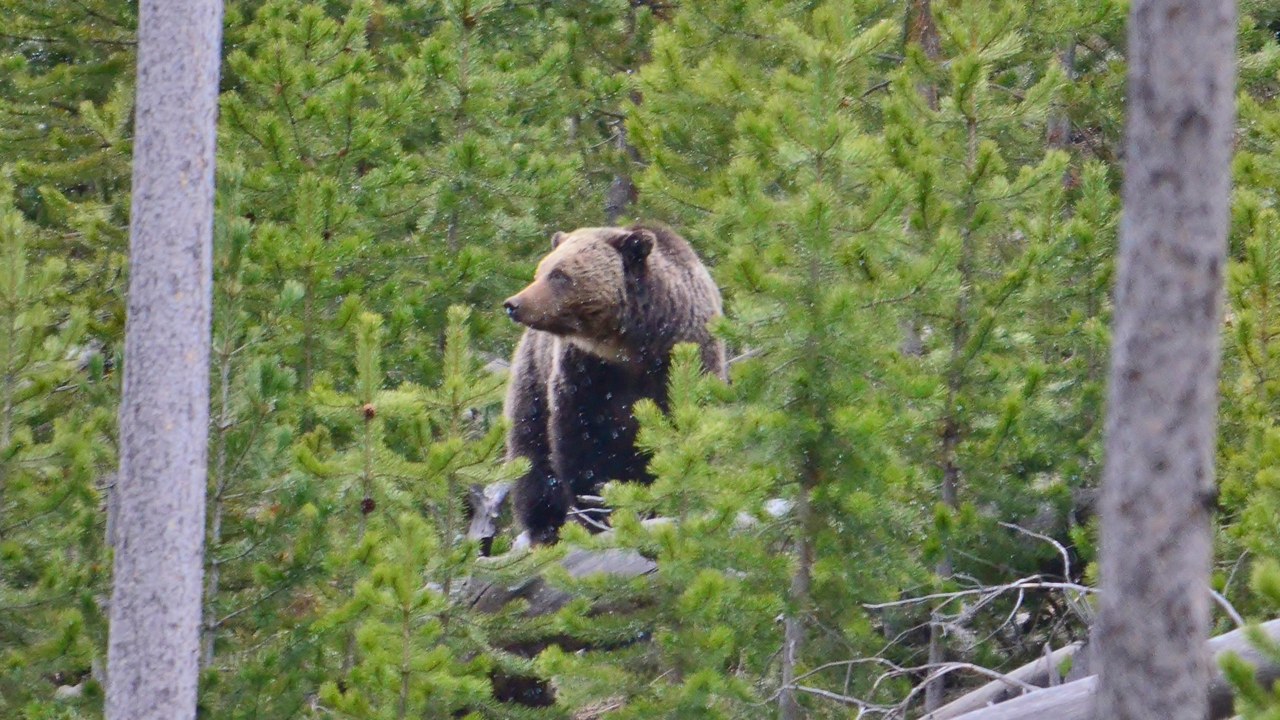
About 1,050 grizzlies live in greater Yellowstone, and the National Park Service says males weigh 200 to 700 pounds and can run up to 40 mph. That speed outpaces any person on foot by a wide margin.
Running is never a safe answer to a close encounter with a bear. Park guidance centers on keeping a safe distance, carrying bear spray and making noise on trails, so that the animal and the hiker never end up surprising each other.
2. American bison: Big Bulls, Real Injuries
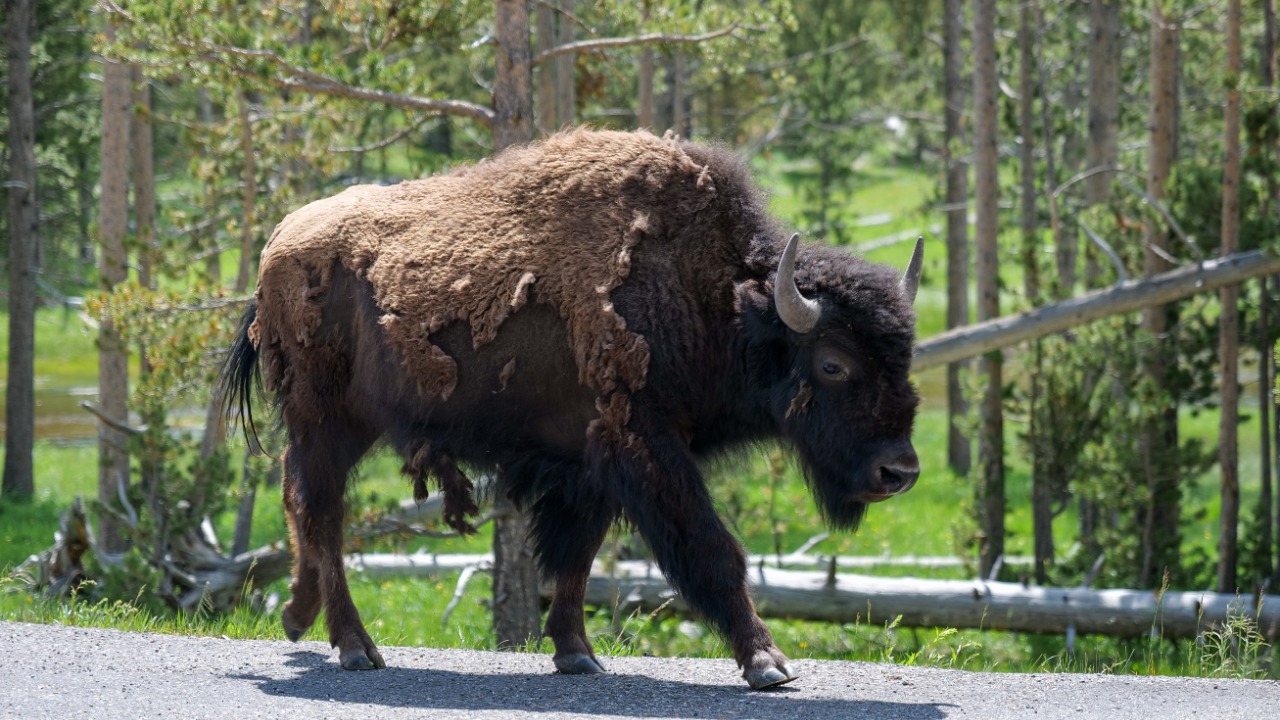
Roughly 5,300 bison roamed the park in August 2025, and bulls reach 2,000 pounds, according to the National Park Service. They can run 35 mph and injure visitors every year.
The animals can look placid while grazing beside a road or boardwalk, which is part of the danger. Staying the park’s recommended distance away is the simplest way to avoid joining the yearly list of people hurt by a bison.
3. Elk: Most Abundant Giant
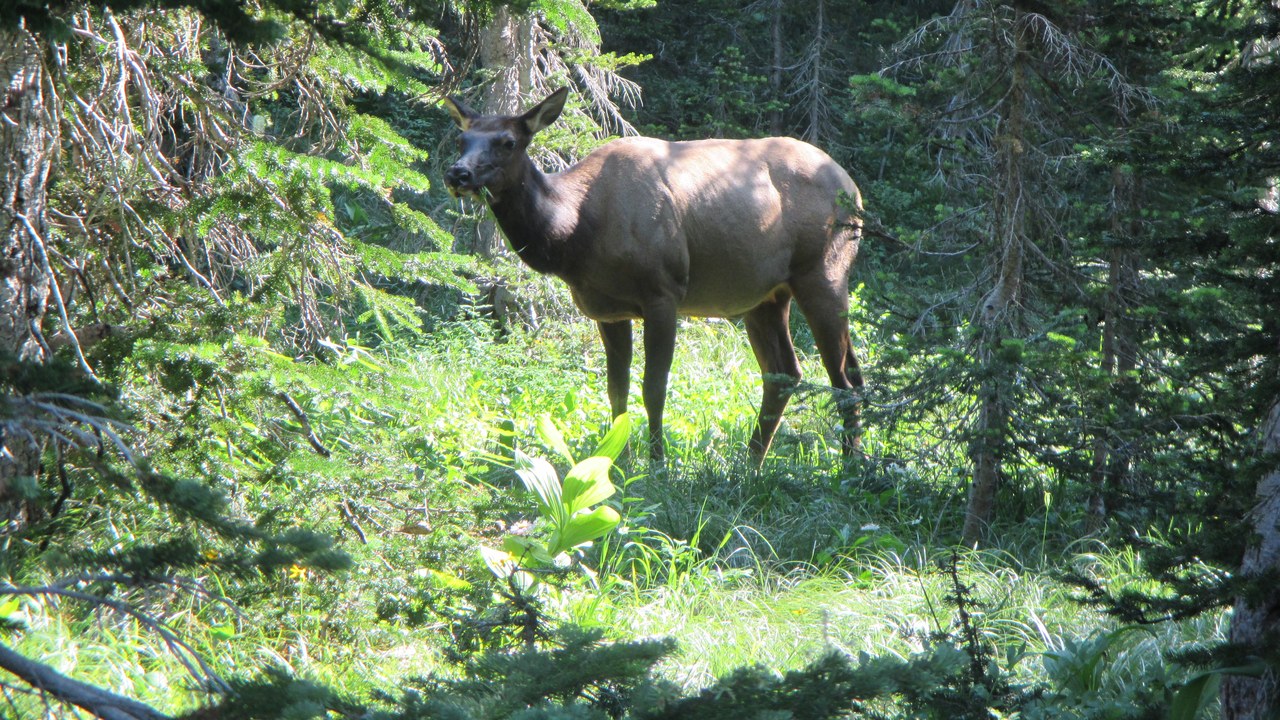
The elk is the park’s most abundant large mammal, and summer numbers reach 10,000 to 20,000. Bulls come near 700 pounds and carry antlers measuring 55 to 60 inches.
That abundance means elk turn up in meadows, near buildings and along roads throughout the park. The antlers of a bull make distance a sound habit even around an animal that seems accustomed to crowds. Park rules on viewing distance apply to elk just as they do to bears and wolves.
4. Gray wolf: Back After 1995
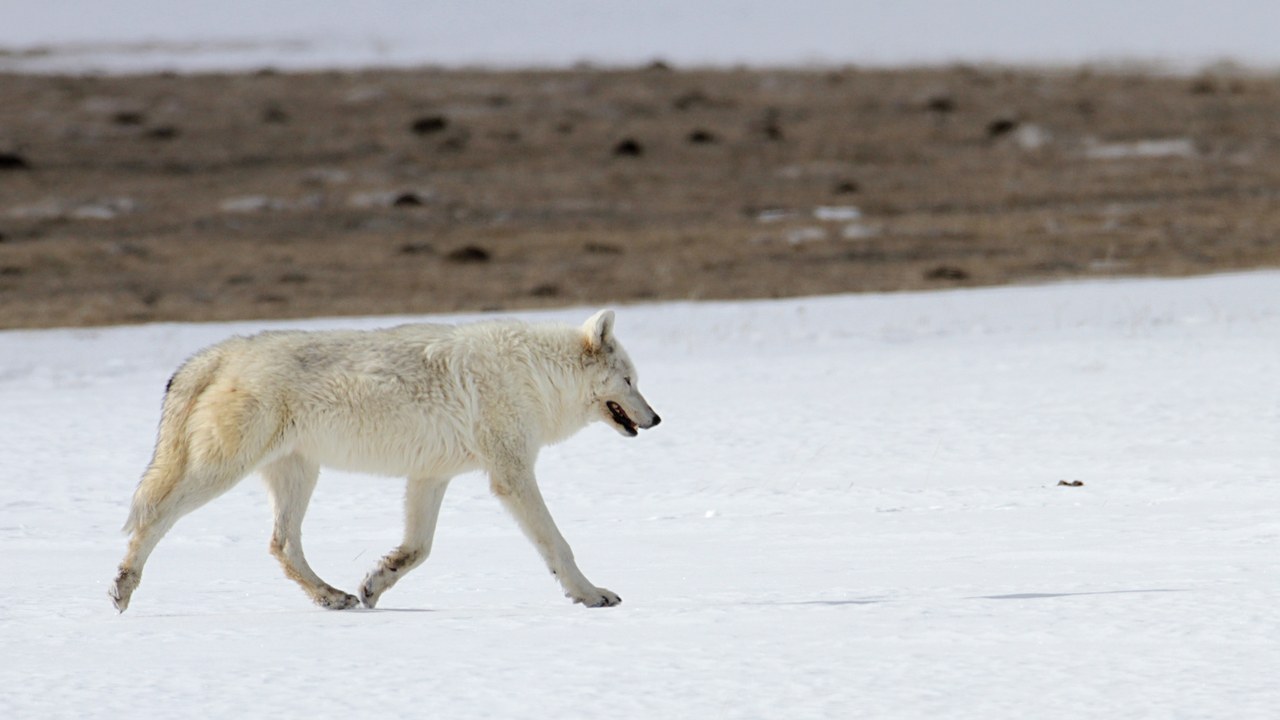
Restored in 1995, wolves now number at least 84 living primarily in the park as of January 2026. Elk make up about 85 percent of their winter kills, which ties the predator closely to its main prey.
The wolf’s return reshaped how the park’s animals relate to one another. Visitors hoping to see one usually have the best luck in the early morning or evening with binoculars rather than by approaching a pack.
5. American black bear: Fewer Injuries Than Before
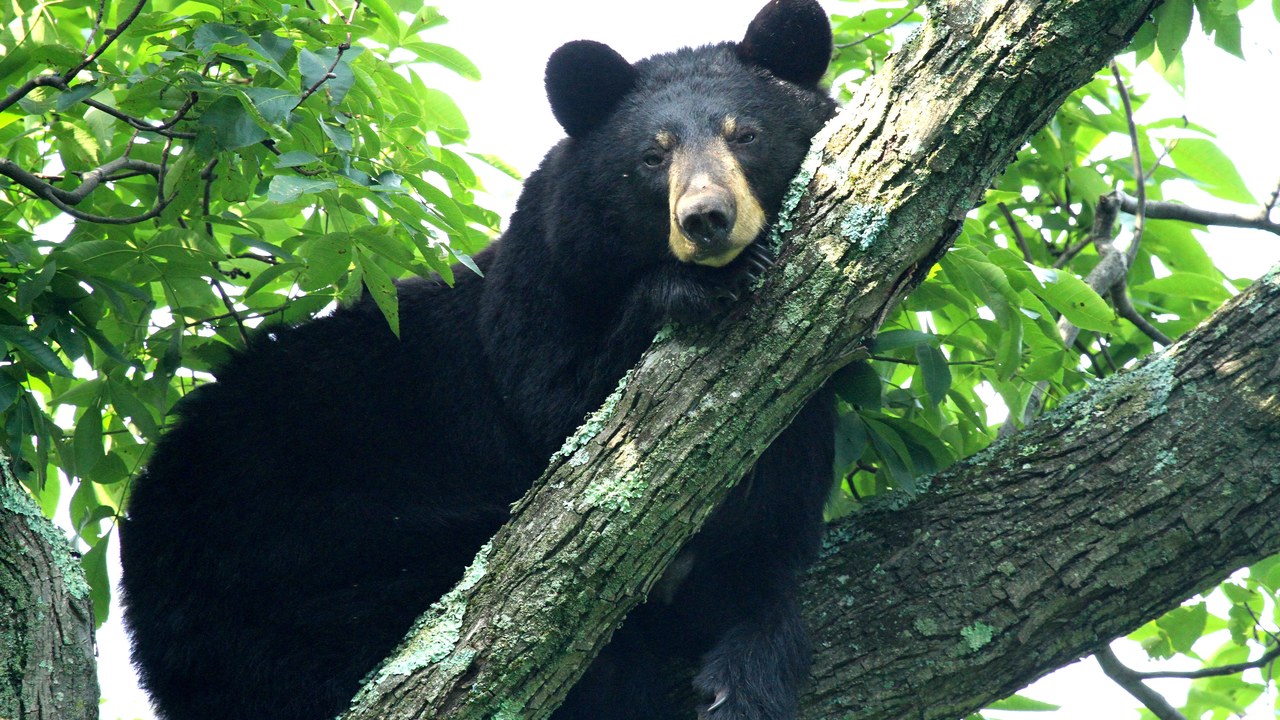
Black-bear injuries in Yellowstone dropped from an average of 45 a year in the 1930s through the 1960s to about one every five years since 1980. The change reflects the park’s long effort to keep bears away from human food.
Properly stored food and garbage are the main reason the number fell so far. The record is a reminder that careful habits by visitors can change how often bears and people meet, even where both are common.
6. Moose: Largest of the Deer
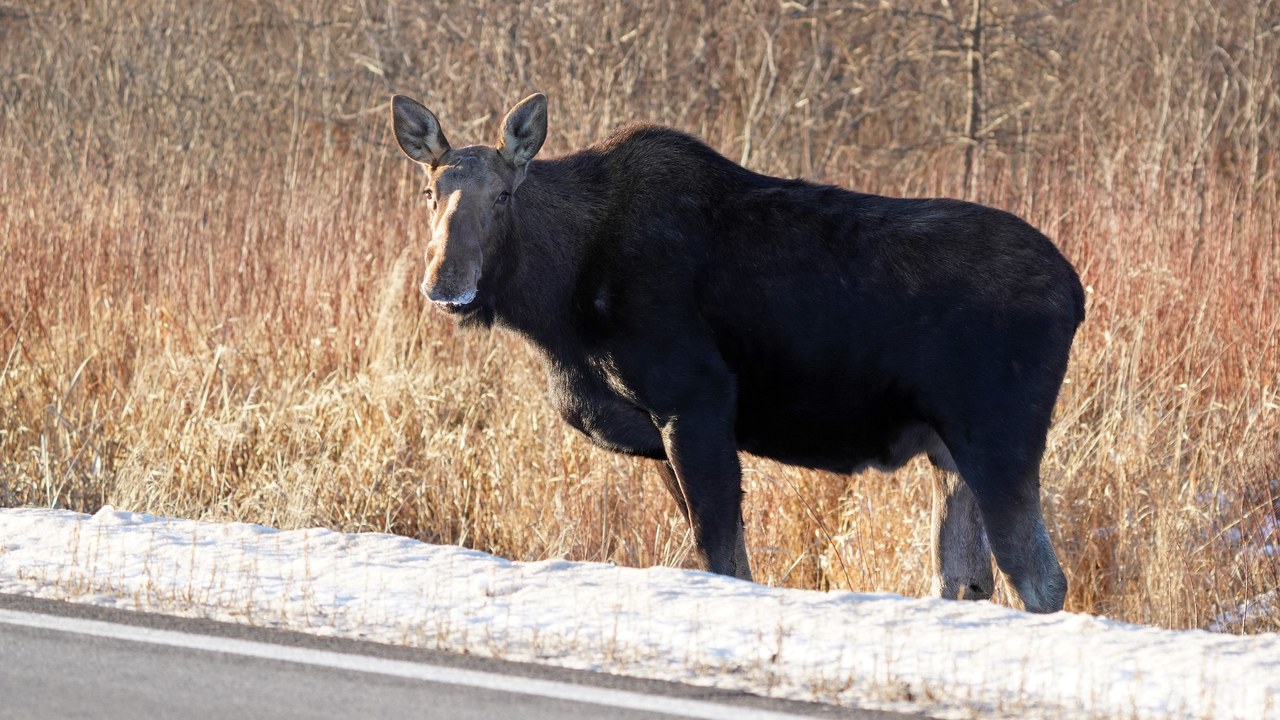
Moose are the largest members of the deer family in Yellowstone. They stand out from the park’s other hoofed animals by sheer size, and they favor wetter ground than most of their neighbors.
A big animal that may look slow can still react quickly to being crowded. Anyone who spots a moose near a trail or willow thicket should give it plenty of room and avoid blocking its path, especially when calves may be near.
7. Bighorn sheep: Horns With Heft
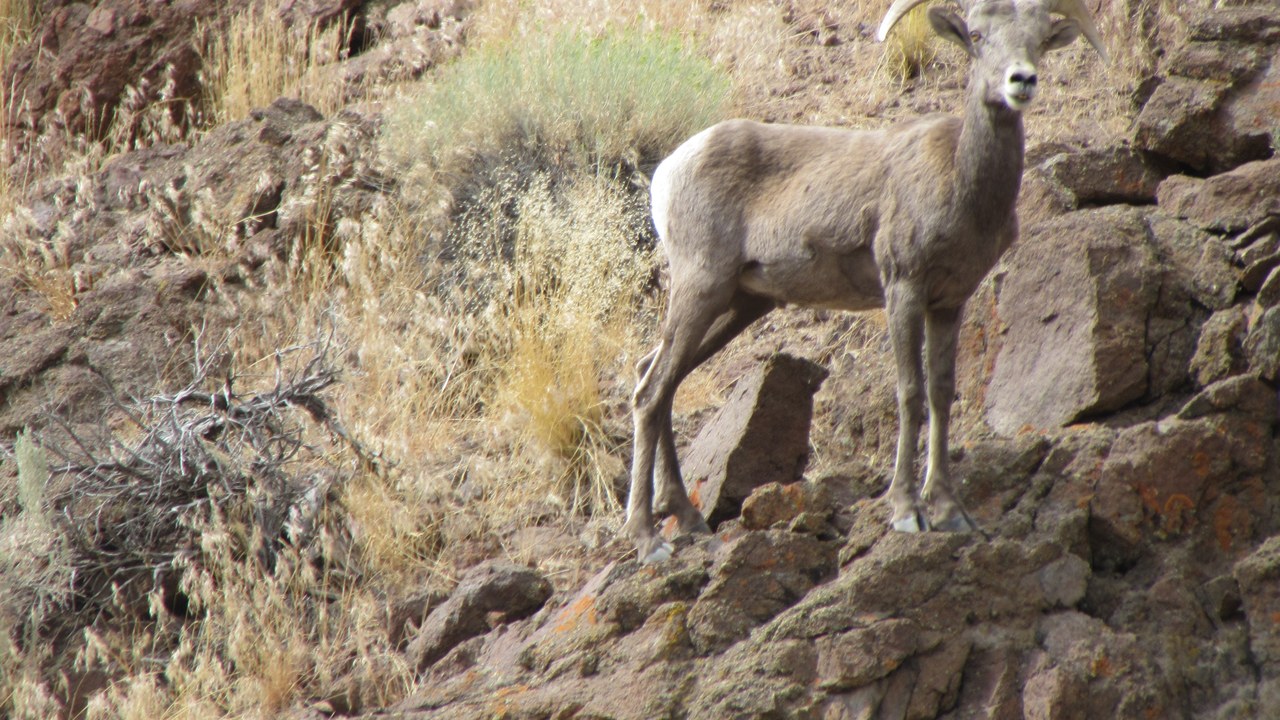
A bighorn ram’s horns can make up 8 to 12 percent of body weight, and rams weigh 174 to 319 pounds. That means the horns alone can account for a large share of the animal’s mass.
Those horns are built for the head-on clashes that rams use to settle rank. Visitors who see the sheep near roads or cliffs benefit from staying back and letting the animals move on their own schedule.
8. Mountain goat: Not From Here
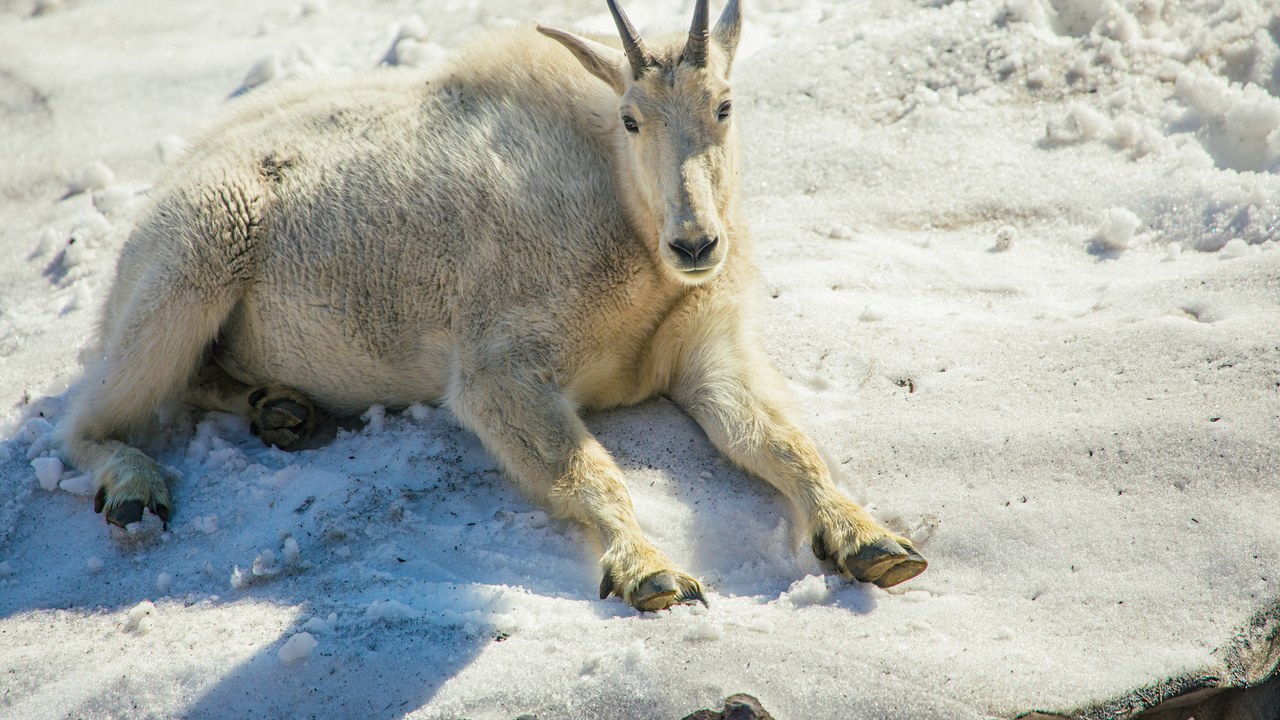
The mountain goat is not native to the region, yet 200 to 300 goats now live in and near Yellowstone, descended from introductions in the 1940s and 1950s. Billies top 300 pounds.
The species looks at home on steep, rocky terrain, which makes its history easy to overlook. Its status as an introduced animal is one reason park managers keep a close eye on how the population changes over time.
9. Pronghorn: Last of Its Lineage
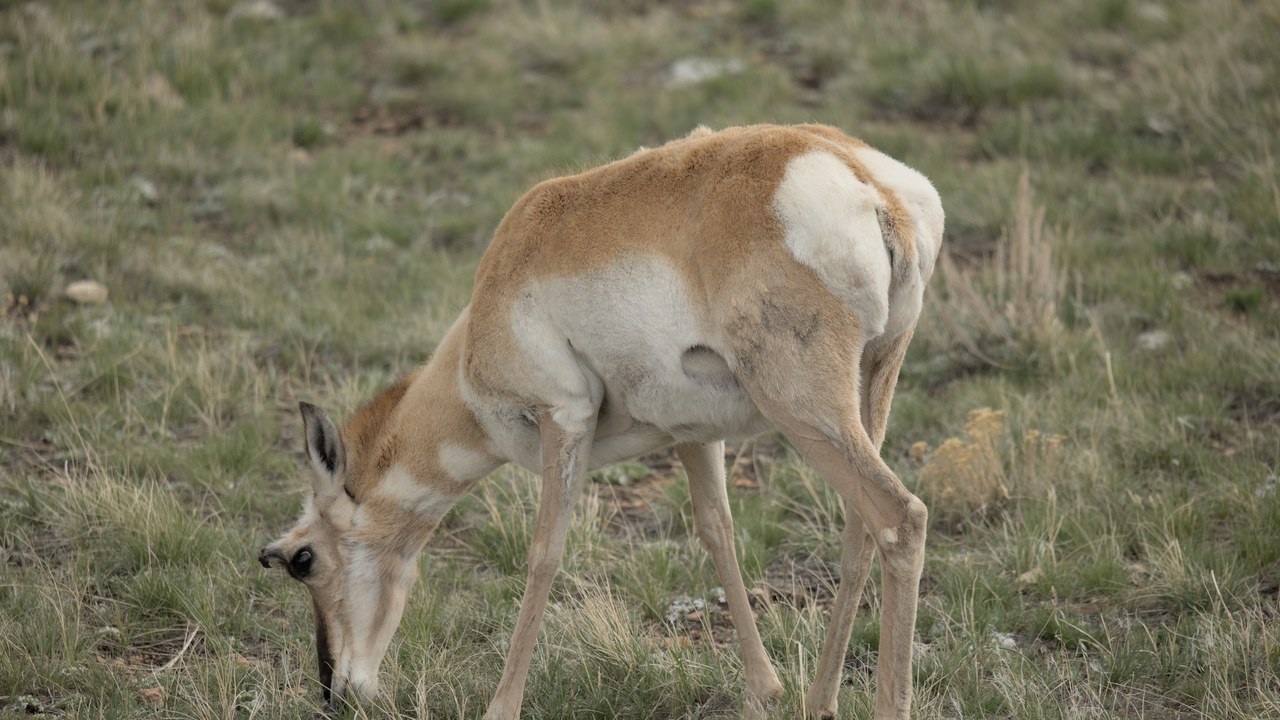
The pronghorn is one of seven native hoofed species in the park, and the lone survivor of a group that evolved in North America. Its relatives are gone, leaving this single species to carry the lineage.
Pronghorn favor open grassland, so the best place to look for them is the park’s wide valleys rather than its forests. Their status as a sole survivor adds a conservation angle to what is otherwise a familiar sight in the open country.
10. Cougar: Biggest of Three Cats
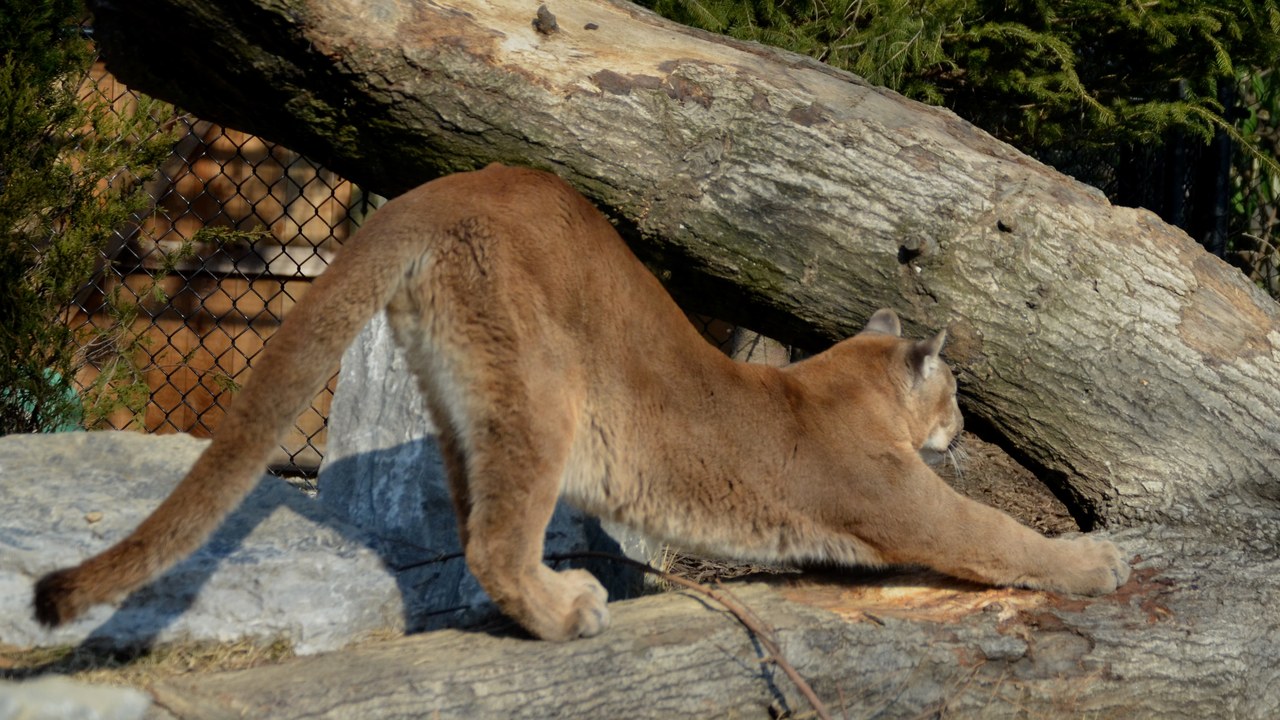
The cougar is the largest of the three cat species found in Yellowstone. The other two, the lynx and the bobcat, are noticeably smaller in comparison.
Cougars are secretive, and most visitors never notice one even when the cat is nearby. That elusiveness is typical of a large predator that depends on staying hidden, which is why sightings tend to be rare and memorable. Anyone hiking in the park is better served by general bear and wildlife precautions than by hoping for a glimpse of this cat.
11. Coyote: Carcass Signals
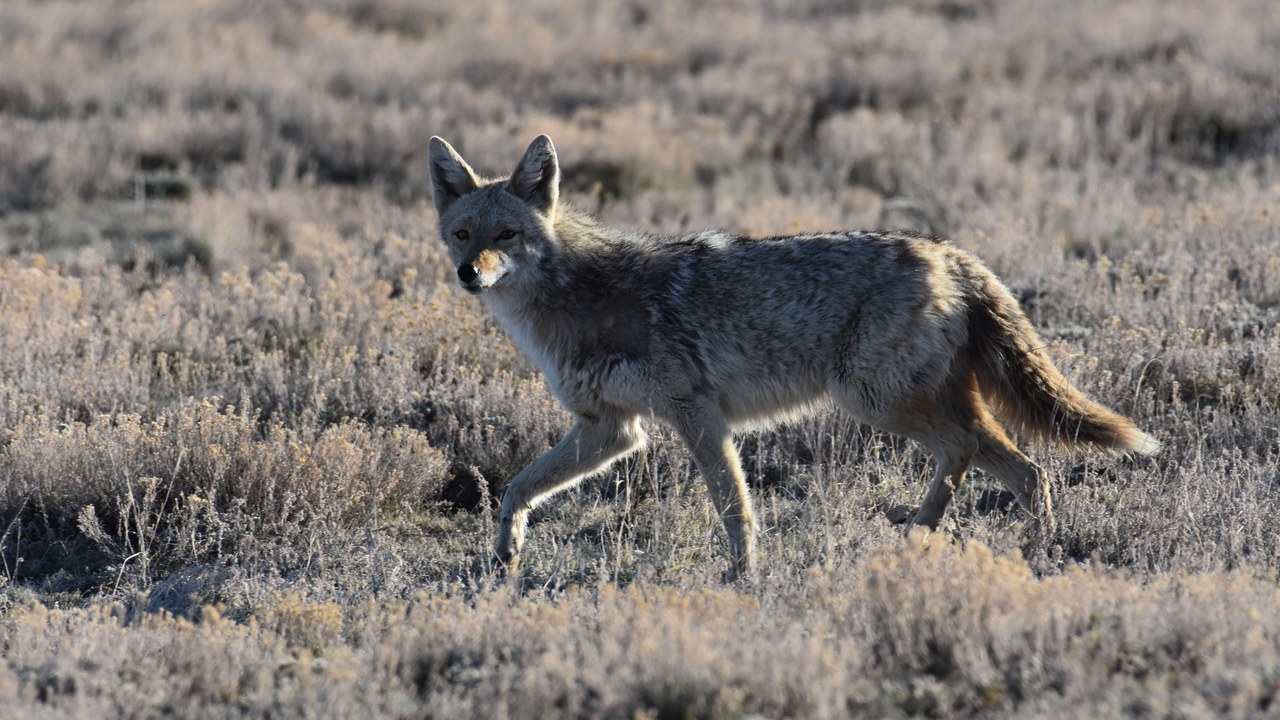
Coyotes are abundant throughout the park, according to the National Park Service, and gatherings of ravens and coyotes can signal a carcass a bear may be guarding. The pairing is a warning as much as a curiosity.
Hikers who notice birds and coyotes clustered in one spot should treat it as a reason to turn around rather than investigate. A defensive bear protecting food is far more dangerous than an ordinary encounter on the trail.
12. Canada lynx: Needs Wide Open Space
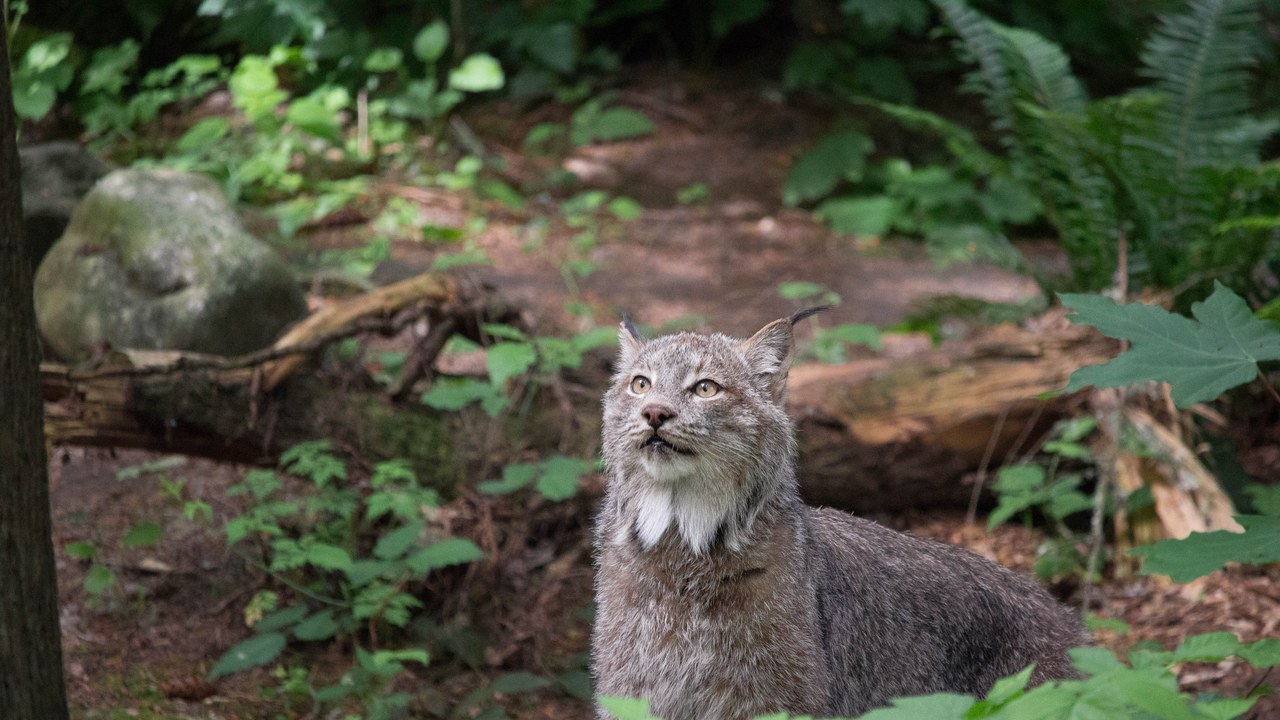
One of Yellowstone’s three cat species, the lynx needs large expanses of undisturbed habitat. That requirement helps explain why the animal is so rarely seen by visitors.
A species with such wide habitat needs depends on the park staying large and intact. For visitors, the lynx is more a reminder of how much wild land the full set of animals requires than a creature to expect on a short trip.
Save more, waste less: Subscribe to The Cool Down →
We may earn a commission if you sign up.
More from Morning Overview
- Doctors warn a silent liver disease now affects one in three American adults
- The FBI told the rest of ShinyHunters to surrender after a 24-year-old was arrested
- Two passengers died at an Ohio toll plaza, and the NTSB now wants the cash lanes shut
- Long use of a common prostate pill is tied to a higher chance of glaucoma
