
Whales and dolphins are among the most closely counted wild animals, and the numbers attached to them range from enormous to alarmingly small. Some species measure over a hundred feet, while others are down to a few hundred individuals or a few dozen in one local group. Here are ten of them, each with the figure that best captures its story.
The day in tech, in one email: TLDR is the daily newsletter with links and TLDRs of the most interesting stories in startups, tech and programming.
We may earn a commission if you sign up.
1. Blue whale: Largest Animal Alive
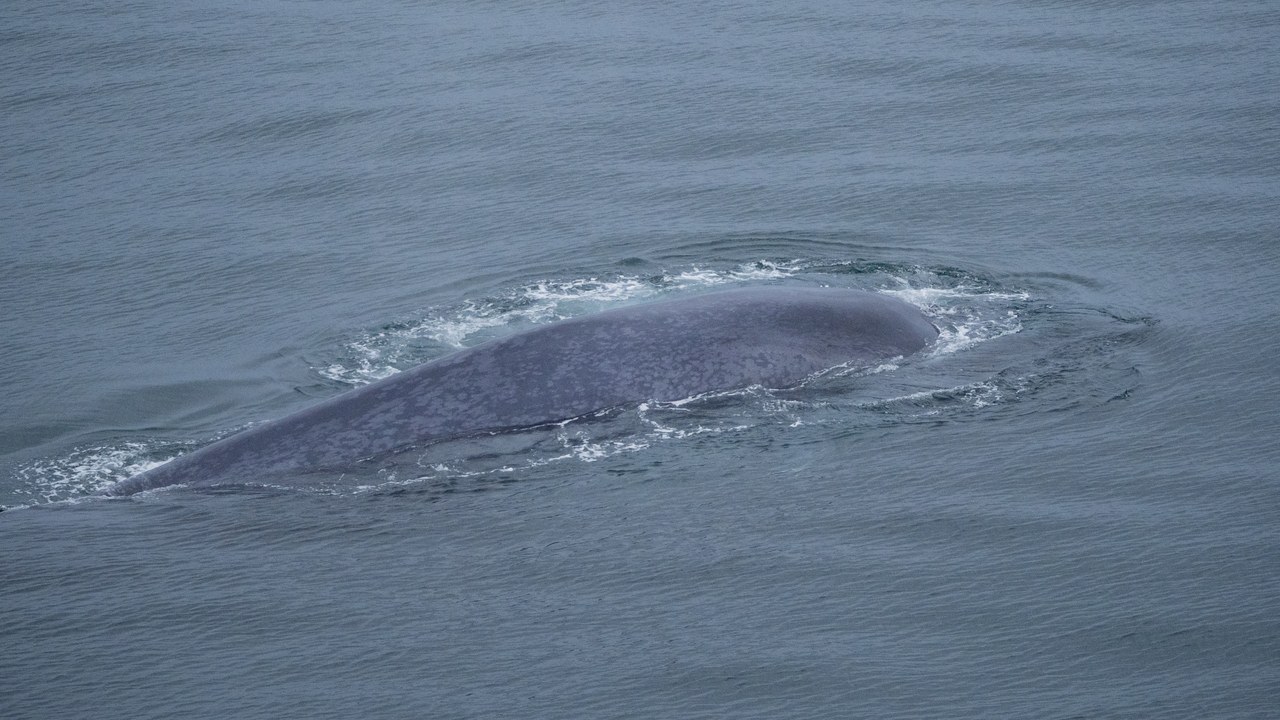
NOAA Fisheries lists the blue whale at up to 110 feet in length and up to 330,000 pounds, which makes it the largest animal on Earth. Those figures are species maximums rather than the size of any single measured animal.
Summer is the season when the species shows up off California and Alaska, so whale-watch boats on those coasts are the realistic places to see one. A whale of that scale is hard to grasp from a deck, since only a fraction of the body breaks the surface at once.
2. North Atlantic right whale: Counting Every Individual
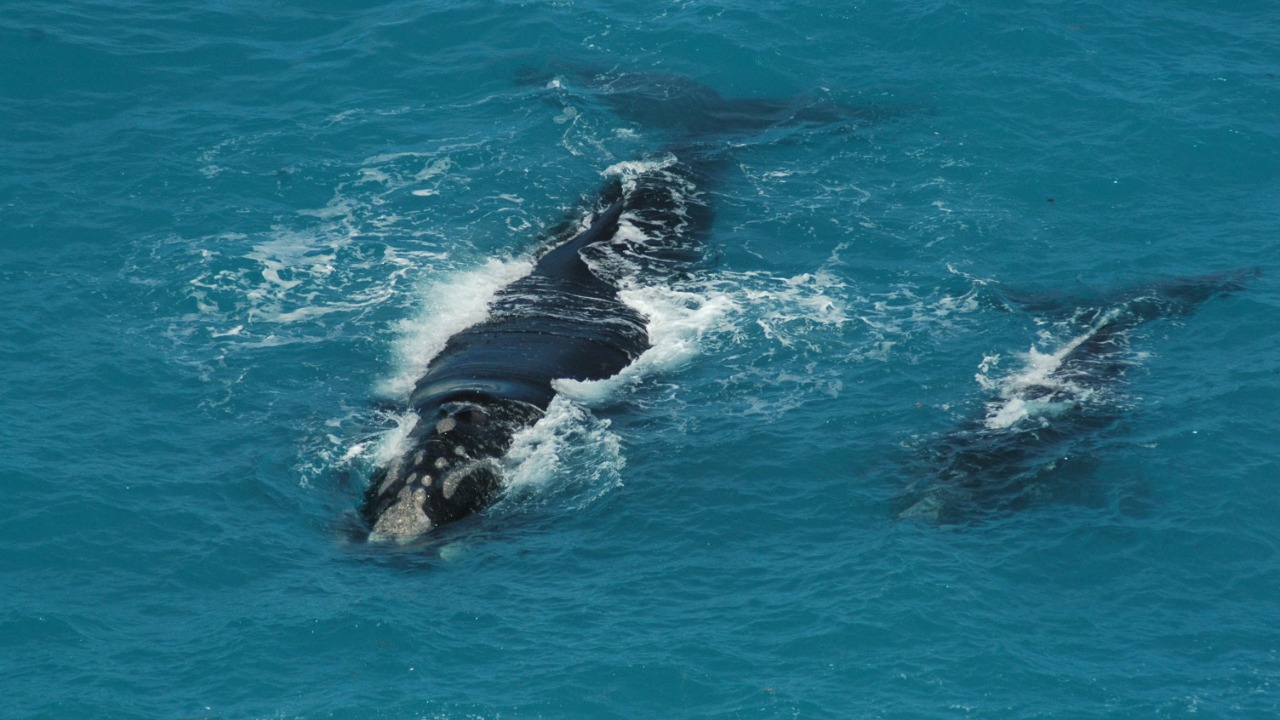
NOAA put 384 individual North Atlantic right whales alive at the start of 2024, with a margin of plus 10 or minus 9. That is the whole species, which makes it one of the rarest large whales anywhere on the planet.
Adults reach up to 52 feet and up to 140,000 pounds, yet the population is small enough that researchers can think of it as a list of known animals. Each loss or birth shifts the total noticeably, and the estimate itself carries a range, so the real number sits somewhere near the stated figure rather than exactly on it.
3. Gray whale: A Ten-Thousand-Mile Commute
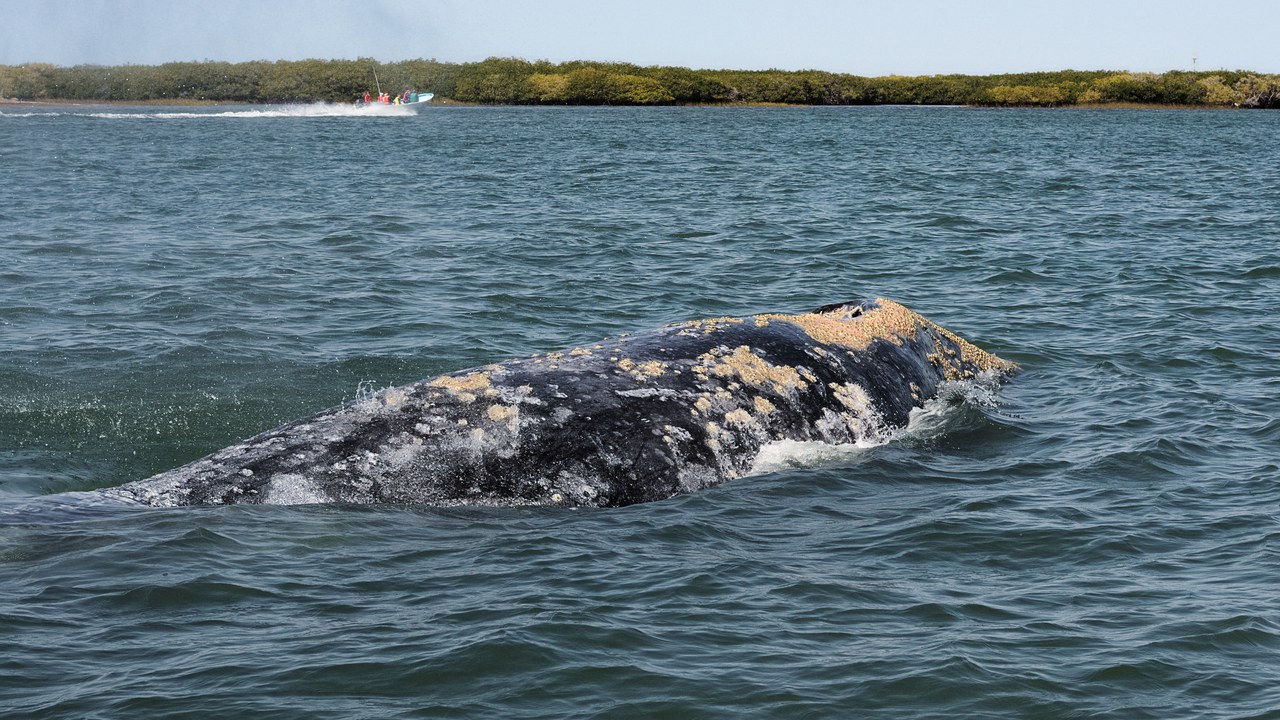
Gray whales cover about 10,000 miles round-trip each year between Arctic feeding grounds and the breeding lagoons of Mexico, and in some cases upwards of 14,000 miles. NOAA describes adults at 42 to 49 feet and roughly 90,000 pounds.
Few mammals travel farther on a yearly schedule, and the route runs along the length of the Pacific coast of North America. Observers on shore can watch the procession pass, because the animals travel relatively close to land. The figure describes one year of migration for the species, not a lifetime total.
4. Killer whale: The Southern Residents
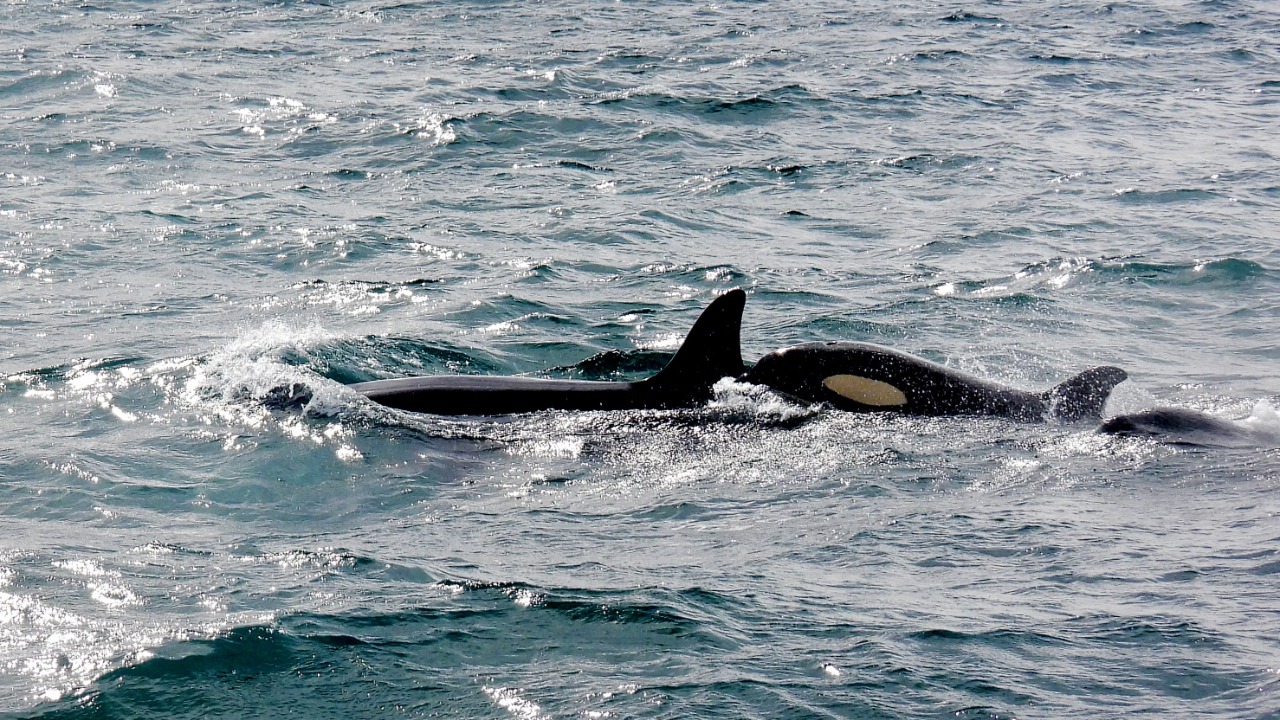
The July 2025 census counted only 74 whales in the Southern Resident killer whale population, the group that spends its summers in Washington’s inland waters. NOAA’s own wording calls it a struggling population.
That number covers this one community and not every killer whale in US waters. The species as a whole grows up to 32 feet in length, so the small headcount belongs to a specific, closely tracked group. Anyone watching orcas from a ferry in the Puget Sound region is looking at animals that biologists know individually.
5. Humpback whale: Rebound After Whaling
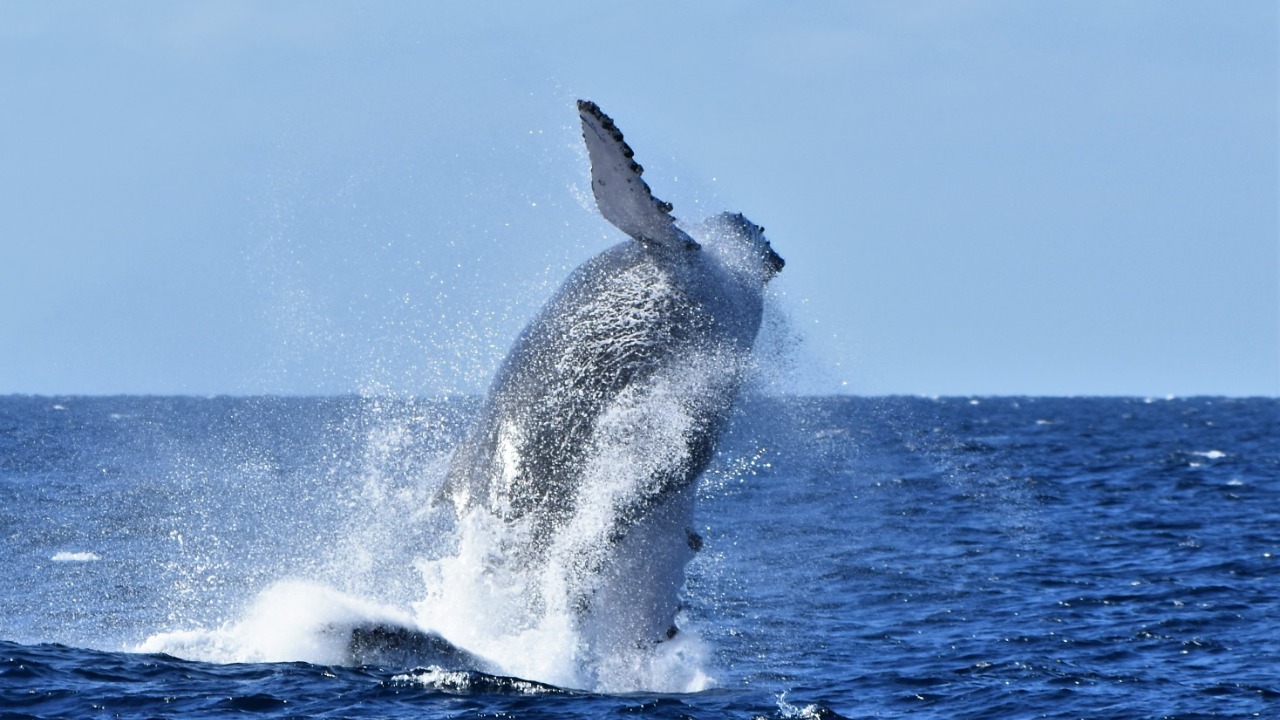
An adult humpback weighs 25 to 30 tonnes, or 28 to 33 short tons, and the species numbers roughly 135,000 worldwide according to a Wikipedia cetacean table. That total follows a near-total collapse under commercial whaling.
The figure shows a recovery of sorts, though it is a global count and not a tally for American waters. Humpbacks are also among the most acrobatic large whales, famous for breaching, which is why boat tours advertise them so heavily. A big total does not erase the history that shrank the population in the first place.
6. Sperm whale: Heaviest Toothed Predator
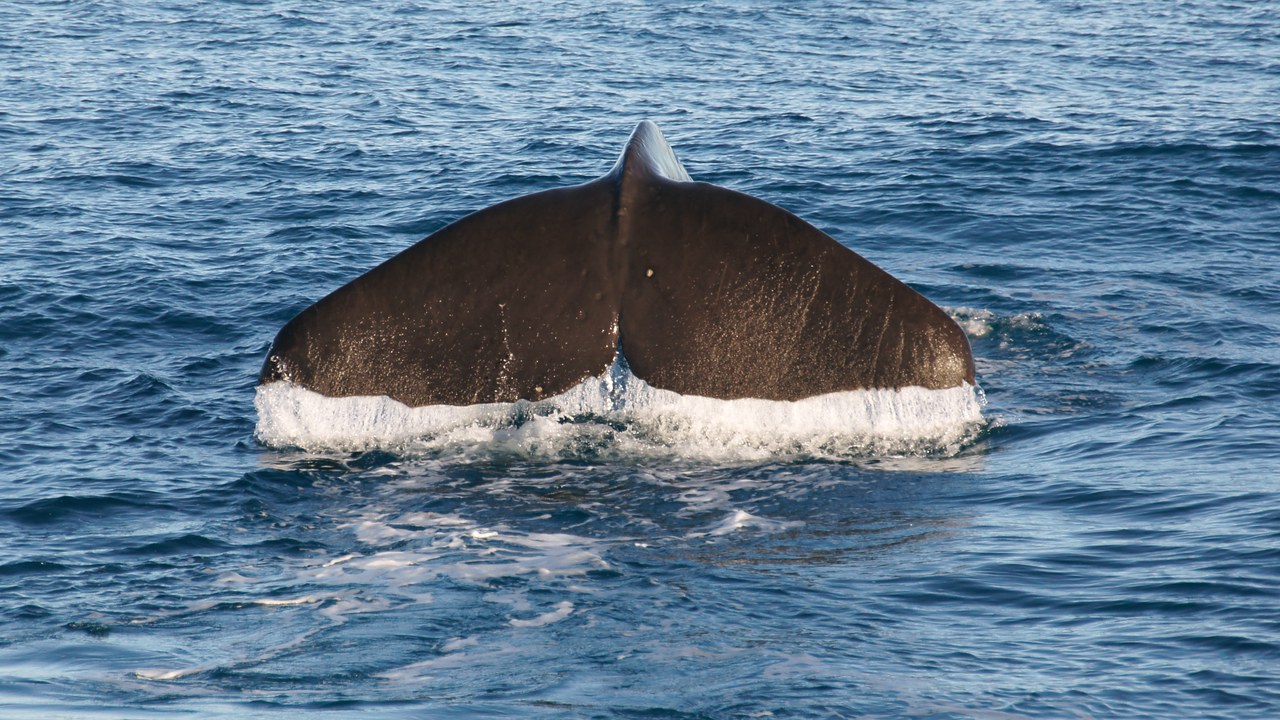
A sperm whale can weigh 25 to 50 tonnes, or 28 to 55 short tons, which a cetacean species list uses to show it is the heaviest toothed predator in any ocean. Baleen whales are larger, but they filter feed rather than hunt with teeth.
The species is the one that raises its broad tail high before a deep dive, and that raised fluke is the classic sighting for boat passengers. Because the animals spend long stretches below the surface, a glimpse of the tail often marks the end of the encounter rather than the start.
7. Common bottlenose dolphin: The Pier Dolphin
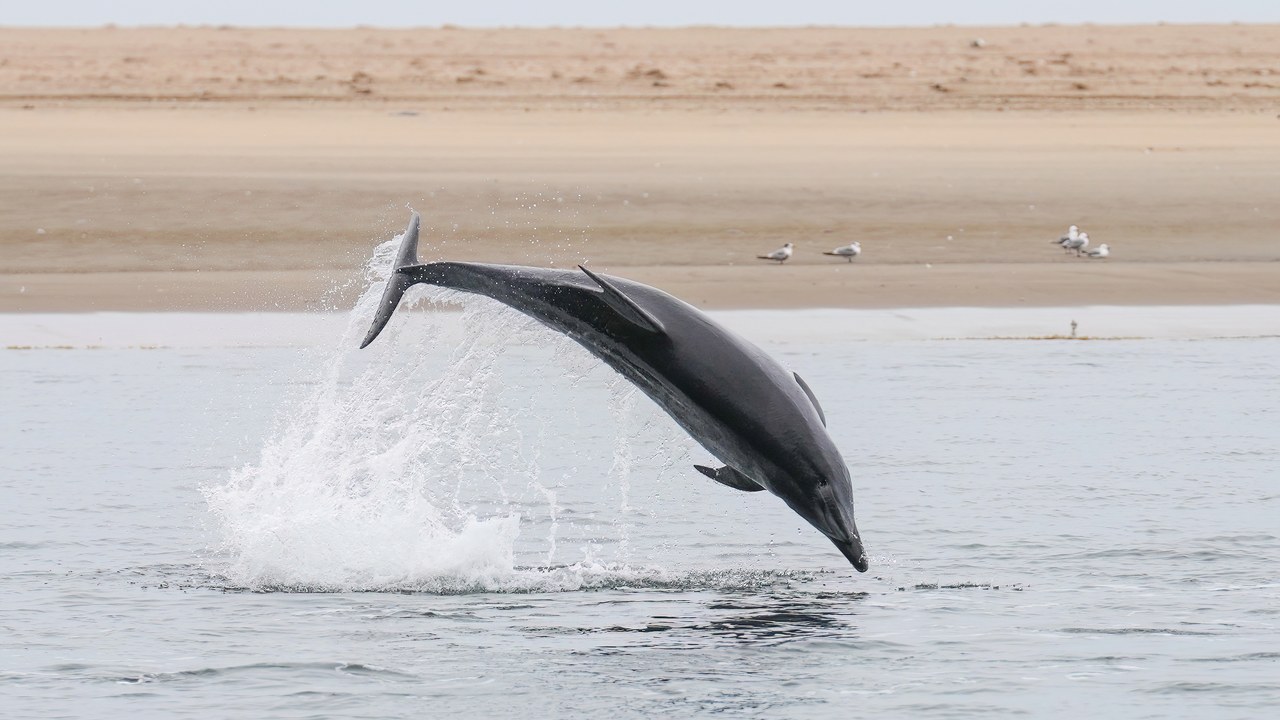
The common bottlenose dolphin, the one most Americans have actually watched from a pier, weighs 150 to 650 kg, or 330 to 1,430 pounds, per a cetacean reference table. That spread is wide for a single species.
The same table puts the worldwide population near 600,000, far higher than the numbers attached to the large whales on this list. Bottlenose dolphins are the animals most likely to appear at the edge of a wake or in a harbor, which explains why they are the dolphin most people picture. Sheer familiarity sets them apart from rarer neighbors.
8. Common minke whale: The Small Rorqual
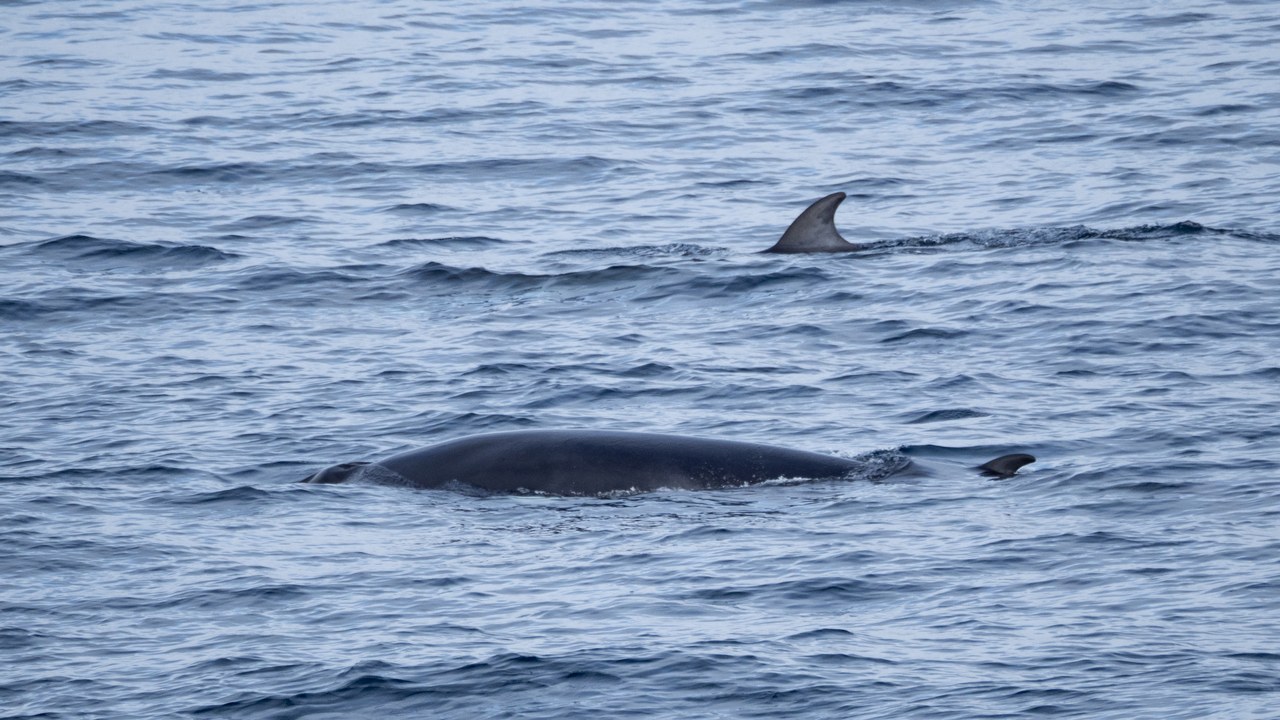
The common minke whale weighs only 2 to 4 tonnes, or 2.2 to 4.4 short tons, and about 200,000 of them are thought to be alive, based on a Wikipedia species table. By whale standards that is a light, compact animal.
Its modest size and low profile make it easy to miss from a boat, since a quick surfacing and a small dorsal fin may be all that shows. Among the baleen whales it is described as one of the smaller ones, and the sizable global estimate reflects a species that is far from the brink, unlike the right whale.
9. Short-finned pilot whale: Short Fins, Big Males
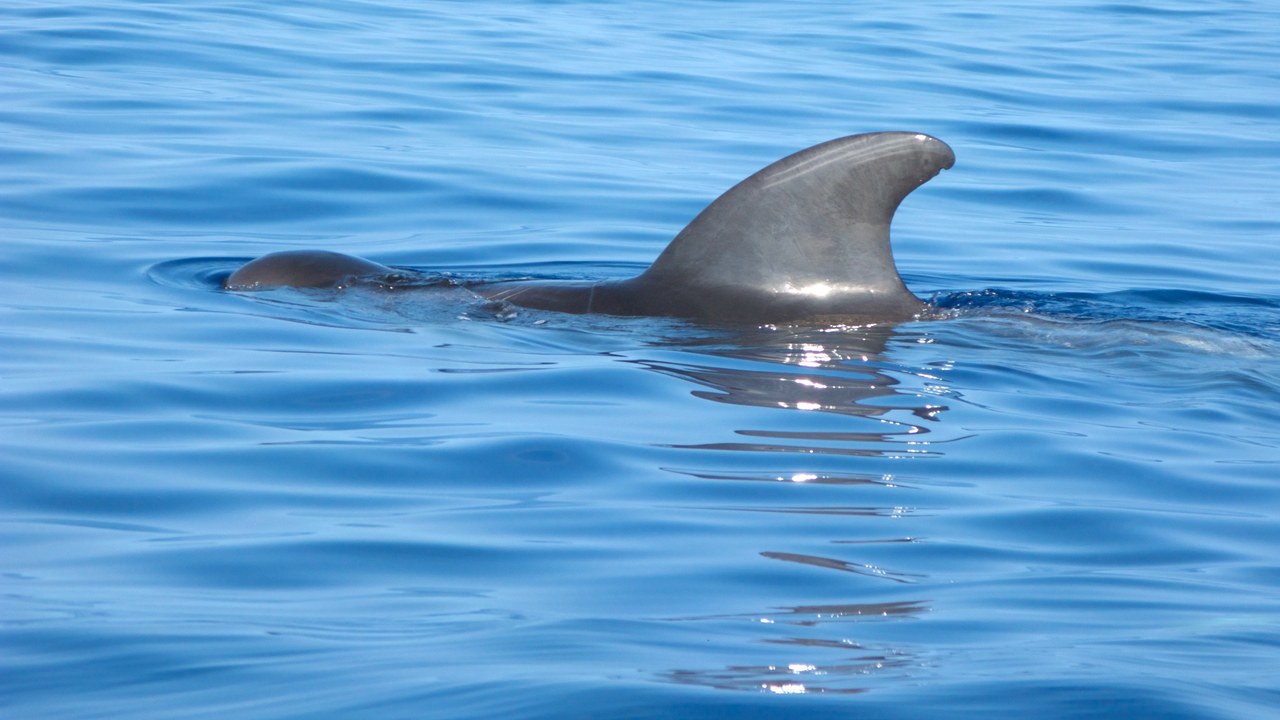
Male short-finned pilot whales reach a body length of 7.2 meters, roughly 24 feet, and may weigh up to 3,200 kg, according to the Pilot whale article. Adult females are noticeably smaller, at about 5.5 meters.
The size gap between the sexes is one of the species’ defining traits. Pilot whales often travel in tight groups, so a sighting usually means several rounded foreheads and dorsal fins at once. Telling this species from its long-finned relative at a glance is difficult, and range or measurements usually settle the question better than appearance.
10. Long-finned pilot whale: Long Fins, Large Herds
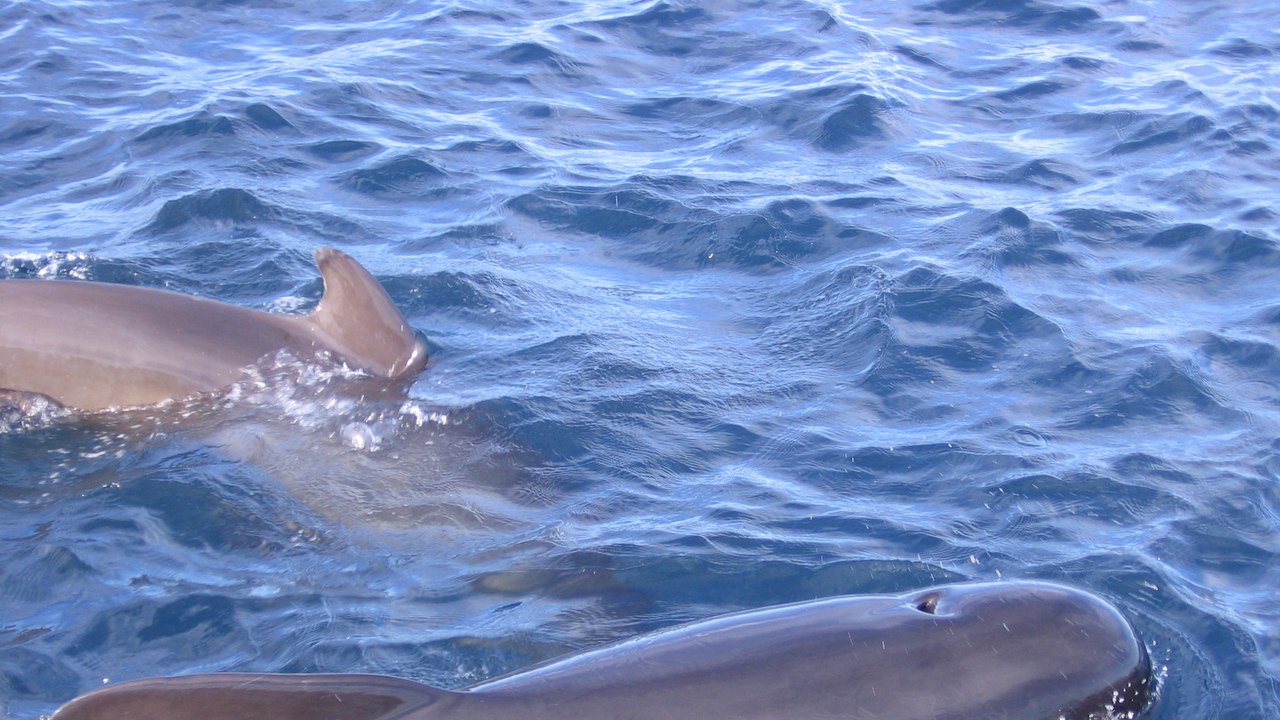
Long-finned pilot whales reach about 6.5 meters, with males up to 2,300 kg, and the North Atlantic population was estimated at 778,000 individuals in 1989. That older survey figure is not a current or global total.
The species is a close counterpart to the short-finned pilot whale but runs somewhat shorter and lighter at the top end. The population estimate is the largest on this list by a wide margin, though a count more than three decades old should be treated as historical context rather than a present-day headcount.
The day in tech, in one email: Get TLDR →
We may earn a commission if you sign up.
More from Morning Overview
- Long use of a common prostate pill is tied to a higher chance of glaucoma
- Ford is recalling 223,472 F-150 pickups because the fuel tank can leak or detach
- Hybrids have 15% fewer problems than gas cars, while EVs and plug-in hybrids have about 80% more, Consumer Reports finds
- Regulators cleared the first U.S. small modular reactor, 4 months early
