
Wild animals find their way into houses through gaps that most owners never notice, from attic gables to chimneys and crawl spaces. University extension services in Georgia and Florida list the usual entry points and the signs that give each visitor away. Here are twelve home invaders, some of them able to slip through holes the size of a dime.
Tech news in one quick read: Get the most interesting stories in startups, tech and programming, each with a short TLDR, in one daily email from TLDR.
We may earn a commission if you sign up.
1. House mouse: Dime-Sized Doorway
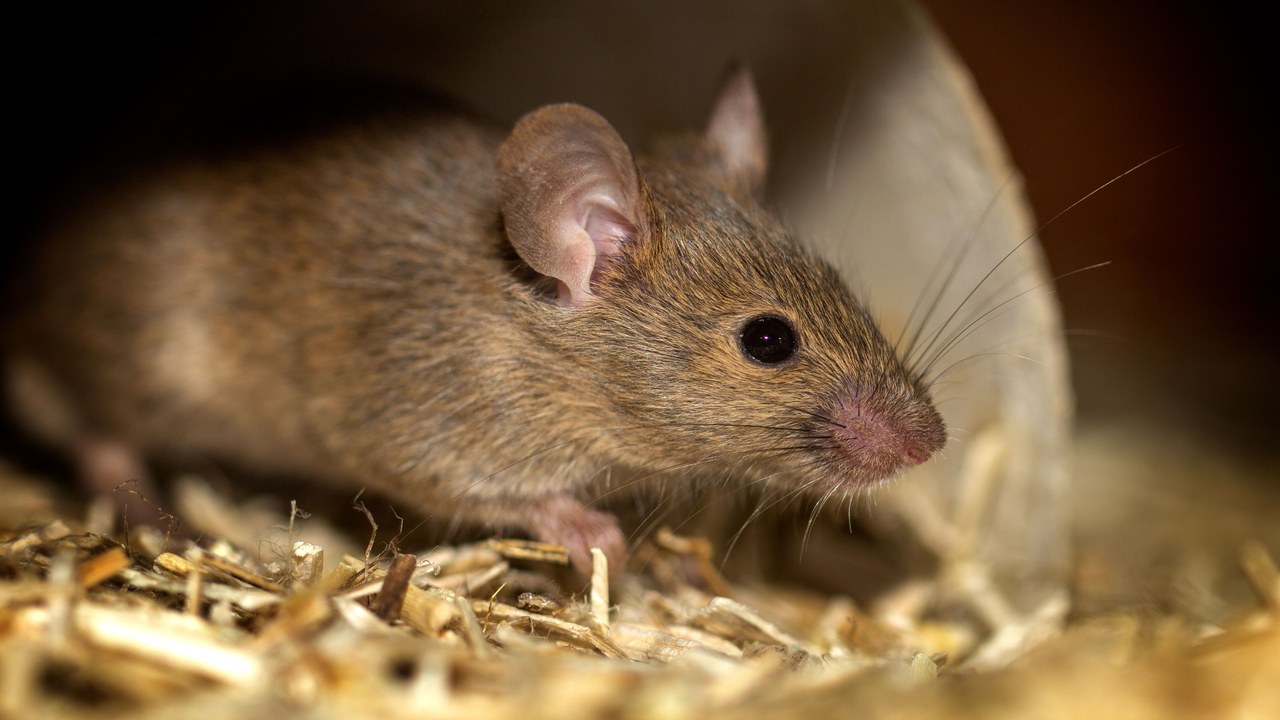
UGA Extension says mice can enter through dime-sized holes where electric and phone lines connect to a house, and through dryer vents as well. A gap that small is easy to miss from the yard.
Because a hole the size of a dime is enough, homeowners looking for entry points need to check utility penetrations and vent openings, not just doors and windows. Sealing those spots is the practical answer, since a mouse that is already inside rarely leaves by itself.
2. Eastern gray squirrel: Daytime Attic Noise
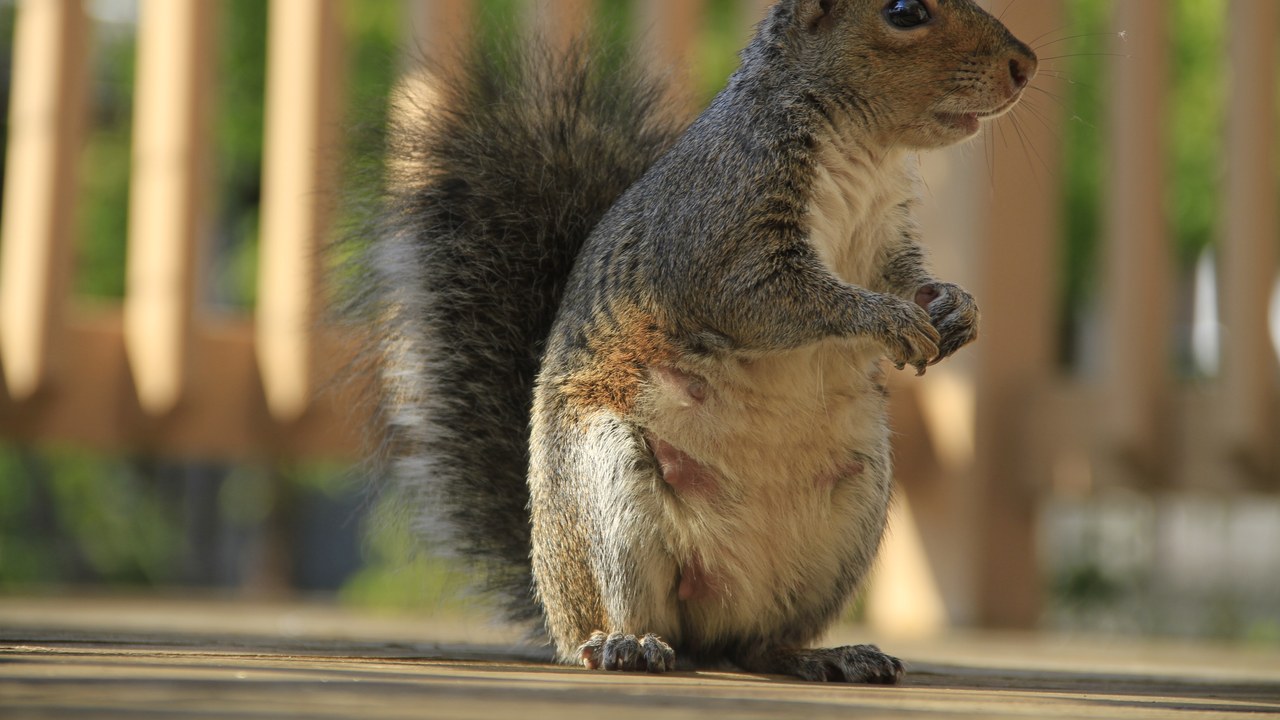
Scratching and thumping in the attic during daylight hours often points to gray squirrels, which commonly get in through gables, according to UGA Extension. The species is active by day, which sets it apart from several other attic tenants.
The timing of the noise is a useful clue before any repair starts. Gables are a common entry route, so inspecting and securing those openings is a sensible first step once the animal has been identified and is out of the attic.
3. Southern flying squirrel: The Night Shift
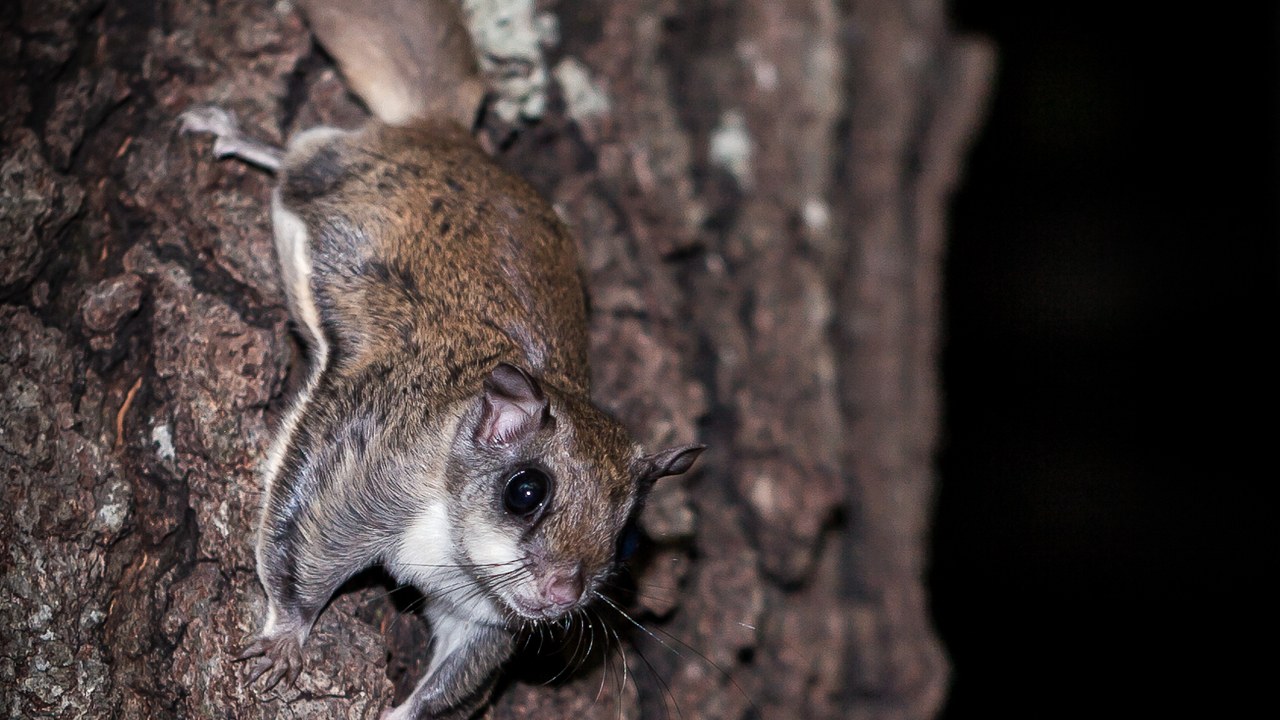
Noise in the attic after dark may come from flying squirrels, and UGA Extension says these small gliders also enter through gables. They share that route with gray squirrels but keep very different hours.
A homeowner who hears activity at night rather than at midday is likely dealing with a different animal than the one in the daytime scratching. Matching the schedule of the noise to the species helps decide where to look and how to close the opening.
4. European starling: Birds in the Soffit
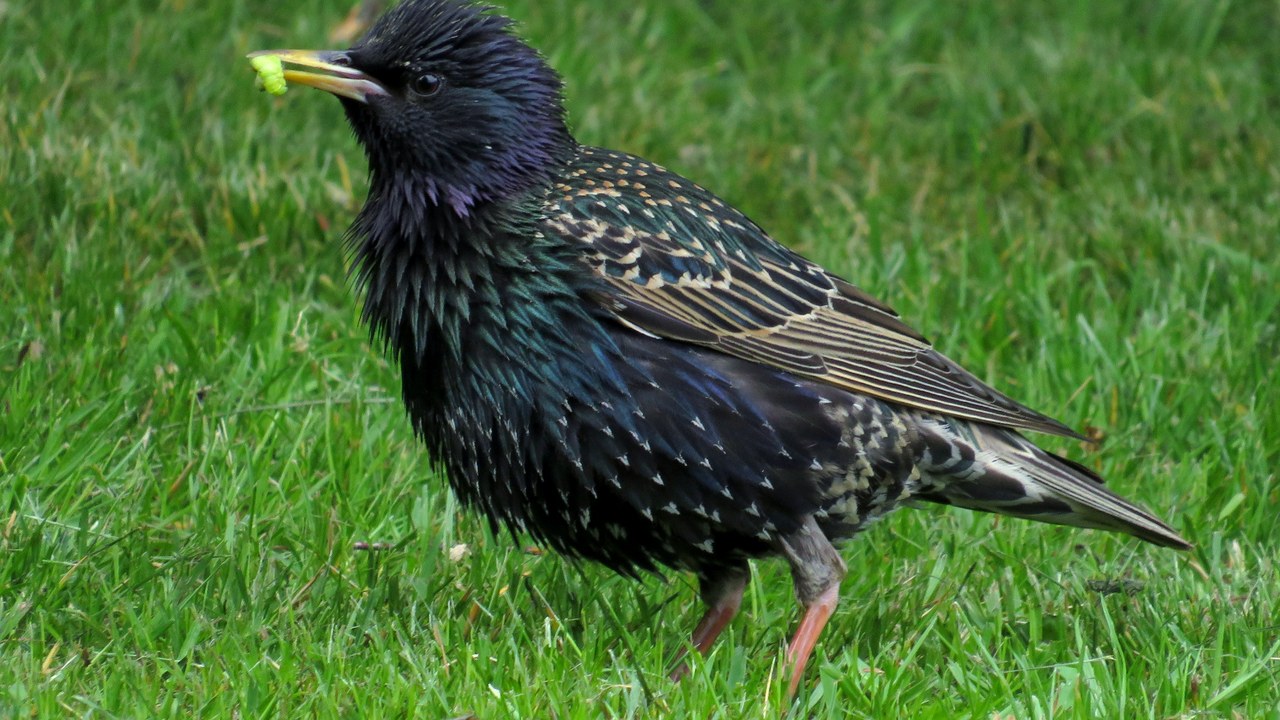
Starlings are among the birds that UGA Extension says use gables and soffit vents as their way into a building. Once inside, they can nest in the spaces behind the vents.
Screening vents and soffits with sturdy covers keeps birds out without blocking airflow. Nest material packed behind a vent can also be a fire and moisture concern, so a bird problem is worth fixing before the next nesting season.
5. Big brown bat: Cracks Under Half an Inch
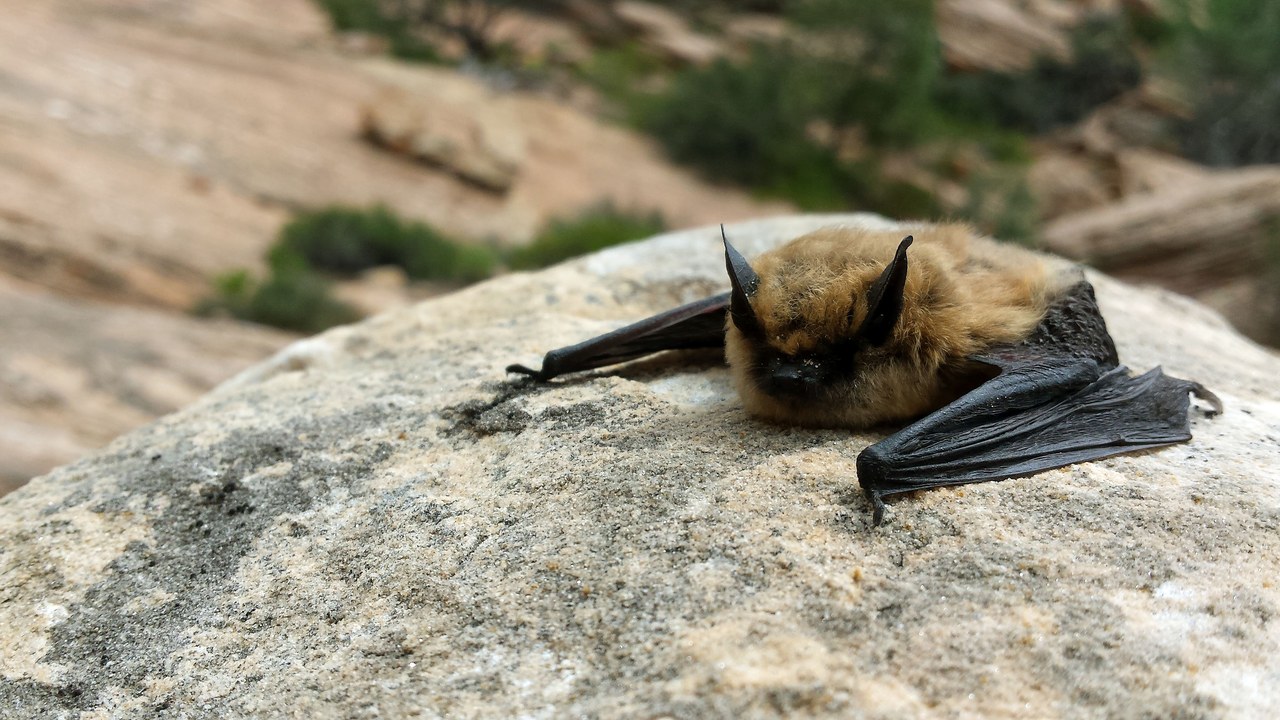
Most bats can squeeze through cracks no wider than 3/8 inch, according to UF/IFAS. In Florida, bats may be legally excluded from a building only between Aug. 15 and April 15.
The timing rule exists because young bats cannot fly early in summer, so sealing a roost at the wrong time can trap them inside. Homeowners who suspect bats should check the calendar and the local rules before closing up any gap.
6. Raccoon: Chimney as Den Tree
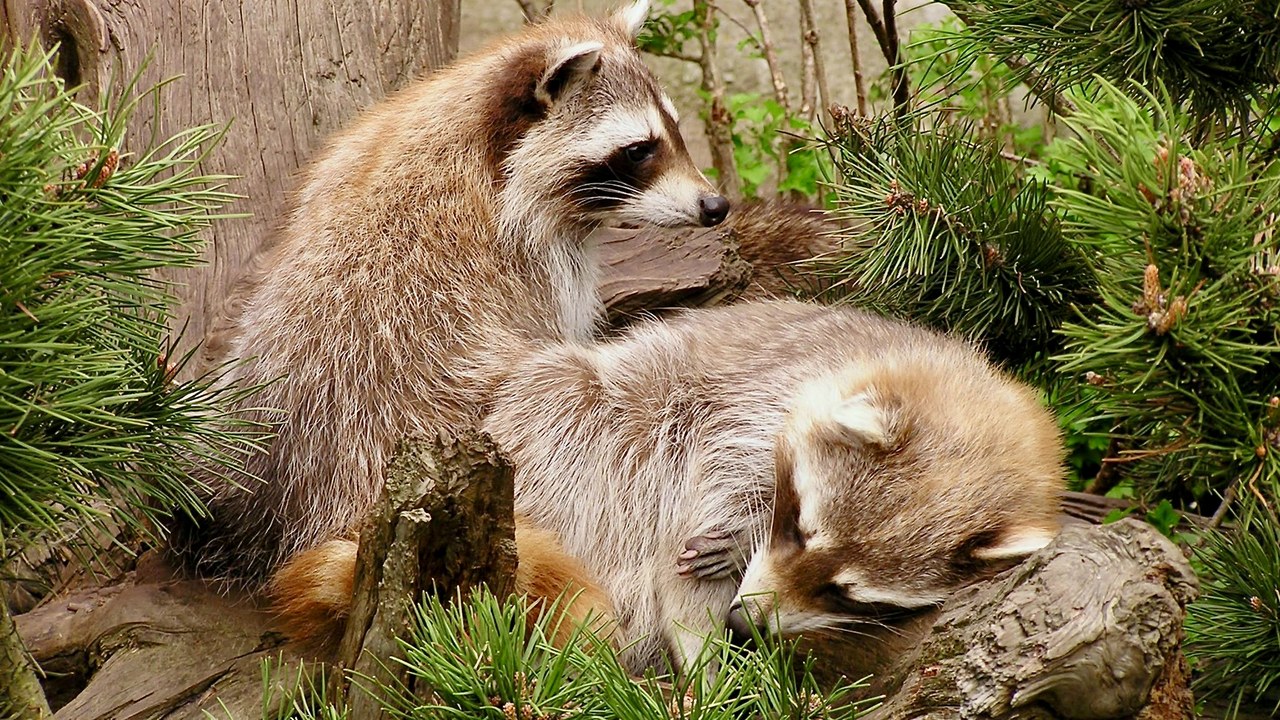
Raccoons treat an uncapped chimney as a stand-in den tree, and UF/IFAS says they move into attics and crawl spaces. The agency also calls them a major rabies carrier in Florida.
A sturdy chimney cap is among the cheapest ways to take away the opening. Anyone who finds a raccoon inside a house is better off calling a licensed wildlife professional than trying to chase it out, given the disease risk.
7. Nine-banded armadillo: Lawn Diggers
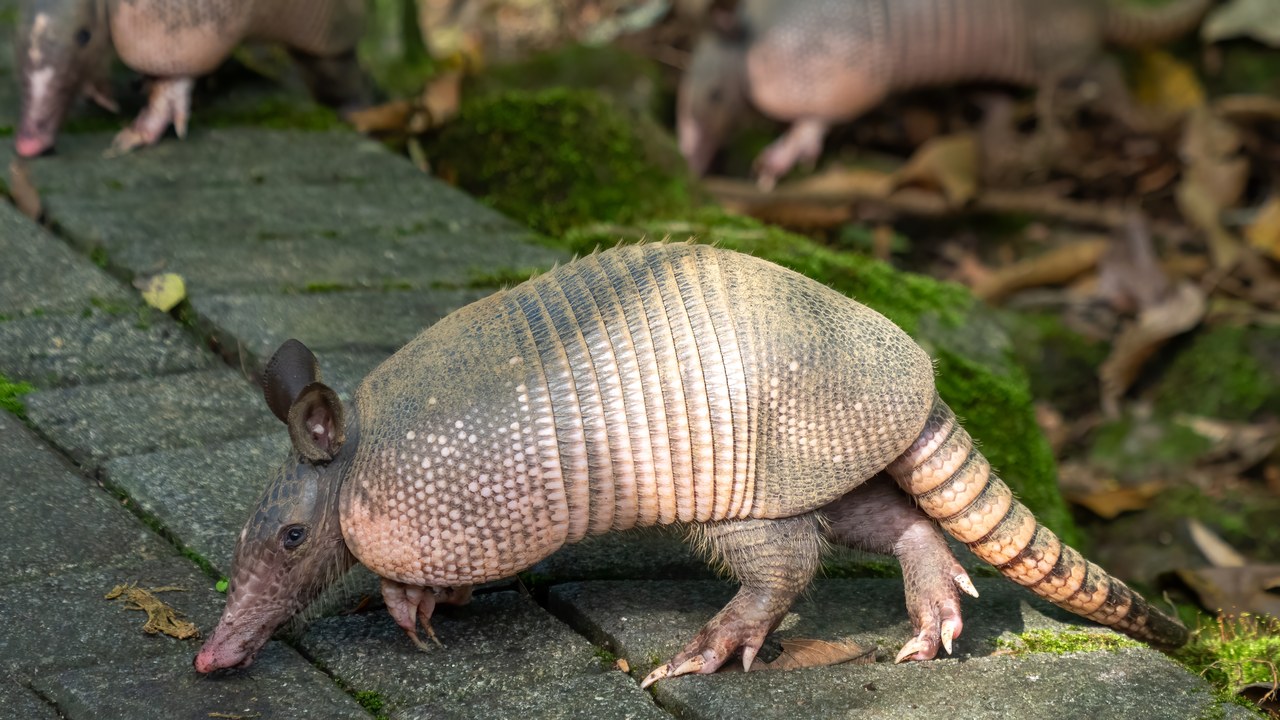
Armadillos root up lawns and may burrow under foundations and driveways, according to UF/IFAS. More than 90 percent of the animal’s diet is soil insects and larvae, which explains the digging.
The damage shows up as small holes and torn turf rather than as noise in the walls. Because burrows near a foundation can undermine concrete over time, repeated digging in the same spot is worth addressing sooner rather than later.
8. Striped skunk: Beneath the Porch
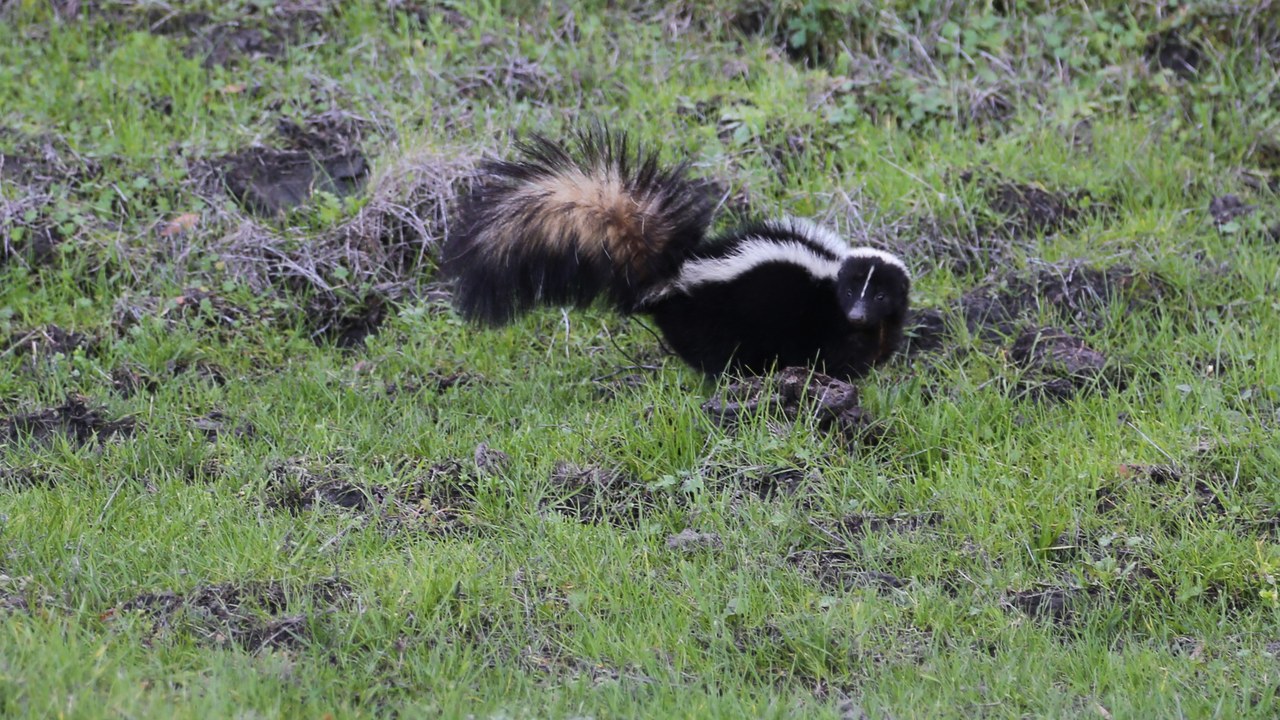
UF/IFAS groups skunks with raccoons as animals that settle in attics and beneath houses and raid garbage and pet food. Both species are drawn to spots that offer shelter and an easy meal.
Pet food left outdoors and loose garbage lids can invite a skunk to stay. Securing bins, bringing bowls inside at night and blocking gaps under porches and decks removes the draw before an animal moves in, and that is far easier than evicting a skunk that has already settled under the house.
9. Virginia opossum: Garage Door Gap
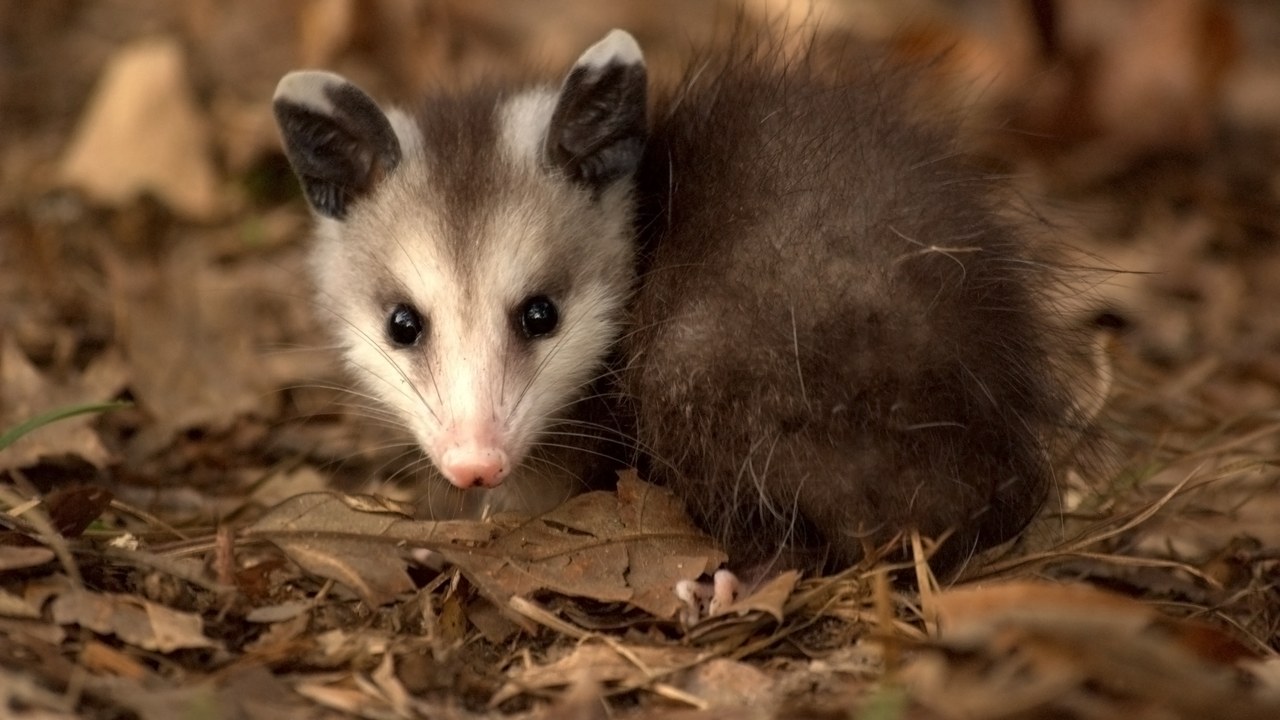
Noise in the attic or crawl space can mean an opossum, and UGA Extension says unsealed garage and shed doors let the animal in. It does not need to dig or chew its way inside when a door is open.
Keeping garage and shed doors closed, or fixing gaps along their bottoms, removes an easy shelter. As with other wildlife, identifying the animal by the sounds and the entry point comes before any plan to remove it.
10. Brown rat: Odor in the Walls
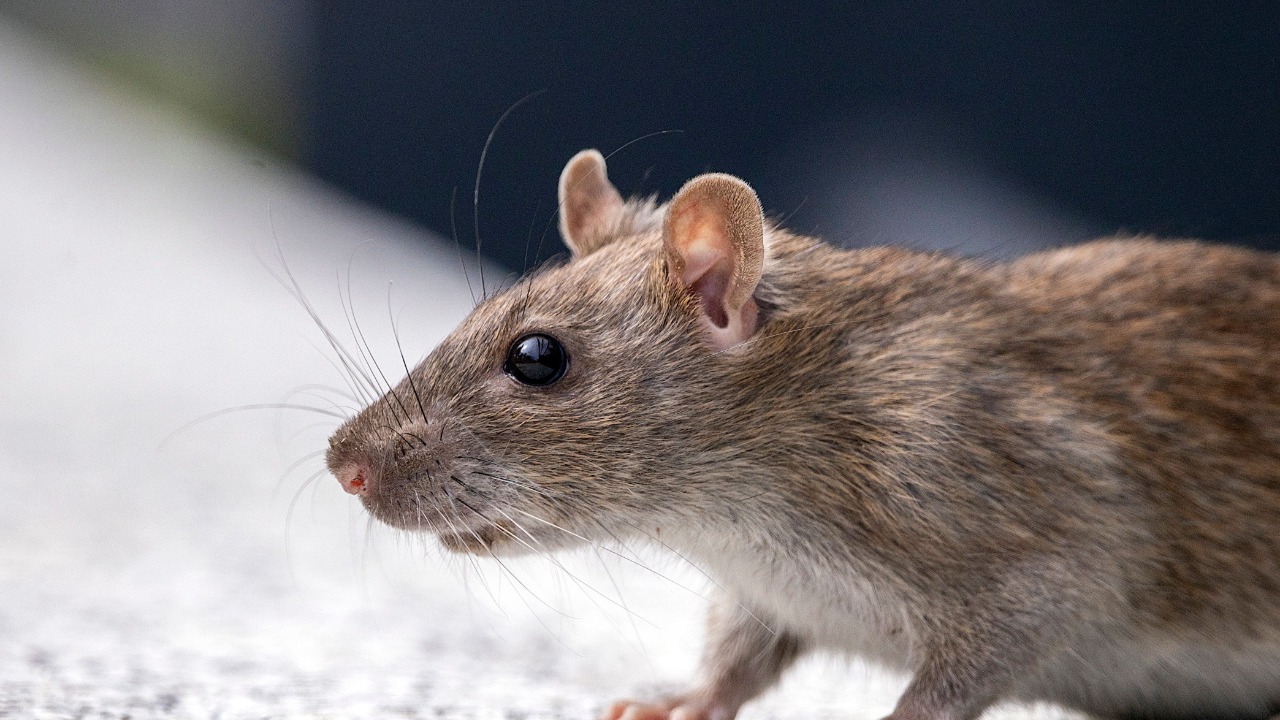
UGA Extension warns that poisoned rats can die inside an attic, duct work, crawl space or wall and leave odors behind. Poison therefore solves one problem while creating another.
The smell can linger in hard-to-reach places for a long time, which makes exclusion and trapping more appealing than bait in many homes. Sealing entry points first limits how many rats get in and where any dead one may end up.
11. House sparrow: Gable Regulars
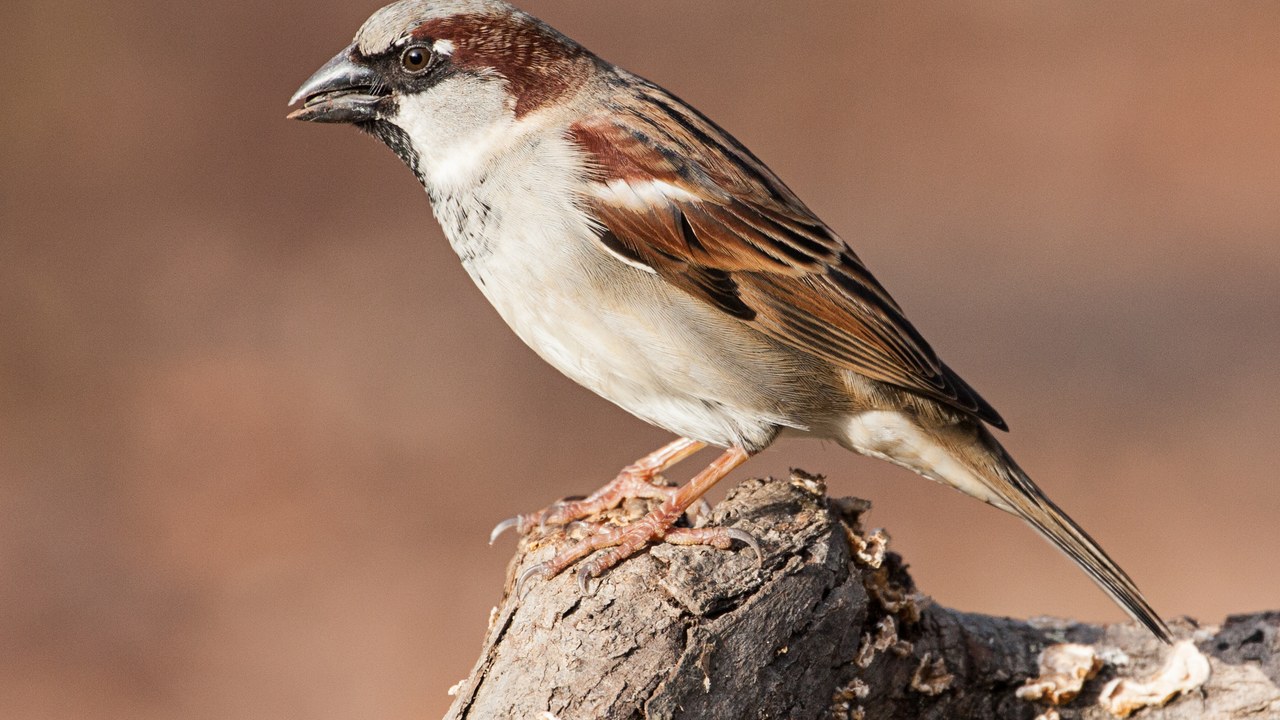
House sparrows join pigeons, wrens and starlings on UGA Extension’s list of birds that enter buildings through gables. They are small enough to use openings that look unimportant from the ground.
Fine-mesh screening over gable and vent openings is the standard barrier. Ordinary nests also shed straw, droppings and mites inside the structure, so keeping small birds out saves cleanup work and protects insulation. Sparrows are common around buildings everywhere, which makes screening a routine part of home maintenance rather than a one-time fix.
12. Woodpecker: Siding Hole Drillers
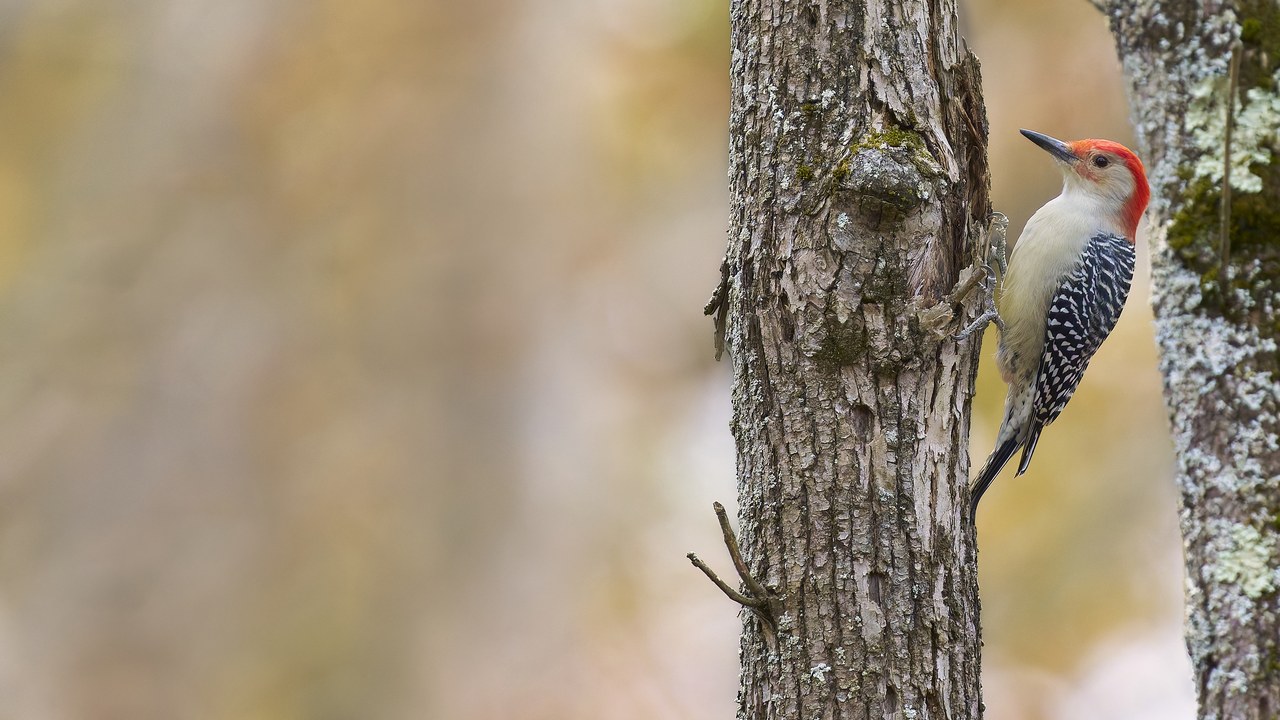
Woodpeckers peck holes in siding, gutters and vents, and some dig nesting cavities right through siding, especially cedar. Siding is not a natural tree, but to the bird it can look like a good place to drum or nest.
Holes in wood siding let in water and can attract insects or other animals, so the damage often grows beyond the original peck marks. Prompt repair after the bird moves on helps keep a small cavity from becoming a larger one, and metal flashing or screening can discourage a return visit.
Tech news in one quick read: Subscribe to TLDR →
We may earn a commission if you sign up.
More from Morning Overview
- NOAA now gives this winter a 75% chance of the strongest El Nino since 1950
- Doctors warn a silent liver disease now affects one in three American adults
- The FBI told the rest of ShinyHunters to surrender after a 24-year-old was arrested
- Two passengers died at an Ohio toll plaza, and the NTSB now wants the cash lanes shut
