
Some American tracks earn their fame through steep walls, others through crowd size, age or sheer oddness of shape. The list below spans superspeedways, short bullrings and one vast stretch of salt, each picked for a documented number or milestone. Here are eight places where the country’s motorsport story is easiest to read.
Tech news in one quick read: Get the most interesting stories in startups, tech and programming, each with a short TLDR, in one daily email from TLDR.
We may earn a commission if you sign up.
1. Talladega Superspeedway: Steepest Turns on Tour
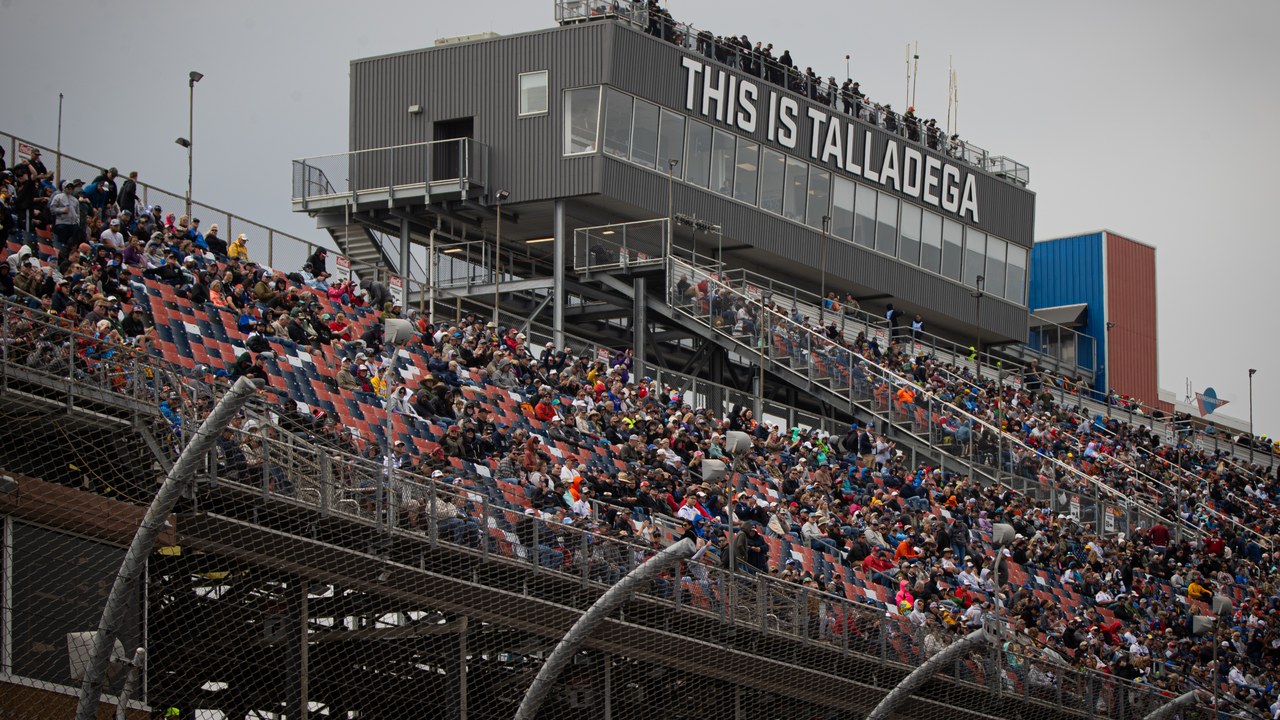
Lincoln, Alabama, is home to a 2.66-mile oval whose corners tilt at 33 degrees, which the steepest Cup banking on the current schedule. That pitch lets packs of cars hold full throttle through the bends instead of lifting.
For fans, the result is the tightly bunched, multi-lane racing the track is known for. Anyone planning a visit should expect a big, fast, loud venue where the geometry itself, more than any single corner, shapes how the race unfolds from the first green flag. The track sits in Alabama, so a trip pairs naturally with a regional road journey for anyone building a motorsport itinerary.
2. Daytona International Speedway: Daytona 500 Home
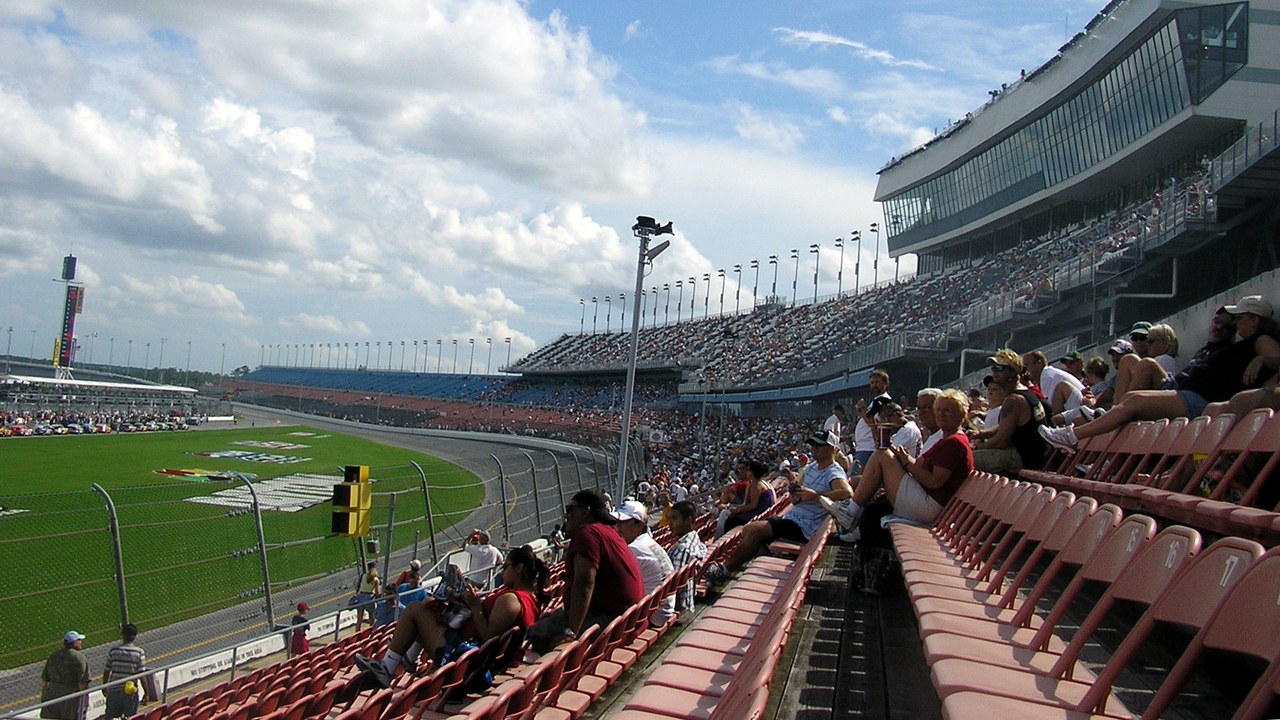
Host of the Daytona 500, this 2.5-mile oval banks its turns at 31 degrees, and its published grandstand capacity is 101,500 seats, expandable to 123,500. Only a couple of degrees separate it from Talladega’s pitch.
That near match in banking explains why the two tracks share a reputation for pack racing at high speed. For a first-time visitor, the sheer size of the seating bowl is the main draw, and the season-opening spotlight gives the place a weight few other American tracks can claim. Its status as a season opener means the grounds feel like a national event whenever the schedule brings the series back.
3. Indianapolis Motor Speedway: Huge Crowd, Gentle Banking
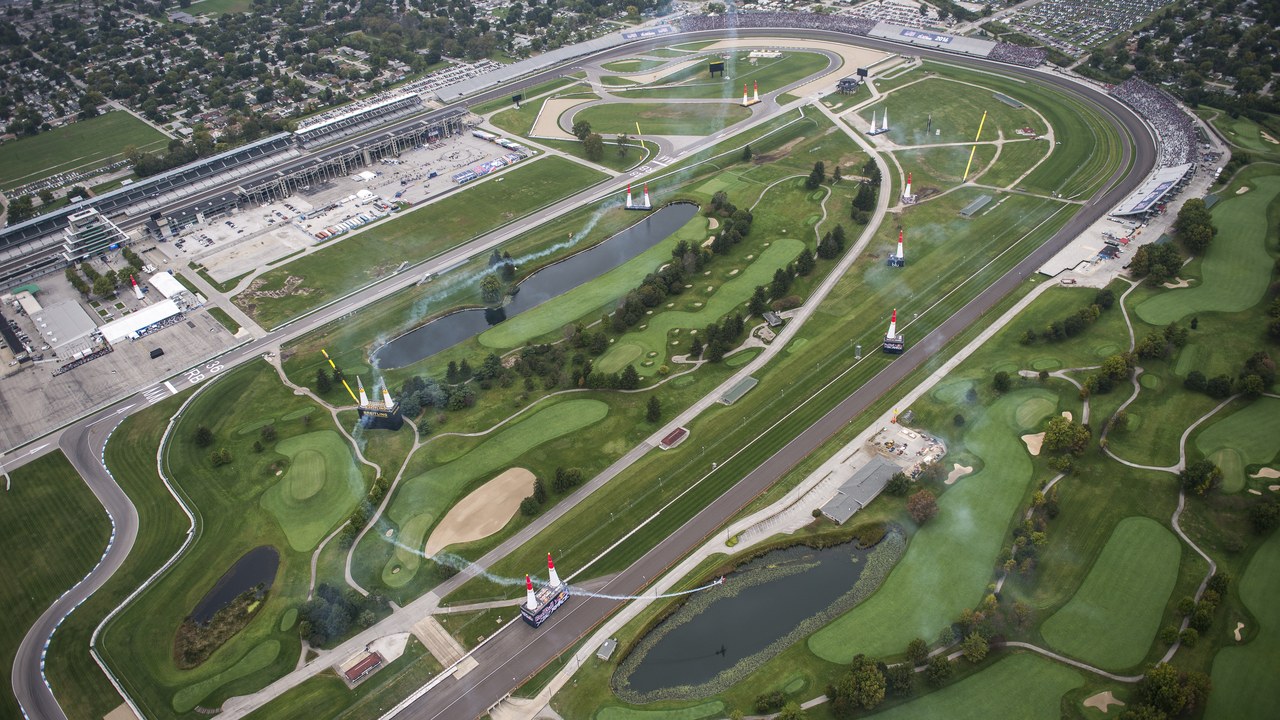
Indianapolis counts 257,327 permanent seats around a 2.5-mile oval, a figure that dwarfs most stadiums. Yet the turns bank at only 9 degrees, a fraction of the pitch at the high-banked superspeedways.
That gentle tilt makes the Brickyard a different test, one where mechanical grip and nerve matter more than steep walls holding the cars up. Visitors should note that its fame rests on scale and tradition, not on dramatic geometry, so the experience is about space and history. Anyone comparing tracks side by side will find that number a handy reminder that bigger does not always mean steeper or faster.
4. Richmond Raceway: The Action Track
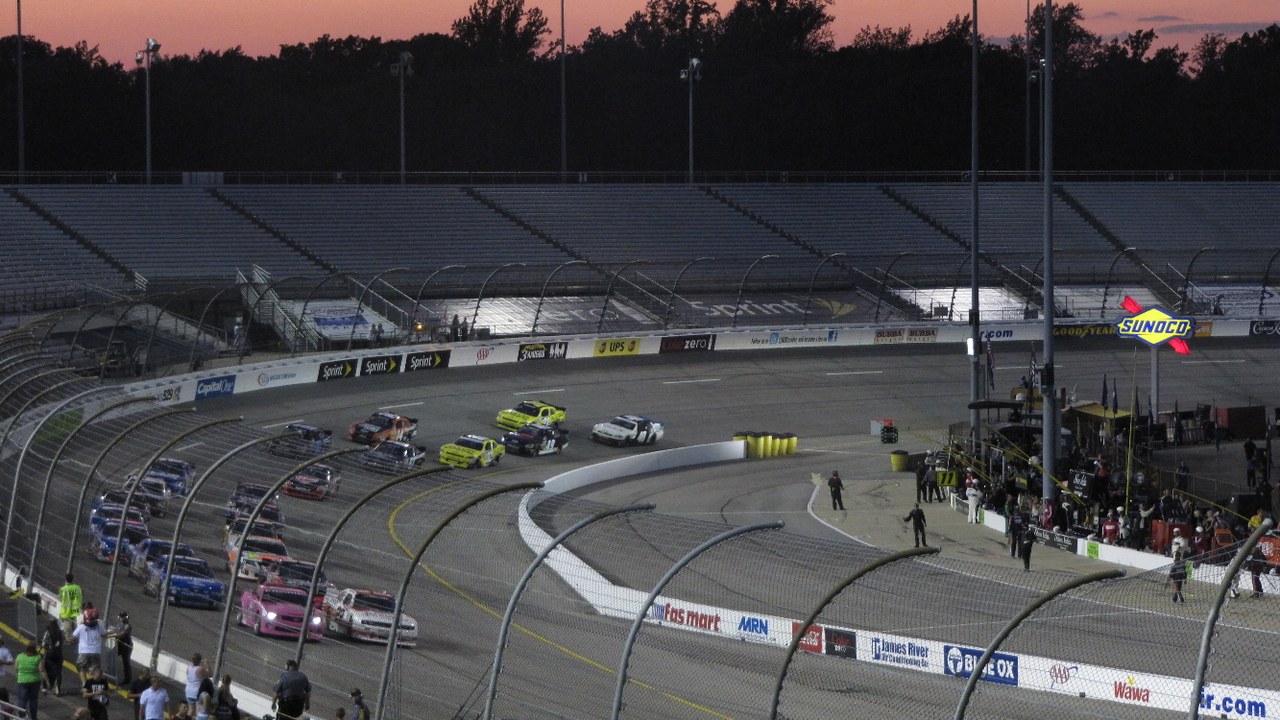
Racing has taken place at Richmond since 1946, and its D-shaped layout spans 0.75 miles. The nickname “Action Track” reflects the way a short oval keeps cars close together and drivers busy.
For anyone sampling the sport, a short track like this offers a very different rhythm from the giant ovals, with constant traffic and frequent chances to see passes up close. Its long history also means generations of fans have grown up watching races on this same shape. Short ovals also tend to make for friendlier viewing, since the whole racing surface stays in sight from almost any seat.
5. Martinsville Speedway: Paper Clip Racing
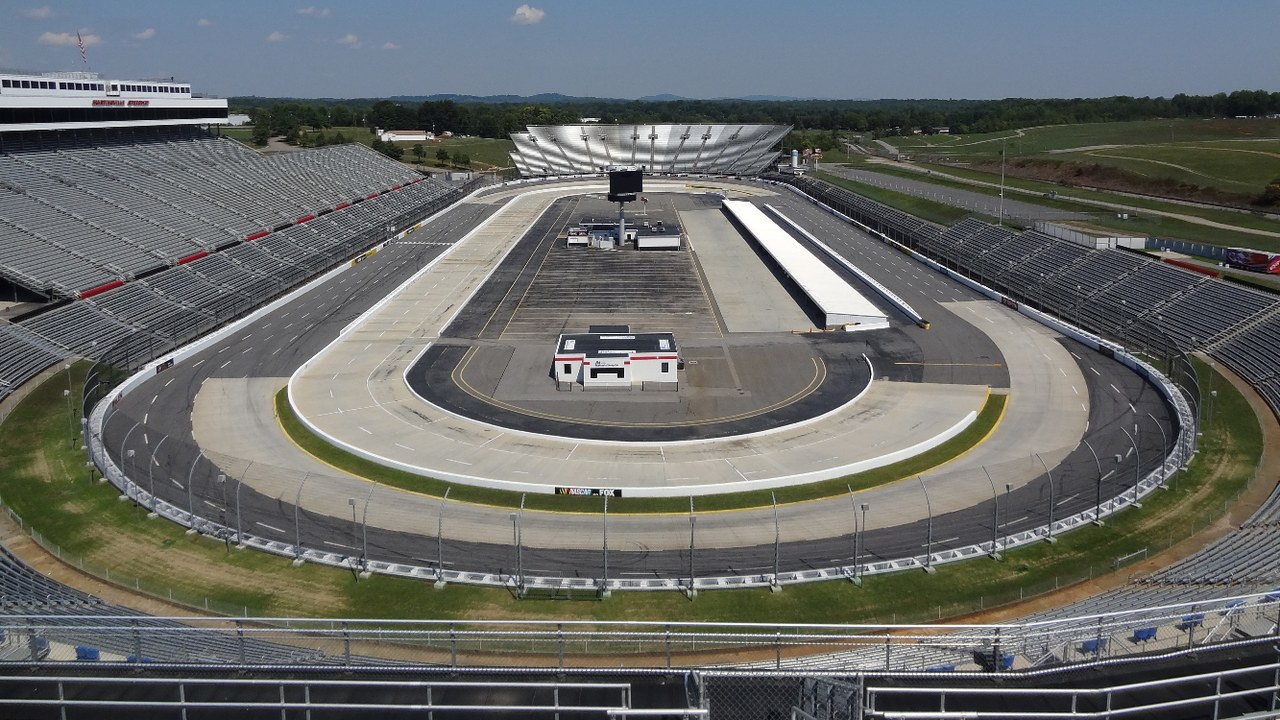
Opened in 1947, this Virginia short track measures just 0.526 miles, and its paper-clip outline gives it a look unlike any other oval. Two tight turns joined by short straights define the place.
The layout rewards patience, careful braking and clean exits, because there is little room to hide a mistake. Spectators get an intimate view of nearly the whole circuit from the grandstands, which suits anyone who prefers close, grinding competition over open-throttle speed. Its small footprint is part of the charm, packing a full day of racing into a compact, easily walked property.
6. Charlotte Motor Speedway: Quad-Oval Pioneer
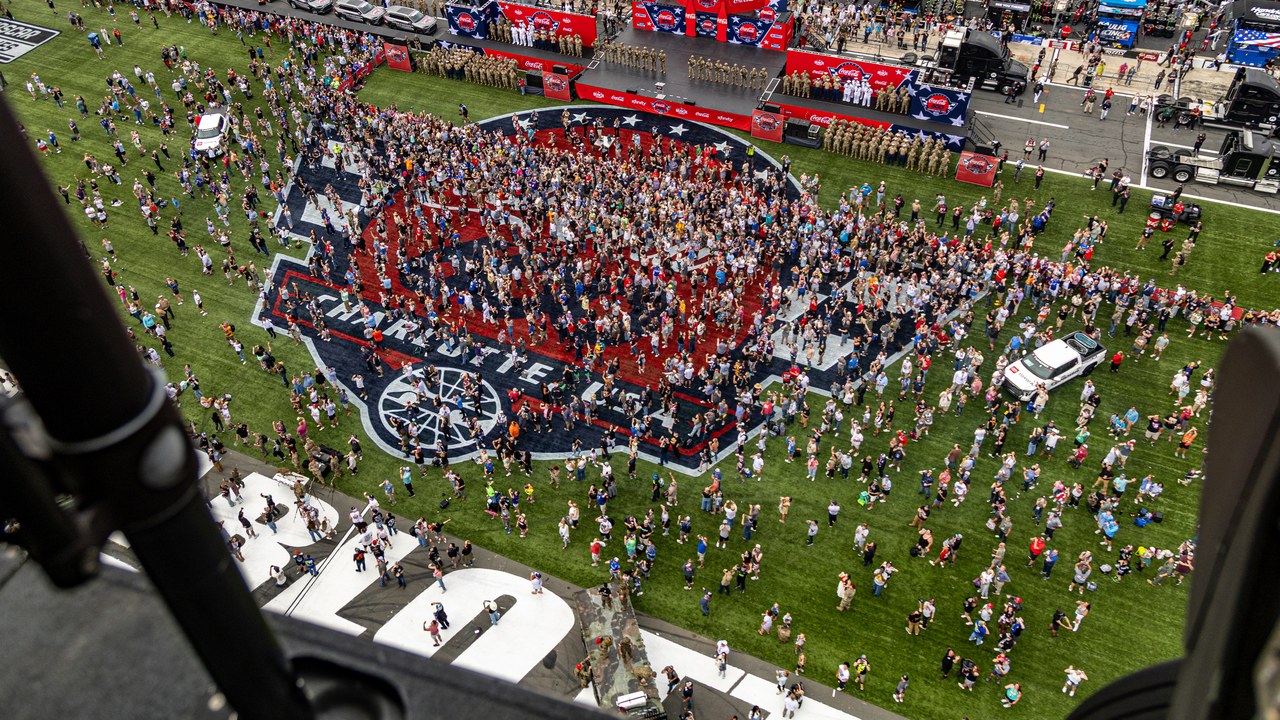
Charlotte opened in 1960 and hosted its first NASCAR Cup race that same year on a 1.5-mile quad-oval. That early Cup debut tied the track to the series almost from its first season.
The quad-oval shape, a 1.5-mile configuration with four distinct corners, became a template that many later intermediate tracks would echo. Fans visiting today are seeing a venue whose story runs alongside the growth of stock car racing itself, which gives the grounds a strong sense of place. Newer visitors can use that early start as a simple anchor when learning how the sport’s venues evolved over time.
7. Darlington Raceway: Too Tough to Tame
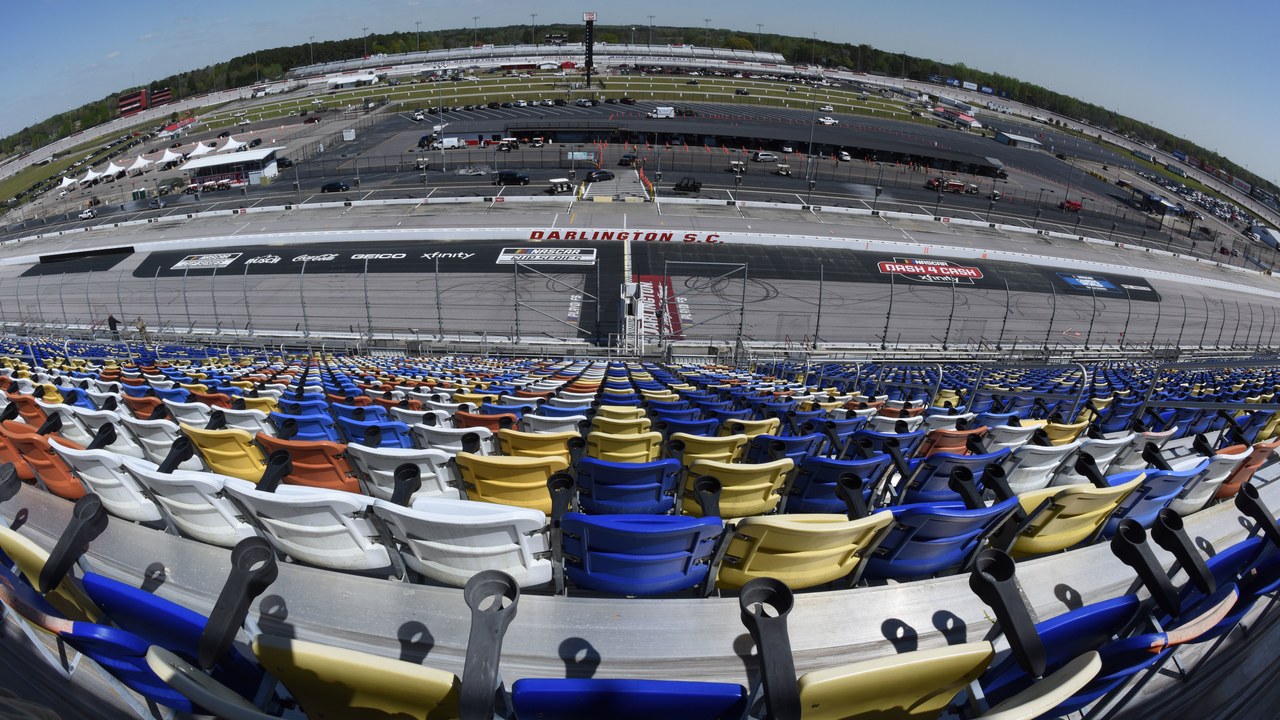
Darlington’s nickname, “Track Too Tough to Tame,” came with a price tag of about $250,000 to build, and the official anniversary timeline records that the first Southern 500 on Sept. 4, 1950, drew 75 cars and about 25,000 fans.
Those figures show how ambitious the project was for its era, a major bet on a young sport. Drivers have long treated the place with respect, and the nickname survives as shorthand for a circuit that punishes small errors. History-minded visitors will find the track’s opening race a useful benchmark. The anniversary page itself is a handy primer for anyone who wants the story of the track’s early years in one place.
8. Bonneville Salt Flats: Where 600 mph Fell
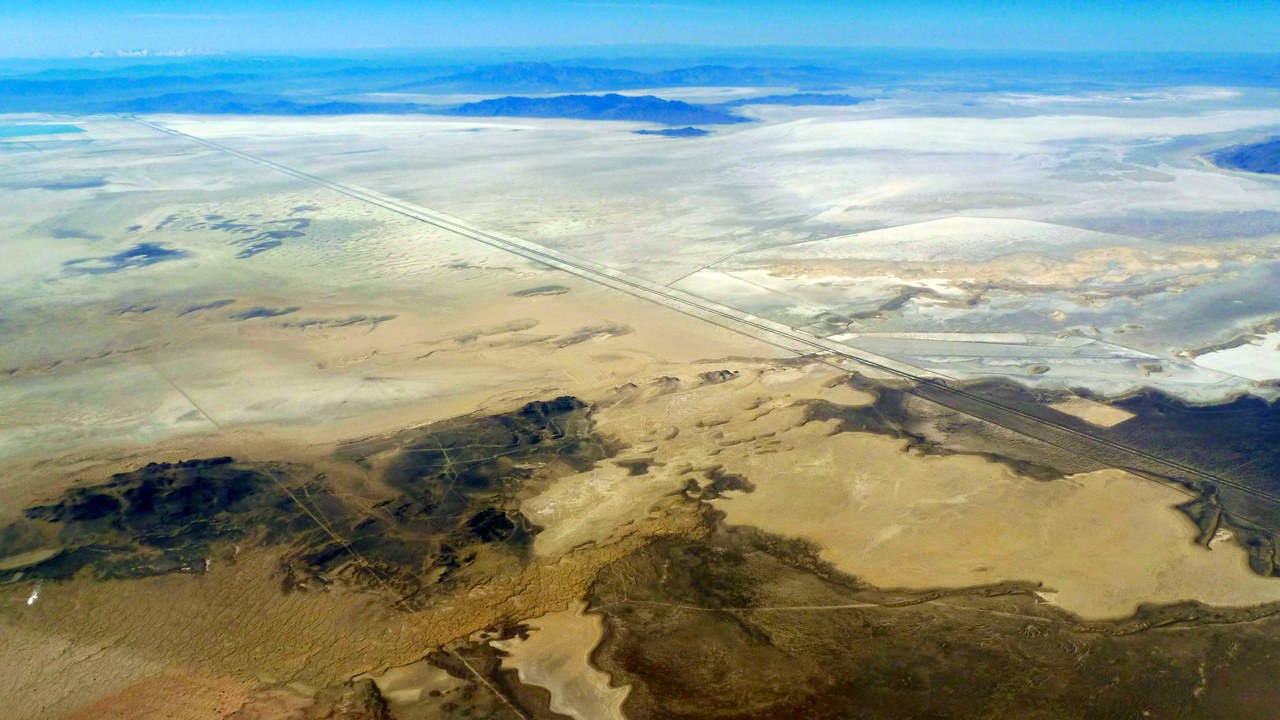
Utah’s salt stretches across about 30,000 acres, and the Bureau of Land Management says drivers broke the 300, 400, 500 and 600 mph barriers there. No paved oval in the country can claim a record run of that kind.
The flat, bright expanse is a very different kind of racetrack, defined by open space rather than grandstands or turns. Anyone planning a trip should check the agency’s event dates first, since access depends on the schedule, and should treat the surface as a fragile public landscape. Sturdy footwear, sun protection and plenty of water are sensible for any visit to such an exposed, bright landscape.
Tech news in one quick read: Subscribe to TLDR →
We may earn a commission if you sign up.
More from Morning Overview
- NOAA now gives this winter a 75% chance of the strongest El Nino since 1950
- Doctors warn a silent liver disease now affects one in three American adults
- The FBI told the rest of ShinyHunters to surrender after a 24-year-old was arrested
- Two passengers died at an Ohio toll plaza, and the NTSB now wants the cash lanes shut
