
Coastal waters in the United States are home to animals that sting, bite or puncture swimmers who get too close. State and federal agencies in Florida, Hawaii and the Virgin Islands keep warnings for each of these hazards. Here are twelve sea creatures to avoid, one of them trailing tentacles up to 50 feet long.
The tech news worth your time: 400,000+ professionals from Google, Apple and OpenAI read Techpresso, a daily email with the most interesting tech news and insights.
We may earn a commission if you sign up.
1. Portuguese man o’ war: Fifty Feet of Tentacle
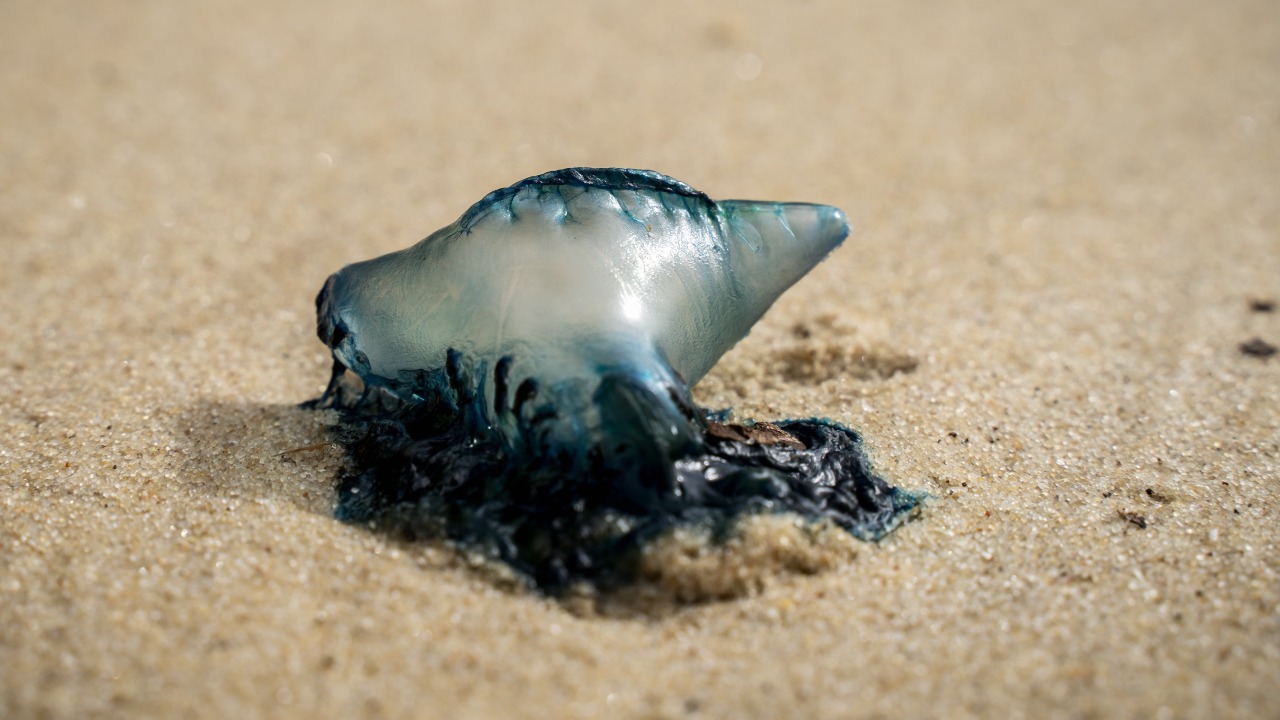
Florida’s poison center warns that the tentacles of this floating colony can reach 50 feet and break away easily. Serious exposure can bring breathing difficulties, shock and even death, according to the state’s marine stings guide.
Because the tentacles detach so readily, fragments can linger in the water after the float itself has drifted elsewhere. Swimmers who spot one near the shoreline are better off leaving the water and telling a lifeguard than judging the danger by eye.
2. Lionfish: Reef Invader With Venom
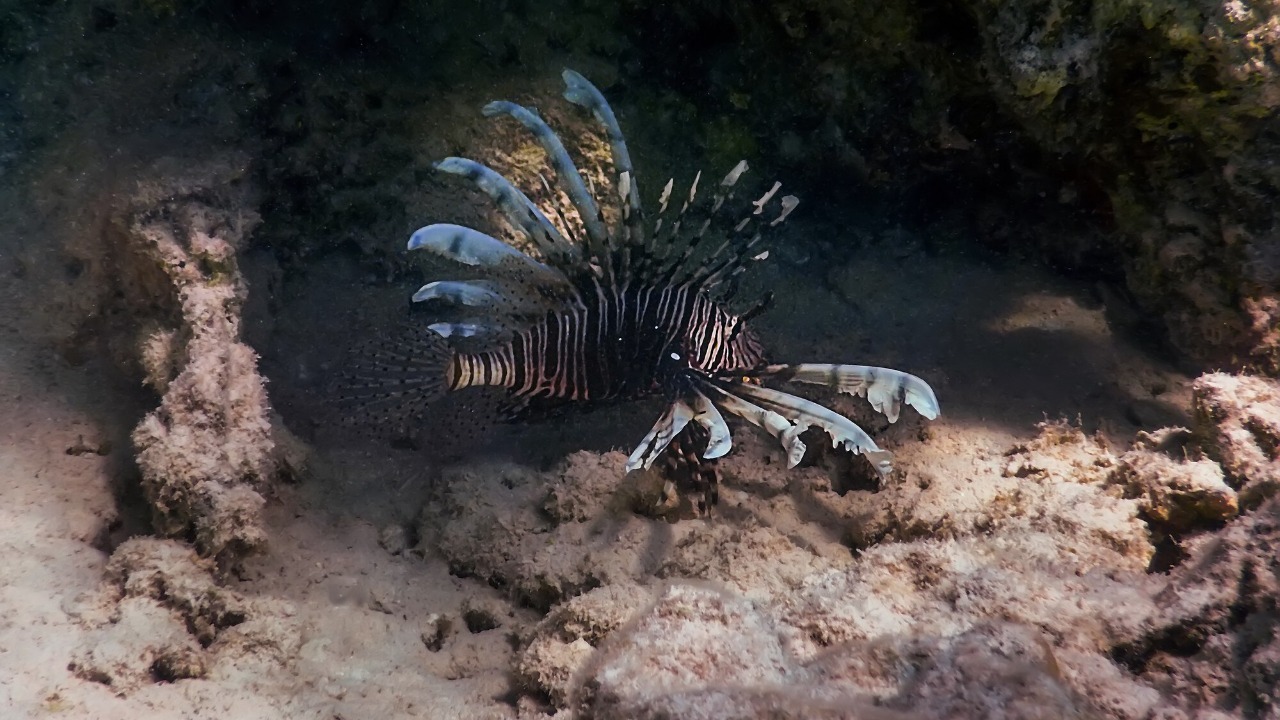
The non-native lionfish lurks on Florida reefs and can be aggressive, and the state’s poison center says its sting brings severe pain, headache, nausea, confusion and fainting. Few reef fish pack that long a list of symptoms.
Divers who meet one are safest keeping hands well clear of the fins and giving the fish room to retreat. A sting that brings confusion or fainting calls for medical attention rather than waiting for the pain to ease on its own.
3. Scorpionfish: Spines Through Wetsuits
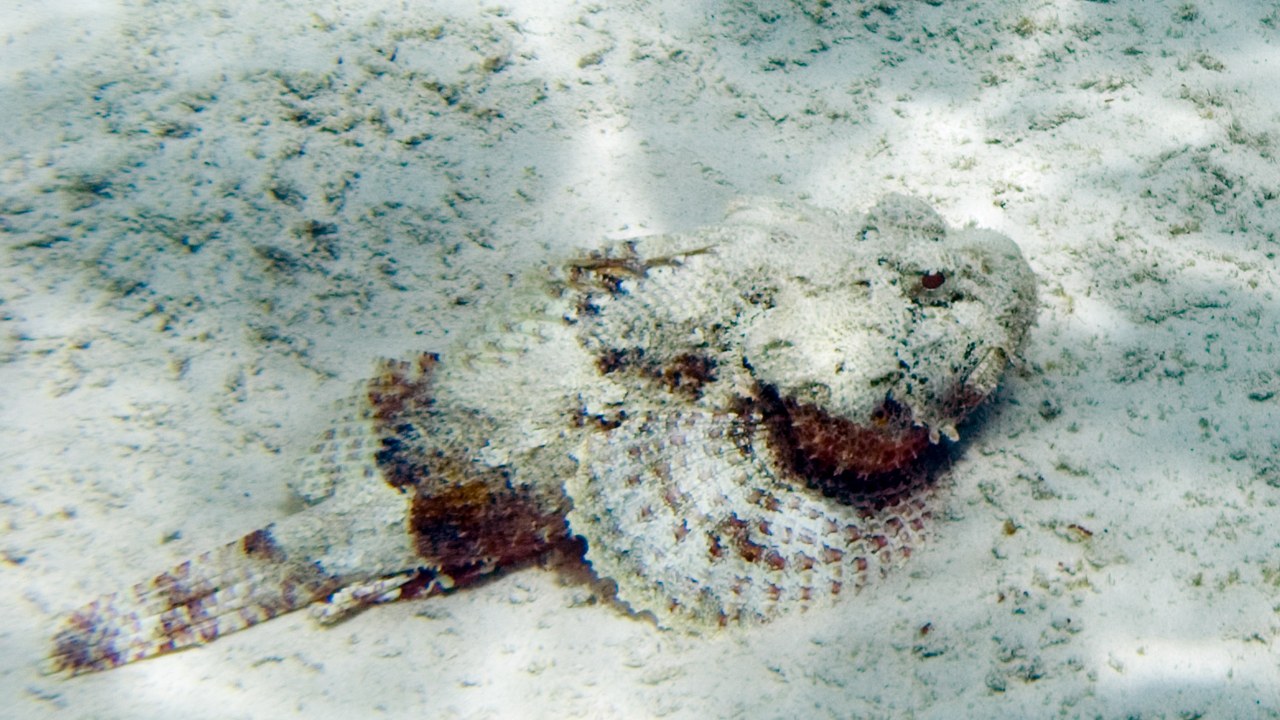
Florida health officials caution that the thick dorsal spines of a scorpionfish carry more toxin than those of a lionfish. The same guide notes the spines can go straight through wetsuit material, so neoprene offers no guarantee.
Scorpionfish rest motionless on the bottom, which makes a careless hand or knee the usual route to trouble. Anyone swimming or diving over rocky or reef bottoms should look before touching and avoid propping on seafloor surfaces.
4. Southern stingray: Danger Underfoot
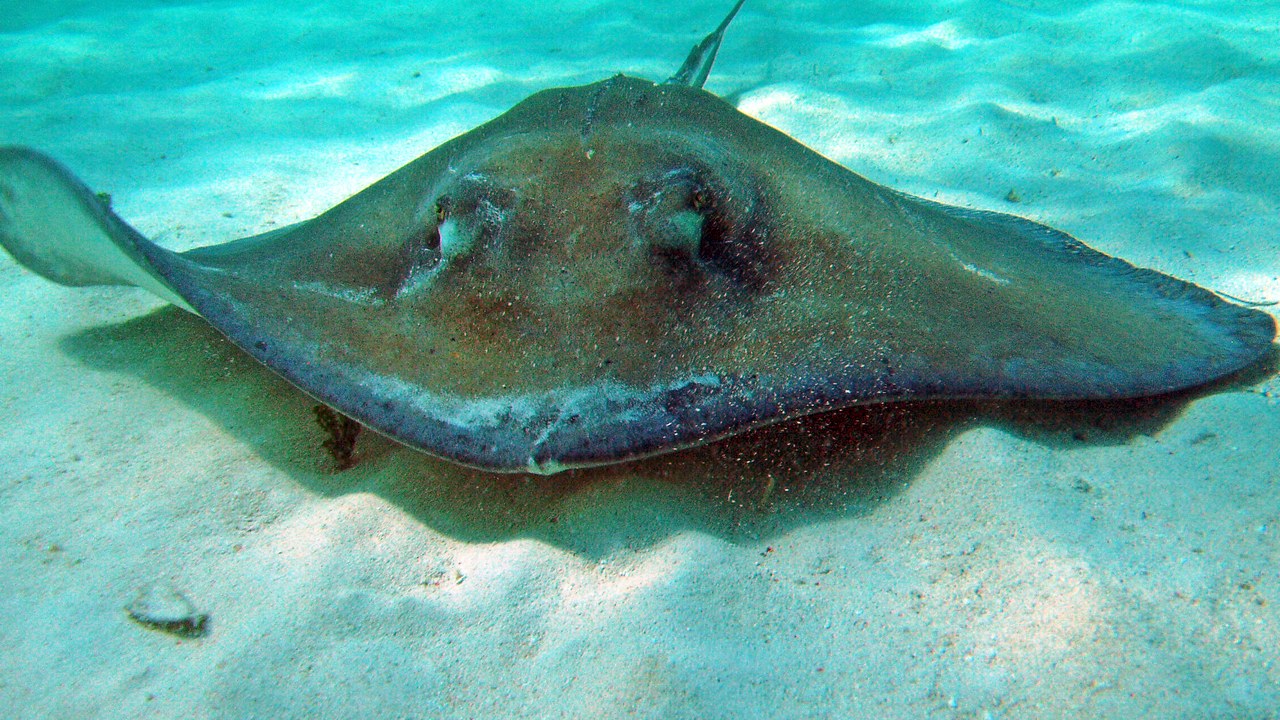
In the shallows, a stingray stepped on can drive its venomous tail barb into a wader and leave a jagged wound. Florida’s poison center adds that, rarely, a stingray can cause serious harm or even death.
The standard advice is to slide and shuffle feet along the sand rather than stride, giving the animal a chance to swim away. Any barb wound is worth having examined, since a ragged puncture can carry more trouble than its size suggests.
5. Sea nettle: Welts That Last Weeks
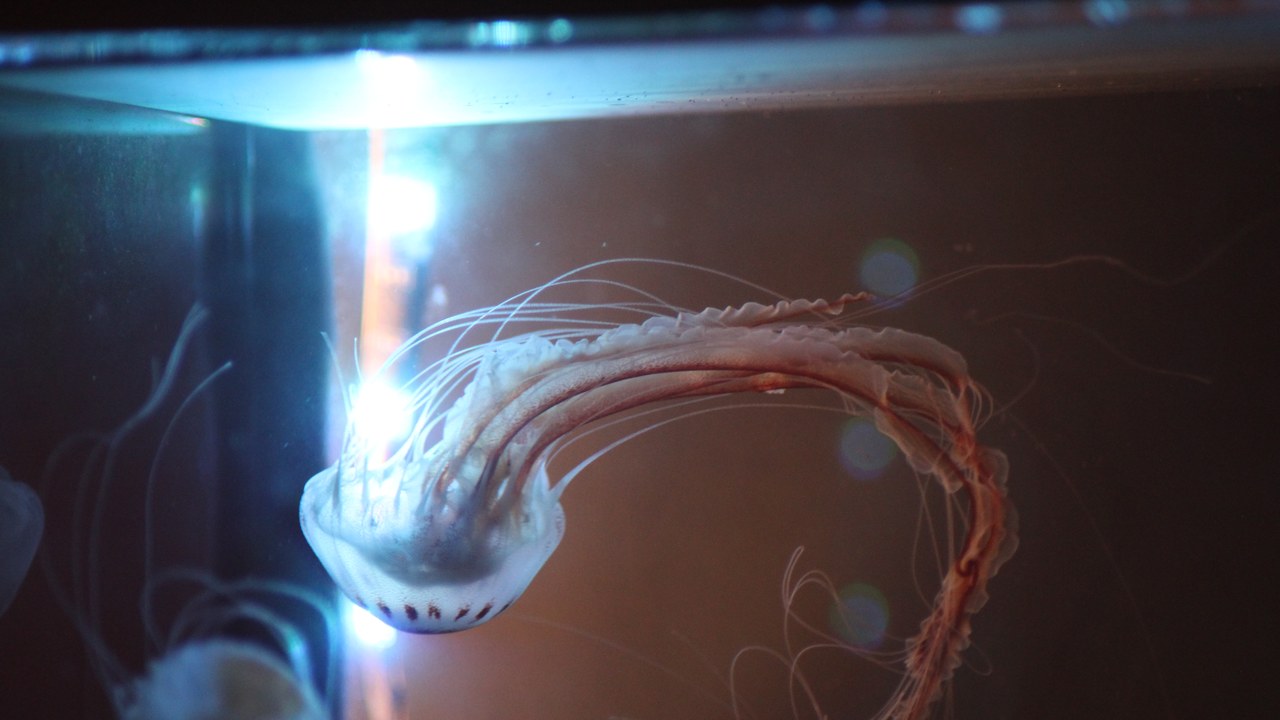
Florida’s poison center pictures the sea nettle among stinging jellyfish in the state’s waters. Its guide describes red, raised, streaky welts that last one to two weeks, with severe pain at the time of the sting.
Jellyfish tend to drift in with the wind and tide, so a calm-looking beach can still hold them in the shallows. A swimmer who notices a warning flag or stranded bells on the sand has good reason to stay on dry land.
6. Moray eel: Teeth in the Crevice
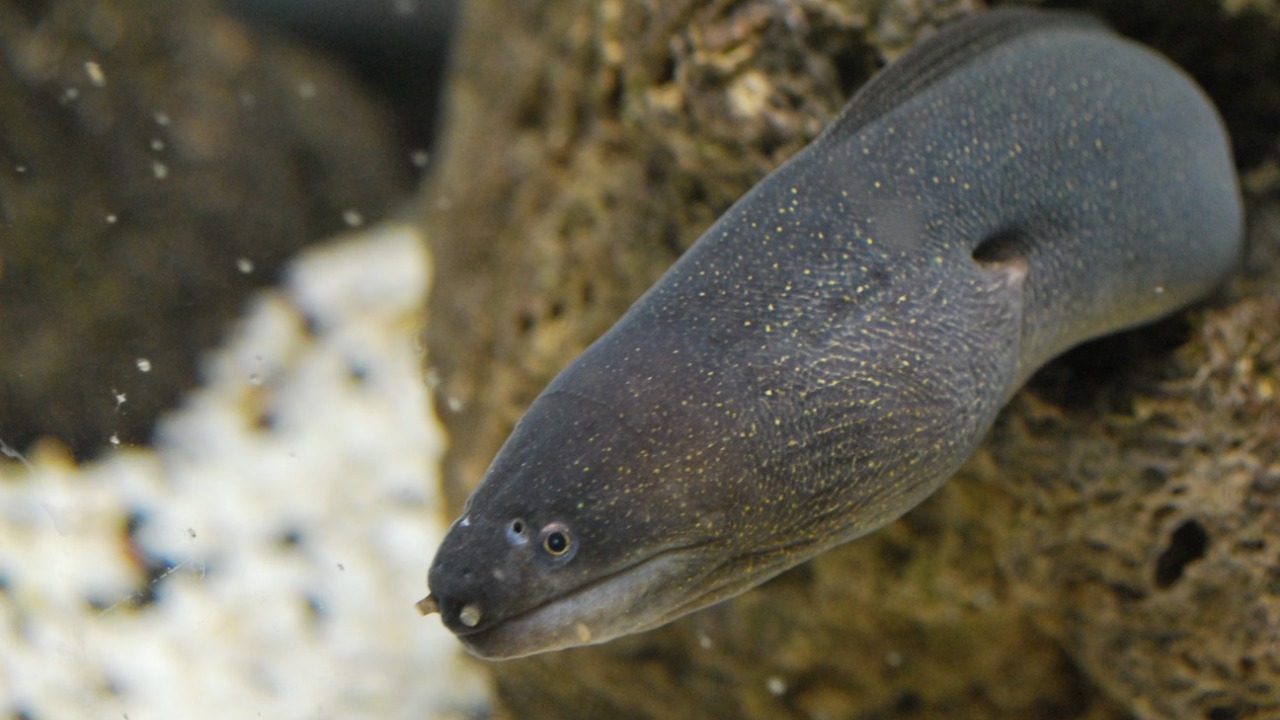
Hawaii’s Division of Aquatic Resources says a provoked moray can do considerable damage with sharp teeth, and that morays should never be fed under any circumstances. The advice appears in its safety tips for marine conservation districts.
Most trouble starts when a hand goes into a crack or when a fish has been trained to expect food. Snorkelers and divers can avoid it by looking without reaching, and by never offering handouts to an eel that lives in the rocks.
7. Long-spined sea urchin: Spines That Break Off
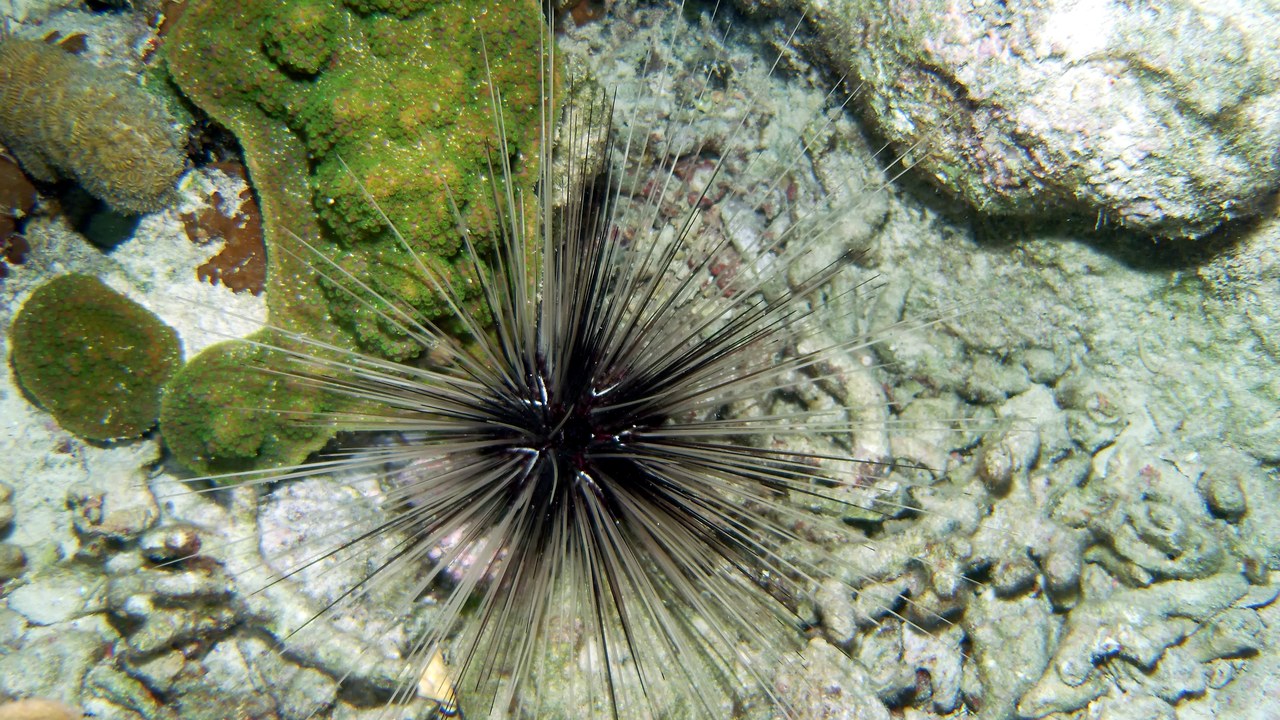
Hawaii’s resource agency notes that some urchins have venomous spines, and a puncture brings throbbing pain and possible infection. Spines left deep in the skin need a doctor rather than home removal.
Urchins sit in reef crevices and on rocky bottoms where a swimmer’s hand or foot can land without warning. Water shoes help in shallow rock pools, and wave surge near shore is a reminder to keep a safe distance from the bottom.
8. Fire coral: Burning on Contact
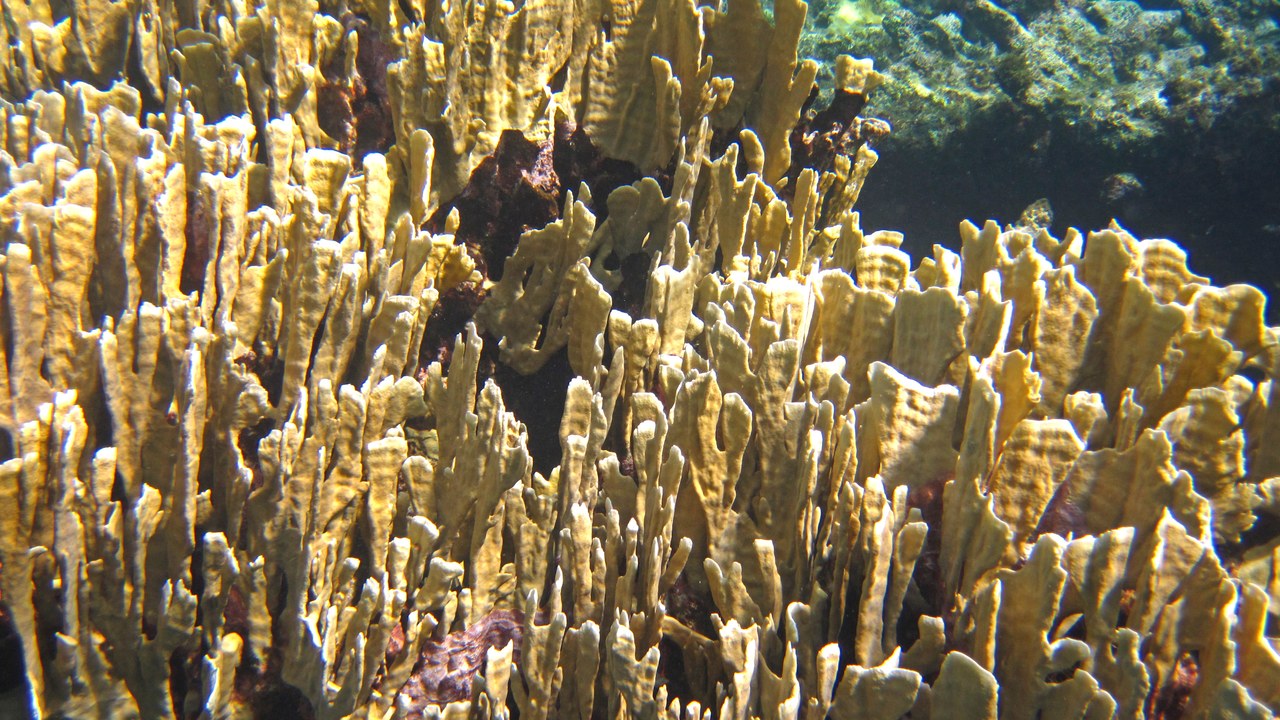
The National Park Service lists fire coral among shallow-reef hazards at Buck Island Reef. Florida’s poison center adds that touching it brings burning pain and a red rash within 5 to 30 minutes.
Fire coral can look like ordinary brownish or yellowish reef growth, so the safest habit is touching nothing underwater. Floating flat and kicking carefully also keeps fins and knees from brushing against the reef, and a rash that appears soon after contact points back to what was touched.
9. Bearded fireworm: Bristles on the Reef
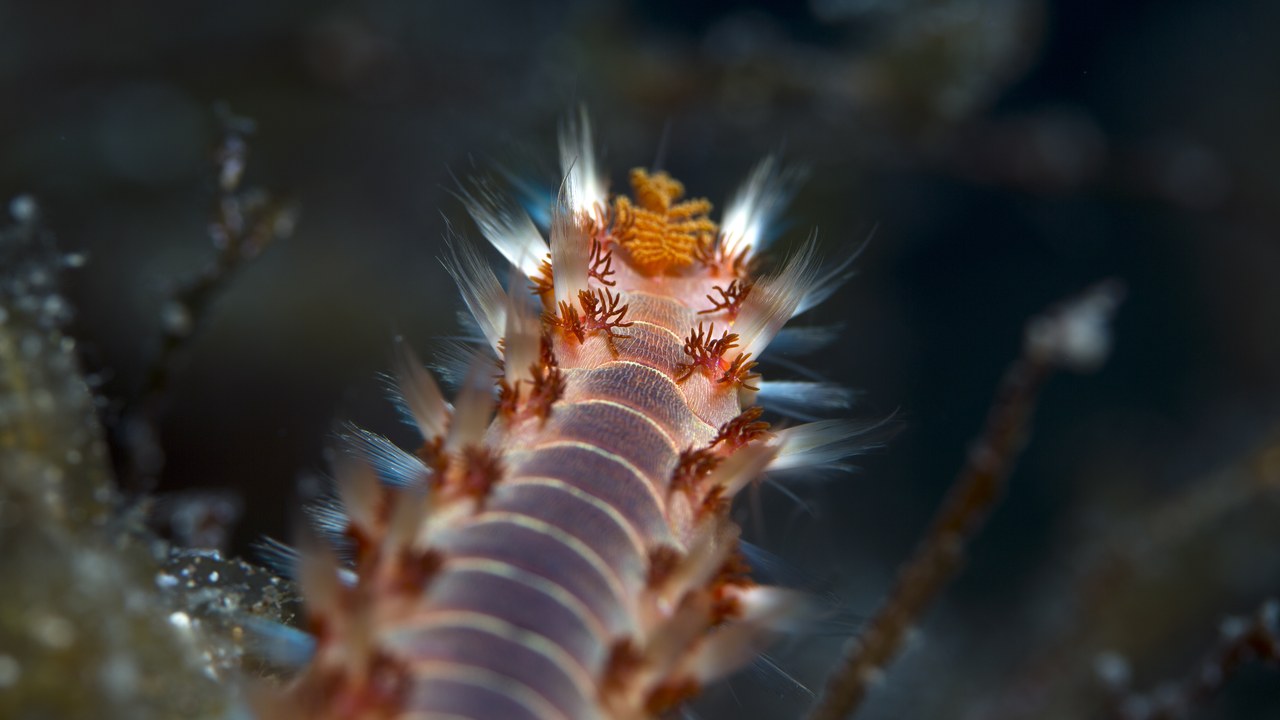
The National Park Service includes fire worms among reef hazards that snorkelers at Buck Island Reef are warned to avoid touching. The bearded fireworm is the named entry here.
Park guidance is simple enough to follow anywhere along a reef: look but do not touch, and keep hands off rocks and coral. Bristled worms are easy to overlook on the bottom, which is one more reason to stay a body length above it.
10. Great barracuda: Toothy but Calm
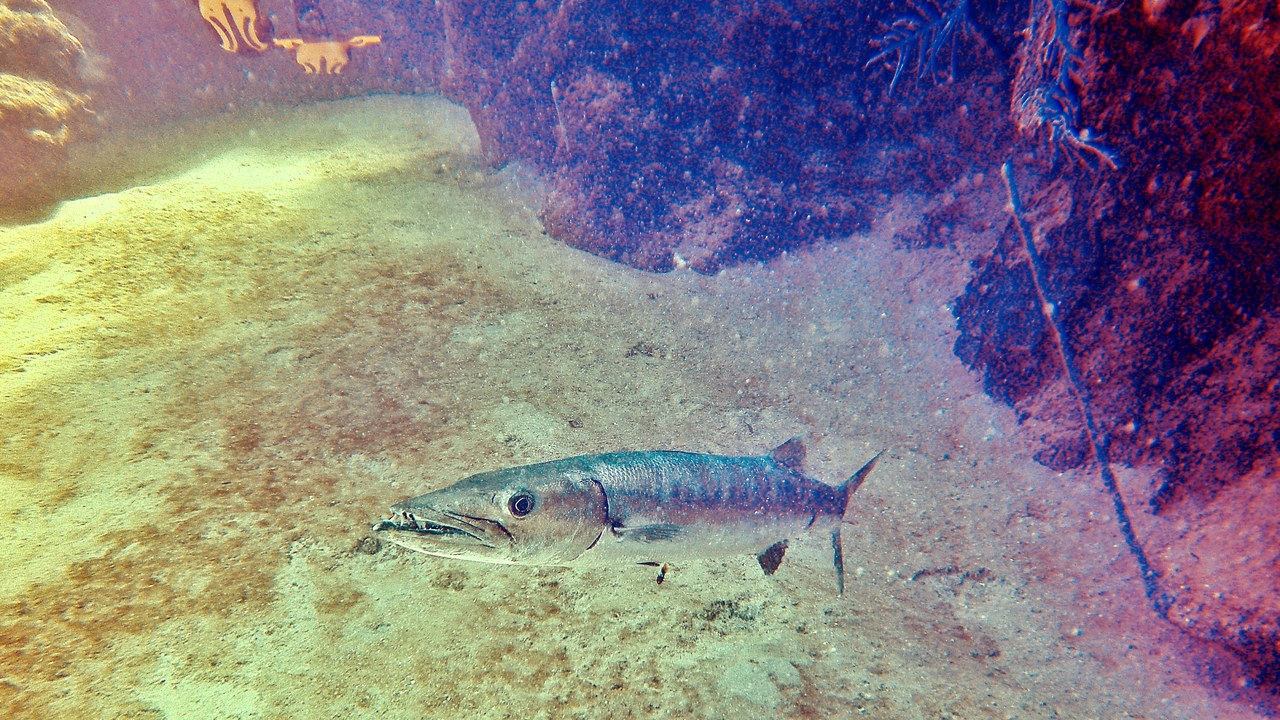
The National Park Service says barracuda are not usually aggressive toward snorkelers but should still be treated with caution. The long, silvery predator often hangs motionless in reef waters, watching swimmers pass.
Flashing jewelry or shiny gear can draw curious attention, and a fish that feels cornered may react. Calm, steady movement and a respectful distance are the park’s practical answer, which makes barracuda more a case for caution than for alarm.
11. Box jellyfish: Hawaii’s Growing Sting
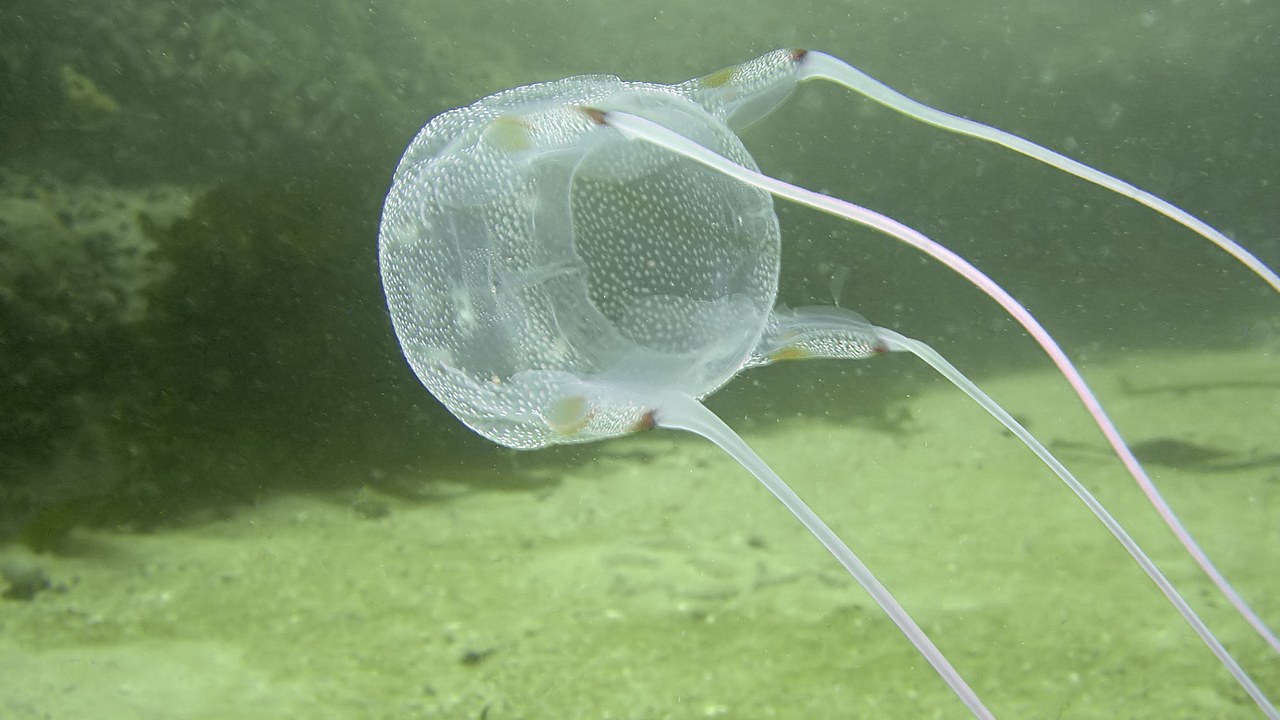
University of Hawaii researchers collect this box jellyfish at Kuhio Beach Park in Waikiki and report that box jellyfish stings are increasingly common in tropical regions. Their work is part of a broader look at venomous aquatic species.
Beachgoers in tropical destinations should check local jellyfish advisories before swimming and heed posted warnings. A rising trend in stings is a practical reason to treat such notices as part of the daily forecast.
12. Cone snail: Venom in a Shell
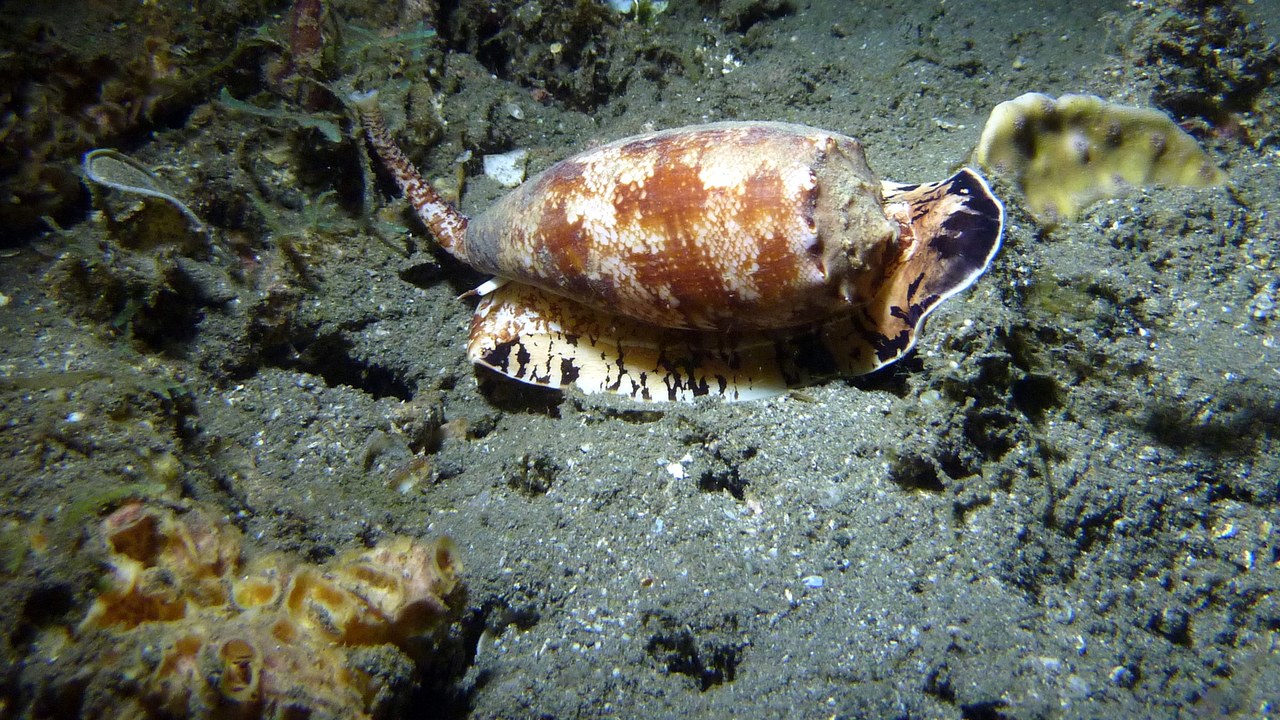
University of Hawaii researchers list cone snails with box jellyfish and stingrays as venomous aquatic species posing a growing risk to coastal communities. The slow-moving mollusk is the shelled entry on that list.
An attractive shell on the seafloor may still have a living animal inside. Beachcombers and snorkelers are wiser to admire shells where they lie than to pick them up, since a harmless-looking cone can be a venomous one.
The tech news worth your time: Subscribe to Techpresso →
We may earn a commission if you sign up.
More from Morning Overview
- Common allergy, bladder and sleep pills tied to sharply higher dementia odds
- NOAA now gives this winter a 75% chance of the strongest El Nino since 1950
- Doctors warn a silent liver disease now affects one in three American adults
- The FBI told the rest of ShinyHunters to surrender after a 24-year-old was arrested
