
Every autumn, the skies over America fill with birds heading south, from tiny songbirds to eagles riding the ridgelines. Lookouts in Minnesota and Pennsylvania count them by the thousand, while a few species make crossings that stretch across whole oceans. Here are twelve of the birds on the move right now, and the numbers that show how far they go.
Tech news worth reading: Get Techpresso, the daily email with the most interesting tech news and insights, read by 400,000+ professionals from Google, Apple and OpenAI.
We may earn a commission if you sign up.
1. Sharp-shinned hawk: Duluth’s Dominant Raider
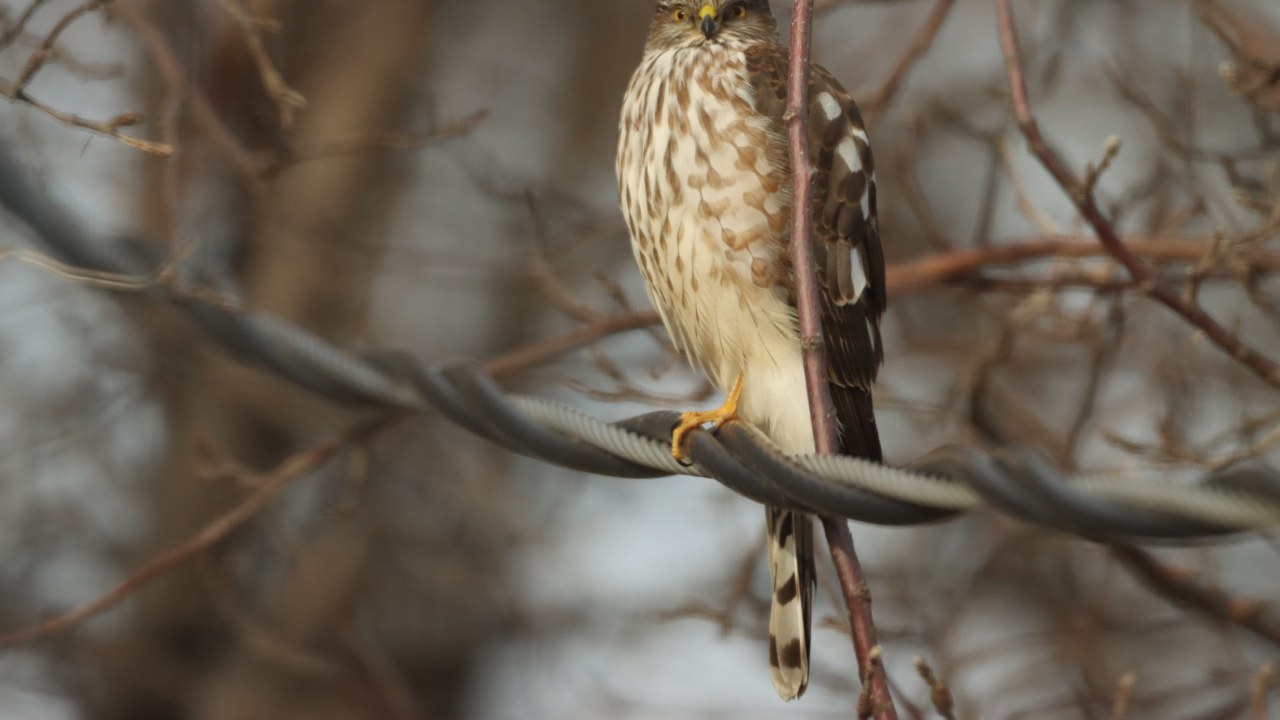
Counters at Hawk Ridge in Duluth, Minnesota, tallied 15,687 sharp-shinned hawks between August 15 and November 30, 2025, according to the 2025 Hawk Ridge count report. That made the small, fast bird hunter the biggest single-species total of the entire season at the lookout.
The figure is a count at one ridge over one autumn, not a population estimate. Even so, it shows how strongly the shoreline of Lake Superior funnels songbird-hunting hawks southward each fall, and why the ridge draws watchers from across the Midwest every September.
2. Bald eagle: Thousands Over the Lake
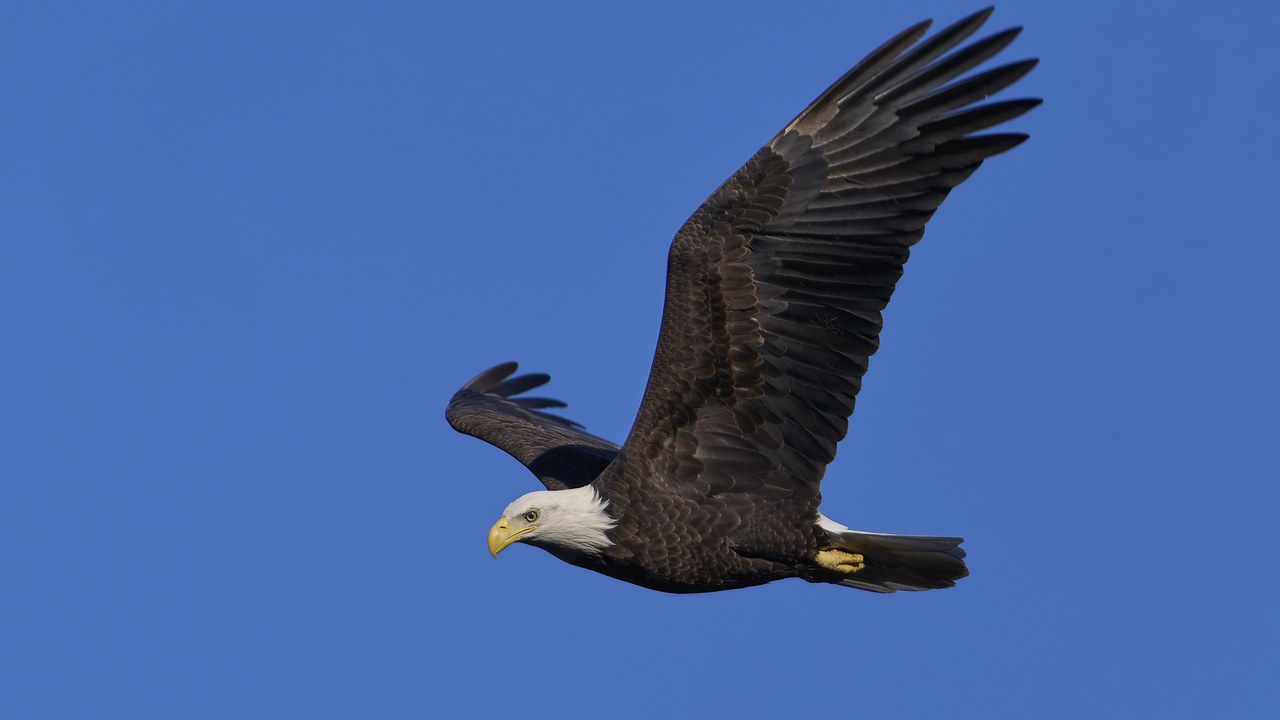
A total of 6,177 bald eagles passed the Hawk Ridge lookout during the 2025 fall count, as listed in Hawk Ridge’s season totals. The birds ride thermals and lake-edge winds along the same corridor used by the smaller hawks.
For a species once endangered across most of the country, a four-digit tally at a single Minnesota overlook says plenty about its recovery. Visitors who want a look at white-headed adults and mottled youngsters together usually find the best flights on days with steady northwest winds.
3. Turkey vulture: Kettling Over Minnesota
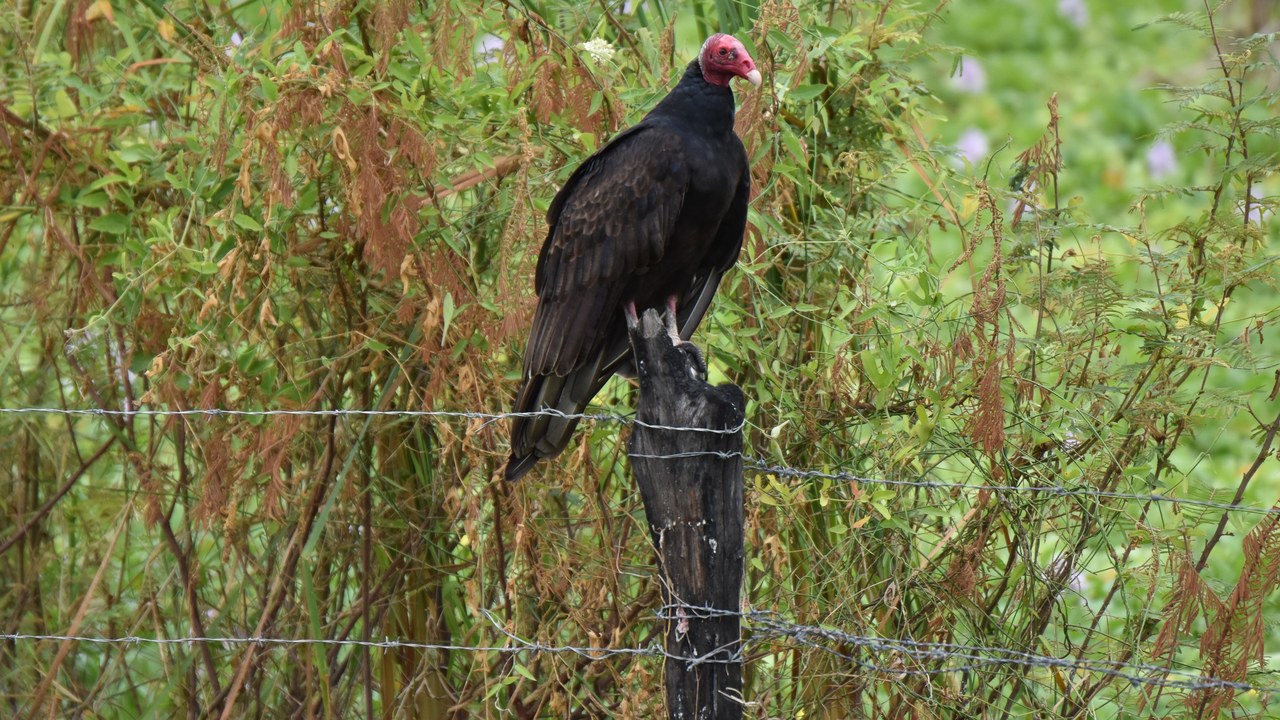
Hawk Ridge logged 1,702 turkey vultures streaming past Duluth in autumn 2025, a number recorded in Hawk Ridge’s 2025 report. The big dark scavengers tend to appear in loose, rising spirals, often called kettles, that form as they catch warm air.
Unlike many raptors on the list, vultures depend heavily on thermals rather than flapping, so they migrate mostly in the middle of sunny days. Overcast or windless stretches can leave counters at the ridge scanning an empty sky for hours.
4. American kestrel: A Small Falcon Counted by the Thousand
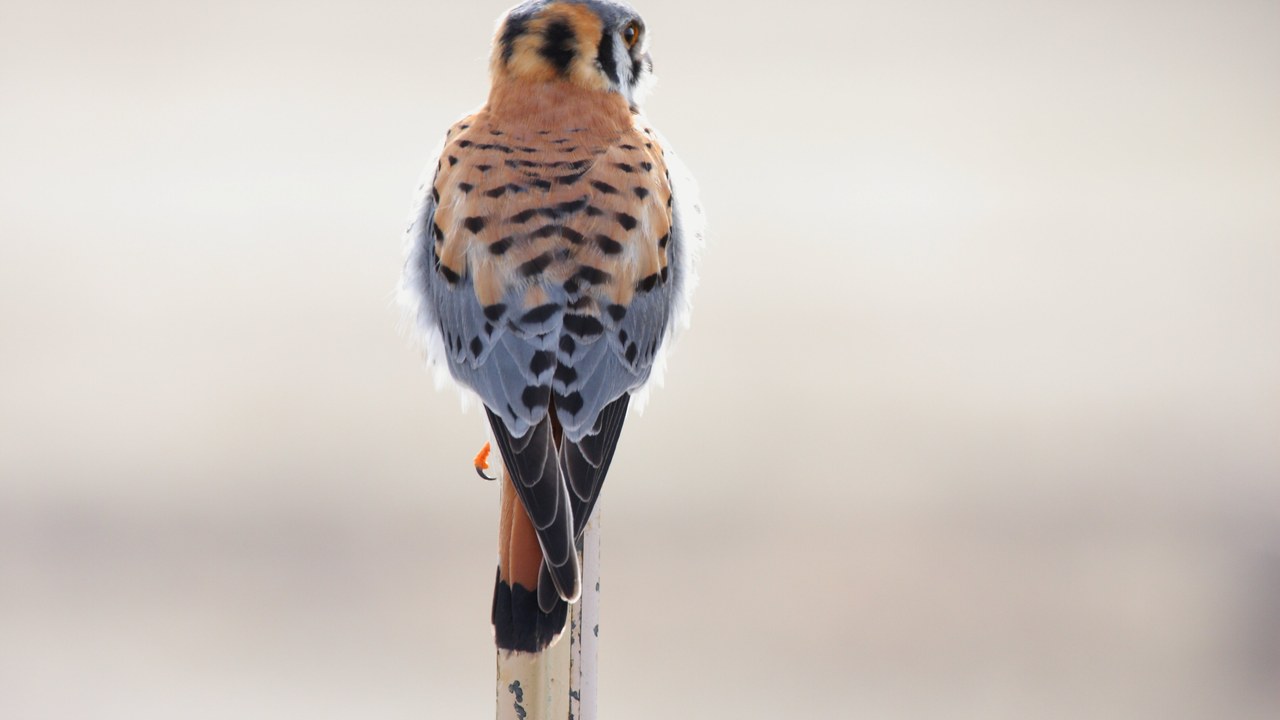
Counters at Hawk Ridge recorded 1,391 American kestrels over the 2025 fall season, according to the Hawk Ridge fall report. They formed part of a season total of 41,886 raptors, so this smallest of North American falcons made up a modest slice of the flow.
Kestrels often hover over open fields on the way south, which helps observers pick them out from a distance. The count is a snapshot of one lookout, and many birds in the species winter much farther north than the migrants that continue to Central America.
5. Broad-winged hawk: Hawk Mountain’s Big Autumn
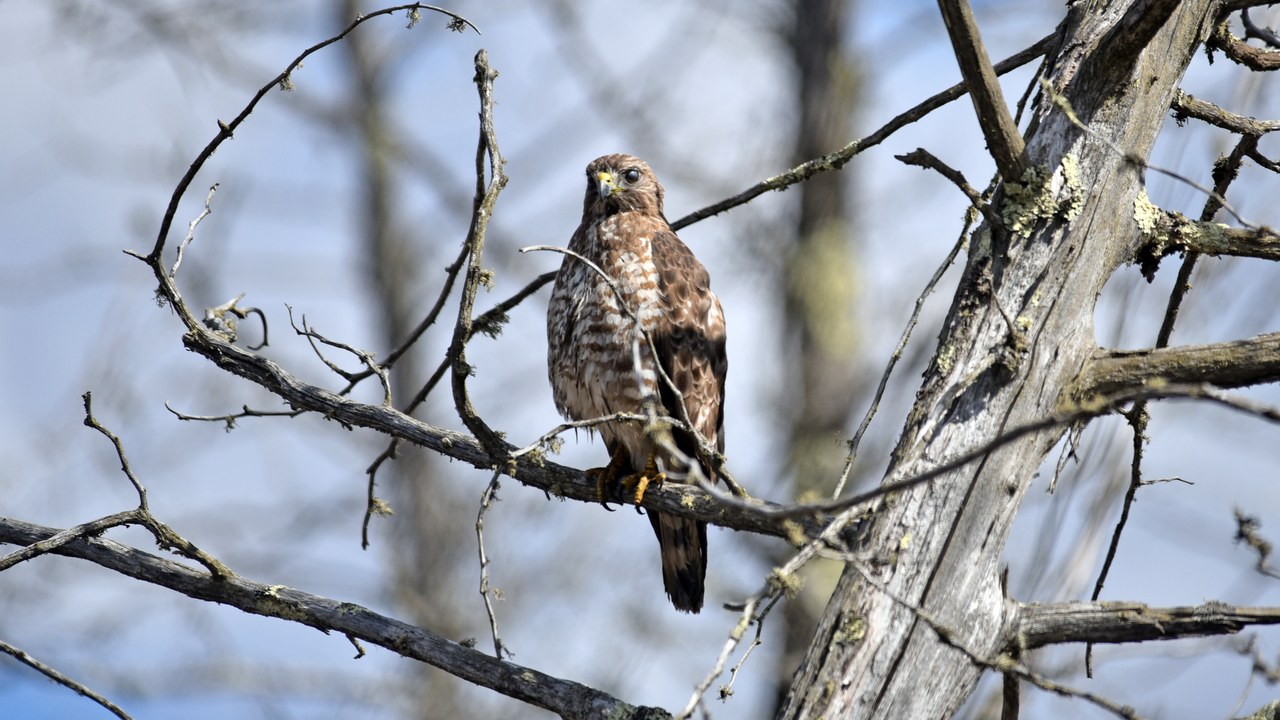
Hawk Mountain Sanctuary in Pennsylvania counted 12,503 broad-winged hawks in a single autumn, which Hawk Mountain’s migration wrap-up describes as 60 percent above the ten-year average. The woodland hawks travel in large kettles on their way to South America.
The species tends to pass in a tight window in mid-September, so a good count often depends on a few days of favorable weather. A result this far above average shows how much a single strong wind day can change a season’s tally at the mountain.
6. Osprey: Fish Hawks in Decline at the Ridge
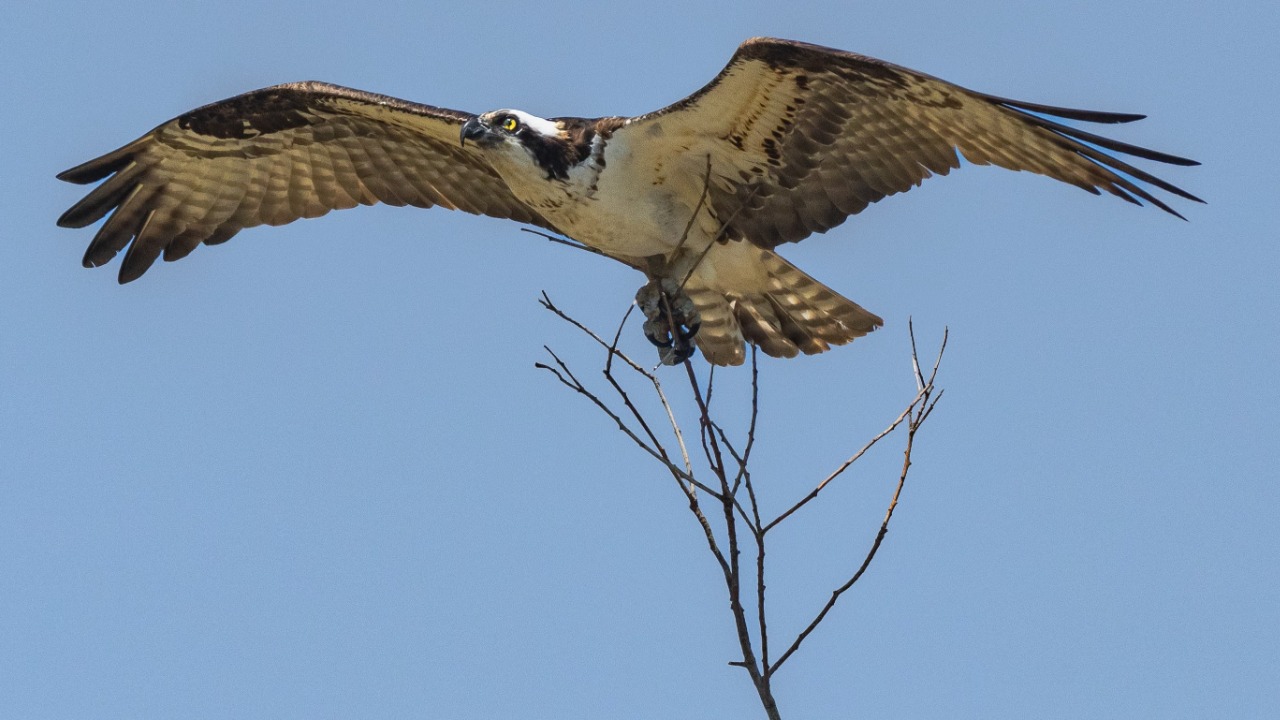
Hawk Mountain’s autumn osprey count came in 33 percent below its ten-year average, a drop noted in Hawk Mountain’s autumn summary. The fish-eating raptors pass the Pennsylvania ridge on their way to wintering grounds in the tropics.
A single season below average does not by itself prove a population trend, because weather and wind direction shift where birds fly. Counts like this are still tracked year after year, since long series are what let researchers separate a bad season from a real change.
7. Golden eagle: A Rare Sight on the Ridge
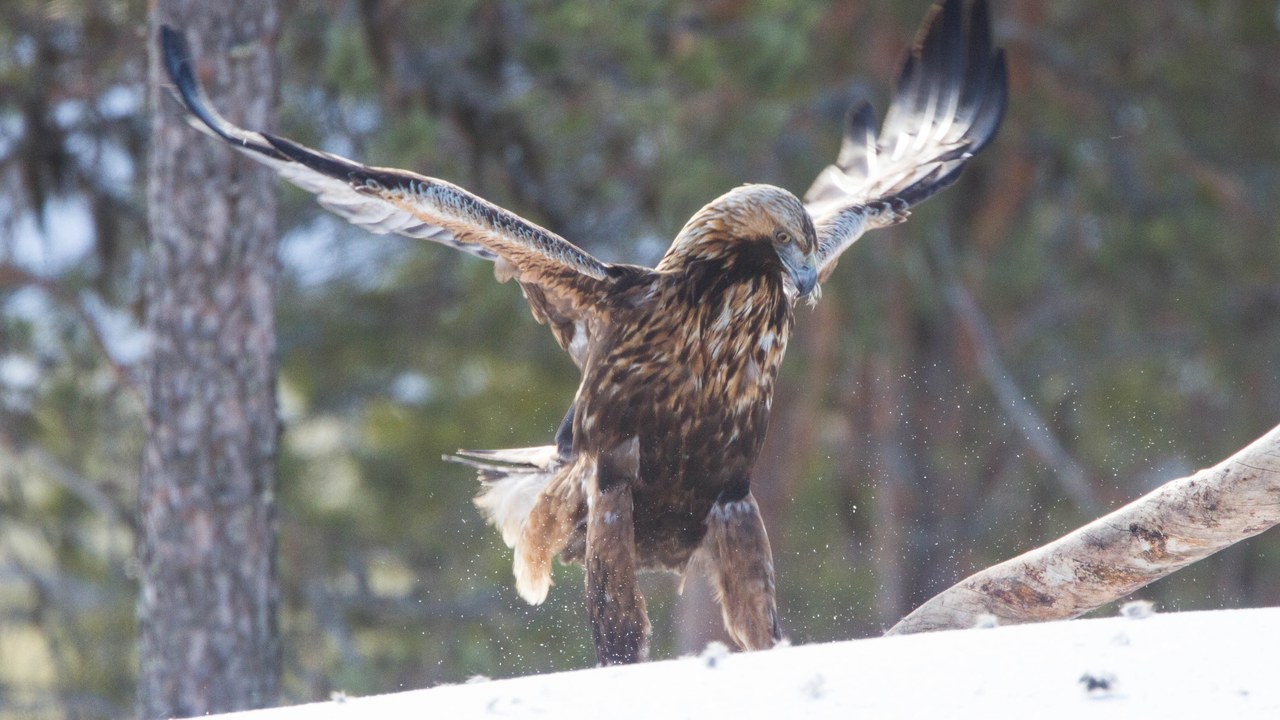
Hawk Mountain’s golden eagle count ran 21 percent below average, according to the Hawk Mountain wrap-up, with six birds counted on the final flight of December 14. Goldens pass the Appalachian ridges later than most raptors, well after the hawk crowds thin out.
The late timing makes the species a prize for dedicated watchers who stay into winter. A below-average year remains useful data, since eastern golden eagles are scarce and follow a narrow path along the long mountain chain.
8. Blackpoll warbler: The Ocean Crossing
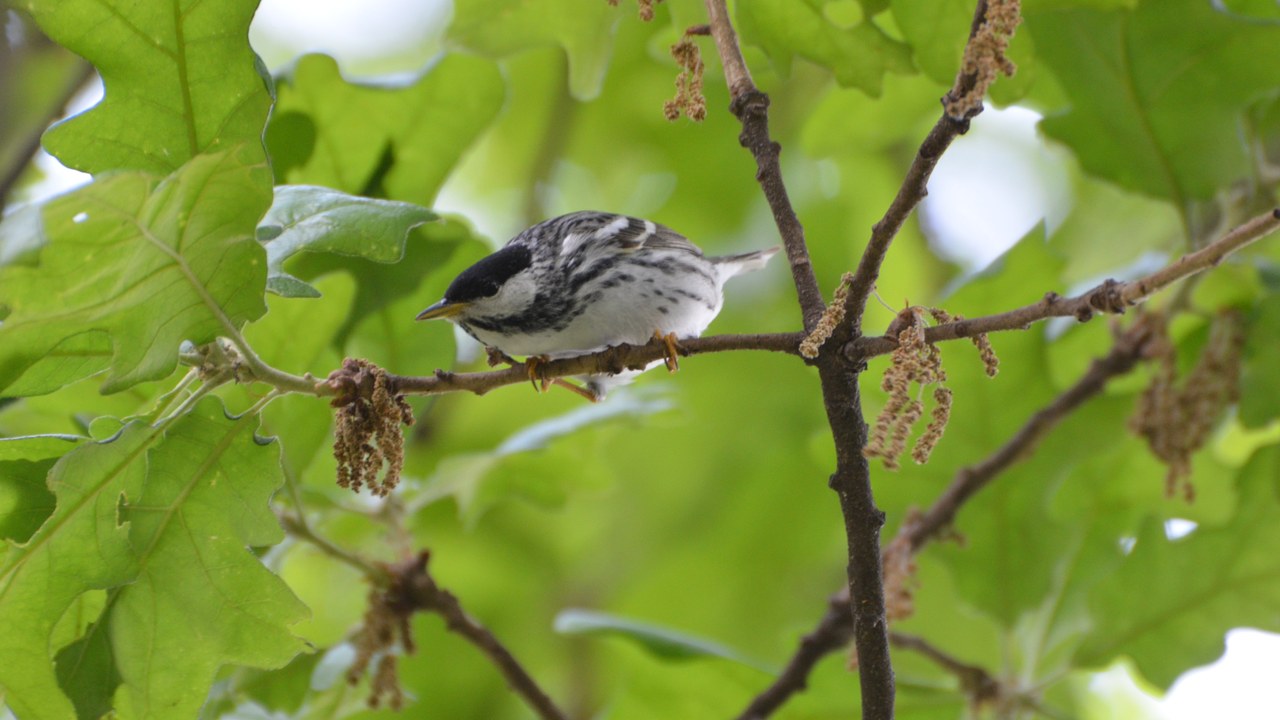
Blackpoll warblers leave New England for South America on a nonstop crossing of the Atlantic of roughly 1,700 miles that takes two to three days, as Audubon’s migration roundup explains. The bird weighs only a few ounces.
That leg is only one part of the journey, not the full route to the Amazon basin. The warblers fatten up sharply before departure, then rely on tailwinds from passing cold fronts to carry them over open water with no place to land.
9. Bar-tailed godwit: Seven Thousand Miles Without Landing
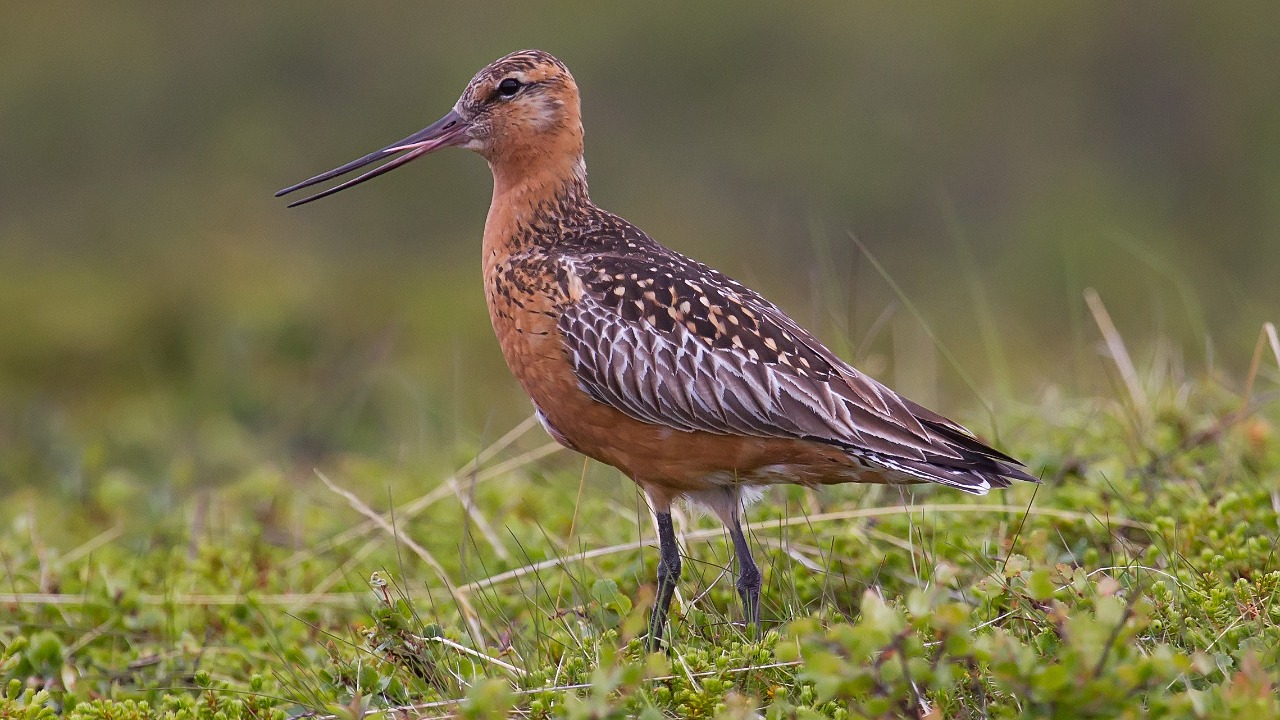
Bar-tailed godwits leave Alaska on a nonstop flight to New Zealand of about 7,000 miles lasting a little more than a week, according to Audubon’s champion migrators. The shorebirds cross the Pacific without feeding or resting.
The flight is among the longest nonstop journeys known for any bird. To fuel it, the godwits build up heavy fat reserves on Alaskan mudflats, and even their digestive organs shrink before departure to save weight.
10. Northern wheatear: Across All of Asia
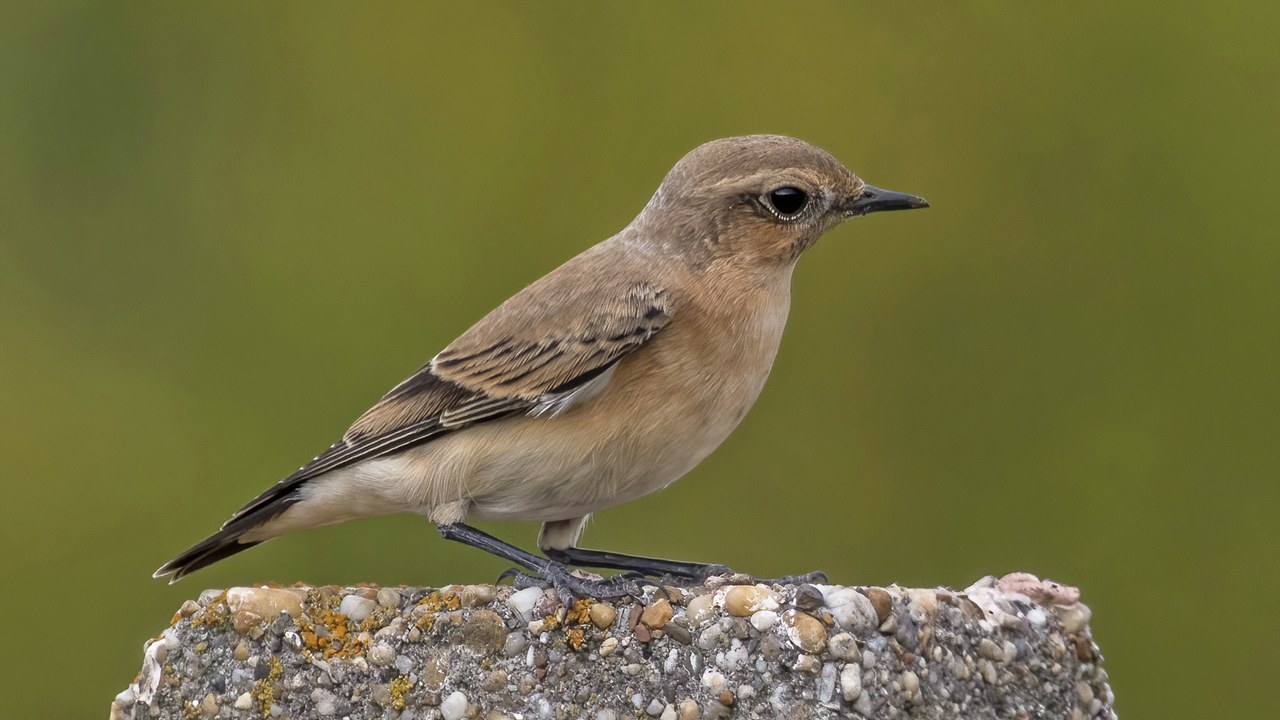
Northern wheatears that set out from Alaska and the Yukon fly 9,300 miles to Africa, crossing the whole of Asia on the way, as the Audubon feature on champion migrators reports. The small songbirds then spend the winter south of the Sahara.
Their route runs the opposite way from the usual picture of North American birds heading to Latin America. It is one of the longest journeys recorded for a songbird of its size, made over open tundra, steppe and desert.
11. Sooty shearwater: A Pacific Figure-Eight

Sooty shearwaters fly up to 39,000 miles a year on a figure-eight loop of the Pacific that carries them past California and Alaska, according to Audubon’s migration profile. The dark seabirds spend most of their lives far offshore.
Birders on the West Coast often see big streams of them passing headlands in late summer and fall. The sheer yearly distance is among the greatest ever tracked for any animal, which is why the species keeps turning up in migration records.
12. Arctic tern: The Longest Journey
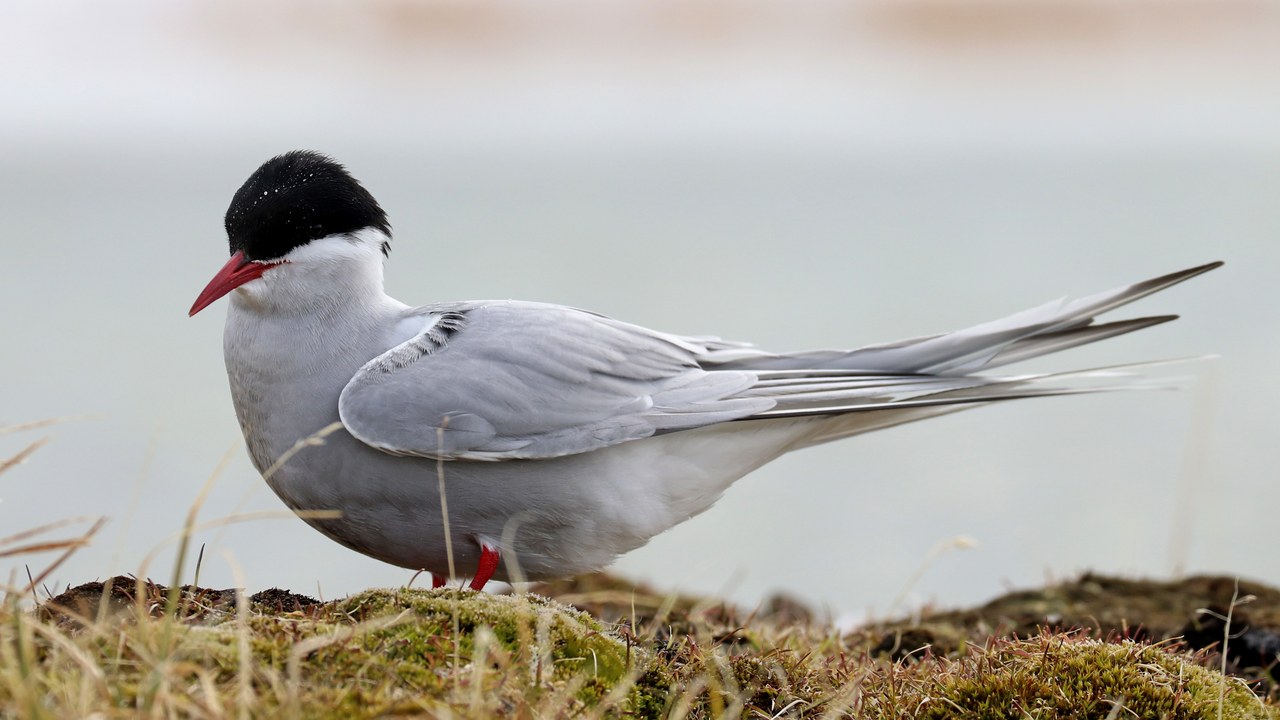
Arctic terns can cover more than 49,700 miles in a single year, the longest migration of any bird, based on figures in Audubon’s list of migration facts. The slender seabirds breed in the far north and winter near Antarctica.
Because they chase daylight at both ends of the globe, they see more sunshine than nearly any other creature. The number is a ceiling for the best-traveled individuals, and the real mileage for any one tern depends on its route.
Tech news worth reading: Get Techpresso →
We may earn a commission if you sign up.
More from Morning Overview
- Two passengers died at an Ohio toll plaza, and the NTSB now wants the cash lanes shut
- Long use of a common prostate pill is tied to a higher chance of glaucoma
- Ford is recalling 223,472 F-150 pickups because the fuel tank can leak or detach
- Hybrids have 15% fewer problems than gas cars, while EVs and plug-in hybrids have about 80% more, Consumer Reports finds
