
Conservation stories rarely end well, yet a handful of American species have bounced back from numbers so low that extinction looked certain. Protection, captive breeding and habitat repair turned collapses into recoveries, and the figures behind them are striking. Here are twelve animals that returned from the brink.
AI, explained every day: The Deep View is the go-to daily newsletter for 600,000+ founders, knowledge workers and professionals who want to stay up to date with artificial intelligence.
We may earn a commission if you sign up.
1. Bald eagle: Symbol Of The Comeback
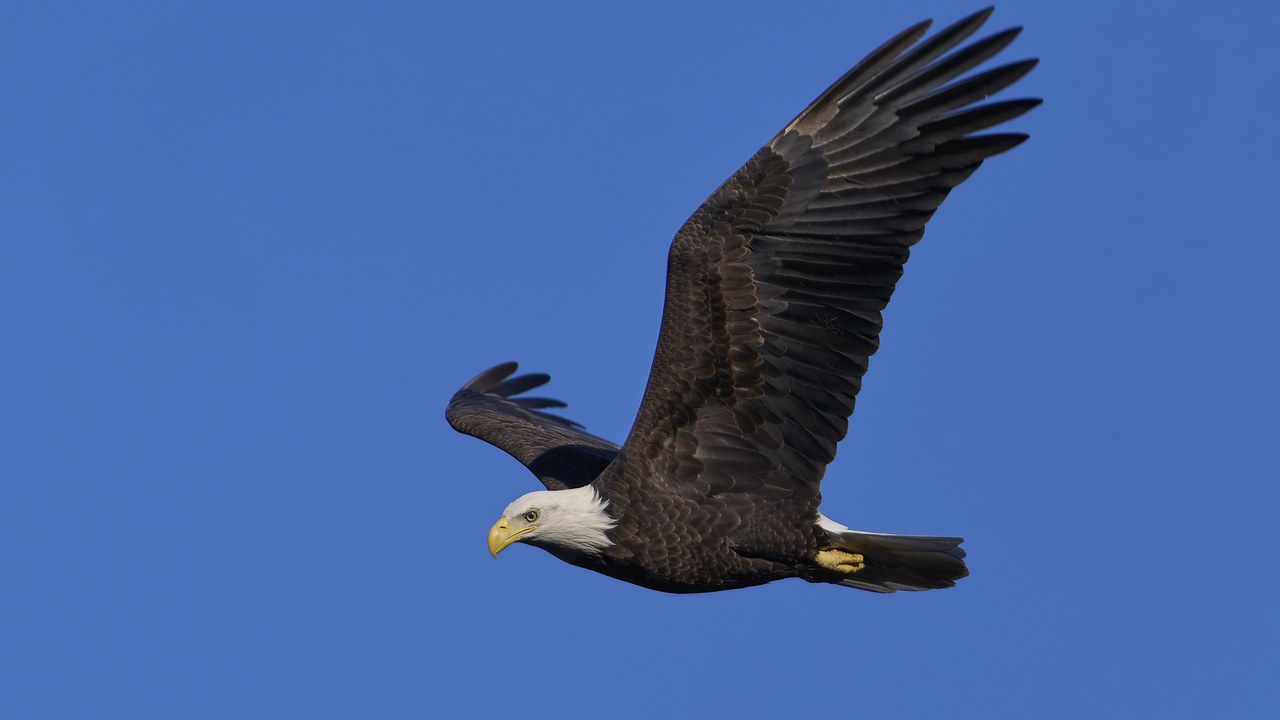
the National Wildlife Federation report found that only 417 breeding pairs remained outside Alaska by 1963, a collapse that left the national bird absent from most of its former range across the lower 48.
Today some 316,700 eagles live in the lower 48. The national bird now nests near reservoirs, rivers and lakes, a swing from 417 pairs to hundreds of thousands of birds, and it stands as the clearest proof that a species once counted in hundreds of pairs can rebound when protection and habitat repair arrive together.
2. Grizzly bear: Fifty Thousand To Two Thousand
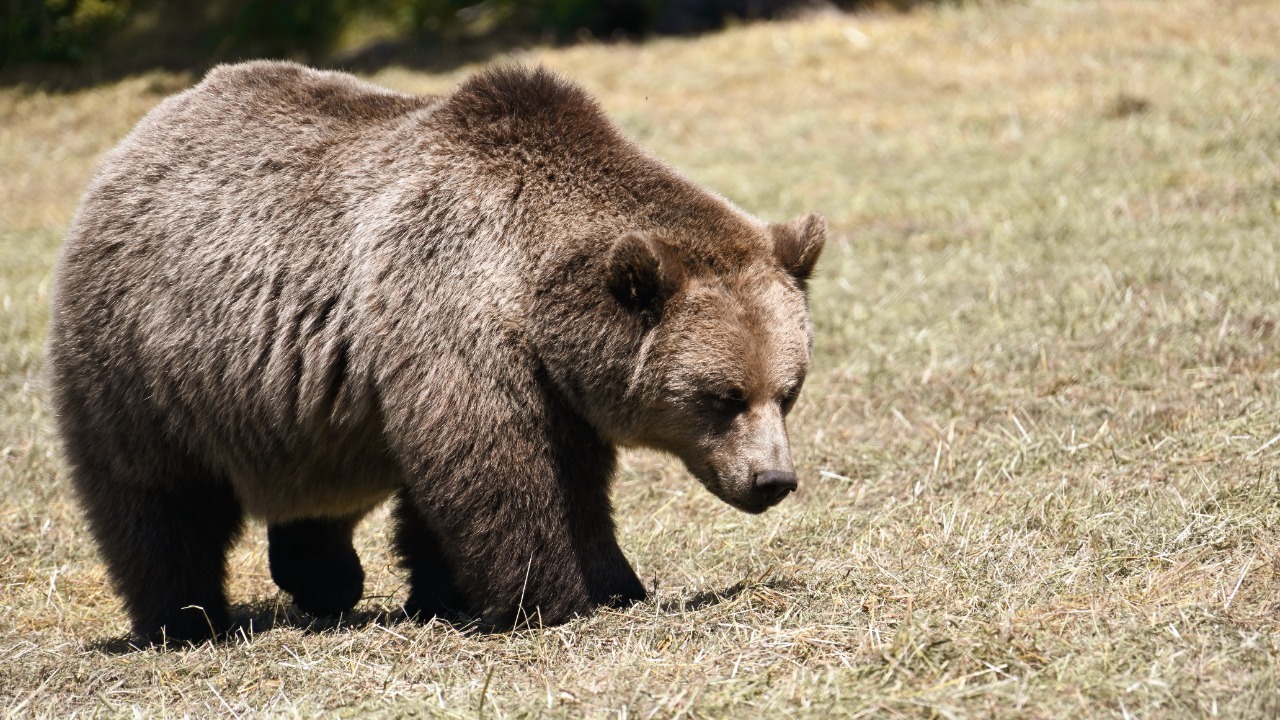
Grizzlies once numbered some 50,000 across the American West, but by the 1930s only 700 to 800 remained outside Alaska and Canada, according to an NWF conservation feature.
Nearly 2,000 now live in the lower 48, a fraction of the historic total yet a clear reversal from the 1930s low, which was under two percent of the original population. Recovery has come through protected habitat and limits on killing, and the bears still need large connected landscapes, so conflicts with ranchers and hikers remain a live management question.
3. Gray wolf: Forty-One Wolves Changed Yellowstone
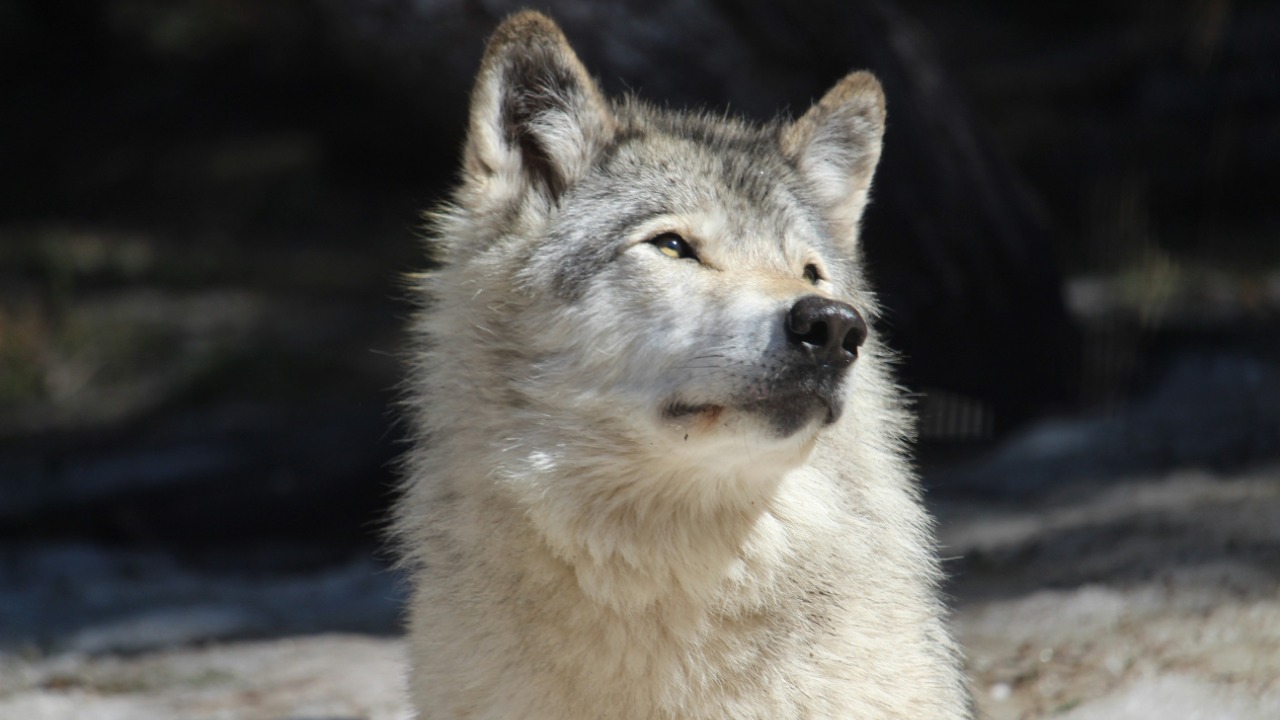
Wildlife managers released 41 wolves into Yellowstone in the 1990s, and by 2008 the federation’s tally counted 1,639 wolves roaming Montana, Wyoming and Idaho.
That is roughly forty times the founding group. Counts that began with a few dozen animals had grown into the thousands across the region. The wolf return also reshaped elk behavior and vegetation in the park, which is why biologists often cite it as the textbook case for restoring a missing top predator to an ecosystem.
4. Black-footed ferret: Back From Presumed Extinct
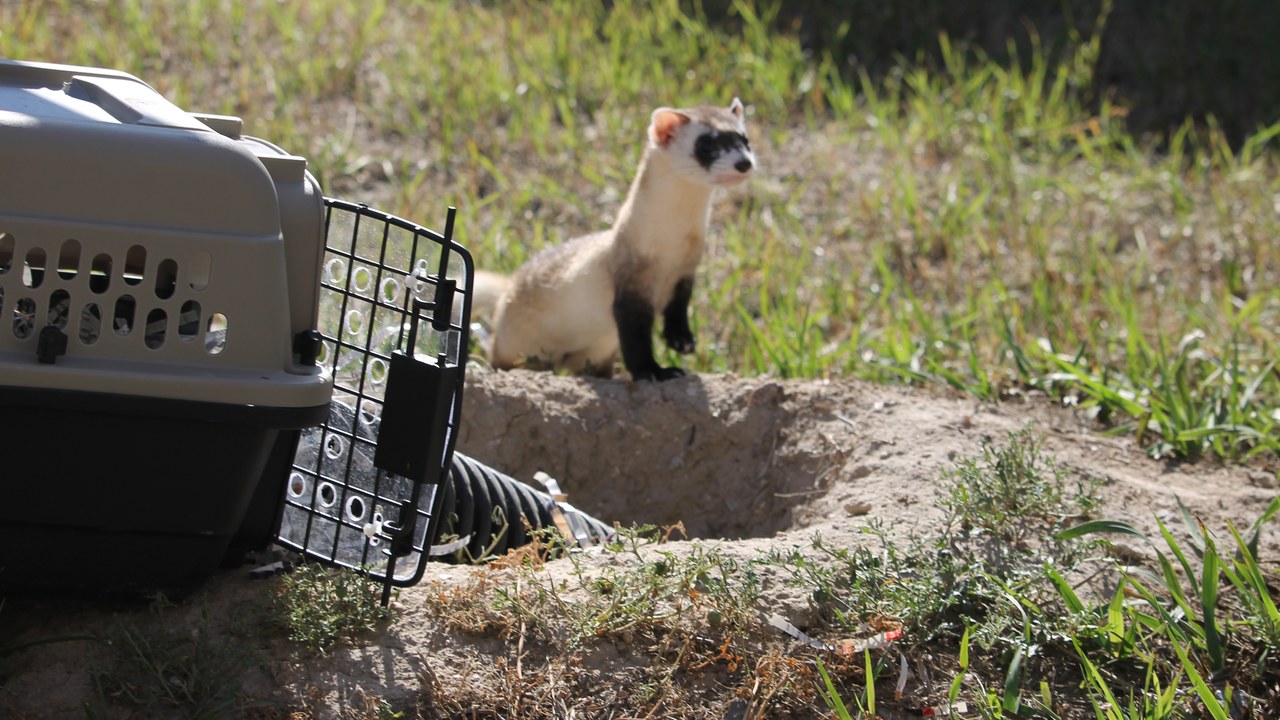
Biologists wrote the ferret off as extinct until a remnant group turned up in 1981, and the NWF account says reintroductions now span 33 sites.
Numbers peaked near 700 animals in 2008, a striking figure for a species rediscovered with so few survivors. The ferret depends on prairie dogs for both food and burrows, The animal depends on prairie dogs for food and burrows, so its future tracks the health of prairie dog colonies, and wild populations still need steady support.
5. Whooping crane: Sixteen Birds In The Forties
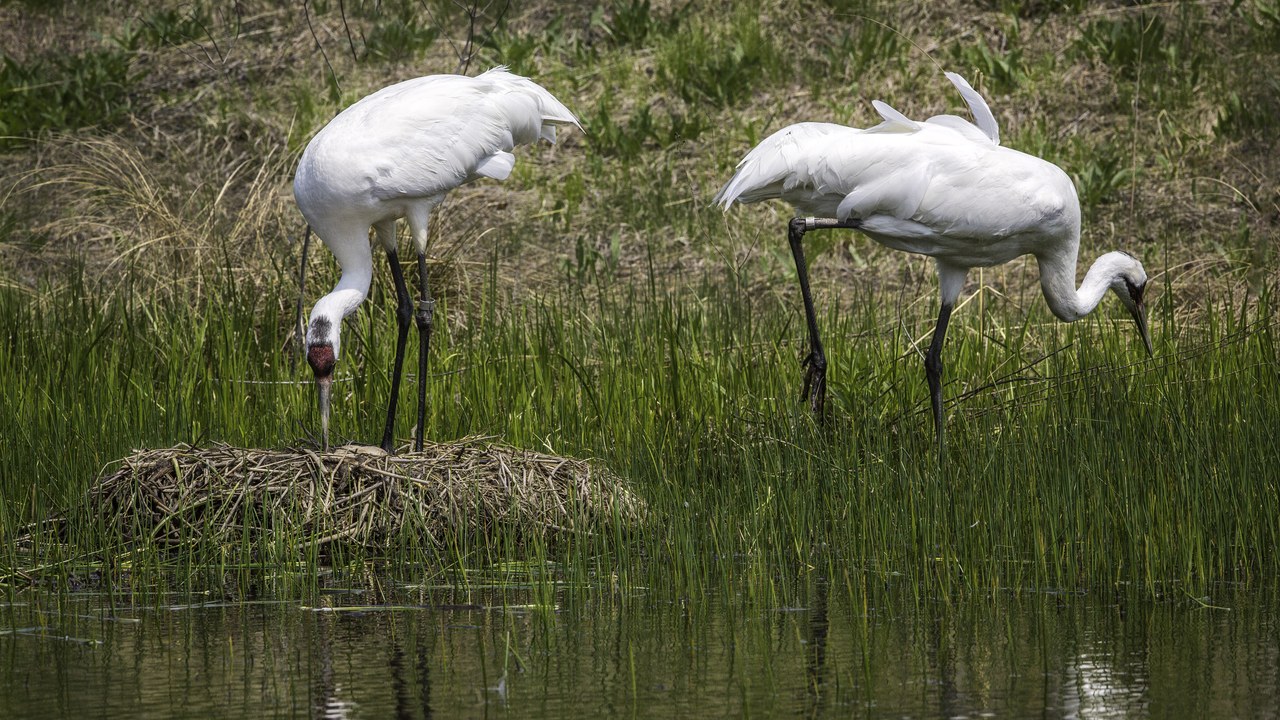
The Fish and Wildlife Service counted only 16 whooping cranes in the 1940s, as a federal anniversary release recounts in marking the first twenty years of the Endangered Species Act.
By 1994 more than 250 cranes lived in wild and captive flocks combined, a sixteenfold gain. The species still migrates a long route between breeding and wintering grounds, and its small total keeps every nesting season and every wetland along that corridor important to the flock’s survival.
6. American alligator: Five Million And Counting
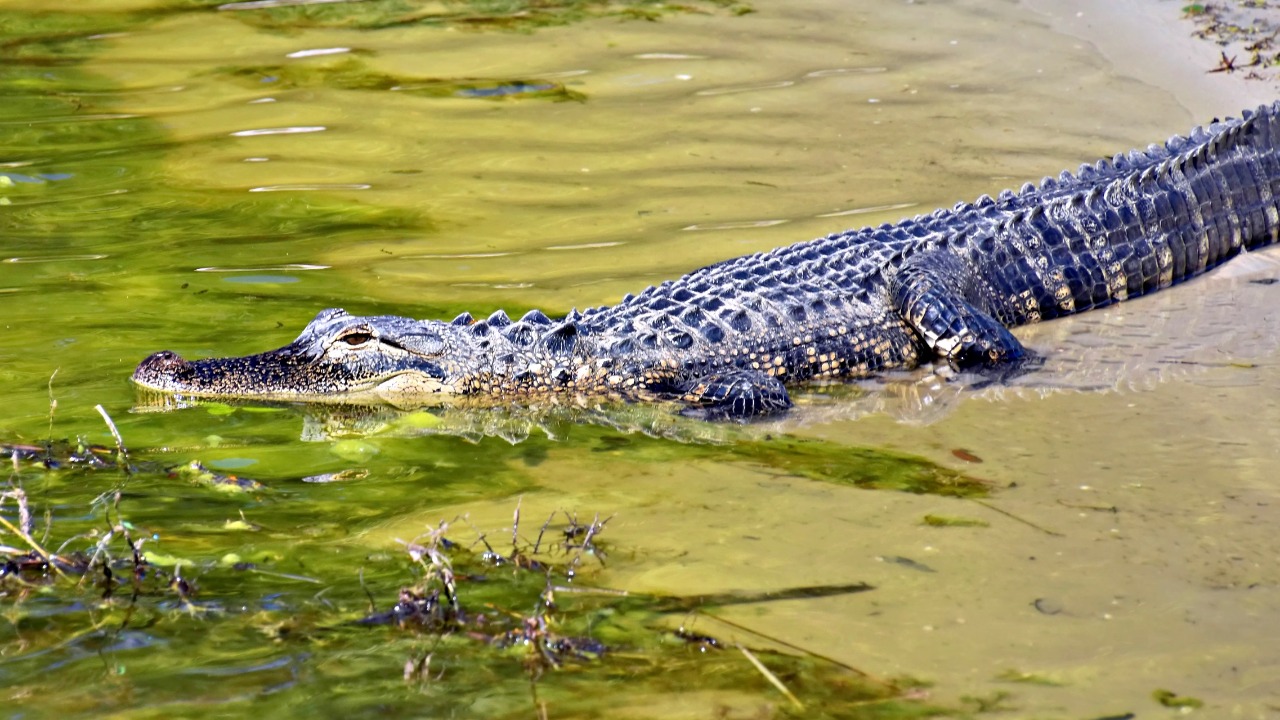
Hunted to the edge of collapse, the species won federal protection in 1967, and the Endangered Species Coalition list now puts the population at around 5 million.
That figure covers all ages across the southeastern United States. The reptile became one of the best-known conservation successes because regulated management replaced unchecked hunting. That shift turned a species near collapse into a common sight, and healthy numbers of these large predators now shape wetlands from Florida marshes to Louisiana bayous.
7. Peregrine falcon: From 324 Birds To 3,500 Pairs
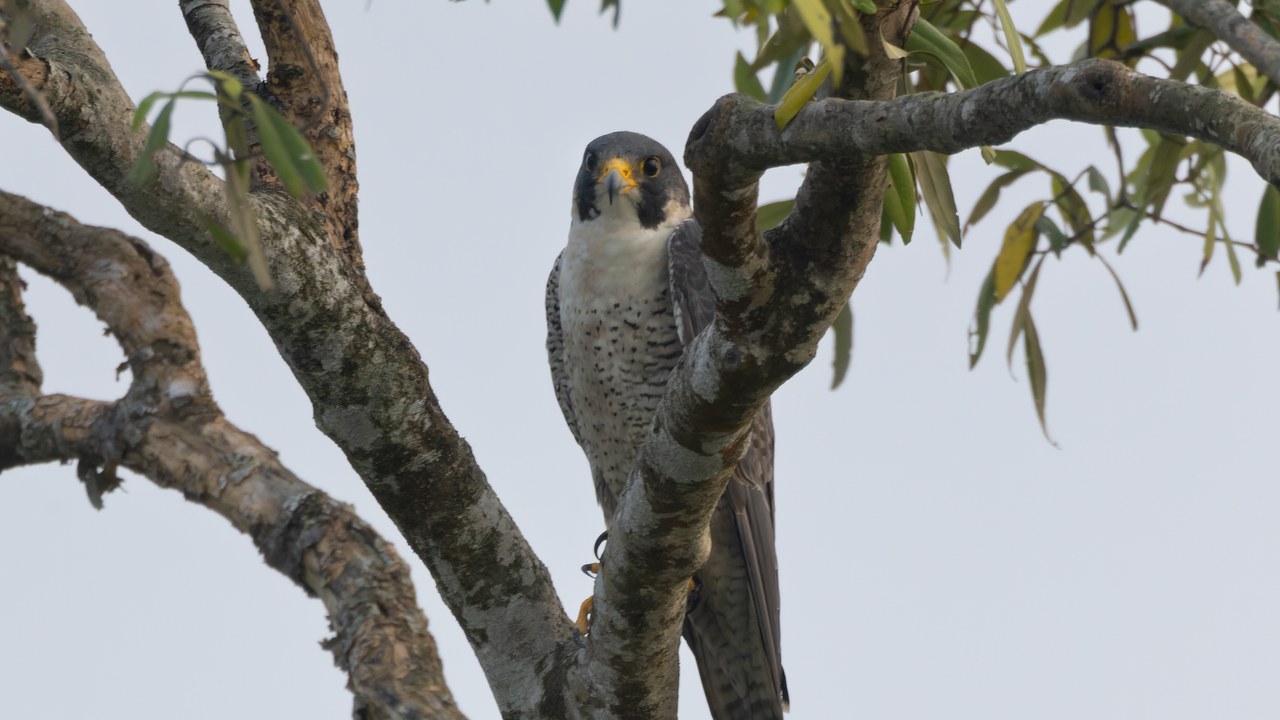
Peregrines crashed to 324 known birds by 1975, and the Endangered Species Coalition reports approximately 3,500 nesting pairs in the United States today.
The falcon’s rebound is more than a tenfold gain even before each pair is counted as two birds, and it followed decades of legal protection and captive breeding. Pairs have since moved into cities, nesting on skyscraper ledges and bridges, where pigeons make plentiful prey. The comparison also shows how thin the margin was, since a few hundred known birds stood between the species and disappearance from the country.
8. Humpback whale: Whales Up Seventeenfold
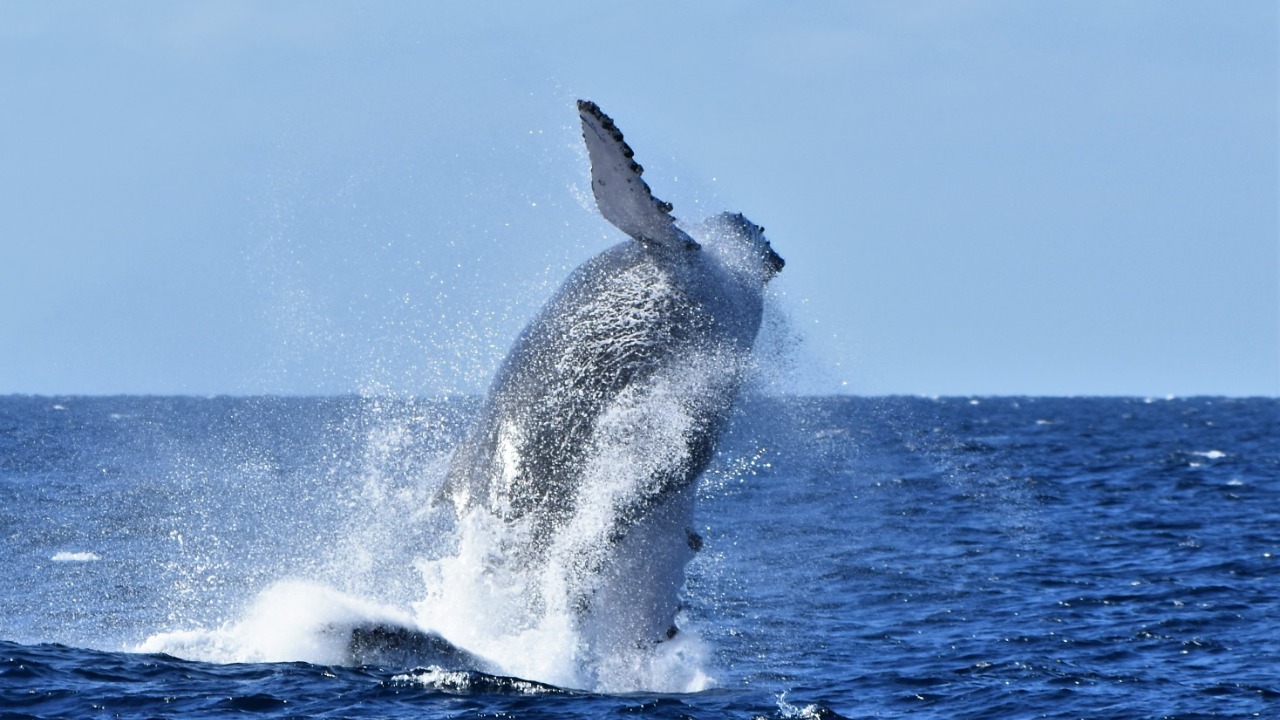
Humpbacks fell from around 125,000 animals to a mere 1,200 by 1966, according to the coalition’s success stories, after commercial whaling stripped the oceans of them.
They now number more than 21,000, roughly seventeen times the low point, though still well below the original total. Protection from hunting did the heavy lifting, and the species has gained roughly 20,000 animals since the 1960s. The whales that breach and sing off American coasts today are the visible payoff.
9. Green sea turtle: Fewer Than Fifty Nesters
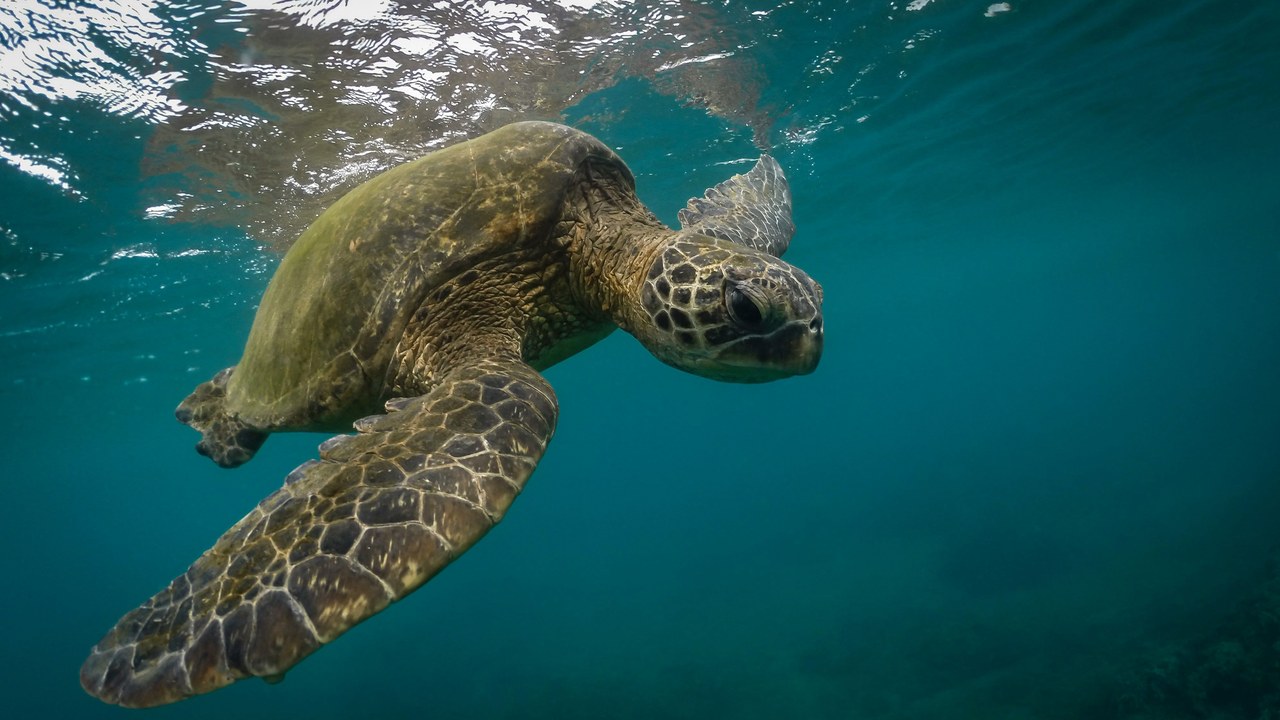
Fewer than fifty nesting green turtles were documented at Florida’s Archie Carr refuge in 1990, a figure the Endangered Species Coalition list contrasts with 2013.
That year brought more than 10,000 nests at the same beach, a rise of over two hundredfold. Protected nesting sites and limits on harvest drove the gain. The refuge now stands as proof that long-lived sea turtles can respond once the worst threats ease. Nest counts are a practical yardstick, because they track the breeding females that drive recovery.
10. Florida manatee: Climbing Past Six Thousand
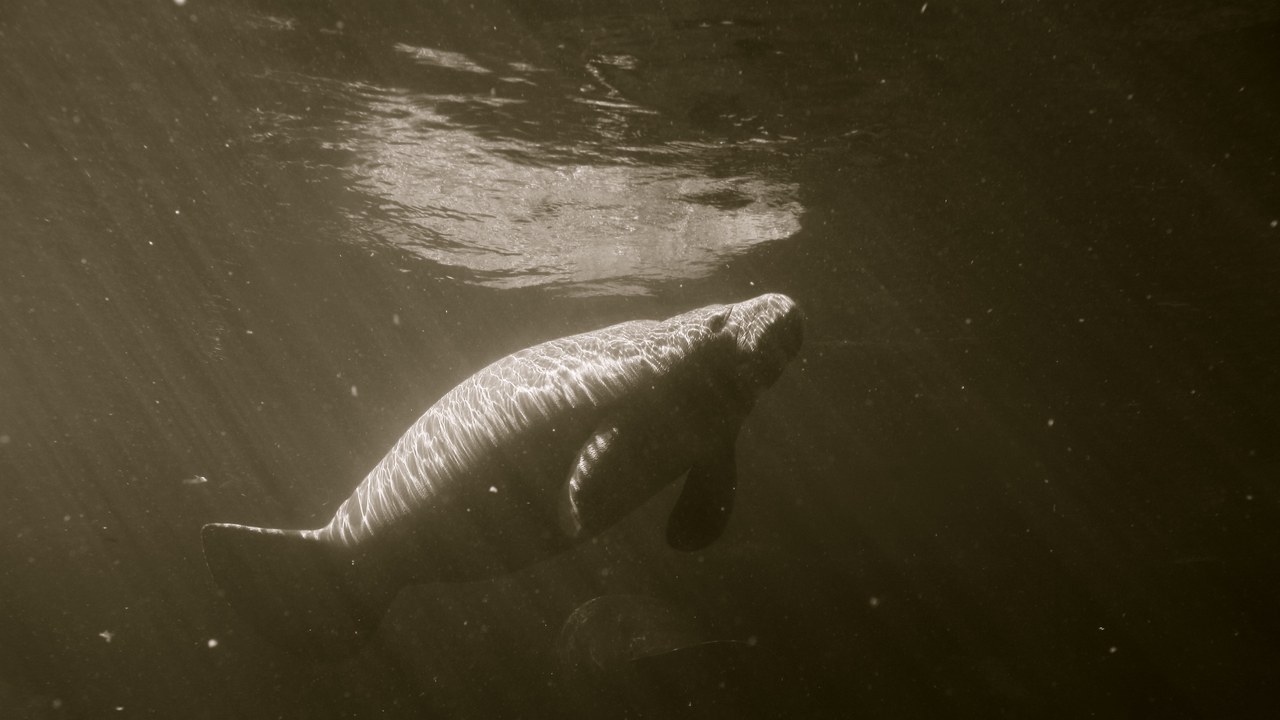
Florida manatees dropped to fewer than 1,300 animals, and Sierra magazine’s feature says they have climbed back to over 6,000.
That is a gain of nearly five times the low point, achieved while the species stayed on the protected list. Safeguards for the animals and their warm-water habitat helped reverse the slide, though the recovery still depends on keeping those protections in place and the waters they use healthy for the long term, since a small remaining population can still be vulnerable to sudden losses.
11. Brown pelican: Up Sevenfold Since The Eighties
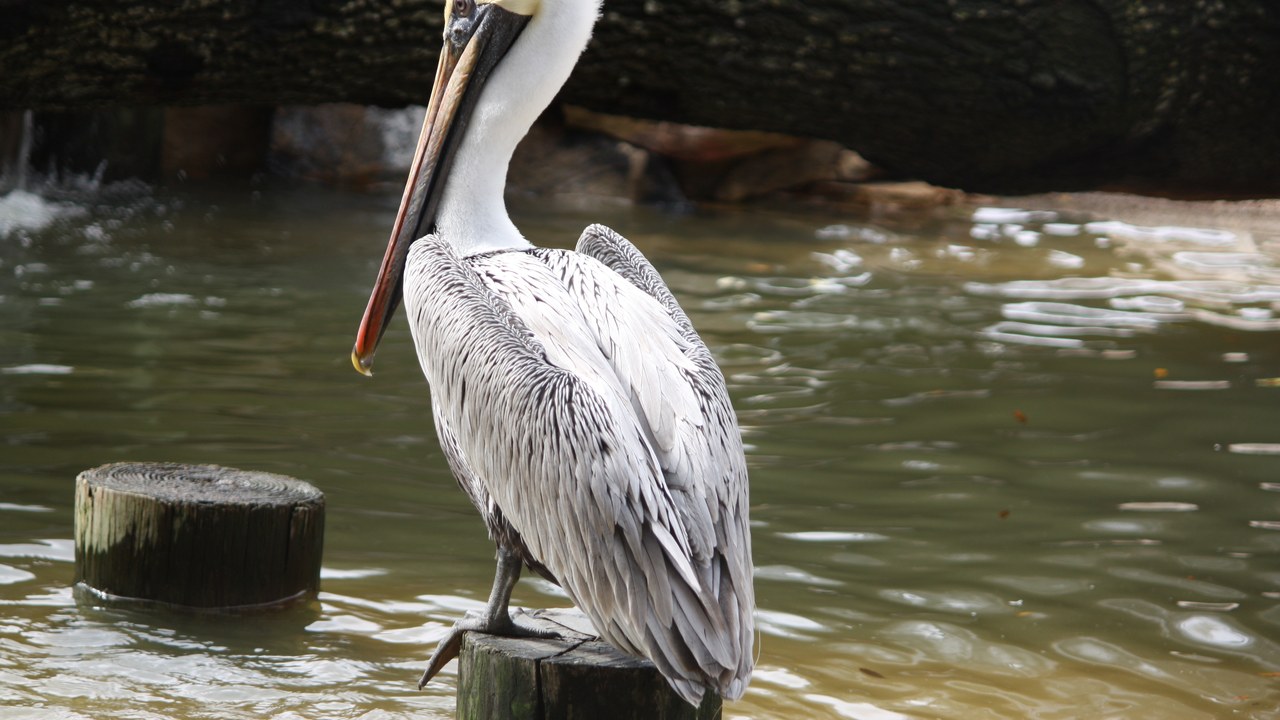
Brown pelican numbers are up sevenfold since the 1980s, with several hundred thousand now patrolling US coasts, according to the Sierra feature reports.
The seabird’s comeback is easy to spot on piers and jetties, where the large, bill-heavy birds have become a familiar sight again. A sevenfold rise in a few decades shows how quickly a coastal species can recover once the pressures that drove its decline are addressed, and several hundred thousand birds now share US coastlines with people who once rarely saw them.
12. California condor: Six Wild Birds In 1985
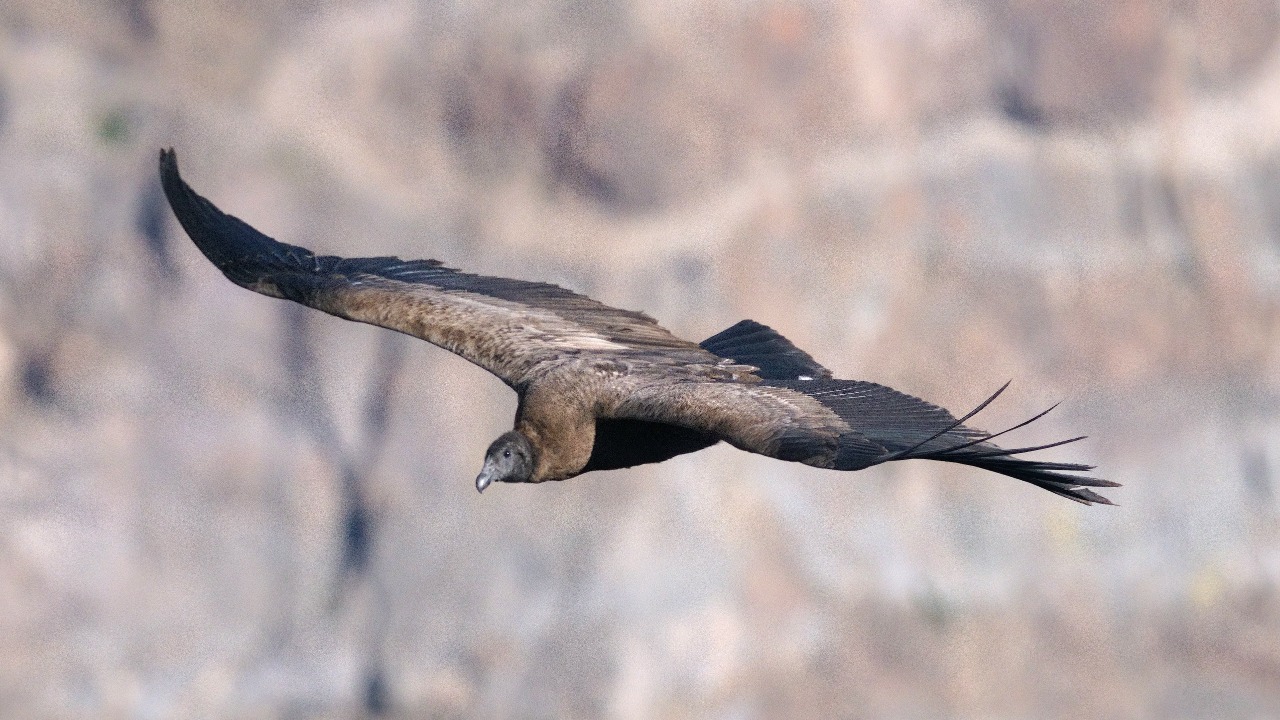
Only six wild condors were left in 1985, and the Sierra magazine report says captive breeding has since produced over 1,000 chicks.
Several hundred now live free. The rescue relied on gathering the last birds into breeding programs, a step that took the count from six wild birds to a flock numbering in the hundreds, and the flock remains a closely watched recovery rather than a finished one. Over 1,000 captive-bred chicks is a remarkable total for a species that came so close to vanishing.
AI, explained every day: Get The Deep View →
We may earn a commission if you sign up.
More from Morning Overview
- The FBI told the rest of ShinyHunters to surrender after a 24-year-old was arrested
- Two passengers died at an Ohio toll plaza, and the NTSB now wants the cash lanes shut
- Long use of a common prostate pill is tied to a higher chance of glaucoma
- Ford is recalling 223,472 F-150 pickups because the fuel tank can leak or detach
