
Automakers have spent the last decade quietly killing off the manual gearbox, chasing efficiency numbers that clutch pedals rarely help. A handful of manufacturers kept building for drivers who still want to work the shifter themselves, spread across hot hatches, sports coupes, and even a few performance sedans. Here are nine cars that still let a buyer row their own gears in 2026.
1. Toyota GR Corolla: Stick-Only By Design
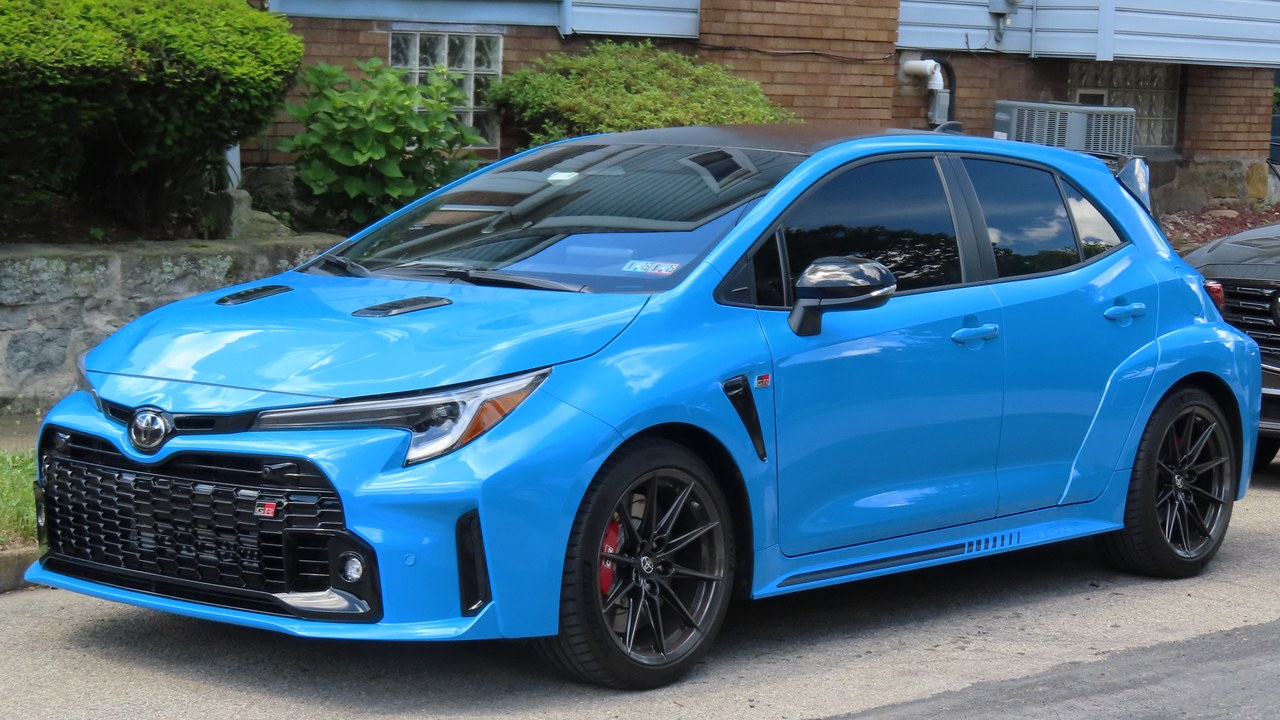
The GR Corolla arrived as Toyota’s answer to a shrinking hot-hatch class, and the company built it without an automatic option at launch. Every version pairs a turbocharged three-cylinder engine with a six-speed manual transmission and a driver-selectable all-wheel-drive system, a pairing detailed in the Toyota GR Corolla record. The layout keeps the shift lever central to how the car behaves rather than treating it as an afterthought option box.
That decision runs against a broader industry trend of dropping manuals to simplify production lines and cut costs. Toyota’s engineering team built the GR Corolla around enthusiast feedback, wagering that a loyal buyer base still values three pedals over faster paddle-shift lap times.
2. Mazda MX-5: The Purist’s Roadster
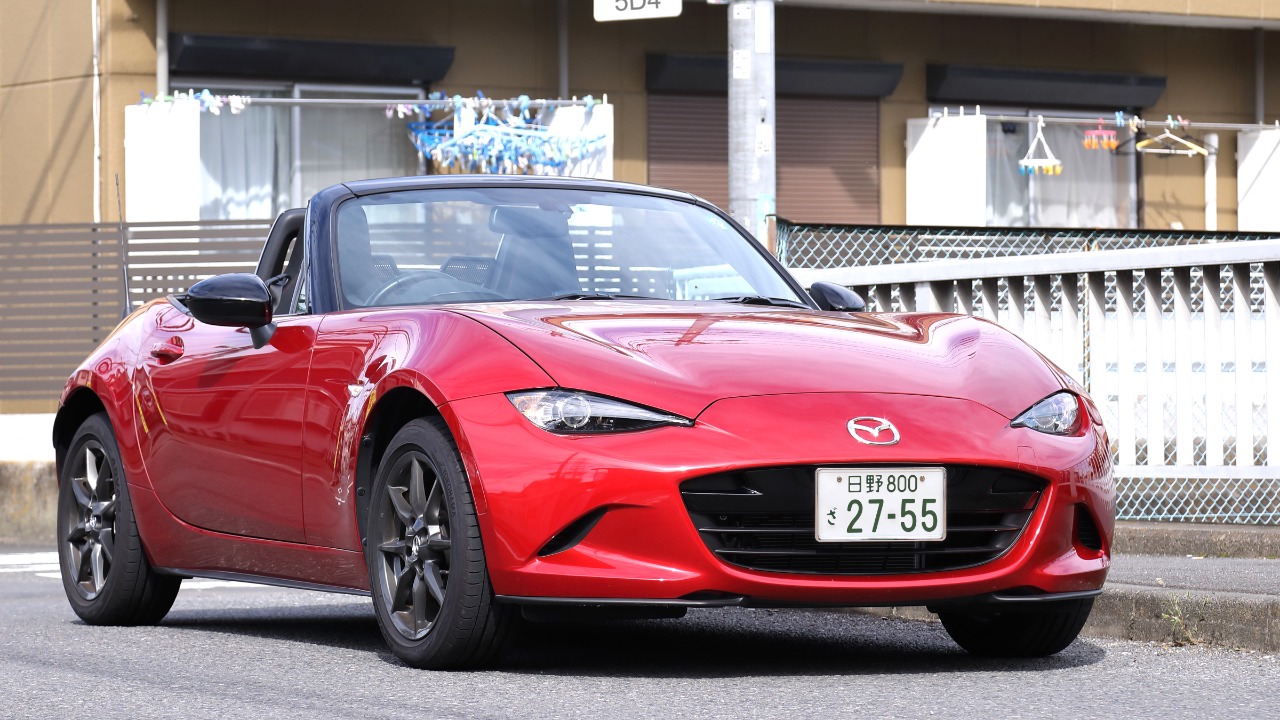
Mazda has never offered the MX-5 without a manual option in North America, and the current generation keeps a six-speed short-throw shifter as the car’s defining feature. The lightweight two-seat roadster pairs that gearbox with a naturally aspirated four-cylinder engine, a formula the Mazda MX-5 lineage has carried since its first generation. Low curb weight lets the engine feel quicker than its output figures suggest, and the shifter throws are short enough that gear changes happen almost without thinking.
Mazda’s engineers have repeatedly said the manual is central to the car’s identity, not a trim-level afterthought. Enthusiast publications have long treated the MX-5’s shifter feel as a benchmark other automakers try to match rather than exceed.
3. Subaru BRZ: Built Around The Shift
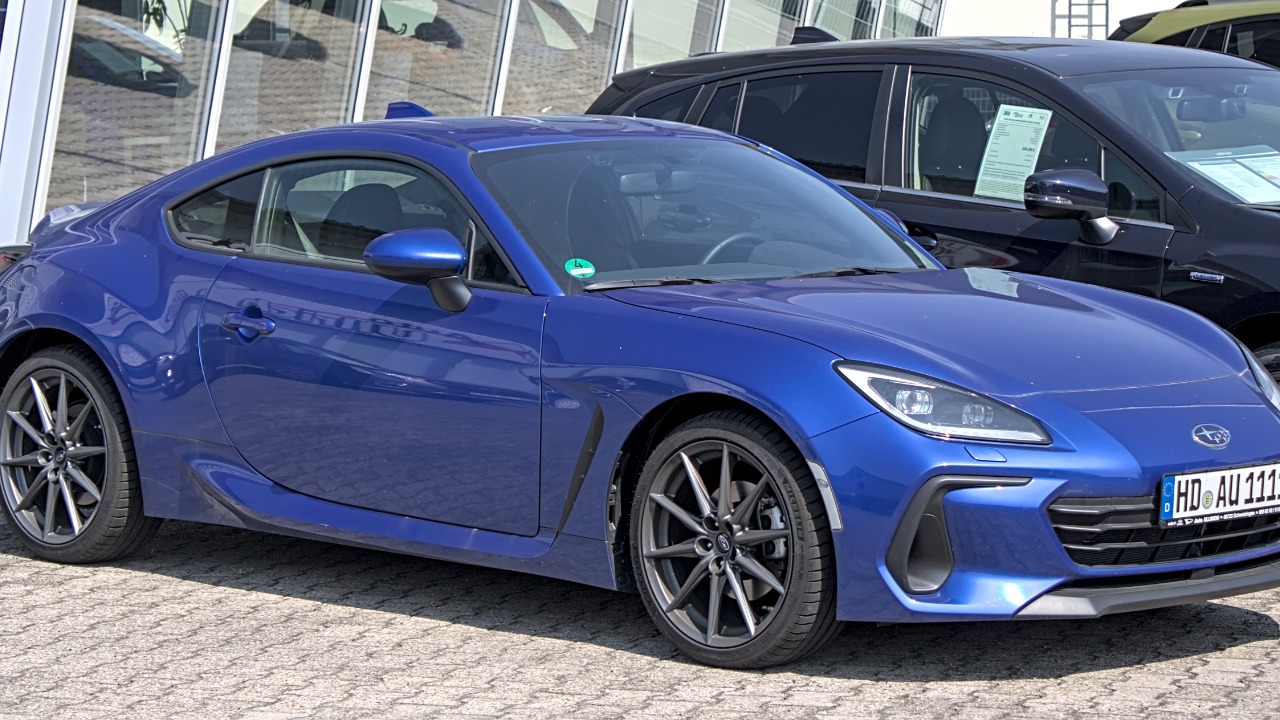
Subaru co-developed the BRZ with Toyota specifically to give driving enthusiasts a lightweight, rear-drive coupe built around driver engagement rather than outright horsepower. A six-speed manual transmission remains standard on most trims, sending power from a horizontally opposed engine described in the Subaru BRZ platform overview. The car’s low center of gravity, a byproduct of that flat engine layout, is part of why reviewers keep comparing it to costlier sports cars.
The BRZ’s low base price makes it one of the more accessible ways to get a modern manual sports coupe. Subaru has kept the formula largely unchanged across generations rather than chasing bigger engines or added weight.
4. Toyota 86: GR86 Keeps It Alive
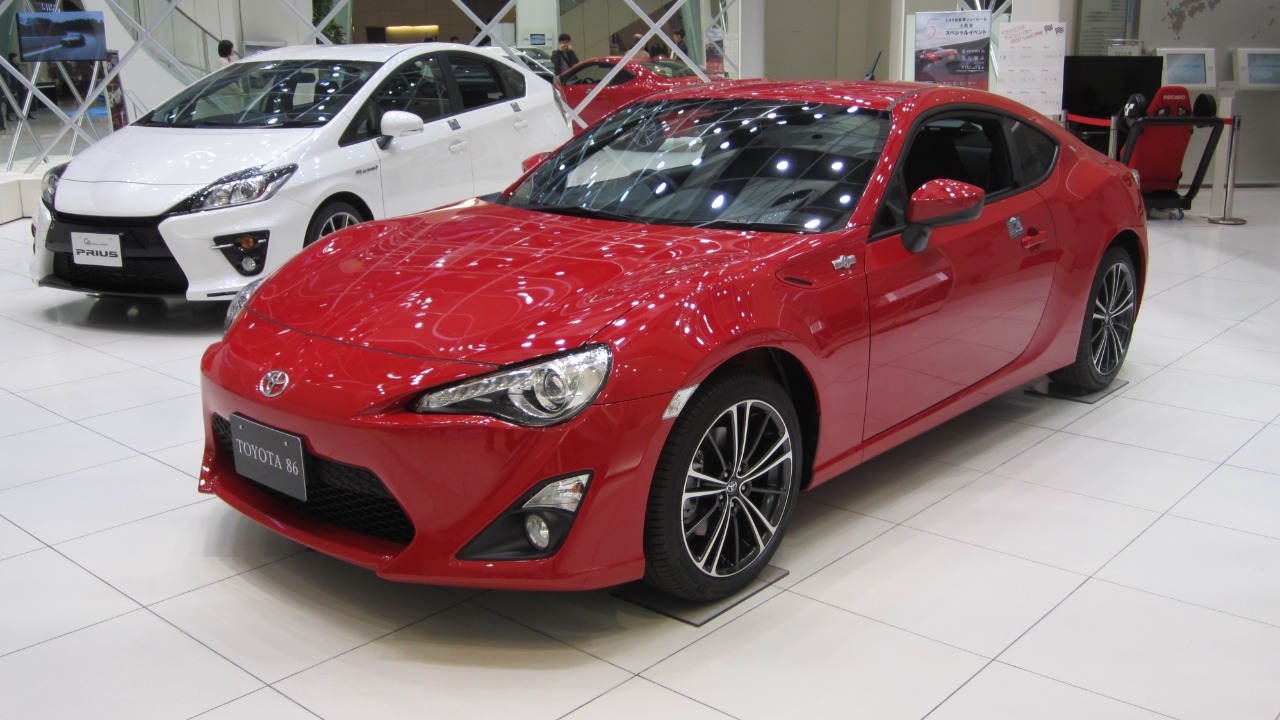
Toyota’s 86 became the GR86 in its second generation, but the three-pedal layout carried over unchanged as the car’s signature configuration. It shares its platform and manual gearbox with the Subaru BRZ, a relationship documented in the Toyota 86 history. Toyota’s Gazoo Racing division oversaw the GR86’s development, positioning it as an entry point into the brand’s performance lineup rather than a standalone economy coupe.
Because the GR86 splits engineering costs with Subaru, Toyota has been able to keep the manual version in production without the volume a solo model would need to justify it. That shared platform is part of why the car has survived where other affordable coupes have not.
5. Honda Civic Type R: A Front-Drive Benchmark
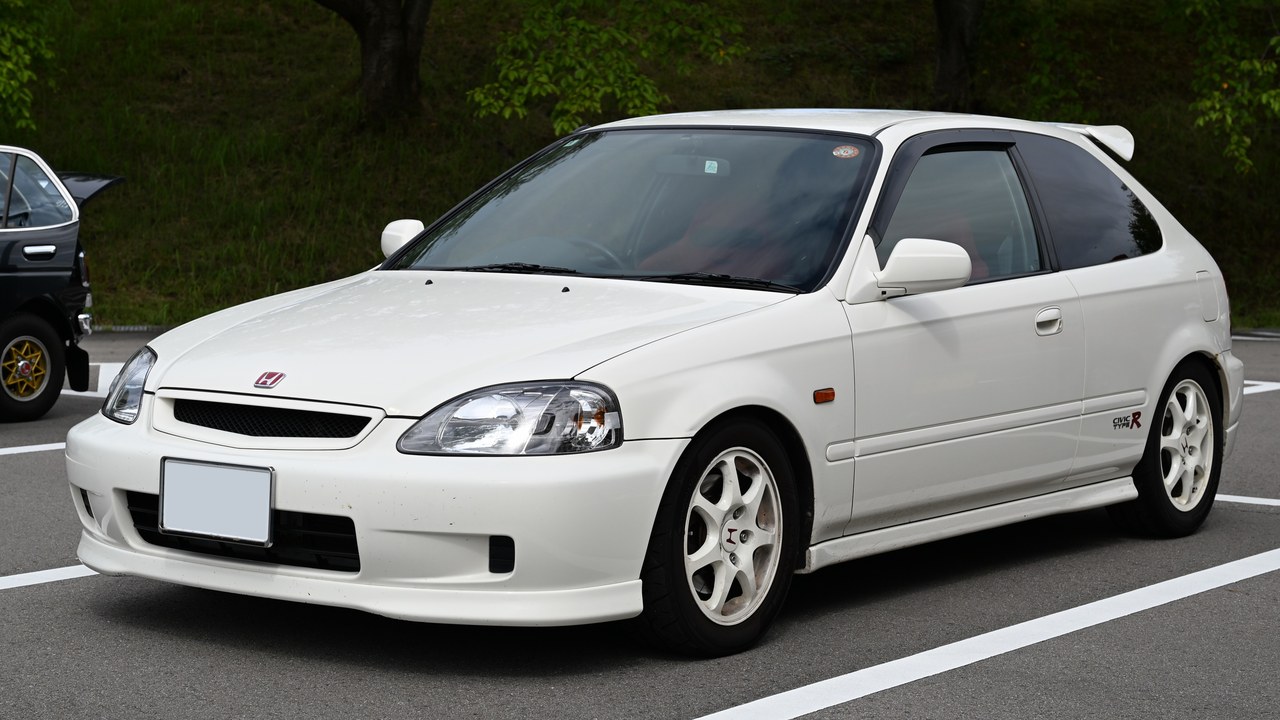
Honda builds the Civic Type R exclusively with a six-speed manual transmission, offering no automatic or dual-clutch alternative in any market. The hot hatch pairs that gearbox with a turbocharged engine and a helical limited-slip differential, a combination the Honda Civic Type R engineering record traces through multiple generations. Automotive reviewers have repeatedly singled out its shift action as among the best available in a front-wheel-drive performance car.
Honda’s decision to skip an automatic entirely sets the Type R apart from most modern hot hatches, which increasingly default to dual-clutch gearboxes for faster shift times. The manual-only approach reflects the car’s positioning as a driver’s car built for a smaller, more committed buyer base.
6. Ford Mustang: The Last V8 Holdout
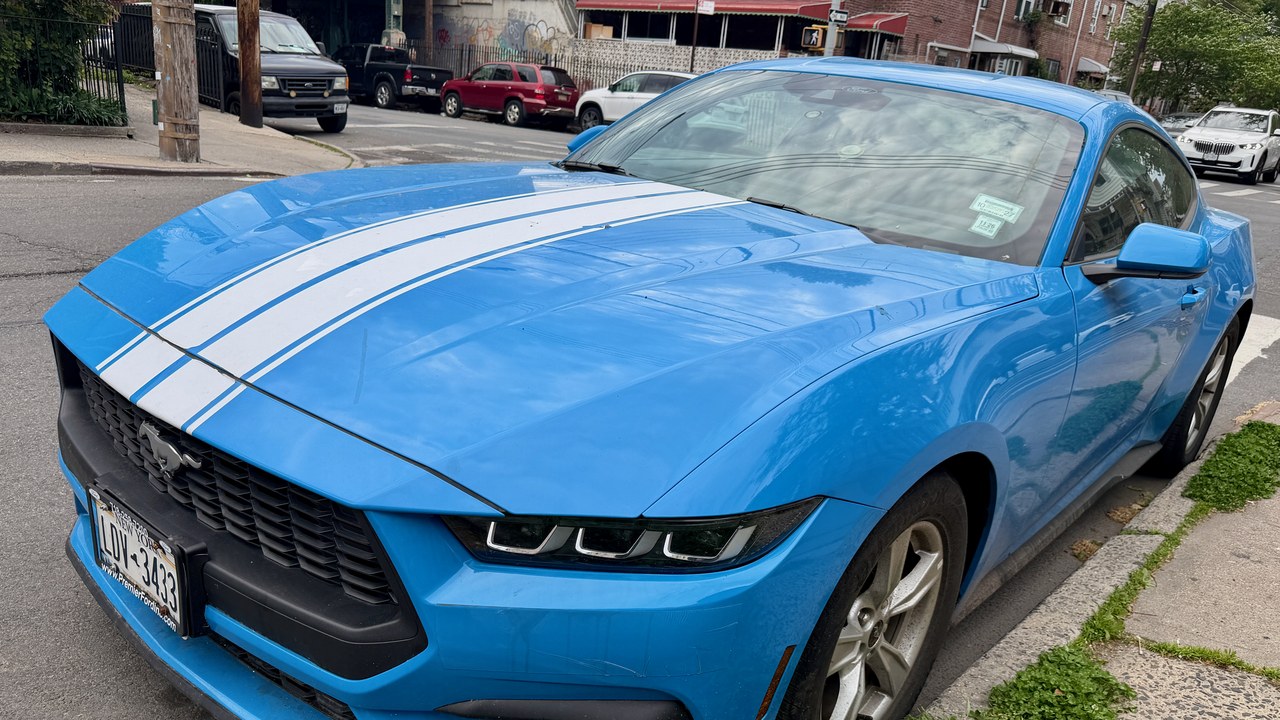
Ford still offers a manual transmission on V8-powered versions of the current, seventh-generation Mustang, a rarity among mainstream American performance cars. The GT trim pairs a naturally aspirated V8 with a six-speed manual gearbox, a configuration detailed in the Ford Mustang generation overview. Most rival muscle and pony cars have already dropped their manual options in favor of automatic-only lineups.
Ford’s continued investment in the manual gearbox reflects the Mustang’s long-standing identity as an affordable, driver-focused performance car rather than a straight-line drag machine. Keeping the option alive on a mainstream nameplate makes it one of the more accessible manual V8 cars still sold new.
7. Porsche 911: A Seven-Speed Survivor
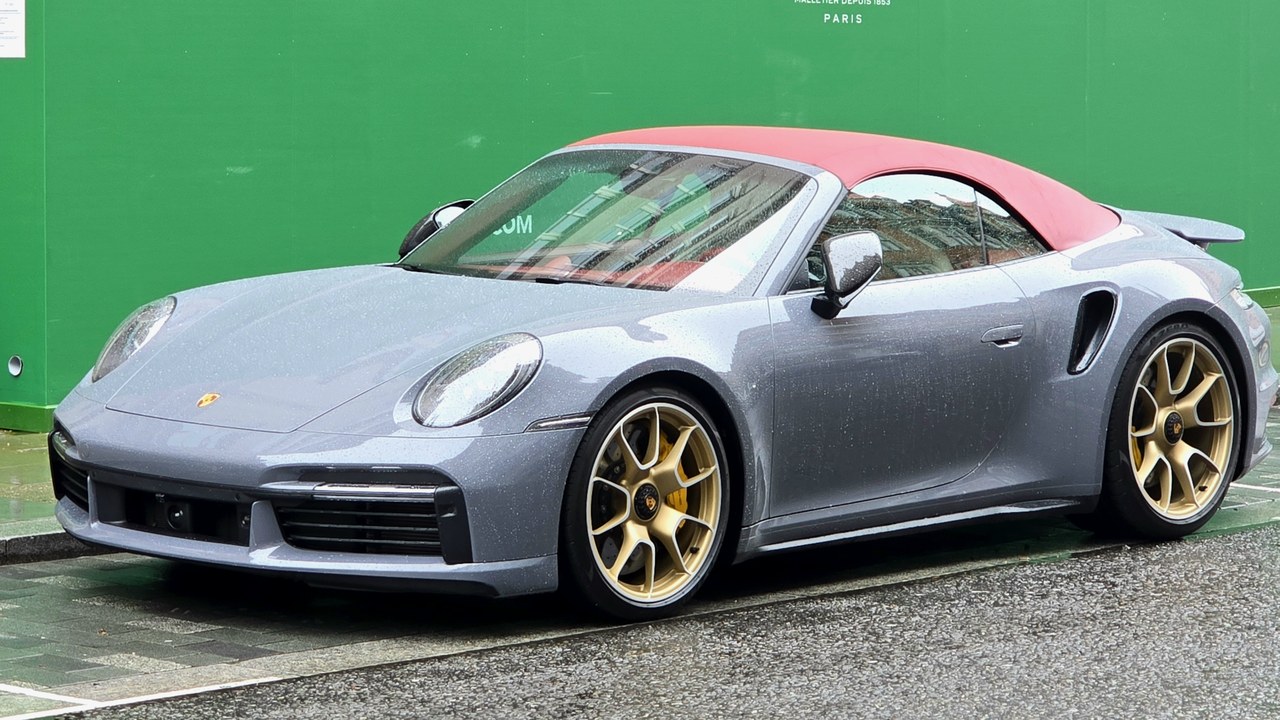
Porsche continues to offer a seven-speed manual transmission on select 911 trims, even as most versions of the car now come standard with a dual-clutch automatic. The manual is concentrated in purist-oriented trims built for drivers who prioritize engagement over lap times, a distinction outlined in the Porsche 911 model history. Porsche engineers have described the manual gearbox as a deliberate option rather than a legacy holdover.
Keeping a manual in the 911 lineup required extra engineering investment, since the option now serves a smaller share of buyers than it once did. Porsche’s willingness to keep funding it signals how much weight the brand places on its enthusiast reputation.
8. Cadillac CT4: A Sedan That Still Shifts
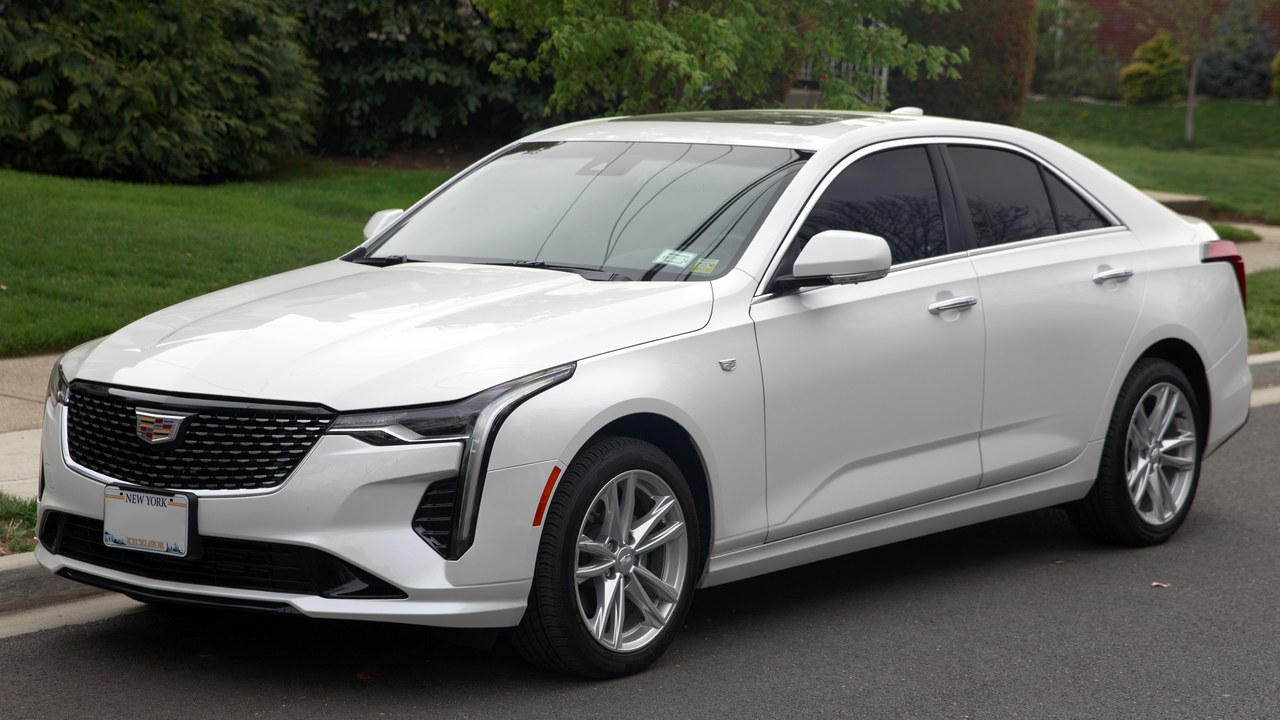
Cadillac builds the CT4-V Blackwing with a standard six-speed manual transmission, a rare choice in a modern sport sedan segment dominated by automatics. The Blackwing pairs that gearbox with a twin-turbocharged engine, a combination the Cadillac CT4 model record lists among its defining features. Few American luxury brands still offer a manual on any sedan, let alone one built for track use.
General Motors positioned the Blackwing as a halo model meant to prove Cadillac could still build a genuine driver’s car. Offering a manual gearbox on a four-door sedan set it apart from nearly every rival in its class.
9. Volkswagen Golf: The Hot Hatch Standard
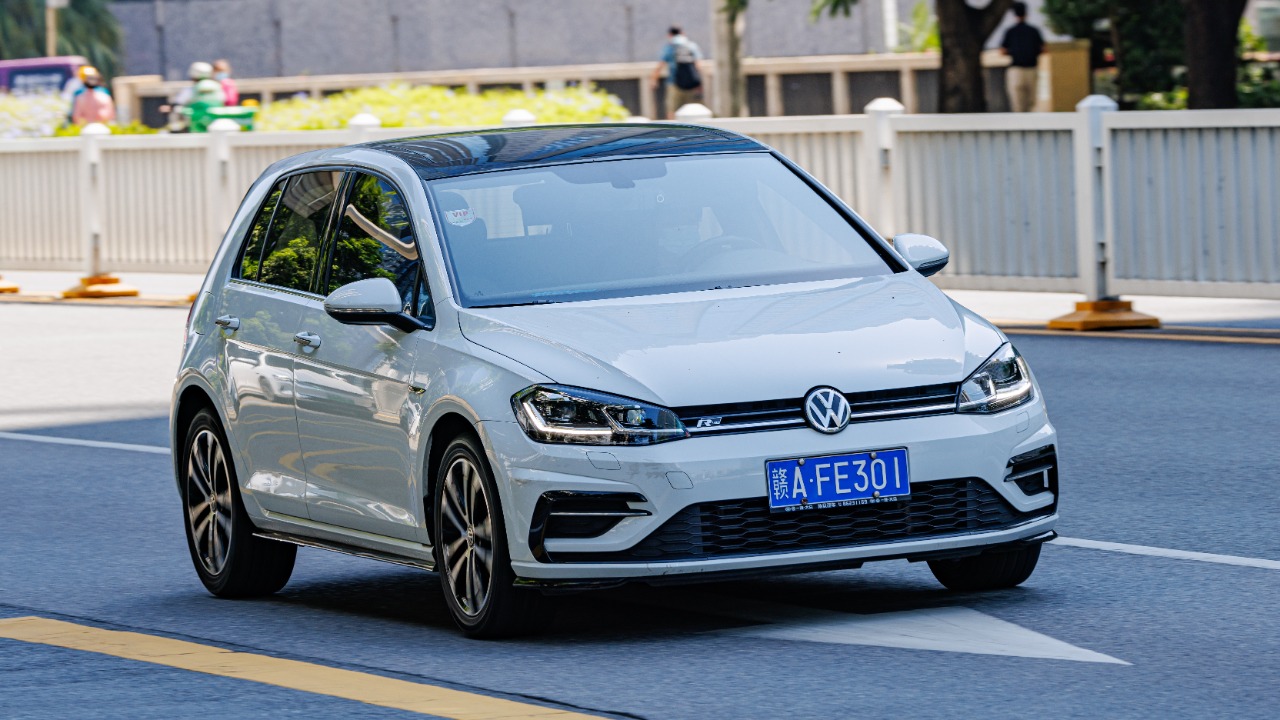
Volkswagen has kept a manual transmission available on the GTI trim of the Golf across multiple generations, even as automatic-equipped versions have become the default seller. The hot hatch pairs its manual gearbox with a turbocharged four-cylinder engine, a configuration traced through the Volkswagen Golf model history. The GTI’s shifter has long been considered a benchmark against which other compact hot hatches are measured.
Volkswagen’s continued support for a manual GTI keeps the model connected to its origins as an accessible, driver-focused hatchback. That history is part of why the nameplate remains a reference point for the entire hot-hatch category.
More from Morning Overview
