
Saab spent decades selling an unconventional Swedish idea of the car to American drivers, from small two-strokes to turbocharged flagships and a late crossover. The story runs from the first models of the 1950s to a final vehicle assembled in Mexico under General Motors. Here are twelve models that carried the brand through the American market.
The tech news worth your time: 400,000+ professionals from Google, Apple and OpenAI read Techpresso, a daily email with the most interesting tech news and insights.
We may earn a commission if you sign up.
1. Saab 92: The First Saab

Production of the first Saab car began on December 12, 1949 in Trollhattan. Every model that later reached American showrooms traces its lineage to this small sedan.
It was never a major American import, but it set the starting point for everything the company built afterward. Collectors treat it as the origin of the whole Saab story, which is why this gallery begins here. Its rounded shape reflected the company’s aircraft heritage, a theme the brand kept returning to in later decades.
2. Saab 93: America’s First Saab
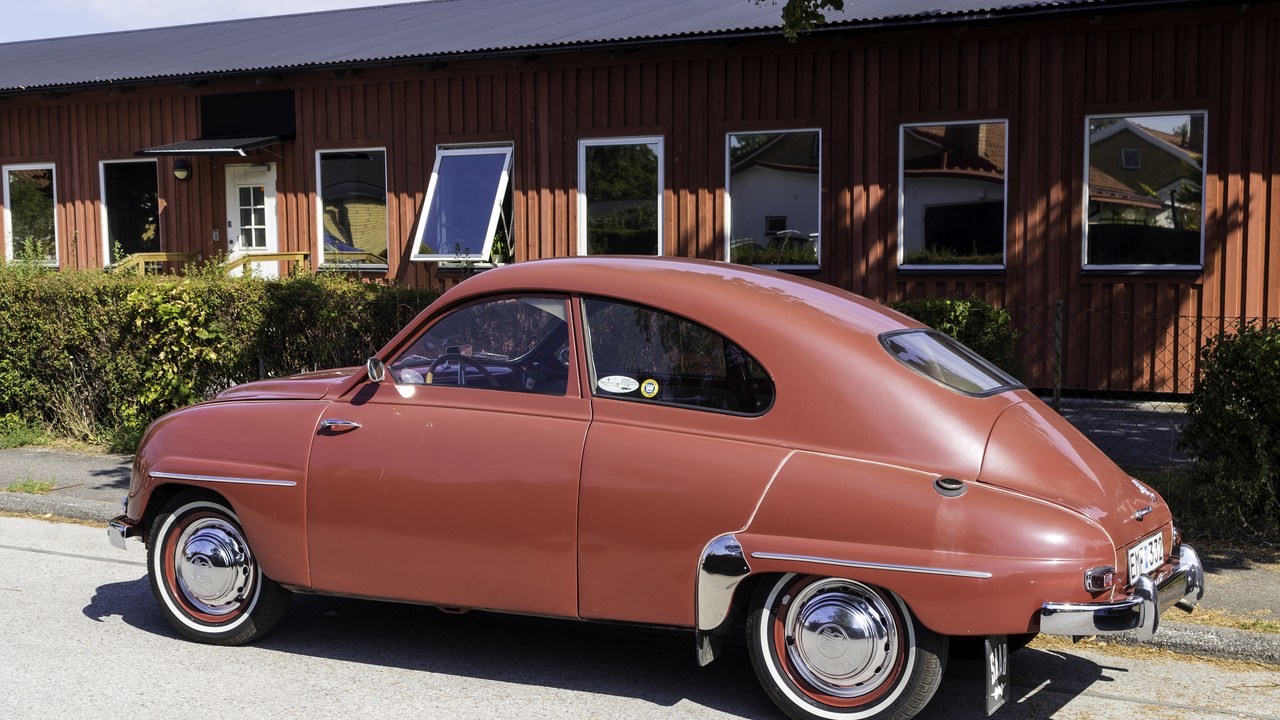
The 1956-60 model introduced Saab to America, powered by a 748cc engine making 33 hp. Few American buyers of the period had seen anything quite like it.
The output was modest even by the standards of small imports. For readers following the brand’s history in the US, this is the car where it began, and survivors are valued as that first foothold. Cars like this explain why the brand attracted a devoted, if small, circle of American owners who valued individuality over mass appeal.
3. Saab 96: Rally-Bred Workhorse
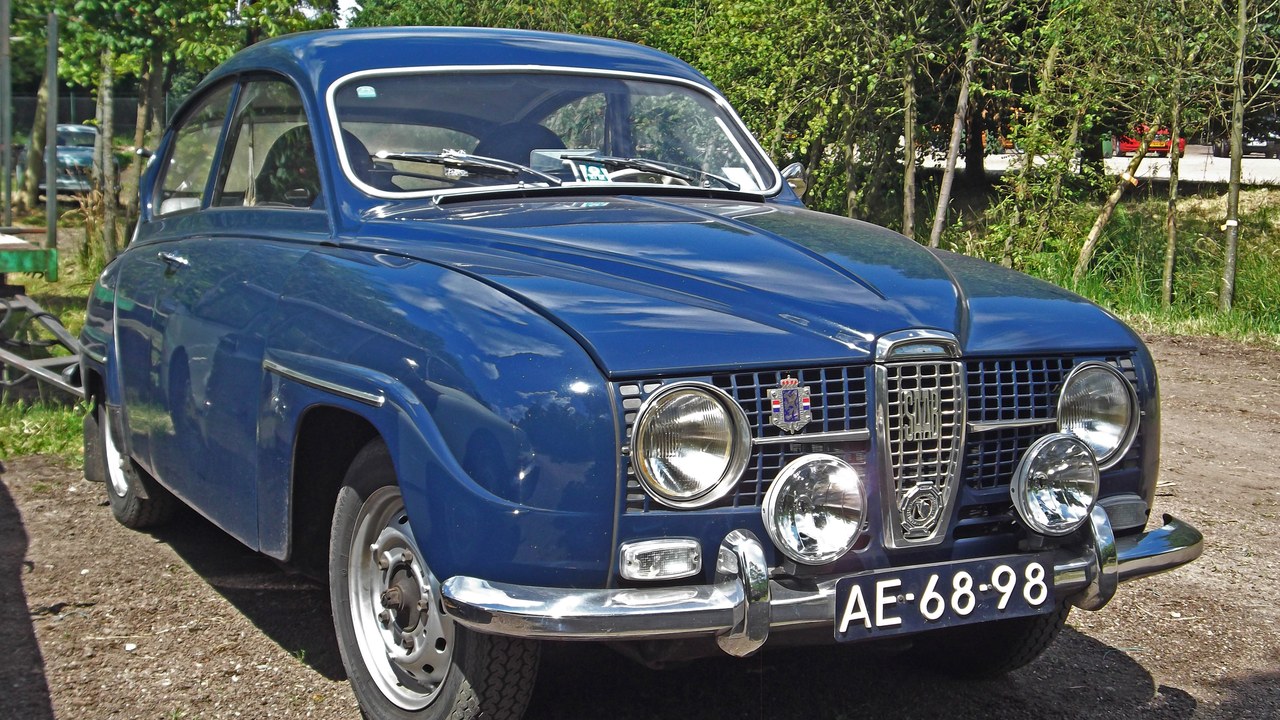
The Saab 96 arrived in 1960 alongside the 95 estate. In 1967 it received a 65-hp 1.5-liter V4 engine, a notable change for a model that stayed on sale for years.
The 96 gave the lineup a long-running staple between the earliest cars and the turbo era. Anyone tracing the progression from quirky beginnings to modern Saabs will find it a useful middle chapter. Its sturdy reputation and distinctive character made it a favorite among drivers who wanted something different from Detroit’s offerings.
4. Saab Sonett: Rare Fiberglass Coupe
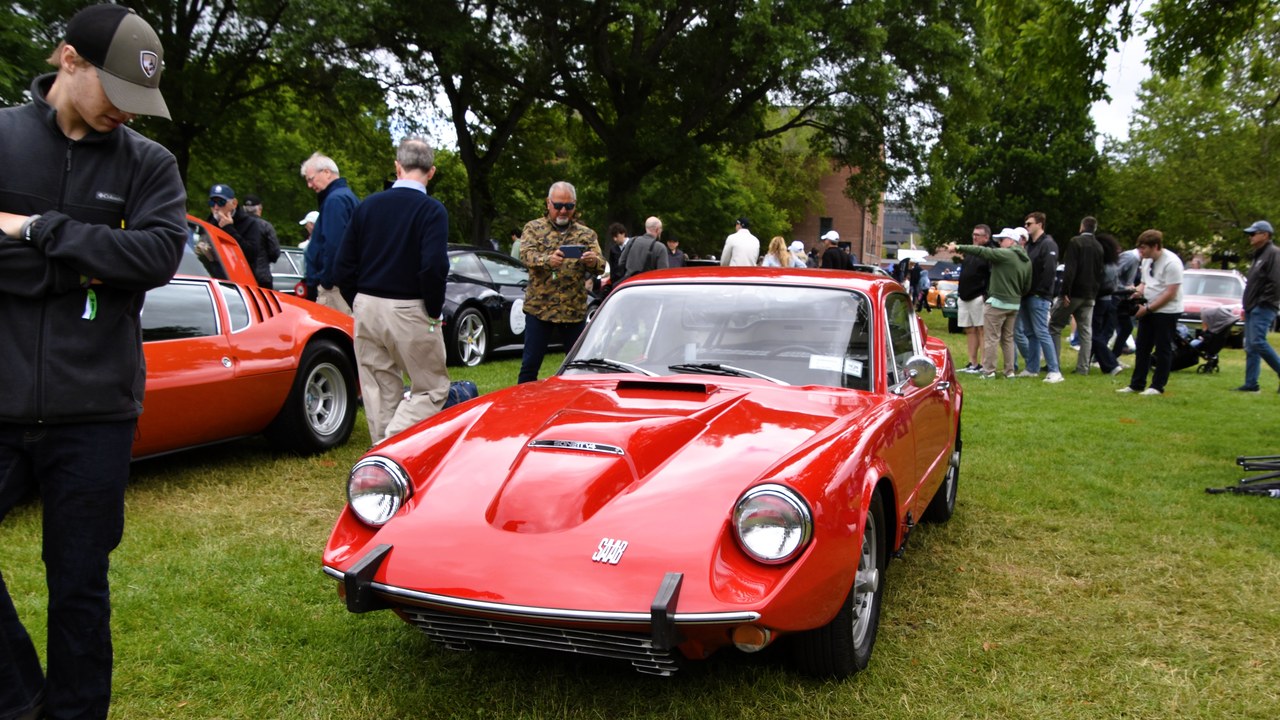
Production figures set the Sonett apart: only 10,236 Sonetts were made, and almost 82 percent were Sonett IIIs. The earlier versions are therefore much scarcer.
The Sonett was the sporty outlier in a range better known for sedans and wagons. Because the III dominates the totals, shoppers hunting for an earlier Sonett face a much smaller pool of cars. Its unusual construction and low production make it a conversation piece at any gathering of classic cars.
5. Saab 99 Turbo: First Turbo Saab
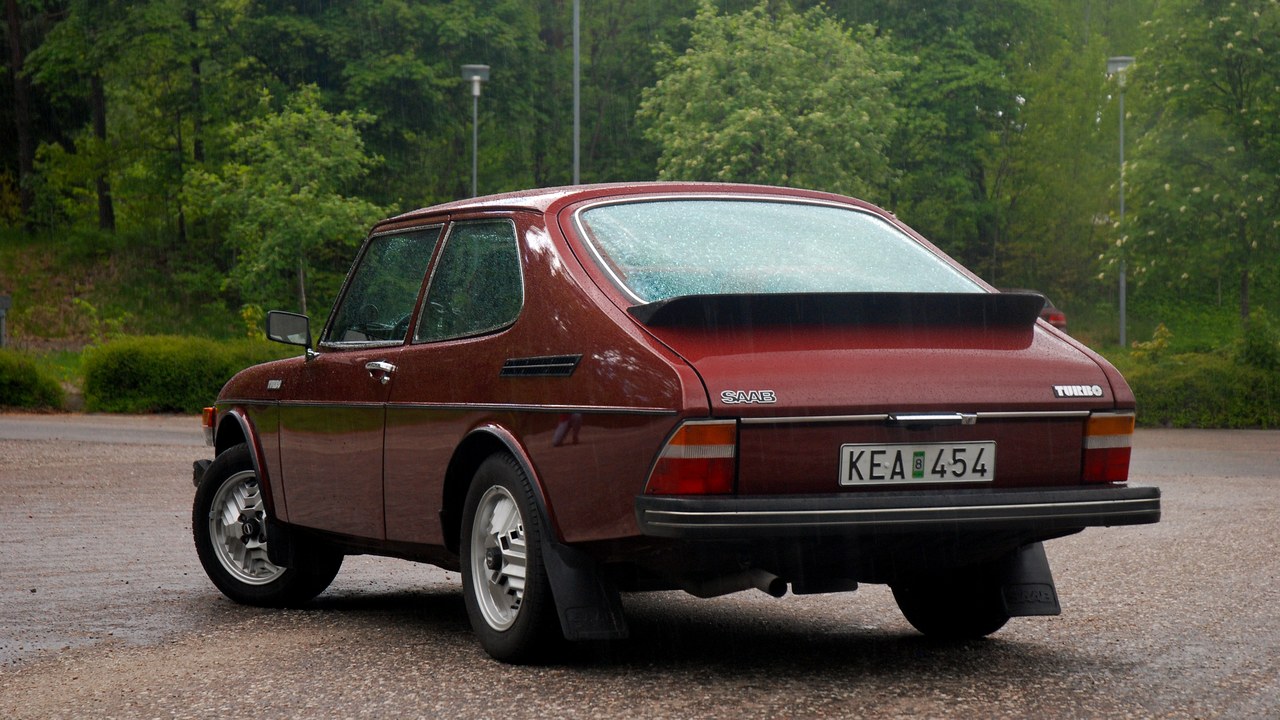
The 1978 99 Turbo carried Saab’s first turbo, a Garrett unit, and output rose to 135 hp. Forced induction became a defining trait of the marque from there.
Turbocharging let a compact car gain pace without a larger engine. It is the model most often credited with starting the turbo reputation that buyers still connect with the brand. That mix of practicality and boost is the reason the turbo badge still carries weight among enthusiasts of the marque.
6. Saab 900 Turbo 16 Aero (SPG): SPG for America
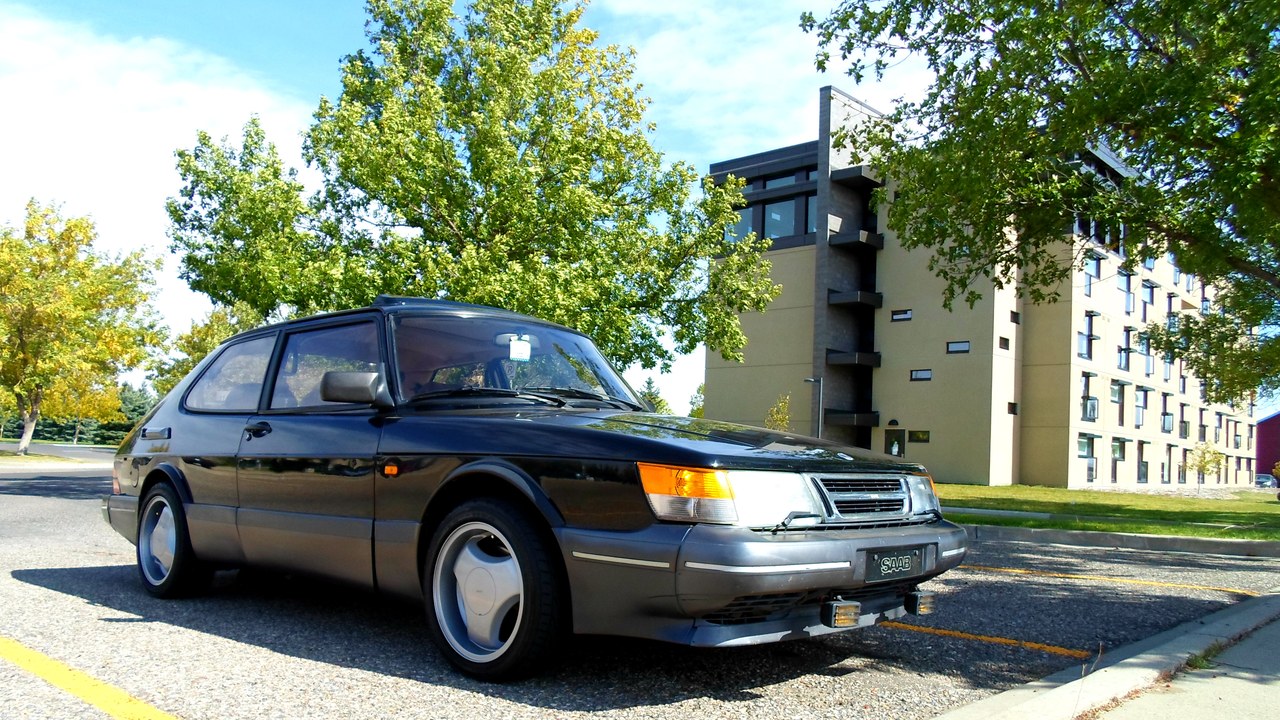
The 16-valve turbo came in 1984 and was sold in the US as the SPG. It paired the 900 body with a more advanced engine.
In America the SPG name marked the top performance version of the classic 900. Enthusiasts rank it among the high points of the range, and tidy examples tend to attract steady interest. Its balance of everyday usability and brisk performance helped cement the 900 as the brand’s best-known design.
7. Saab 900 Convertible: Open-Air Saab
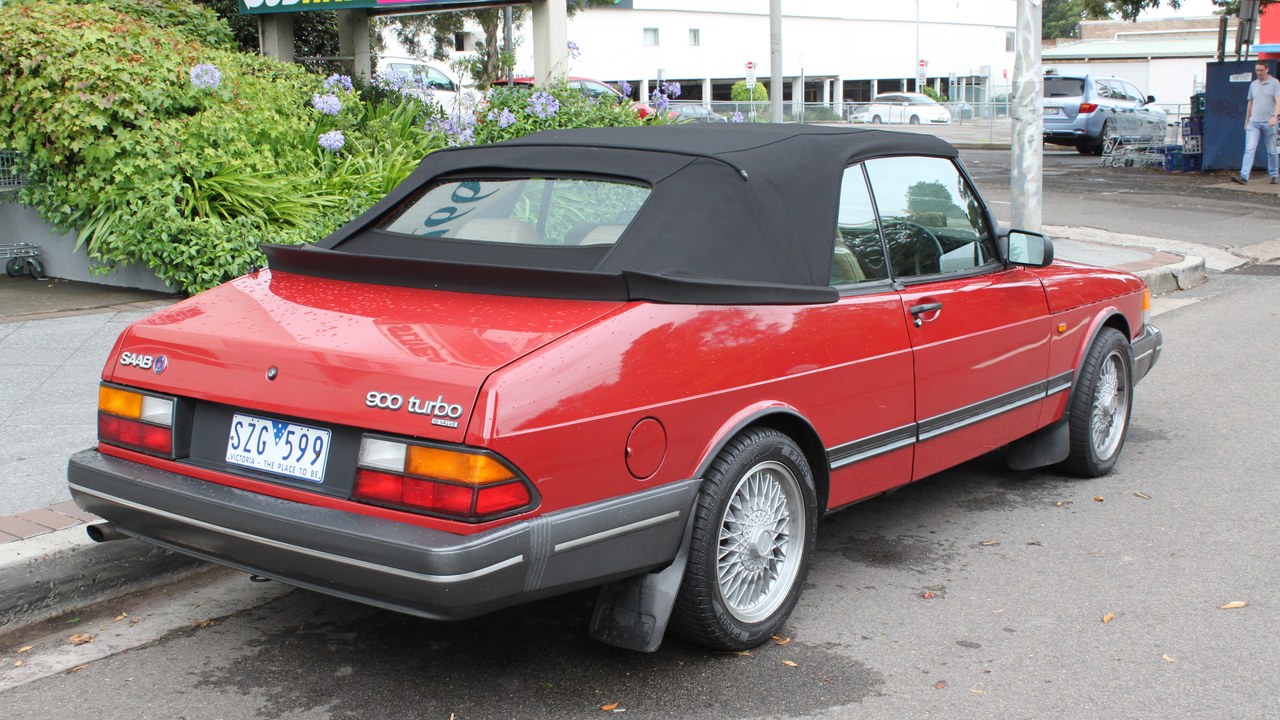
Added in 1986, the 900 Convertible was all built in Finland and made up nearly 20 percent of 900 sales. That is a large share for a niche body style.
The soft top gave the brand a lifestyle image sedans could not, especially in warm American markets. It remains one of the most recognized Saabs of its era. It also shows how a single body style could reshape how a brand was perceived by buyers well beyond its traditional base.
8. Saab 9000: The Big Hatchback
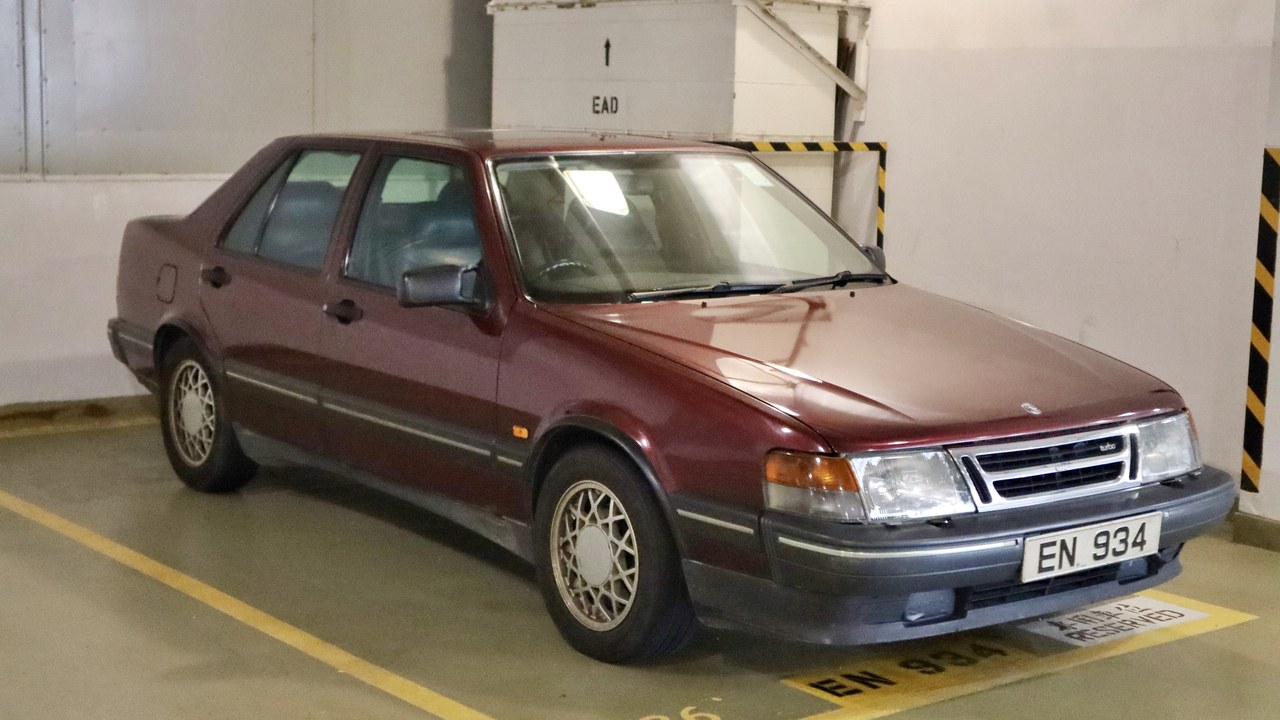
The 9000 was introduced in 1985, and the last one was built in May 1998. That is a production run of well over a decade.
As the larger flagship of its time, the 9000 built a loyal following. Its long life helps explain why so many remain in circulation for people who want a roomy, practical classic. Hatchback versatility combined with the brand’s safety and turbo reputation made it a distinctive alternative to conventional sedans.
9. Saab 9-3: Second-Generation Turn
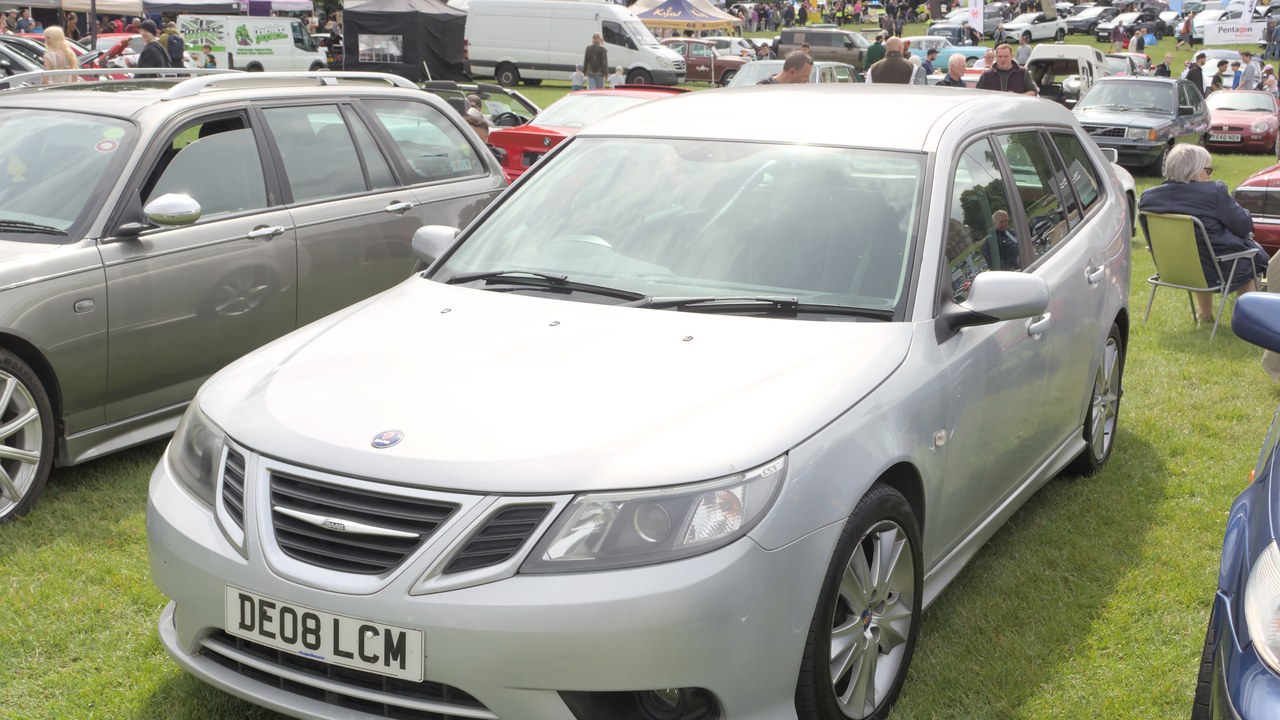
The second-generation 9-3 launched in summer 2002, and a convertible followed in 2004. It refreshed the brand’s mid-size offering for a new decade.
For many American owners this generation represents Saab in its late form. Used examples are still a familiar sight and a common entry point to the brand. It represents the point when the brand was working within a larger corporate structure, a context that shaped later models.
10. Saab 9-5: The 9000 Replacement
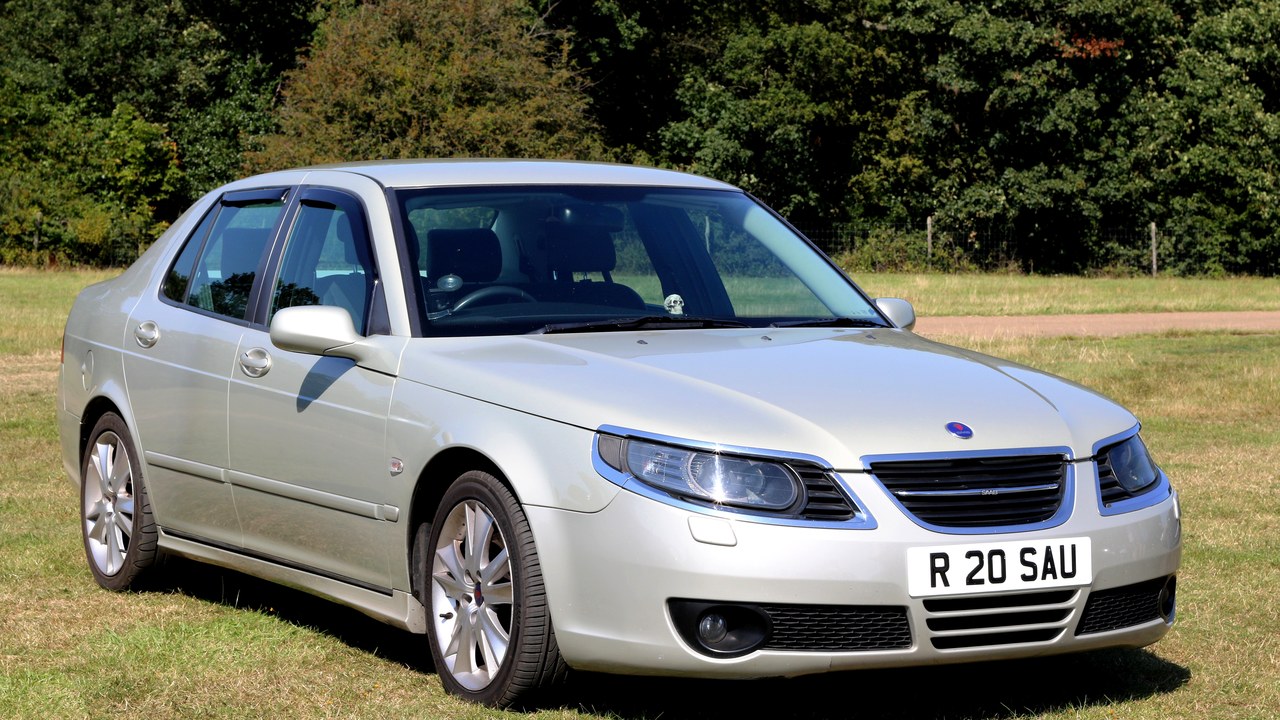
The 9-5 launched in 1997 to replace the 9000, and a wagon followed in 1999. It carried the flagship role into the new century.
The added body style widened its appeal to families wanting practicality alongside turbo performance. It remains an accessible used choice for anyone interested in the marque. That combination of cargo space and comfortable highway manners suited long-distance American driving especially well, and the car gave loyal owners of the earlier flagship an obvious next step when it was time to upgrade.
11. Saab 9-7X: Saab Goes SUV
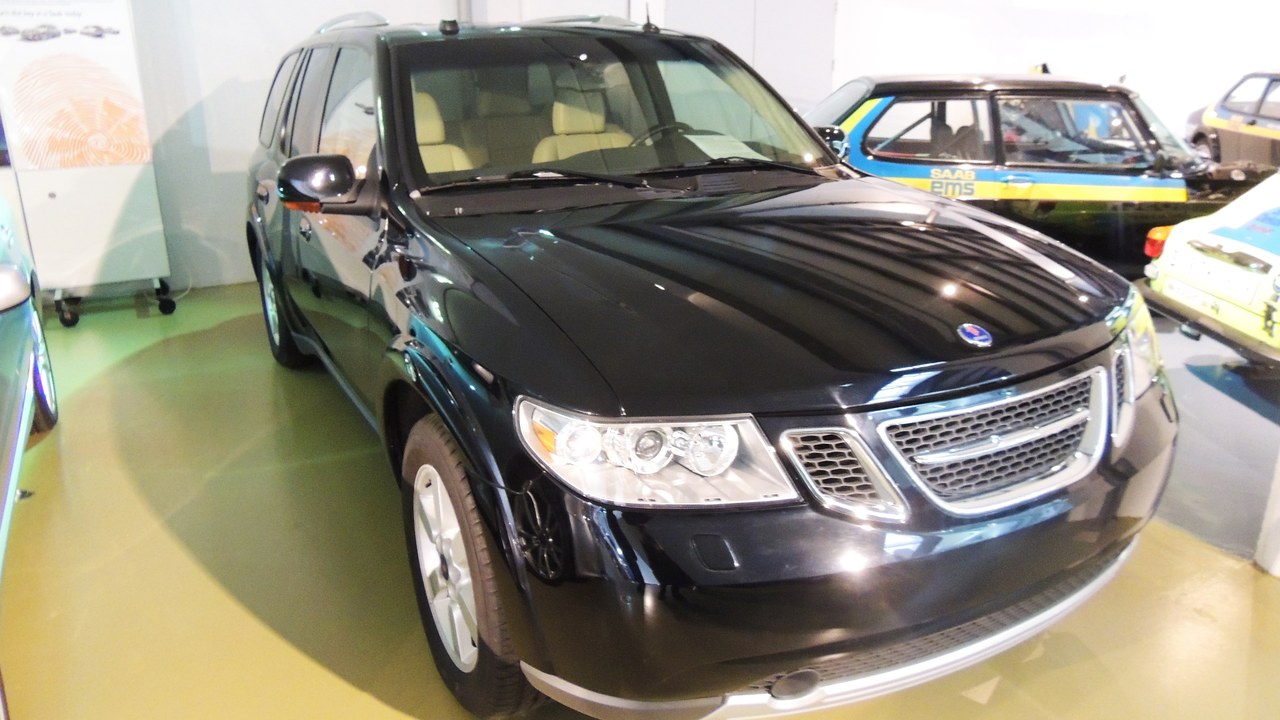
The 9-7X was Saab’s first SUV, introduced in the US in 2005 on the Chevrolet TrailBlazer. It broke clearly from the company’s traditional car lineup.
Because it shared a platform with a Chevrolet, purists often question its Saab credentials. Even so, it stands as the brand’s first attempt at a sport utility vehicle. Shared underpinnings are common in the industry, and the 9-7X is a clear example of how that approach reached Saab.
12. Saab 9-4X: Six Month Swan Song
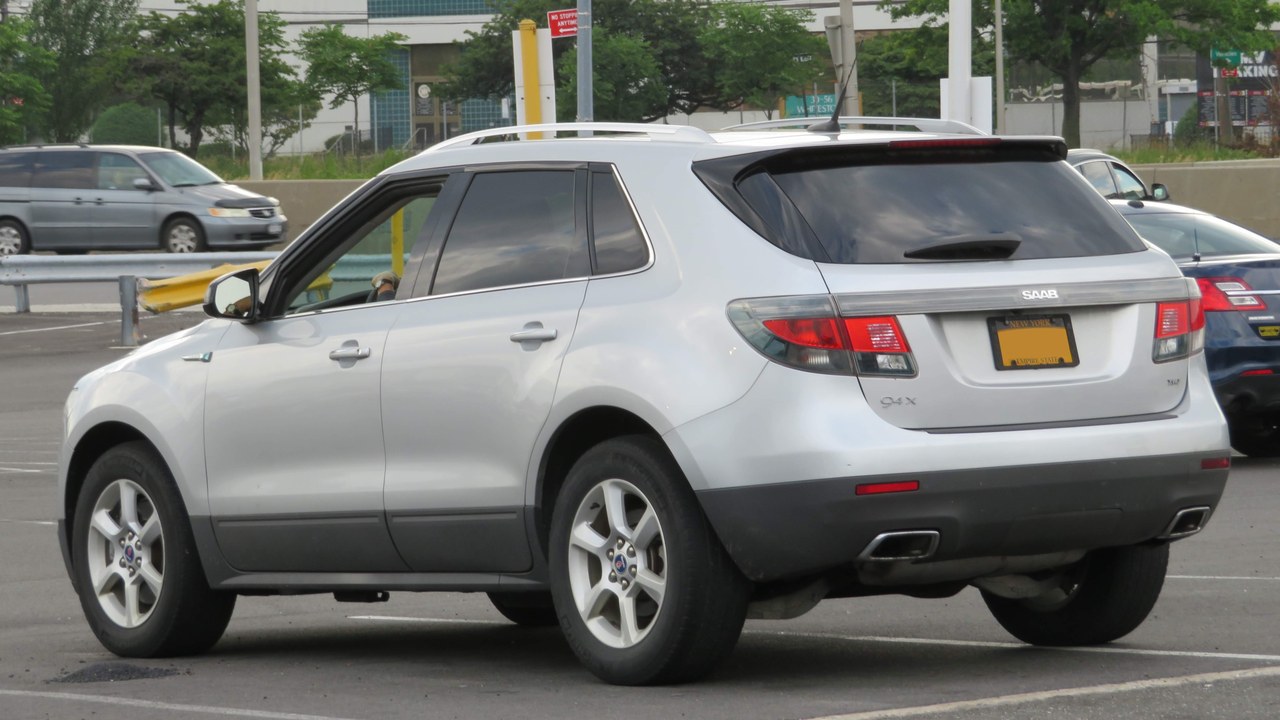
The 9-4X was built at GM’s Mexico plant from June to December 2011, before Saab filed for bankruptcy. Its production window was brief.
That short run makes the crossover a rarity and a symbol of how abruptly the company ended. Few owners can claim one, which adds to its curiosity value today. The car also illustrates how quickly a new model can be overtaken by events beyond the showroom floor.
The tech news worth your time: Subscribe to Techpresso →
We may earn a commission if you sign up.
More from Morning Overview
- Hybrids have 15% fewer problems than gas cars, while EVs and plug-in hybrids have about 80% more, Consumer Reports finds
- Regulators cleared the first U.S. small modular reactor, 4 months early
- Lake Powell sank to a record 3,517 feet, nearing the level that stops Glen Canyon Dam’s turbines
- Seven of Earth’s nine planetary boundaries are breached, and all seven are worsening
