
Between the 1930s and the 1950s, American railroads raced to replace heavy steam-era consists with sleek, named trains meant to win back passengers. Lightweight cars, new locomotives and bold styling turned ordinary routes into marketing events. Here are eight streamliners that defined that period and, in several cases, still echo in the passenger network today.
Tech news worth reading: Get Techpresso, the daily email with the most interesting tech news and insights, read by 400,000+ professionals from Google, Apple and OpenAI.
We may earn a commission if you sign up.
1. Pioneer Zephyr: Dawn to Dusk Dash
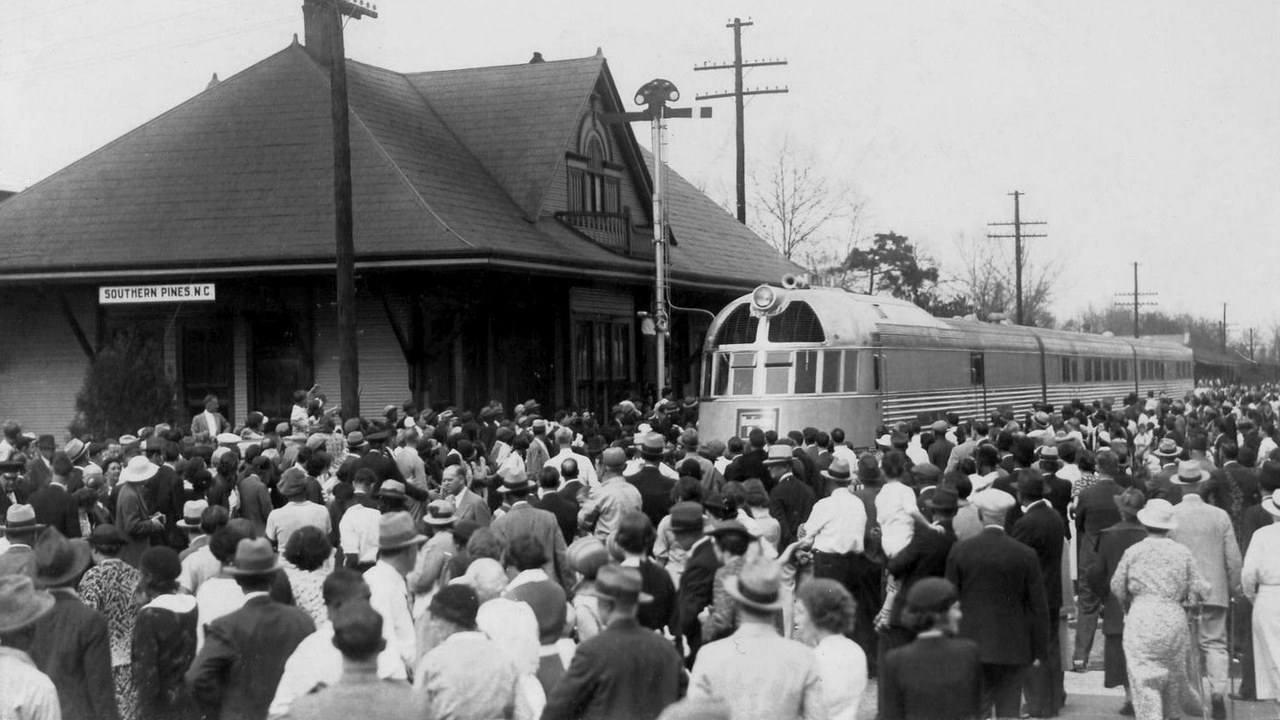
On May 26, 1934 the Pioneer Zephyr ran from Denver to Chicago on a nonstop Dawn to Dusk dash in just over 13 hours. It now sits in Chicago’s Museum of Science and Industry.
That single run made headlines and showed what a lightweight, power-driven train could do. Visitors can still walk through the train, which makes it one of the most accessible pieces of streamliner history in the country, and a fitting opener for the story. Preservation of the train means the achievement is more than a statistic, since the physical object remains available for study.
2. M-10000 (City of Salina): The Name Giver
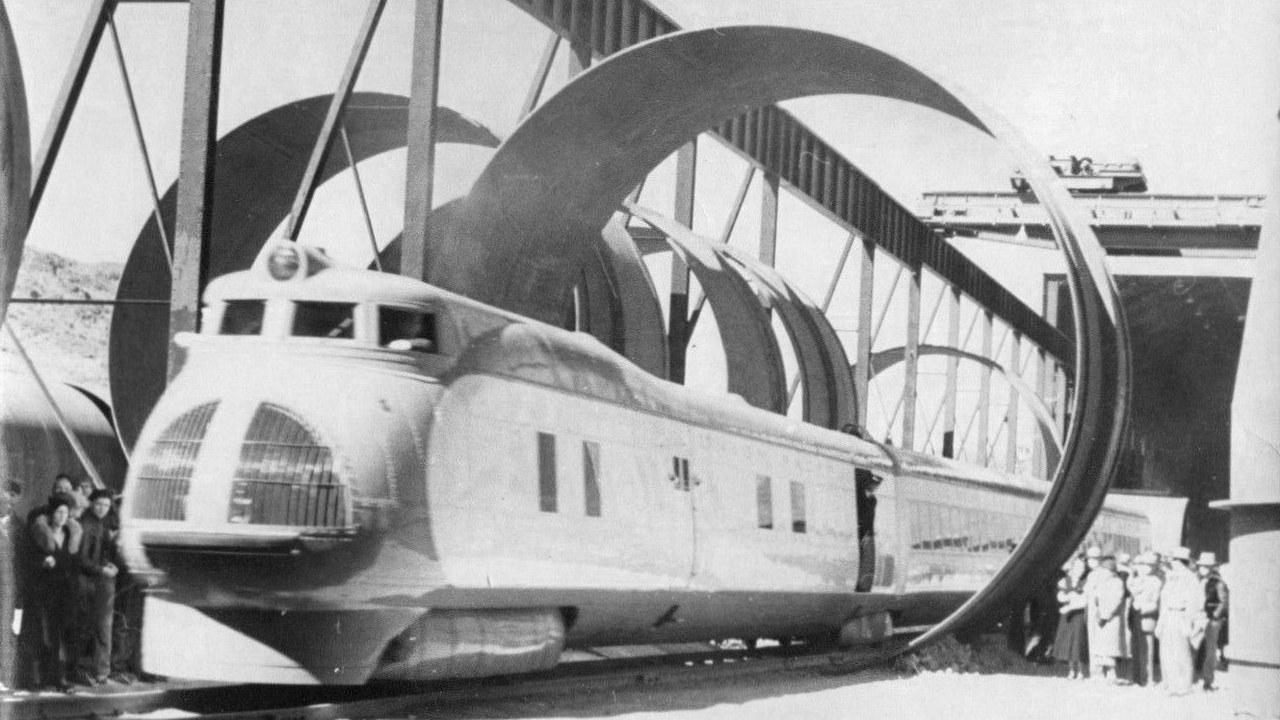
Union Pacific’s M-10000 entered service on January 31, 1935 between Kansas City and Salina and gave streamliner its name. It appeared at a moment when railroads were hunting for ways to look modern.
The train’s impact lay as much in its image as in its route, since the new term quickly became shorthand for an entire generation of trains. Its place at the start of that vocabulary makes it a natural subject for any history of the type. The rapid spread of the term shows how powerfully one well-publicized train could shape public perception across the entire industry.
3. Hiawatha: Milwaukee Road Speedster
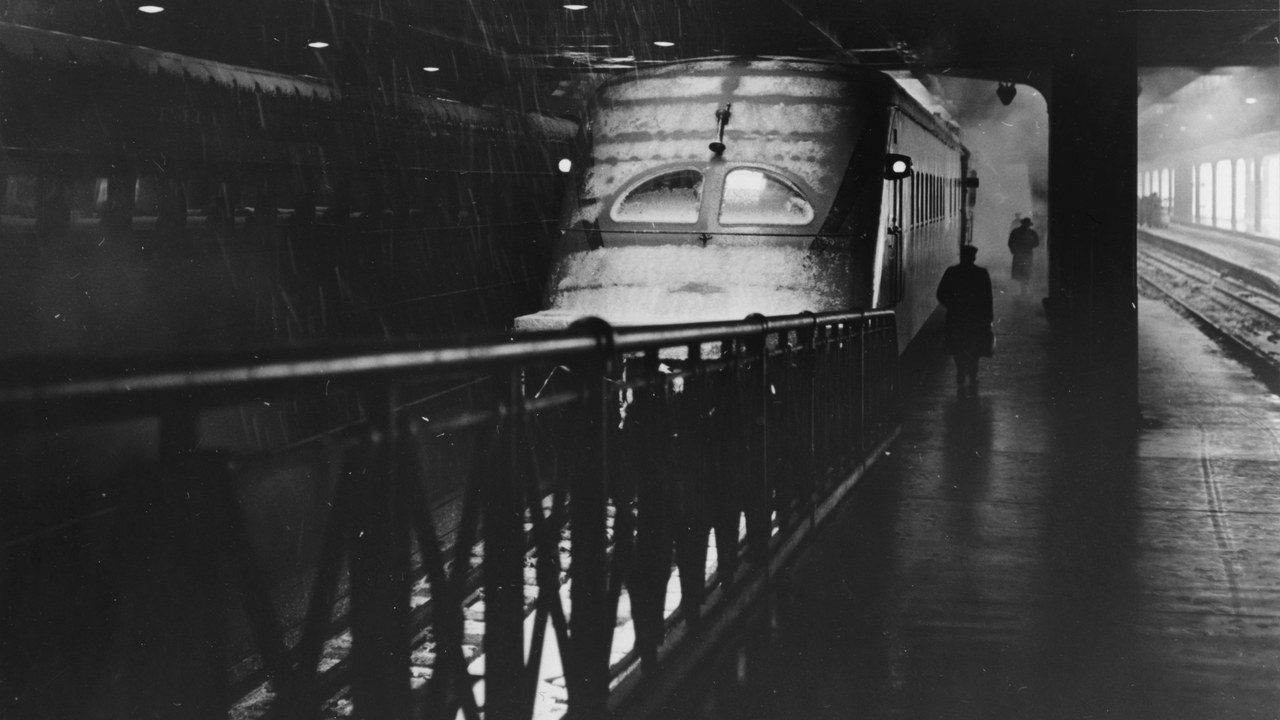
The Milwaukee Road’s Twin Cities Hiawatha began in 1937, pulled by F7 Hudsons that could cruise above 110 mph. That speed was exceptional for regular passenger service at the time.
The Hiawatha name became closely tied to the railroad’s identity, and fast running was central to the appeal. Fans of steam locomotives often single out these engines as a high point of the form, built for sustained high-speed work rather than show. Passengers of the era associated the name with speed and comfort, a reputation the railroad worked hard to protect through the years.
4. 20th Century Limited: Dreyfuss Styling
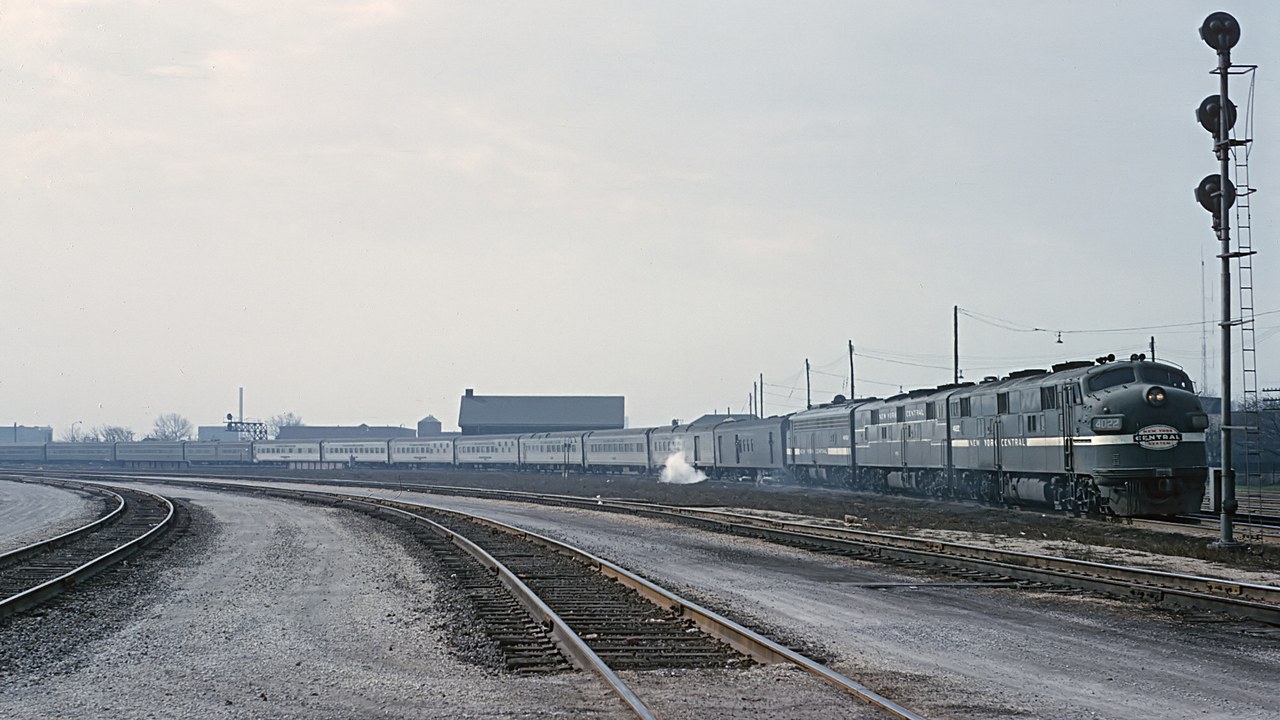
New York Central’s flagship 20th Century Limited ran behind J-3a Super Hudsons with Henry Dreyfuss’s bullet-nose styling. The look was as much a part of the train’s identity as its schedule.
Industrial design was treated as a serious tool for attracting riders, and Dreyfuss’s work gave the locomotives a memorable face. The streamlined shell turned a steam engine into something that looked like it belonged to a new age. Posters and promotional material of the period leaned heavily on that sleek look, which still appeals to rail fans and model builders today.
5. Super Chief: Train of the Stars
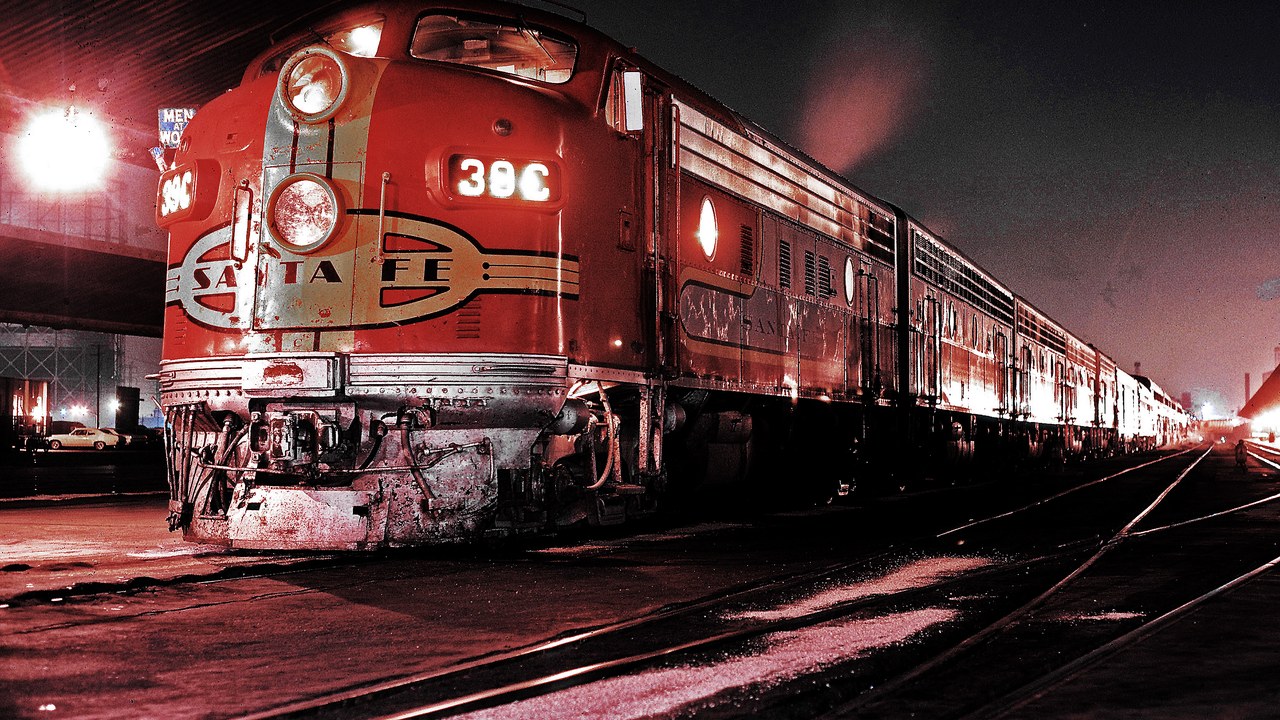
Santa Fe’s Super Chief of the 1930s was nicknamed the Train of the Stars for its Hollywood clientele, and Amtrak renamed its descendant the Southwest Chief in 1974. A one-time 1937 demonstration run covered Chicago to Los Angeles in 36 hours and 49 minutes, though that was not scheduled service.
The glamour attached to the train helped create a lasting image, and the name lives on through the modern route. Cinema-era glamour was part of the product, and the name has stayed in circulation long after the original train gave way to Amtrak service.
6. California Zephyr: Panoramic Journey
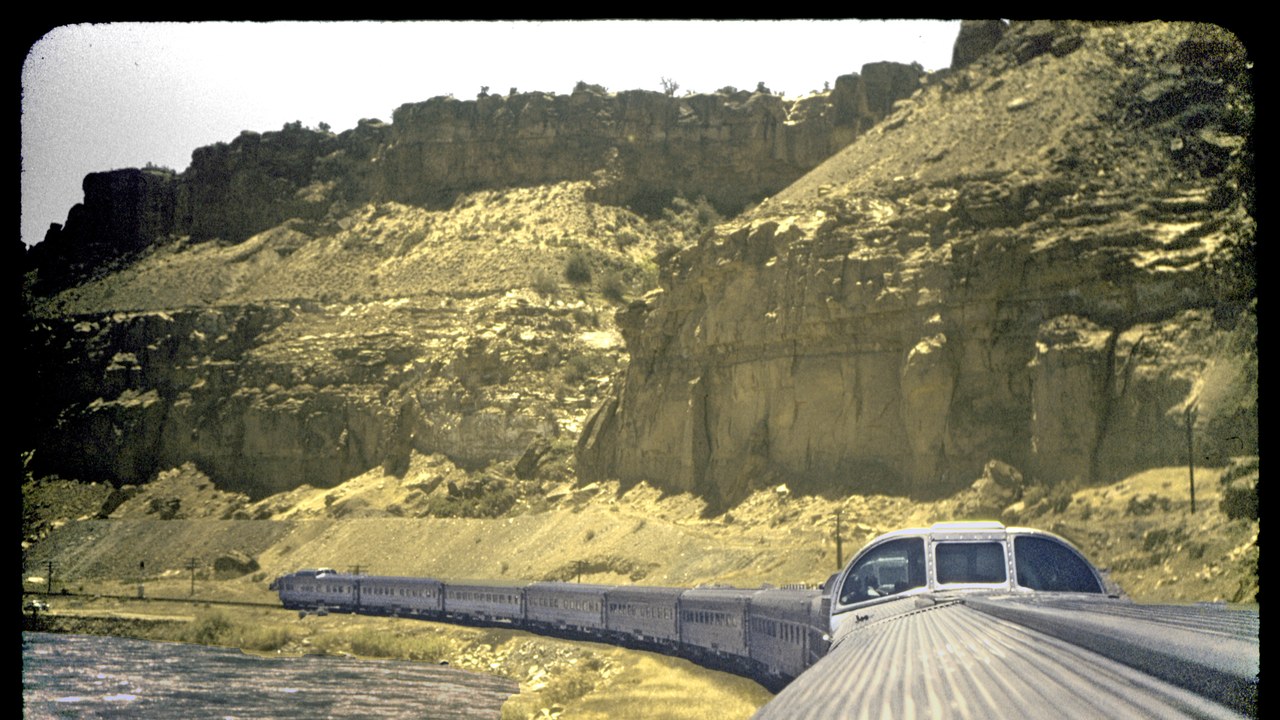
Run jointly by the Burlington, Rio Grande and Western Pacific, the California Zephyr made its maiden voyage in March 1949 with panoramic observation cars. Amtrak relaunched it in 1983.
Scenery was the selling point, and the glass-topped cars let passengers take in the mountains and canyons along the way. The route still carries the name, so riders can follow a path first made famous in that era. Rail travelers today still seek out the route for its views, and the original cars remain a touchstone for anyone interested in classic passenger design.
7. Empire Builder: Hill’s Namesake Route
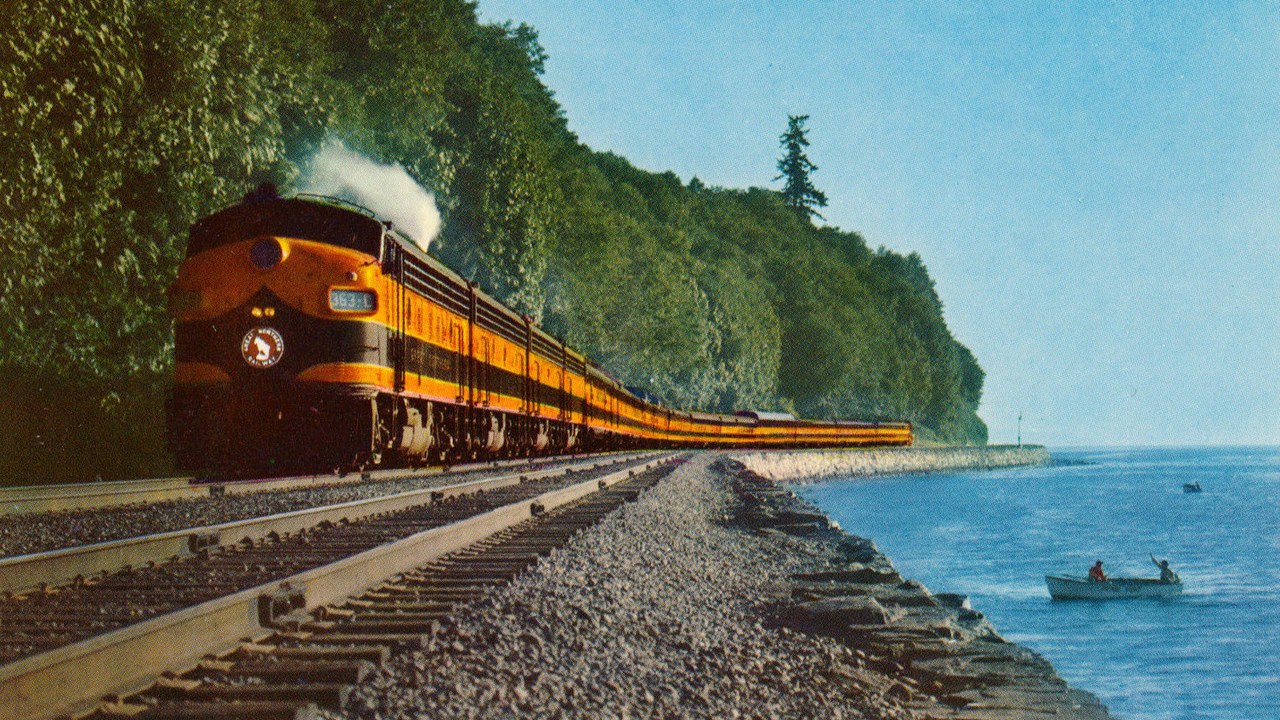
Begun by the Great Northern in 1929 and named for James J. Hill, the Empire Builder still runs about 2,206 miles from Chicago to Seattle or Portland. Few named trains from the era remain in service at all, let alone on such a long route.
That longevity makes it one of the clearest links between the golden age and present-day travel, and it remains a popular choice for scenic rail trips across the northern states. Travelers who ride the route now follow a corridor that has carried passengers since long before modern highways and airline networks arrived.
8. Broadway Limited: Sixteen Hours East
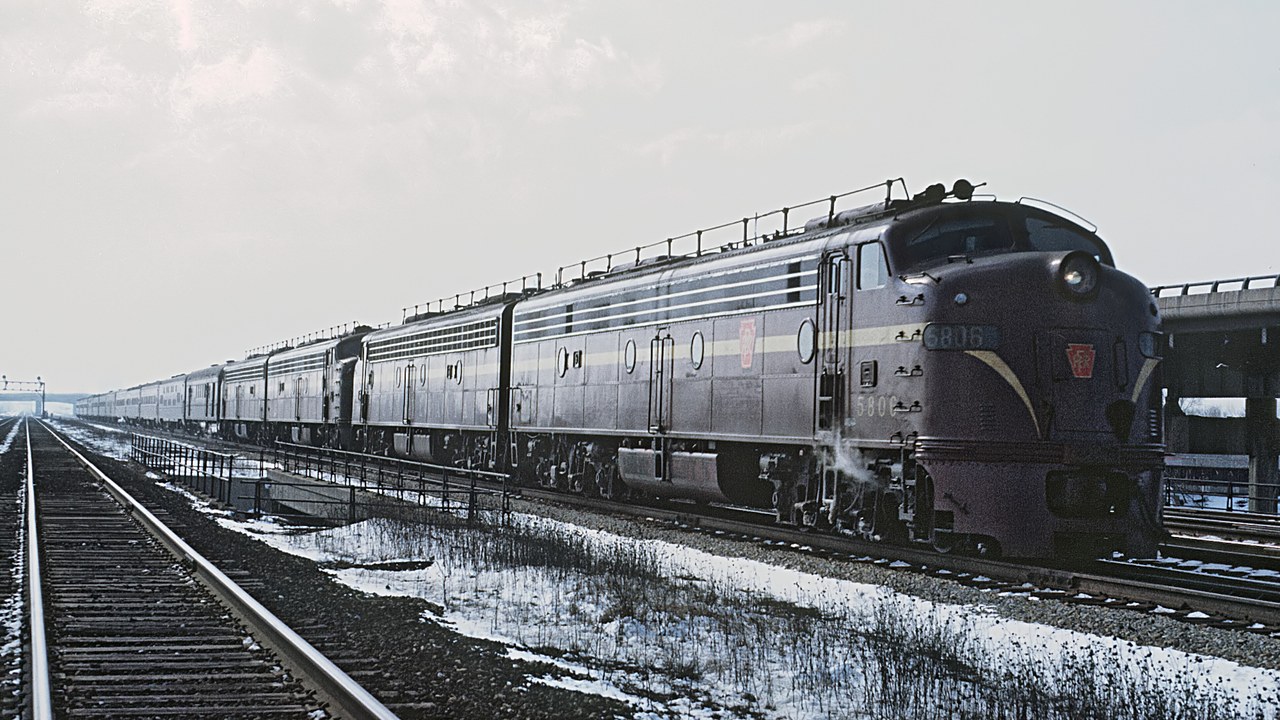
The Pennsylvania Railroad’s New York-Chicago Broadway Limited cut its schedule from 20 hours in 1912 to 16 hours after 1938 streamlining. Amtrak ended it in 1995.
The faster timing mattered because business travelers valued every hour between the two cities. Its long career, from the early twentieth century to the Amtrak era, makes the Broadway Limited a convenient measure of how rail service changed over the decades. Rail historians often use the train as a case study in how streamlining, speed and marketing worked together to keep passengers loyal to the railroads.
Tech news worth reading: Get Techpresso →
We may earn a commission if you sign up.
More from Morning Overview
- The NSA says three phone features should be off whenever you aren’t using them
- Hurricane Hunter radar shows four warning signs that a tropical cyclone is about to strengthen, a University of Miami study found
- Tropical Storm Rachel is dumping up to 12 inches on four Mexican states on its way to major hurricane strength
- The FTC says Lens.com doubled the price shoppers saw in Google ads
