
BMW built its motorcycle identity on a horizontally opposed twin and shaft drive, then spent a century refining and challenging that formula. Touring bikes, sport machines and adventure models each took a different route from the same starting point. Here are nine motorcycles that trace how the boxer engine shaped the brand, along with a few that went in other directions.
AI, explained every day: The Deep View is the go-to daily newsletter for 600,000+ founders, knowledge workers and professionals who want to stay up to date with artificial intelligence.
We may earn a commission if you sign up.
1. BMW R 32 (1923): Where It Began
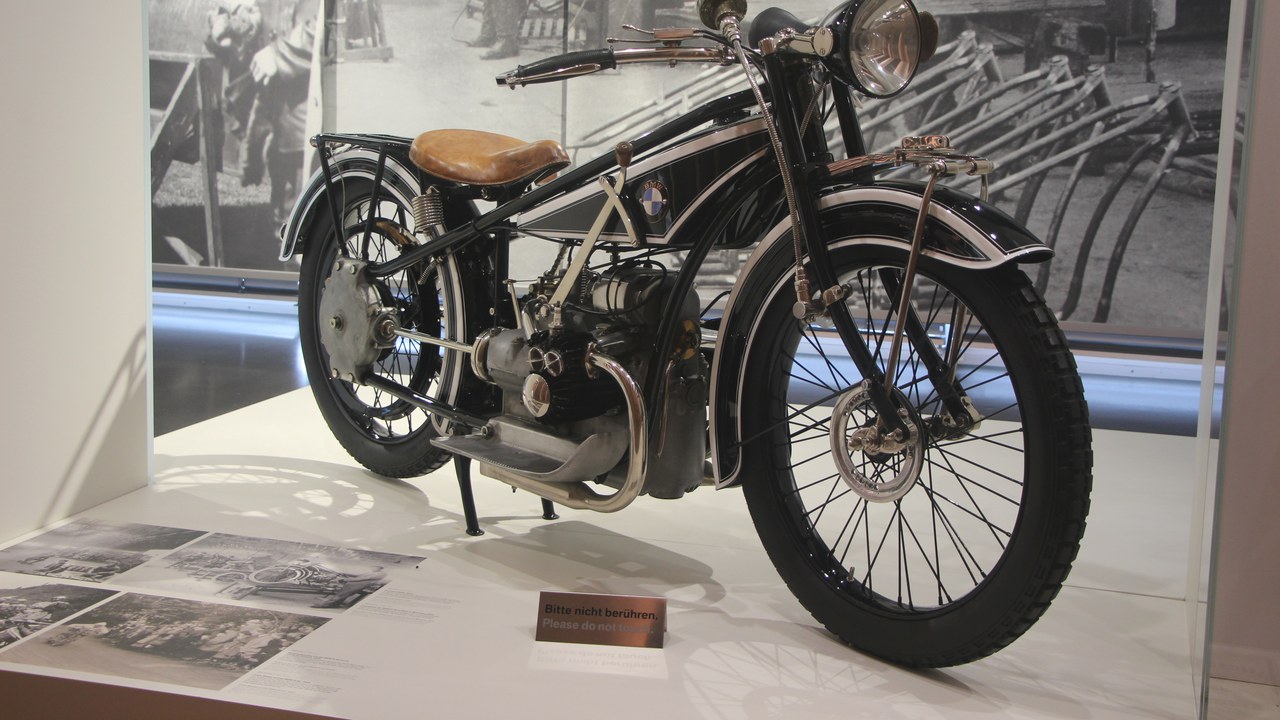
The R 32 was BMW’s first motorcycle, shown at the Berlin Motor Show with a Boxer engine and shaft drive. Those two features set the pattern the company would follow for generations.
The layout gave the bike a distinctive profile and a low, balanced engine position, and it remains the reference point for anyone discussing the brand’s identity. Surviving examples are treated as milestone artifacts of motorcycling history. Photographs from the period show how compact and purposeful it looked, and that early clarity of design is part of why the motorcycle still anchors museum displays and anniversary retrospectives.
2. BMW R 90 S (1973): Sport Boxer
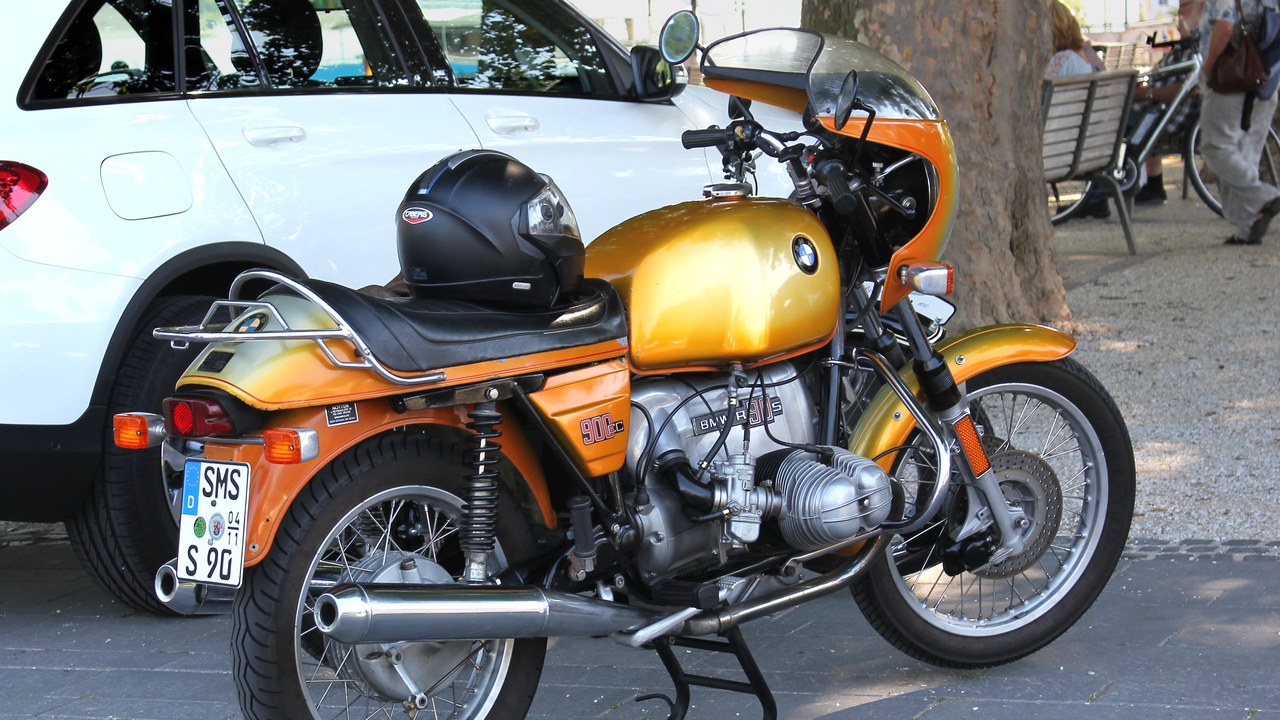
The R 90 S was a high-performance model that used the 247 engine and launched with the R 90/6 in 1973. It showed that the boxer layout could serve sporting riders as well as tourers.
For buyers, the R 90 S offered a more energetic take on the familiar BMW formula, and it is often remembered as a defining sporting machine of its era among enthusiasts of classic air-cooled twins. Collectors also note that its straightforward layout makes it approachable for restoration, and clean examples remain a regular presence at classic motorcycle shows and club events.
3. BMW R 100 RS (1976): Fairing Pioneer
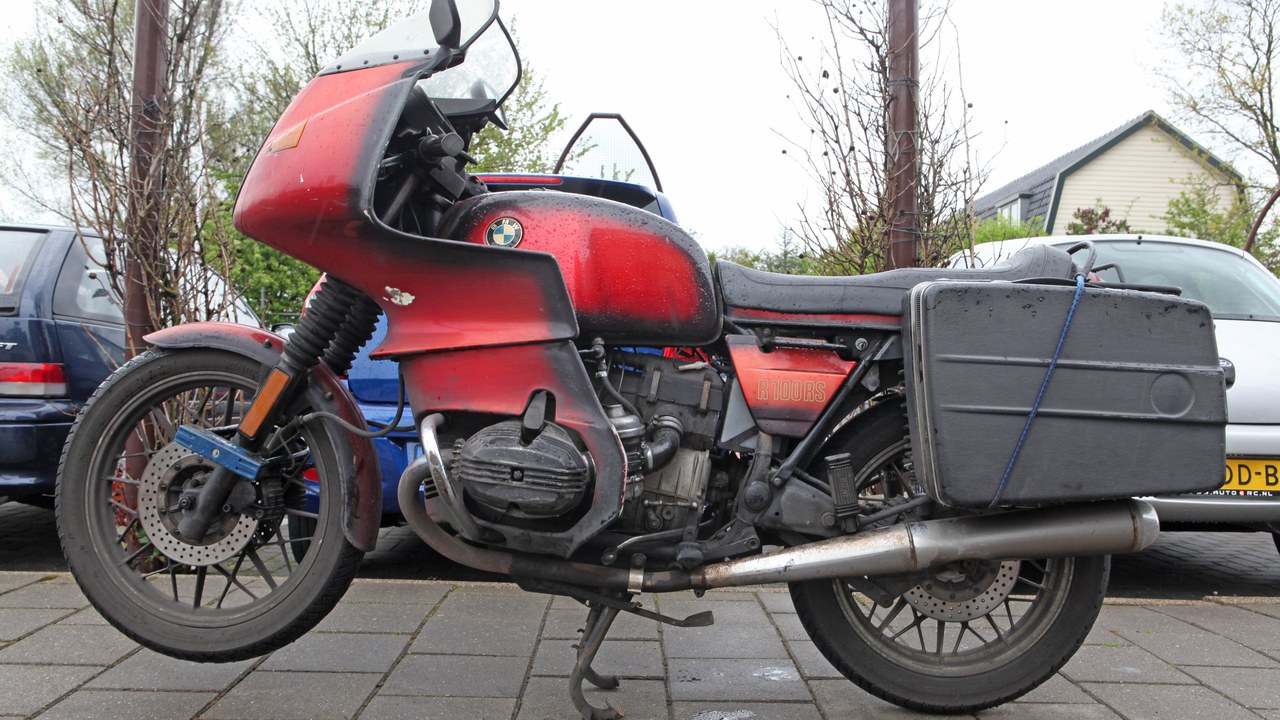
The R 100 RS is described as the first production machine in the world with a full fairing. That feature changed how long-distance riders thought about wind protection.
A full fairing turned the boxer into a more comfortable high-speed tourer, and the idea spread across the industry afterward. Today the RS is valued by riders who like its clean, purposeful look and its place in the evolution of touring motorcycles. Many owners consider the fairing as important as the engine in defining the character of the bike, and the shape remains instantly recognizable decades later among riders of classic BMWs.
4. BMW K1 (1989): Four-Cylinder Statement
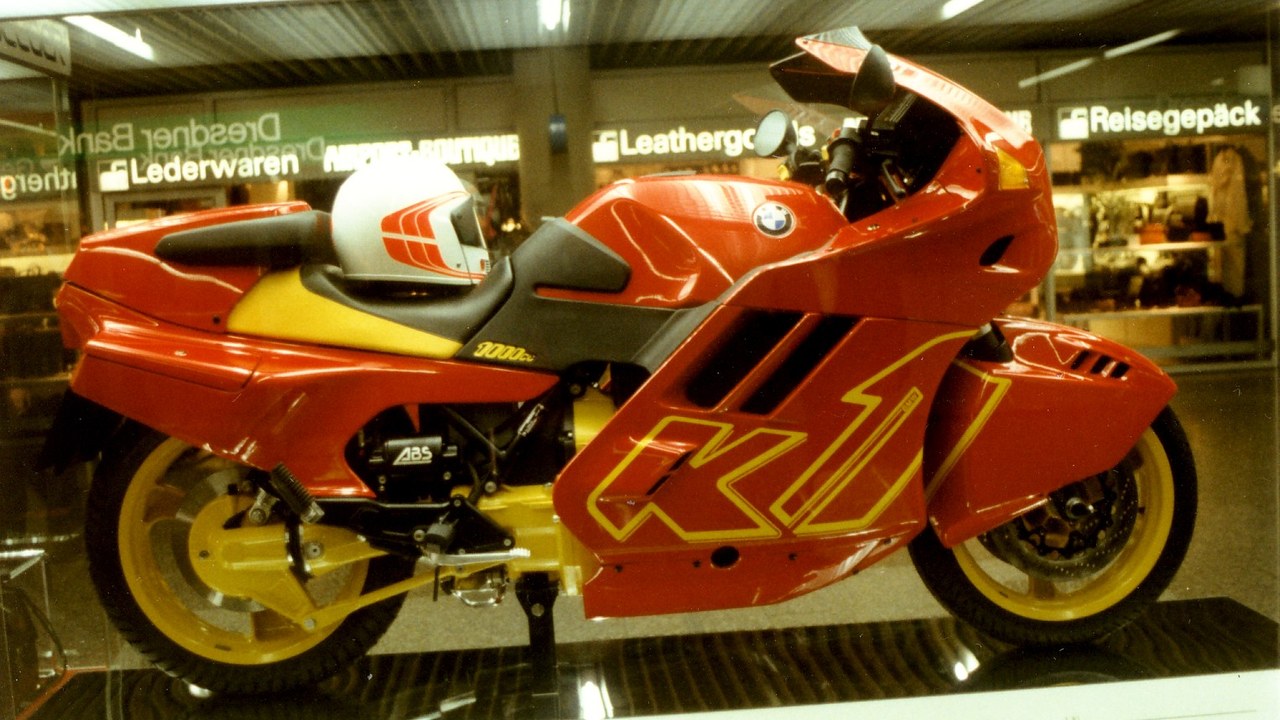
The K1 was a sports-fairing four with a 16-valve engine and Motronic electronics. It marked a departure from the boxer twin at the heart of the brand.
The bike showed that BMW could build a technically ambitious sport machine with modern electronics, and its bold appearance made it one of the most recognizable BMWs. It stands as proof that the company was willing to experiment beyond the boxer. Few motorcycles of its time looked as futuristic, which keeps it a talking point among enthusiasts, and it remains a useful example of the brand testing ideas outside its comfort zone.
5. BMW R 100 GS (1987): Paralever Arrives
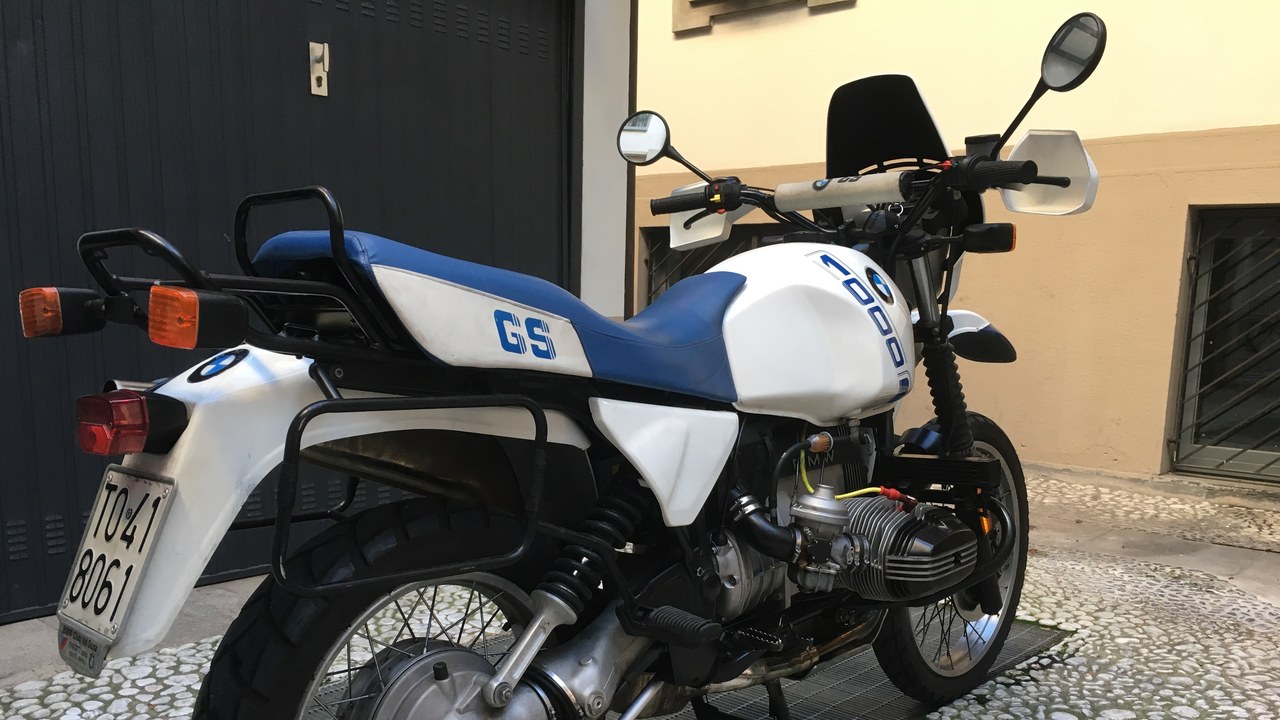
The 1987 R 100 GS succeeded the G/S and brought BMW’s Paralever rear swing-arm. That rear suspension change was an important step for the family’s ability to work on the road and off it.
The GS name would grow into one of the company’s most important lines, and this model is where the formula started to mature. For adventure riders, it is an early reference point. Riders who follow the lineage of the GS family often start here, since the later models built on the ideas this machine introduced and carried them to a much wider audience around the world.
6. BMW R 1100 GS (1993): Frankfurt Sensation
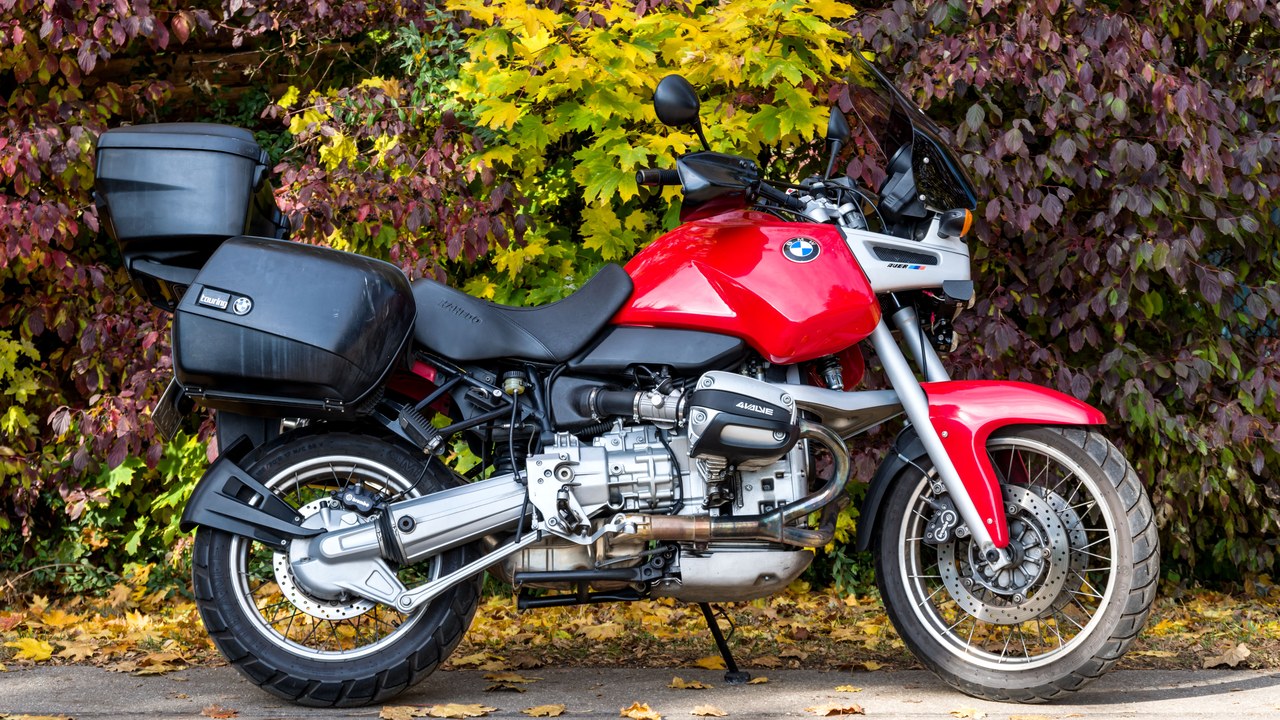
The R 1100 GS caused a sensation at the 1993 Frankfurt show, offering 80 bhp, a 200 km/h top speed and new Telelever front suspension. It combined notable pace with a fresh approach to the front end.
The model signaled that the GS line could keep moving forward technically, and many riders view it as the bike that modernized the adventure formula for a new generation. Telelever in particular became a recognizable BMW hallmark, so the model is regularly cited by riders who want to understand where the brand’s modern suspension thinking began.
7. BMW R 1200 GS (2004): The GS Gets Bigger
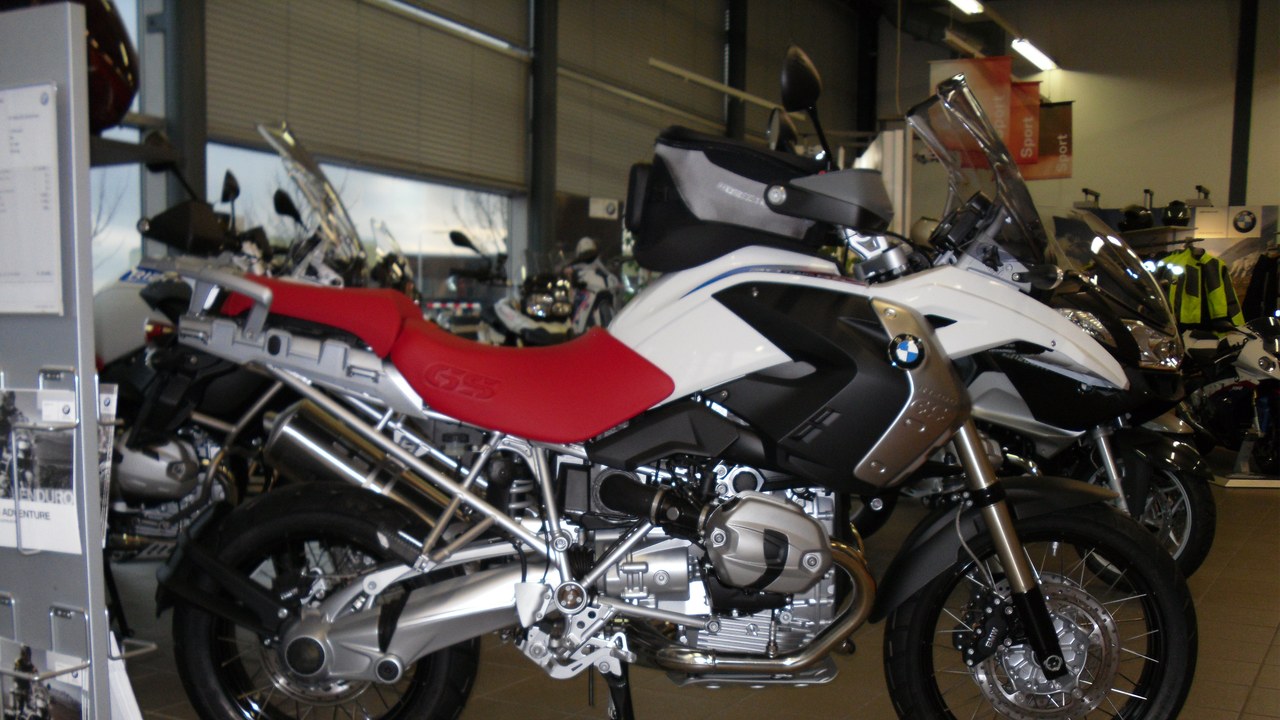
BMW followed the 1999 R 1150 GS with the R 1200 GS in 2004, as the GS line passed some 220,000 units. The scale of that total shows how central the family had become to the company.
For anyone shopping the used market, the 1200 GS is a mainstream choice within the lineup, and its place in the line makes it an easy example to cite when explaining why adventure bikes matter. For readers tracing the family history, the pairing of a milestone count with the model name makes this a convenient marker of how far the GS had come by the middle of the decade.
8. BMW F 800 GS (2007): Twin-Cylinder Middleweight
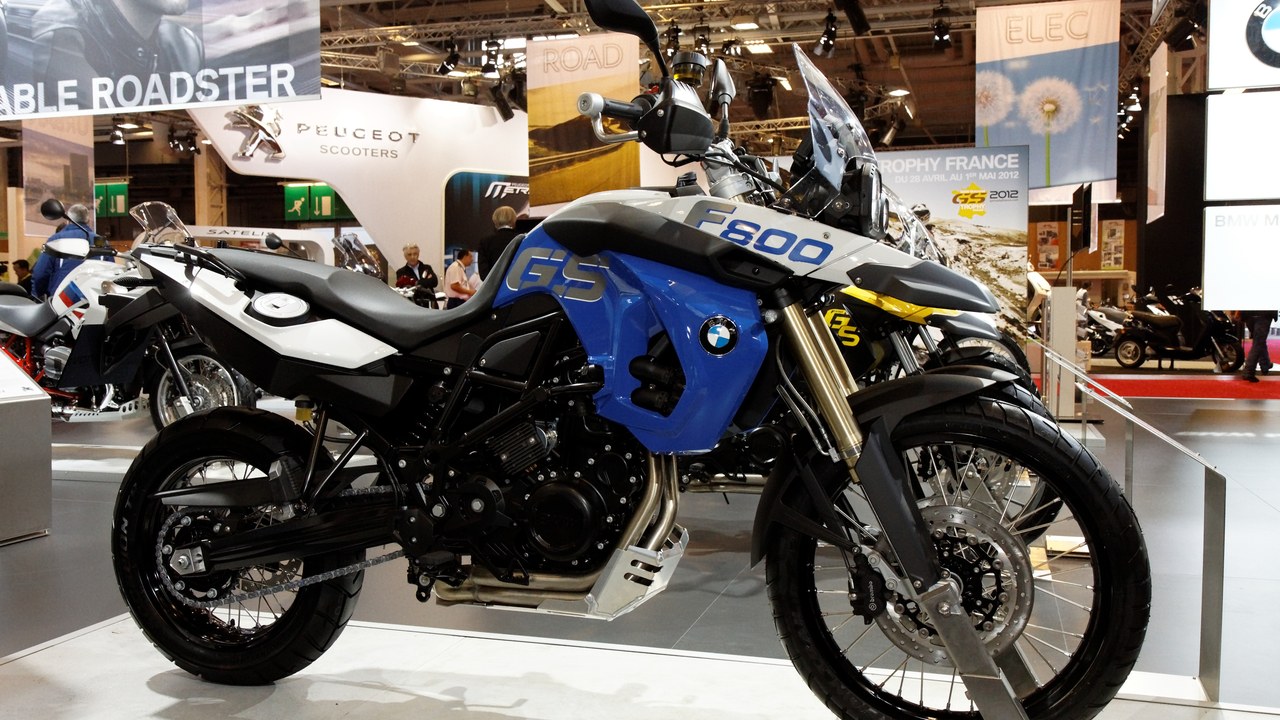
The F 800 GS was the twin-cylinder model that replaced the single-cylinder F650GS in 2007. It moved the middleweight GS to a different engine layout from the boxer twin.
That change gave riders an alternative to the larger boxer machines, and it shows that the GS idea was not limited to a single engine configuration within the range. Riders who value lighter weight and nimble handling often mention this model for exactly that reason, and it gave the brand a broader range of options for adventure buyers.
9. BMW R nineT (2014): Retro Boxer Revival
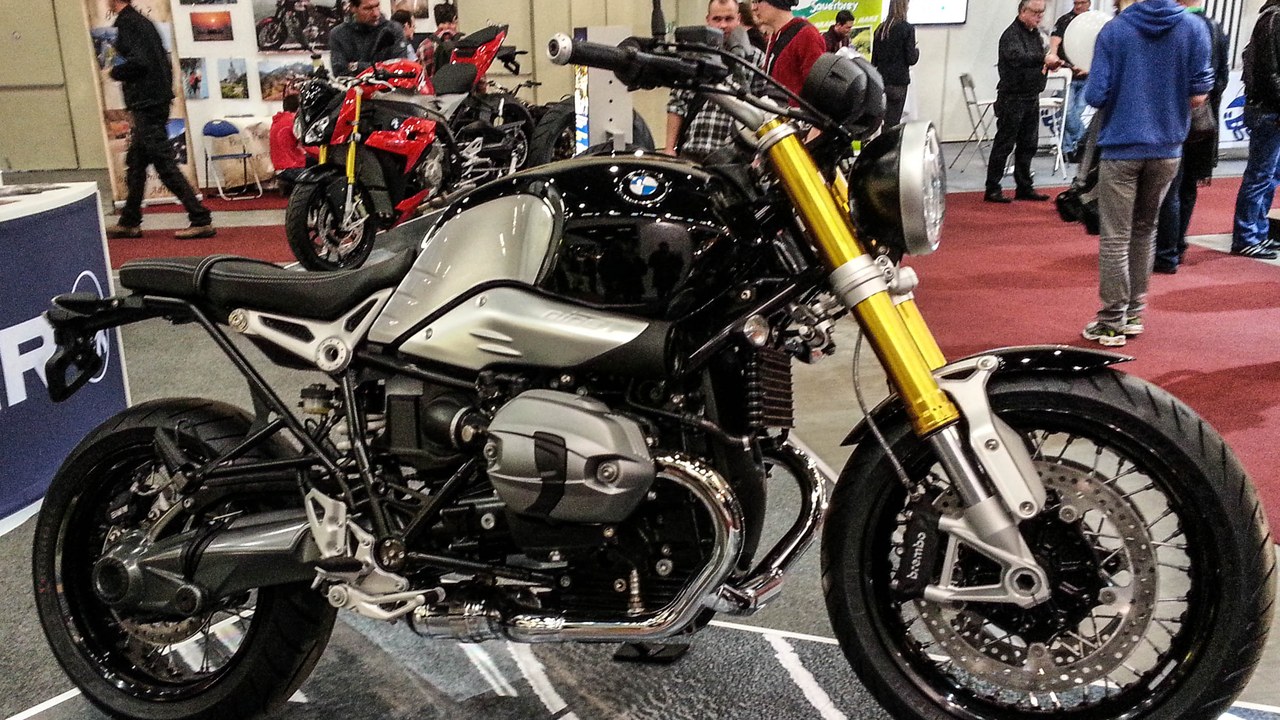
The R nineT still uses the oilhead boxer engine in a retro roadster line. It carries the brand’s traditional engine into a style aimed at riders who like classic looks.
The bike is a reminder that the boxer remains central to the company’s identity, and it gives modern buyers a direct way to own a piece of that long lineage in a contemporary package. Because the engine ties directly to the company’s most recognizable layout, the model works as a bridge between the brand’s earliest bikes and its present showroom lineup for new riders.
AI, explained every day: Get The Deep View →
We may earn a commission if you sign up.
More from Morning Overview
- Seven of Earth’s nine planetary boundaries are breached, and all seven are worsening
- The NSA says three phone features should be off whenever you aren’t using them
- Hurricane Hunter radar shows four warning signs that a tropical cyclone is about to strengthen, a University of Miami study found
- Tropical Storm Rachel is dumping up to 12 inches on four Mexican states on its way to major hurricane strength
