
The 24 Hours of Le Mans has rewarded endurance, engineering and nerve since the 1920s, and the winning cars tell the story of motor racing itself. They came from British, American, German, French, Italian and Japanese makers, often after years of effort. Here are twelve winners that each earned a place in the history of the race.
Help yourself and the planet: The Cool Down makes it easy to help yourself while helping the planet, with smart, simple changes to save more and waste less in your everyday life.
We may earn a commission if you sign up.
1. Bentley Speed Six (1930): Old Number Three
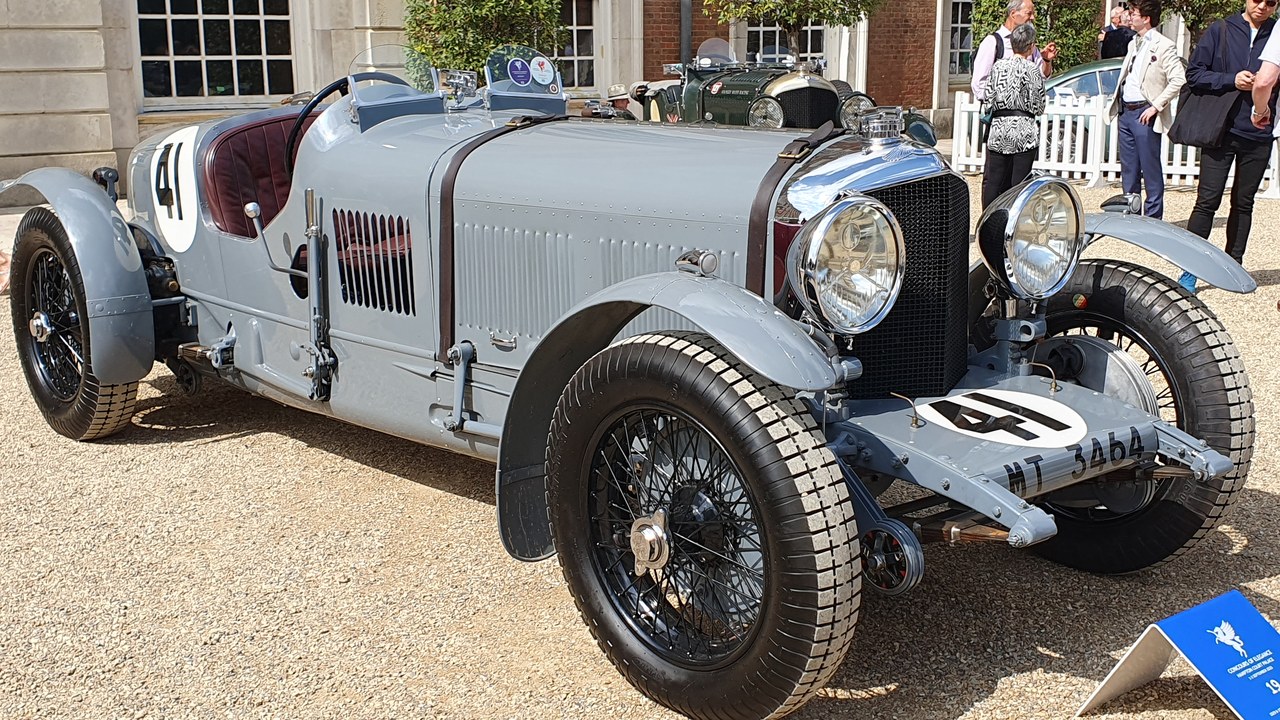
The Bentley Speed Six won in 1930, and the ACO’s ninety-year list picked it among the 30 cars of the race’s first 90 years, noting the Speed Six chassis won in 1929-30.
The model carried Bentley’s early dominance of the race and helped fix the marque’s sporting legend. Its place on the official list confirms that fans still regard it as a defining winner. The car’s survival and its restoration history give it unusual value among heritage racing machines, and it appears at historic events.
2. Jaguar D-Type (1956): Three In A Row
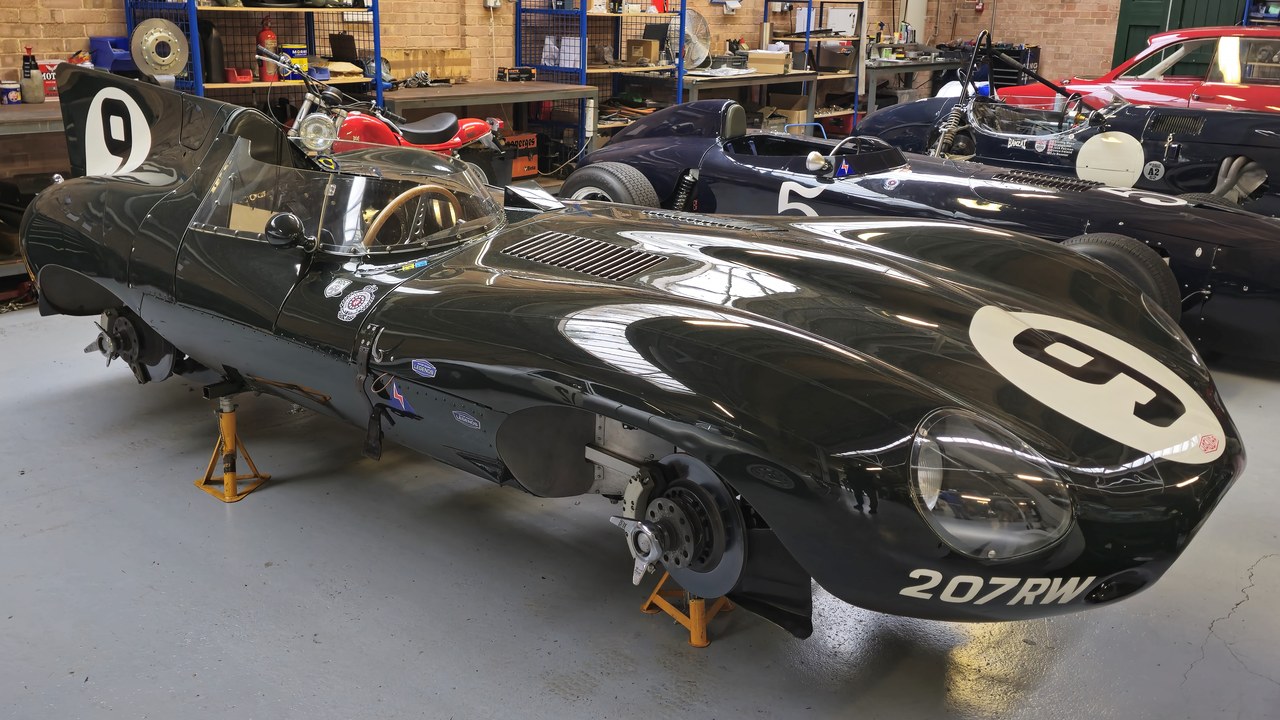
The Jaguar D-Type is named in the Le Mans 90-year list, and D-Types won three straight years, 1955-1957.
The shape, with its aerodynamic fin, became one of the most recognisable in sports car racing. Its run of victories made Jaguar a dominant force in the decade. Survivors are among the most valuable of all racing cars, and the model is often celebrated at classic events and museum displays. Its long, low shape also made it one of the most photogenic racing cars of the period, which keeps it popular at historic gatherings.
3. Ford GT40 (1969): Ending Ferrari’s Run
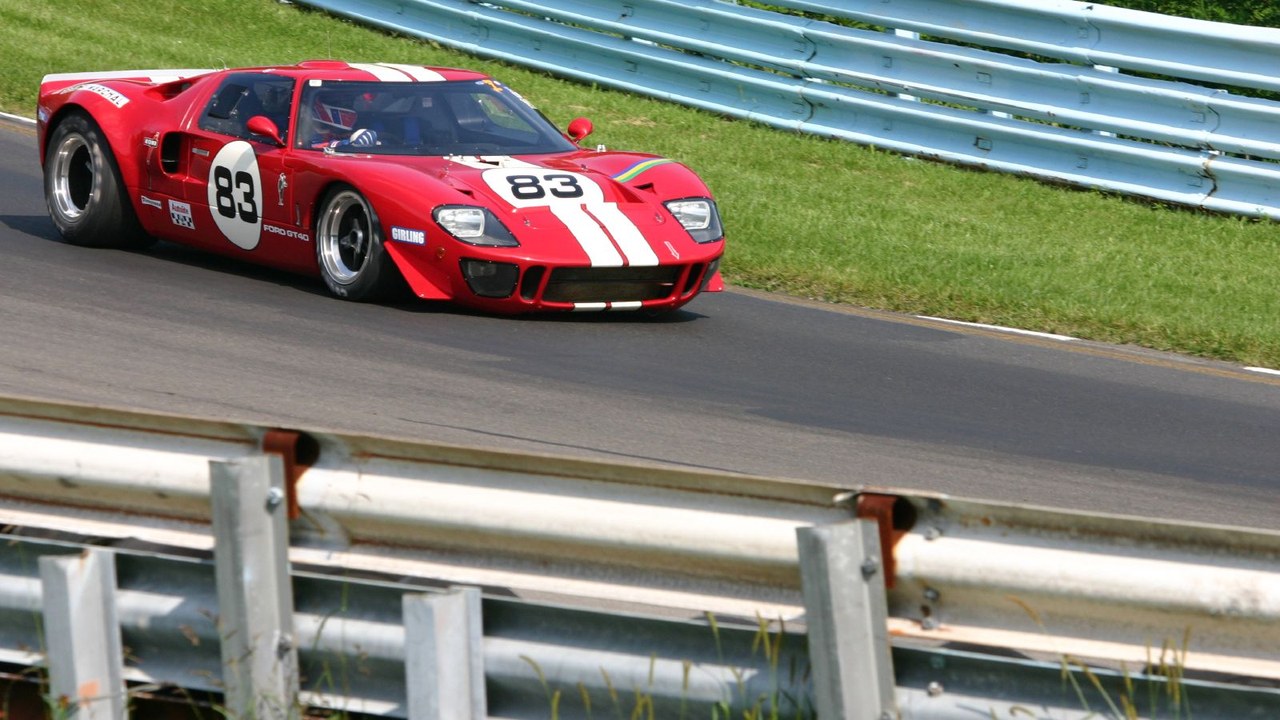
The Ford GT40 ended Ferrari’s dominance with four straight Le Mans wins, 1966-1969, as the ACO’s feature recounts.
An American company taking on the Italian giants became one of the great stories in the sport. The GT40 name still carries weight for fans of endurance racing. Replicas are common, and genuine cars are extremely rare, so any claim about authenticity rewards careful research. The 1969 victory was the last of the four, a run that gave the car its place in the race’s folklore.
4. Mazda 787B (1991): Japan’s Only Winner
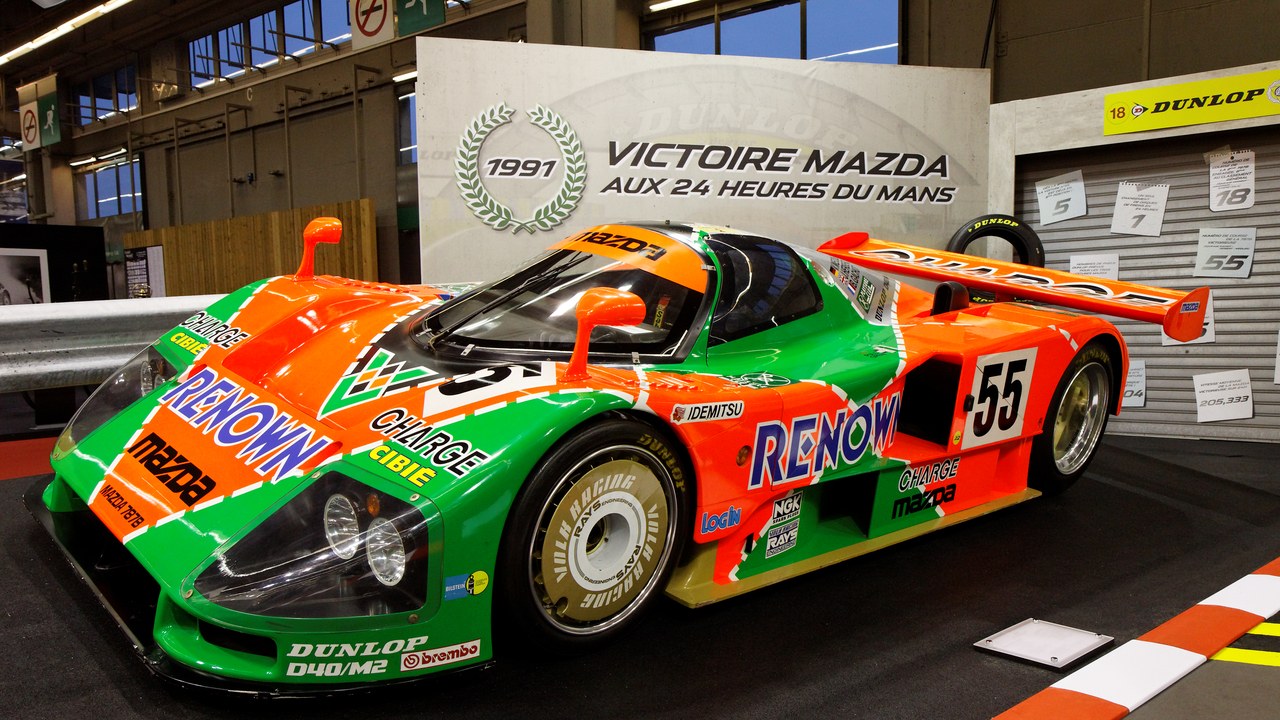
In 1991 Mazda became the first, and so far only, Japanese manufacturer to win at Le Mans, the ACO’s list of winners states.
The 787B stands apart for relying on a rotary engine to take the overall victory. Its win remains a source of pride for the manufacturer and its fans. The scream of its engine remains a favorite at historic events, and the car has become a symbol of the manufacturer’s ambition.
5. Porsche 917 (1970): Porsche’s First Overall
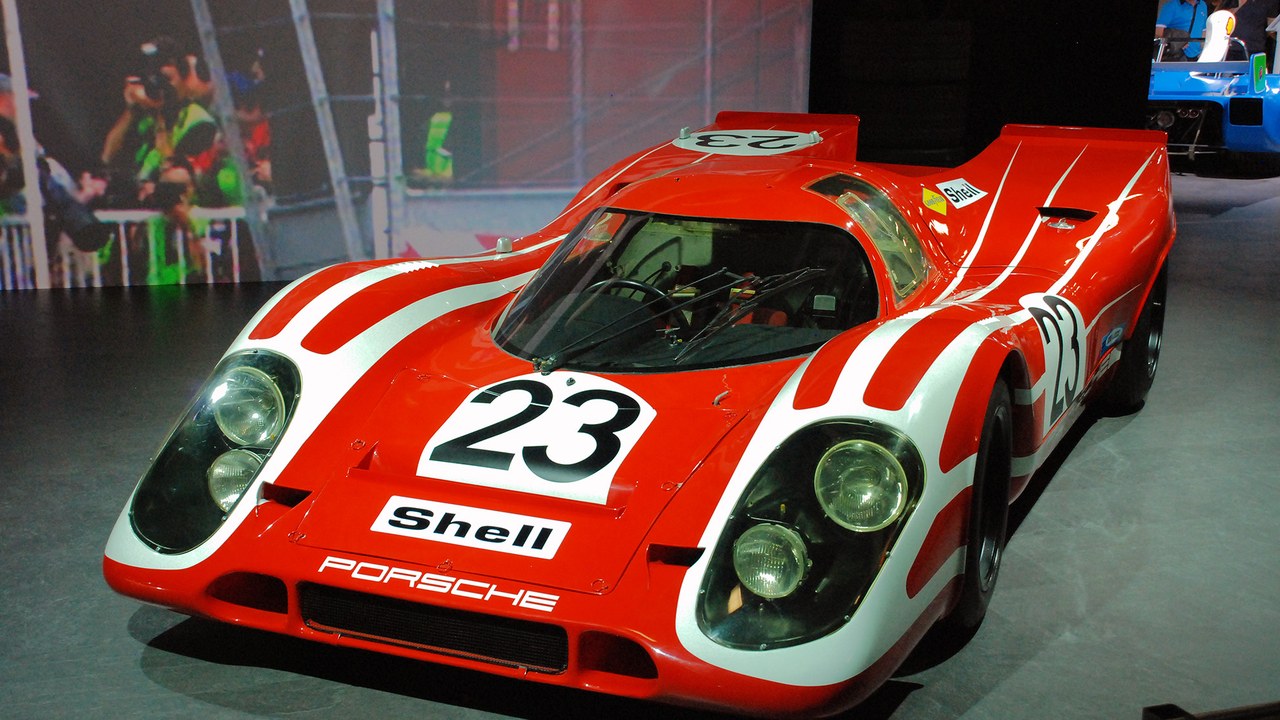
The Porsche 917 delivered the brand’s first overall Le Mans win, 343 laps and 4,607.811 km for Hans Herrmann and Richard Attwood, according to the Porsche newsroom.
After years of class success, the victory finally put Porsche at the top of the race. It set the tone for the company’s long record in endurance racing. The distance covered shows how demanding the race is, and the car remains a prized exhibit for the company and its supporters.
6. Porsche 956 (1982): Podium Sweep
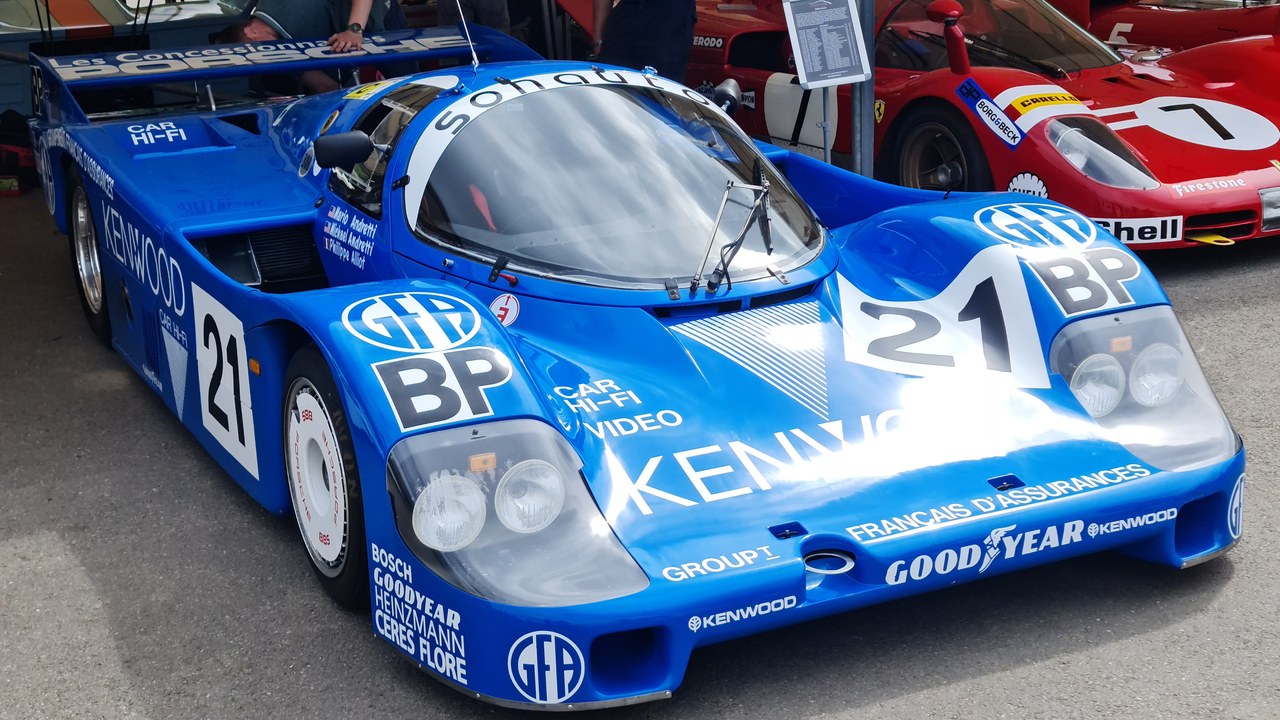
The Porsche 956 debuted at Le Mans in 1982 and took all three podium places, and the Porsche anniversary article records four wins across 1982-85.
A clean sweep on debut announced a car that would dominate the Group C era. It is often remembered as one of the most successful racing designs of its time. Later Group C machines owed much to its design, and surviving cars remain valuable and highly sought after by collectors.
7. Ferrari 250 P (1963): A Swapped Identity
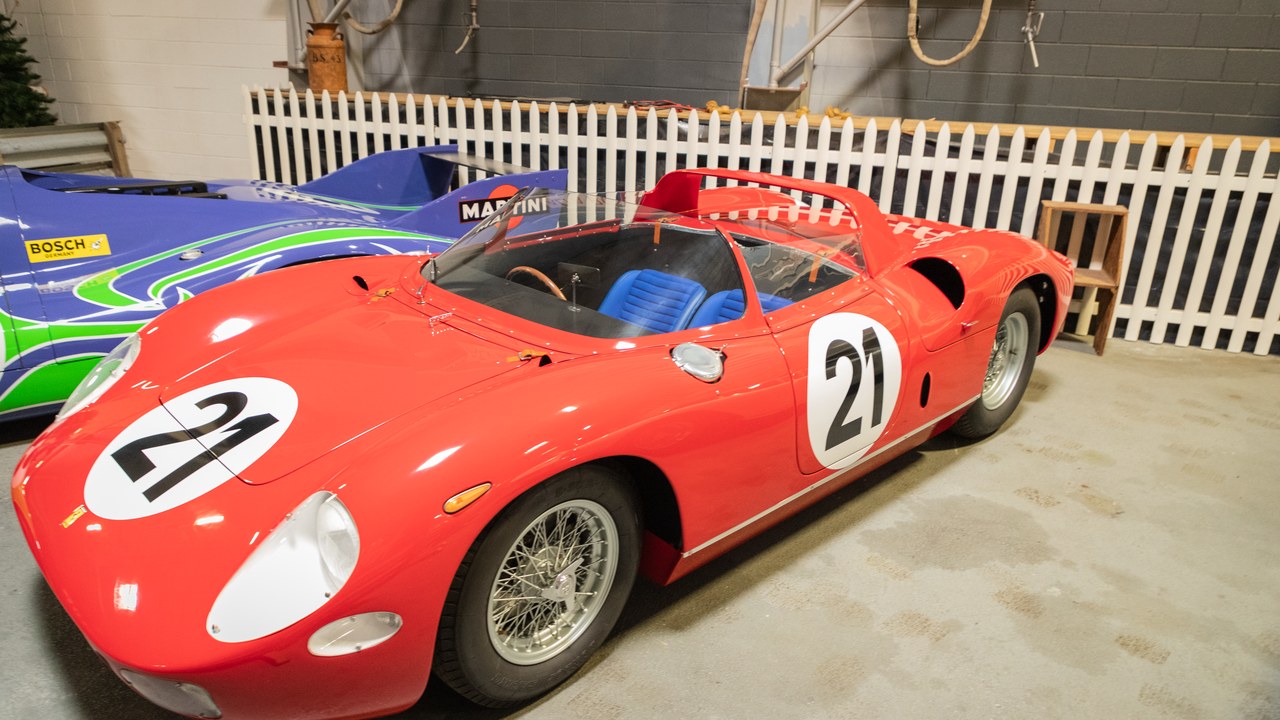
The Ferrari 250 P was Ferrari’s 1963 winner, and the Le Mans records page notes that chassis 0816 raced under 0814’s identity after 0814 was damaged in practice.
Such chassis swaps are a reminder of how racing teams adapted quickly under pressure. The car’s mid-engine layout pointed to the future of the sport’s top class. Such detail matters to historians and collectors, since provenance questions can affect the value and story of a car from that period.
8. Peugeot 905 (1992): French Prototype
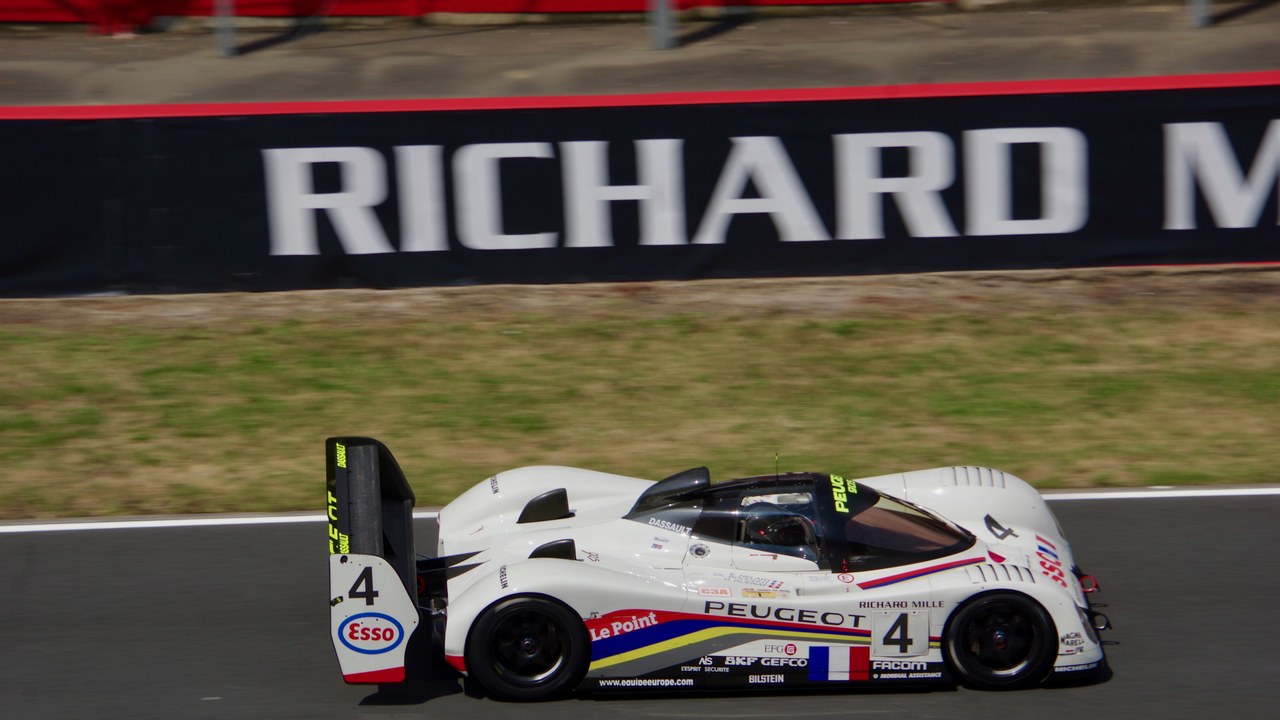
The Peugeot 905 won in 1992 and 1993, two wins for the French prototype, according to the Le Mans records list.
Its victories gave a French maker a place among the race’s champions. The car showed that a prototype built for the event could succeed on the circuit’s long straights. For fans, the car is a reminder of an era when manufacturers built bespoke prototypes to chase the race outright.
9. Audi R8 (2000-05): Five-Time Winner
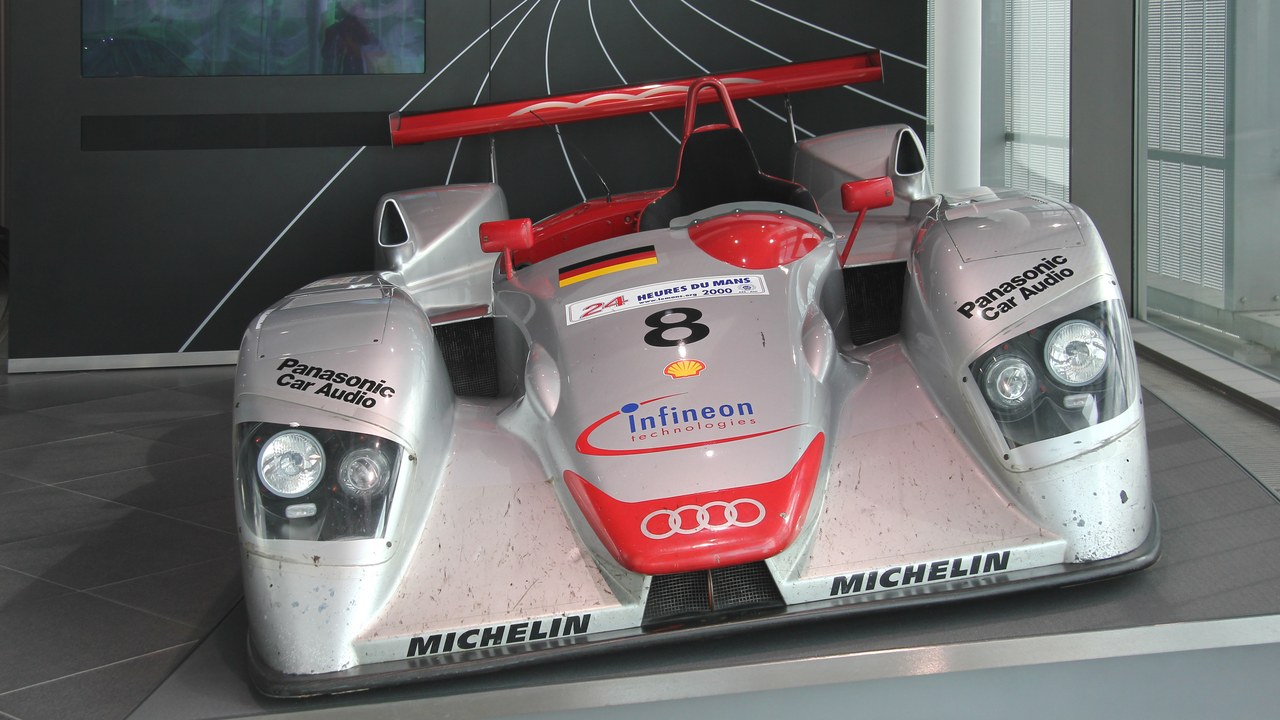
The Audi R8 scored five Le Mans wins, 2000-02 and 2004-05, the most of any car on the records list.
That tally makes it the benchmark for single-model success at the race. It also marked the start of a long period of Audi strength at La Sarthe. For anyone studying the race, the figure shows how rarely a single design can stay competitive over so many seasons. Different drivers and teams shared the successes, which underlines how thoroughly the design suited the demands of a full day and night of racing.
10. Toyota TS050 Hybrid (2018): Hybrid Dominance
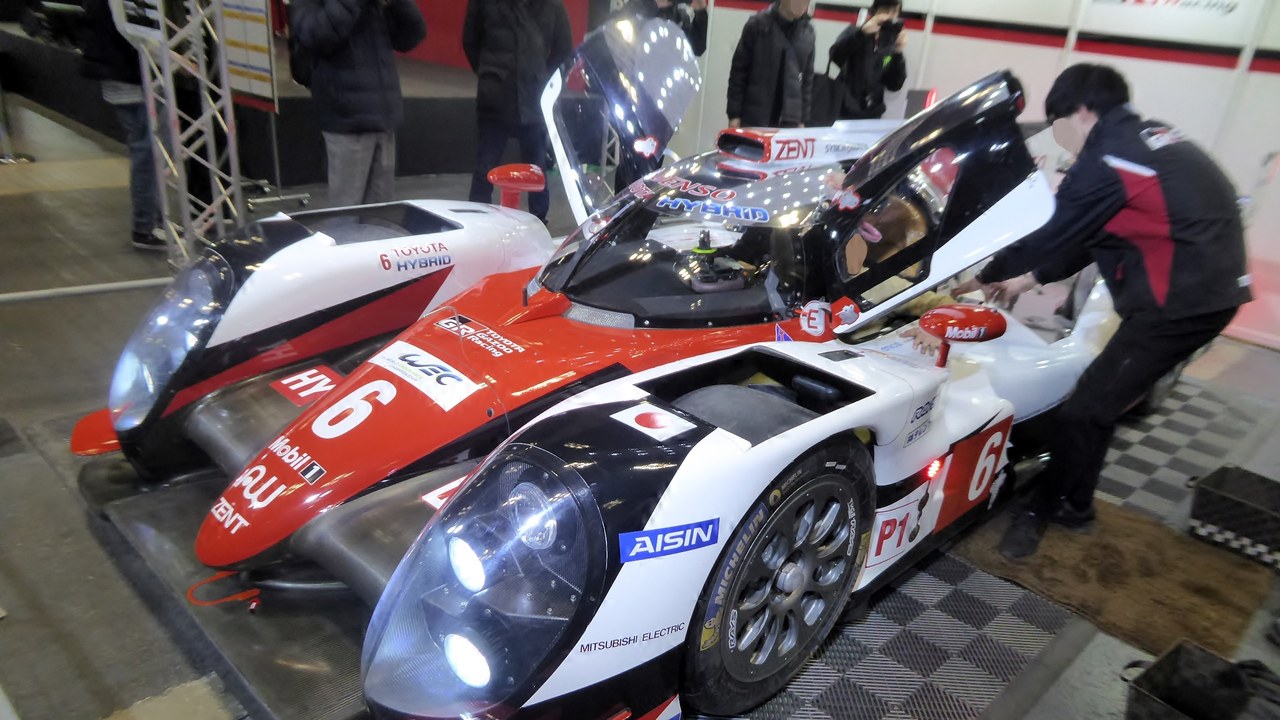
The Toyota TS050 Hybrid won three straight times, 2018-20, and the Le Mans records list shows Mike Conway set a 3:17.297 race fastest lap in 2019.
The car carried hybrid technology to the top of endurance racing. Its streak completed a long journey for a manufacturer that had chased the race for years. For observers, the lap time shows how far the sport’s speed has advanced, and it underlines the pace of modern prototypes.
11. McLaren F1 GTR (1995): Debut Winner
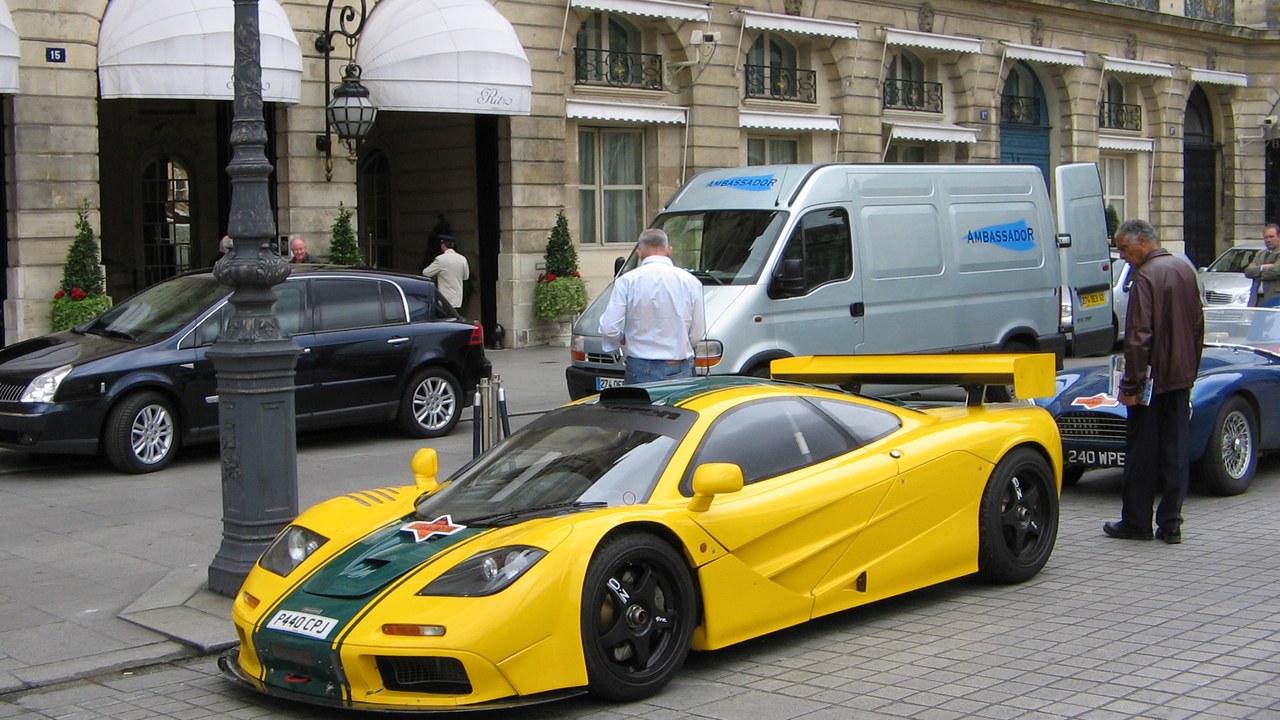
The McLaren F1 GTR won in its supercar’s first Le Mans appearance, with a BMW V12, per the Wikipedia history of the race.
A road car adapted for racing beat purpose-built prototypes at its first attempt. The result lives on as one of the race’s most celebrated upsets. Examples that raced are highly prized, and the car’s blend of road and race engineering still fascinates enthusiasts. The BMW V12 gave the car a distinctive sound, and its result stays one of the most discussed in the race’s long history.
12. Bentley Speed 8 (2003): Bentley Returns
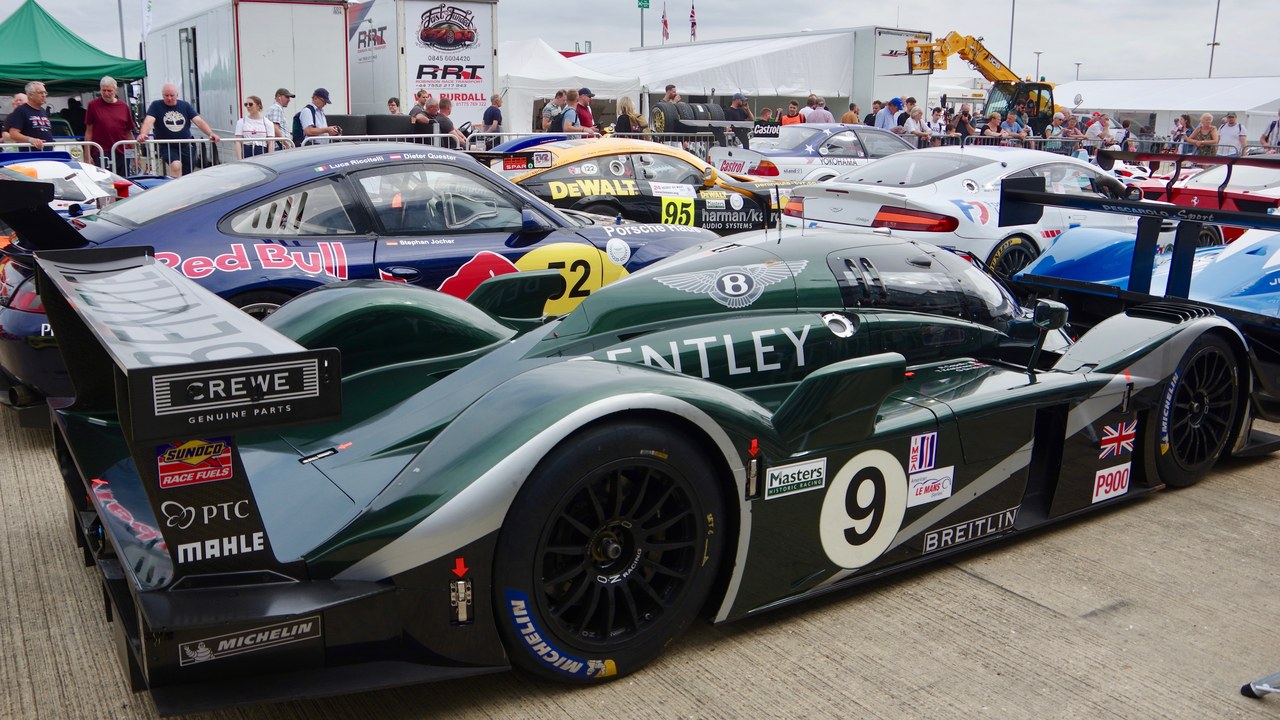
In 2003 the factory Bentley Speed 8s beat privateer Audis, and the win came from pole, the Wikipedia history records.
The victory marked Bentley’s return to the top of the race decades after its early triumphs. It tied the modern company to its pre-war racing legend. Fans regard the result as a case of a manufacturer finding success again after a long absence from the top step. The result also showed how a factory effort with deep preparation could outpace rivals fielded by private teams.
Help yourself and the planet: Get The Cool Down →
We may earn a commission if you sign up.
More from Morning Overview
- Long use of a common prostate pill is tied to a higher chance of glaucoma
- Ford is recalling 223,472 F-150 pickups because the fuel tank can leak or detach
- Hybrids have 15% fewer problems than gas cars, while EVs and plug-in hybrids have about 80% more, Consumer Reports finds
- Regulators cleared the first U.S. small modular reactor, 4 months early
