
NASCAR’s history has been shaped by cars that dominated a season, forced a rule change or set a record that still stands. These stock cars range from early production sedans to winged aerodynamic specials and the machines of its biggest names. Here are eight that earned lasting places in the sport’s story.
Stay ahead on AI: Join 600,000+ professionals who read The Deep View, the daily newsletter that keeps you up to date with artificial intelligence.
We may earn a commission if you sign up.
1. Hudson Hornet: Factory Support Pioneer
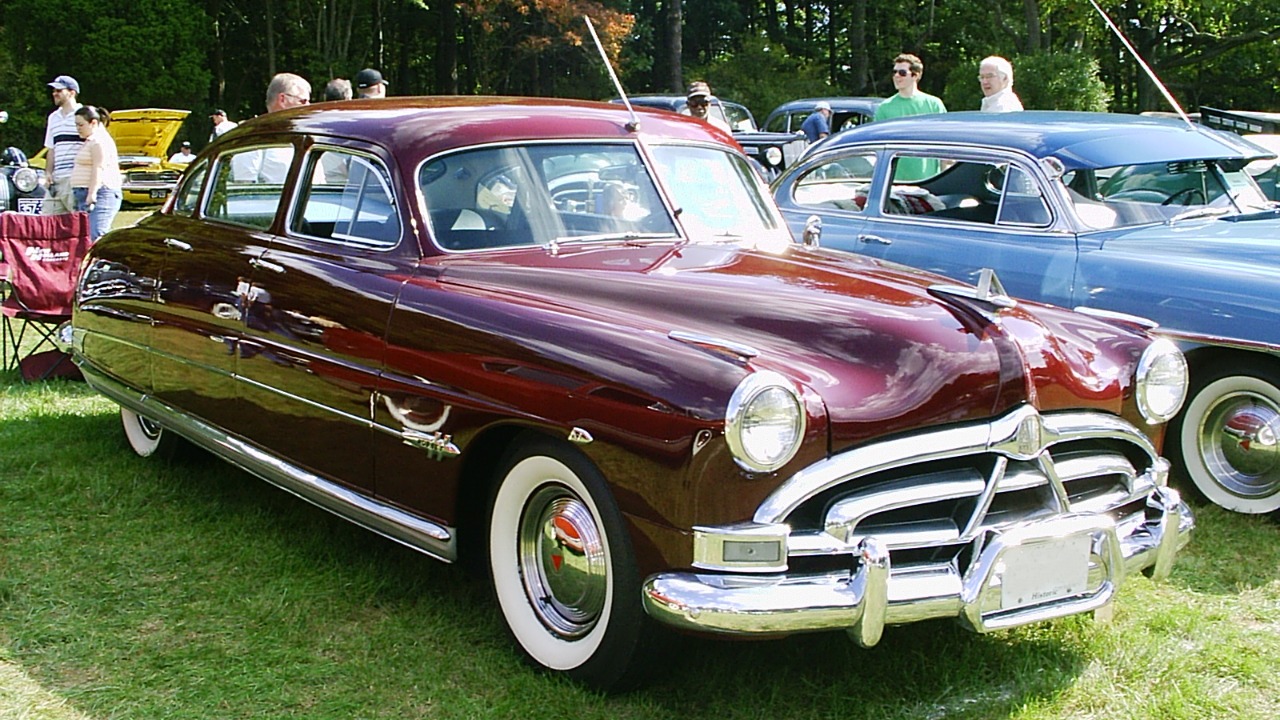
Hudson’s Twin H-Power Hornet won 22 of 37 races in 1953, and the Hornet’s Wikipedia entry says Hudson was the first maker to give factory support to NASCAR teams.
The Hornet’s low center of gravity and strong engine suited the tracks of the day. It became the car that taught rivals how seriously manufacturers could take racing. The model’s reputation survives among collectors, who prize the cars for their racing history and distinctive styling, and restored examples fetch strong prices at auction. Its dominance also helped define the early years of stock car competition, when cars on the track were closely related to those in showrooms.
2. Oldsmobile Rocket 88: Rocket Leads The Way
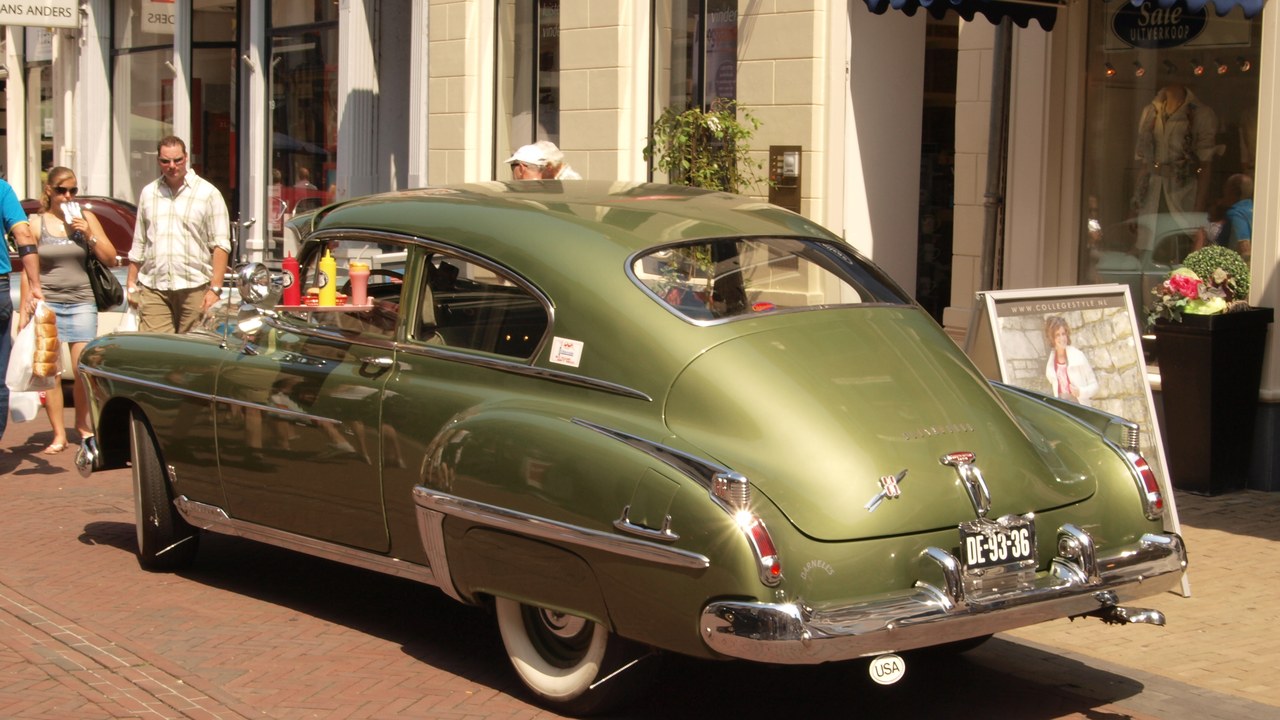
Oldsmobile’s overhead-valve Rocket 88 won 10 of the 19 NASCAR races in 1950, according to Hagerty’s profile of the 88.
A modern engine in a relatively light body gave it a clear advantage in the sport’s early seasons. Its success helped link race wins to showroom sales. The phrase win on Sunday, sell on Monday describes the thinking of the era, and this car is among its best examples. Surviving cars are admired for their engineering, and the model stands as a reference point for the early years of stock car competition.
3. Dodge Charger Daytona: Smoothed-Nose Forerunner
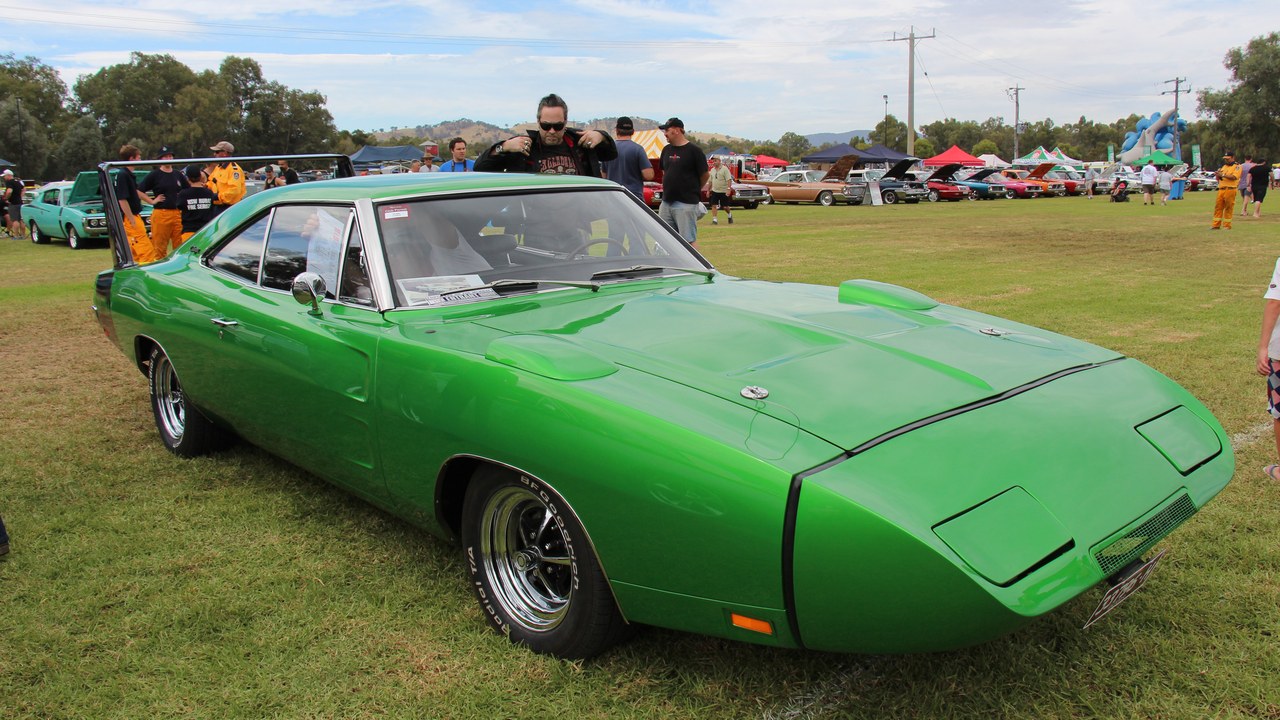
Built only for 1969, the Dodge Charger Daytona was the smoothed-nose forerunner of the Superbird, the Superbird article explains.
Its pointed nose and tall rear wing were aimed at higher speeds on the biggest ovals. The design started an aerodynamic race that changed how manufacturers approached NASCAR. Collectors prize surviving cars for the sheer drama of their styling, and genuine examples are scarce and expensive. The model remains a symbol of the aero wars that defined late-1960s racing, and it continues to draw crowds at shows and museums. Its role as the forerunner is why historians tend to discuss it and the Superbird together as a single story.
4. Plymouth Superbird: Winged Homologation Special
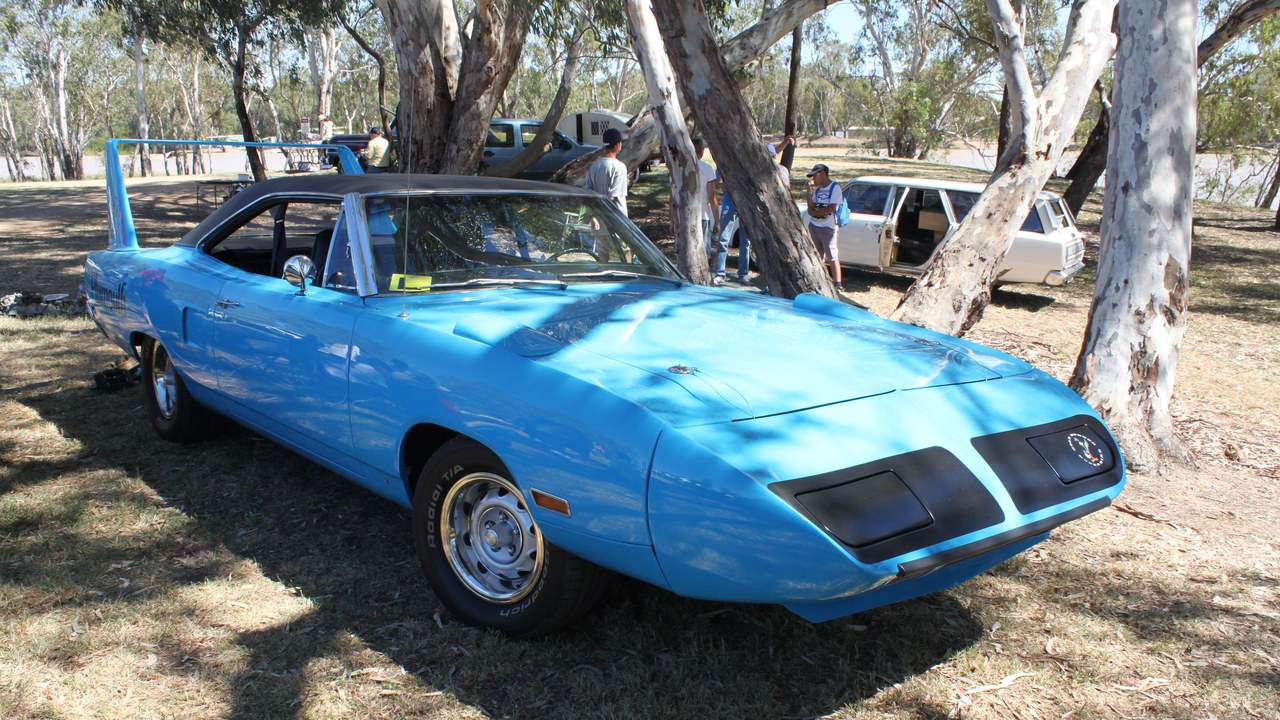
Plymouth had to build 1,920 Superbirds for 1970 to meet NASCAR’s rule, and the Superbird entry notes Richard Petty won 18 of 40 starts that year.
Selling street versions was the price of racing the winged shape. The requirement explains why so many road-going examples exist, and why they remain prized. Anyone shopping for one should expect high prices, and authenticity checks are essential, because replicas and conversions are common. The model is widely regarded as the most extreme production car of its era, and its place in racing history is secure.
5. Bill Elliott’s 1987 Ford Thunderbird: Record Lap
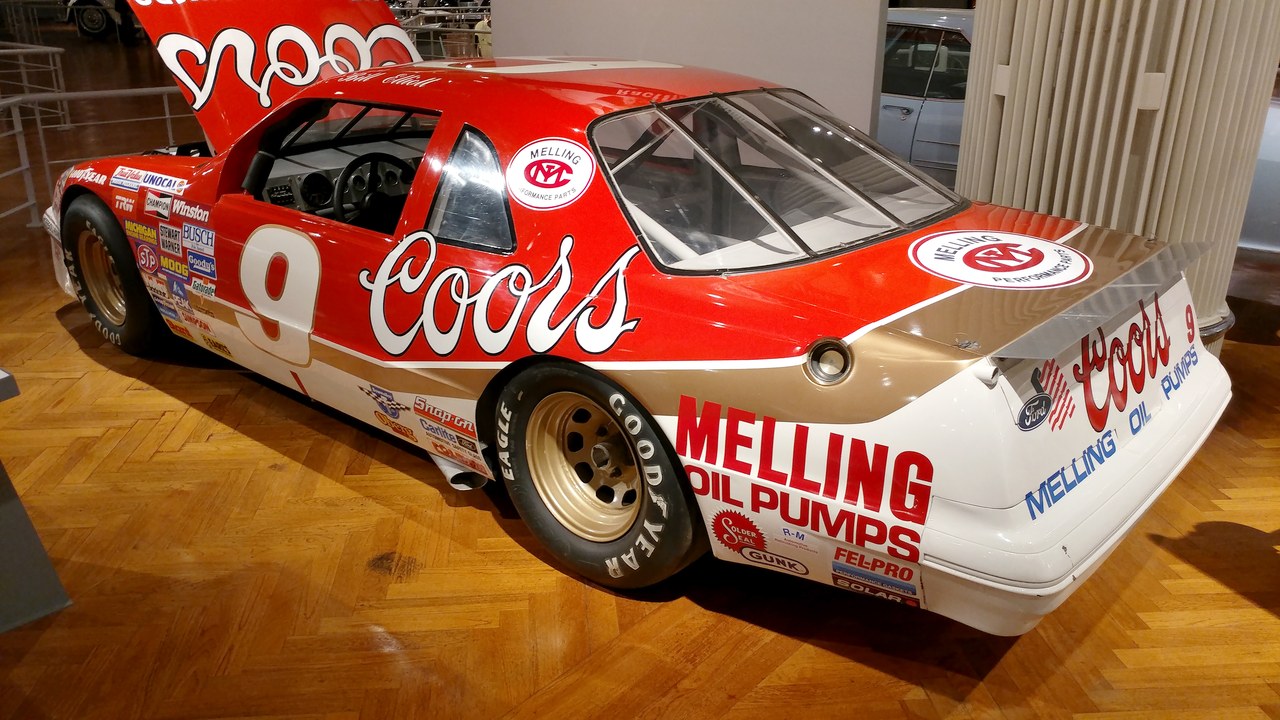
Bill Elliott qualified at 212.809 mph at Talladega in 1987, which the Henry Ford museum’s collection entry says remains NASCAR’s fastest official lap.
The speed was achieved in a Ford Thunderbird, a car better known as a road coupe. Rule changes after that era make the record difficult to challenge. Because speed limiting restrictor plates were introduced later, the record has stood while the sport changed around it. The car itself is now preserved in a museum, so its story is available to anyone interested in the technical limits of stock car racing.
6. Richard Petty’s 1964 Plymouth Belvedere: Glory Road Belvedere
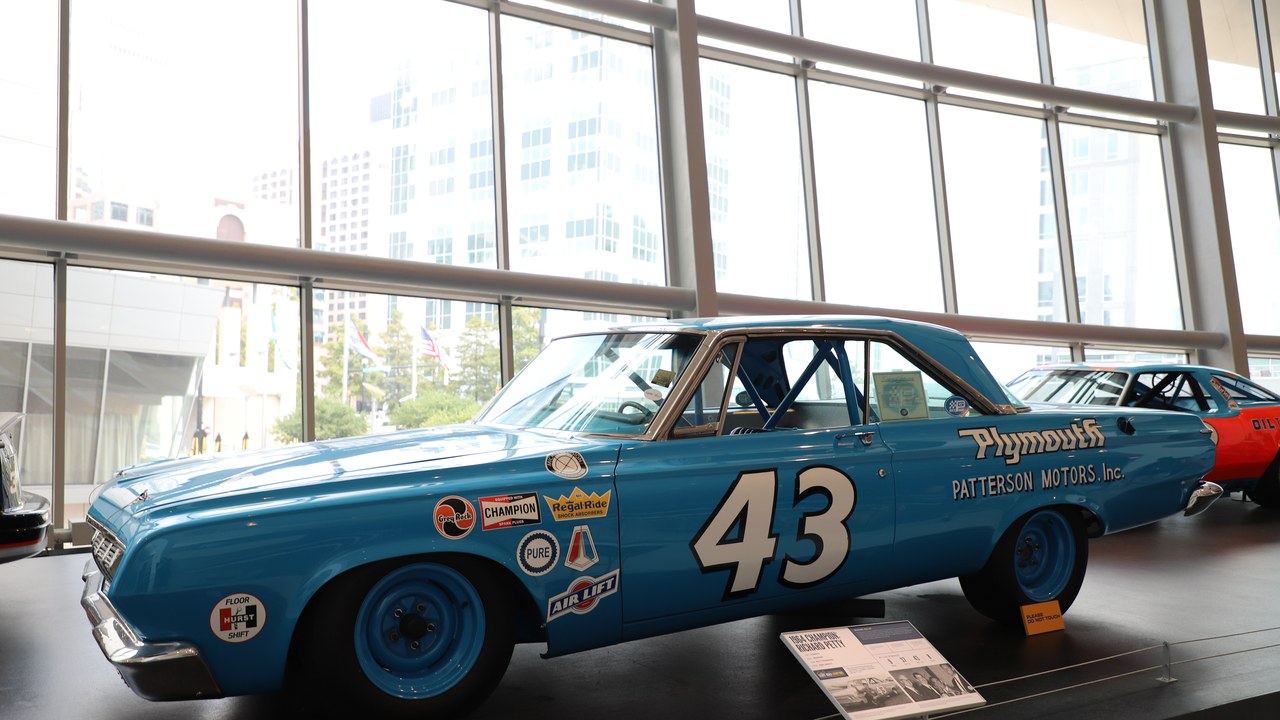
Richard Petty’s 1964 Plymouth Belvedere sits among the cars on the Hall of Fame’s Glory Road.
Petty is among the most famous names in stock car racing, and the car stands for his rise in the sport. Seeing it displayed gives fans a direct link to that era. Visitors to the Hall of Fame can see the car up close, which gives a rare view of how stock cars looked in the decade. The display places the car alongside other machines tied to the sport’s best-known names, giving the whole exhibit a sense of continuity.
7. Chevrolet SS (2013): Johnson’s Title Car
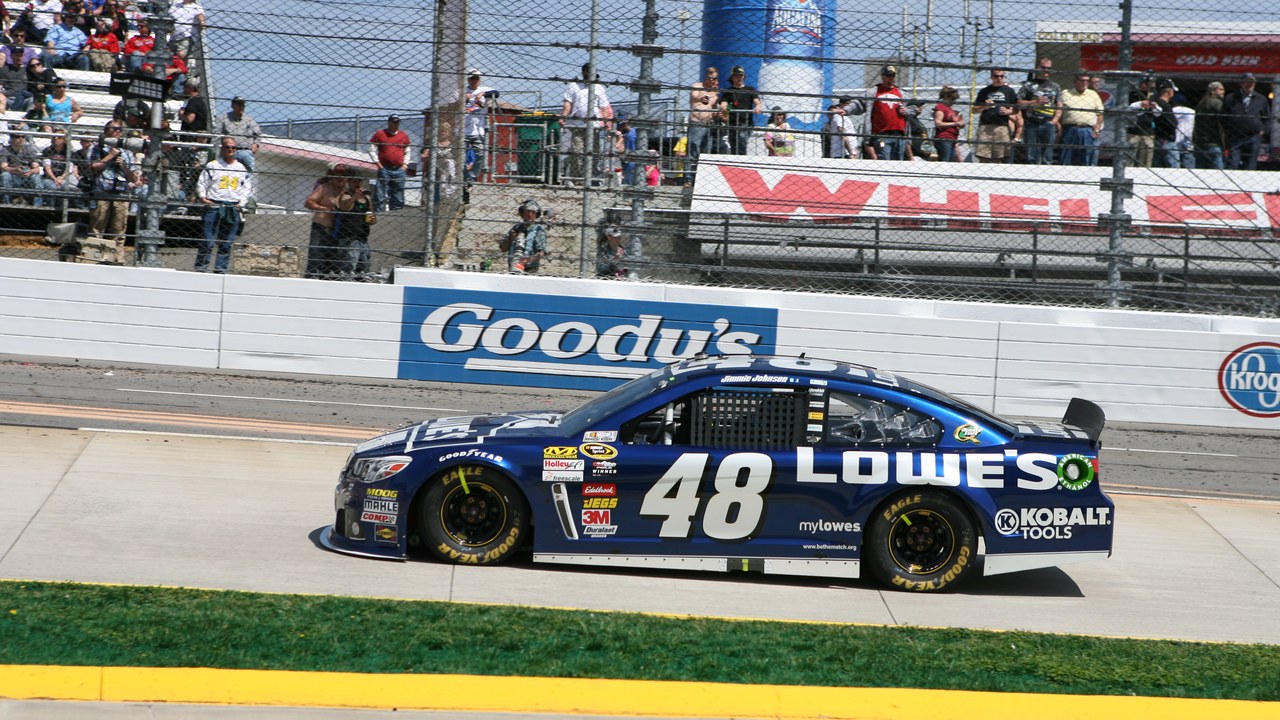
The 2013 Chevrolet SS driven by Jimmie Johnson is listed as a series champion car on NASCAR’s Glory Road roster at the Hall of Fame.
The SS arrived as Chevrolet’s new Cup car for 2013, and Johnson’s version earned its place by carrying him to that season’s championship. Its presence on Glory Road links the modern era with the older machines around it. Visitors can set the car beside sedans from earlier decades and see how far stock car design moved from showroom models toward purpose-built racers. The car also represents one of the most successful partnerships in the sport, with Johnson and his team turning the new model into a title winner in its very first season of competition.
8. Toyota Camry (2015): Busch’s Championship Camry
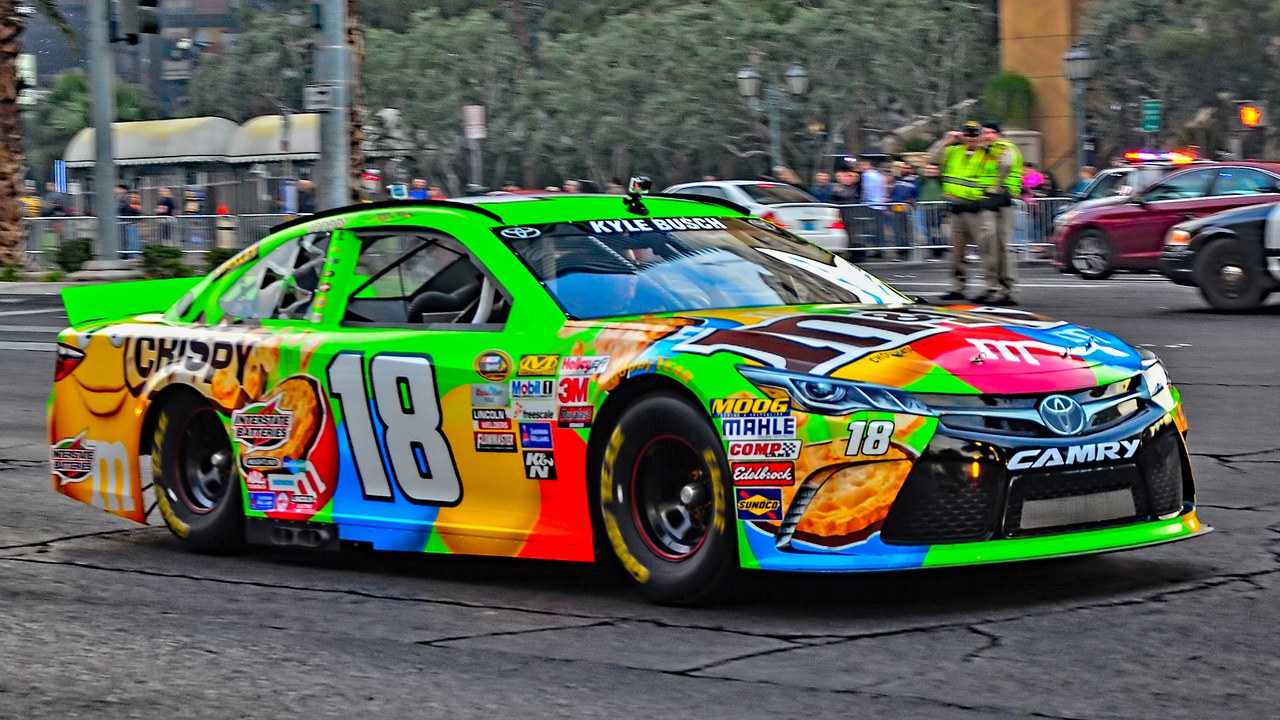
Kyle Busch’s 2015 Toyota Camry, a series champion, is on the Hall of Fame’s Glory Road alongside the sport’s other landmark cars.
The Camry’s inclusion marks a newer chapter in the sport, when a manufacturer from outside Detroit carried a driver to the title. Busch’s championship car sits on the same display as machines from the sport’s earliest seasons, which shows how widely the field of brands has changed. Fans can compare its shape with the older cars nearby and see how the rules shaped modern bodies. The car also shows that the championship roster on Glory Road now extends well beyond the American brands that dominated the sport for decades.
Stay ahead on AI: Subscribe to The Deep View →
We may earn a commission if you sign up.
More from Morning Overview
- Ford is recalling 223,472 F-150 pickups because the fuel tank can leak or detach
- Hybrids have 15% fewer problems than gas cars, while EVs and plug-in hybrids have about 80% more, Consumer Reports finds
- Regulators cleared the first U.S. small modular reactor, 4 months early
- Lake Powell sank to a record 3,517 feet, nearing the level that stops Glen Canyon Dam’s turbines
