
Japan’s big motorcycle makers spent the 1970s, 80s and 90s redefining what a production bike could do, from straight-line speed to styling and riding position. Kawasaki, Suzuki and Yamaha each produced models that changed expectations for buyers and rivals alike. Here are eleven machines from those three brands that shifted the direction of the industry.
Save more, waste less: The Cool Down’s newsletter sends smart, simple changes that help you and the planet in your everyday life.
We may earn a commission if you sign up.
1. Kawasaki Z1: Superbike Benchmark
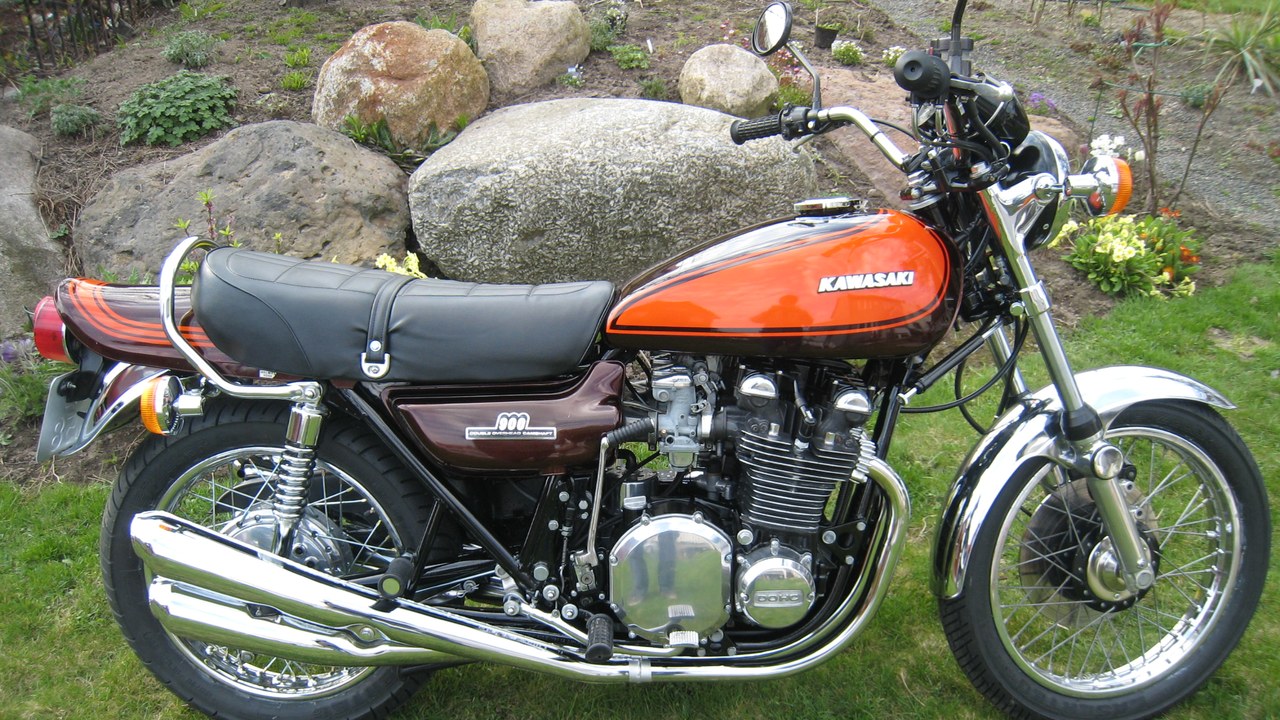
The 903cc Z1 produced 82 hp, could top 130 mph, and was tested at Daytona in spring 1973. Those numbers put it at the front of the performance conversation of its day.
A four-cylinder engine of that size gave riders both power and a refined delivery that rivals had to answer. The Z1 is still treated as a template for the big Japanese four. Vintage listings and museum displays keep the bike in front of new audiences, and its reputation as a landmark has only grown with time.
2. Kawasaki H2 Mach IV: The Widowmaker
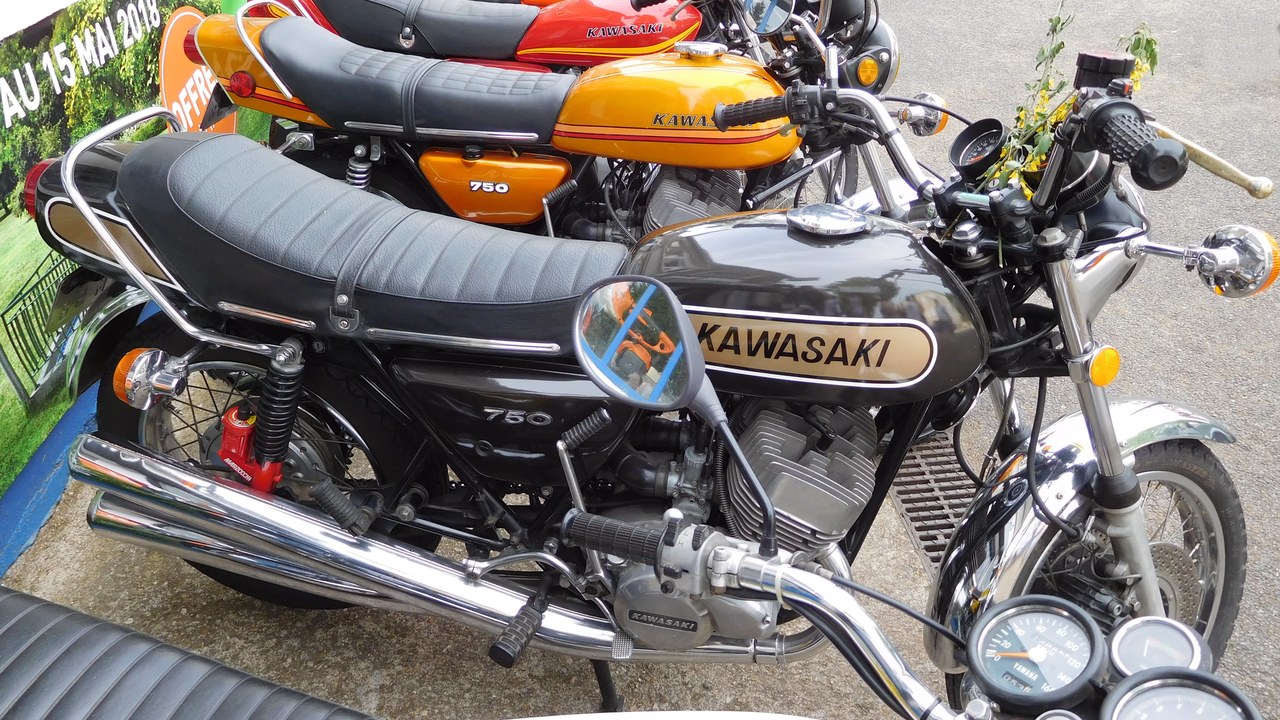
The 1972 two-stroke triple made 74 hp from 748cc and earned the nickname The Widowmaker. The H2 Mach IV delivered fierce acceleration in a lightweight package.
That reputation reflects how demanding the bike could be for riders, and it explains why the Mach IV is remembered as one of the wildest street machines of its decade. Collectors value that raw character. Vintage versions are sought by riders who want a direct connection to that era of unfiltered two-stroke performance and its sometimes intimidating reputation.
3. Kawasaki GPz900R Ninja: Ninja Begins
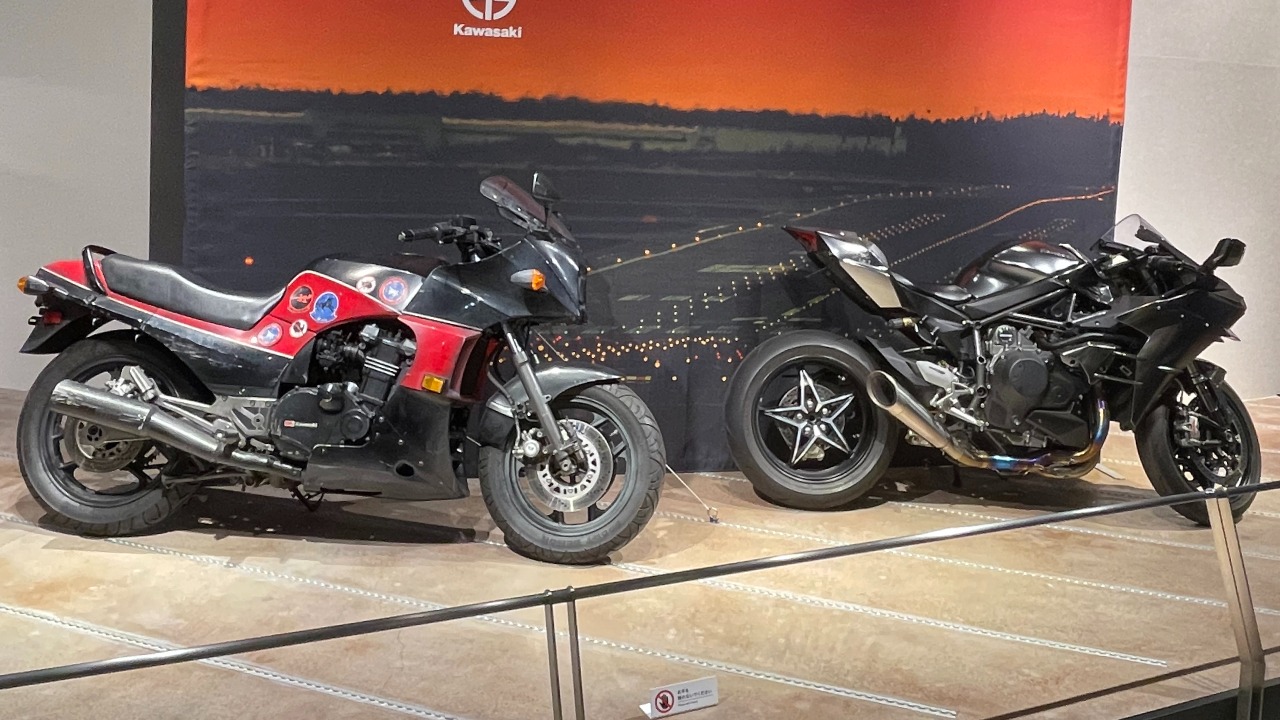
The Ninja name began in 1984 as the rebrand of the GPz900R. It attached a title to a sport bike that would eventually grow into a whole family of Kawasaki models.
A name that endured is itself a measure of the design’s influence. Today the badge appears across many sizes and price points, yet the origin of the whole lineup traces back to this single machine. Newer riders encountering the name on modern bikes may not realize how far back the story goes, which makes the original worth knowing.
4. Suzuki GSX-R750: Race Replica Template
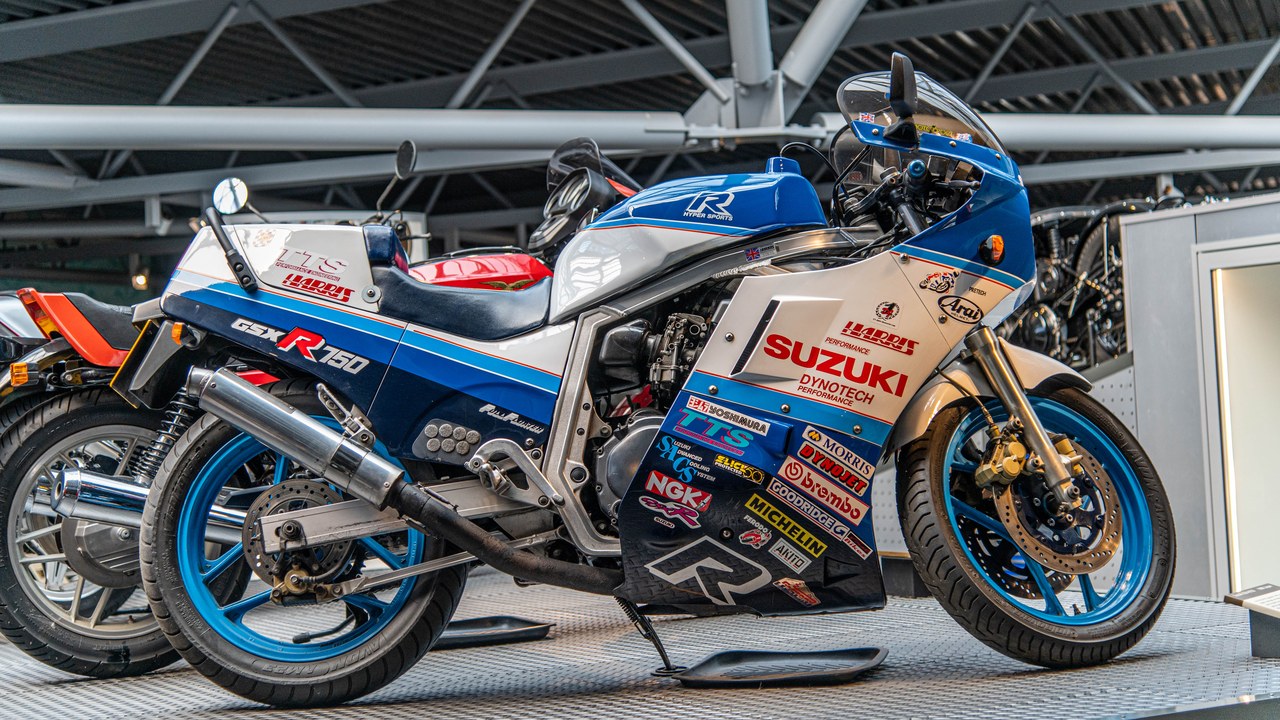
Introduced at the Cologne show in October 1984 as a 1985 model, the GSX-R750 started Suzuki’s GSX-R line. It launched a series that would define the brand’s sport bikes.
The model matters because it set the pattern for how a manufacturer could build a road bike with a strong racing flavor. Riders and collectors still point to it as the foundation of the family. That lineage gives modern owners a link to the original and helps explain why the letters remain so recognizable in the sport bike world.
5. Suzuki Katana: Sword Styling
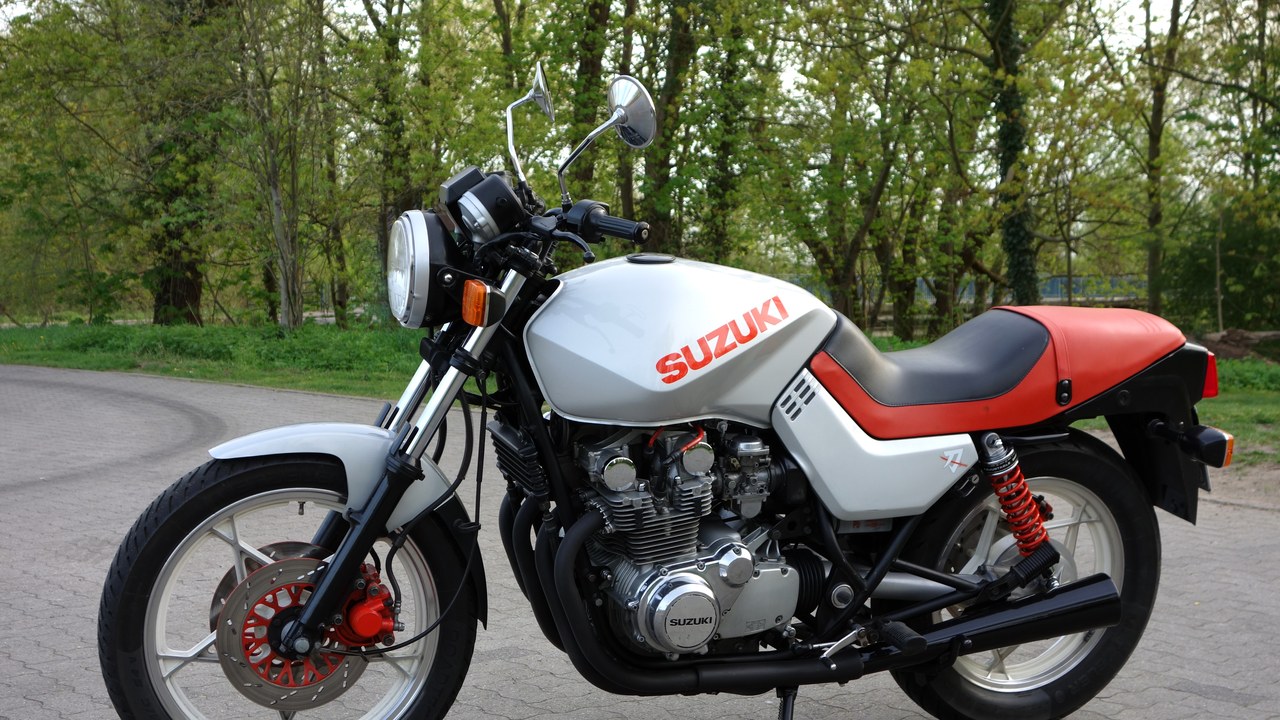
Hans Muth’s Target Design styling made the 1980 GSX1100S Katana a claimed fastest mass-production motorcycle, and Cycle Canada timed it at 147 mph. Its angular looks were as notable as its speed.
The shape divided opinion but set it apart from every other bike in showrooms, and it remains a style icon that Suzuki has revisited in later years. Surviving examples attract attention at classic bike events, where the unusual design still draws a crowd of curious onlookers and long-time fans.
6. Suzuki Hayabusa: Fastest Production Bike
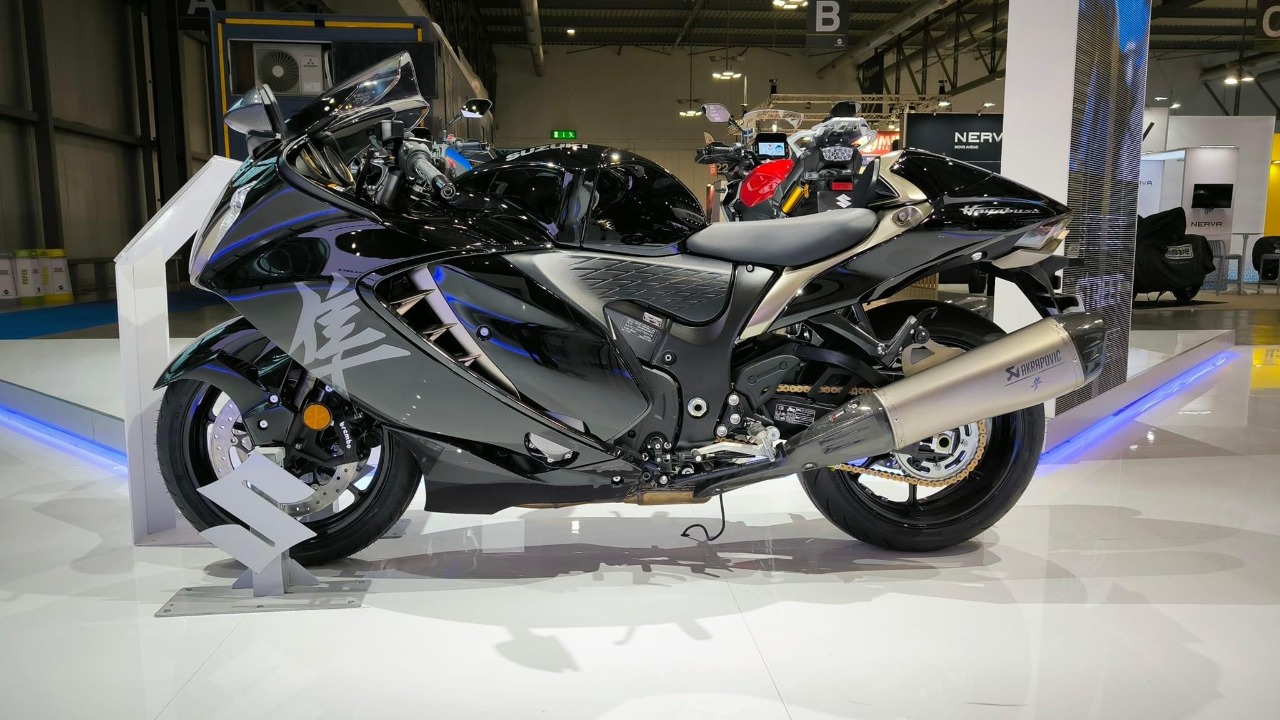
Launched in 1999 as the world’s fastest production motorcycle, the Hayabusa saw its first two generations sell over 189,100. Those sales show how widely the idea of an ultimate-speed machine appealed to buyers.
The bike became a legend among riders who valued straight-line performance, and its distinctive streamlined shape is recognized even by people who do not follow motorcycles. Its reputation has helped keep the model in conversation for decades, and later versions continue to lean on the same sense of ultimate performance.
7. Yamaha XS650: Japan’s First Cruiser
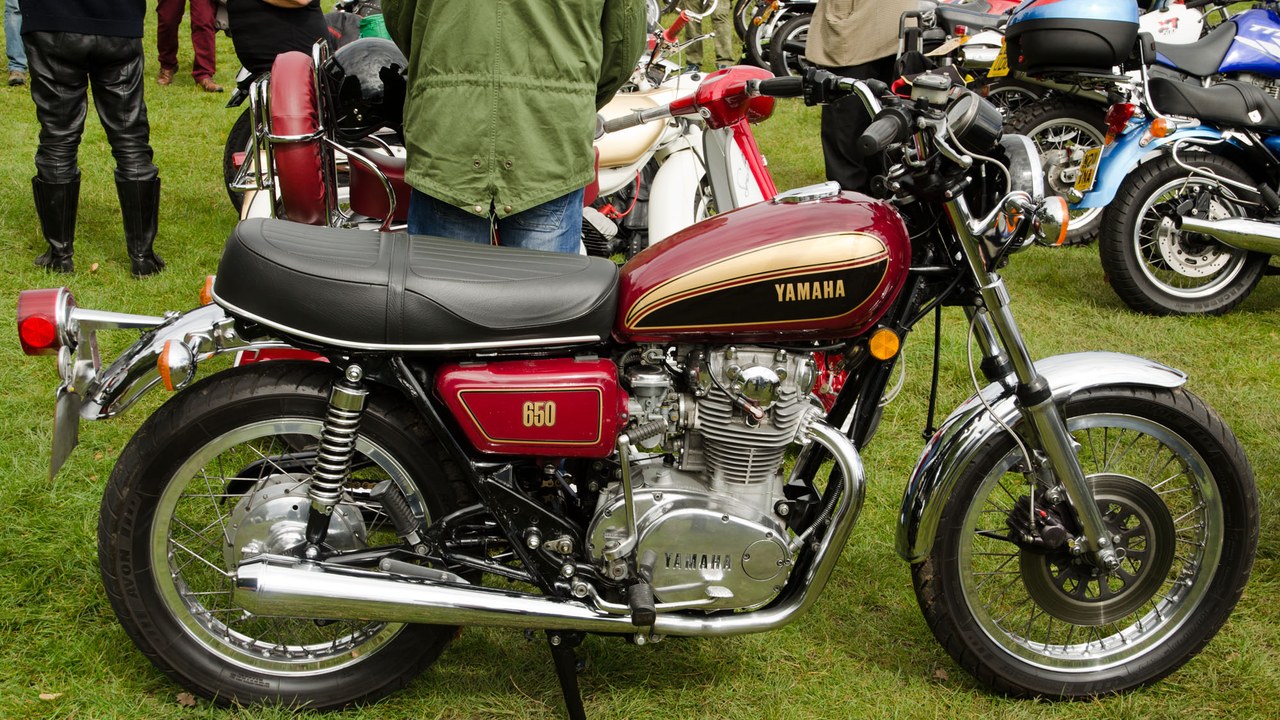
The XS650 Special of 1978 was the first production cruiser built by a Japanese manufacturer. It marked a turn toward the relaxed, low-slung riding position associated with American styles.
For Yamaha it opened a new market segment, and the idea would shape cruiser offerings from Japan for years afterward. The XS650 is often cited as a landmark in that story. Vintage examples remain popular with owners who like the model’s role in the history of Japanese motorcycling and its clean mechanical simplicity.
8. Yamaha RD350: Lightweight Two-Stroke
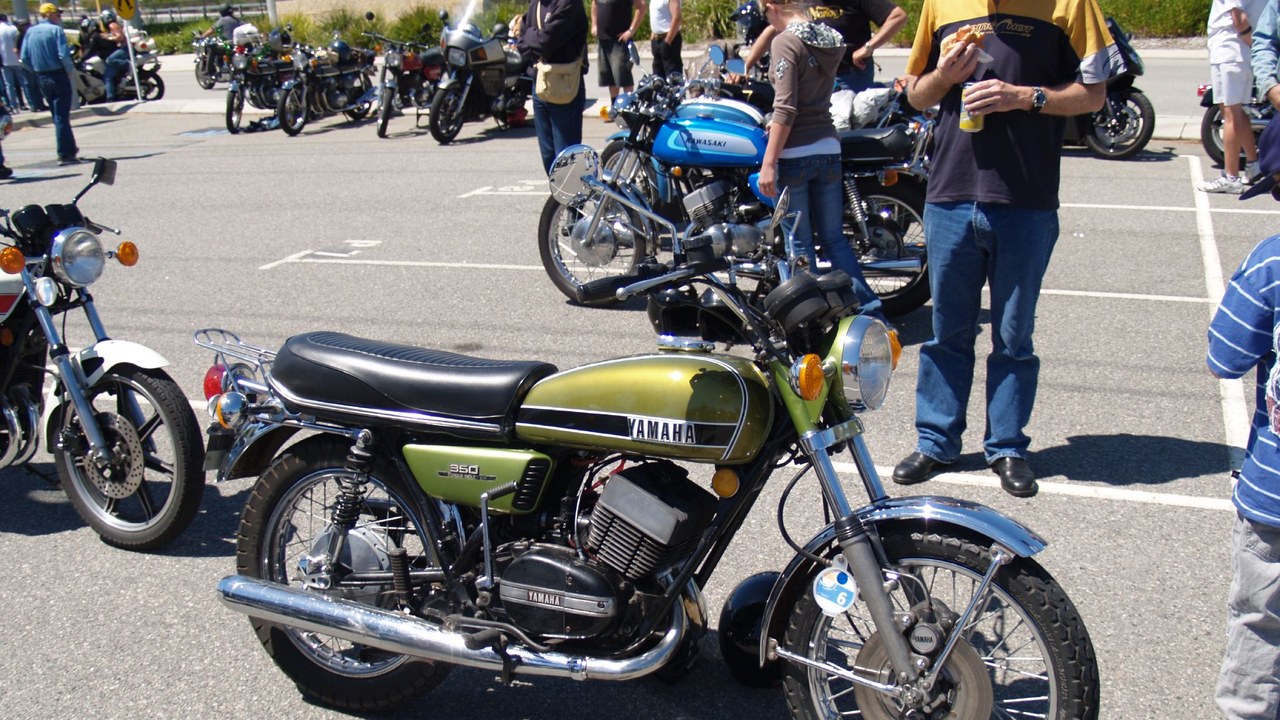
The 1973 air-cooled 350cc two-stroke twin made 35 horsepower at the rear wheel and became the RD350. That output gave a light bike lively performance on the street.
Riders looked for exactly that kind of pep without the bulk of a larger machine, and the RD350 earned its place among the memorable small sport bikes of its era with a loyal following. Used examples remain a reasonable way to experience the era, and the model is a frequent choice for hands-on restoration projects.
9. Yamaha V-Max: Power Cruiser Standard
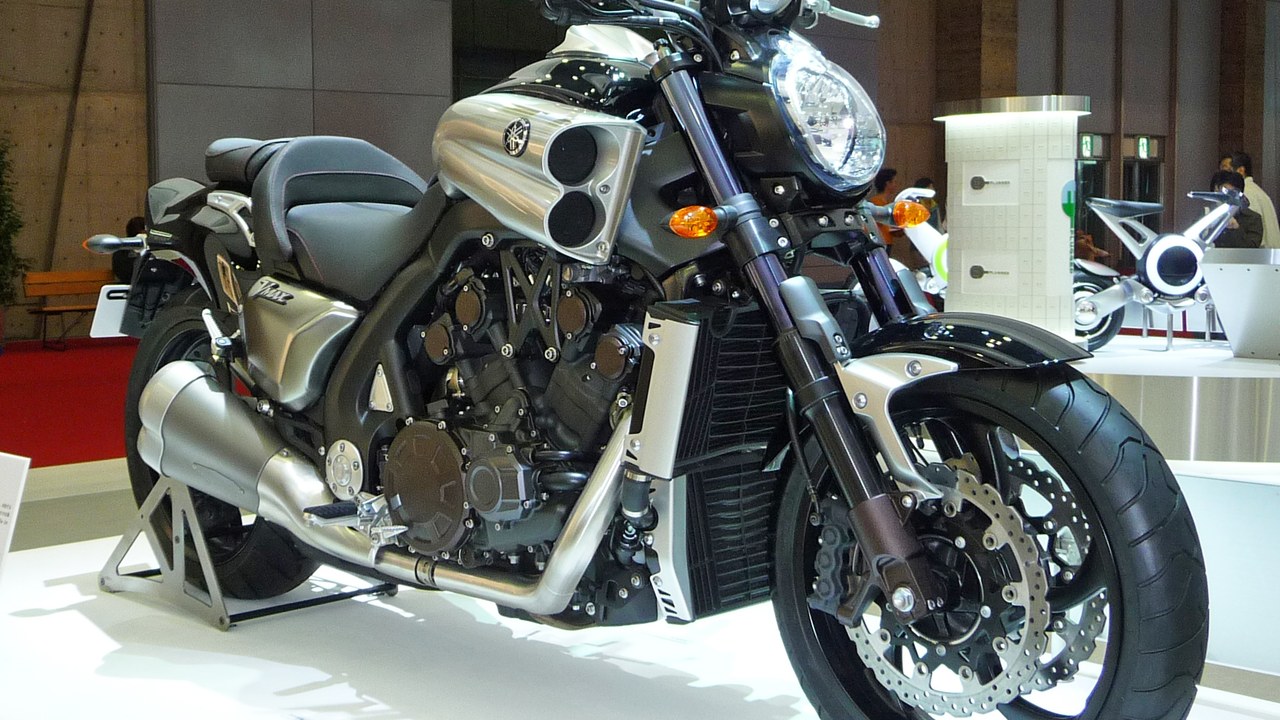
The V-Max 1200 of 1985 claimed 145 hp, a number the page says set a new motorcycle standard. It carried a muscle-bike character that few rivals matched.
The V-Max became a symbol of outsized acceleration and attitude, and its legacy is that it showed riders could want a machine built mainly for explosive straight-line power. It is an easy bike to recognize, and enthusiasts regularly cite it when listing machines that defined a particular attitude of the era.
10. Yamaha YZF-R1: Modern Sportbike Evolution
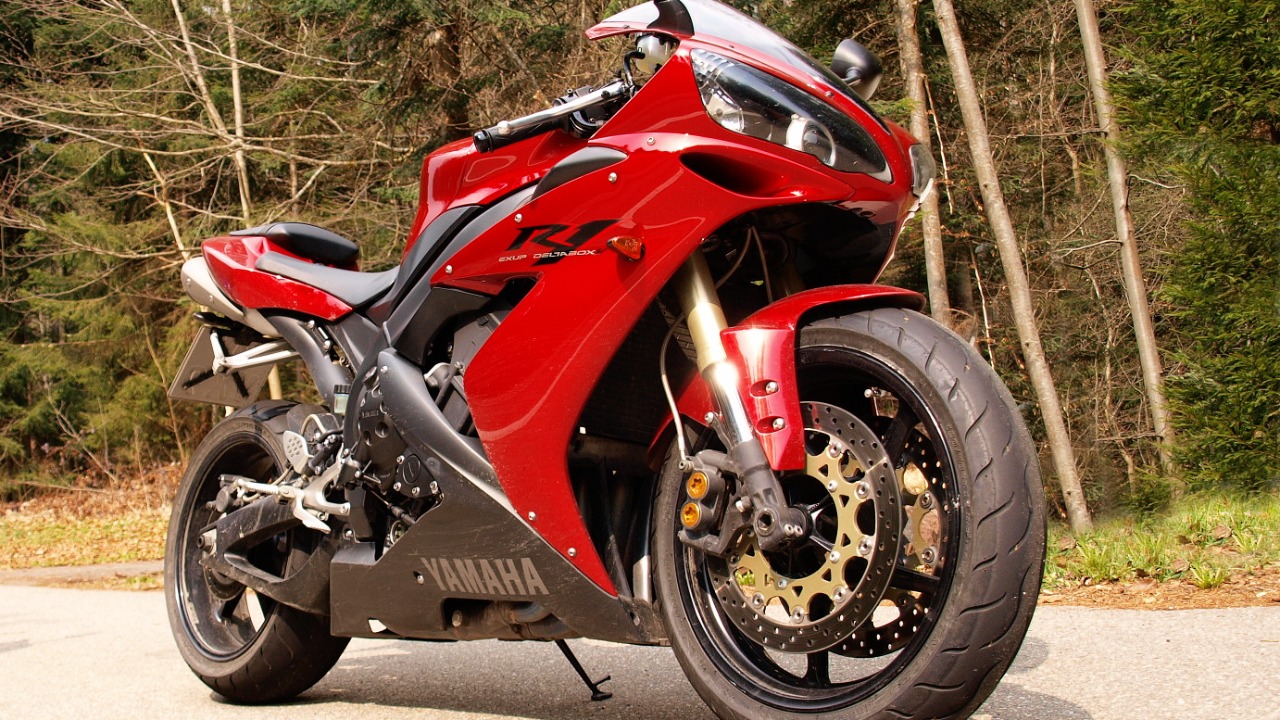
First released in 1998, the YZF-R1 later gained fuel injection in 2002 and a cross-plane crankshaft in 2009. Those changes mark the model’s technical evolution across its life.
Each step reflected a push toward sharper response and a distinctive engine feel, and the R1 remains a reference in the liter-class sport segment among riders and racers. For buyers, that history helps explain why the model keeps its status as a dependable reference point when comparing modern high-performance machines.
11. Yamaha Virago: Yamaha’s V-Twin Cruiser
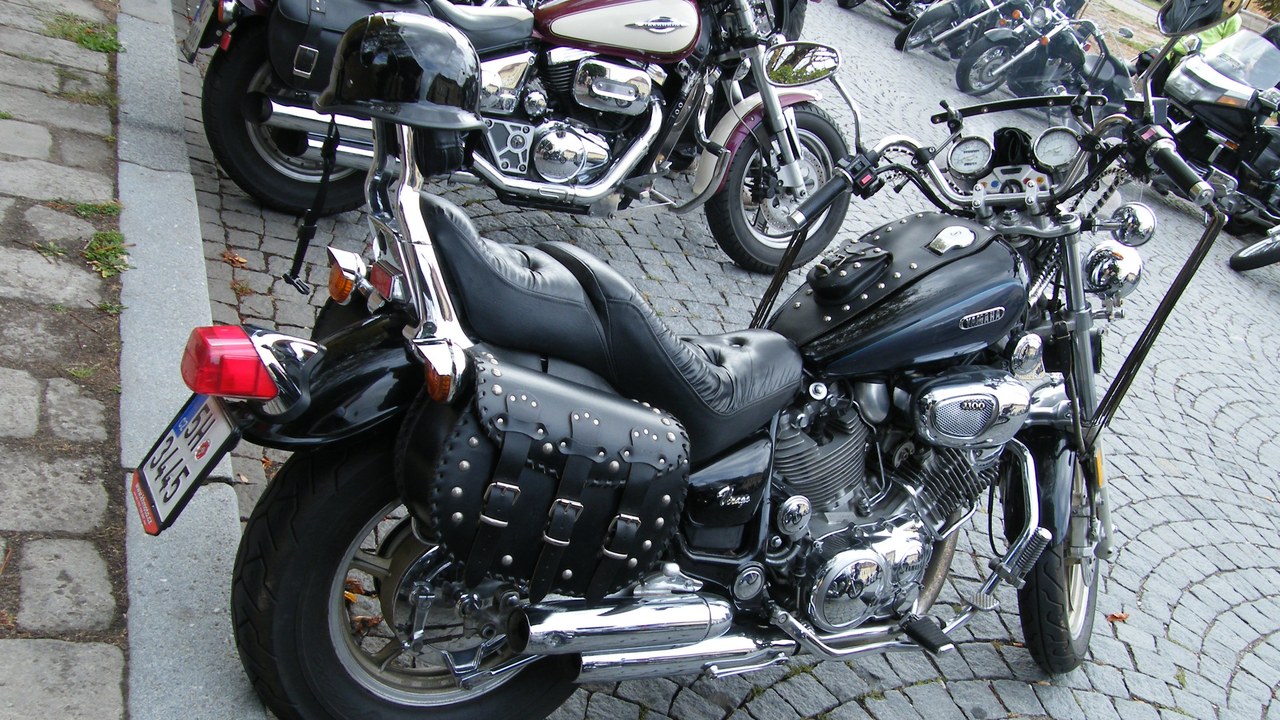
The 1981 Virago 750 was Yamaha’s first air-cooled V-twin cruiser. It brought a classic cruiser layout to the brand’s lineup.
The Virago name went on to represent Yamaha’s cruiser ambitions, and for riders it offered an accessible entry to the cruiser style with a distinctive engine configuration and relaxed manners. Used examples remain a frequent sight at cruiser gatherings, where owners appreciate the bike for its simple appeal and approachable character.
Save more, waste less: Subscribe to The Cool Down →
We may earn a commission if you sign up.
More from Morning Overview
- Lake Powell sank to a record 3,517 feet, nearing the level that stops Glen Canyon Dam’s turbines
- Seven of Earth’s nine planetary boundaries are breached, and all seven are worsening
- The NSA says three phone features should be off whenever you aren’t using them
- Hurricane Hunter radar shows four warning signs that a tropical cyclone is about to strengthen, a University of Miami study found
