
Indian built some of the most recognizable American motorcycles, and its story runs through racing wins, wartime service, a shutdown and a revival. The models below begin in the late 1920s and carry through to the present day. Here are eight machines that show how the brand evolved across its Springfield and Gilroy eras and into the modern lineup.
Tech news in one quick read: Get the most interesting stories in startups, tech and programming, each with a short TLDR, in one daily email from TLDR.
We may earn a commission if you sign up.
1. Indian Scout 101 (1928): Balanced and Quick
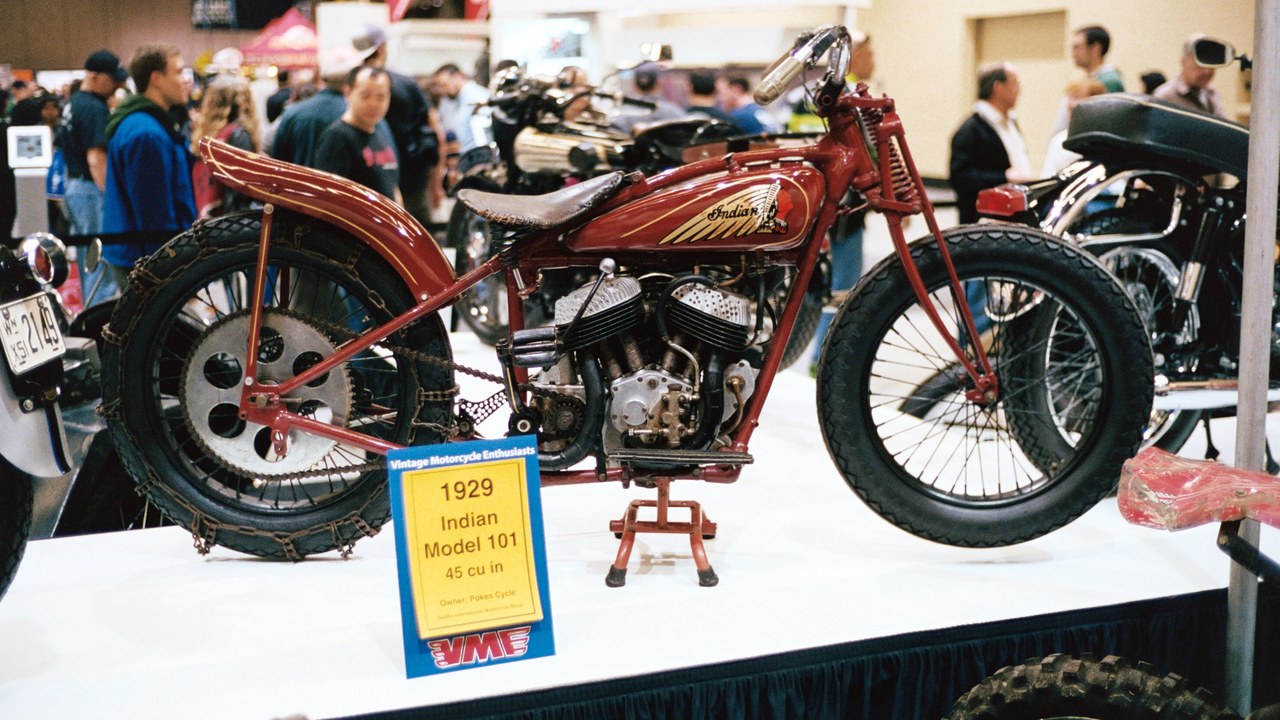
Introduced in 1928, the Scout 101 earned praise for a 50/50 weight distribution and topped out near 80 mph. Those traits made it a benchmark for handling among motorcycles of its era.
Weight balance matters because it shapes how a bike steers and brakes, and the 101 became a reference point for later Scouts. Many riders and collectors still regard it as the high-water mark of the early Scout family. Surviving examples are prized by museums and private owners alike, partly because the model shows how a motorcycle of that period could combine usable speed with approachable manners, a combination that later Scouts kept chasing for decades.
2. Indian Four: Inline Four Inheritance
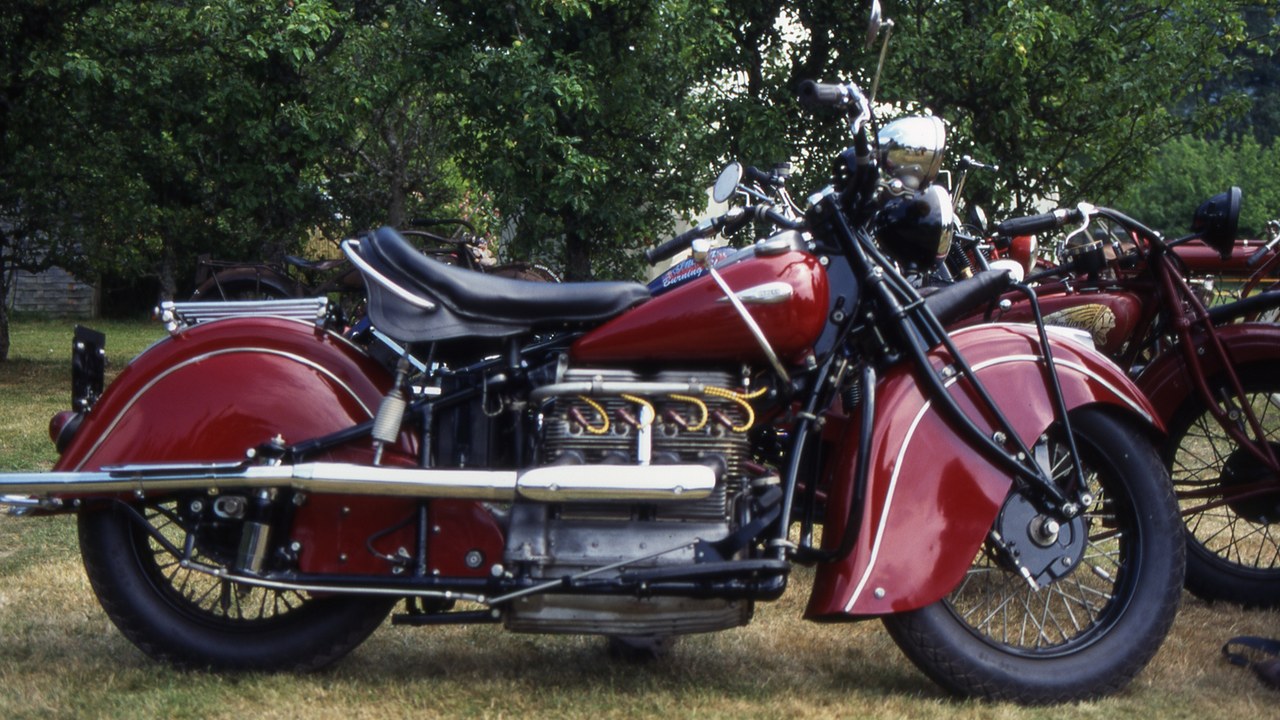
Indian built its inline four after taking over Ace in 1927, folding a rival’s engine layout into its own range. The result was a smooth multi-cylinder machine from an American maker.
Four-cylinder motorcycles were a premium proposition, and the Four gave Indian a distinct alternative to its V-twin models. For anyone studying the brand, it shows how acquisitions shaped its engineering. The engine layout also hints at why the model is remembered fondly: an inline four offers a different character from a twin, with a smoother delivery and a longer, more stately profile that set Indian apart from its main competitors.
3. Indian Sport Scout (Daytona 200 winner): Daytona 200 Champion
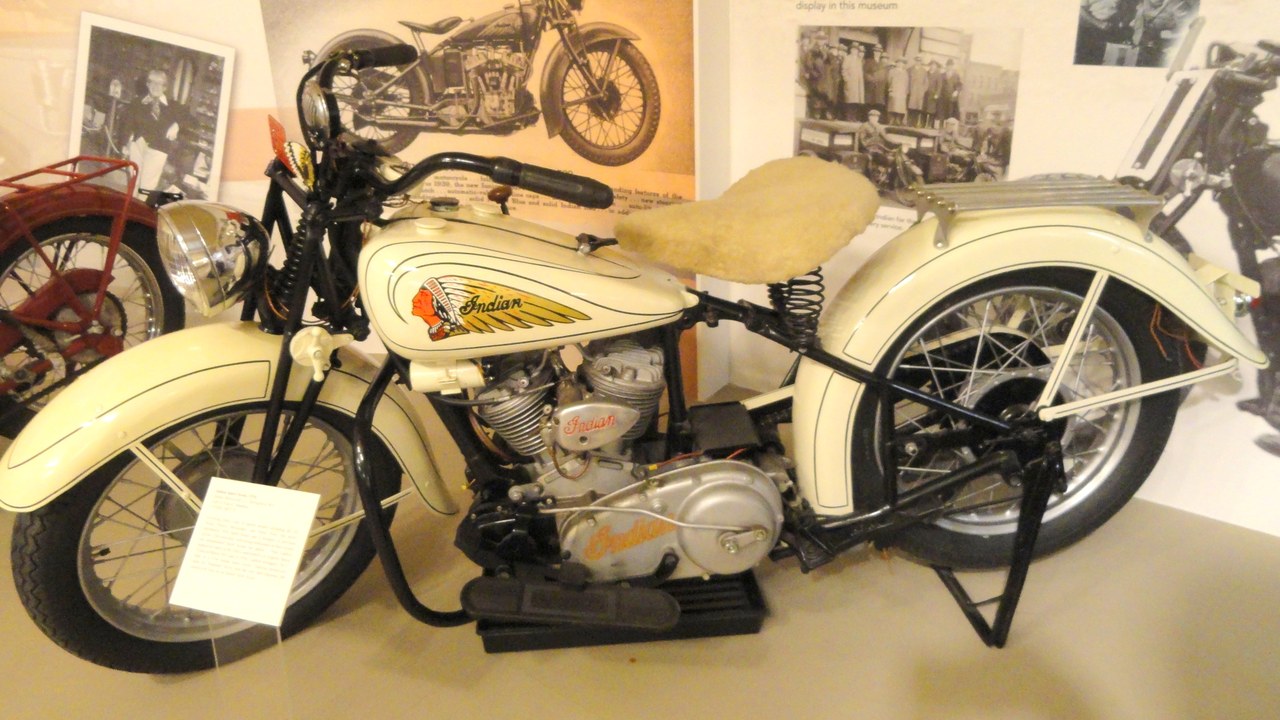
A Sport Scout won the first Daytona 200 in 1937, giving the Scout line a headline racing result. The victory tied the model to one of the best-known events in American motorcycle racing.
Racing success sold motorcycles in that period, and the Sport Scout’s result helped build the performance image of the nameplate. It remains a favorite among vintage racing enthusiasts and collectors. The event has grown into a fixture of the racing calendar, so a win in its first running carries lasting historical weight, and period photographs of the bikes remain popular with fans of classic American flat-track and road racing.
4. Indian 741 (1942): Wartime Workhorse
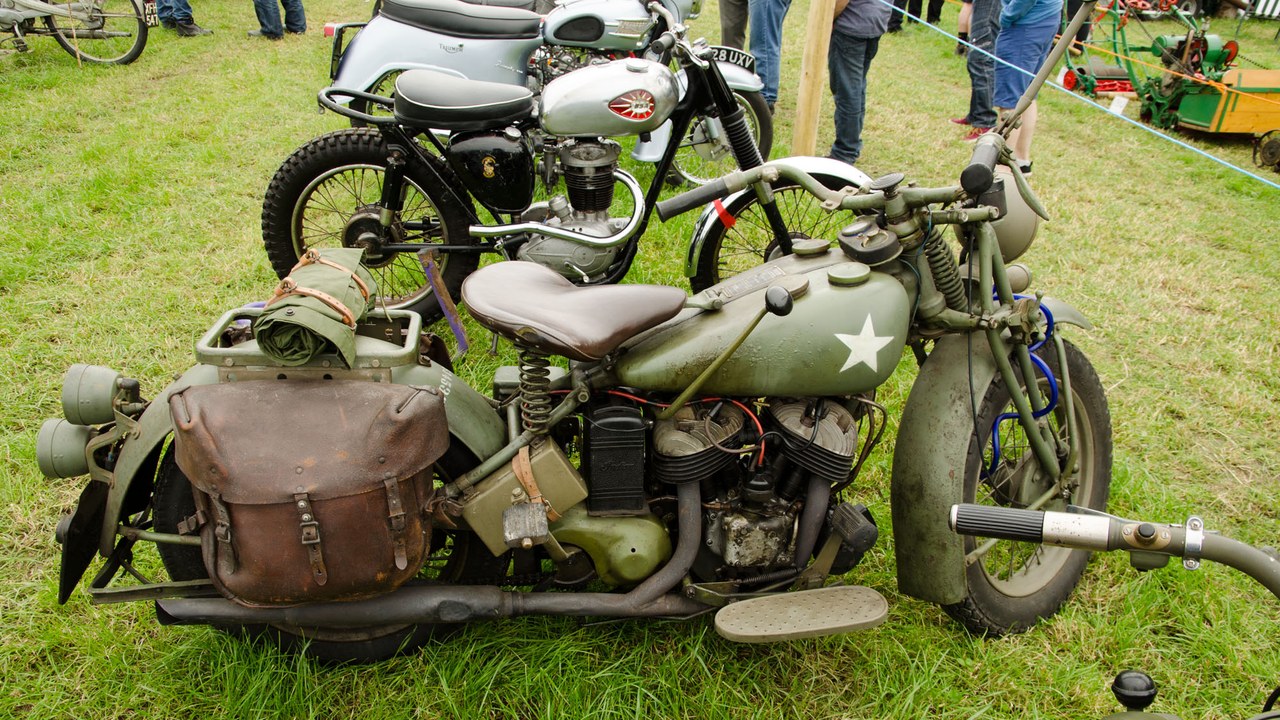
Indian sent around 44,000 military 741s overseas in World War II. The model featured higher ground clearance and jerry can mounts, changes aimed at rougher terrain and longer supply runs.
Those adaptations show how a civilian design was reworked for military use. The scale of the shipments explains why the 741 is a recurring figure in discussions of Indian’s wartime contribution and a sought-after restoration subject. Restorers often chase the military details specifically, because the practical fittings give these machines a purposeful look that civilian models of the time lacked, and the wartime story adds depth to any example that survives intact today.
5. Indian Chief (1950-53): The Last Springfield Chiefs
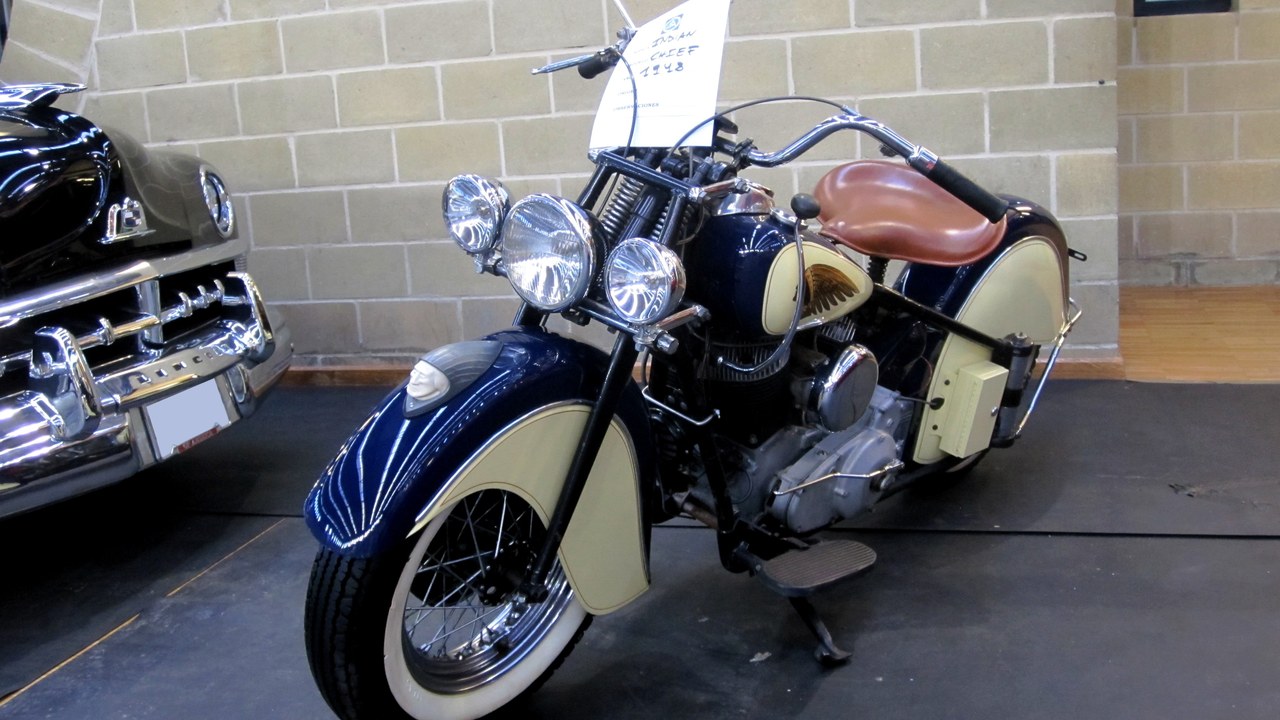
About 600 Chiefs were built before all Indian production ended in 1953, and the last of them had hydraulic forks and a spring frame. Those features made the final Chief a more modern machine than its predecessors.
The small production total keeps the 1950-53 bikes scarce and gives them a certain poignancy as the final chapter of the original company. They represent both the peak and the end of an era. Late in the company’s run, engineering upgrades arrived, so collectors read the last Chiefs as a sign of what the original firm might have achieved had it continued, which adds an element of what-if to their appeal.
6. Indian Chief (1999 Gilroy): Gilroy Revival
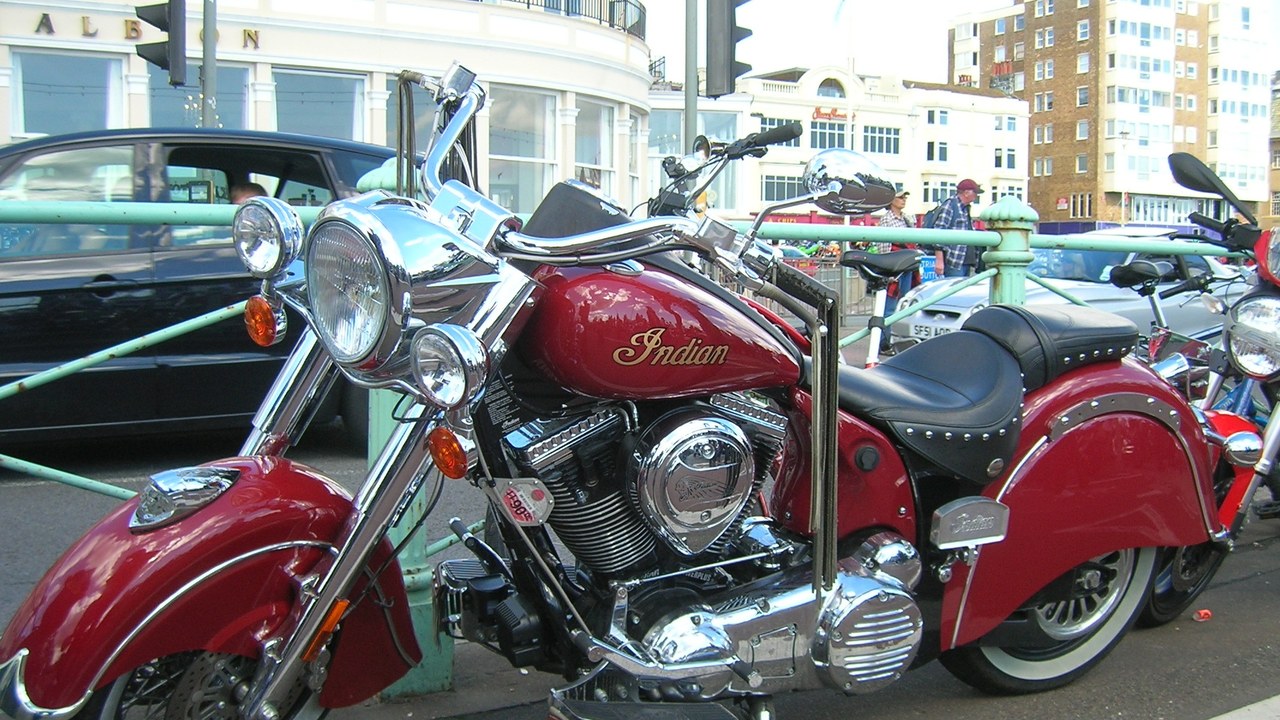
The Gilroy, California revival launched the 1999 Chief Limited Edition with a 1,442cc engine, after Springfield ended production in 1953. It marked the nameplate’s return after nearly half a century away.
The bike demonstrated that demand for the Indian name had outlasted the factory that built it. For buyers, it is a link between the classic Chief and the current range of heavyweight cruisers. Revivals can be risky, yet the Gilroy effort gave later owners of the brand a foundation to build on, and the cruiser styling of that Chief is still referenced when people discuss how the nameplate returned to showrooms.
7. Indian 249 Super Scout (1949): Outgunned Twin
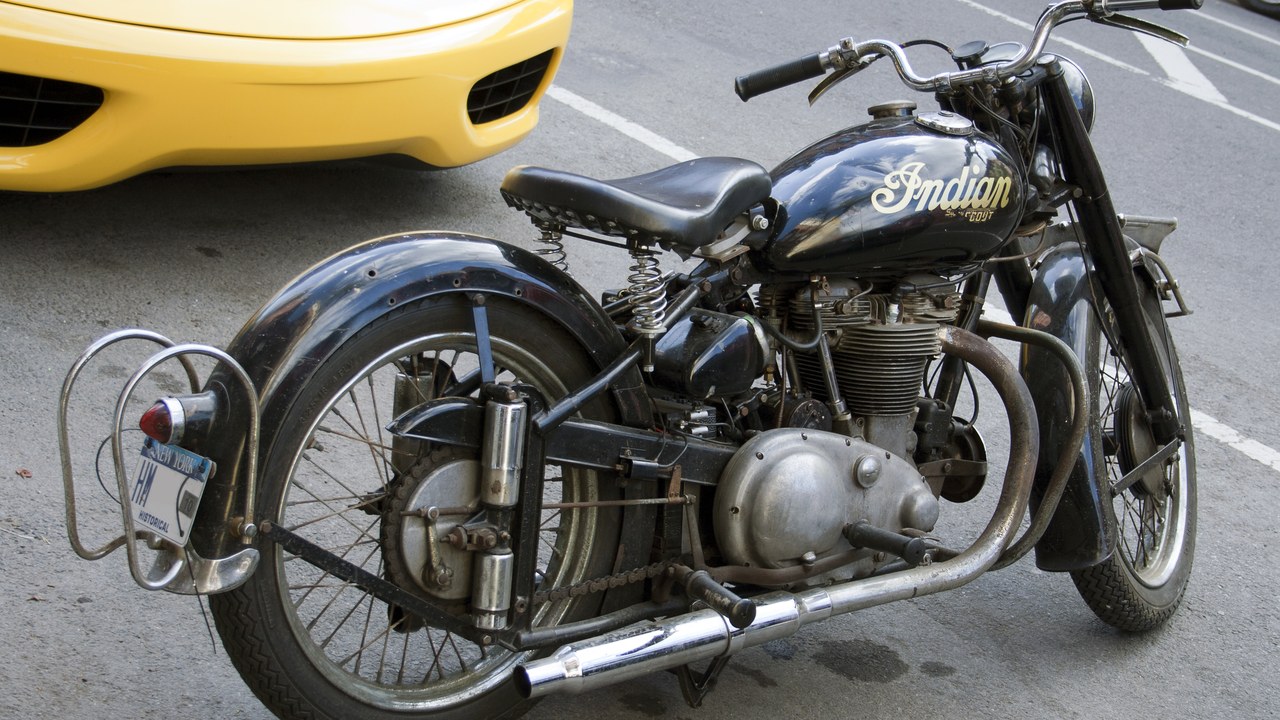
The postwar Super Scout used a 440cc parallel-twin, but SlashGear notes it could not compete once the pound’s devaluation cut the prices of imported bikes by a third.
That currency shift handed British makers a sudden price advantage in the American market, and a smaller domestic twin had little room to answer it. The Super Scout’s struggle shows how forces far from the factory floor could decide a model’s fate. For collectors, the bike now stands as a reminder of a turning point in Indian’s postwar years, when the company tried to move toward lighter machines just as overseas rivals became cheaper to buy.
8. Indian Roadmaster: Full-Dress Tourer
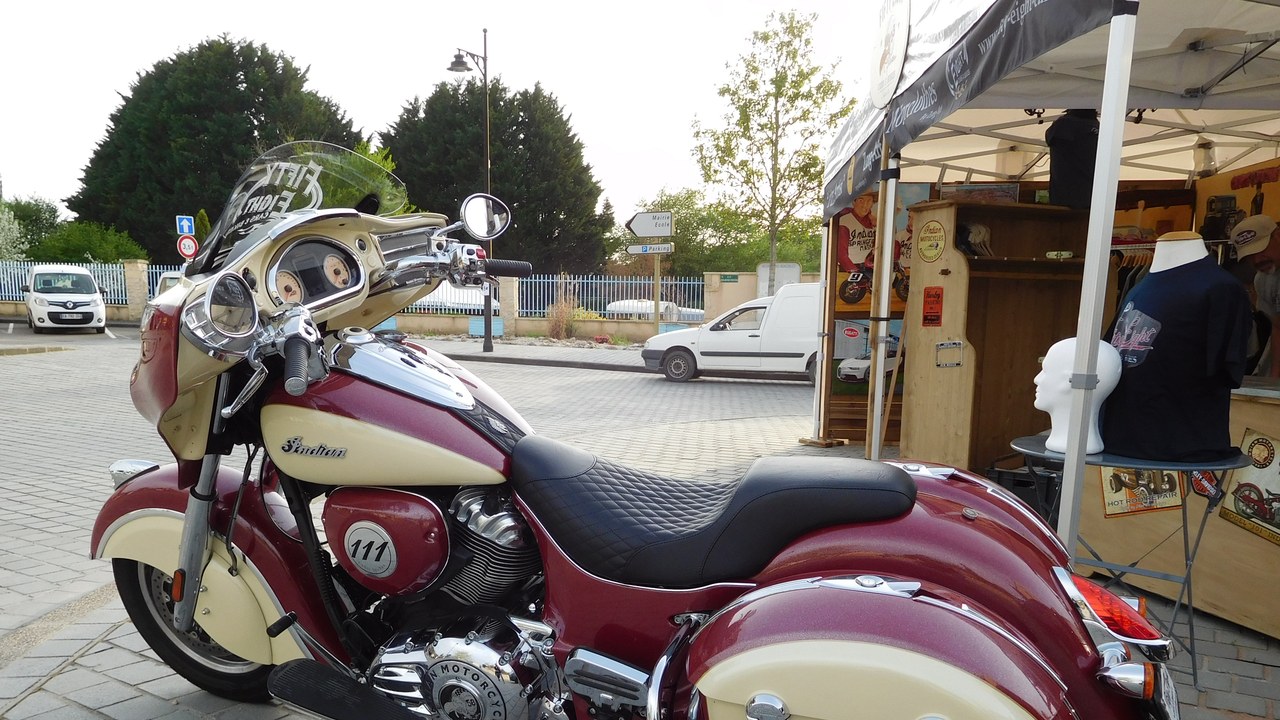
The 1,890cc Roadmaster is billed as born to conquer the open road, and it comes with a full dresser luggage pack. It sits at the touring end of the range, built for distance rather than sport.
Dresser bikes aim to carry riders and cargo comfortably over long trips, and the Roadmaster is Indian’s answer to that segment. It shows how far the company has moved from the lightweight early Scouts. Buyers weighing the segment tend to look at comfort, storage and highway manners, and the Roadmaster’s equipment list places it squarely among the bikes designed for riders who plan to cover serious distances in a single trip.
Tech news in one quick read: Subscribe to TLDR →
We may earn a commission if you sign up.
More from Morning Overview
- Regulators cleared the first U.S. small modular reactor, 4 months early
- Lake Powell sank to a record 3,517 feet, nearing the level that stops Glen Canyon Dam’s turbines
- Seven of Earth’s nine planetary boundaries are breached, and all seven are worsening
- The NSA says three phone features should be off whenever you aren’t using them
