
Luxury badges usually carry luxury-sized repair bills, but a few premium models break that pattern by borrowing parts from reliable mainstream siblings or backing owners with unusually long warranties. Independent reliability studies keep ranking these vehicles among the cheapest luxury nameplates to own, even as they compete on comfort and styling with pricier rivals. Here are nine luxury cars that feel far more affordable to run than their badges suggest.
1. Lexus ES: Camry Bones, Lexus Comfort
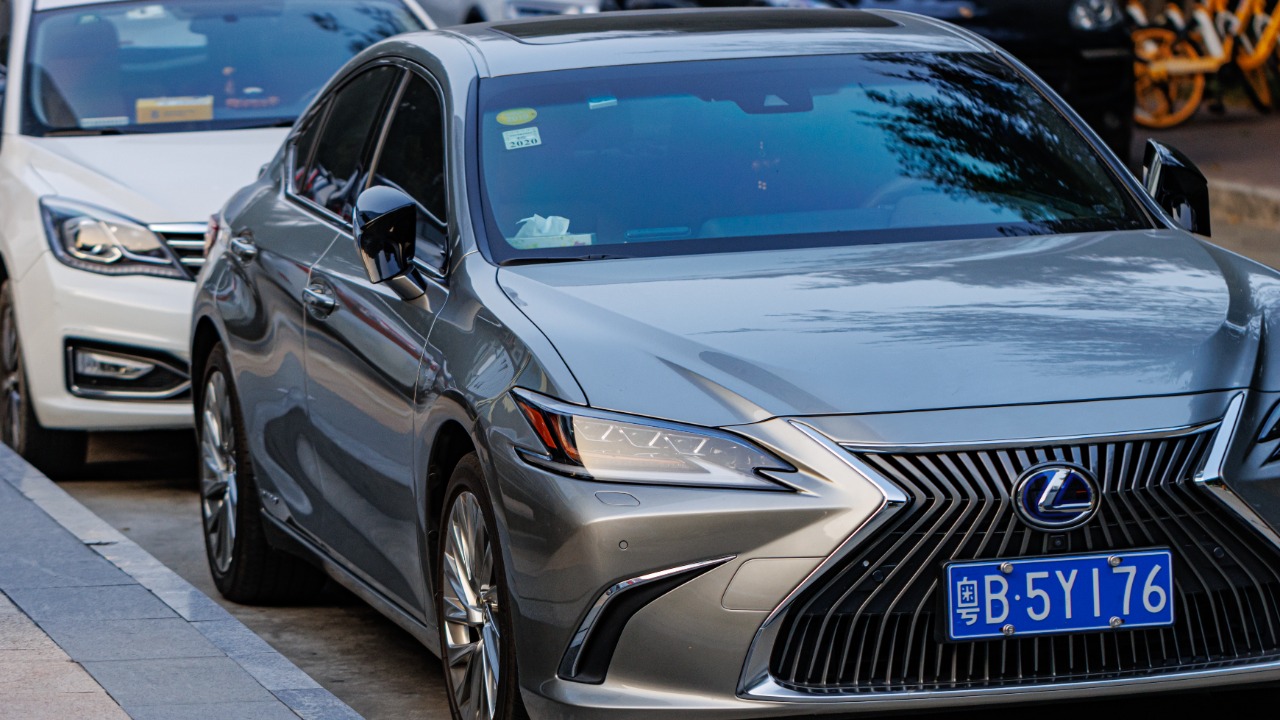
The Lexus ES shares its platform and drivetrain with the Toyota Avalon and Camry, and that shared engineering shows up in ownership costs. Consumer Reports’ reliability and owner satisfaction rankings consistently place Lexus near the top of the industry, built on parts and mechanicals that ordinary Toyota dealers already stock and service cheaply.
Routine maintenance rarely strays far from what a Camry owner pays, even though the ES adds leather, a quieter cabin, and a nicer badge. Owners regularly reach well past 150,000 miles without major mechanical surprises, making the ES one of the more forgiving ways into a genuinely upscale interior.
2. Lexus RX: Proven Bones, Low Bills
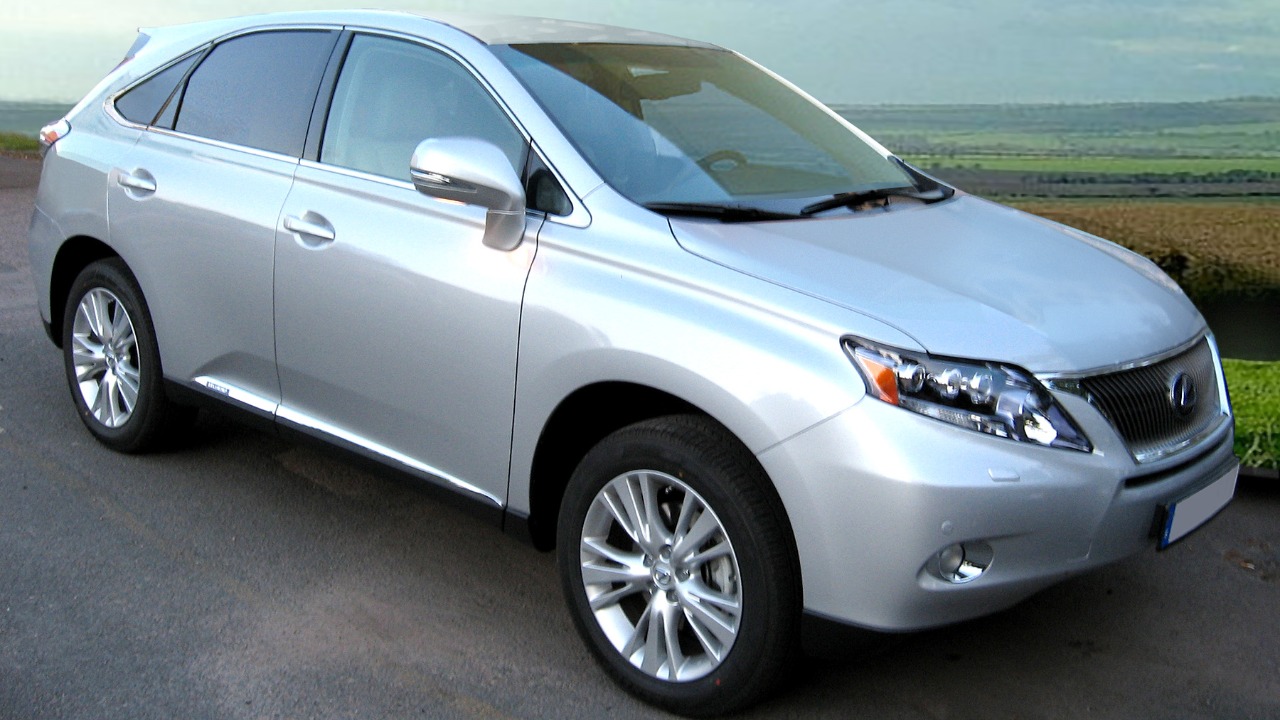
Owner-loyalty and dependability surveys have topped out on the Lexus RX for years, largely because it borrows heavily from Toyota’s mainstream SUV engineering rather than chasing exotic components. Its long production history spans multiple generations built on well-proven hybrid and V6 powertrains, the same units found in less expensive Toyota models, which keeps parts availability high and shop labor familiar to any dealer.
That familiarity translates into lower-than-average repair estimates for a three-row luxury SUV, since technicians rarely need specialized training or rare parts. Buyers looking for a comfortable, well-equipped SUV without the anxiety of a surprise repair bill routinely point to the RX as the safer luxury bet.
3. Acura TLX: Accord Underneath, Luxury On Top
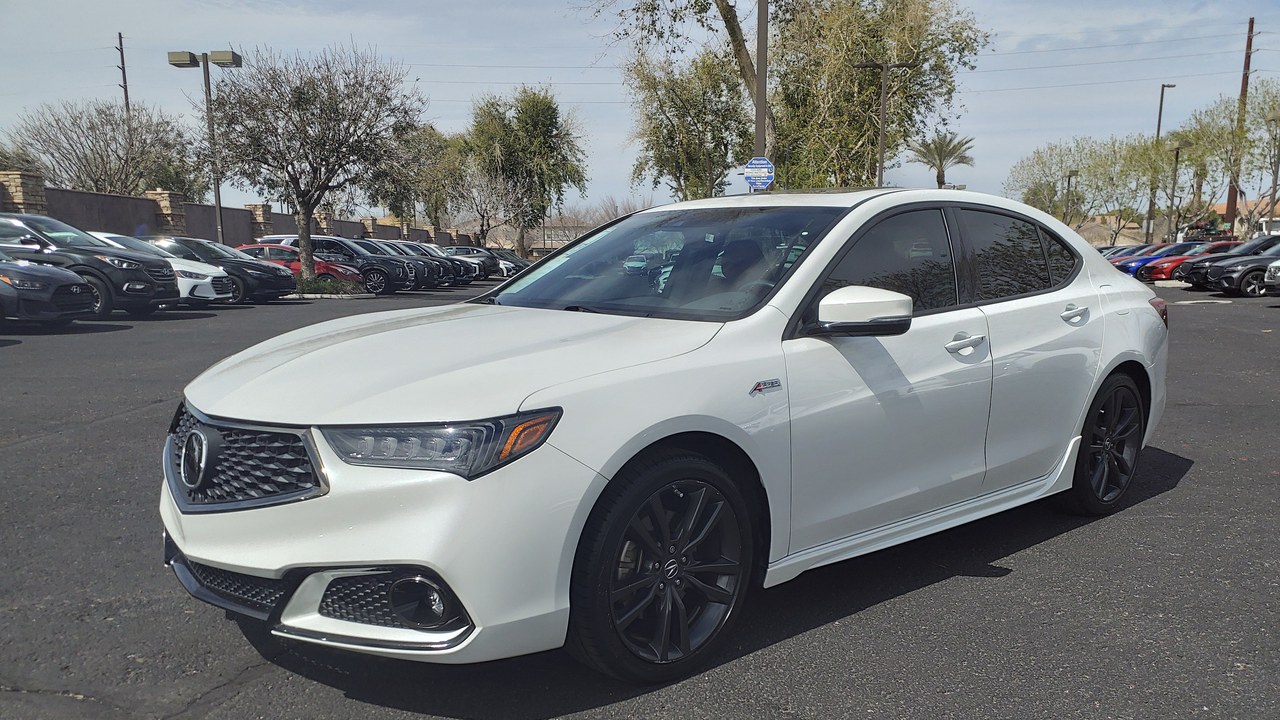
Built on Honda Accord underpinnings, the Acura TLX keeps routine service costs closer to a mainstream sedan than a European luxury competitor. Acura’s TLX lineup has used Honda-sourced four-cylinder and V6 engines across its generations, engines that any independent shop can diagnose and repair without specialized tooling or a dealer-only parts network.
Insurance and parts costs also track lower than rival German sport sedans, since Acura sources many components through Honda’s global supply chain rather than boutique suppliers. For a driver who wants sport-sedan handling and a genuine luxury interior without premium-brand shop rates, the TLX remains a quietly practical pick.
4. Acura MDX: Honda Reliability, Three Rows
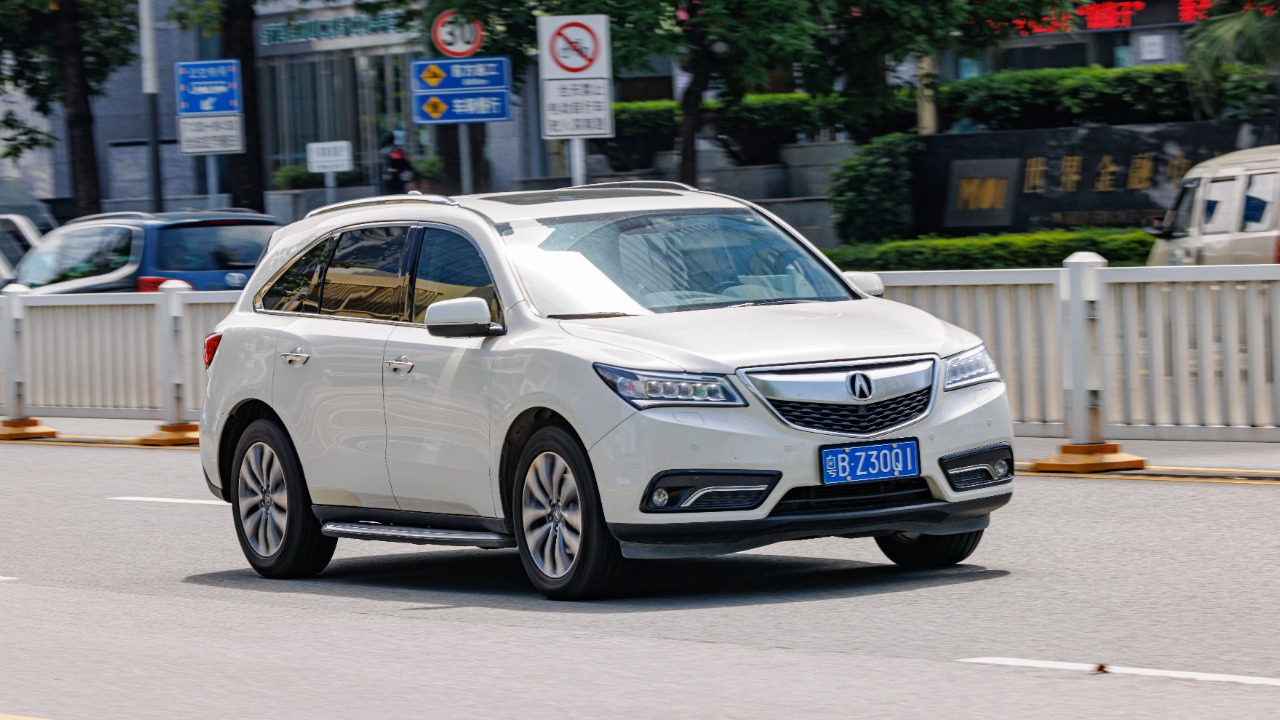
Sharing much of its architecture and V6 engine with the Honda Pilot and Odyssey, the Acura MDX avoids the repair bills common to European rivals thanks to that shared parts bin. The MDX’s model history shows a lineup built for durability rather than exotic engineering, with mechanicals that any Honda-trained technician can service.
Families cross-shopping three-row luxury SUVs often find the MDX’s maintenance schedule and part prices land far closer to a Pilot than to a German or Swedish competitor. That affordability, paired with genuine third-row seating and Acura’s upscale cabin materials, makes the MDX a rare case of luxury size without luxury-size bills.
5. Genesis G80: Warranty That Covers The Risk
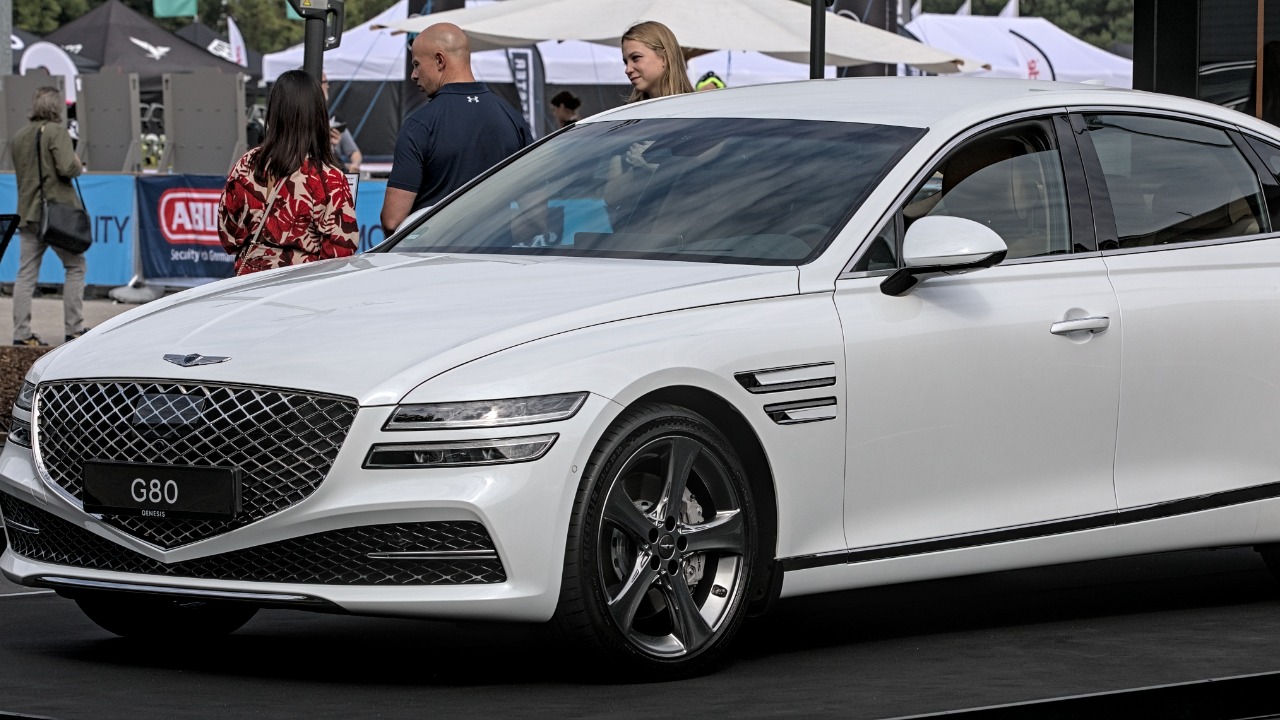
The Genesis G80 comes with one of the longest warranties in the luxury segment, a coverage window that Hyundai’s premium brand uses specifically to offset the cost anxiety that usually comes with an unproven nameplate. Longevity research on the broader Hyundai-Genesis lineup has found the group’s vehicles routinely reach high mileage marks, suggesting the mechanicals underneath the luxury trim are built to last.
During the warranty period, most major repairs are covered outright, which removes the single biggest expense that scares buyers away from newer luxury brands. Combined with a spacious, tech-heavy cabin that rivals German sedans costing far more, the G80 offers a genuinely low-risk way to own a full-size luxury sedan.
6. Lexus IS: Reliable Rival To German Sedans
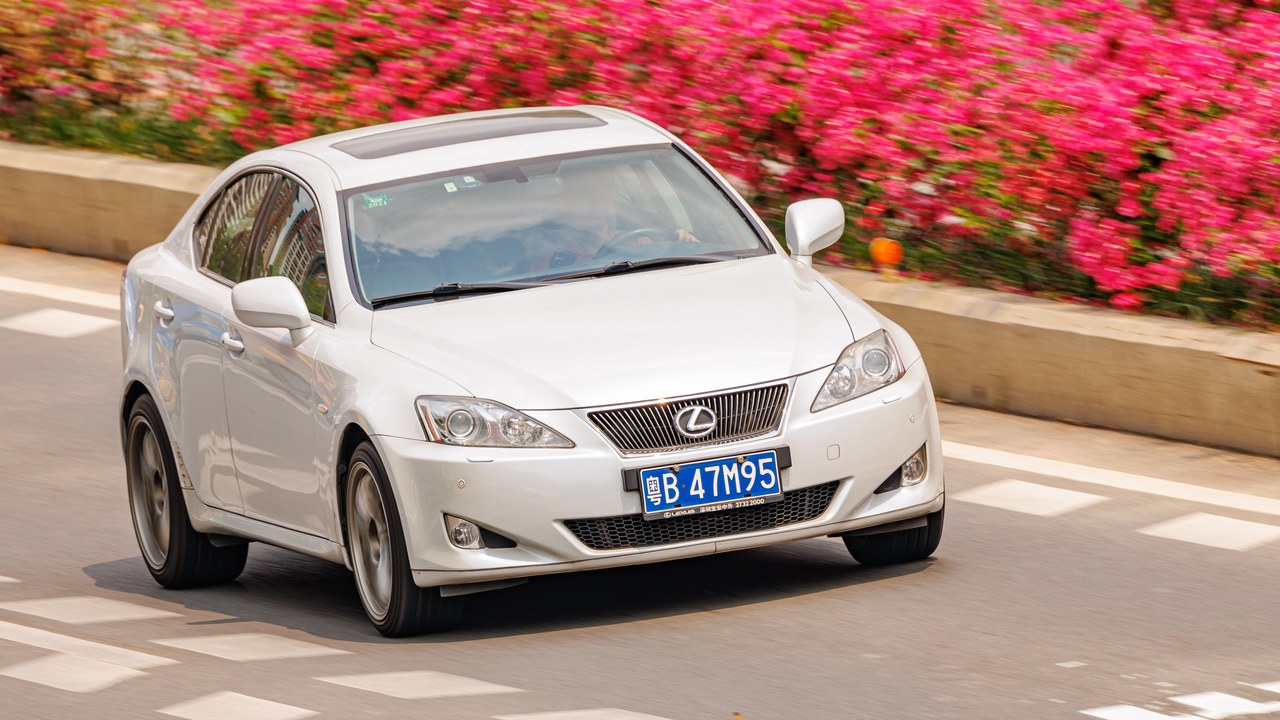
Competing directly with the BMW 3 Series and Mercedes C-Class, the Lexus IS backs that fight with a reputation for dependability that keeps ownership costs meaningfully lower. The IS’s engineering history traces back to shared Toyota components, and Lexus has leaned on proven six-cylinder engines rather than the smaller turbocharged units that have given some European rivals a reputation for costly repairs.
That reliability edge shows up at trade-in time too, since IS models tend to hold value better than comparable German sport sedans burdened by expensive maintenance histories. For a driver chasing rear-wheel-drive fun without a dealership visit every few months, the IS remains one of the segment’s steadier bets.
7. Lexus NX: Compact Luxury, Toyota Cheap
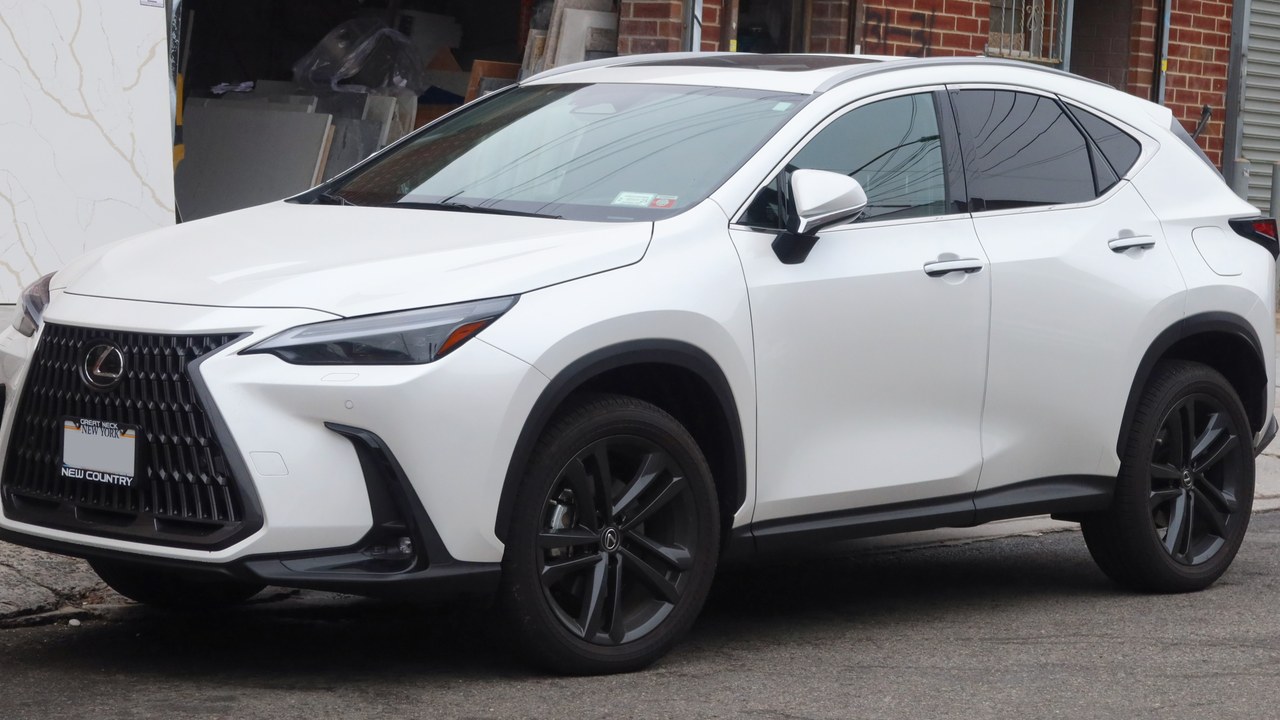
Borrowing its platform and hybrid powertrain options from Toyota’s global SUV lineup, the Lexus NX gains access to components that are cheap and widely available at any dealer. The NX’s design and engineering background emphasizes shared Toyota architecture over bespoke luxury engineering, a decision that keeps both scheduled maintenance and unexpected repairs on the affordable side of the segment.
Owners of the NX’s hybrid variant also benefit from reduced brake wear and strong fuel economy, trimming everyday running costs further. For buyers who want a small luxury SUV that won’t punish them with a surprise transmission or electronics bill, the NX is consistently one of the safer choices.
8. Buick Envision: Near-Luxury Without The Premium Bills
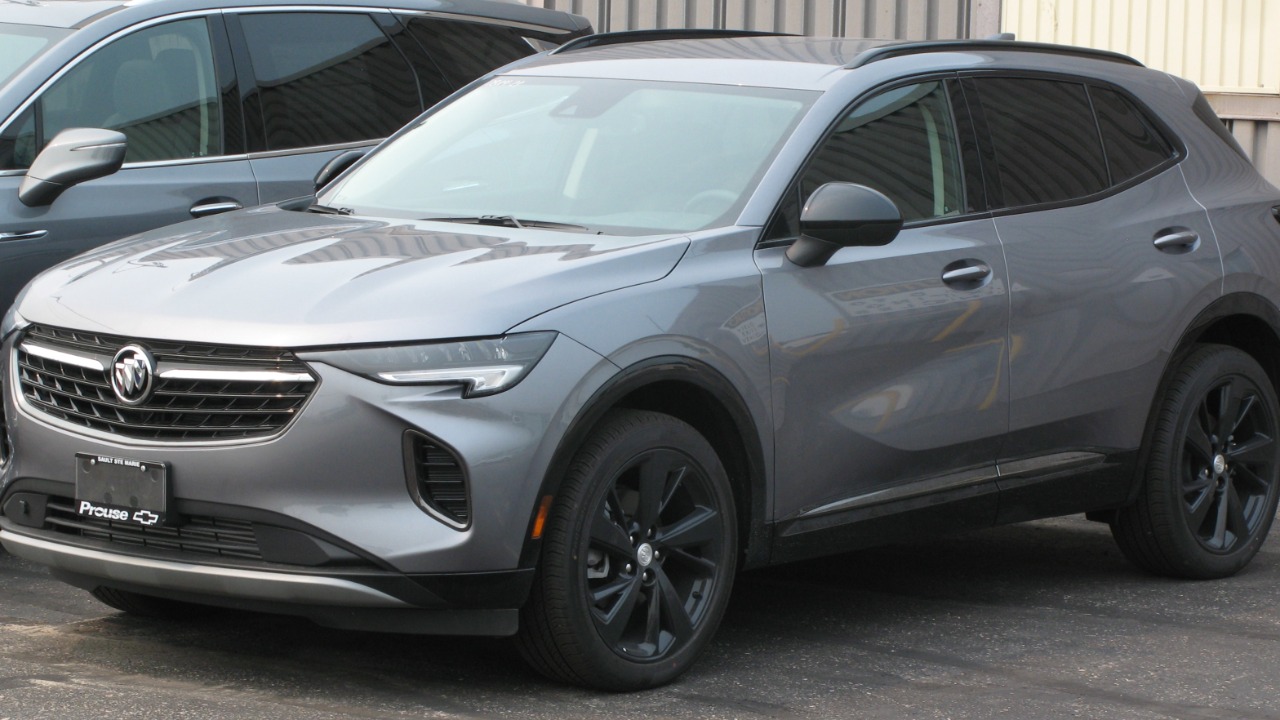
The Buick Envision positions itself as a near-luxury crossover, sharing GM’s mainstream Chevrolet and GMC engineering rather than the more expensive parts networks used by dedicated luxury brands. The Envision’s development history shows a vehicle built to compete on comfort and quiet ride rather than performance hardware, which keeps its four-cylinder engine and running gear inexpensive to maintain.
GM’s wide dealer network also means parts and labor rates for the Envision run closer to a Chevrolet Equinox than to a European crossover with limited service centers. Shoppers who want a quiet, well-trimmed cabin without premium-brand repair estimates routinely find the Envision priced right for that balance.
9. Acura RDX: Turbo SUV, Honda-Cheap Upkeep
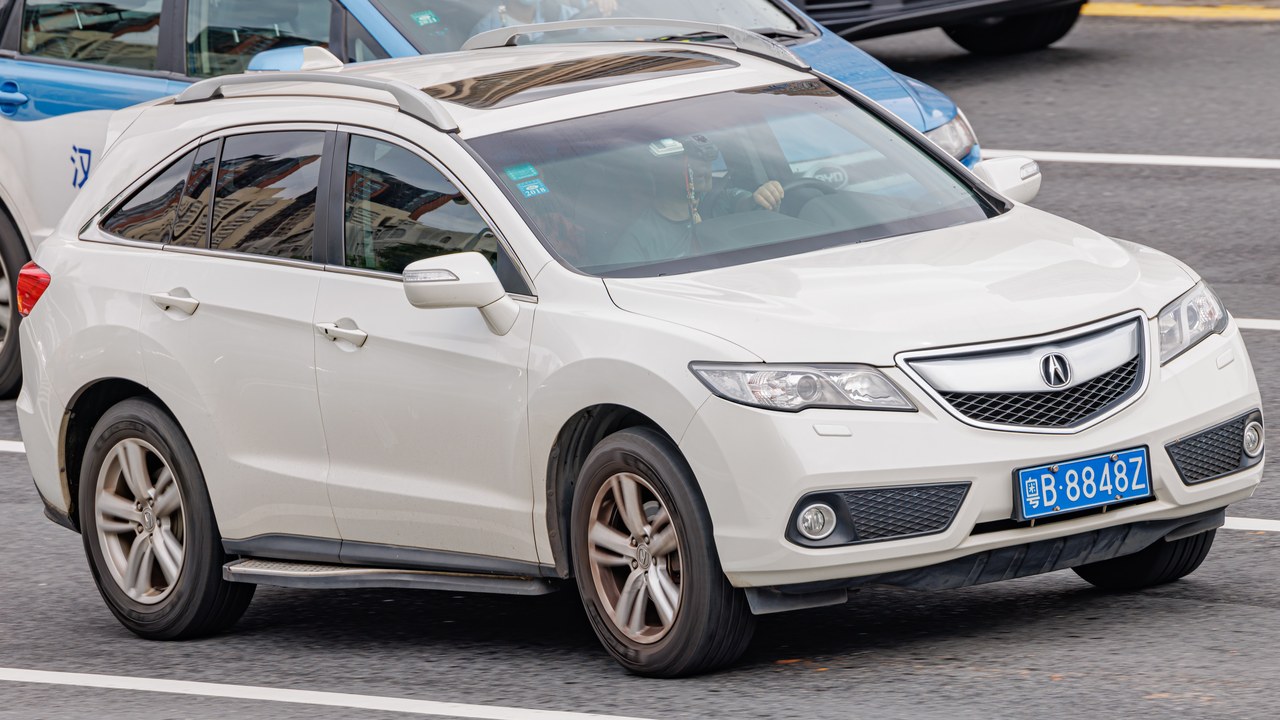
Pairing a turbocharged four-cylinder engine sourced from Honda’s mainstream lineup with a compact luxury SUV body, the Acura RDX keeps both fuel and repair costs below what rivals with six-cylinder or turbocharged premium engines typically demand. The RDX’s generational history shows Acura consistently prioritizing Honda-shared mechanicals over bespoke luxury hardware.
That approach means routine service intervals and part costs track closer to a Honda CR-V than to a German compact luxury SUV known for costly turbo repairs. Buyers who want genuine luxury styling and tech without a premium-brand invoice at every oil change consistently point to the RDX as the practical answer.
More from Morning Overview
