
Japan’s kei-car rules force automakers to pack serious engineering into a tiny footprint, capping engine size in exchange for tax breaks that make daily driving cheaper. Many of the resulting models never sold in North America, but the federal 25-year import rule now clears them for legal US registration as they age past that cutoff. Here are nine kei cars and tiny JDM imports old enough to bring home legally.
1. Honda Beat: Mid-Engine Kei Roadster
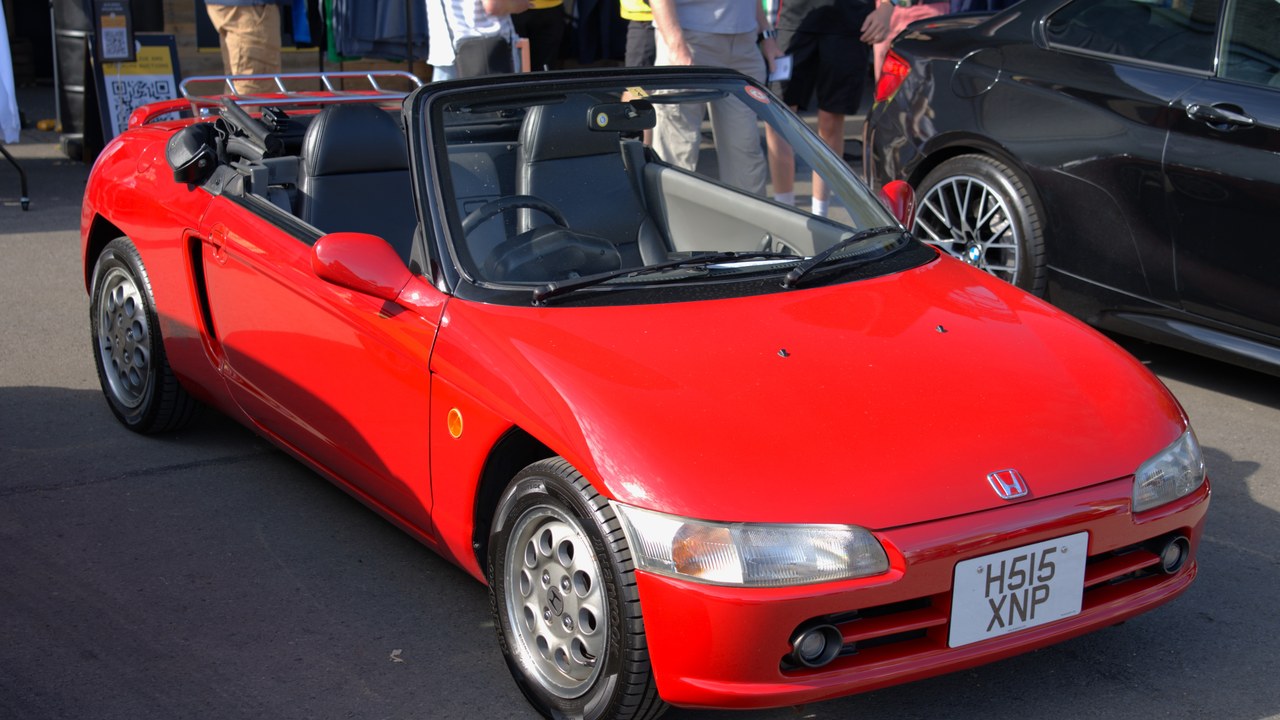
Honda’s Beat arrived in 1991 as a mid-engine roadster capped at 63 horsepower under Japan’s kei-car limits, a restriction the company answered with a high-revving three-cylinder engine borrowed partly from motorcycle engineering knowledge. The Honda Beat roadster placed its engine behind the two seats, a layout rarely used in Japan’s smallest class, and traded raw power for balance and sharp turn-in.
The car stayed in production only through 1996, so every legal example is now well clear of the federal 25-year import threshold. Its rarity outside Japan and cult reputation among enthusiasts have kept clean examples in steady demand as more clear customs each year.
2. Suzuki Cappuccino: Rear-Drive Kei Convertible
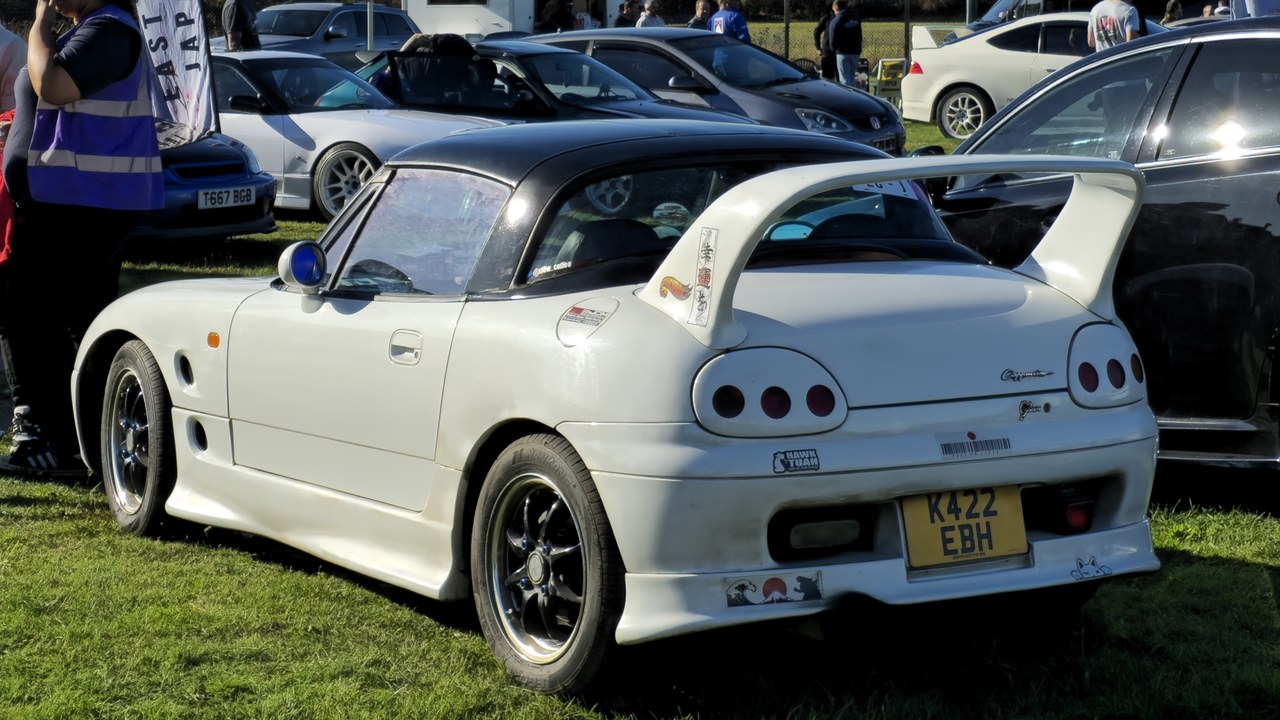
From 1991 to 1997, Suzuki sold the Cappuccino as a front-engine, rear-wheel-drive convertible, an unusual drivetrain choice inside a kei-car class dominated by front-wheel-drive economy cars. The Suzuki Cappuccino convertible used a turbocharged three-cylinder engine and a removable hardtop system that let owners run it as a coupe, targa, or full convertible.
Its 50-50 weight balance and rear-wheel drive earned comparisons to full-size sports cars despite its kei-mandated dimensions and modest output. Early cars now sit well past the 25-year import mark, and the removable-roof versions in particular draw strong interest from small-car collectors.
3. Autozam AZ-1: Gullwing Turbocharged Coupe
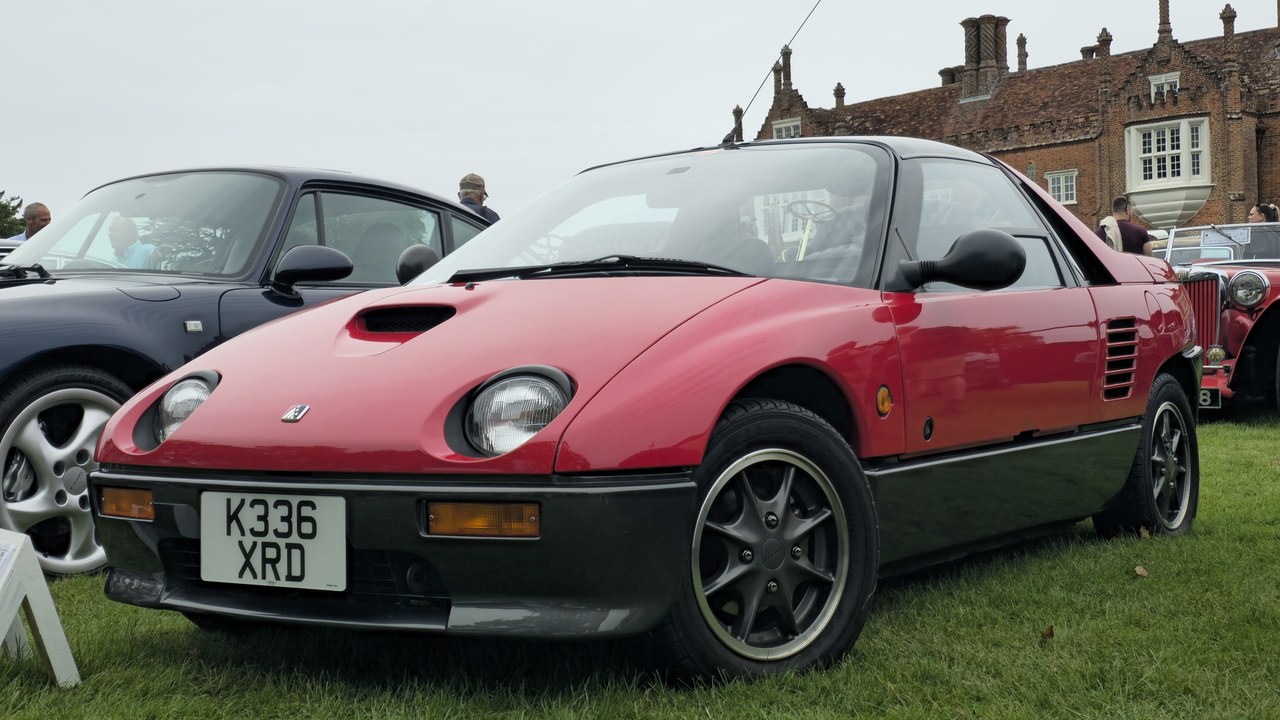
Mazda’s Autozam brand sold the AZ-1 for a single year, 1992 to 1993, as a mid-engine coupe with gullwing doors, a feature almost unheard of in a car built to kei-car size limits. The Autozam AZ-1 coupe shared its turbocharged three-cylinder engine with the Suzuki Cappuccino, though the two cars looked nothing alike.
Low production numbers and a short model run made the AZ-1 rare even in Japan, and surviving examples command a premium among import buyers. Every unit is now well past the 25-year cutoff, though finding one in unmodified condition remains difficult.
4. Nissan Figaro: Retro Convertible Cult Classic
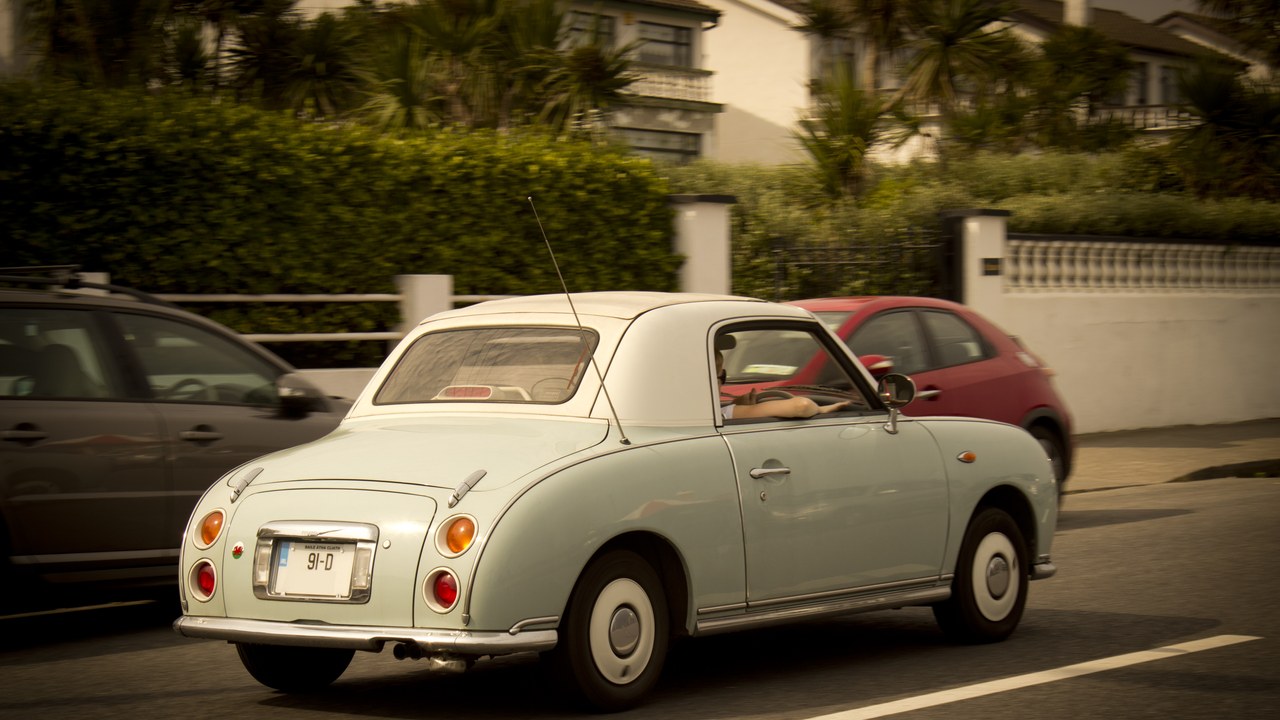
For a single model year, 1991, Nissan sold the Figaro only through a lottery in Japan after demand far outpaced the limited production run. The Nissan Figaro convertible paired retro 1960s-inspired styling with a removable hardtop, a turbocharged engine, and an automatic transmission, a combination unusual among small Japanese imports of its era.
Its lottery-only sale created lasting demand outside Japan, and the car has now cleared the 25-year import threshold everywhere it might land. Pastel color choices and round headlamp styling keep the Figaro a recognizable presence at car shows once it reaches US roads.
5. Subaru Sambar: Rear-Engine Kei Truck
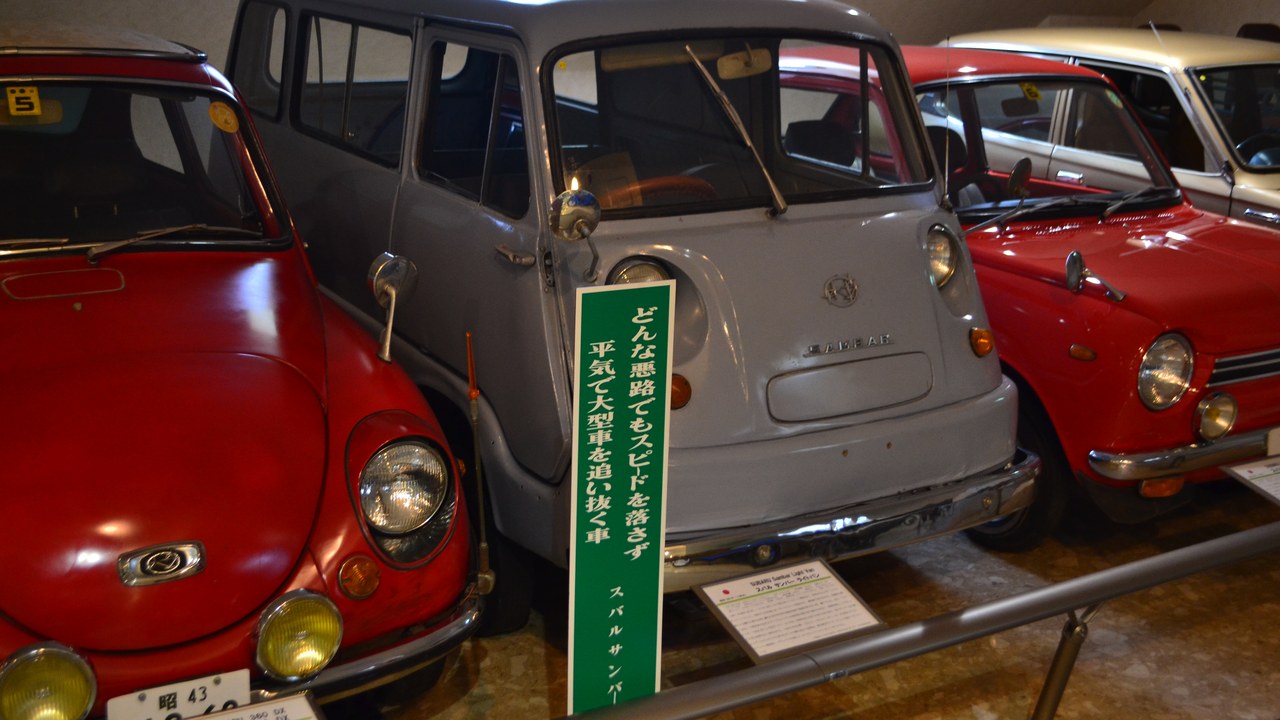
Subaru has offered the Sambar as a rear-engine, rear-wheel-drive kei truck and van, a layout the company kept across multiple generations even as rivals moved to front-engine designs. The Subaru Sambar truck used a flat engine mounted low under the cargo bed, giving it a low center of gravity unusual for a small work vehicle.
Farmers and small businesses in Japan favored the Sambar for its tight turning radius and simple mechanicals, qualities that carried over once import buyers started bringing older generations into the US. Models built more than 25 years ago now qualify, and mini-truck enthusiasts prize the flatbed and van versions equally.
6. Honda Acty: Kei Cab-Over Work Truck
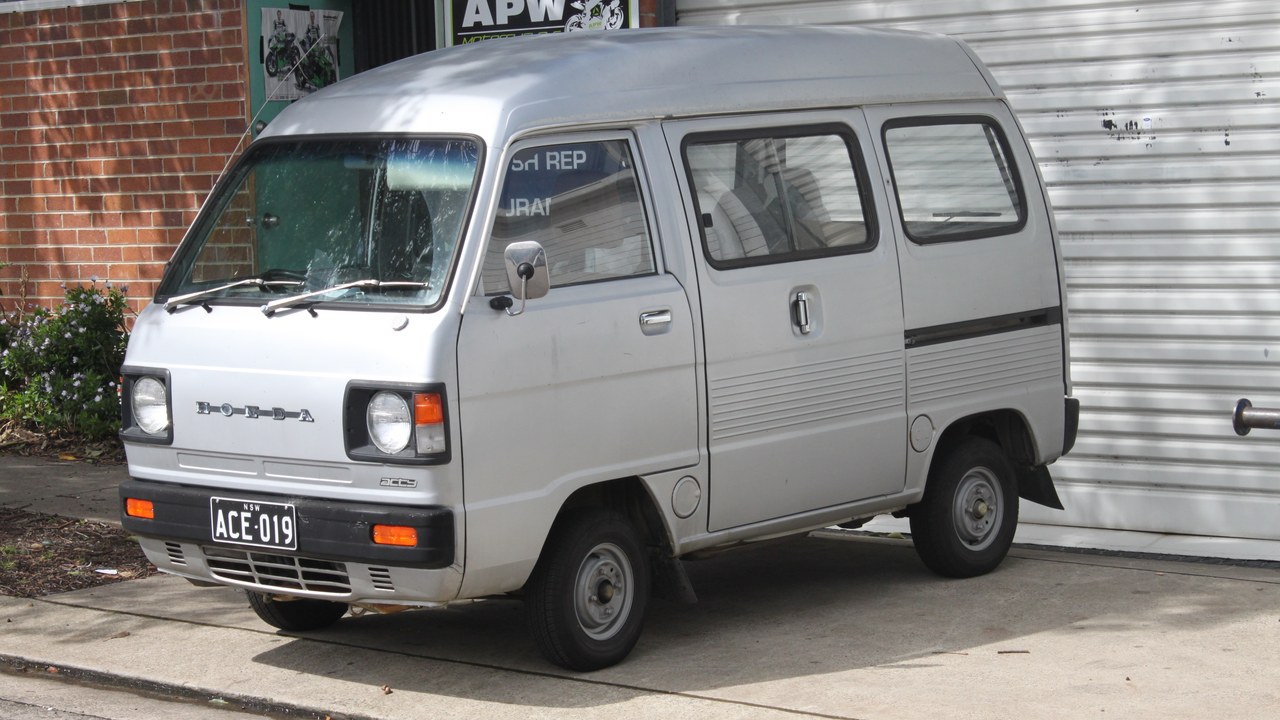
Honda’s Acty is a cab-over kei truck and van built since the early 1980s, designed to maximize cargo space within Japan’s strict kei-vehicle length and width limits. The Honda Acty truck placed its small engine beneath the cab floor, a packaging choice that let the flatbed extend nearly the full length of the vehicle.
Reliability and simple maintenance made the Acty a fixture on Japanese farms and construction sites for decades. US buyers now import 25-plus-year-old examples as inexpensive, road-legal utility trucks for property work, hauling, and off-road use where a full-size pickup would be overkill.
7. Mitsubishi Pajero Mini: Shrunken Off-Road 4×4

Mitsubishi introduced the Pajero Mini in 1994 as a scaled-down, kei-class version of its larger Pajero SUV, complete with real four-wheel drive and low-range gearing. The Mitsubishi Pajero Mini kept a boxy, body-on-frame-inspired look and a turbocharged engine option, giving it genuine capability despite its kei-mandated dimensions.
Its small footprint made it a favorite for tight trails and narrow forest roads in Japan, a trait that translates directly to off-road use in the US. Examples from the mid-1990s now clear the 25-year import mark, and the turbocharged variants draw the strongest interest from off-road buyers.
8. Suzuki Jimny: Import-Only Off-Roader
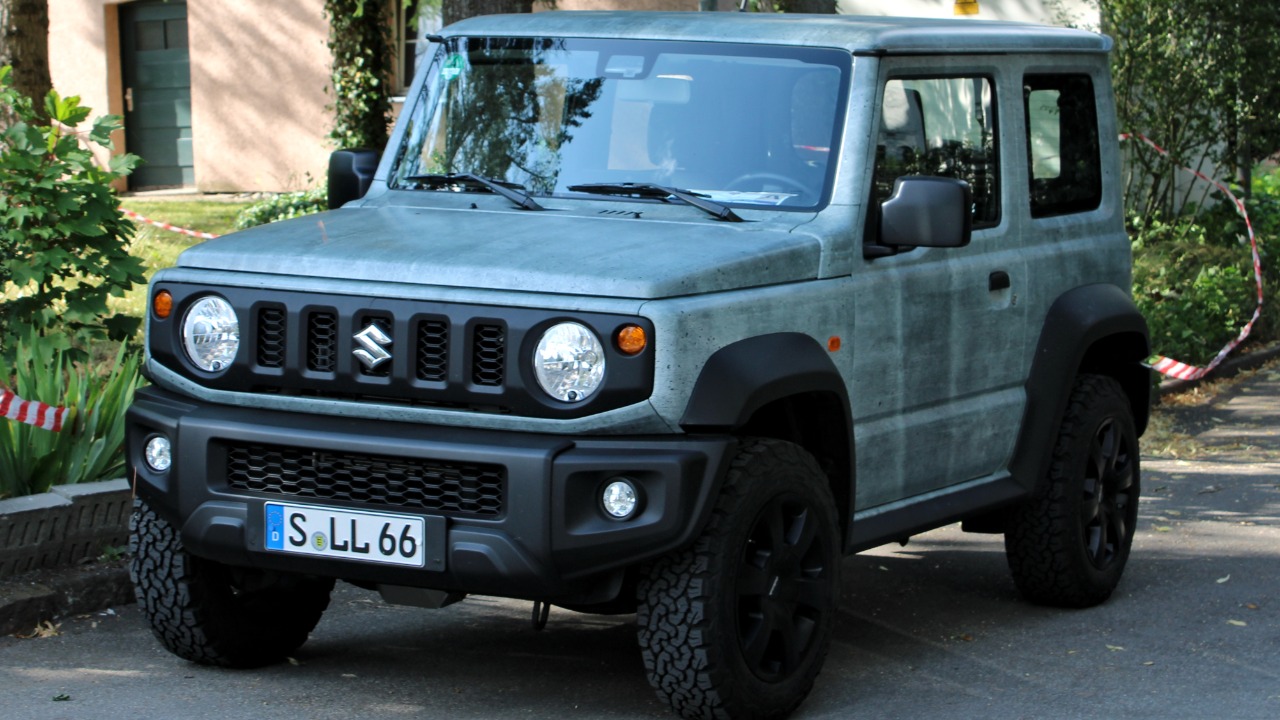
Suzuki has sold the Jimny in various generations since the early 1970s, but the compact 4×4 has never been offered new in the United States. The Suzuki Jimny pairs a ladder-frame chassis with low-range four-wheel drive in a package smaller than nearly every SUV sold domestically, a combination that has made it a favorite off-roader across Asia, Europe, and Australia.
Because it was never federalized for sale here, the only legal path into the country runs through the 25-year import rule, restricting US buyers to older generations. That scarcity has pushed demand and resale values higher than the Jimny commands in markets where it is sold new.
9. Daihatsu Hijet: Micro-Truck For Job Sites
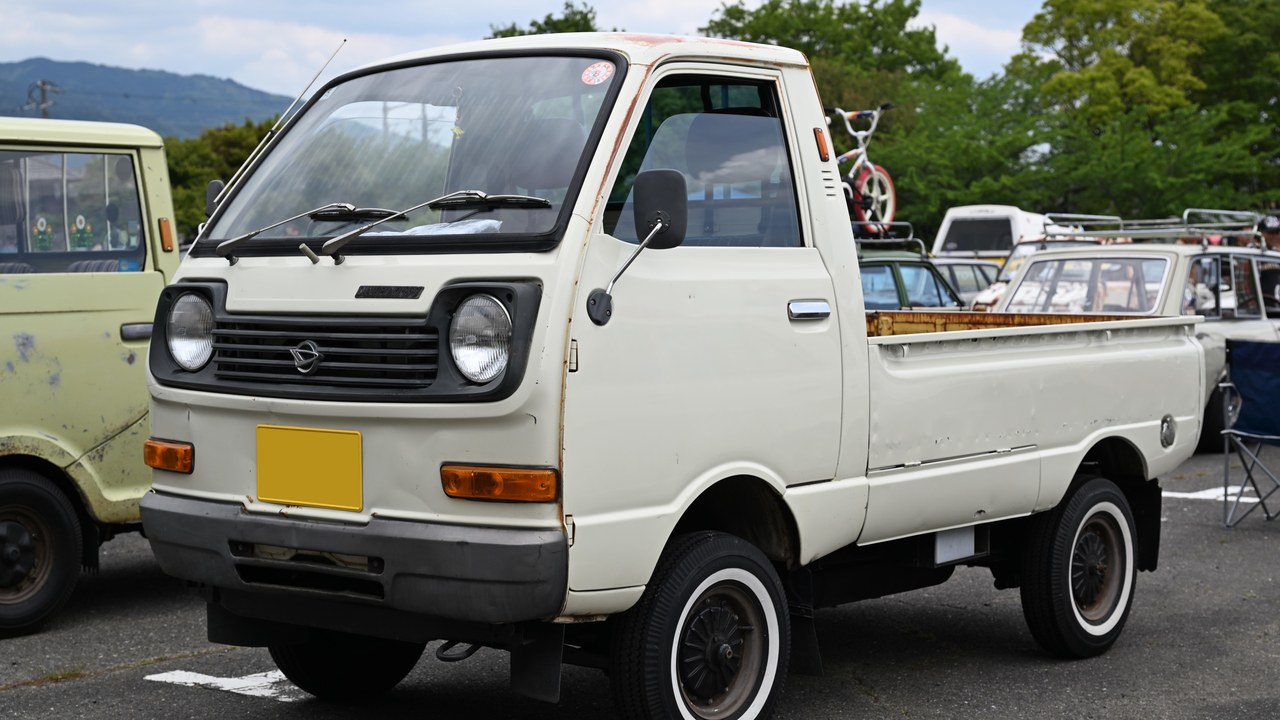
Daihatsu has built the Hijet as a cab-over kei truck and van since the 1960s, a nameplate that became a workhorse on Japanese farms, in city alleys, and on job sites. The Daihatsu Hijet truck keeps a tiny turning radius and a flatbed that can carry loads out of proportion to the vehicle’s overall size.
US buyers now import 25-plus-year-old Hijets for nurseries, small farms, and property maintenance work, where its narrow width and tight turning circle fit spaces a standard pickup cannot reach. Parts availability and simple mechanicals keep older Hijets running well past the mileage a comparable US-market truck would see.
More from Morning Overview
