
Aluminium panels save weight and resist rust, but they turn a routine fender-bender into a specialist repair job. Insurers and body shops often need aluminium-certified riveting and bonding equipment that a typical collision center simply does not stock, which raises labor rates and lengthens turnaround. Here are nine vehicles whose aluminium construction made them lighter on the road and heavier on the repair bill.
1. Ford F-150: The Truck That Rewrote Body Shops
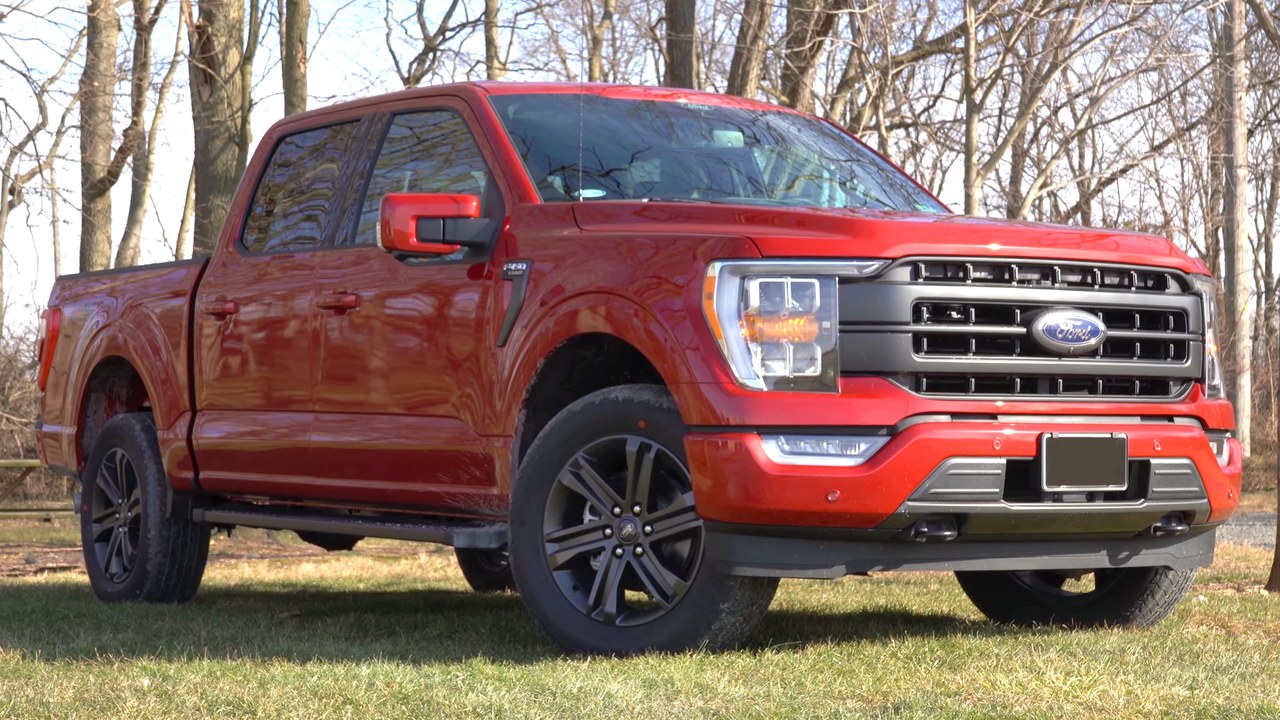
Ford switched the F-150’s body panels from steel to a high-strength aluminium alloy for the 2015 model year, shaving roughly 700 pounds off the industry’s best-selling pickup, according to J.D. Power’s F-150 coverage. The change meant a dented bed or a crumpled fender could no longer be pulled and welded the way steel had been for decades.
Shops needed new riveting tools, isolated work bays to prevent galvanic corrosion, and factory certification before Ford would even approve a repair, and many independent shops chose not to invest, pushing owners toward pricier certified centers for bodywork that used to be routine.
2. Jaguar XJ: A Riveted Frame Few Shops Touch
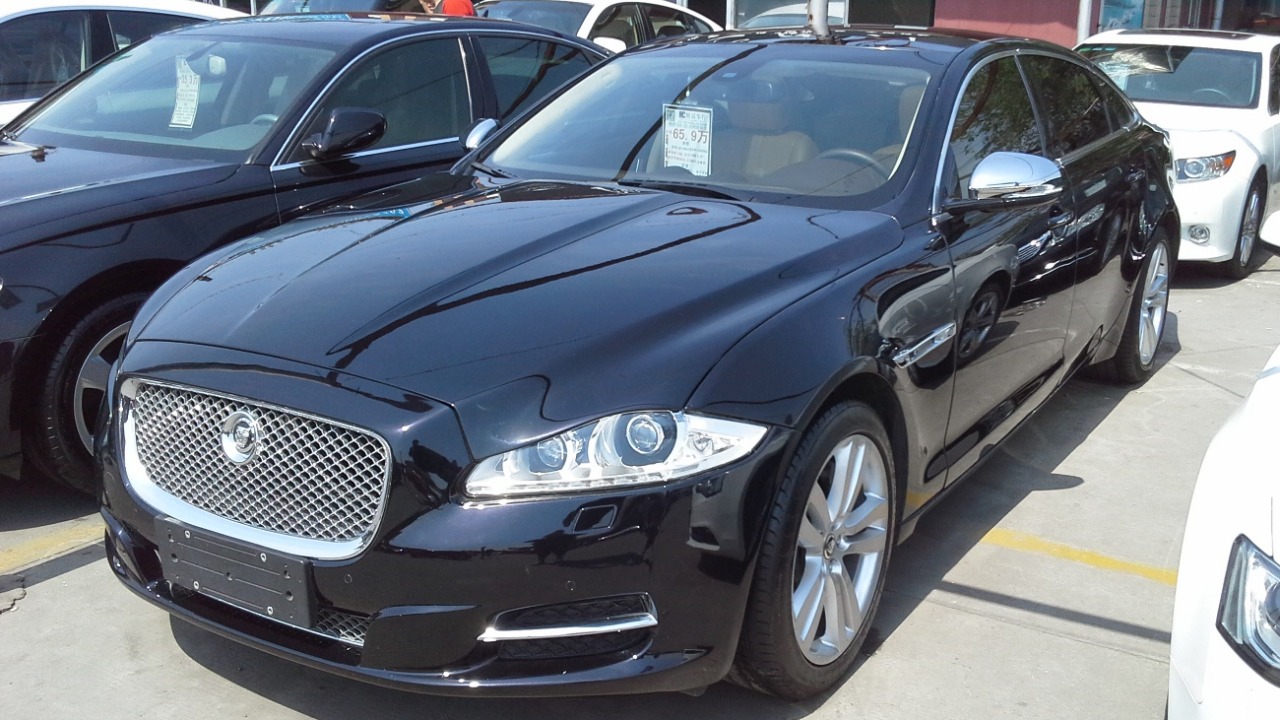
The X350-generation XJ, produced from 2003, was Jaguar’s first aluminium-bodied saloon, built on a monocoque held together with self-piercing rivets and structural adhesive rather than conventional welds, according to its Wikipedia entry. The construction cut weight dramatically compared with the outgoing steel car, improving both handling and fuel economy.
That bonded-and-riveted structure is also why routine collision work stays out of reach for most general body shops; repairing it correctly requires specialized adhesive-curing equipment and rivet guns that only a small number of Jaguar-certified centers keep on hand, so owners often drive farther and pay more for the same fender repair a steel car would handle locally.
3. Audi A8: The Space Frame That Started A Trend

The original Audi A8, launched in 1994, used the Audi Space Frame, an all-aluminium chassis of extruded and cast nodes that made it the first mass-produced luxury sedan built almost entirely from the metal, according to Car and Driver’s A8 coverage. The design cut roughly 40 percent of the weight a comparable steel body would have carried.
That lightness came with a repair tradeoff: the space-frame nodes are glued and riveted rather than stamped and welded, so a collision that would take a steel sedan to a corner garage instead sends an A8 to one of a limited number of Audi-trained aluminium technicians, and parts and labor both run higher as a result.
4. Tesla Model S: An EV Body Built Like A Jet

The Model S, which debuted in 2012, uses a body structure that is predominantly aluminium, a choice Tesla made to offset the weight of its large battery pack, according to Car and Driver’s Model S coverage. The aluminium skin and structure help the sedan stay competitively light despite carrying hundreds of pounds of batteries under the floor.
The tradeoff shows up after even a minor parking-lot scrape: aluminium body panels dent and crease differently than steel, and Tesla’s own network of certified collision centers is thinner than a mainstream automaker’s, so owners in many regions wait longer and pay more for body repairs than they would for an equivalent steel sedan.
5. Land Rover Range Rover: The SUV That Went All-Aluminium

The fourth-generation Range Rover, known internally as the L405 and introduced for 2013, moved to an all-aluminium monocoque body, cutting close to 700 pounds versus the outgoing steel-bodied model, according to Car and Driver’s Range Rover coverage. The switch improved acceleration, fuel economy and off-road payload all at once.
It also moved collision repair further from a typical shop’s comfort zone, since aluminium panels on a body this large require dedicated riveting and bonding stations kept isolated from steel work to avoid corrosion, and Land Rover restricts that work to specially trained dealers, meaning even modest fender damage can mean a tow to a certified facility.
6. Honda NSX: The Supercar That Pioneered The Shell

Honda’s original NSX, launched in 1990, was the first mass-produced car built around an all-aluminium monocoque, a construction method borrowed from aerospace engineering to keep the mid-engine sports car light and rigid, according to its Wikipedia entry. Honda also used aluminium for the suspension and much of the drivetrain to match the body’s weight savings.
That aerospace-grade construction made the NSX a maintenance outlier for decades, since ordinary body shops lacked both the aluminium-specific welding equipment and the factory knowledge to work on it safely, and even now specialist labor and aluminium body panels cost noticeably more than the steel equivalents on a contemporary sports coupe.
7. Ford Expedition: The Full-Size SUV That Followed The Truck
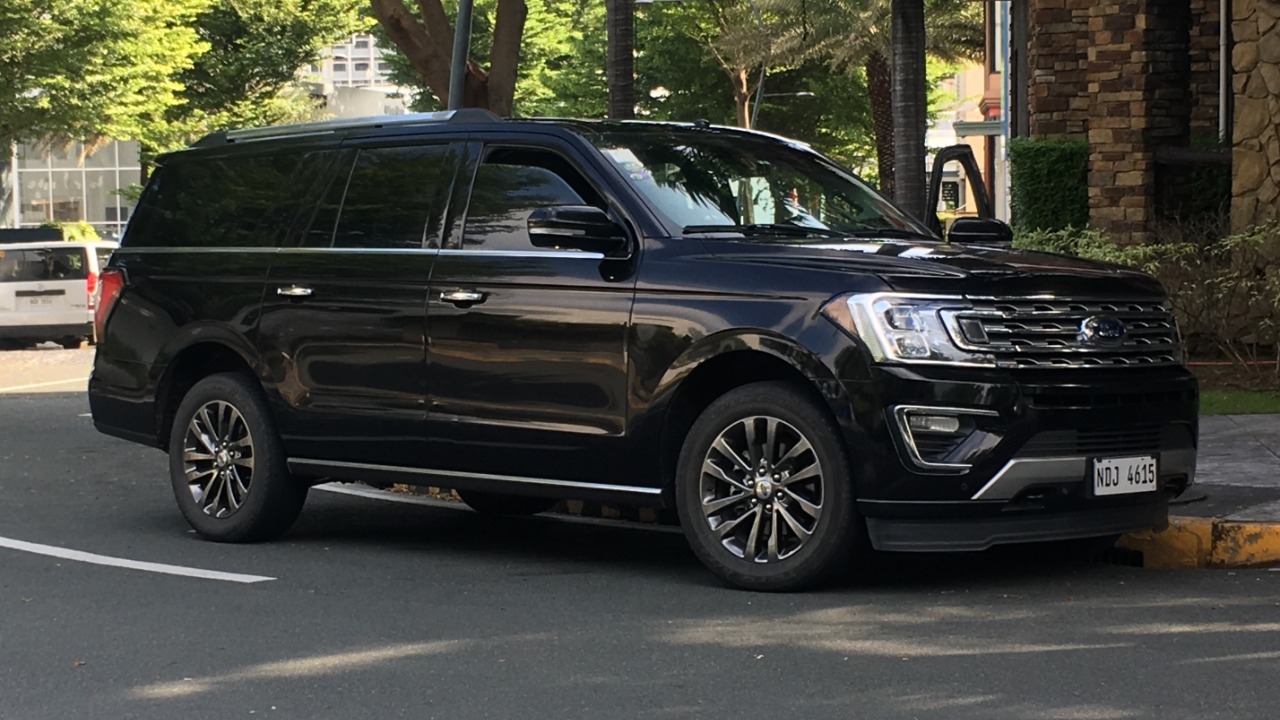
Ford carried the F-150’s aluminium-body strategy into the Expedition when it redesigned the full-size SUV, giving the three-row hauler the same weight savings and the same repair complications as its pickup sibling, according to Car and Driver’s Expedition coverage. The lighter body helped towing capacity and fuel economy on a vehicle that had grown heavier with every generation.
Because the panels are the same high-strength alloy used on the F-150, Expedition owners face the identical bottleneck at the body shop: dented doors or a crumpled tailgate need riveting and bonding tools that many independent garages never bought, so aluminium-certified dealers end up handling repairs that a steel SUV’s owner could get done almost anywhere.
8. Lincoln Navigator: Luxury Twin, Same Repair Bill

The Navigator shares its platform and aluminium body construction with the Ford Expedition, a strategy Lincoln kept when it redesigned its flagship SUV, according to Car and Driver’s Navigator coverage. The aluminium panels let the three-row luxury SUV carry more standard equipment without ballooning past its predecessor’s curb weight.
Because it wears the same alloy skin as its Ford sibling, the Navigator inherits the identical repair math: aluminium-specific tools and Lincoln-trained technicians are required for panel work, and those specialists are scarcer than the general body shops that can fix a steel-bodied luxury SUV, which tends to push both repair time and cost higher.
9. Audi R8: A Supercar Frame Bonded To Carbon
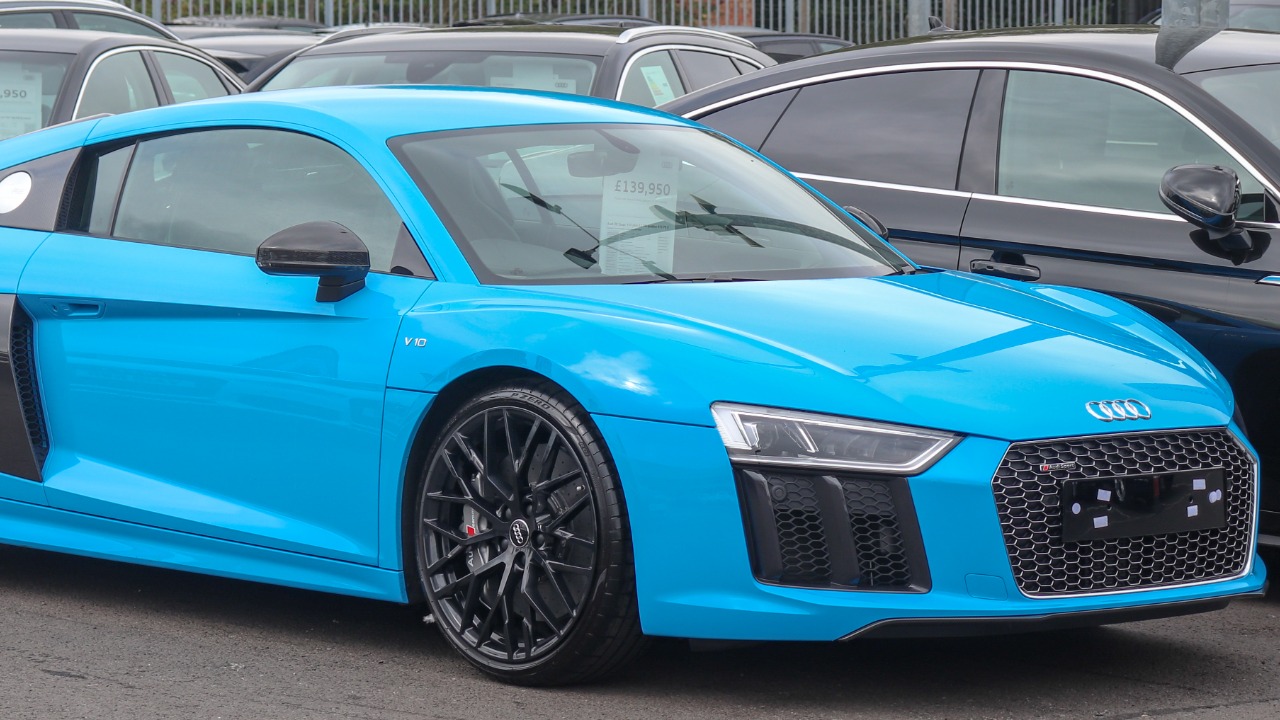
The Audi R8 uses an evolved version of the Audi Space Frame, an aluminium structure that incorporates carbon-fiber-reinforced polymer sections in later versions for extra rigidity, according to its Wikipedia entry. The mixed-material chassis let Audi keep the mid-engine supercar’s weight competitive with rivals built on more exotic materials.
Mixing aluminium and carbon fiber in one structure raises the technical bar for repair work even further than a pure-aluminium body, since a shop needs separate expertise and equipment for each material, and that combination keeps R8 collision work concentrated at a small number of Audi Sport-certified centers rather than a typical dealership body shop.
More from Morning Overview
