
Spiders turn up in garages, basements, and bathtubs across the country, and most of them are no danger at all. A few deserve real caution, and telling the difference starts with knowing what each one does and does not do. Here are eight common house guests, sorted by how much worry each one actually warrants.
AI, explained every day: The Deep View is the go-to daily newsletter for 600,000+ founders, knowledge workers and professionals who want to stay up to date with artificial intelligence.
We may earn a commission if you sign up.
1. Black widow: Neurotoxin Venom
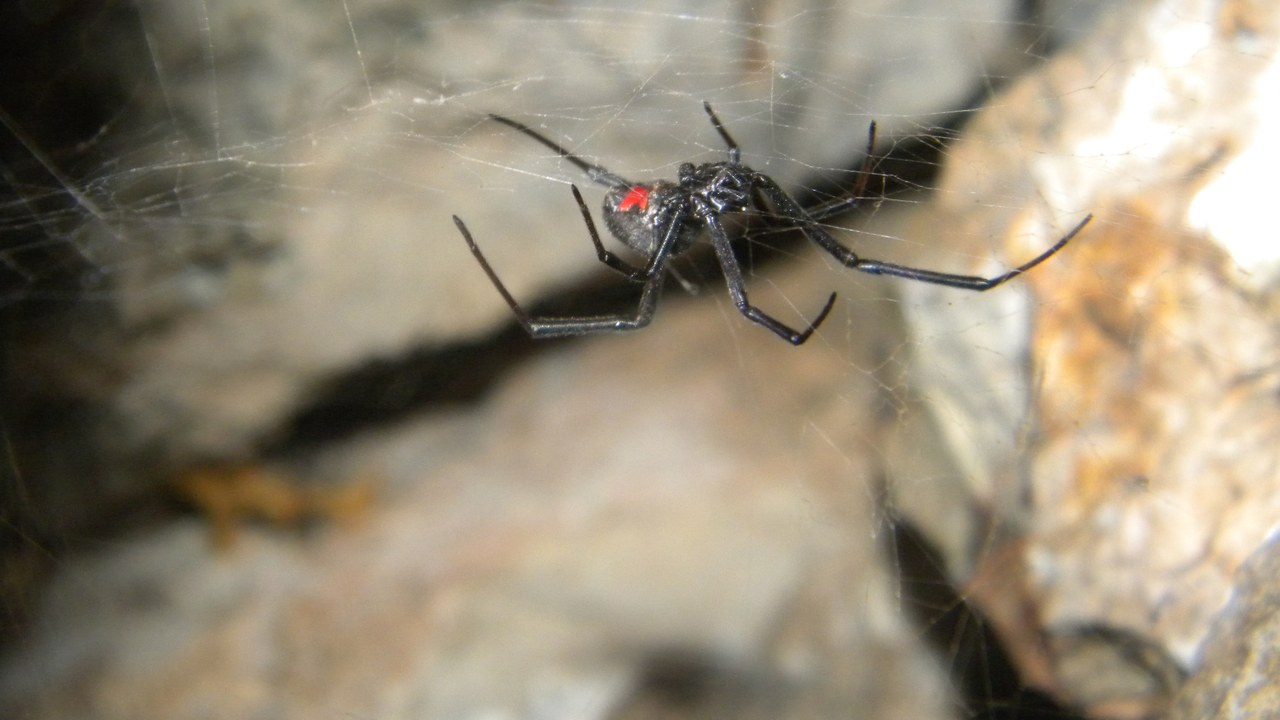
Among household spiders, few carry a reputation as grim as this one, and the medical guidance backs part of it up. According to CDC NIOSH venom guidance, the venom is a neurotoxin, and the pain does not stay put. It begins at the bite area and then spreads to the chest, abdomen, or the entire body, a pattern that sets this bite apart from an ordinary sting.
Anyone bitten should seek professional medical attention rather than waiting out the symptoms at home. The same guidance adds a reassurance worth keeping in view: death from a bite of this kind is extremely rare, so the response calls for prompt care, not panic.
2. Brown recluse: Tissue-Damaging Bite
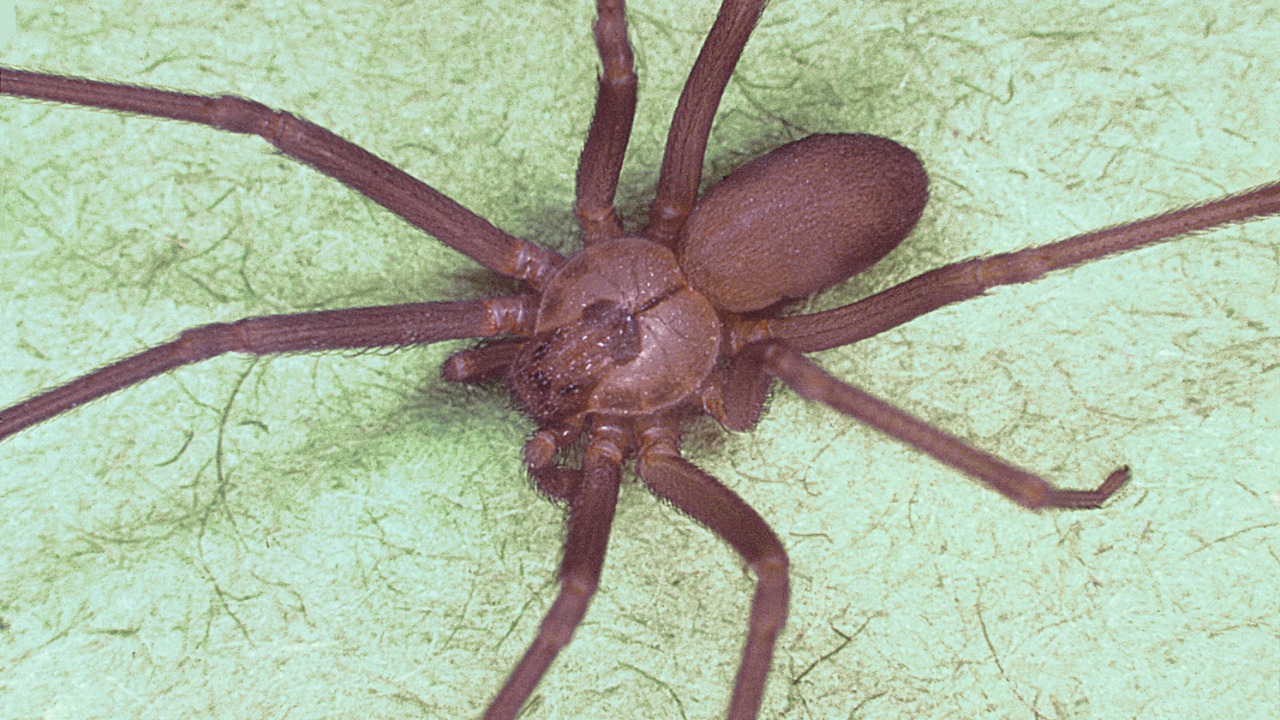
Of the eight, this is the one that earns the doctor’s visit named in the topic. The CDC NIOSH spider overview says its bite can cause skin necrosis, meaning a lesion in which the tissue breaks down around the wound. That lesion, in the agency’s wording, will require professional medical attention.
One detail softens the threat considerably. The spider cannot bite without counterpressure, so trouble typically comes when it is trapped against skin, such as inside clothing or bedding. Shaking out shoes and linens is the practical takeaway, while any suspicious, worsening wound deserves a medical exam.
3. False black widow: The Common Impostor
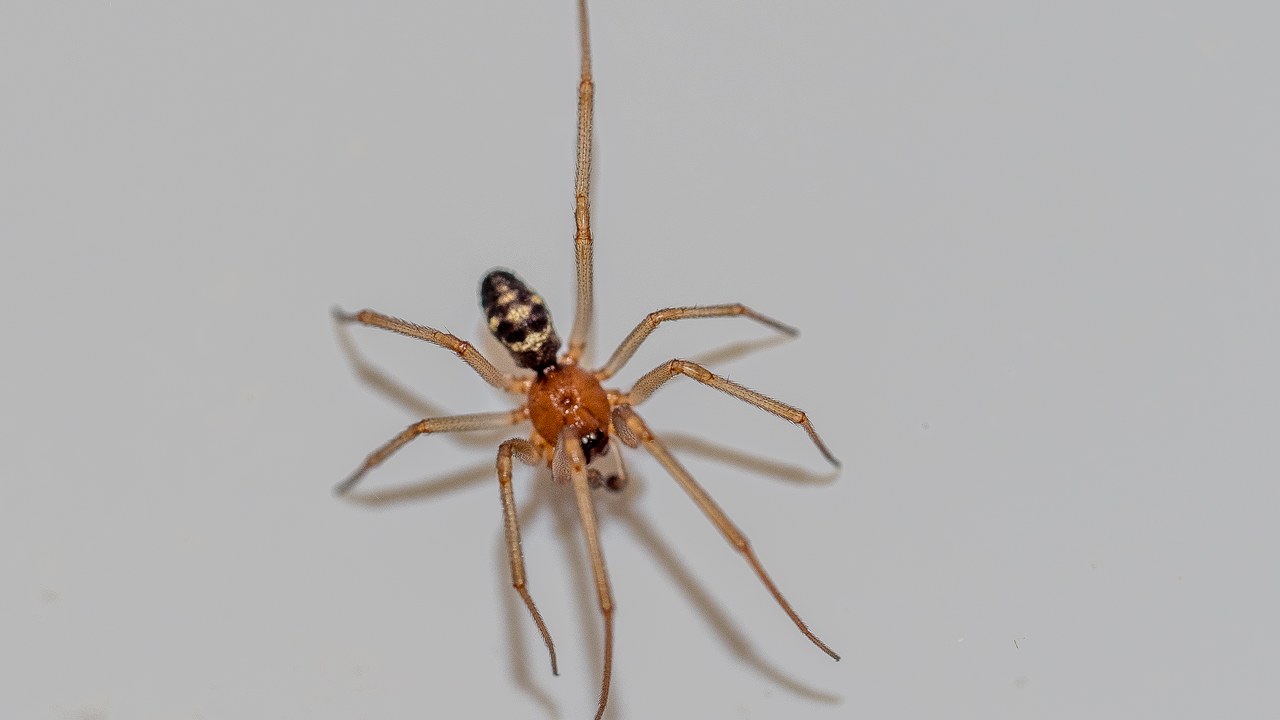
Resemblance is the main problem with this house spider, because the glossy, rounded body invites comparison with its far more notorious cousin. A Virginia Tech Extension publication covers the Steatoda house spiders and notes that they are not considered dangerous, even though they are often mistaken for black widows.
That mix-up explains many needless alarms in garages, basements, and storage rooms. Telling the two apart matters before anyone reaches for a phone or a pesticide. When identity remains uncertain, a photograph shared with a local extension office is a calmer first step than assuming the worst about a harmless neighbor.
4. Tarantula: Hairy but Gentle
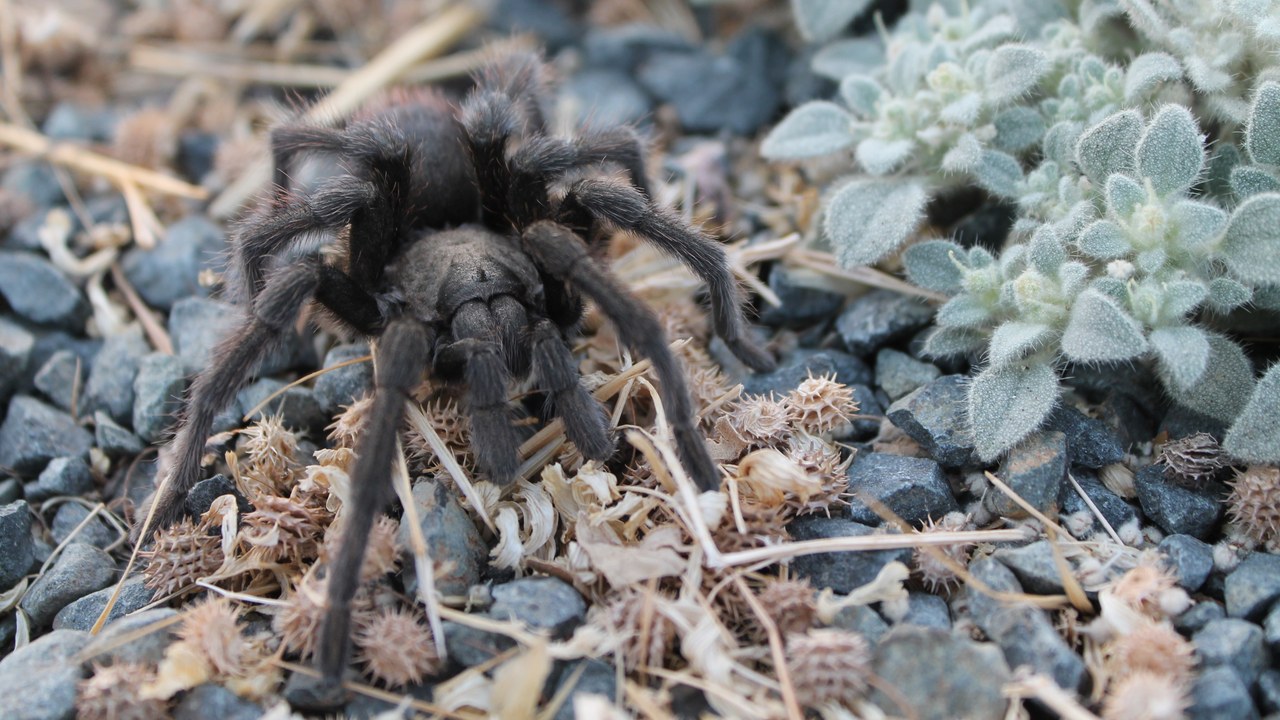
Size alone makes this one the showstopper of the list, yet the bite is not the concern. Texas A&M extension material, summarized in a Texas A&M Extension guide, states plainly that tarantula bites are not dangerous. The genuine nuisance lies elsewhere, in the irritating hairs covering the abdomen.
Those hairs can bother skin and eyes when the spider flicks them loose, so handling is best avoided even when the animal itself poses little medical risk. The takeaway is a shift in worry: the fear a large, furry spider provokes outruns the actual hazard, and a cautious distance covers whatever risk remains.
5. Wolf spider: Mistaken Ground Hunter
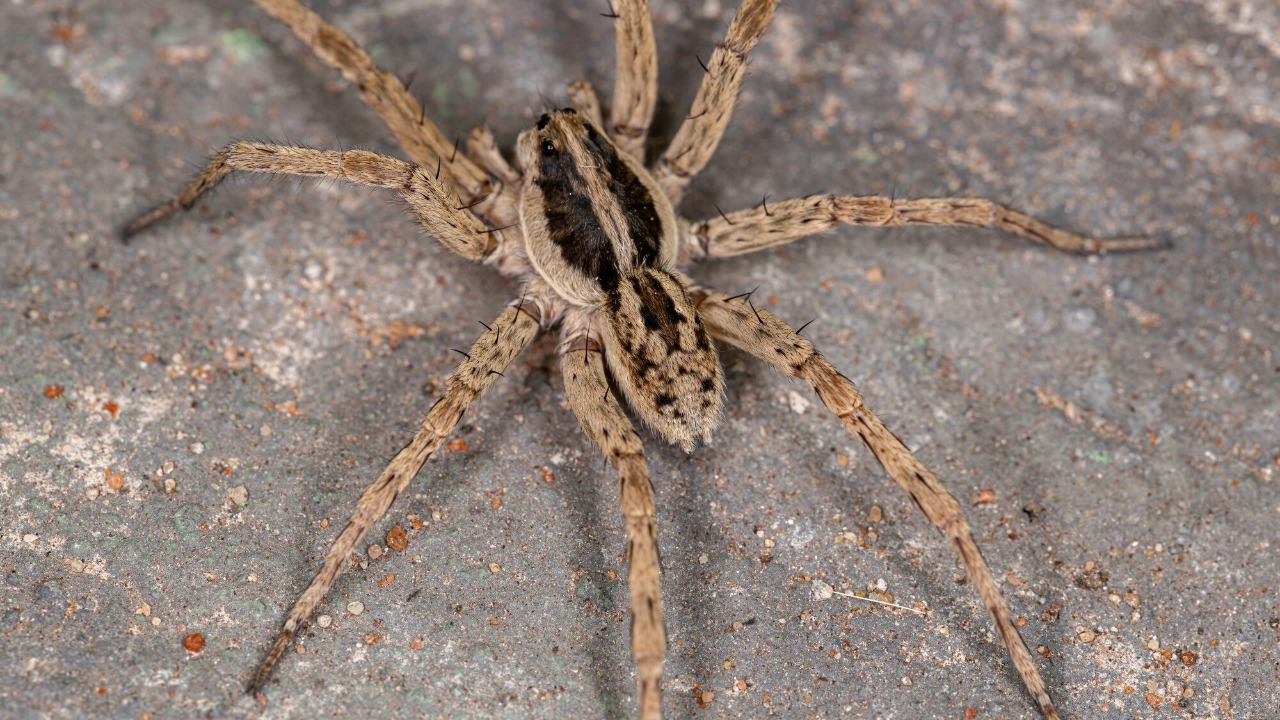
Often spotted racing across a garage floor or a basement slab, this brown, striped hunter looks menacing and acts nothing like a threat. The Virginia Tech Extension publication lists it among the spiders most often mistaken for dangerous ones. It is a ground hunter that spins no web, and the female carries her egg sac on her spinnerets.
That last habit offers an easy identification clue, since few household spiders drag a pale sac of eggs behind them. The same extension document counts wolf spiders among species that are not dangerous, so a sighting is a prompt for curiosity and, at most, a gentle relocation outdoors.
6. Orb weaver: Web Builder Next Door
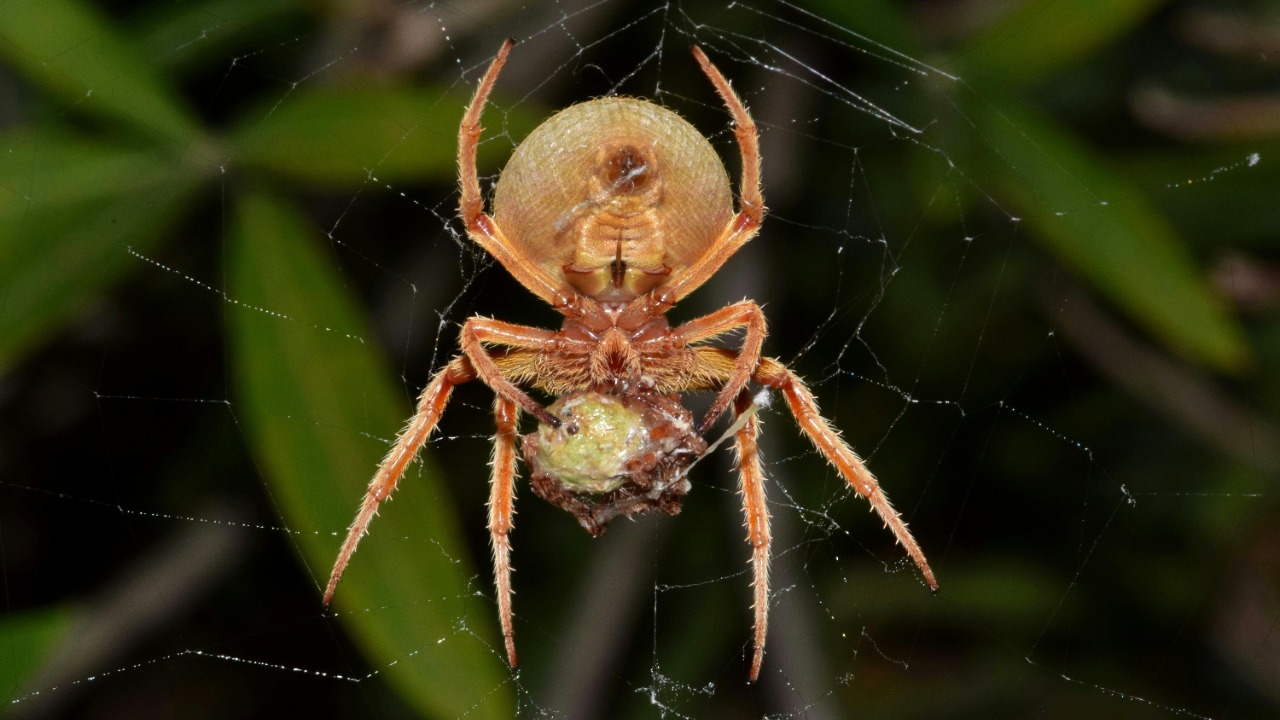
Large, intricate webs strung across porches, doorways, and garden corners are the usual calling card of this builder. The Texas A&M Extension spider guide describes it as harmless to people, with those big webs as the main nuisance. Walking face first into silk early in the morning is the typical complaint, not any medical emergency.
Because the harm is purely inconvenience, the sensible response is modest. A broom can clear a web from a busy entrance, and the spider often rebuilds elsewhere. Leaving the web alone in a quiet corner costs little, and the resident keeps working through the season as a quiet neighbor.
7. Jumping spider: Small and Shy
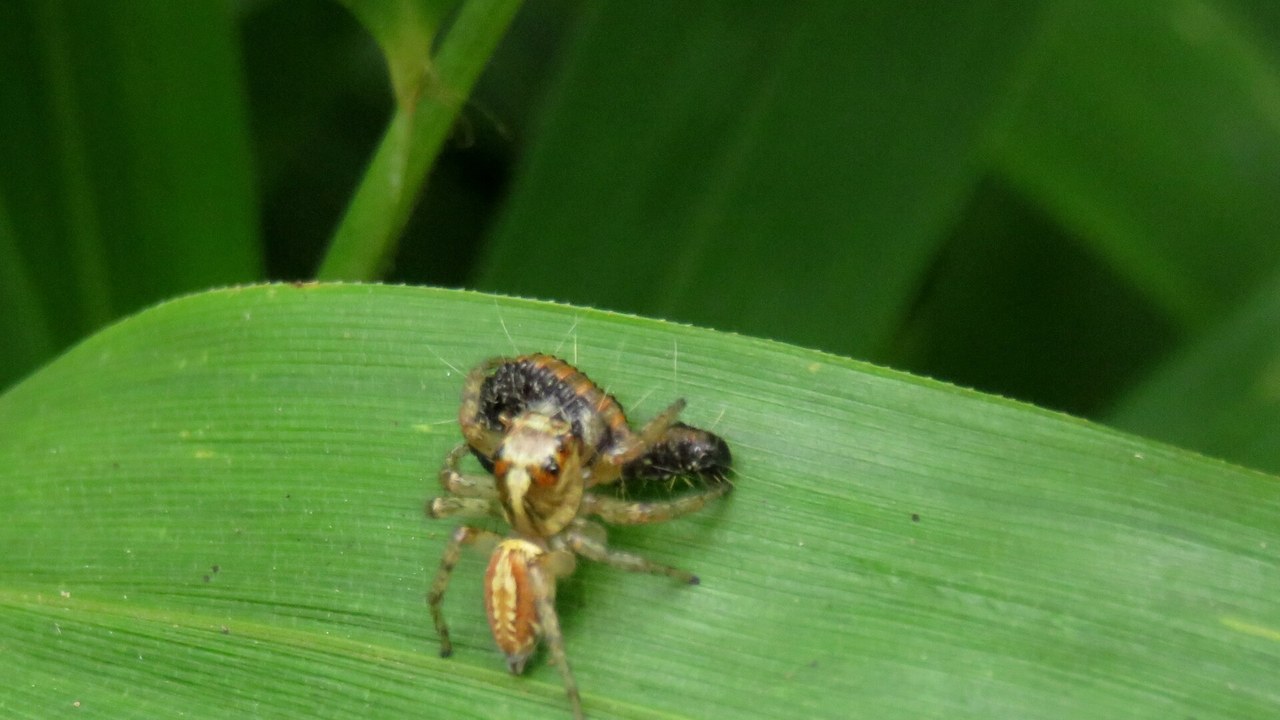
Compact, alert, and famous for a curious stare, this little hunter rarely causes trouble indoors. The Texas A&M Extension spider guide says bites are unlikely unless the spider is cornered or handled. It is also not among the medically significant species, a category that includes the neurotoxic and necrotic biters elsewhere on the list.
Respect for personal space is therefore the whole safety plan. A spider allowed to walk off a windowsill or a table will almost always do exactly that. Virginia Tech material places jumping spiders among those often mistaken as being dangerous, so a bold leap toward a finger is more theater than threat.
8. Giant house spider: Big but Benign
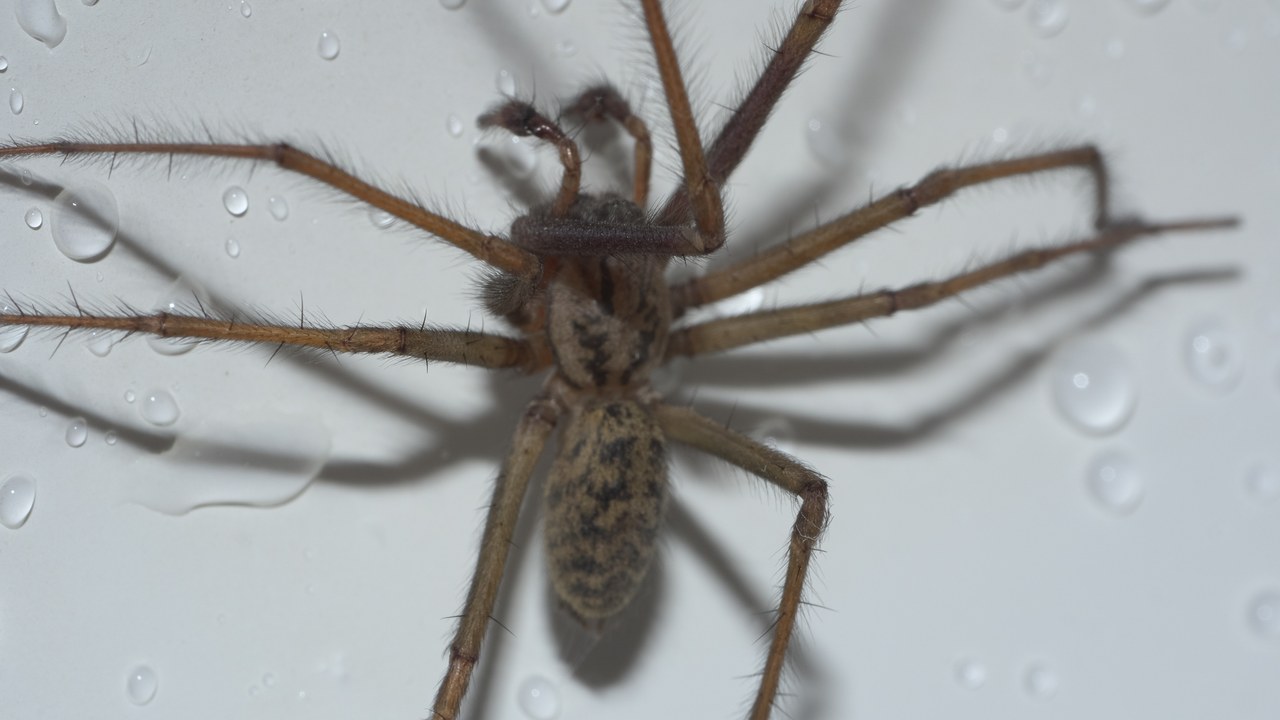
Sprawling legs and a quick, skittering run make this a common source of alarm when one appears in a bathtub or along a wall. Washington State University extension material in a WSU Extension spider bulletin is reassuring on the medical question: the species is not medically important and is harmless.
Confusion is the real hazard here, since young ones are often mistaken for hobo spiders, a different animal that carries its own reputation. Careful identification before any panic keeps a harmless house resident from being treated as something worse. In most homes, simply escorting it outside settles the matter.
AI, explained every day: Get The Deep View →
We may earn a commission if you sign up.
More from Morning Overview
- The FBI told the rest of ShinyHunters to surrender after a 24-year-old was arrested
- Two passengers died at an Ohio toll plaza, and the NTSB now wants the cash lanes shut
- Long use of a common prostate pill is tied to a higher chance of glaucoma
- Ford is recalling 223,472 F-150 pickups because the fuel tank can leak or detach
