
Weight on land is set mostly by skeleton, muscle and the sheer volume of a body that has to stand against gravity every day. The heaviest species include elephants, rhinoceroses and a few large bovids and bears, and the ranges below overlap more than a single ranking suggests. Here are eleven of the heaviest land animals, ordered by weight.
Help yourself and the planet: The Cool Down makes it easy to help yourself while helping the planet, with smart, simple changes to save more and waste less in your everyday life.
We may earn a commission if you sign up.
1. African bush elephant: The Heavyweight Champion
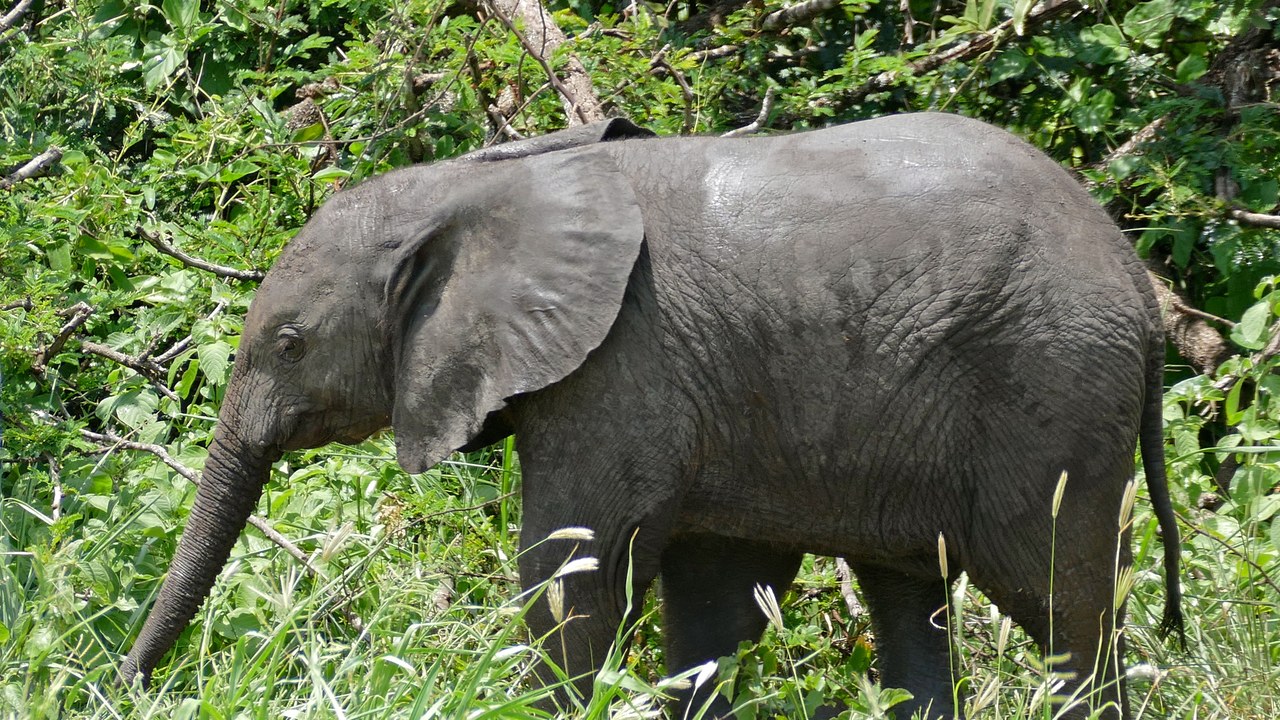
Topping the Wikipedia heaviest mammals list, the African bush elephant weighs 5,200-10,000 kg (11,500-22,000 lb). The range is large, and its upper end is nearly double the lower end.
Weight in a wild species varies with age, sex and condition, so a range is a more honest figure than one number. Even the lower end of 5,200 kg is above the lower end for any other animal on this list. The entry sets the scale for everything else in the ranking.
2. Asian elephant: The Smaller Giant
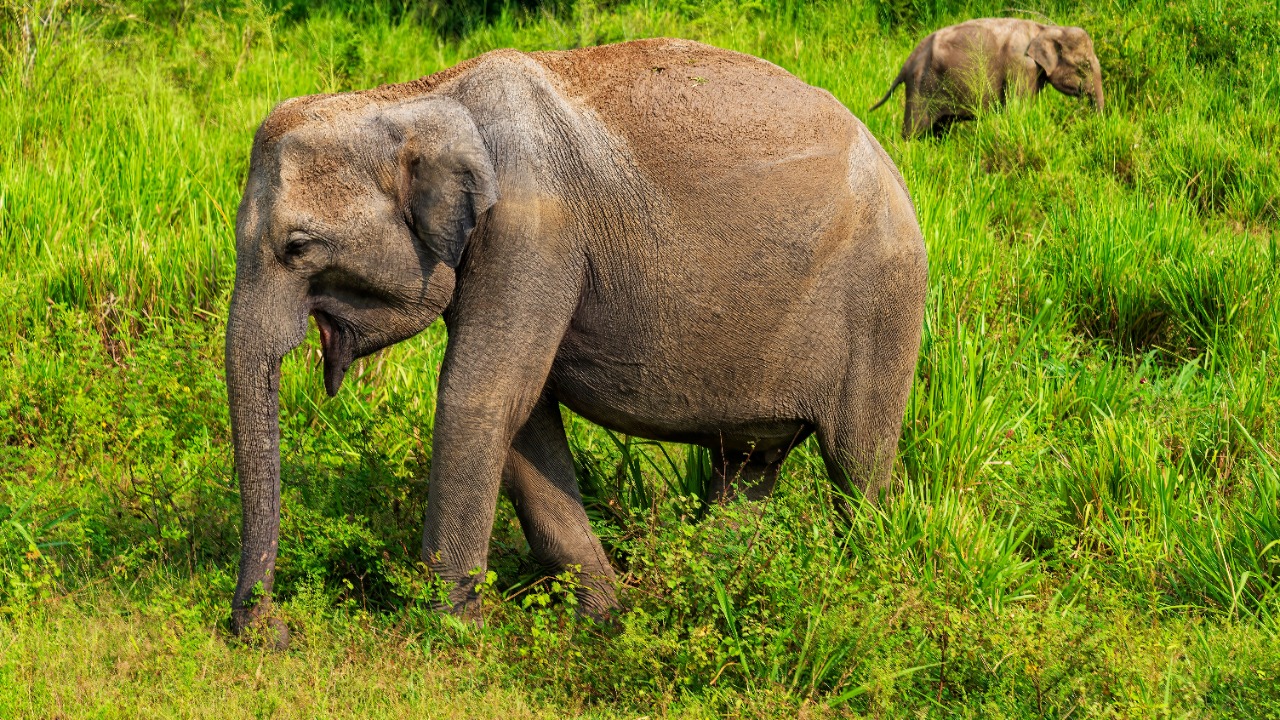
The Asian elephant is listed at 2,400-8,000 kg (5,300-17,600 lb) on the same Wikipedia heaviest mammals list. Its upper limit is lower than the African bush elephant’s, and its lower limit is less than half of that species’ lower figure.
The very wide span means a small adult and a large bull can differ in weight by several tonnes. The two elephants still occupy the first two places in the ranking, well clear of the animals that follow. Both elephant figures come from the same source, which keeps them directly comparable.
3. White rhinoceros: Largest Of The Rhinos
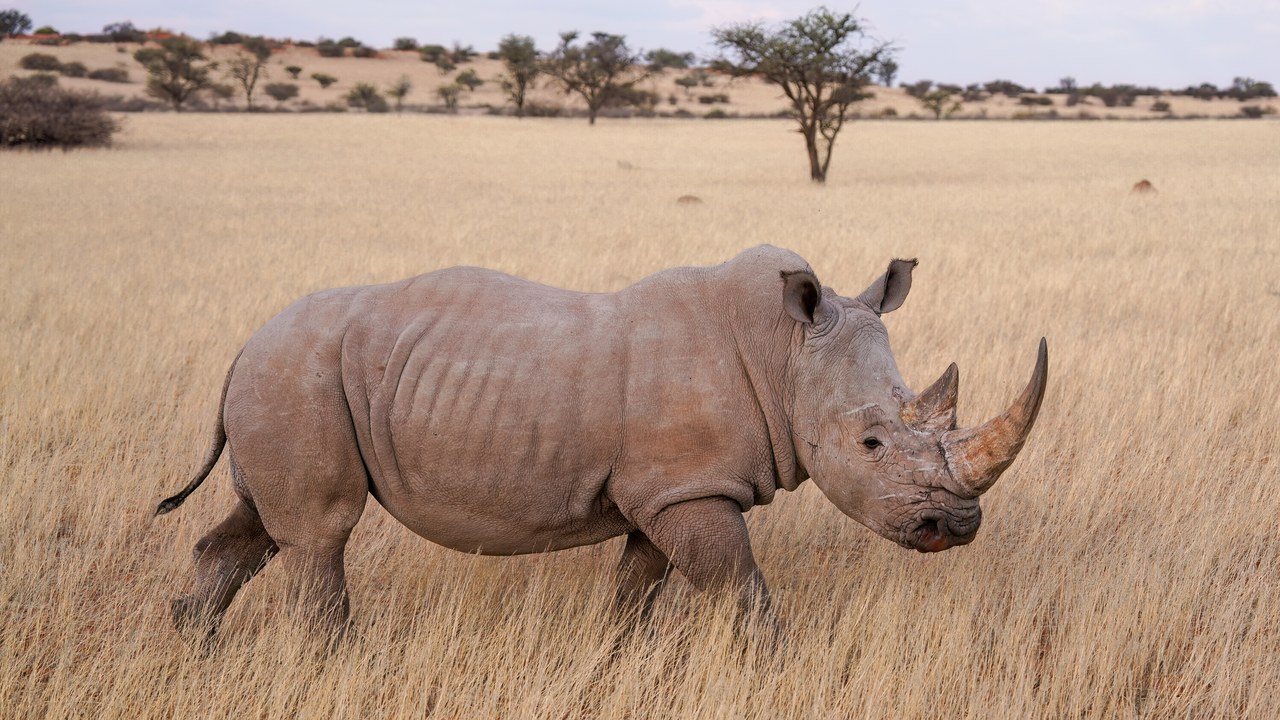
At 3,000-4,500 kg (6,600-9,900 lb), the white rhinoceros is the heaviest of the rhino species in this ranking, according to the Wikipedia list.
The range is tighter than either elephant’s, spanning 1,500 kg rather than several thousand. That places the white rhinoceros third on the list, behind both elephants, and ahead of every other animal in the gallery. As the heaviest rhinoceros here, the species marks the point where the ranking moves from elephants to animals of three to four and a half tonnes. The entry comes from the same source as the elephants, so the ranges compare directly.
4. Indian rhinoceros: One Horn, Two Tonnes And More
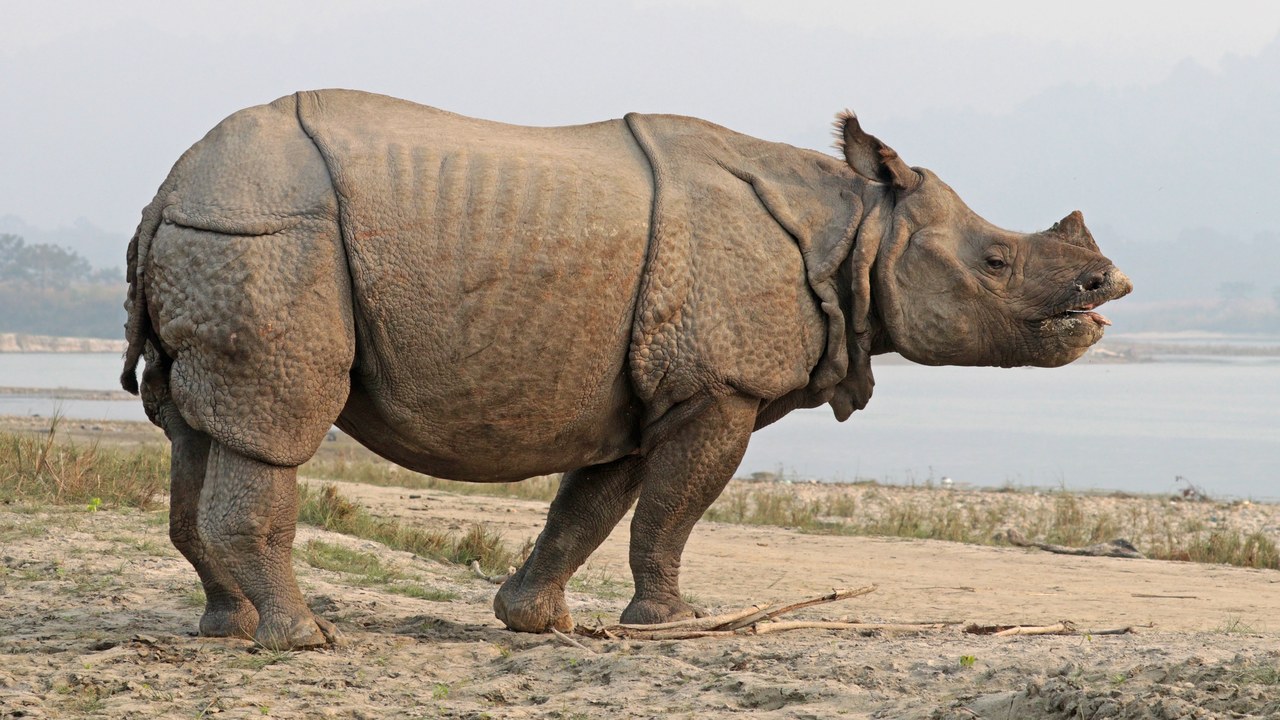
The Indian rhinoceros is listed at 2,070-4,000 kg (4,560-8,820 lb) by Wikipedia’s heaviest land mammals list. The upper figure comes within 500 kg of the white rhinoceros’s ceiling.
The two rhinoceros ranges overlap heavily, so the order between them depends on which part of each range is compared. Another common name for the species is the greater one-horned rhinoceros, which appears in many references. The entry is a reminder that the rhinoceros family is spread across Africa and Asia, with this species representing the Asian side of the group on the list.
5. Hippopotamus: Water Giant
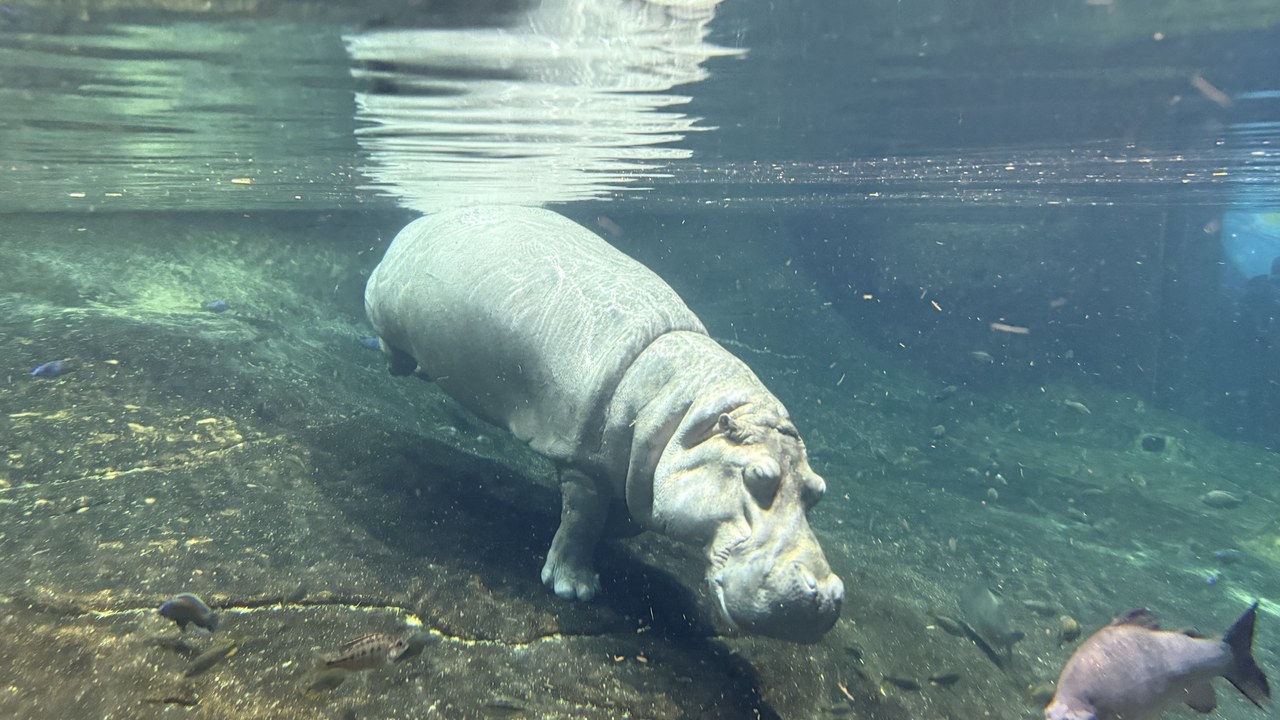
The WorldAtlas heaviest animals guide puts the hippopotamus at around 2,350 kilograms. Unlike the range-based Wikipedia entries above it, the figure is a single number rather than a span.
The change of source also changes how weights are reported, so comparisons across the list work best as rough tiers rather than exact rankings. A hippopotamus spends much of its day in water, yet it is still counted as a land animal for this purpose. Hippopotamuses rank fifth here by this source’s figure.
6. Gaur: A Bovine Heavyweight
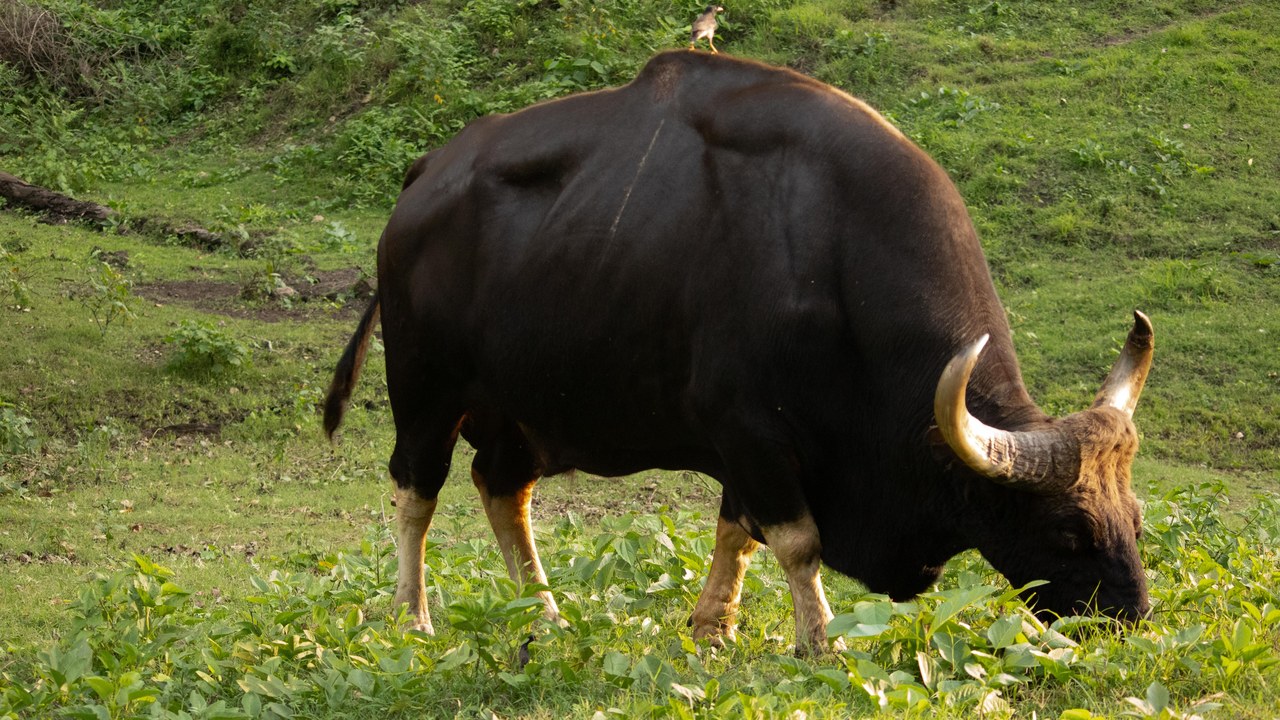
WorldAtlas lists the gaur at about 1,600 kilograms in its table of the heaviest land animals alive today. The entry is a single approximate weight, not a range.
The gaur is a wild bovine and a relative of domestic cattle, set in a list that is otherwise filled with elephants, rhinoceroses, a hippopotamus and bears. Its place in the ranking shows that the heaviest land animals are not all giants of one family. The entry draws on the same table as the black rhinoceros and the hippopotamus.
7. Black rhinoceros: Lighter Than The Other Rhinos
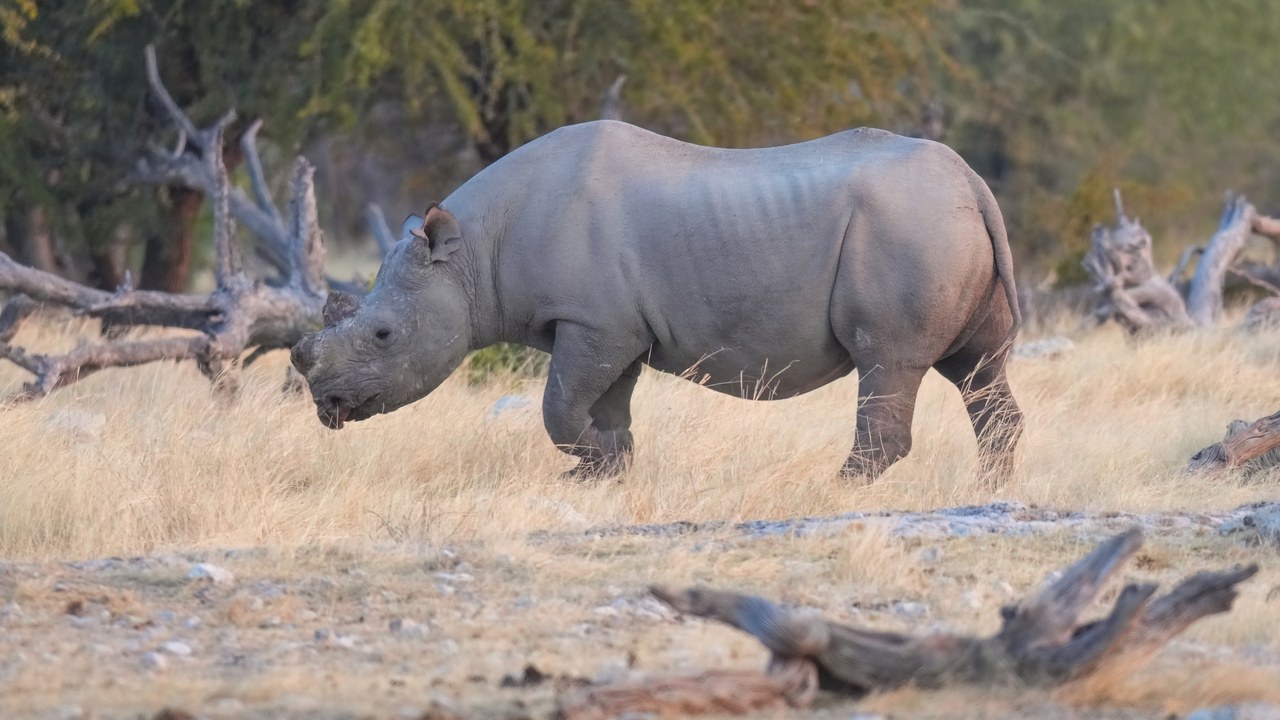
The black rhinoceros comes in at about 1,100 kilograms in the WorldAtlas table. That is far below the white rhinoceros and Indian rhinoceros ranges given earlier.
Rhinoceros species vary a great deal in weight, and the black rhinoceros sits at the light end of that group. Different sources use different methods, so part of the gap between entries reflects where the numbers come from. Black and white rhinoceroses are both African species, yet the ranking puts them in very different weight tiers, which shows how little a shared family says about size.
8. American bison: Bulls Of The Plains
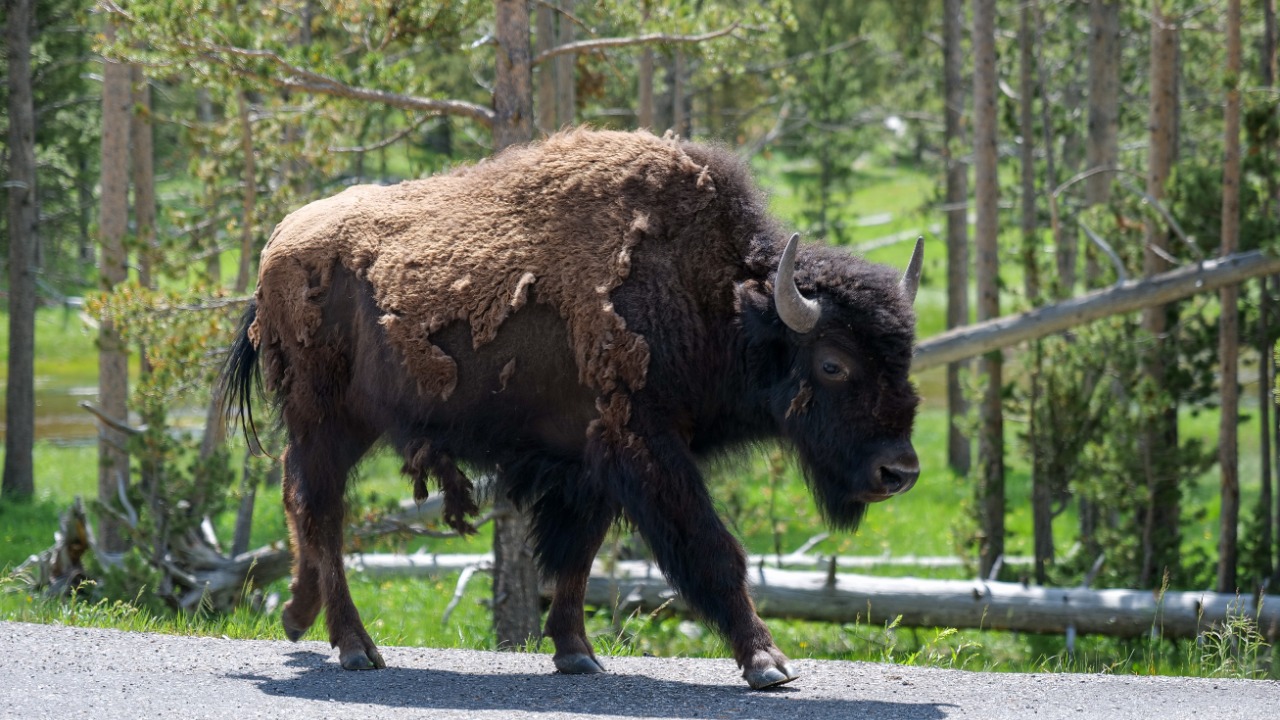
According to the National Park Service’s bison page, a bison bull weighs up to 2,000 pounds, while a cow weighs up to 1,000 pounds.
The agency reports weights in pounds rather than kilograms, and the figures describe maximums, not averages. The cow ceiling is exactly half the bull ceiling, a sizable difference between the sexes within the same herd. Yellowstone is home to a well-known bison herd, so the park service is a natural source for the animal’s size. Maximums show how large a healthy adult can become.
9. Polar bear: Heaviest Bear On The List
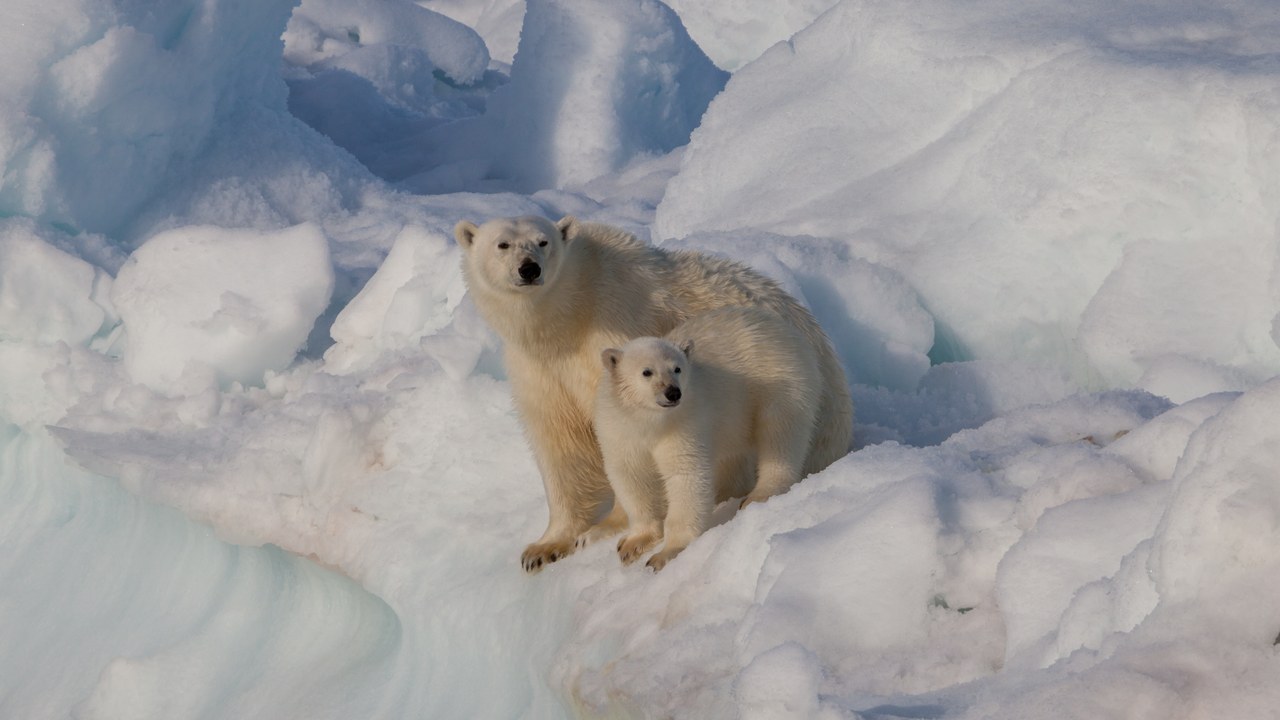
The Alaska Department of Fish and Game states that the largest male polar bears can weigh in excess of 1,700 pounds, in its polar bear species profile.
The wording stresses the largest males, so 1,700 pounds is a ceiling for exceptional animals rather than a norm. The polar bear is the heaviest bear in this ranking, ahead of the brown bear entry at the end of the list. Polar bears are Arctic animals, and the Alaska agency’s profile treats the species as part of the state’s wildlife.
10. Moose: Heavy On Its Feet
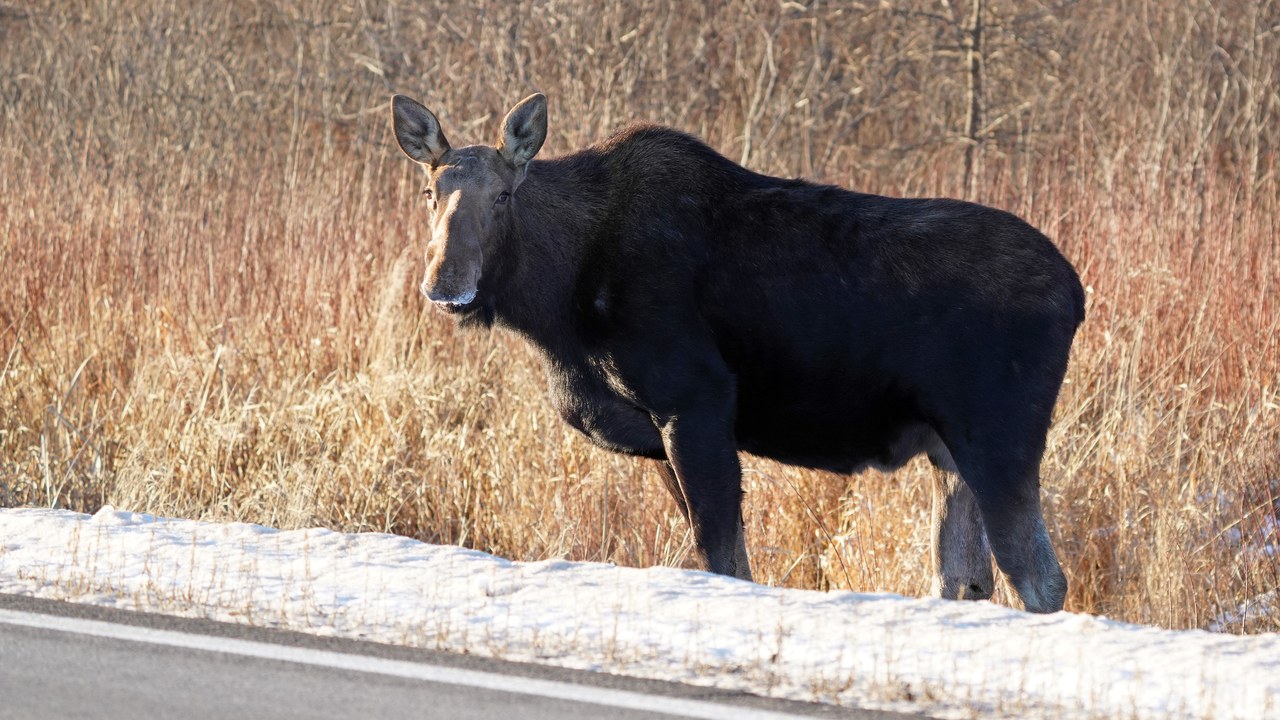
The moose weighs 1,200 to 1,600 pounds, based on the A-Z Animals North America list of large animals.
A range of 400 pounds separates the lighter animals from the heavier ones, so a given moose could fall anywhere along that span. The source is a general-interest animal site, so the figure is best read as a broad guide. Moose are large deer of northern regions, and the range places them below the bison and polar bear but near the brown bear that closes the list.
11. Kodiak bear: Brown Bear Giants
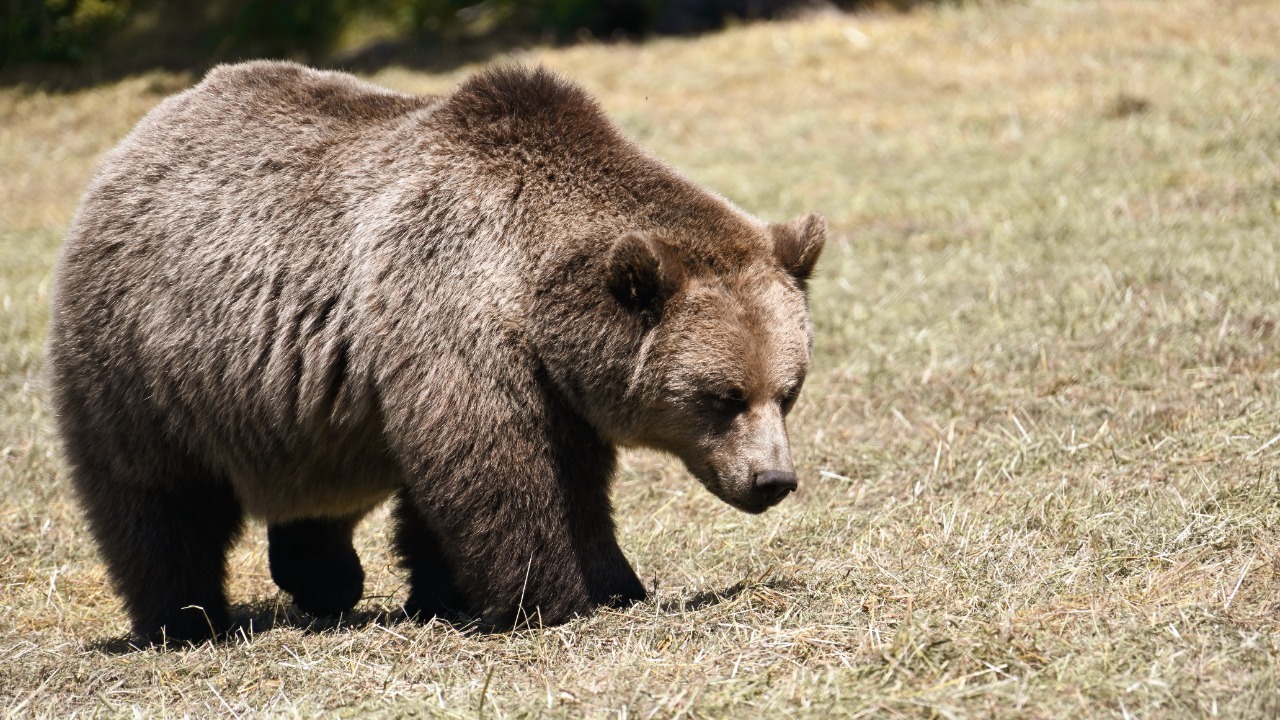
The Alaska Department of Fish and Game says brown bears reach up to 1,500 pounds, in its brown bear species page. Kodiak bears are a brown bear population, so the figure is the closest ceiling the source gives.
Because the figure covers brown bears generally, it is an upper limit rather than a measured Kodiak average. It closes the ranking on a pound-based figure, like the bison, polar bear and moose entries, a reminder that the list mixes metric and American units.
Help yourself and the planet: Get The Cool Down →
We may earn a commission if you sign up.
More from Morning Overview
- Tropical Storm Rachel is dumping up to 12 inches on four Mexican states on its way to major hurricane strength
- The FTC says Lens.com doubled the price shoppers saw in Google ads
- Common allergy, bladder and sleep pills tied to sharply higher dementia odds
- NOAA now gives this winter a 75% chance of the strongest El Nino since 1950
