
Federal agencies spend heavily on animals that were never meant to live in North America. Some arrived as pets, some as accidental stowaways, and some as deliberate introductions that went badly wrong. Government programs now work to contain damage from them, and these are eleven of the species on that list.
Save more, waste less: The Cool Down’s newsletter sends smart, simple changes that help you and the planet in your everyday life.
We may earn a commission if you sign up.
1. Feral swine: Rooting Up Billions
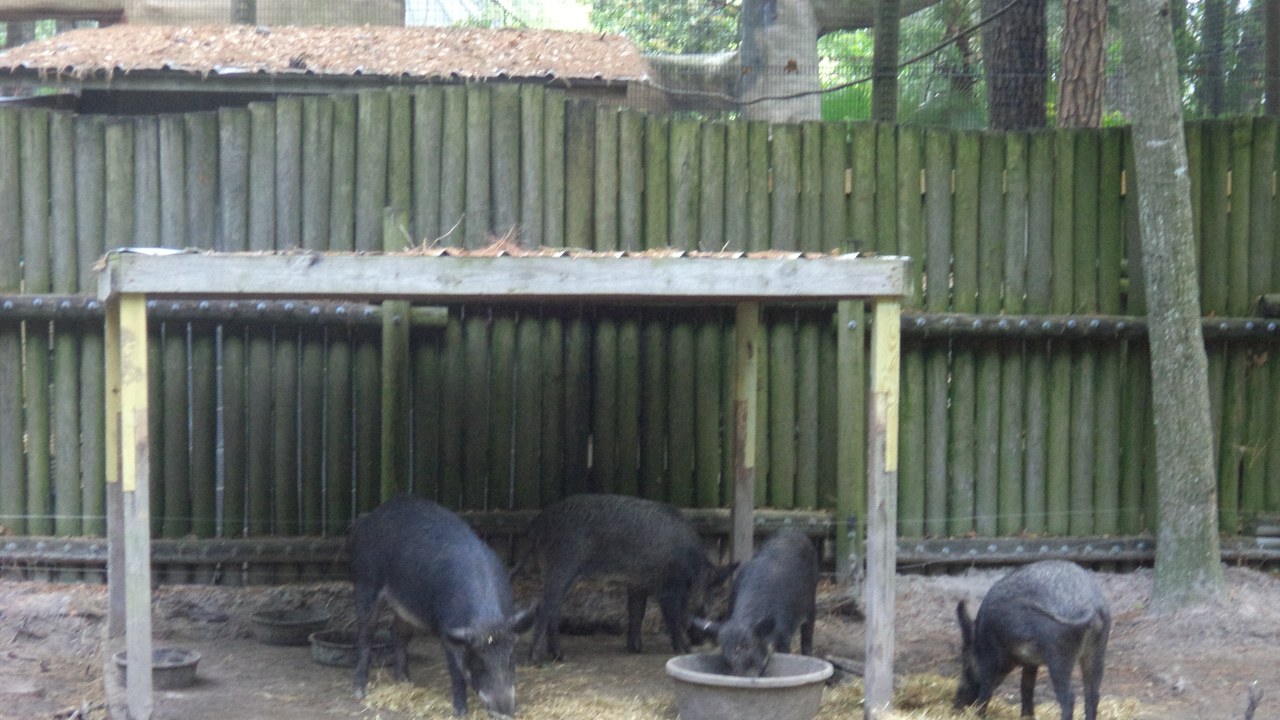
Federal wildlife managers treat these animals as one of the costliest invaders on the continent. USDA estimates put the minimum damage at $3.4 billion a year, with about $2.5 billion of that landing in agriculture. Crops, pasture and water sources all take the hit across much of the country.
Control work does produce results, though. Twelve states have eradicated the animals since 2014, which shows that removal is possible where programs are sustained and well funded over many seasons.
2. Emerald ash borer: Tunneling Under the Bark
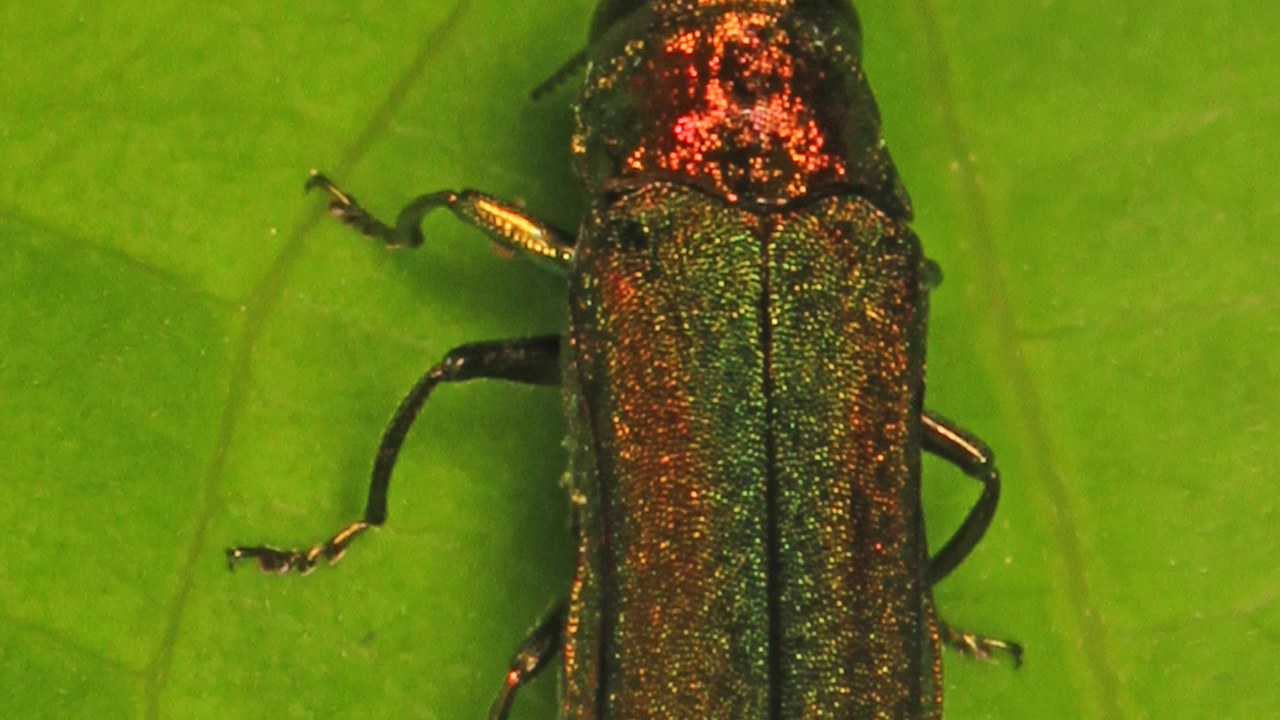
A small metallic-green beetle has become a major forest pest. According to APHIS detection records, it has been detected in 38 states plus the District of Columbia, and it is blamed for the death or decline of tens of millions of ash trees.
That count is cumulative rather than a snapshot of this year, so it marks how far the insect has traveled over time. Ash trees in yards, parks and woodlots remain exposed wherever the beetle has arrived.
3. Red lionfish: A Reef Predator Without Limits
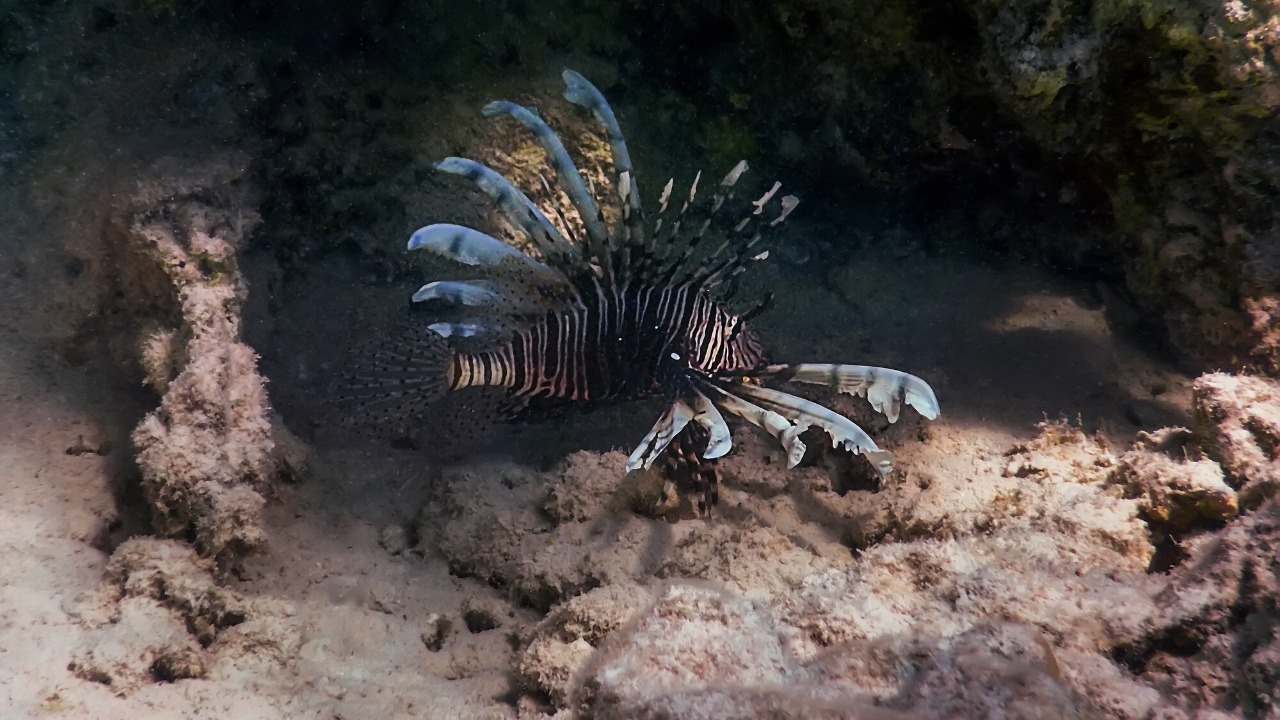
Striped, spiny and venomous, this Indo-Pacific fish now hunts Atlantic and Caribbean reefs. NOAA’s lionfish facts warn that populations will keep growing and cannot be eliminated by conventional methods.
The concern is what ends up on the menu. The fish eat juvenile snapper and grouper, species that anglers and reef ecosystems depend on, so the pressure lands on young fish before they can reach adulthood. Divers and fishing groups have joined removal efforts, yet the agency’s assessment remains that the fish are here to stay.
4. Northern snakehead: The Fish That Walks Overland
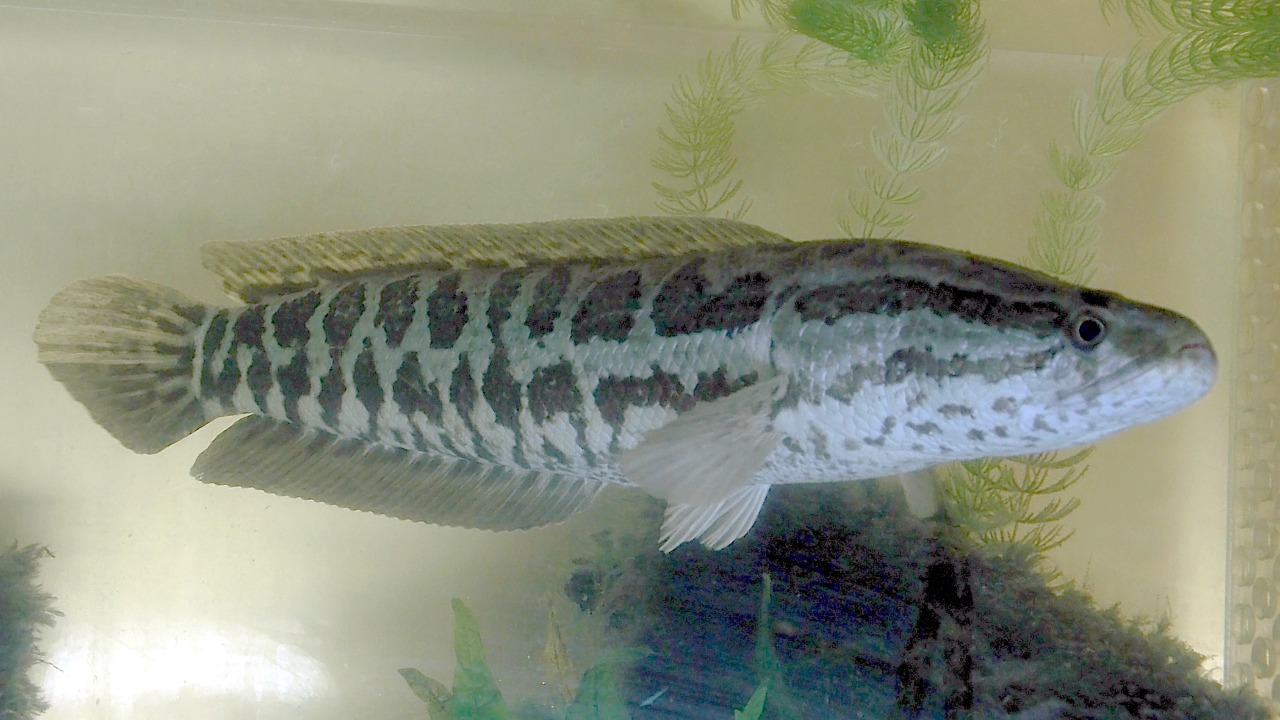
This long, toothy predator drew national attention after its first recorded appearance in Maryland in 2002. The USGS records show that it is now established in seven states, a reminder of how fast a single introduction can turn into a lasting presence.
Wildlife agencies track it closely because established fish populations in open waterways are extremely hard to reverse once they take hold. Anglers and biologists are asked to report catches, since early detection in a new waterway gives managers the best chance of responding before numbers climb.
5. Zebra mussel: A Thumbnail-Sized Threat
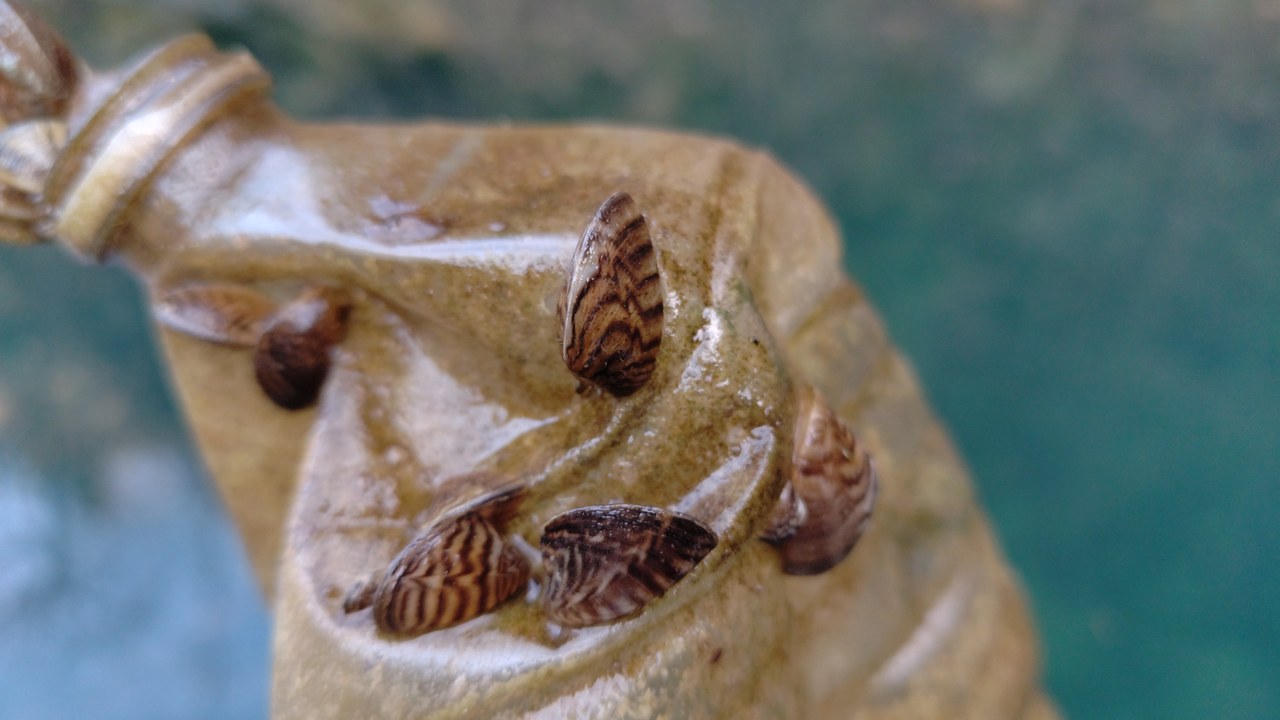
Few invaders are smaller or more expensive. A federal an FWS fact sheet projects that zebra mussels would cost Columbia River hydropower $250 million to $300 million a year if they arrive in that watershed.
The figure is a projection rather than a bill already paid, and it comes from an archived sheet with older numbers. Even so, it illustrates why officials guard the western river system so closely against these shellfish.
6. Nutria: Chewing Through the Marsh
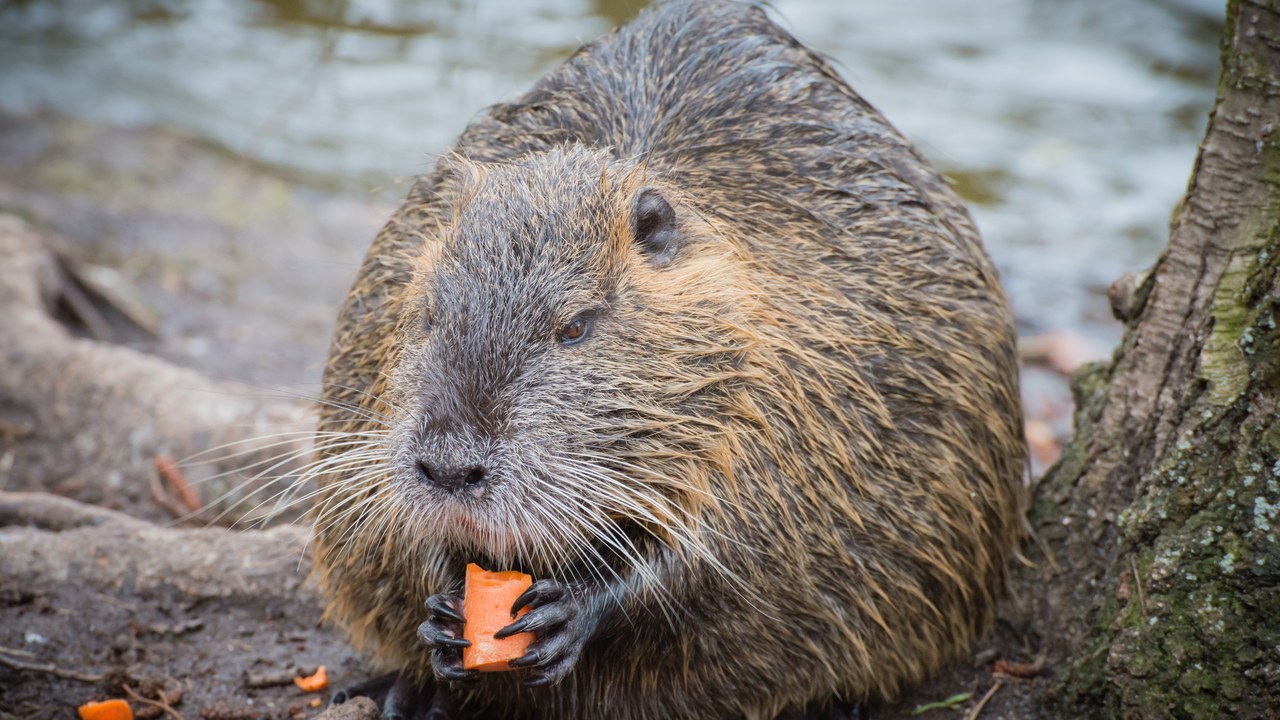
Large semi-aquatic rodents from South America have damaged wetlands where they were released. The the FWS cost sheet records that $2 million was spent in a single year to remove more than 8,000 nutria from Blackwater National Wildlife Refuge in Maryland.
Marsh vegetation holds shorelines together, so heavy feeding can leave refuges worse off. The expense also shows how much effort goes into removal programs at just one protected site.
7. Silver carp: Barriers Against a Leaping Carp
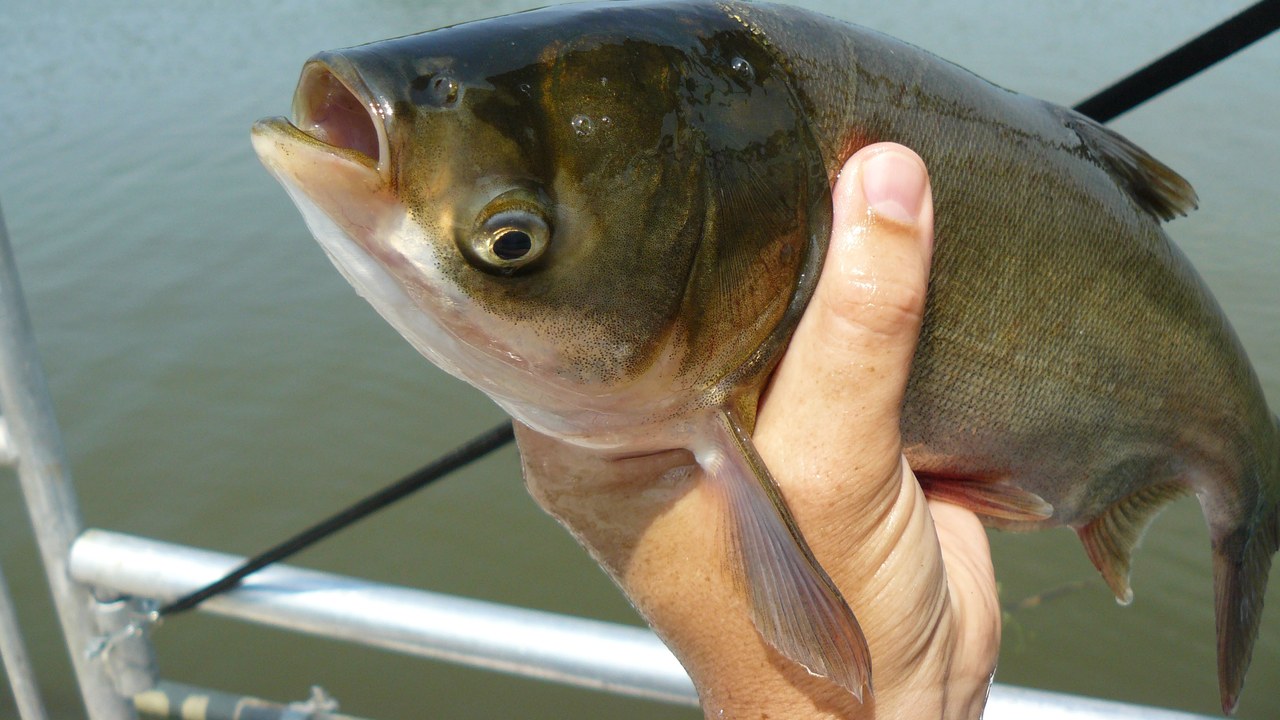
Asian carp are the reason for one of the biggest defensive efforts in the Great Lakes. The FWS spending figures says they threaten a $7 billion fishery, and $78.5 million was committed in a single year to keep them out.
Silver carp are the species known for leaping from the water. The spending is aimed at prevention, since keeping the fish out of the lakes is far easier than removing them afterward.
8. Brown rat: An Old Stowaway
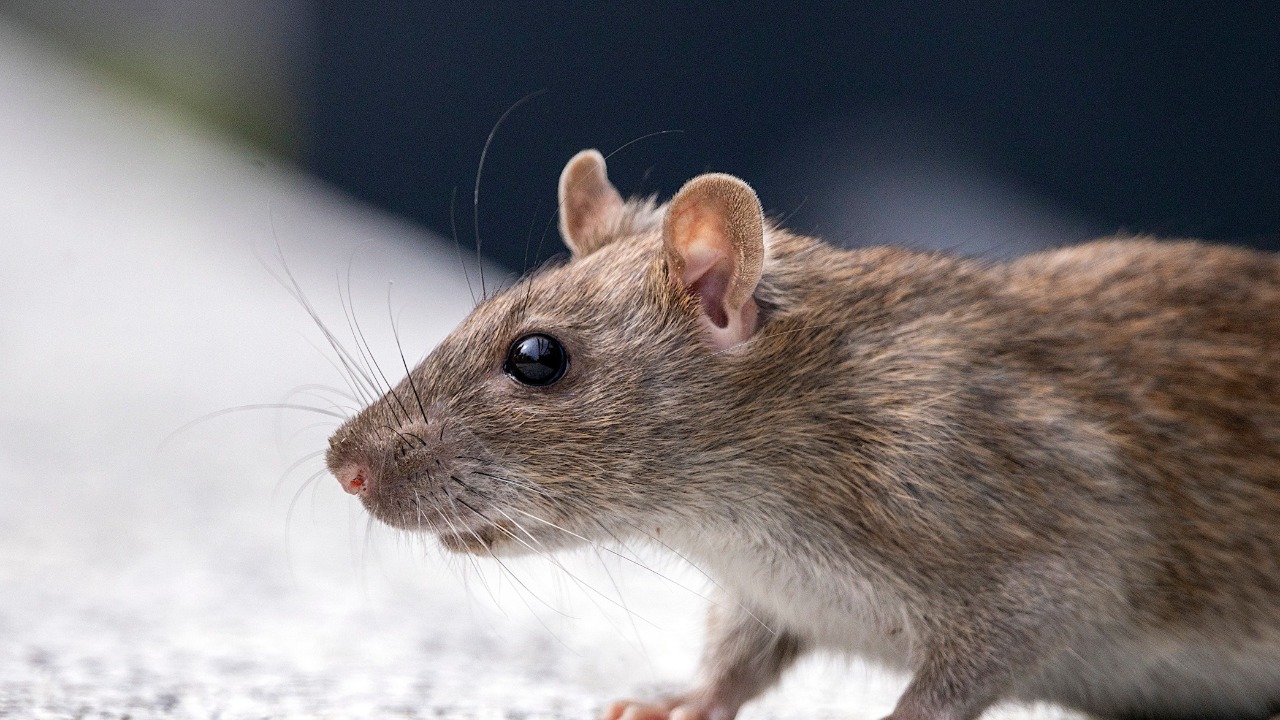
Rats arrived with settlers and shipping long ago and never left. rat damage estimates indicate that black and Norway rats together cause more than $19 billion in annual damage to stored grain and other property.
The figure covers two species combined, not the brown rat alone, so each share is smaller. It still points to how much routine losses in warehouses, farms and buildings add up to. Rodent control is therefore a steady cost for grain handlers and property owners, not a one-time cleanup, and it recurs every year.
9. Burmese python: Giants in the Everglades
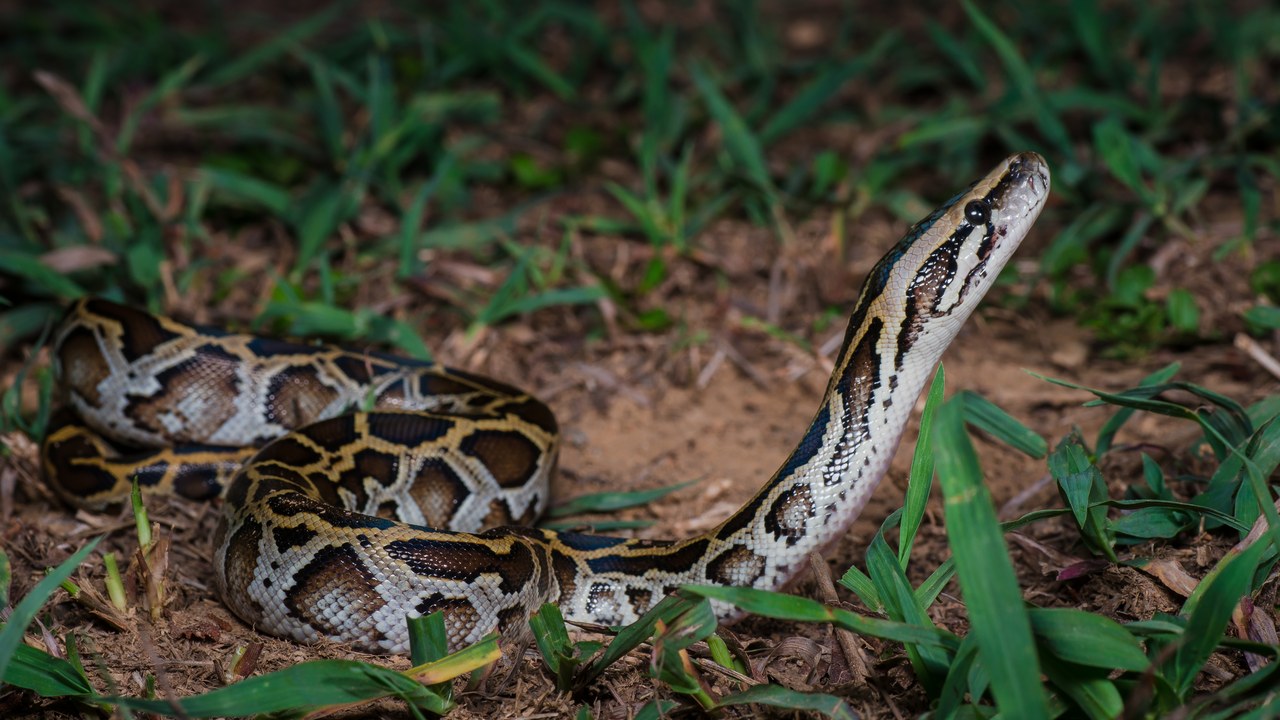
Released pets turned Florida into home for a very large constrictor. The USGS size data records individuals growing beyond 18 feet and 150 pounds in the state.
Animals of that size have few natural enemies in the wetlands. Their bulk allows them to eat prey that smaller snakes could never handle, which is a central worry for native wildlife. Removal programs in South Florida continue, but the sheer reach of the swamp makes every large snake difficult to locate.
10. Brown tree snake: Silencing Guam’s Forests
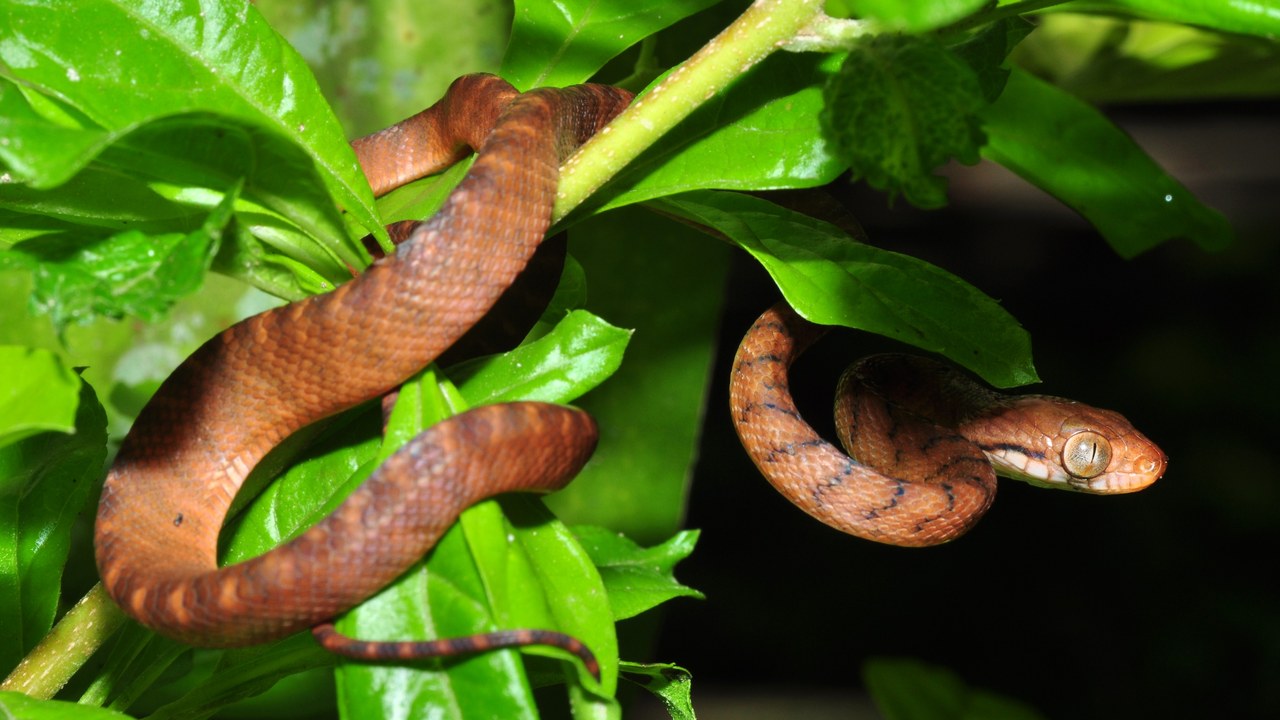
Slender and nocturnal, this snake reached Guam and changed the island’s ecology. According to a a USGS fact sheet, it caused the extinction of nine of Guam’s 13 native forest birds.
The island serves as the textbook warning for other Pacific locations. A species that looks harmless in photographs can erase most of a bird community once it establishes in a place with no defenses. Prevention now centers on inspecting cargo and aircraft leaving the island, because a single stowaway can start a new problem elsewhere.
11. Argentine black and white tegu: A Lizard Moving North

A big South American lizard has put down roots in Florida. The USGS range findings says it is established in at least four counties, with suitable habitat across the southern third of the continental United States.
That habitat estimate suggests the problem need not stay local. Tegus eat eggs and small animals, so spread beyond Florida would put more ground-nesting wildlife at risk. Early reporting by residents helps agencies track where the lizards are turning up.
Save more, waste less: Subscribe to The Cool Down →
We may earn a commission if you sign up.
More from Morning Overview
- Doctors warn a silent liver disease now affects one in three American adults
- The FBI told the rest of ShinyHunters to surrender after a 24-year-old was arrested
- Two passengers died at an Ohio toll plaza, and the NTSB now wants the cash lanes shut
- Long use of a common prostate pill is tied to a higher chance of glaucoma
