
Animal lifespans range from a few years to several centuries, and the champions are often slow, cold-water or heavily protected creatures. Mollusks, sharks, whales and tortoises all appear among the oldest known cases, though some ages come with real uncertainty. Here are ten of the longest-living animals, each with the figure behind its place.
AI, explained every day: The Deep View is the go-to daily newsletter for 600,000+ founders, knowledge workers and professionals who want to stay up to date with artificial intelligence.
We may earn a commission if you sign up.
1. Ocean quahog: Ming the Clam
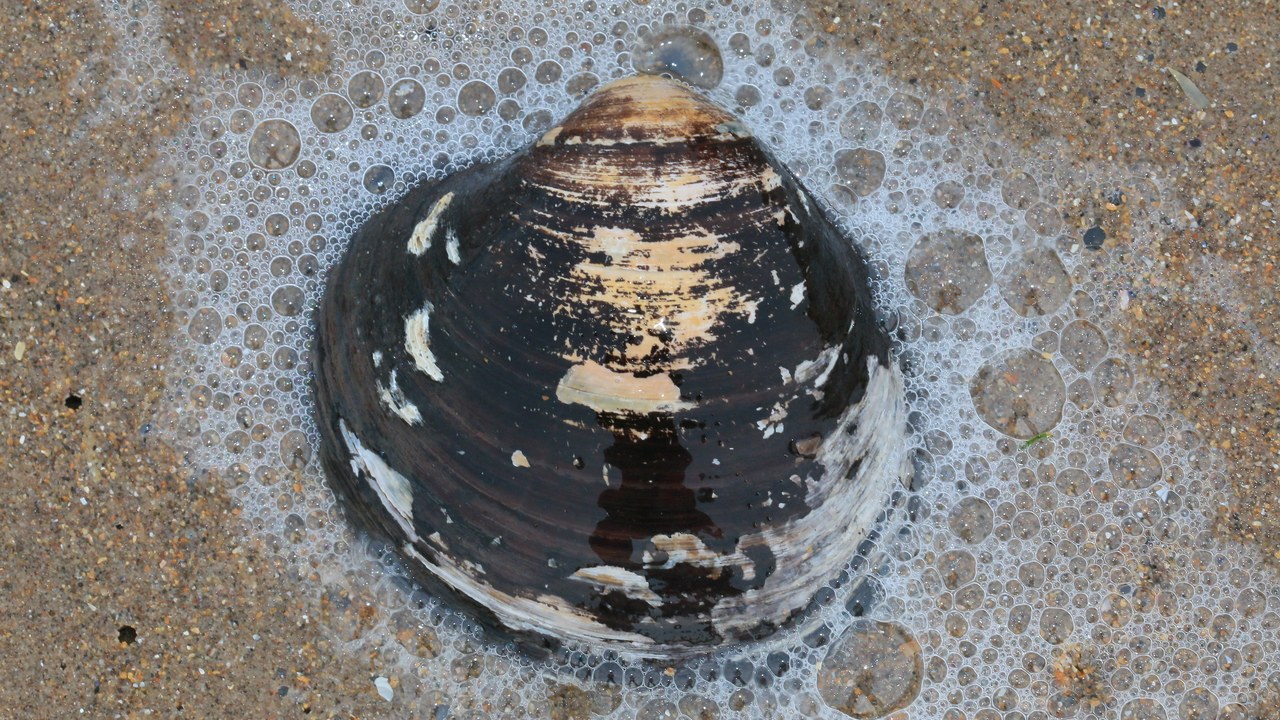
A clam nicknamed Ming lived 507 years before scientists accidentally killed it in 2006, according to National Geographic’s longevity feature. The animal was an ocean quahog, a thick-shelled mollusk that lives buried in cold seabed sediment. The sheer count of years still anchors discussions of animal longevity.
The story is a caution for researchers as much as a record. Counting growth rings in a shell requires opening it, which is how the clam died, so studying very old animals can carry a cost.
2. Greenland shark: Deep and Ancient
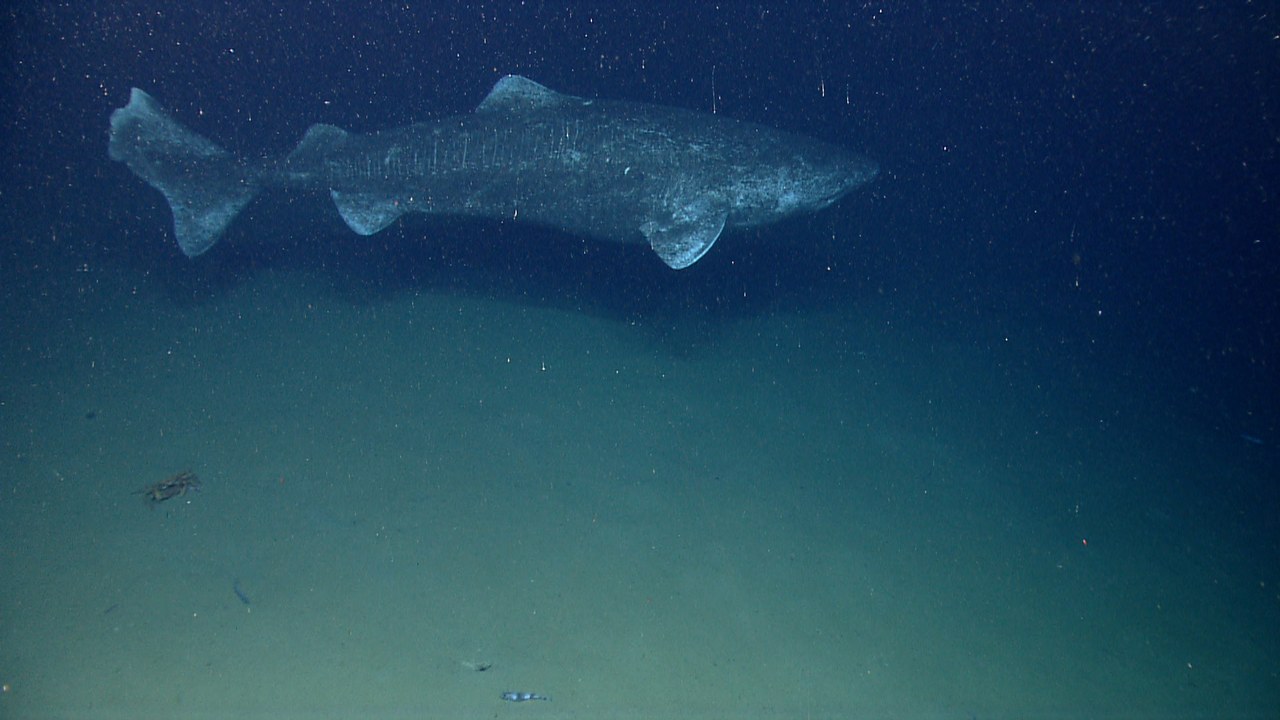
One Greenland shark measuring 5.02 meters (16.5 feet) was dated at between 272 and 512 years old, which makes the species the longest-lived vertebrate known, as this list of longest-living organisms records. The wide range reflects how hard it is to date a shark that lacks conventional growth markers and swims slowly through frigid deep water.
Because the estimate spans centuries, the exact age of any single shark stays uncertain. Even the low end, 272 years, would still place the animal far beyond any other backboned species on the list.
3. Koi: Legend of Hanako

A koi named Hanako reportedly reached 226, a figure given in National Geographic’s longevity feature. The account may be legend, and ordinary koi live about 47 years, so the claim stands far outside the normal range for the fish.
Anyone weighing the number should treat it as folklore with a possible kernel of truth, not a settled record. Even the typical lifespan of roughly 47 years is long for a pet, which is why koi are often described as an animal that can outlive its keeper.
4. Asian elephant: Elephant Benchmark
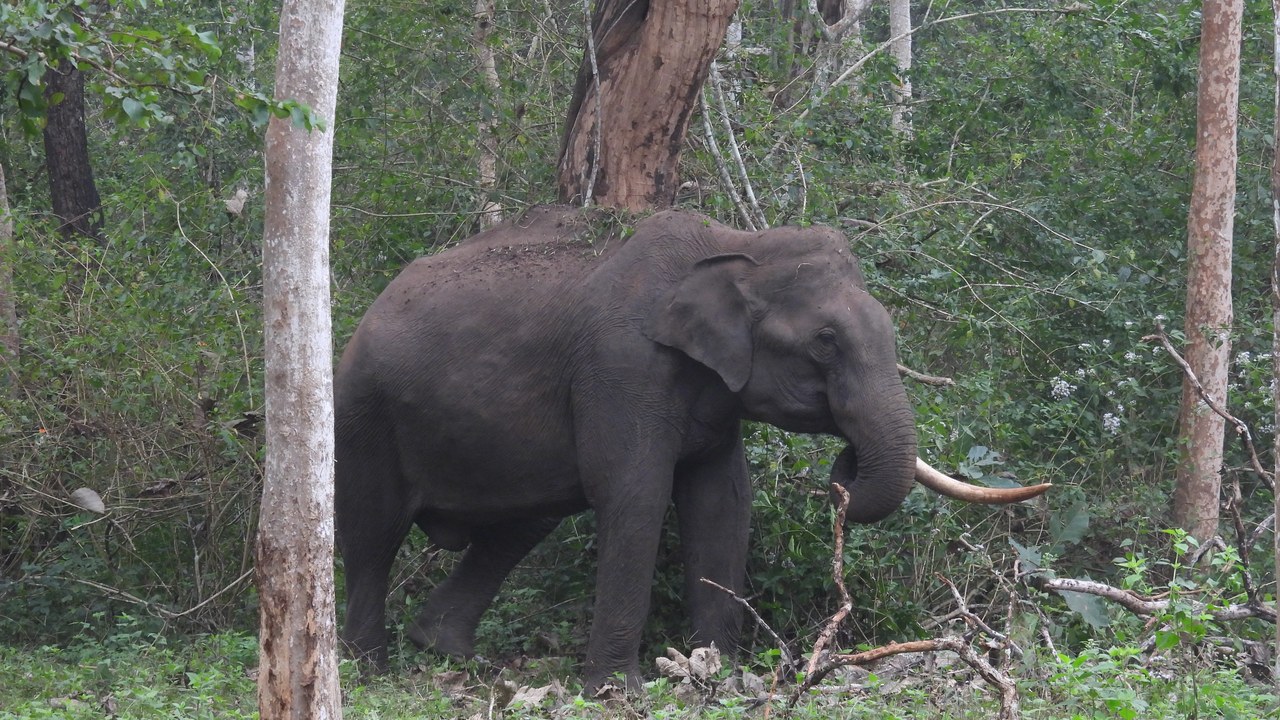
Female Asian elephants have a median life expectancy of 47 years, per the National Zoo’s elephant profile from the Smithsonian’s National Zoo. The figure is modest beside the clams and sharks above it, yet it is long for a large land mammal that must keep finding enough food and water year after year.
The number matters for conservation and zoo planning, since a slow-living species recovers slowly from losses. Median life expectancy also differs from maximum age, so individual elephants can live well beyond it.
5. Bowhead whale: Arctic Whale Elder
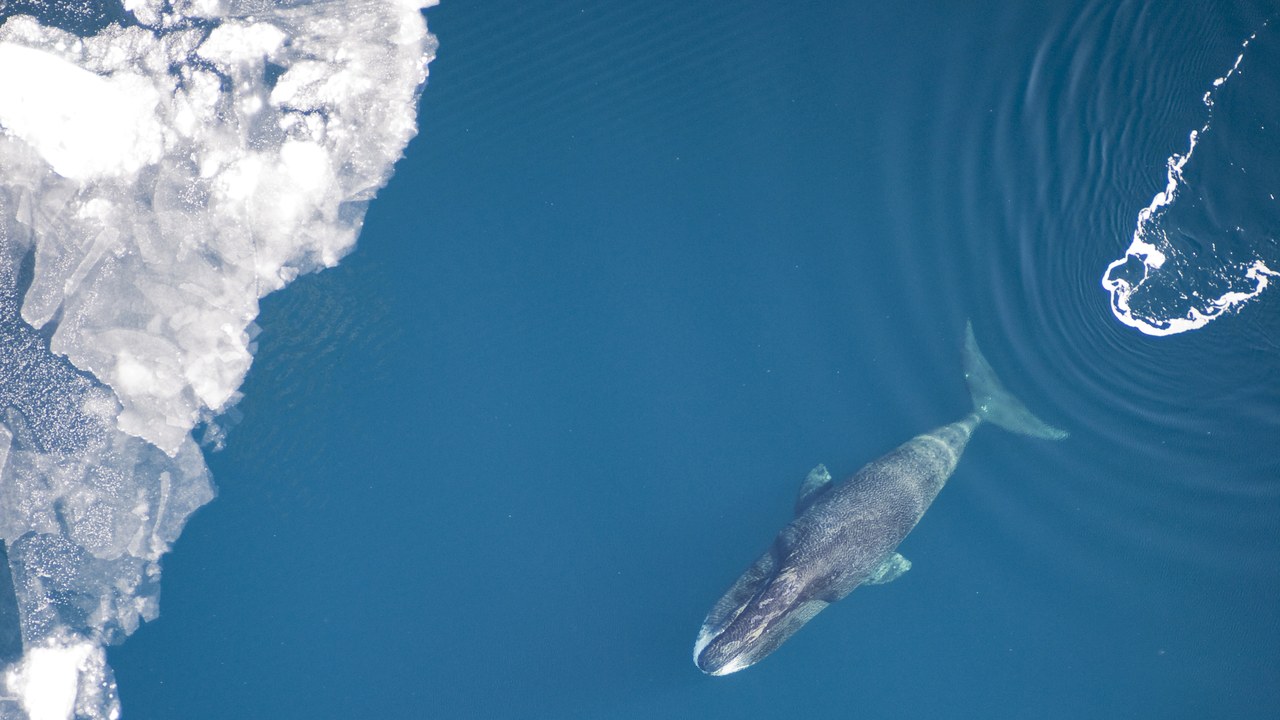
NOAA says the bowhead whale may live 200-plus years, the longest lifespan of any marine mammal, a claim summarized in NOAA’s bowhead fact page. The whale spends its life in cold Arctic waters, where a slow metabolism and large body are often linked to extended life across many species.
For readers, the key phrase is may live. The figure is a capacity drawn from studies of the animal, not a promise for every whale, and hunting and environmental change can still cut lives short.
6. Jonathan the tortoise: Jonathan on Saint Helena
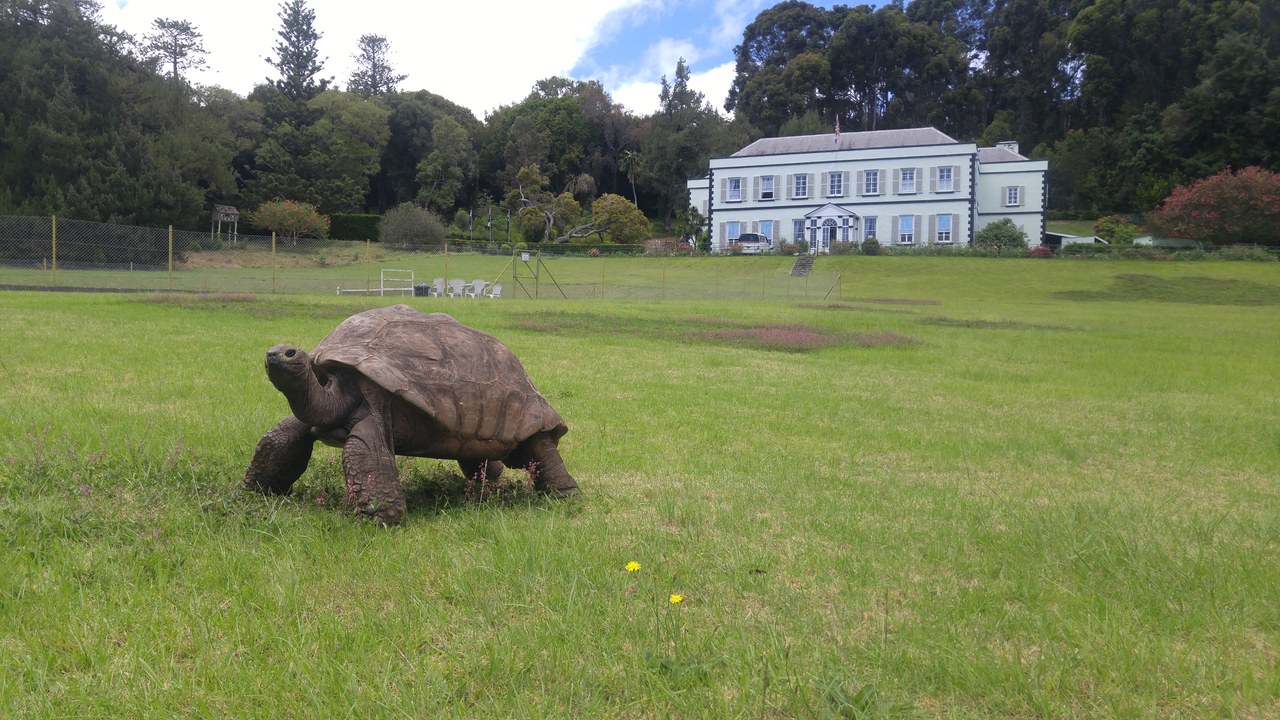
Jonathan, a Seychelles giant tortoise living on Saint Helena, is reported to be at least 193 years old, according to this list of longest-living organisms. The wording is careful, since the age rests on reported records rather than a birth certificate, and the minimum shows how long the animal has been documented.
Jonathan stands as a living reminder of how long tortoises can persist when they avoid predators and illness. The age is best read as a floor, not an exact count, and caretakers keep watching his health closely as he grows older.
7. Galápagos tortoise: Harriet the Galápagos
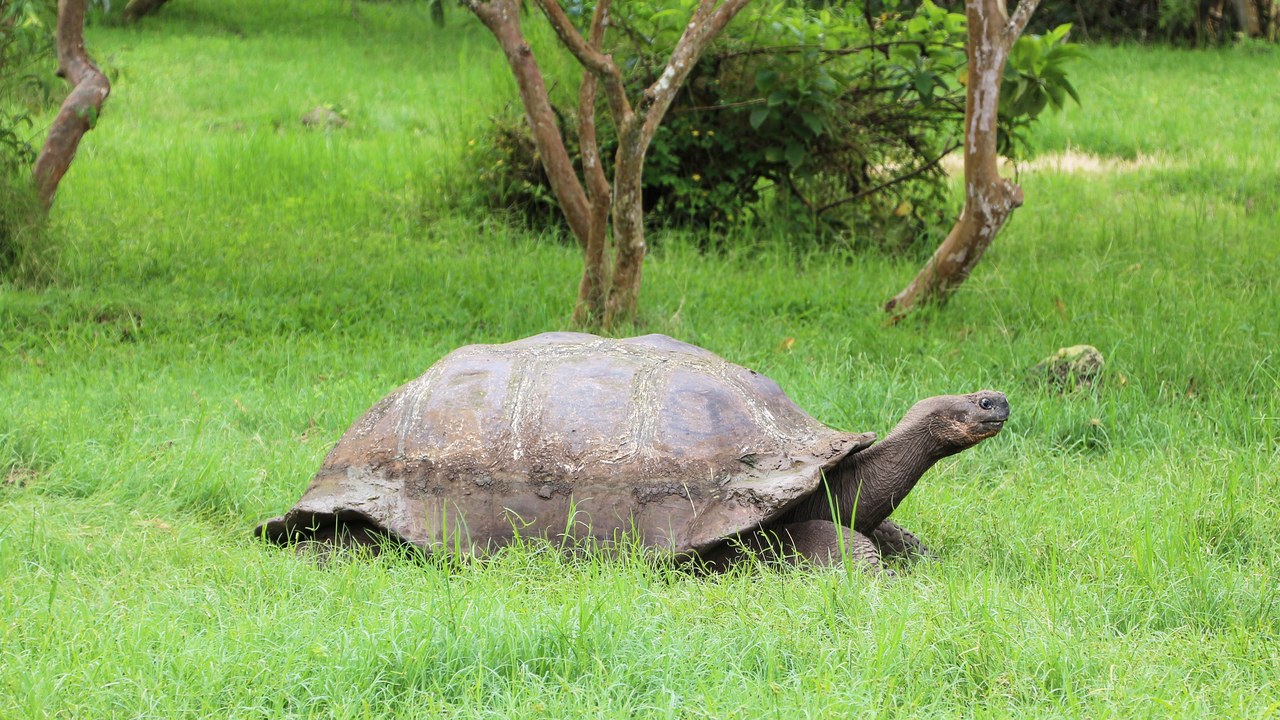
Harriet, a Galápagos tortoise, survived to around age 176, as reported by National Geographic’s longevity feature. Galápagos tortoises are among the largest living tortoises, and individuals in captivity have often supplied the most dependable lifespan figures because their care can be tracked over generations of keepers.
Harriet makes a useful comparison with Jonathan. Both support the idea that giant tortoises routinely pass a century and a half, though even a famous animal’s age can carry some uncertainty. Captive records like this are tracked closely, which is why they are cited more often than guesses about wild animals.
8. Lake sturgeon: Giant of the Lakes
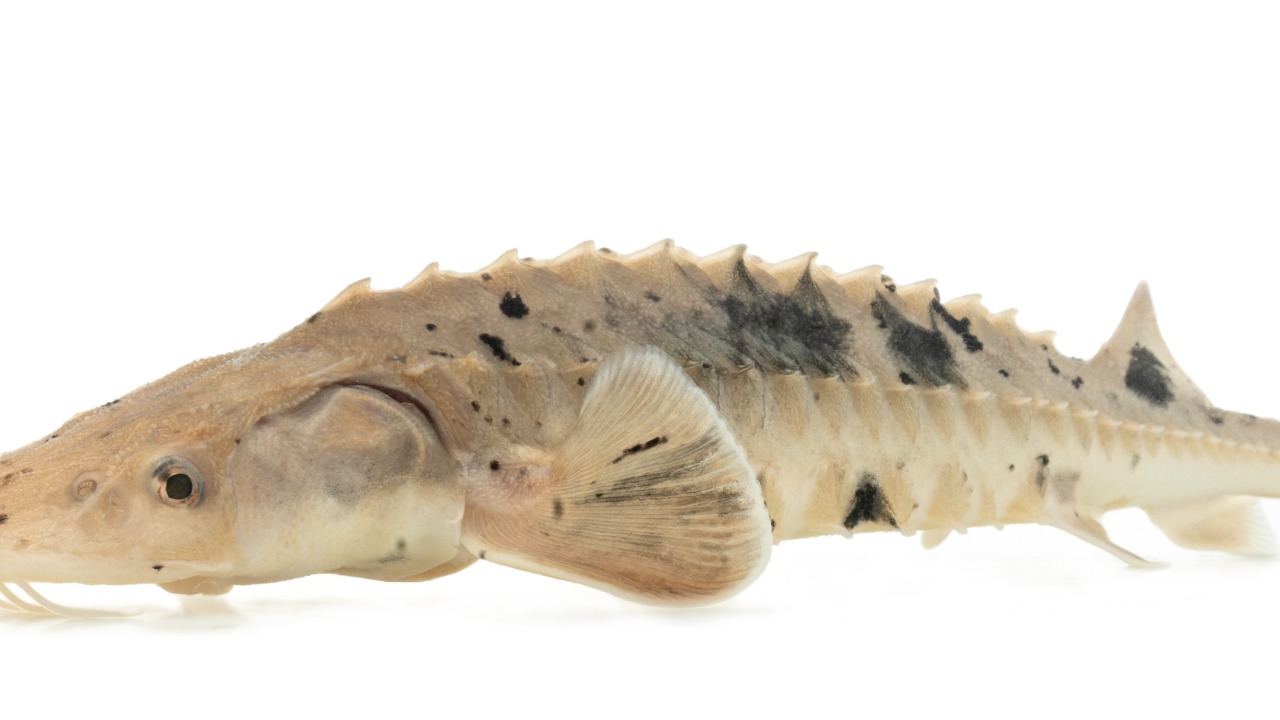
The largest and oldest lake sturgeon live to 150 years and reach about 7 feet, says the federal lake sturgeon profile from the U.S. Fish and Wildlife Service. The fish is a primitive-looking freshwater species of North American lakes and rivers, and its long life comes with slow growth and late maturity.
That slow pace is a weakness as well as an asset. A fish that takes many years to mature recovers slowly from overfishing or habitat loss, so protecting adults matters. Only the largest, oldest individuals reach the upper figures.
9. Tuatara: Living Fossil Reptile
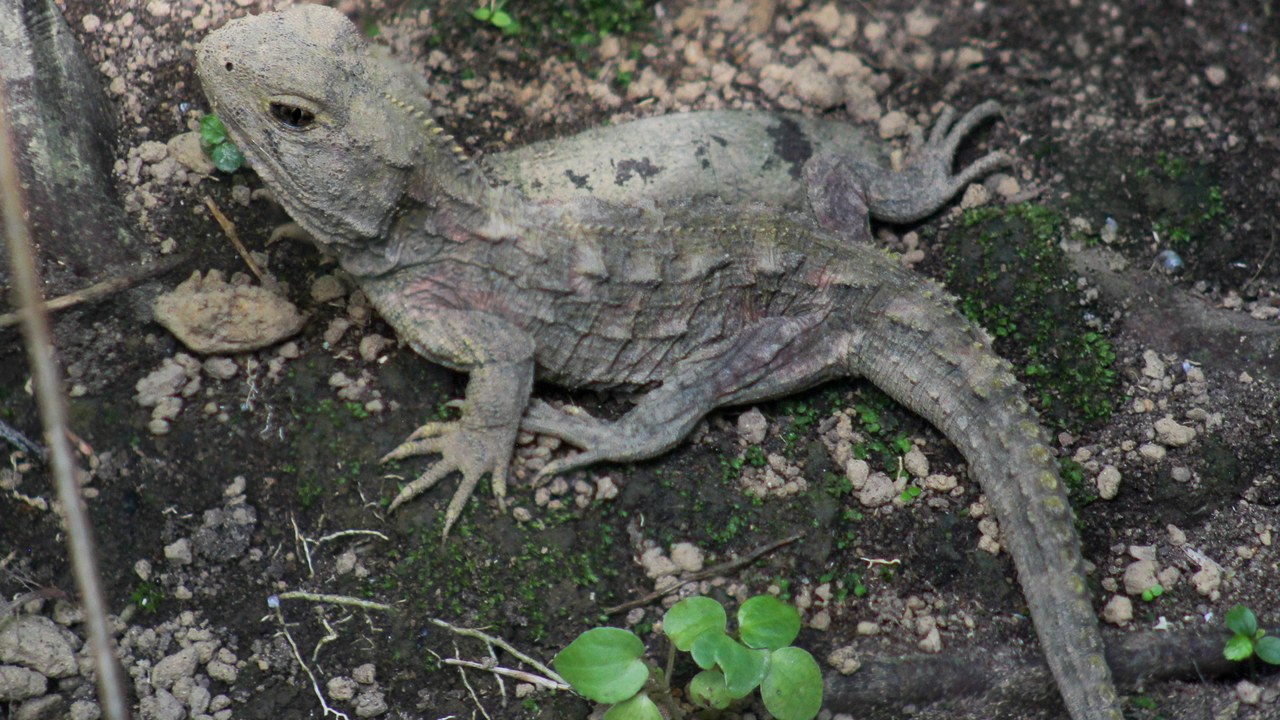
New Zealand’s tuatara can live well over 100 years, according to this list of longest-living organisms. The reptile resembles a lizard but belongs to a separate lineage, and it is often called a living fossil because it is the only surviving member of its group.
Its long life fits a slow lifestyle, since tuatara grow gradually and tolerate cool temperatures. For conservation, the lesson is that a species with such a long generation time needs patient, sustained protection to rebuild numbers.
10. Greater flamingo: Greater the Flamingo
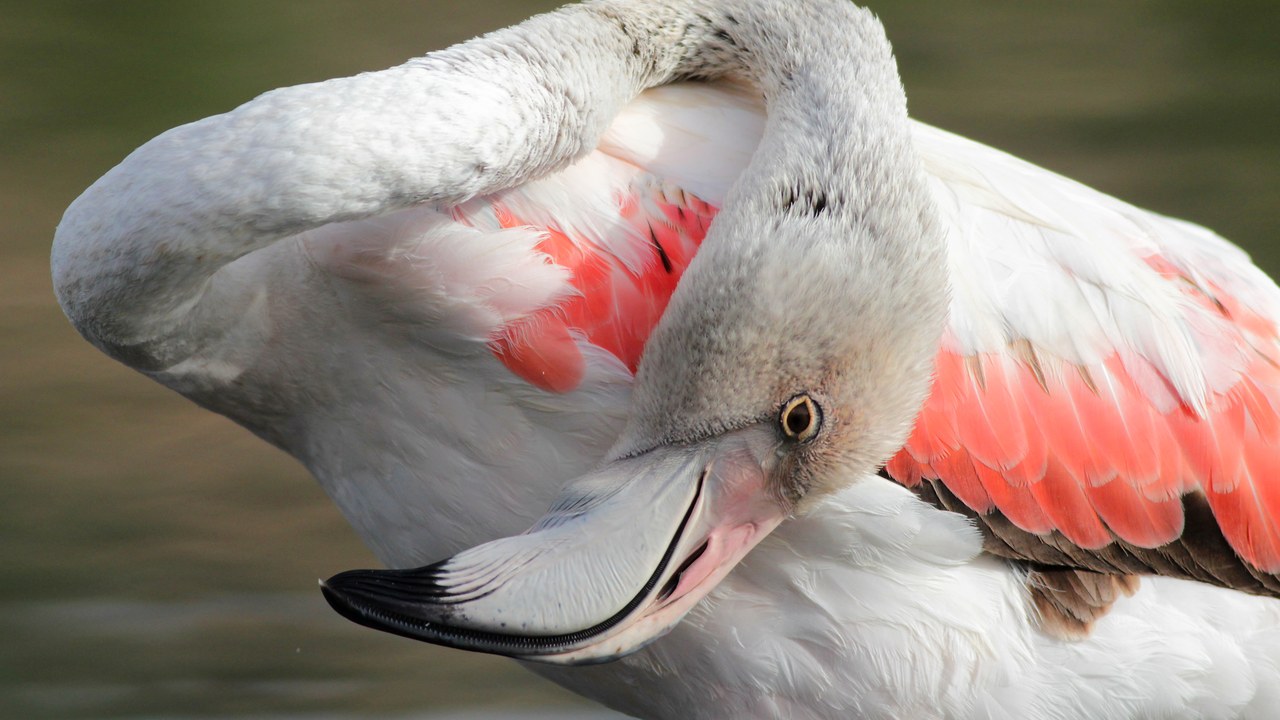
A flamingo called Greater lived to 83 at Australia’s Adelaide Zoo, the figure reported by National Geographic’s longevity feature. The bird was put to sleep at that age, and the number is far beyond what most wild flamingos are expected to reach, which shows what attentive zoo care can achieve.
The record belongs to a captive bird, so it says more about ideal conditions than wild survival. It still shows that birds can rival much larger animals in lifespan when food, safety and veterinary attention are reliable.
AI, explained every day: Get The Deep View →
We may earn a commission if you sign up.
More from Morning Overview
- The FBI told the rest of ShinyHunters to surrender after a 24-year-old was arrested
- Two passengers died at an Ohio toll plaza, and the NTSB now wants the cash lanes shut
- Long use of a common prostate pill is tied to a higher chance of glaucoma
- Ford is recalling 223,472 F-150 pickups because the fuel tank can leak or detach
