
Counts of rare wildlife shift with every survey, and the figures below come from federal agencies, conservation groups and news reports of recent counts. Some populations number in the dozens, others in the hundreds, and a few are climbing slowly. Here are eleven American animals with the fewest left in the wild.
Stay ahead on AI: Join 600,000+ professionals who read The Deep View, the daily newsletter that keeps you up to date with artificial intelligence.
We may earn a commission if you sign up.
1. Red wolf: A Pack Count In The Teens
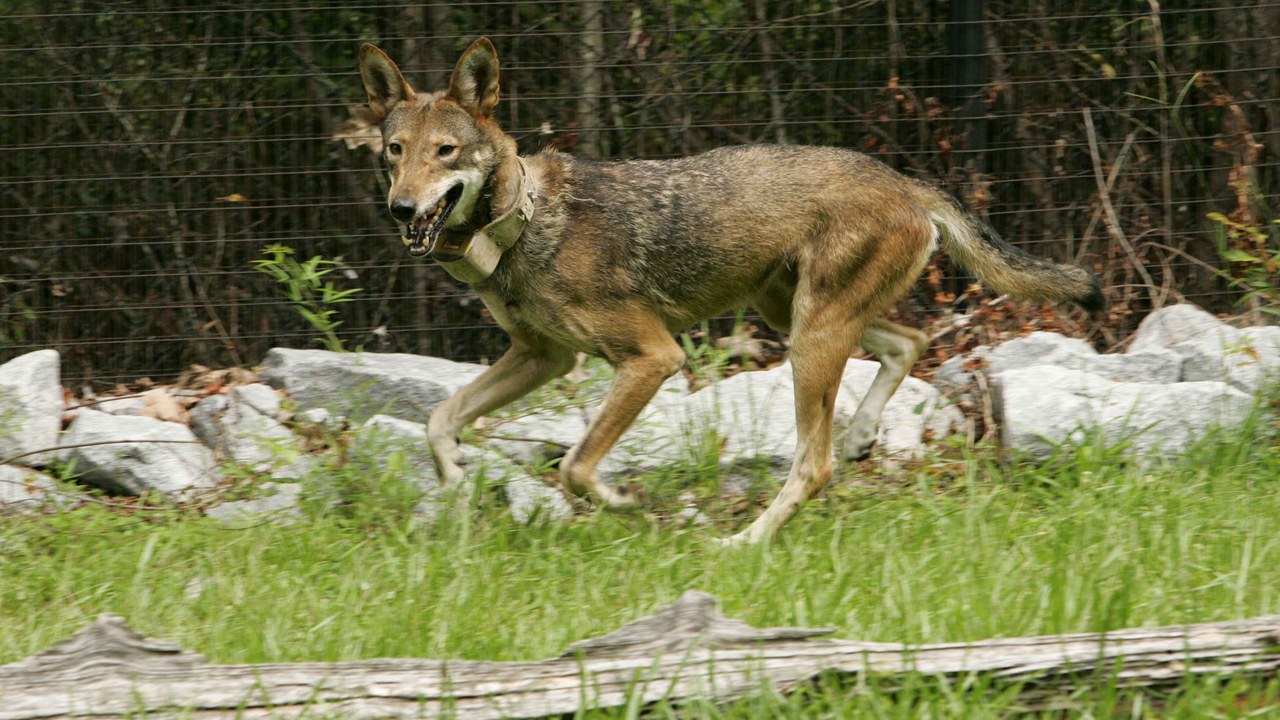
The U.S. Fish and Wildlife Service reports that about 15 to 17 red wolves roam their native habitat in eastern North Carolina. It is the smallest wild population on this list.
A count that small leaves the species with little margin, because each animal represents a large share of the whole. The wolves in this count live in a single region of the state, which concentrates the risk in one place. Few wild populations anywhere in the country are small enough to be counted this closely.
2. Southern Resident killer whale: Seventy-Four And Struggling
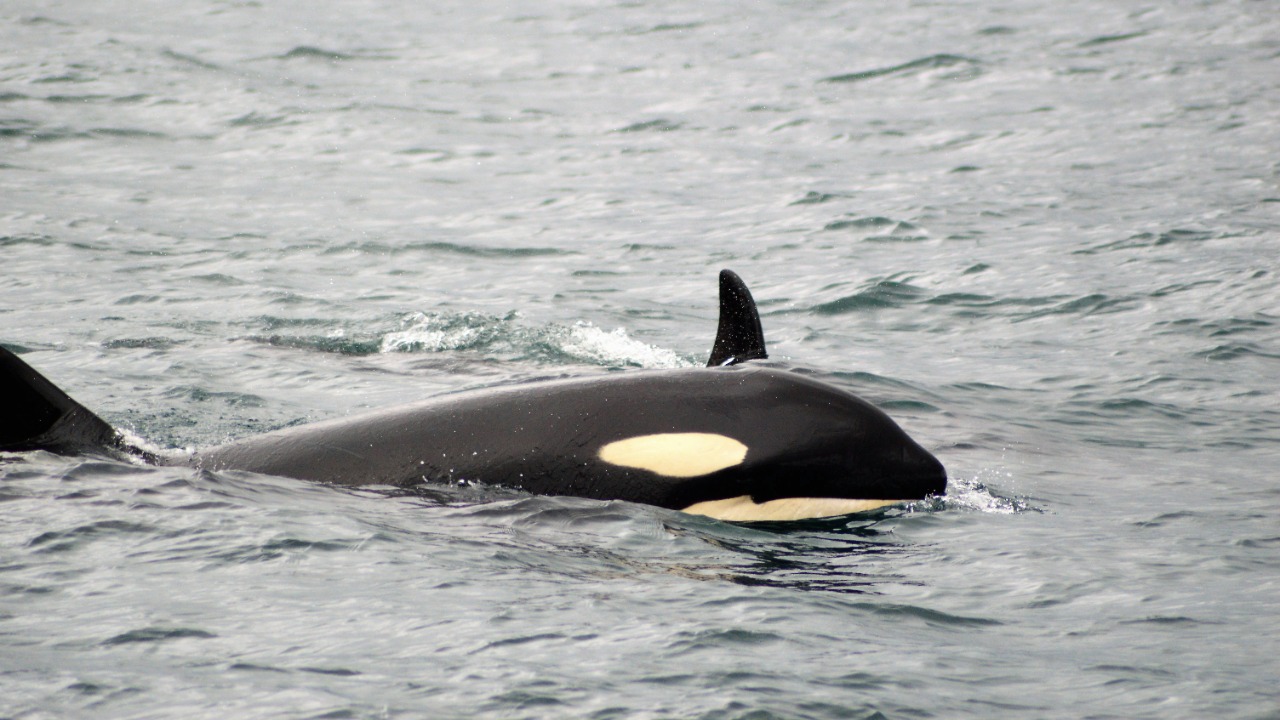
NOAA Fisheries notes that the July 2025 population census counted only 74 whales in this struggling killer whale population. The word only appears in the agency’s own description.
The census figure covers a distinct group of orcas, not killer whales as a whole. The species is widespread worldwide, so the concern here belongs to this one population and the small number of animals that remain in it. Killer whales in this population are known as the Southern Residents, and the label separates them from other orcas in the region.
3. Ocelot: Under A Hundred
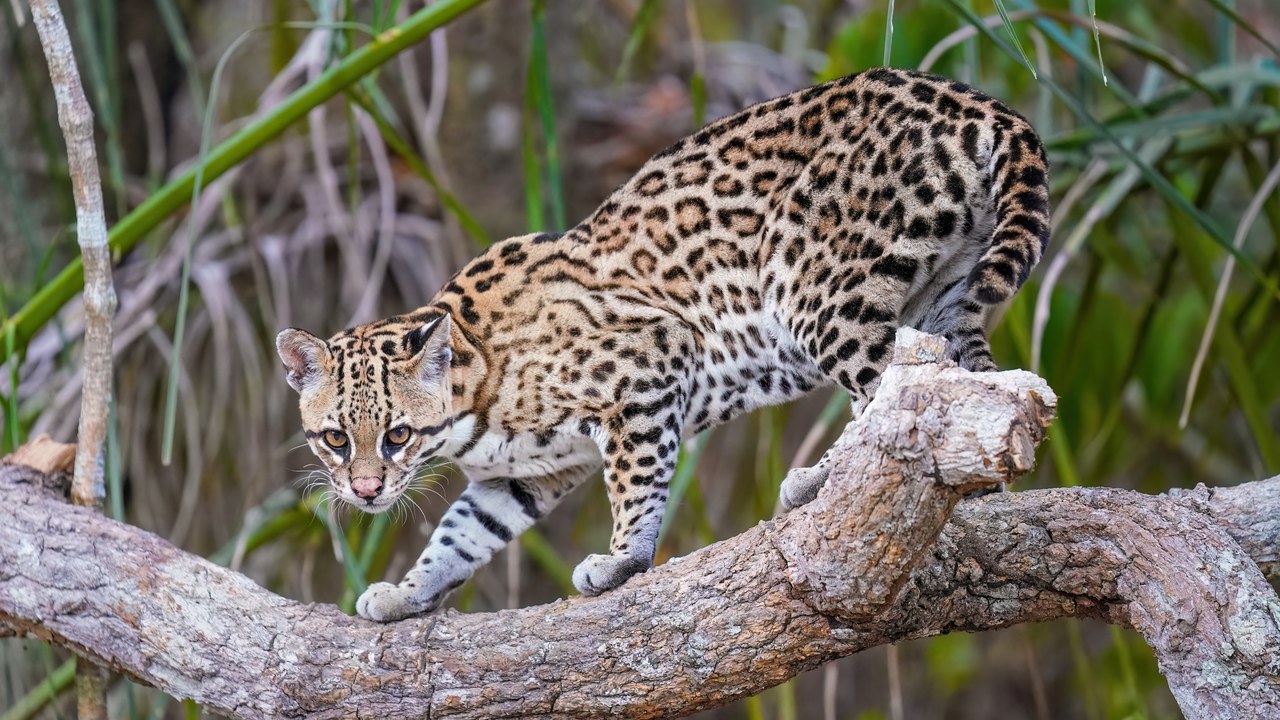
The Nature Conservancy states that fewer than 100 ocelots are known to exist in the entire United States, in its Texas endangered species stories.
The wording is careful: the figure counts ocelots known to exist, which leaves room for animals not yet documented. The Texas focus of the source reflects where the cats are found in the country, and it places the national total below three figures. Ocelots are spotted wild cats, and the small number reflects how little of their range reaches into the country.
4. Florida panther: Roughly Two Hundred
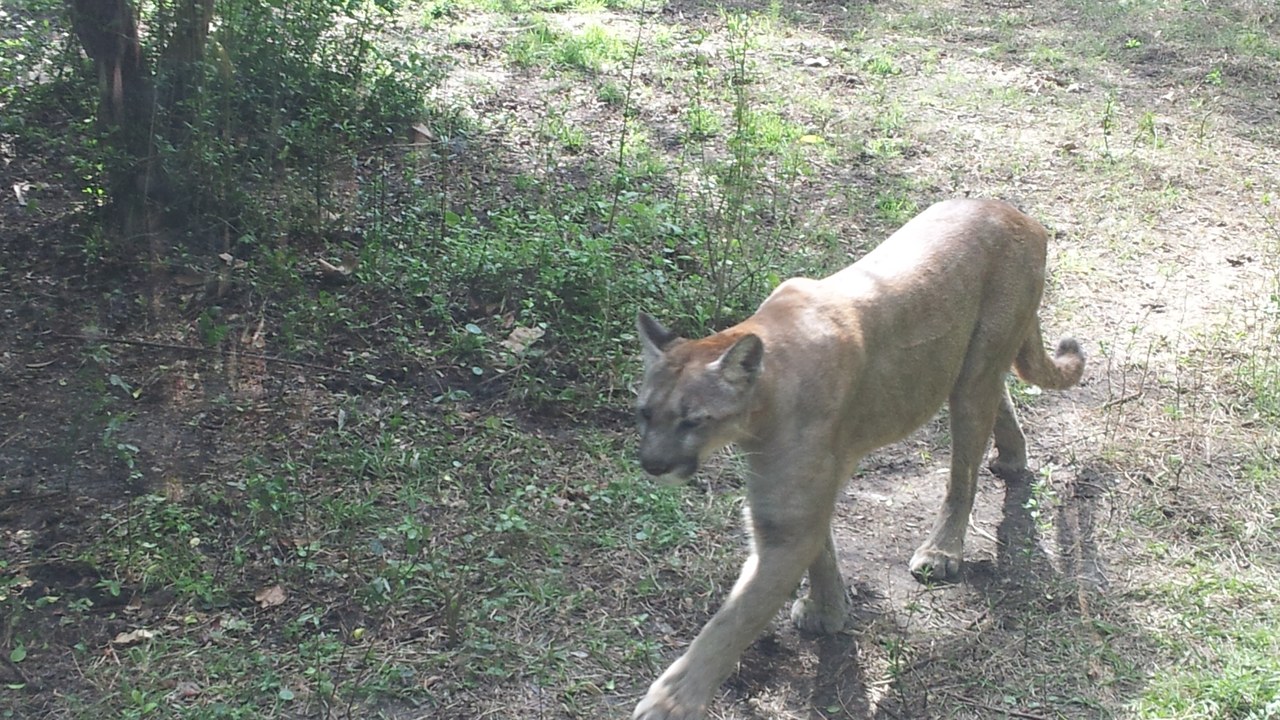
In its Everglades mammals page, the National Park Service says only about 200 Florida panthers are left in the wild.
The Everglades is one of the places the cat still lives, and the park describes the population in blunt terms. A number around 200 is small enough that the loss of even a few animals would register in the overall count. The Florida panther is a subspecies of cougar found in the southeastern corner of the country. The park’s wording treats the figure as rough.
5. Mexican gray wolf: A Rare Upward Count
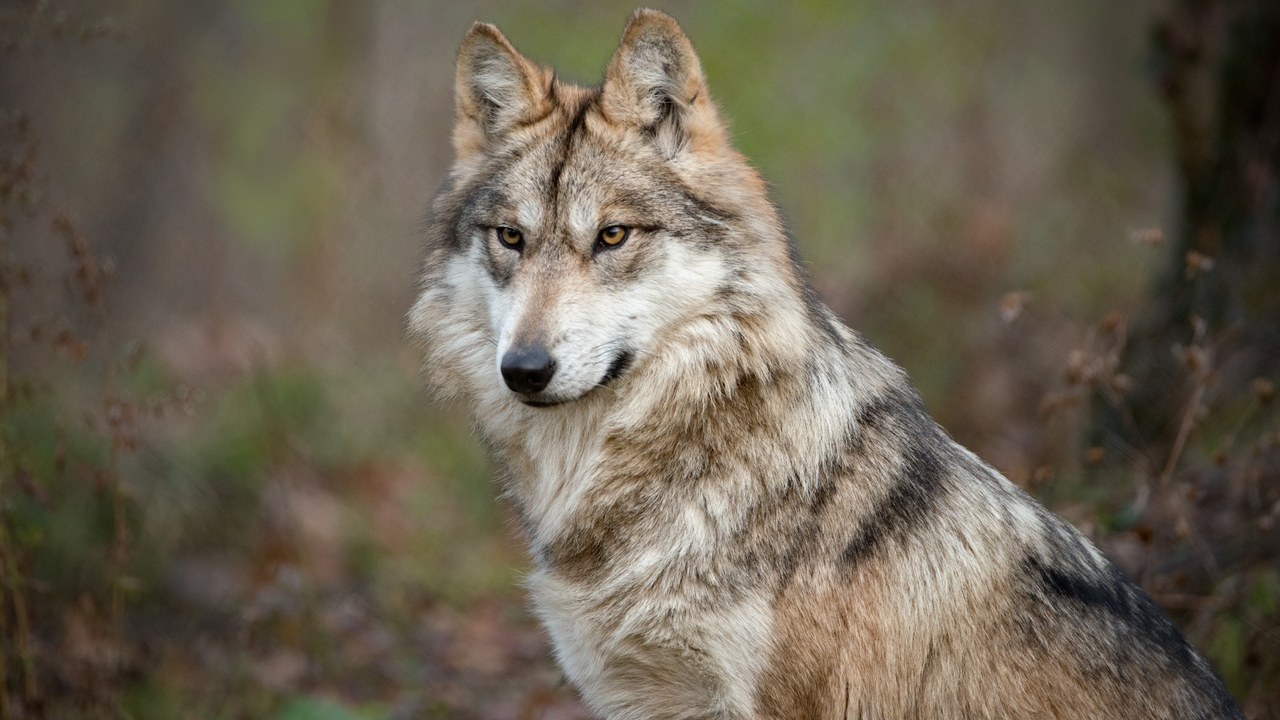
An AP report on the survey counted at least 286 Mexican gray wolves in the wild across Arizona and New Mexico in the 2024 count, 11% more than the year before.
Growth of 11% in a year stands out on a list where most entries are a story of scarcity. Still, 286 is a small number, and the words at least signal that the true figure may be somewhat higher. The count covers two states only. The result is a rare good-news figure on the list.
6. Cook Inlet beluga whale: Alaska’s Small Beluga Group

NOAA Fisheries gives the most recent estimate for Cook Inlet belugas as 331 whales, on its beluga whale species page.
The figure is an estimate rather than a head count, and it applies to a single population in Alaska rather than to belugas as a whole. Cook Inlet is the water body named in the population’s title, and it defines the animals being counted. NOAA Fisheries treats the Cook Inlet group as its own population, so the 331 whales are the only belugas counted in this entry.
7. Whooping crane: Over Five Hundred
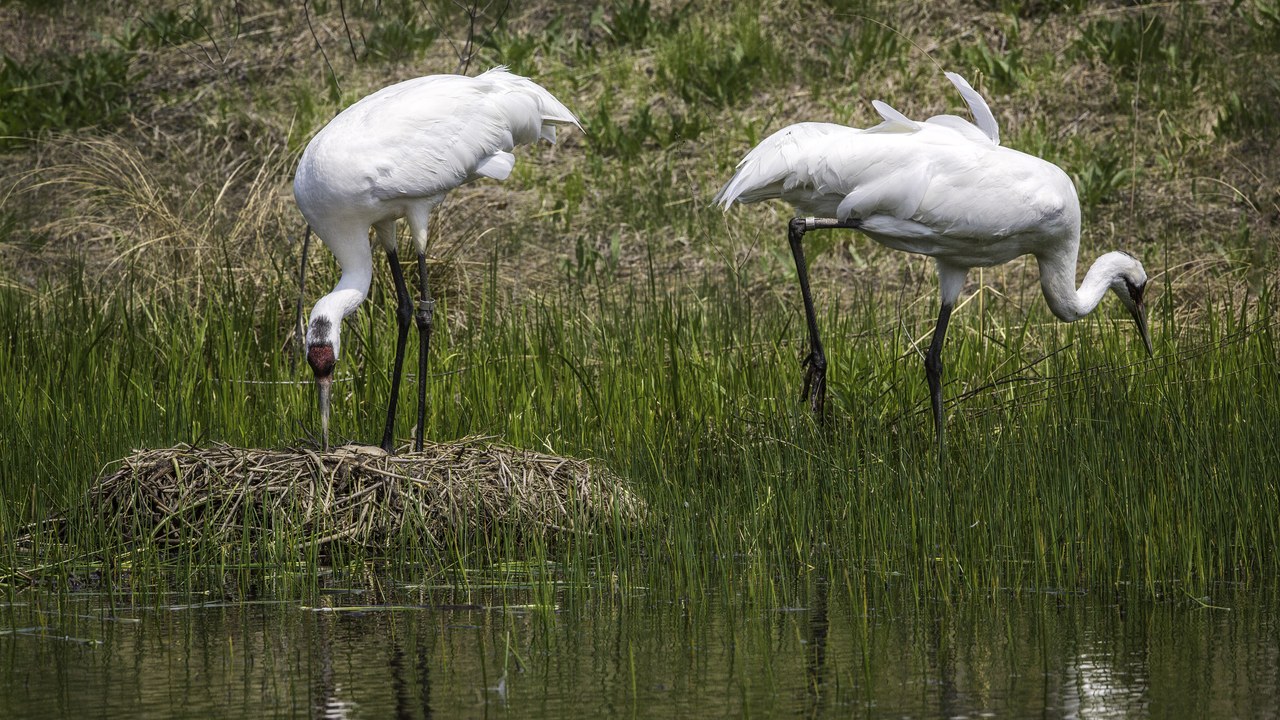
The Nature Conservancy estimates that more than 500 whooping cranes exist in the wild today, on its Texas species conservation page.
The wording gives a floor rather than an exact count, so the real number could be somewhat higher. Even so, a population of this size is small for a bird that is counted as a national conservation concern, and it is one of the larger numbers in this gallery. The figure appears in a Texas-focused overview of threatened species, where the cranes are one of several animals discussed.
8. North Atlantic right whale: Counting Every Individual
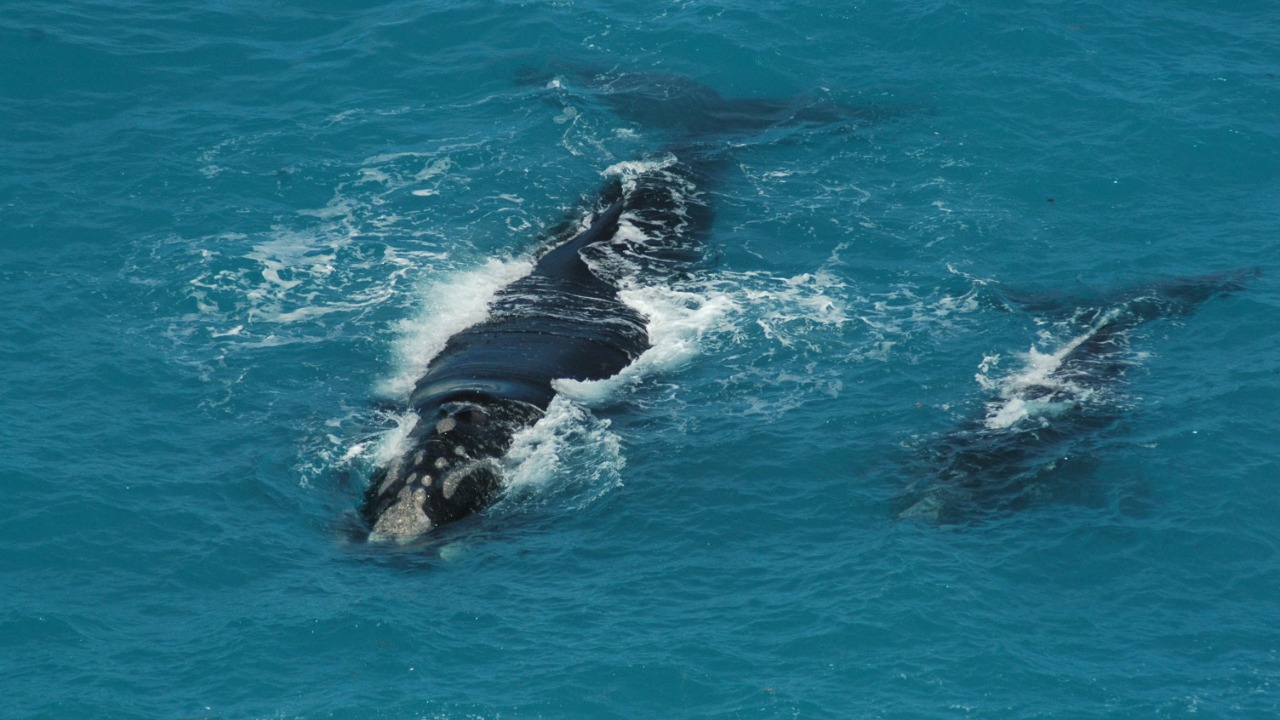
NOAA Fisheries reports an estimate of 384 individual North Atlantic right whales alive at the start of 2024, with a margin of plus 10 and minus 9, on its right whale species page.
The margin is small compared with the total, so the estimate is fairly tight. Because the count dates to the start of 2024, the number today may differ, and the agency presents it as an estimate rather than a certainty. North Atlantic right whales are one of the great whales, which makes a total of fewer than four hundred notable.
9. Hawaiian monk seal: Hawaii’s Seal Estimate
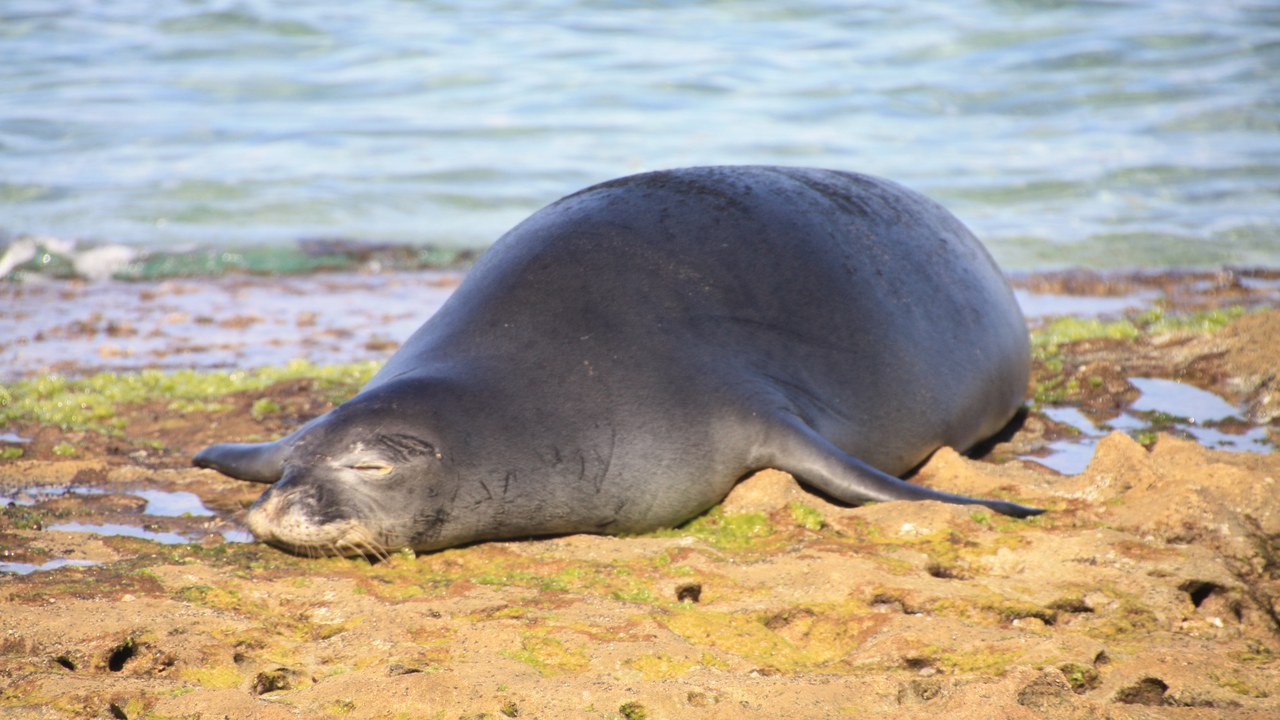
NOAA Fisheries estimates the population of Hawaiian monk seals at around 1,600 seals, as stated on its Hawaiian monk seal page.
At around 1,600, this is the largest population of any animal in this gallery, which shows how the word fewest is relative here. A species can be rare nationally and still number well over a thousand, and that is the case for this seal. Monk seals live in the Hawaiian Islands, so the population is tied to a small part of the country far from the mainland.
10. California condor: More Wild Than Captive
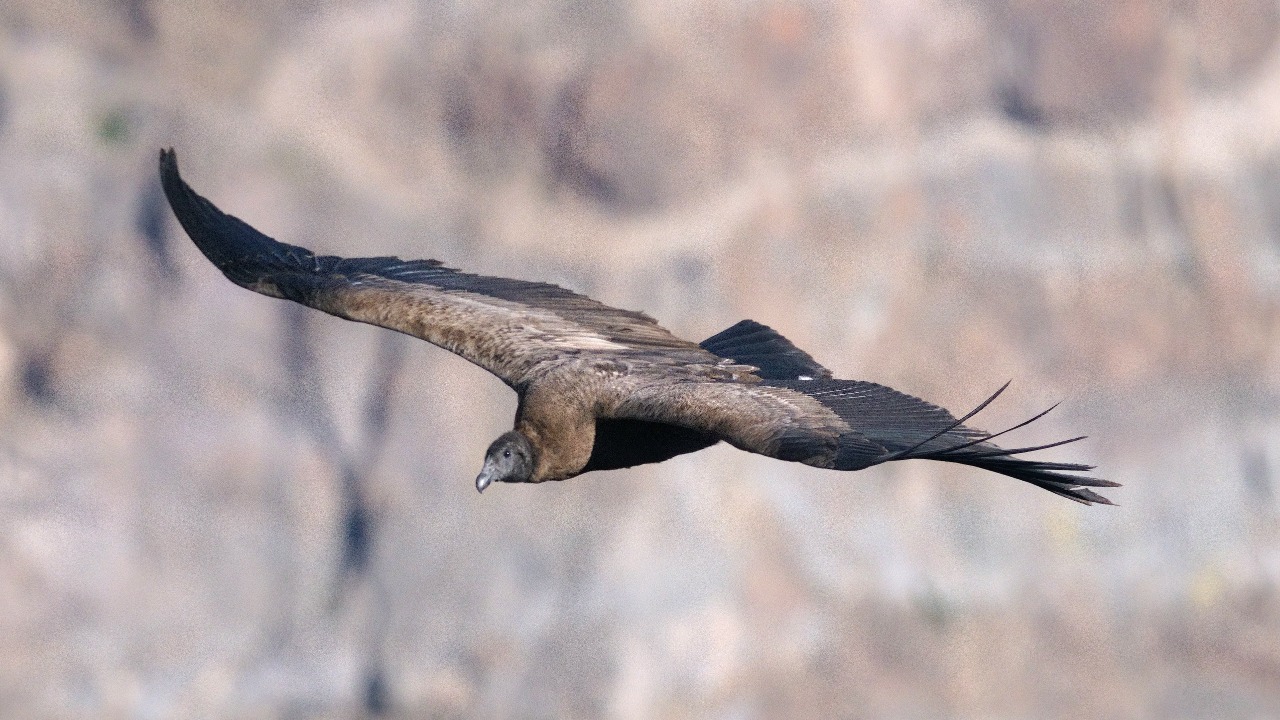
A federal condor population status report from the U.S. Fish and Wildlife Service lists a worldwide California condor population of 607 at the end of 2025, with 392 of them in the wild.
The other birds in the worldwide total are not part of the wild count, so only 392 qualify for this list. A majority of condors now live free, a notable change for a species that this gallery counts among the rarest. The report is dated to the end of 2025, making it one of the most recent counts in the gallery.
11. Kemp’s ridley sea turtle: From 702 Nests
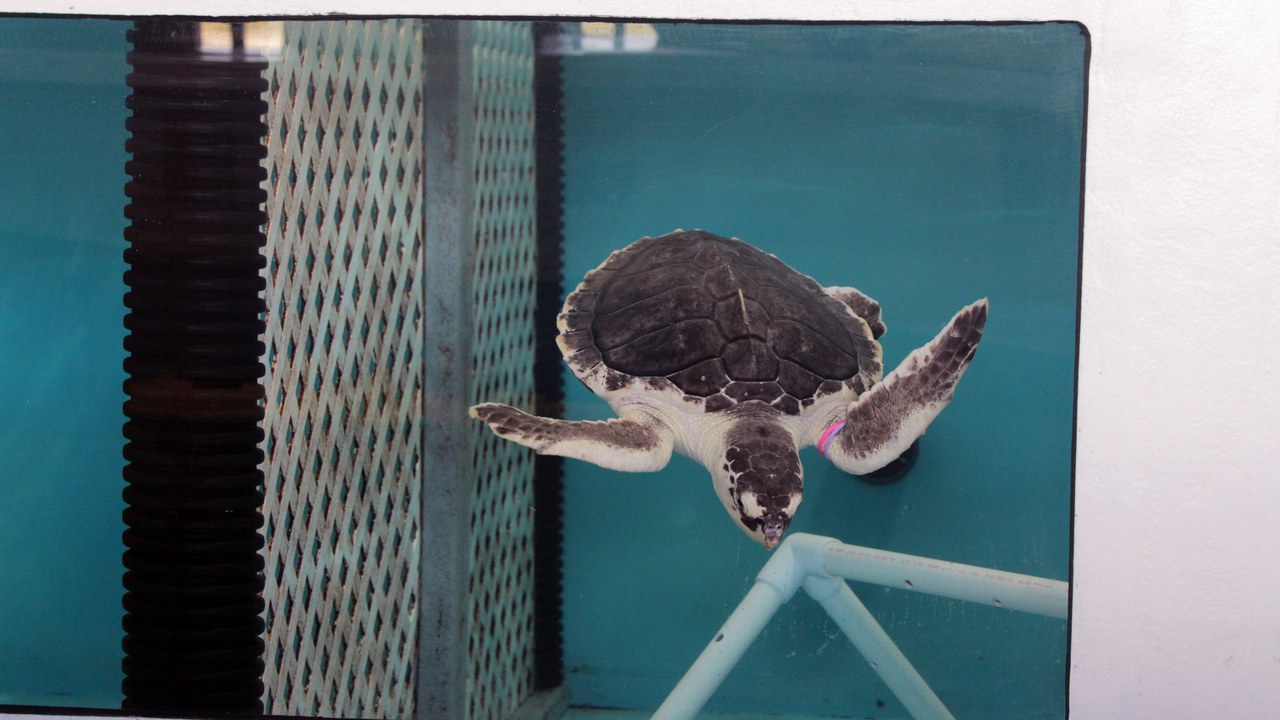
NOAA Fisheries reports that nests of Kemp’s ridley sea turtles reached a record low of 702 in 1985, representing fewer than 250 nesting females, on its Kemp’s ridley turtle page.
The 1985 figure marks the low point rather than today’s population, and counting nests rather than animals is the method behind it. Fewer than 250 females laying eggs shows how narrow the breeding base of the species had become. The source presents the 1985 figure as a record low, a benchmark for judging later nesting seasons.
Stay ahead on AI: Subscribe to The Deep View →
We may earn a commission if you sign up.
More from Morning Overview
