
Nuclear stations rank among the largest single sources of electricity anywhere in the country. Their output varies widely, from sites built around one giant pair of reactors to campuses with three units beside a river. This countdown follows the eight biggest by capacity, from the Georgia leader to the last plant standing in California.
Save more, waste less: The Cool Down’s newsletter sends smart, simple changes that help you and the planet in your everyday life.
We may earn a commission if you sign up.
1. Alvin W. Vogtle Electric Generating Plant: Georgia Giant
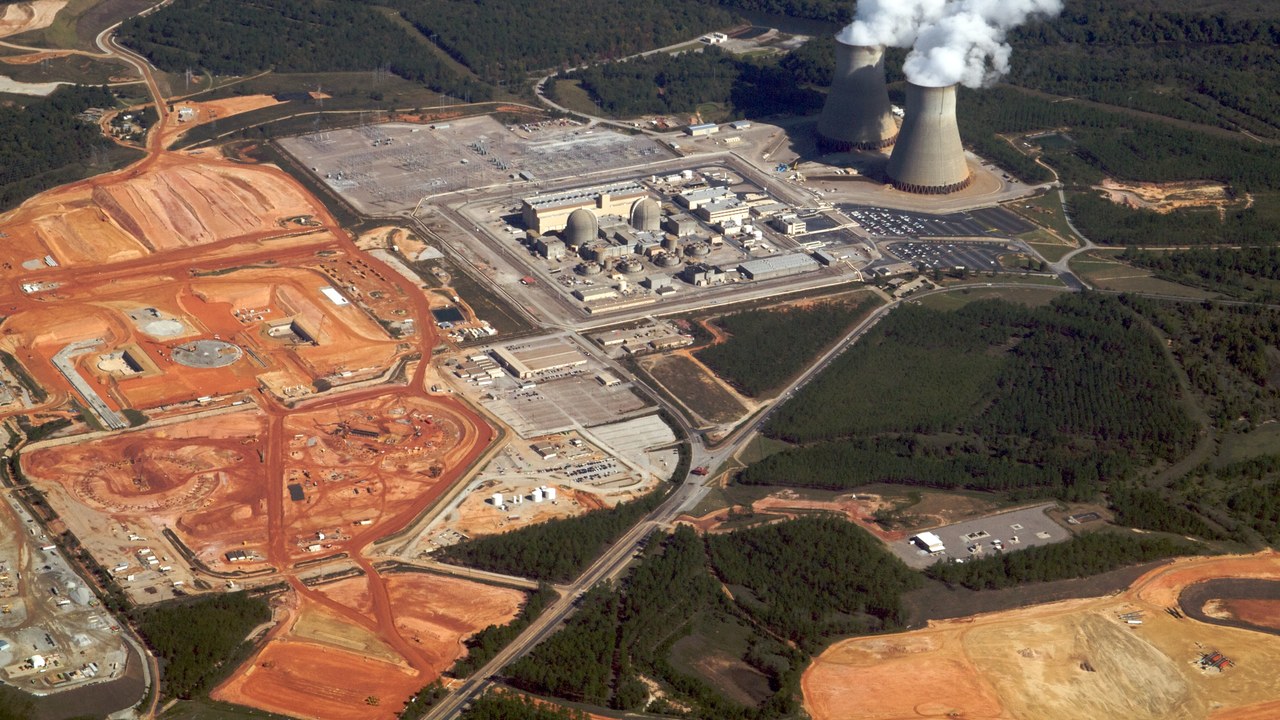
Alvin W. Vogtle Electric Generating Plant near Waynesboro tops the national list at 4,530 megawatts of net summer capacity, a figure measured in summer conditions rather than nameplate. Its newest pair, Units 3 and 4, were the first new American reactors in decades, which lifted the site far above every competitor.
That distinction matters for the whole fleet. Most American reactors were licensed long ago, so a plant that added fresh units stands apart, and the ranking reflects a rare case of real expansion rather than the slow aging of an older generating base. Net summer figures also give a fairer picture of what the plant can deliver when demand peaks.
2. Palo Verde Nuclear Generating Station: Desert Reactors
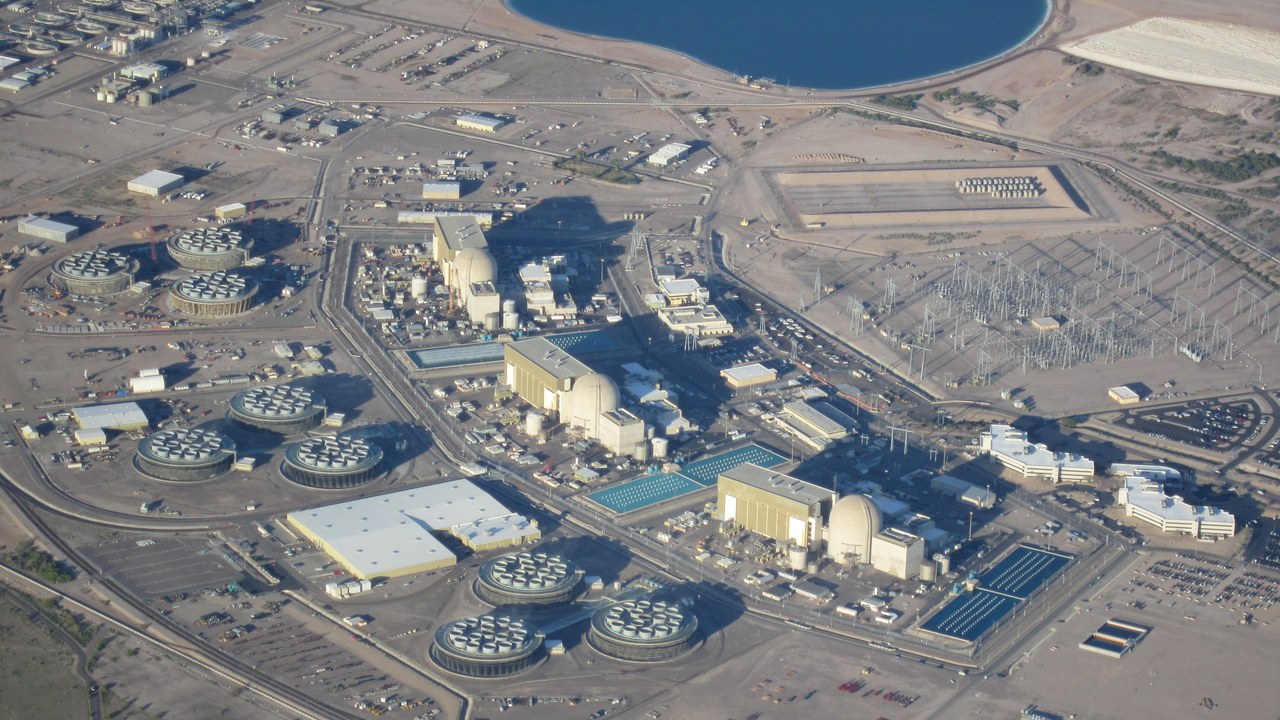
Palo Verde in Arizona produces about 3.9 gigawatts and holds an unusual place in the industry. It is the only large nuclear plant in the world not sited beside a large body of water, so its cooling system relies on treated sewage instead of a river, lake, or ocean.
Reusing wastewater turns a municipal byproduct into industrial coolant in one of the driest states. The arrangement shows that reactor siting is not always tied to shorelines, though it depends on a steady supply of treated effluent from nearby communities. The approach also gives the plant a distinctive engineering story that sets it apart from the rest of the ranking.
3. Browns Ferry Nuclear Plant: Tennessee River Trio
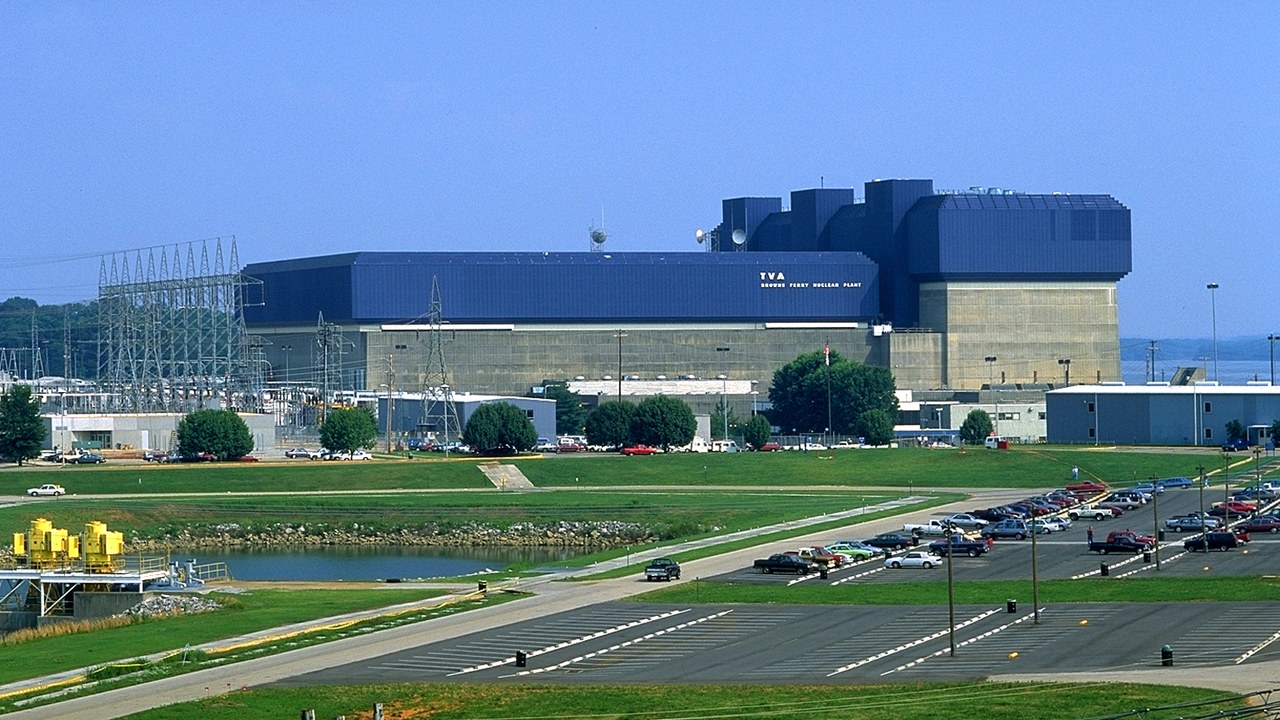
Browns Ferry in Alabama is credited with about 3,775 megawatts, delivered by three reactors sitting on the Tennessee River. The river supplies the water these units need, and the multi-reactor layout concentrates a great deal of output at a single site.
Plants with several units gain efficiencies in staffing, grid connections, and security that single-reactor stations cannot match. That concentration is also why the ranking is dominated by multi-unit campuses instead of lone reactors, however large each machine may be. Its placement on a major waterway underlines how closely plant size and available cooling water have tracked each other historically.
4. Peach Bottom Nuclear Generating Station: Susquehanna Powerhouse
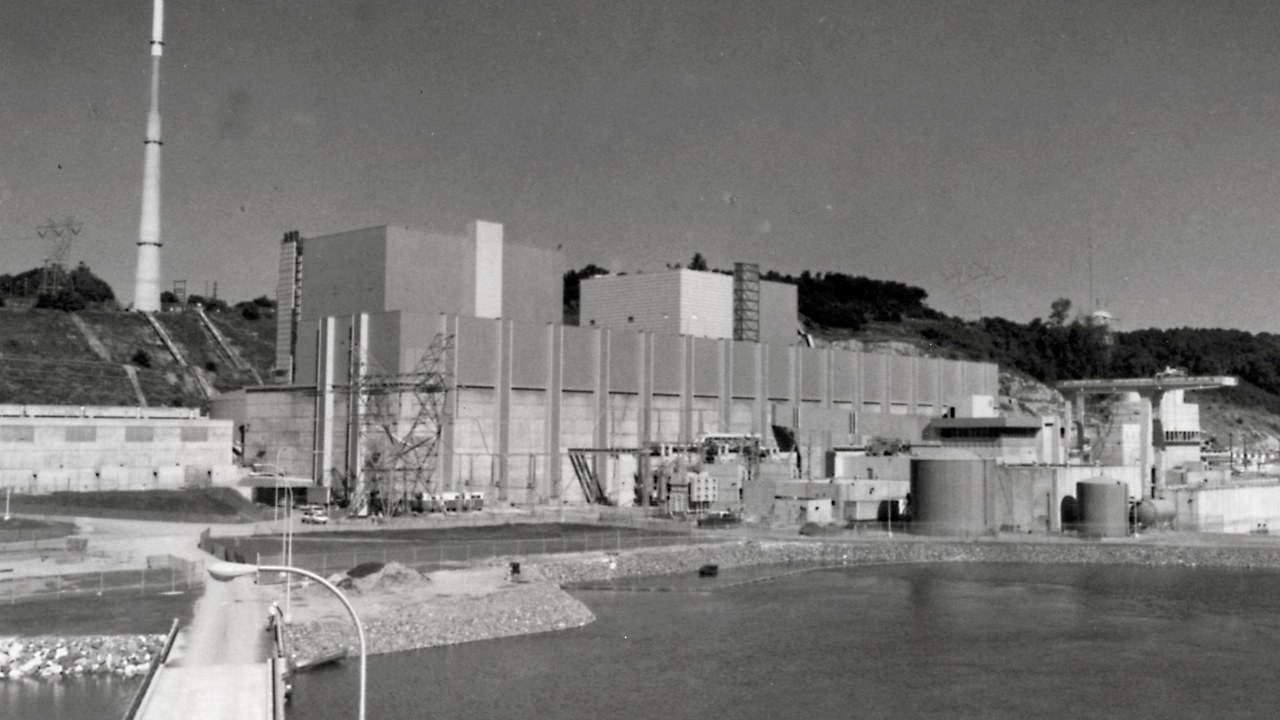
Peach Bottom in Pennsylvania generates about 2,550 megawatts, placing it fourth on the list. The station draws on the Susquehanna River, one of the large Eastern waterways that long attracted heavy industry and, later, atomic power to its banks.
Its position near the top shows how much generating weight sits in the mid-Atlantic. A single plant of this size can supply electricity to millions of homes, which makes outages or license decisions at such sites consequential for the regional grid. The figure also shows how a single Pennsylvania river valley hosts more than one of the nation’s biggest generators.
5. Susquehanna Steam Electric Station: Twin Towers
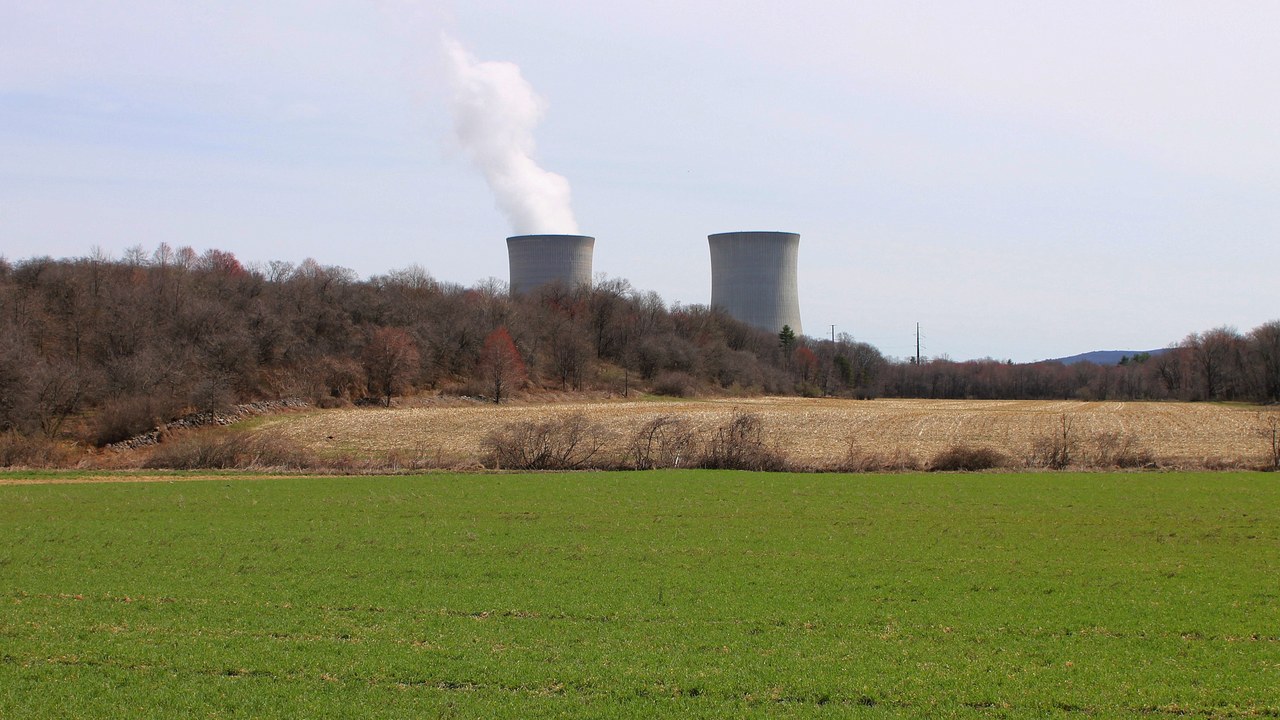
Susquehanna Steam Electric Station in Pennsylvania is rated at 2,514 megawatts and is recognizable from a distance by its twin cooling towers on the river. Those towers release water vapor rather than smoke, a visual signature shared by many reactors that use wet cooling.
The tall concrete shapes often get mistaken for the reactors themselves, but they only handle waste heat from the steam cycle. The reactor buildings sit nearby, so the skyline can mislead anyone judging a plant purely from the road. Another Pennsylvania station on the same river appears just above it, which makes the valley a notable center of generation.
6. Byron Nuclear Generating Station: Prairie Power
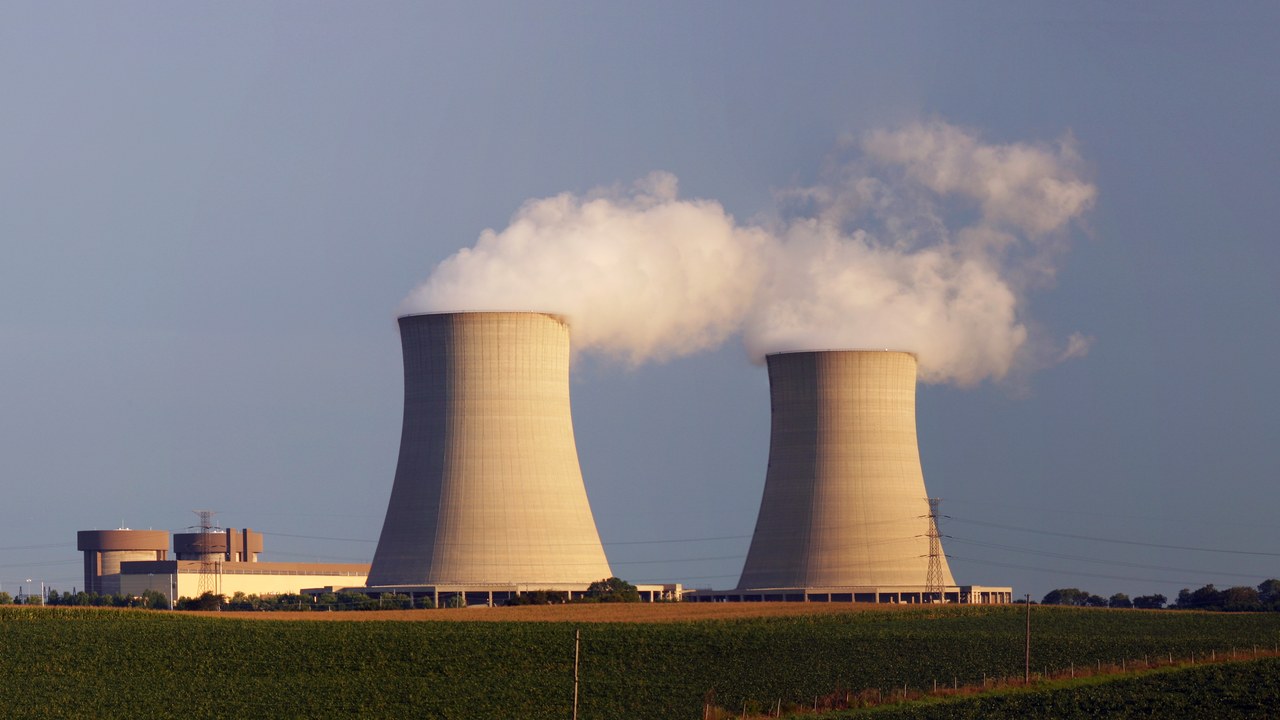
Byron Nuclear Generating Station in Illinois produces 2,452 megawatts. Illinois is the state with the most reactors of any in the country, and Byron is among the plants that anchor that lead across the northern part of the state.
The concentration of reactors explains why Illinois leans so heavily on atomic generation for baseline electricity. Byron shows how a single state can build a large portion of its supply around a handful of big stations rather than many scattered smaller ones. The ranking therefore reads as a snapshot of where the country concentrates its biggest sources of dependable electricity.
7. Comanche Peak Nuclear Generating Station: Texas Domes
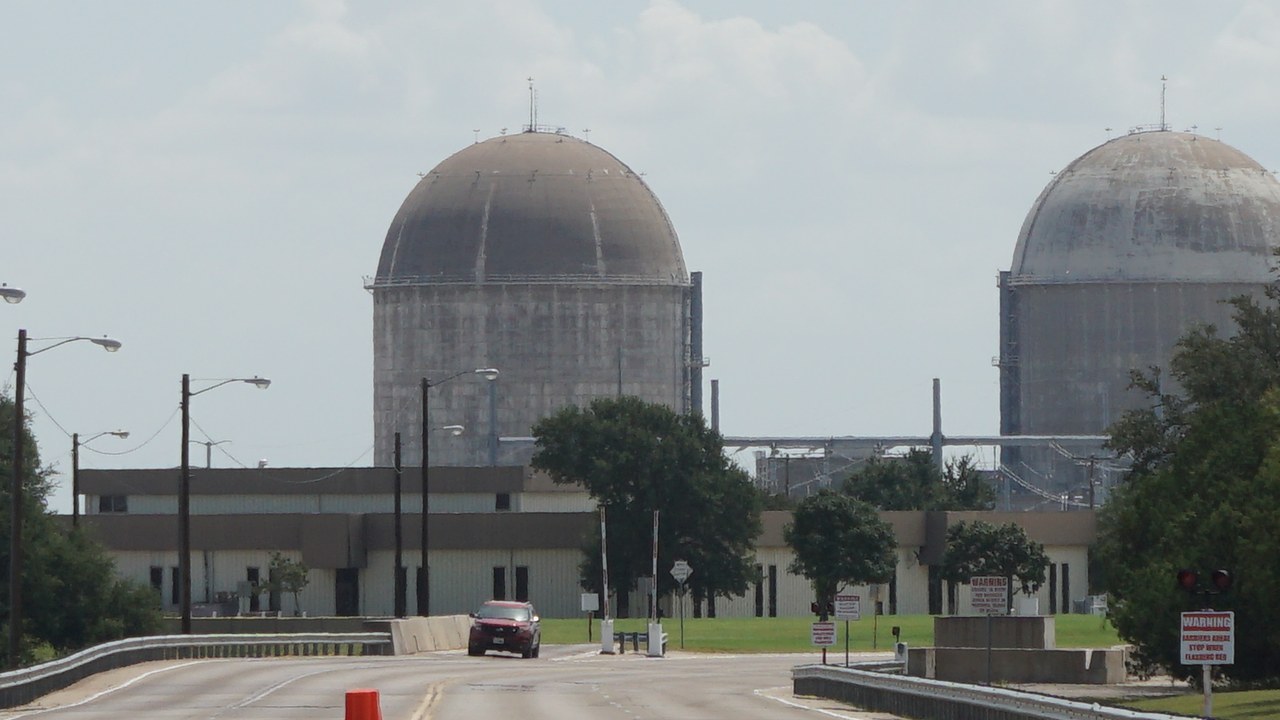
Comanche Peak Nuclear Generating Station, near Glen Rose in Texas, delivers about 2,425 megawatts from two reactors. Its containment domes are the dominant feature of the site, rising above the surrounding countryside southwest of the Dallas and Fort Worth region.
Only two units are needed to reach this scale, which shows how output depends on the size of each reactor as much as on their number. A pair of modern large units can outproduce older sites that host more but smaller machines. The location near Glen Rose keeps the plant in a rural setting, a pattern common among the largest stations on the list.
8. Diablo Canyon Power Plant: Last in California
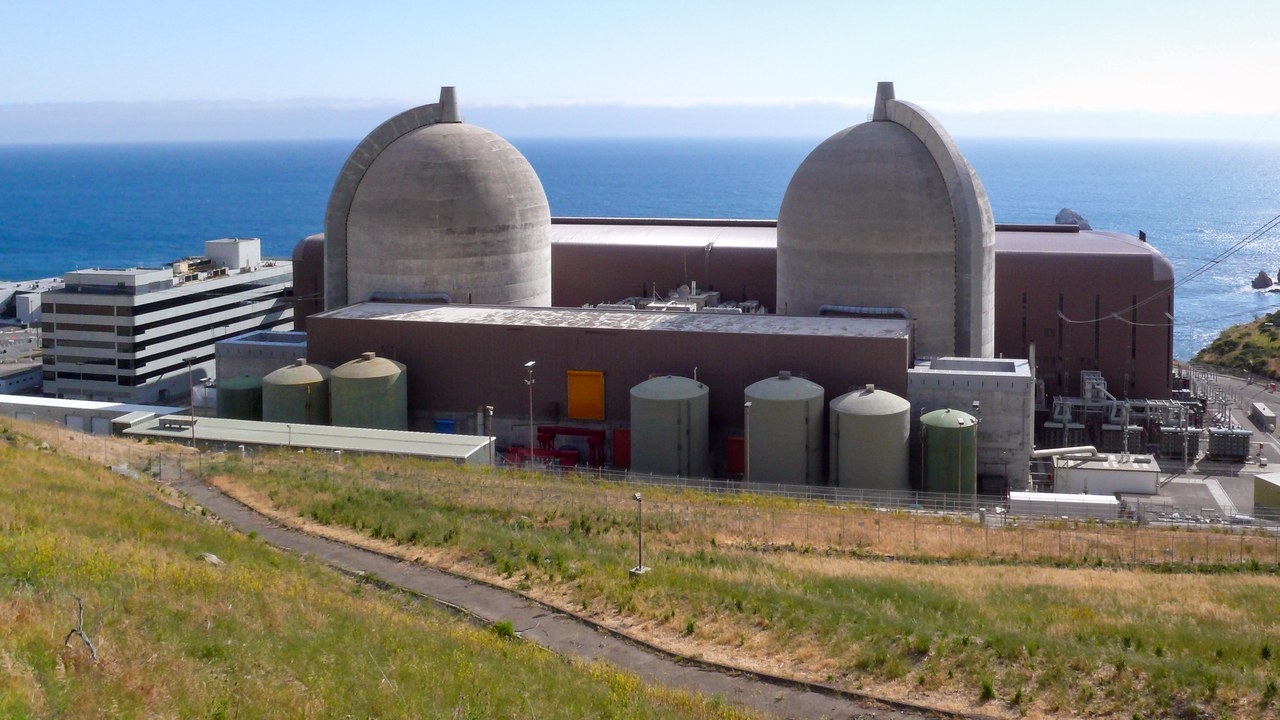
Diablo Canyon Power Plant produces about 2.2 gigawatts and is California’s last nuclear plant. In 2024 it supplied 9% of the state’s electricity, a substantial share given how heavily California has leaned on solar and other renewables elsewhere in its mix.
Closing a plant of this weight would remove a large, steady source from a grid that must balance demand around the clock. That makes the site a focal point for debates over how quickly a large economy can replace firm generation with alternatives. Being the only remaining station in California also makes its output a single point of reliance for the state.
Save more, waste less: Subscribe to The Cool Down →
We may earn a commission if you sign up.
More from Morning Overview
- Ford is recalling 223,472 F-150 pickups because the fuel tank can leak or detach
- Hybrids have 15% fewer problems than gas cars, while EVs and plug-in hybrids have about 80% more, Consumer Reports finds
- Regulators cleared the first U.S. small modular reactor, 4 months early
- Lake Powell sank to a record 3,517 feet, nearing the level that stops Glen Canyon Dam’s turbines
