
Speed on land is a trade between sprint power, stamina and body design, and the fastest runners rarely win on all three counts. Some animals peak briefly while others hold a pace across open ground for miles. Here are twelve land animals ranked by top speed, from the record holder down to the elk.
The day in tech, in one email: TLDR is the daily newsletter with links and TLDRs of the most interesting stories in startups, tech and programming.
We may earn a commission if you sign up.
1. Cheetah: The Undisputed Sprinter
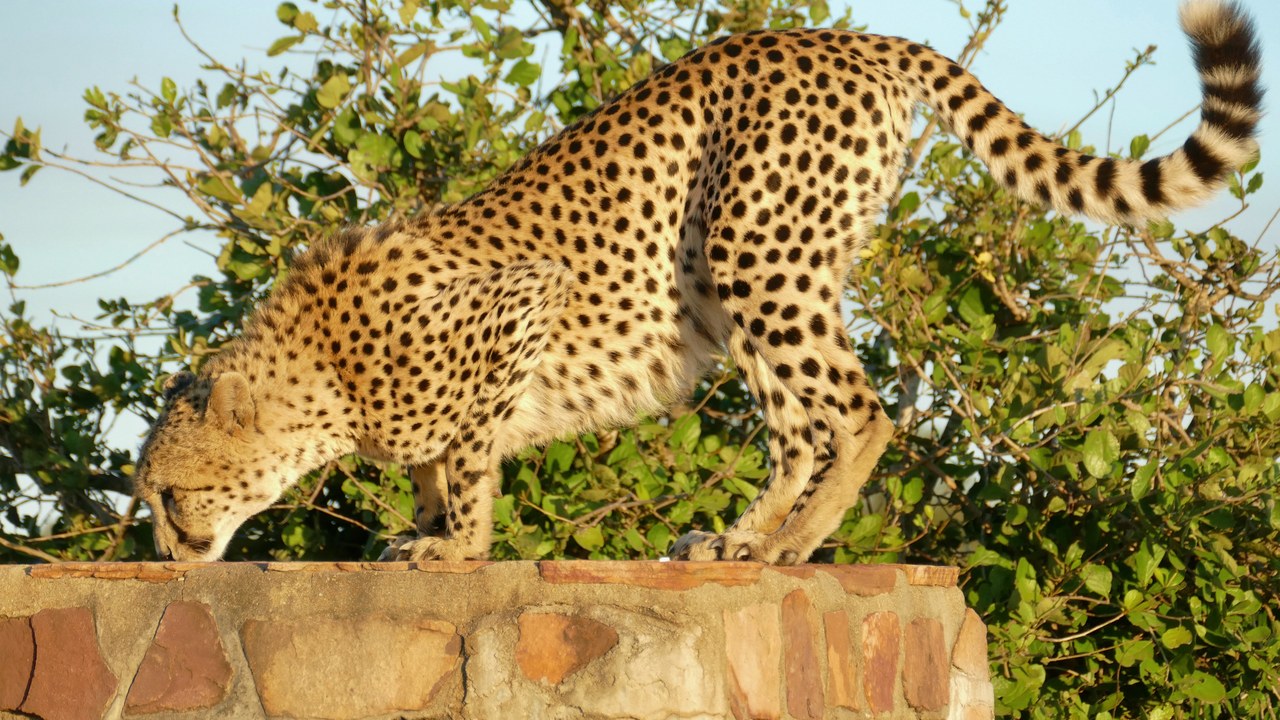
A WorldAtlas ranking of fast animals gives the cheetah a top speed of 75 mph (121 km/h), which makes it the fastest land animal. No other animal listed on this page reaches that number.
That figure is a peak, reached in short bursts rather than held over distance. The rest of the list shows how quickly the numbers fall once an animal needs a pace it can repeat, and how many species end up clustered in the 40s. Its entry sets the benchmark against which every other runner here is measured.
2. Pronghorn: Built For The Long Haul
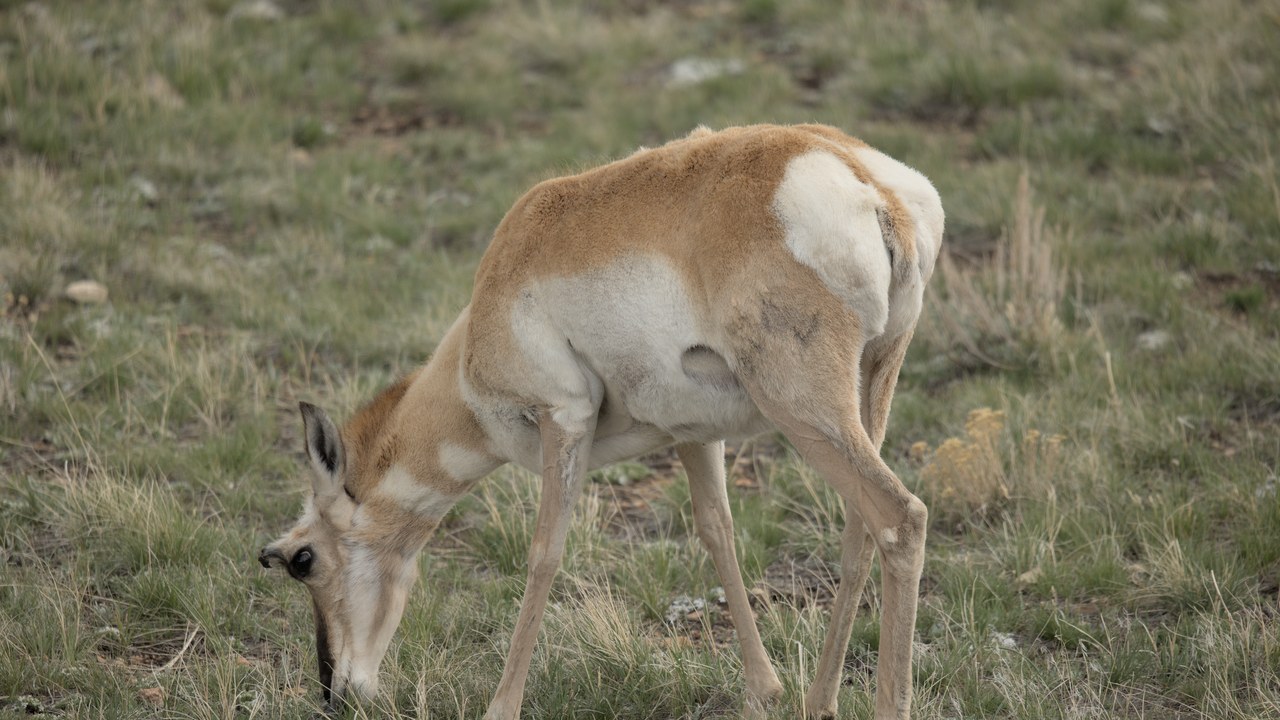
The National Park Service notes that pronghorn can sprint 60 mph and, more unusually, sustain over 40 mph for one mile. That second figure is what separates the species from sprinters that tire quickly.
Sixty mph leaves the pronghorn below the cheetah on raw speed, yet the mile-long pace is the detail that gives the animal its reputation. Endurance of this kind matters on open plains, where outrunning a predator means keeping the speed up rather than reaching it once.
3. Springbok: A Steady Fifty-Five
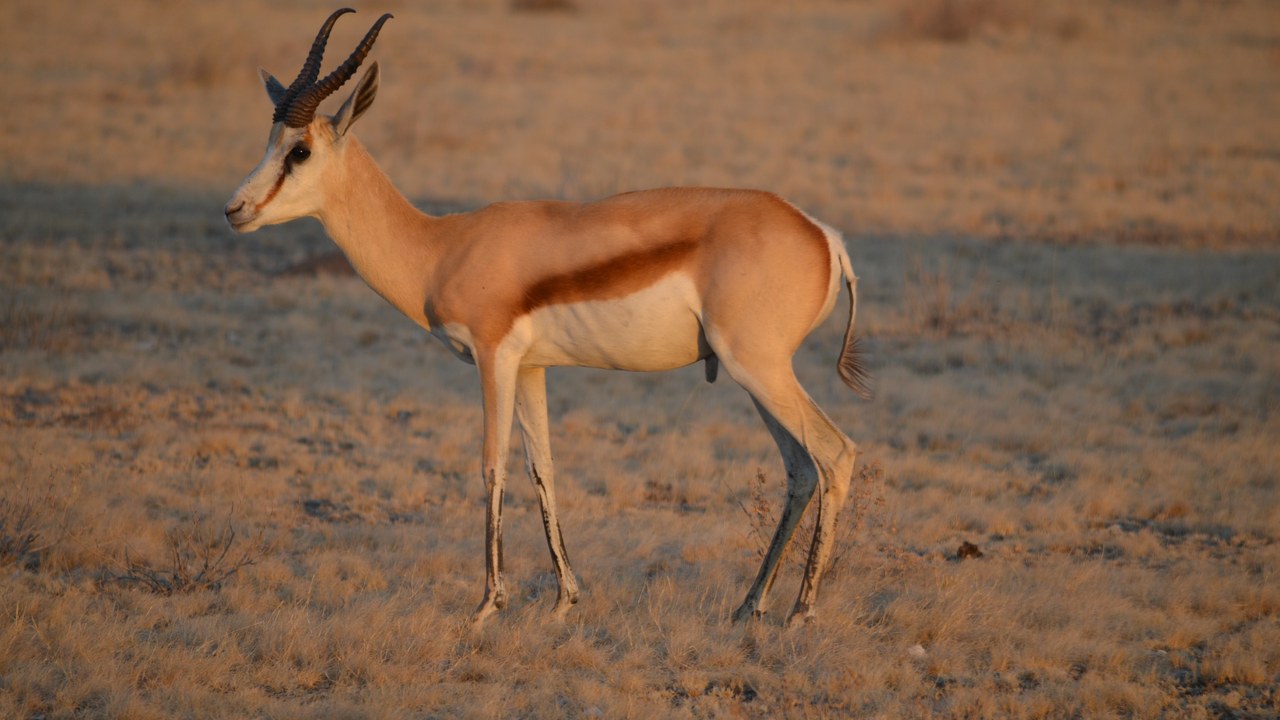
Springbok reach a top speed of 55 mph (89 km/h), according to the WorldAtlas fastest-animals list. That places the antelope third in this ranking, behind the cheetah and the pronghorn, and ahead of the gazelle and wildebeest entries that follow.
The ranking is ordered by reported top speed, so small differences between entries carry less weight than they appear to. Sources give ranges and single figures that do not always agree, which is why the order among mid-table animals can shift from one list to the next.
4. Thomson’s gazelle: A Range, Not A Number
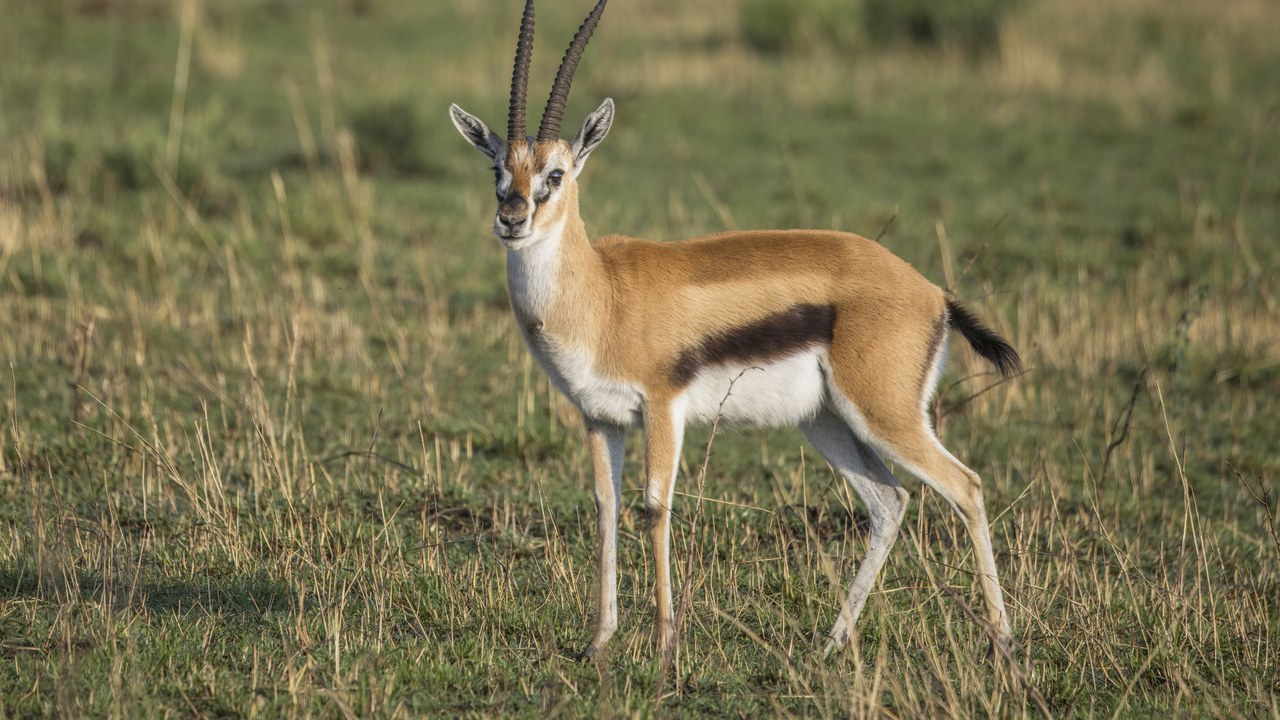
The Animal Fun Facts record list gives Thomson’s gazelle a speed of 50-60 mph (80-96 km/h). The spread of ten mph is wide, which means the true position of the gazelle in this ranking depends on which end of the range is used.
Gazelles are small, light-bodied antelope, and speed is their main defense. A published range rather than a single figure is a reminder that field measurements of wild animals are hard to repeat, and that individual animals, terrain and conditions all change the result.
5. Blue wildebeest: Heavy But Quick
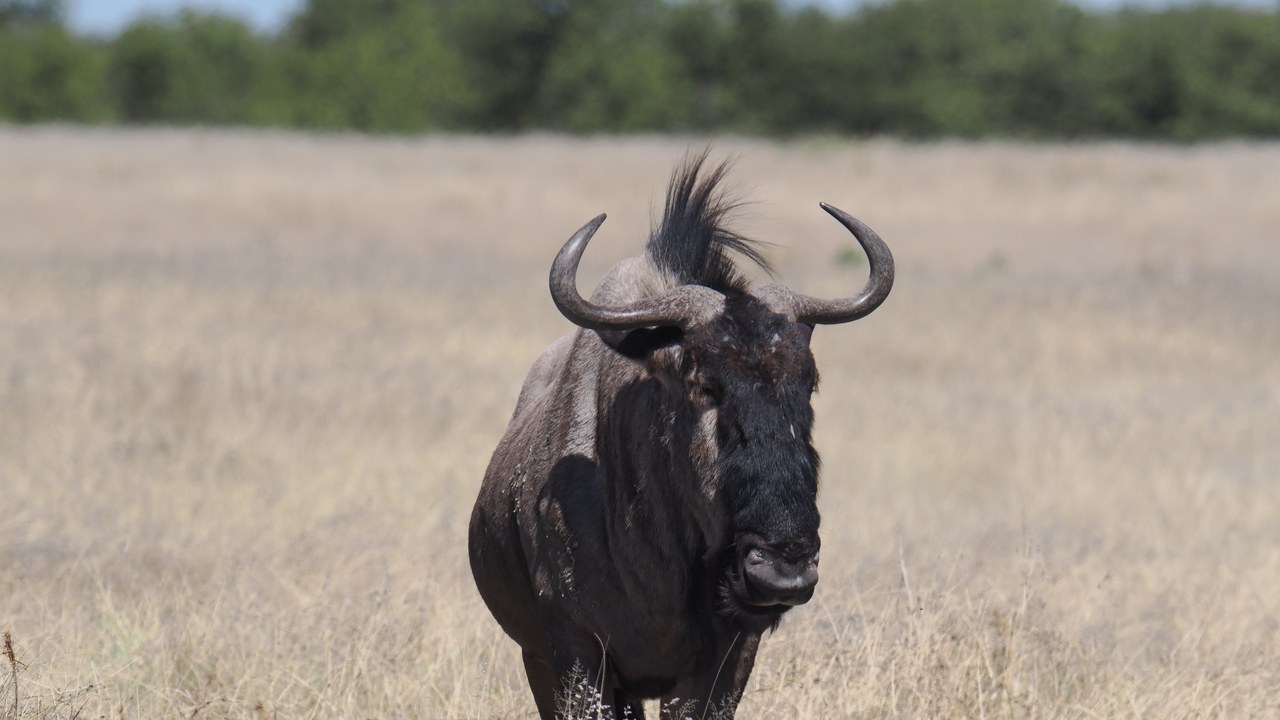
At 50 mph (80 km/h), the WorldAtlas figure for wildebeest makes the blue wildebeest one of the faster grazers on the plains. The number is a top speed, not a travelling pace for the herd.
The animal has a bulkier build than the gazelles and springbok ranked above it, yet it still holds a place near the middle of the list. Herd life on open grassland rewards a quick start when a predator closes in, and a top speed of this size leaves room to react.
6. American quarter horse: The Domestic Champion
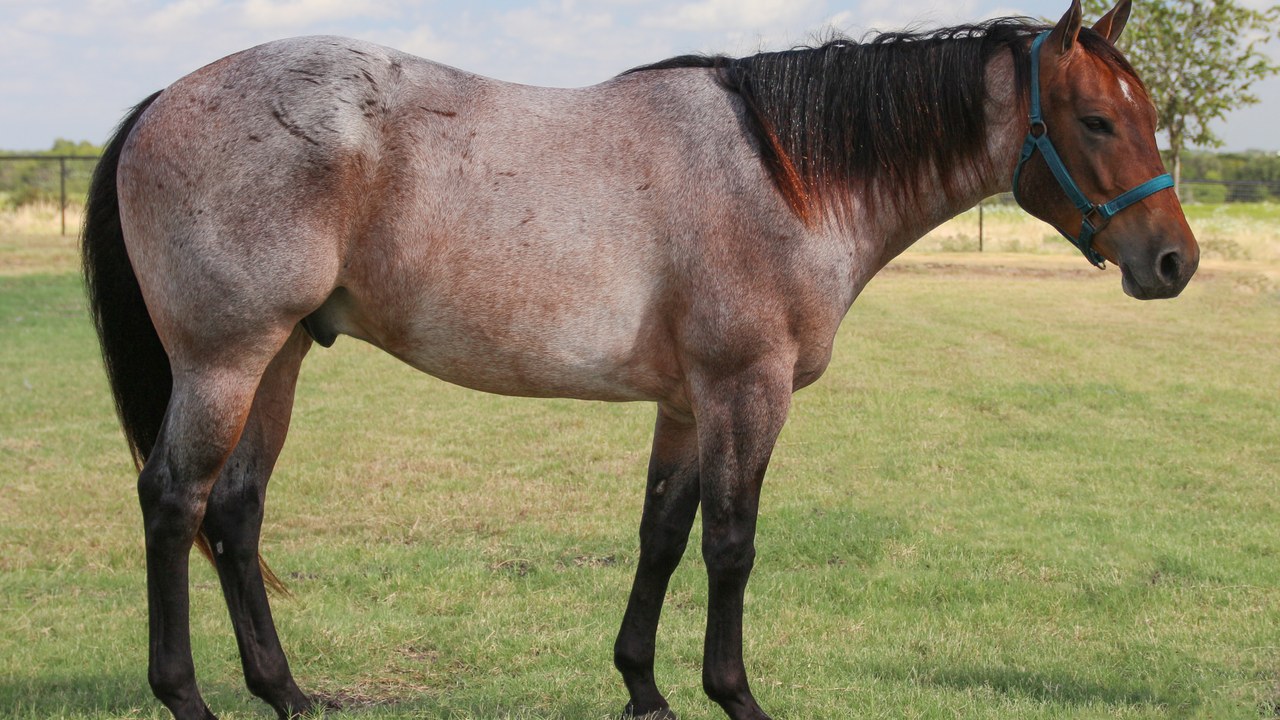
Bred rather than wild, the American quarter horse appears on the Animal Fun Facts ranking at 43-50 mph (70-80 km/h). It is the first domestic animal to turn up in this ranking.
A range this wide suggests the figure depends on the individual horse and the course. A species shaped by human selection landing in the same band as wild antelope and coyotes shows how much speed can be built into a body, whether by evolution or by breeding. Few domestic animals appear anywhere in the ranking, which makes this entry unusual.
7. Ostrich: Two Numbers, One Bird
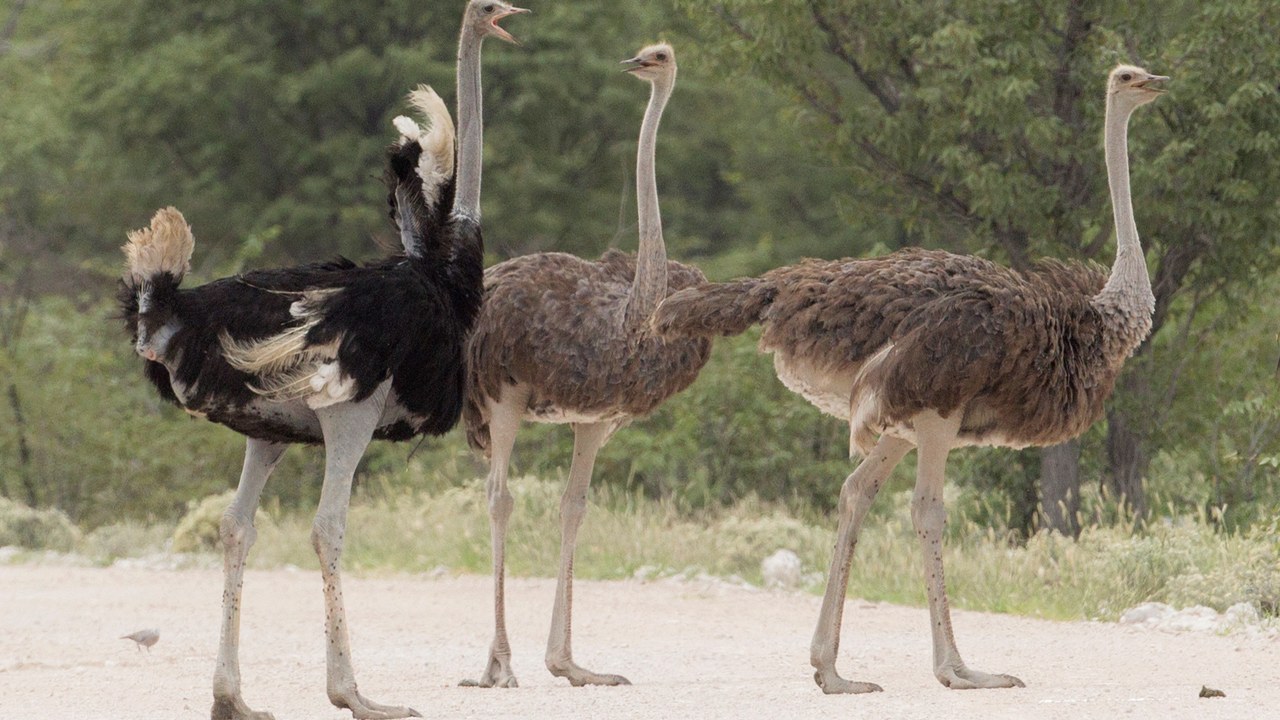
The Animal Fun Facts table lists the ostrich at 43 mph (70 km/h). Wikipedia, however, notes that 38 mph (61 km/h) is the reliably measured speed, so the bird carries two figures.
The gap matters because the ostrich is the only bird among the runners here, and its entry shows how a table value can overstate what has been verified in the field. Both numbers are given so the ceiling and the measured pace can be seen side by side.
8. Coyote: A Dog-Sized Sprinter
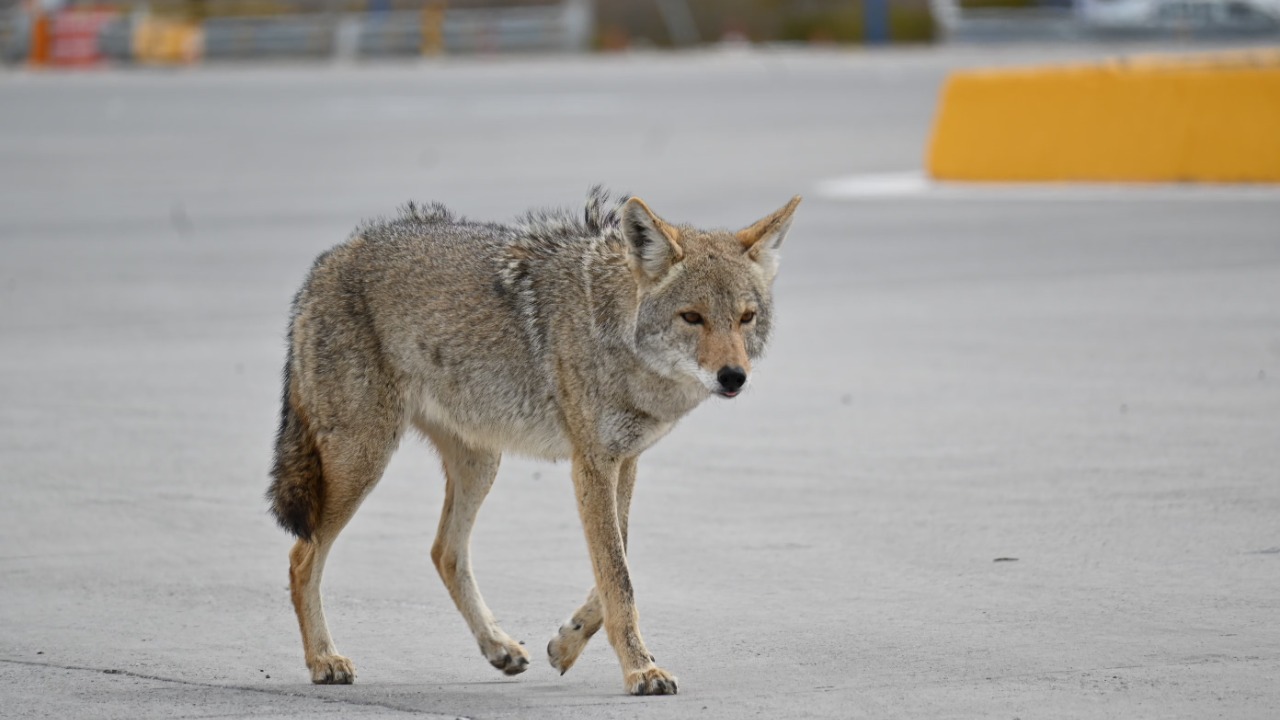
The coyote tops out at 43 mph (69 km/h), according to the Animal Fun Facts list. That matches the 43 mph given for the ostrich, though the metric figures differ by a single km/h.
Coyotes are mid-sized wild canines, and the figure puts them in the same speed class as far larger runners higher up the list. Their entry rests on one published number rather than a range, so it is best read as a reported top speed. The coyote is one of several North American animals in the ranking, alongside the pronghorn and the elk.
9. African wild dog: Speed Built For The Hunt
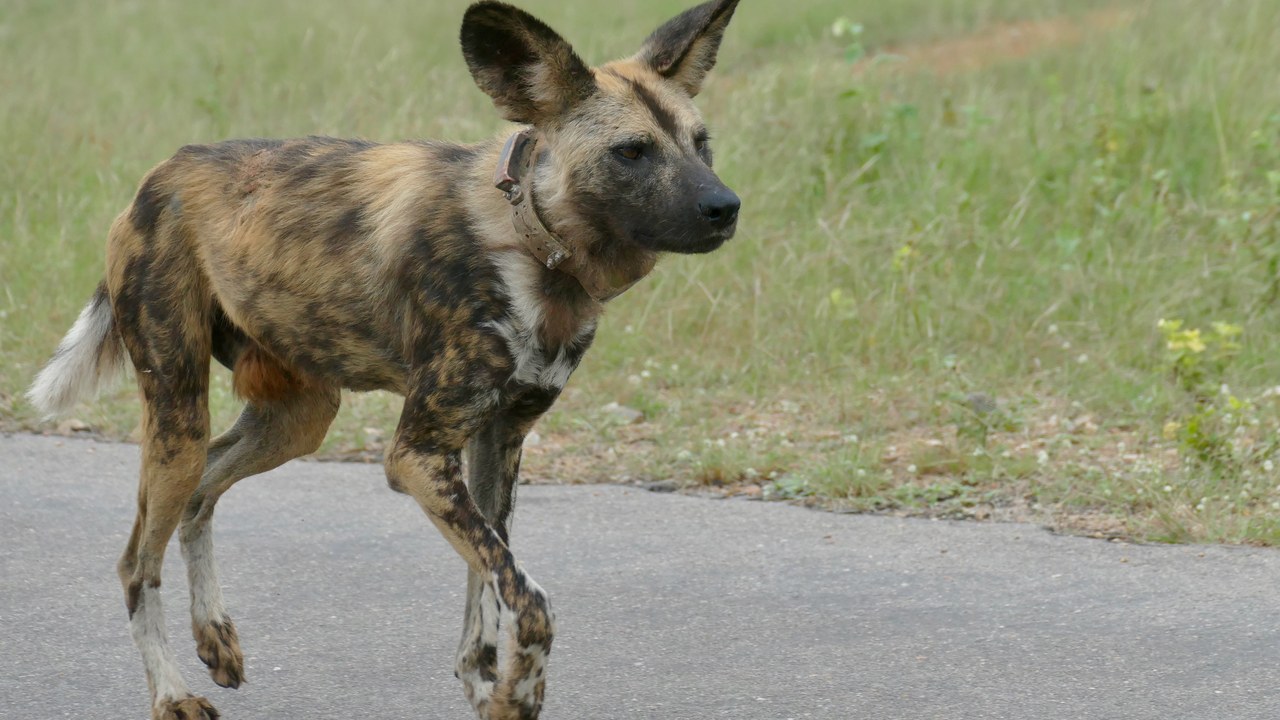
The Wikipedia list of fastest animals gives the African wild dog a range of 37-44 mph (60-71 km/h), with hunting bursts of about 41 mph (66 km/h). The burst figure is the more specific of the two.
Hunting speed and top speed are different measures, and the wild dog entry separates them. The wider range points to the ceiling, while the 41 mph burst describes what the animal reaches when it is actually chasing prey. The two figures together give a fuller picture than either would alone.
10. Greyhound: The Fastest Dog
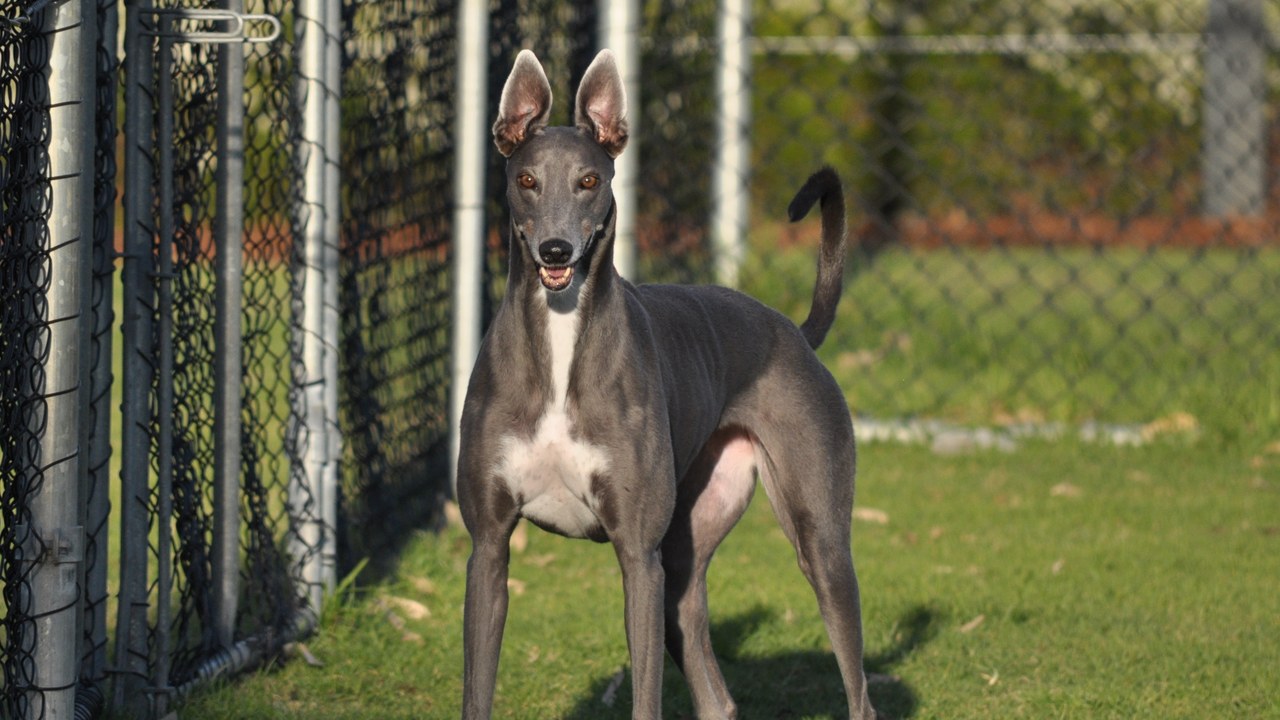
Among dogs, the greyhound is the fastest, with 37-43 mph (60-70 km/h) listed on Wikipedia’s fastest animals page. That range overlaps with both the African wild dog and the coyote.
Greyhounds are a domestic breed, so this is a case where selective breeding has produced a runner that matches wild canines. The range is a ceiling for the breed, and individual dogs, surfaces and distances will all change the result. The breed is a staple of speed comparisons, and the range here keeps it close to the coyote and the quarter horse.
11. Lion: The Slower Big Cat
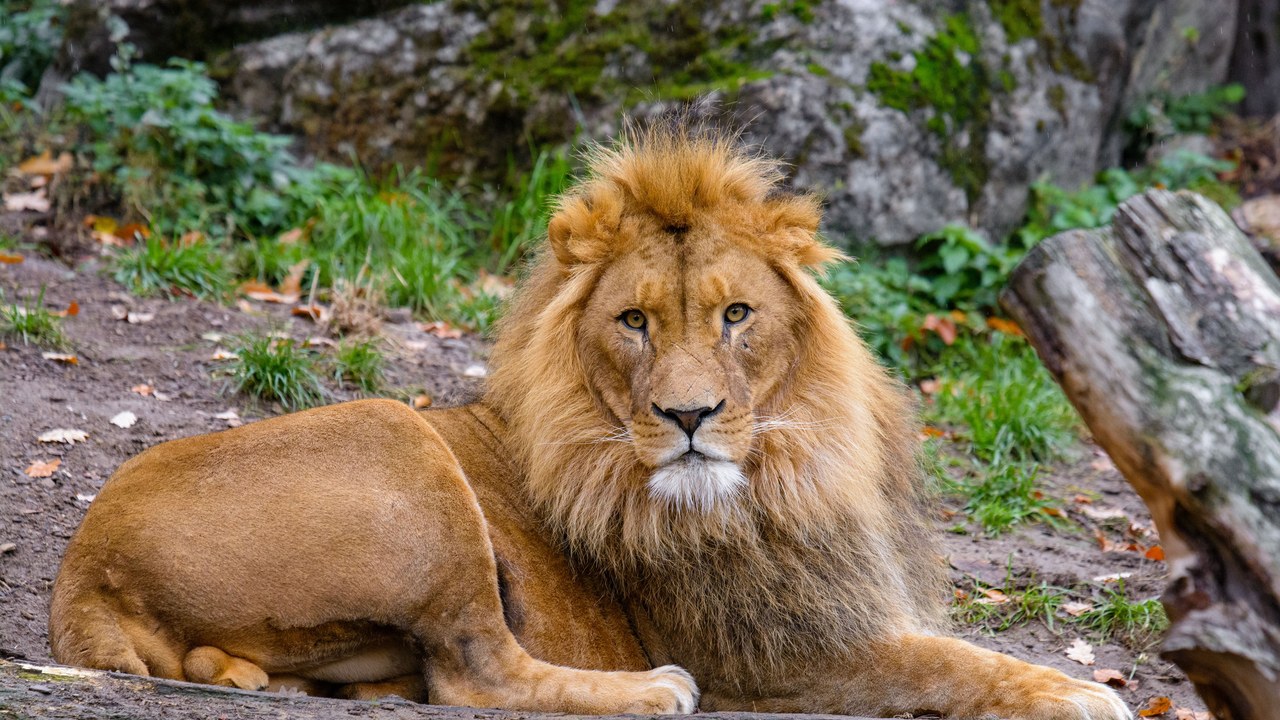
Lions are listed at 30-37 mph (48-59 km/h) on the Wikipedia fastest animals list. That is well below the cheetah’s top speed, and it is the lowest range anywhere in this ranking.
A lion’s build favors power over pursuit, which fits a top speed in the 30s. The lower figure is a reminder that a ranking by speed alone leaves out strength, size and hunting method, all of which shape how a predator actually hunts. Stalking and cooperation matter to a hunter as much as pace, so a lower top speed is less of a handicap than it looks.
12. Elk: Closing The List
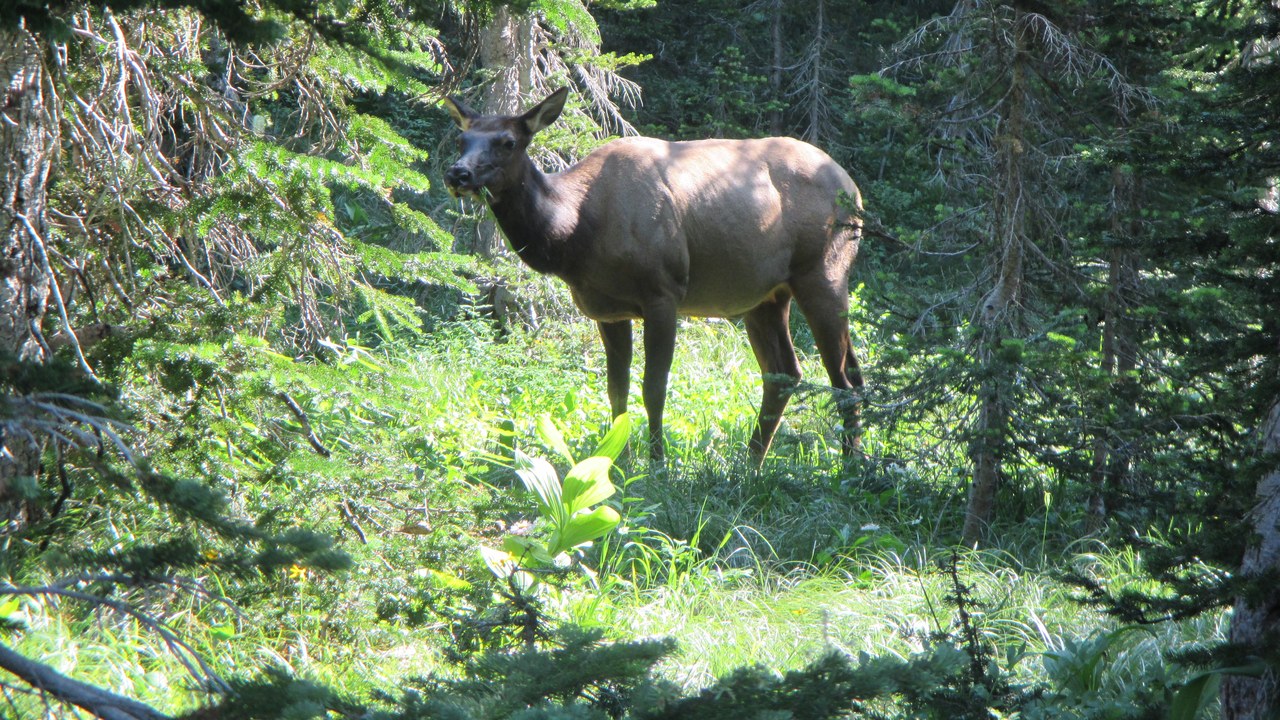
Elk finish the ranking at 40 mph, based on the WorldAtlas list of fast animals. It is a single round figure, with no metric conversion or range attached.
Forty mph is a fast pace for such a large animal, and the figure closes out a ranking that spans antelope, canines, cats, a bird, a horse and a deer. Land speed, the list shows, is spread across many families rather than owned by one. Elk are North American deer, and the figure shows that even the animals at the bottom of this ranking move quickly.
The day in tech, in one email: Get TLDR →
We may earn a commission if you sign up.
More from Morning Overview
- Hurricane Hunter radar shows four warning signs that a tropical cyclone is about to strengthen, a University of Miami study found
- Tropical Storm Rachel is dumping up to 12 inches on four Mexican states on its way to major hurricane strength
- The FTC says Lens.com doubled the price shoppers saw in Google ads
- Common allergy, bladder and sleep pills tied to sharply higher dementia odds
