
Migration records depend on how distance is measured, whether as a single nonstop flight, a round trip, or a total across a full year. The animals below include birds, mammals, a reptile, an insect and a fish, and their journeys differ as much in kind as in length. Here are twelve of the farthest-traveling animals, starting with the Arctic tern.
The tech news worth your time: 400,000+ professionals from Google, Apple and OpenAI read Techpresso, a daily email with the most interesting tech news and insights.
We may earn a commission if you sign up.
1. Arctic tern: Pole To Pole Champion
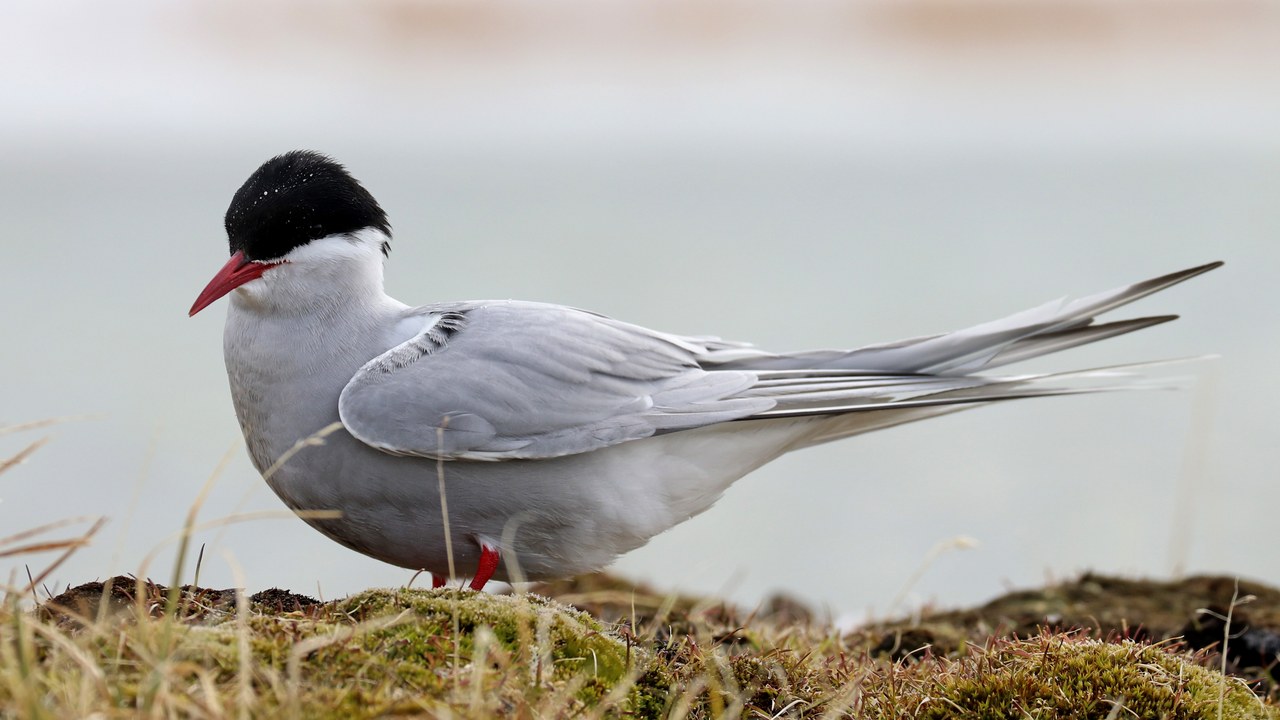
The National Audubon Society notes the Arctic tern can fly more than 49,700 miles in a year, the figure behind this ranking’s lead, in its bird migration facts.
Because the figure is a full-year total, it captures everything the bird flies, which is why it exceeds the single-trip and round-trip distances of the animals below. No other entry on this page comes near it. Arctic terns are seabirds, and the distance dwarfs the figures for the mammals, reptiles and fish further down.
2. Bar-tailed godwit: Eleven Days Over The Pacific
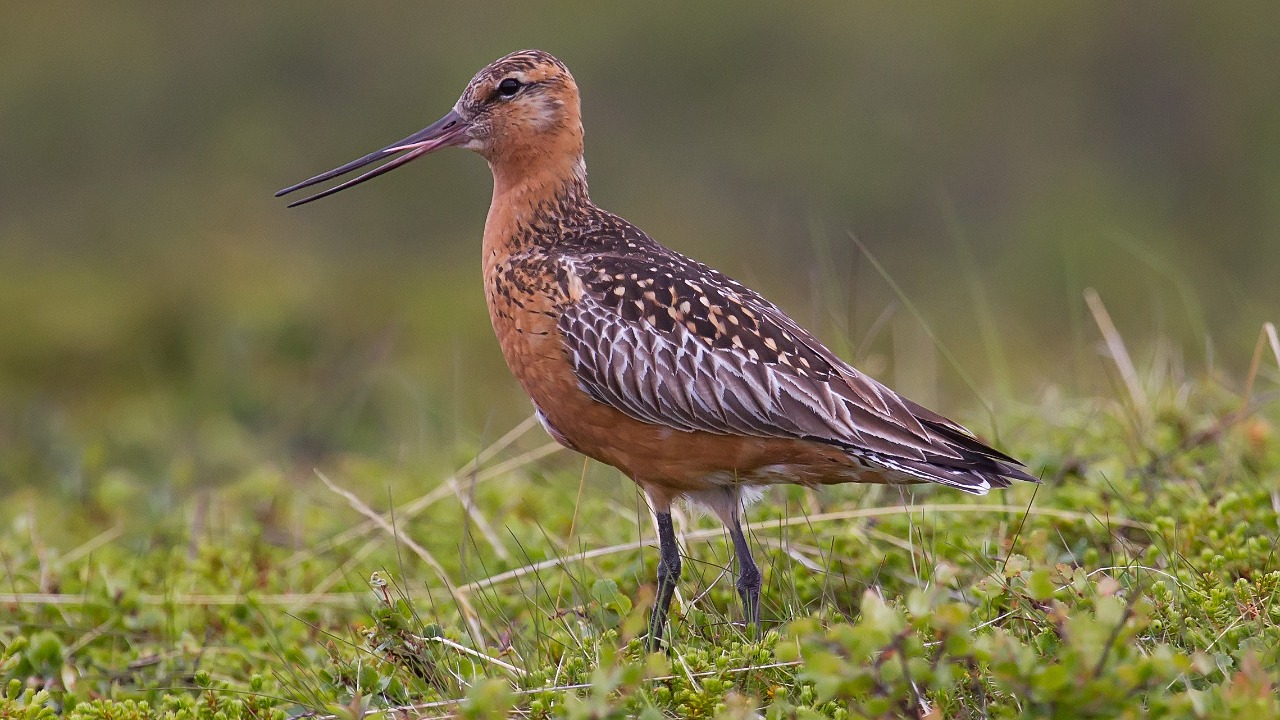
A Smithsonian Magazine report says a bar-tailed godwit flew 7,500 miles nonstop over the Pacific Ocean in 11 days, a record.
This is a record for a single flight without stopping, a different measure from the yearly totals higher up. Birds that cross open ocean cannot rest on land, so the distance reflects sustained flight with nowhere to land. The Smithsonian coverage frames the flight as the longest nonstop bird migration on record, and the comparison with a jet fighter appears in its headline.
3. Gray whale: The Mammal Round Trip
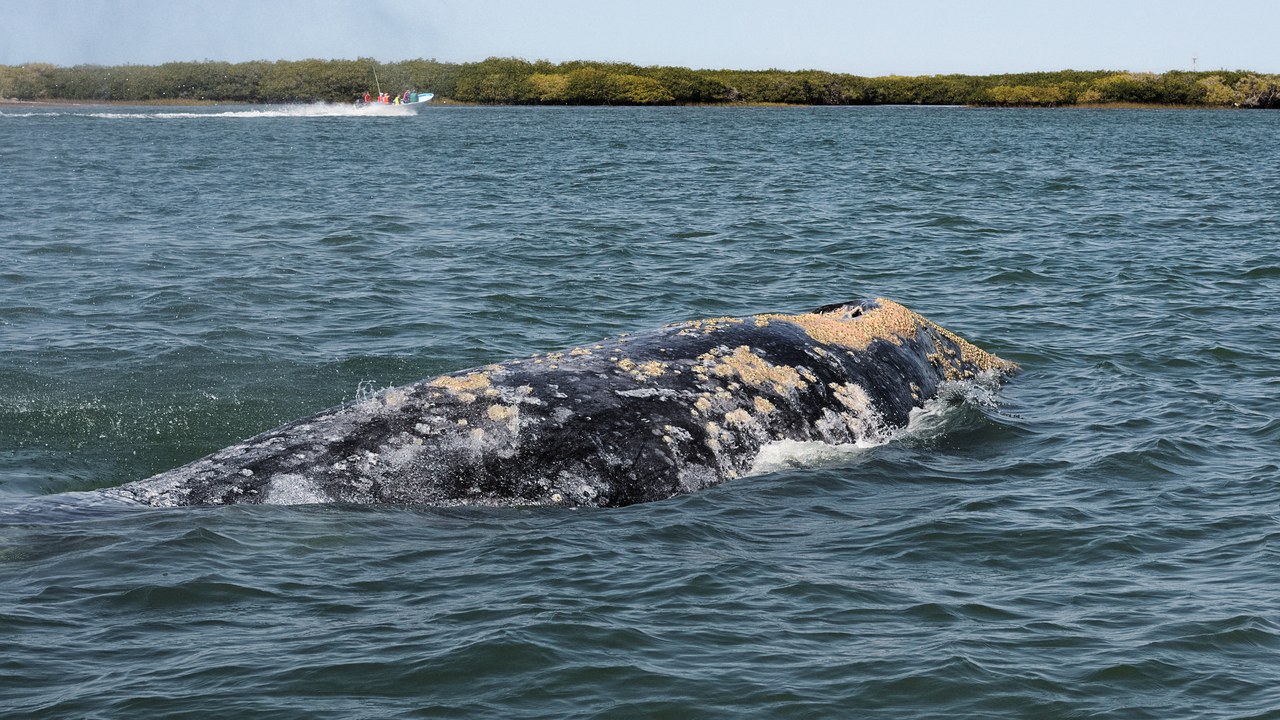
NOAA Fisheries says gray whales travel about 10,000 miles round trip, and in some cases upwards of 14,000 miles, on its gray whale species page.
The upper figure of 14,000 miles is higher than the elephant seal entry that follows, though the typical round trip is lower. The spread between 10,000 and 14,000 shows how much individual whales can differ. NOAA Fisheries presents both numbers, which makes the page a rare case where a typical value and an extreme are given together.
4. Northern elephant seal: A Year Of Travel
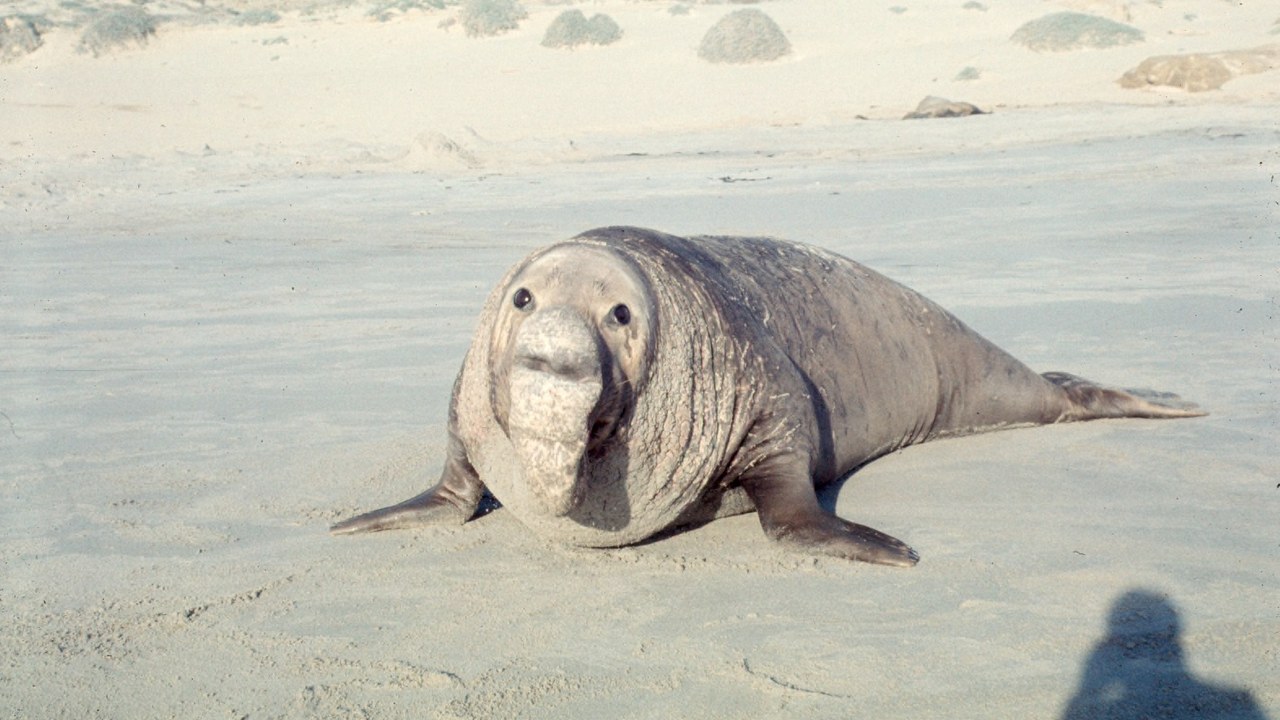
The National Park Service records 12,800 miles as the total linear distance migrated each year by northern elephant seals.
The park service frames the figure as a recorded annual distance, which makes it comparable to the tern’s yearly total more than to a single crossing. The page comes from Channel Islands National Park, and the seal appears there as part of the park’s wildlife. The measure here is cumulative, so it adds every mile the seals swim over the course of the year, not just the distance between two points.
5. Leatherback sea turtle: Turtles Rival Whales
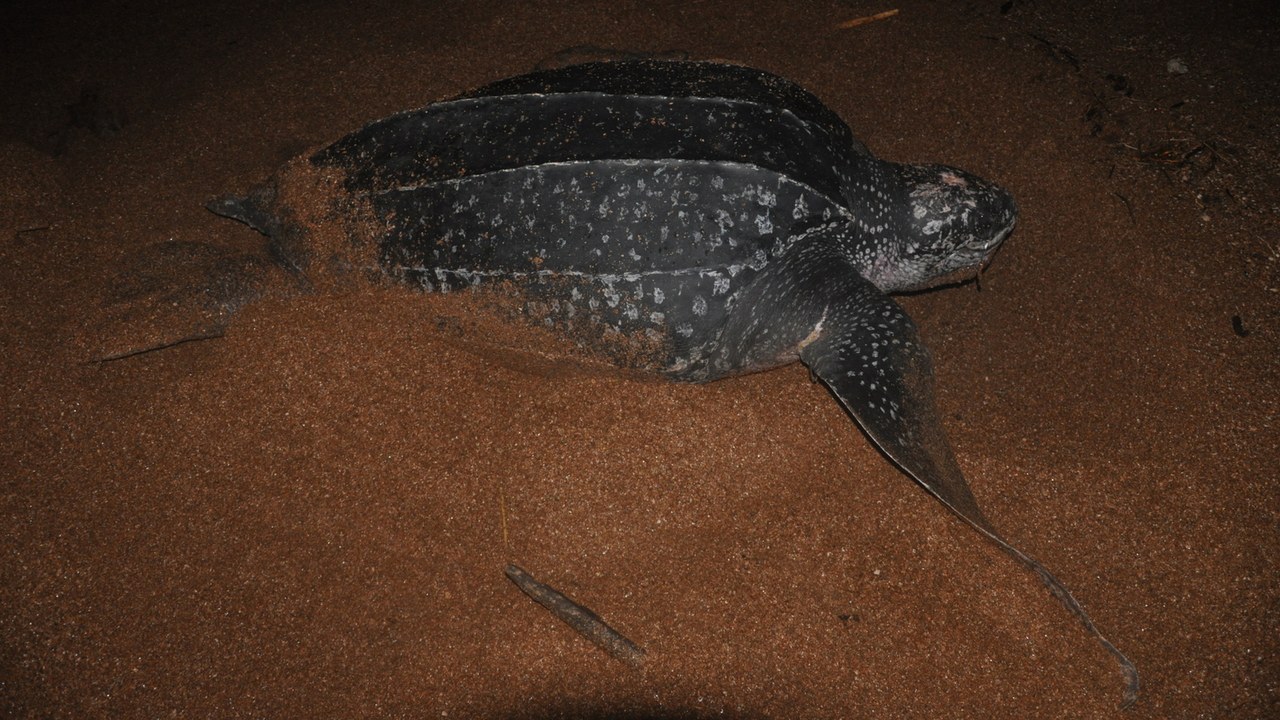
NOAA Fisheries reports that some leatherback sea turtles swim over 10,000 miles a year, on its leatherback turtle page.
The phrase some means not every turtle travels that far, so the figure describes the upper end of the species’ movement. A reptile covering distances comparable to the gray whale’s round trip is a notable entry. NOAA Fisheries lists the leatherback among the sea turtle species of the United States, and the distance is quoted as a yearly figure, which makes it comparable to the elephant seal entry above.
6. Humpback whale: A Five-Thousand-Mile Season
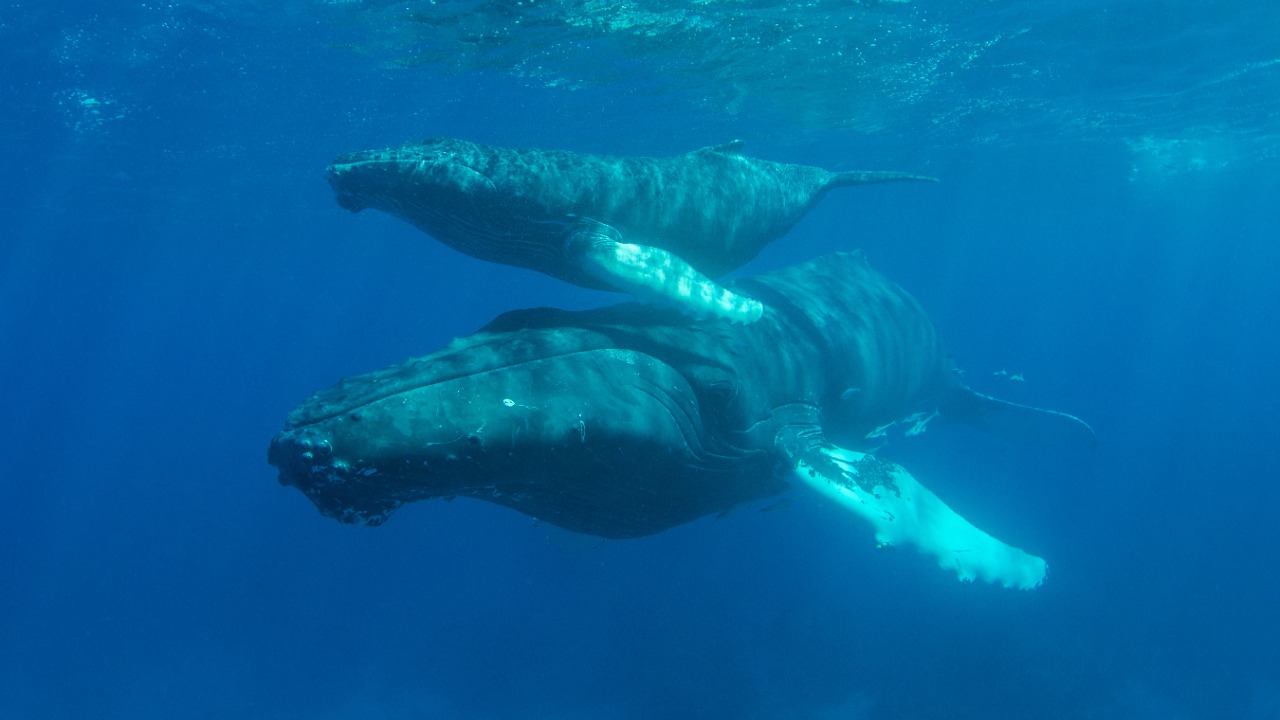
NOAA Fisheries lists the humpback whale’s migration at about 5,000 miles on its humpback whale page.
At about 5,000 miles, the humpback sits well below the gray whale and elephant seal figures, although sources measure distance differently, as one-way, round trip or annual. The agency gives a single round number for the species. The agency lists one figure, so the entry is a rough guide to the scale rather than a precise measurement of any one whale.
7. Monarch butterfly: A Butterfly Beats The Odds
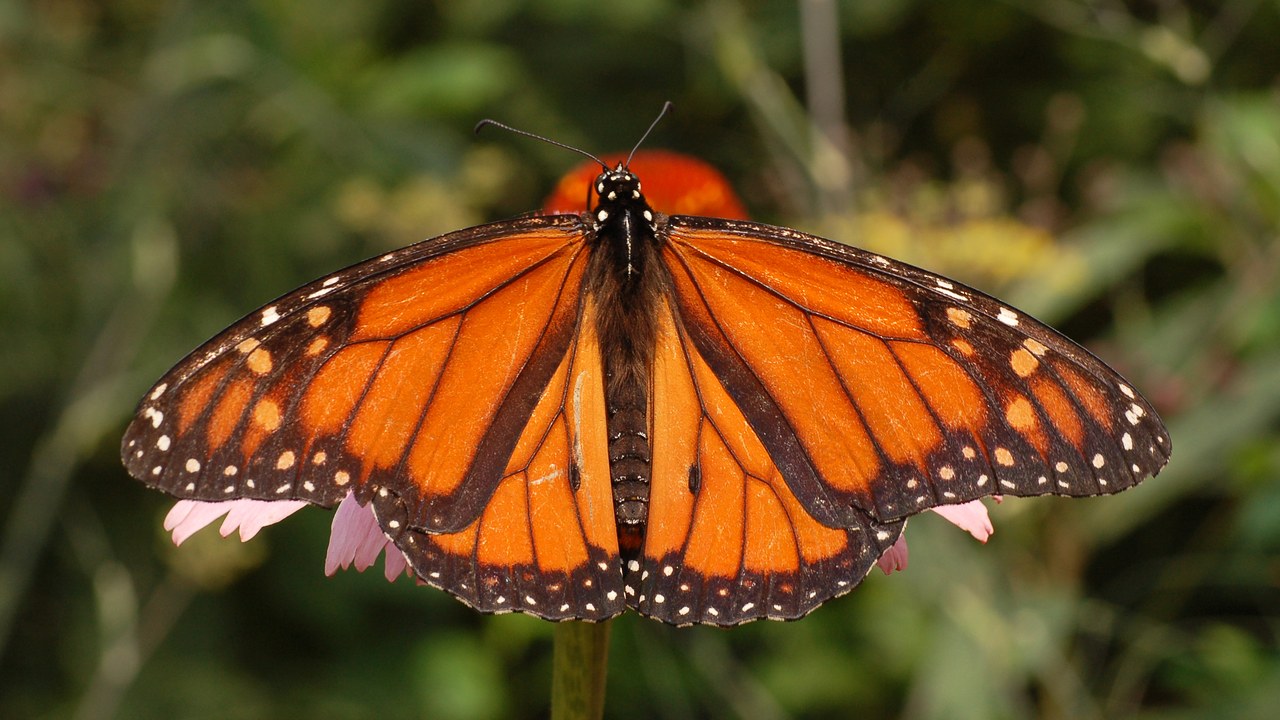
Mental Floss lists the monarch butterfly migration at upwards of 3,000 miles, in its roundup of long animal migrations.
That is modest next to the tern or the whales, yet the monarch is an insect, which makes the distance remarkable for its size. The source is a popular roundup, so the figure is a general one rather than a tracked measurement. Mental Floss presents the distance with the qualifier upwards of, which signals that some butterflies may travel farther than the figure suggests.
8. Caribou: A Walking Migration
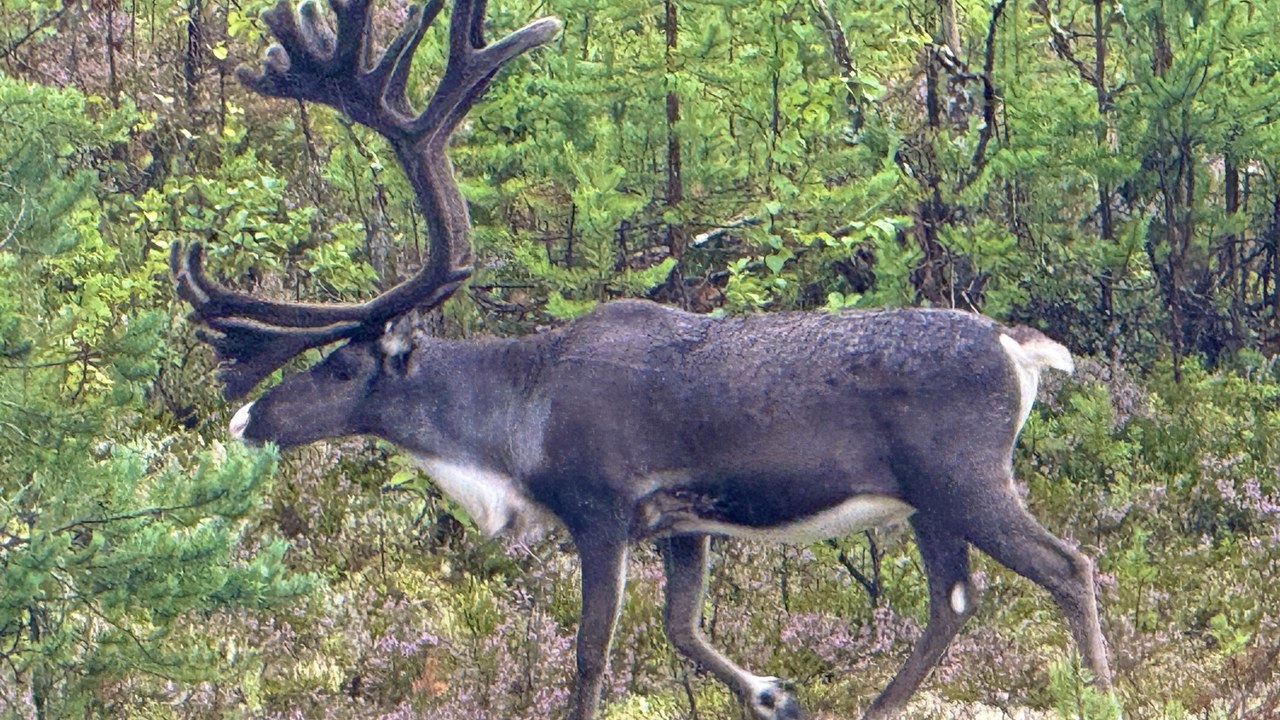
The National Park Service says caribou make round-trip migrations exceeding 745 miles (1,200 km).
It is the first land mammal on the list, and the shortest distance so far. Walking such a route each year is a different undertaking from a flight or a swim, and the word exceeding sets a floor rather than a ceiling, so some herds may travel farther than 745 miles. The figure is given in both miles and kilometers, which makes it easy to compare with the other entries.
9. Pronghorn: A Prairie Commute
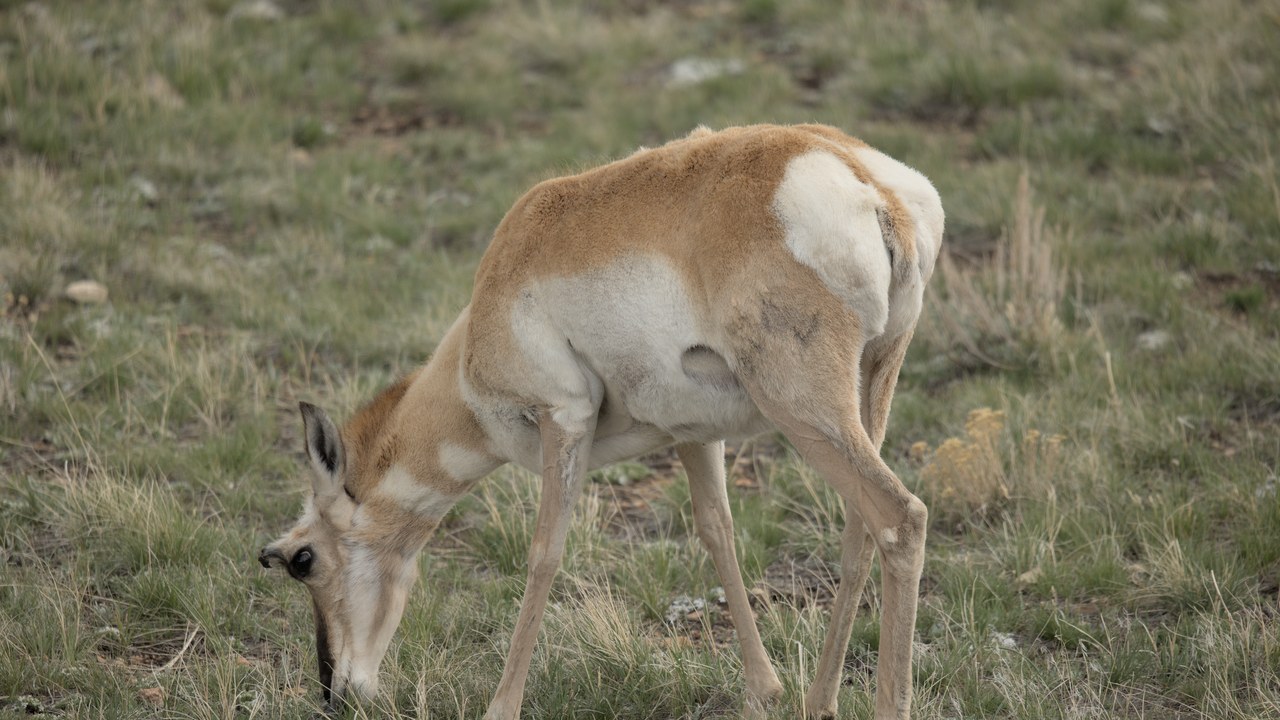
Pronghorn migrate up to 150 miles, the National Park Service says in its Path of the Pronghorn page, calling it the second-longest land migration in North America.
The route runs south and east up the Gros Ventre drainage. A journey made across land is a different challenge from a flight or a swim, and the distance is short beside the birds and whales, though it stands out among North American land animals. The ranking claim comes from the park service itself.
10. Ruby-throated hummingbird: Measured In Hours
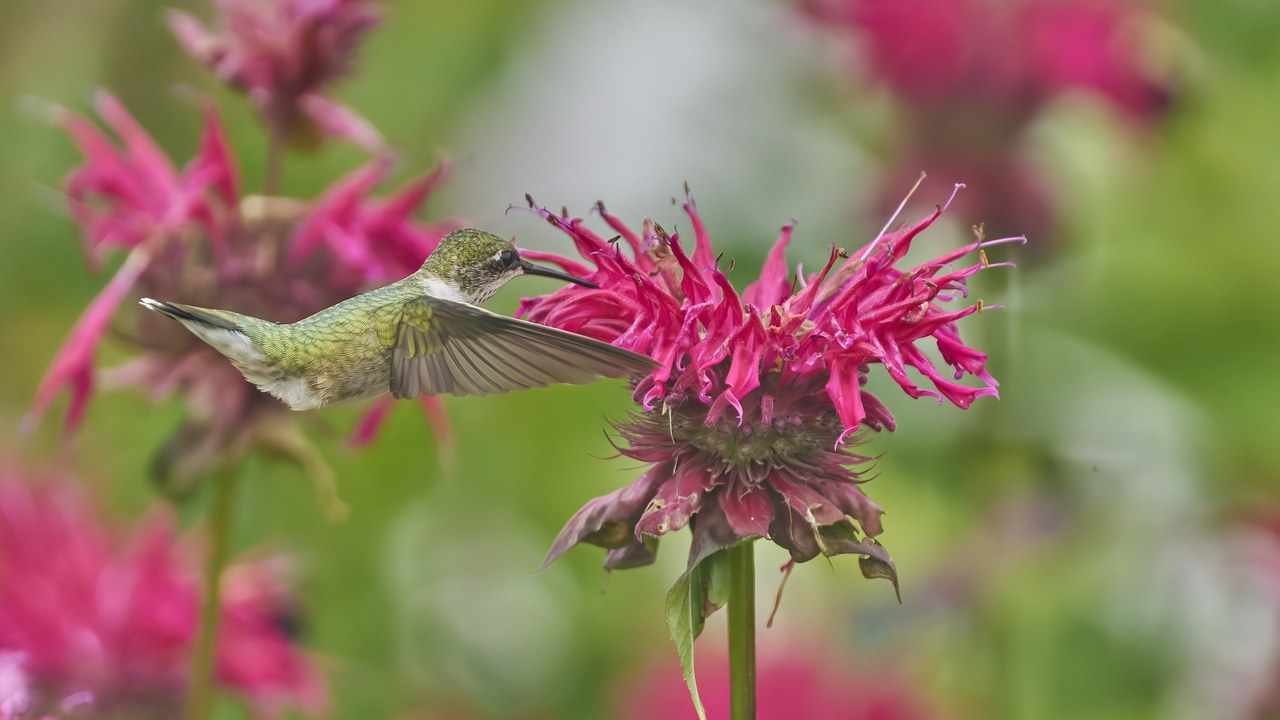
The U.S. Fish and Wildlife Service says ruby-throated hummingbirds can fly nonstop for up to 18-20 hours across the Gulf of Mexico, in its hummingbirds of North America story.
This entry measures time, not miles, which sets it apart from the rest of the list. The crossing is a single stretch of open water, and a bird this small has no place to land along the way. Ruby-throated hummingbirds are tiny birds, so a crossing of that duration is demanding for their size.
11. Blue wildebeest: The Great Migration
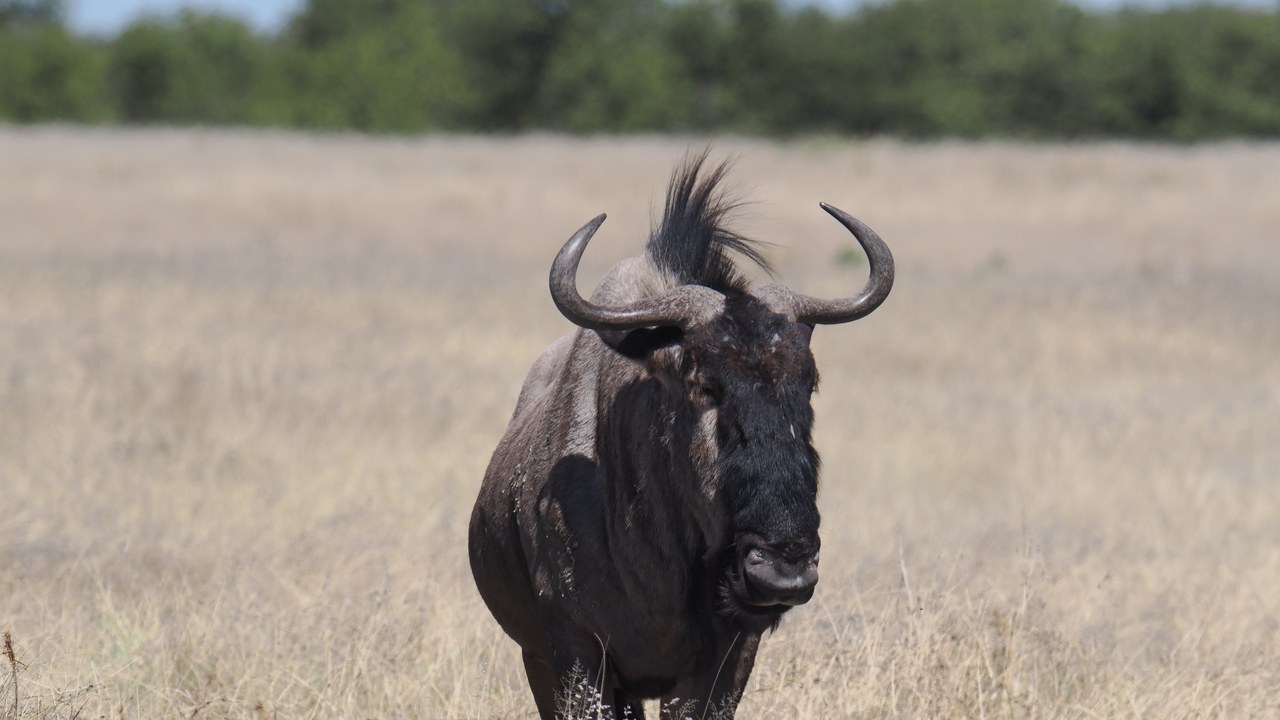
The Star, a Kenyan news outlet, reports that more than 1.5 million wildebeest make a year-long migration through the Serengeti and Mara, in its explainer on the Great Migration.
No distance is given in the source, so this entry rests on scale and duration rather than miles. The article calls the trip daring and perilous, and the herd size is the notable detail: more than 1.5 million animals make the journey. The scale of the herd, not the route length, is what earns the animals a place on this list.
12. Sockeye salmon: Home To Spawn
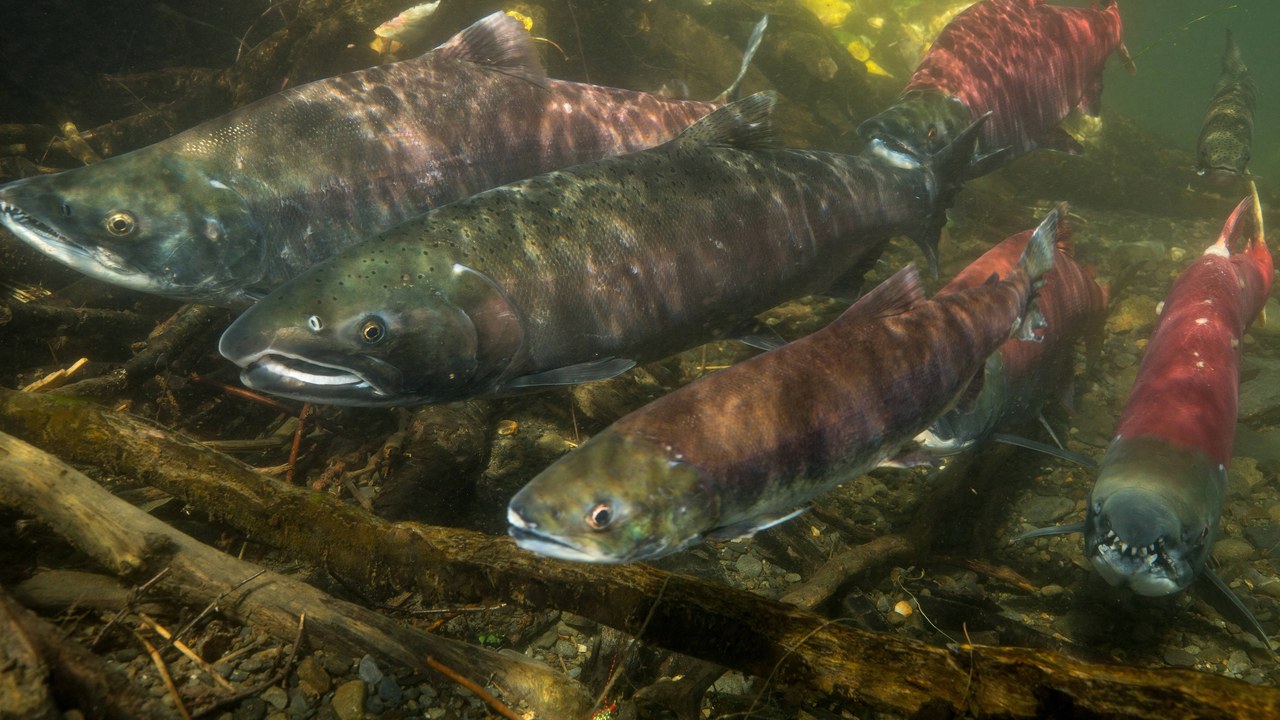
NOAA Fisheries says sockeye salmon spend two to three years at sea before migrating many miles upstream to spawn, usually in the stream or lake of their birth, on its sockeye salmon species page.
The source gives no exact mileage, so the entry stands for a different kind of migration: a return to the place of birth. Fish that make this trip travel from the ocean back into freshwater, which ends the list on a journey defined by destination rather than distance.
The tech news worth your time: Subscribe to Techpresso →
We may earn a commission if you sign up.
More from Morning Overview
- Common allergy, bladder and sleep pills tied to sharply higher dementia odds
- NOAA now gives this winter a 75% chance of the strongest El Nino since 1950
- Doctors warn a silent liver disease now affects one in three American adults
- The FBI told the rest of ShinyHunters to surrender after a 24-year-old was arrested
